Heraklion: Knossos Minoan Palace, the World's Finest Minoan Museum, Venetian Walls and the 21-Year Siege, El Greco's Cretan Origins, the 1866 Street Cretan Food Market, and the Phaistos Disc Discovery Site
Heraklion, the capital of Crete and gateway to the Minoan world, combines the Knossos Palace throne room with the world's most complete Minoan artifact museum, the Venetian military architecture that withstood Europe's longest siege, the birthplace of El Greco, the authentic Cretan diet food market, and the dramatic Phaistos disc discovery site on the Messara Plain.
- 1
Knossos: The Minoan Palace Labyrinth
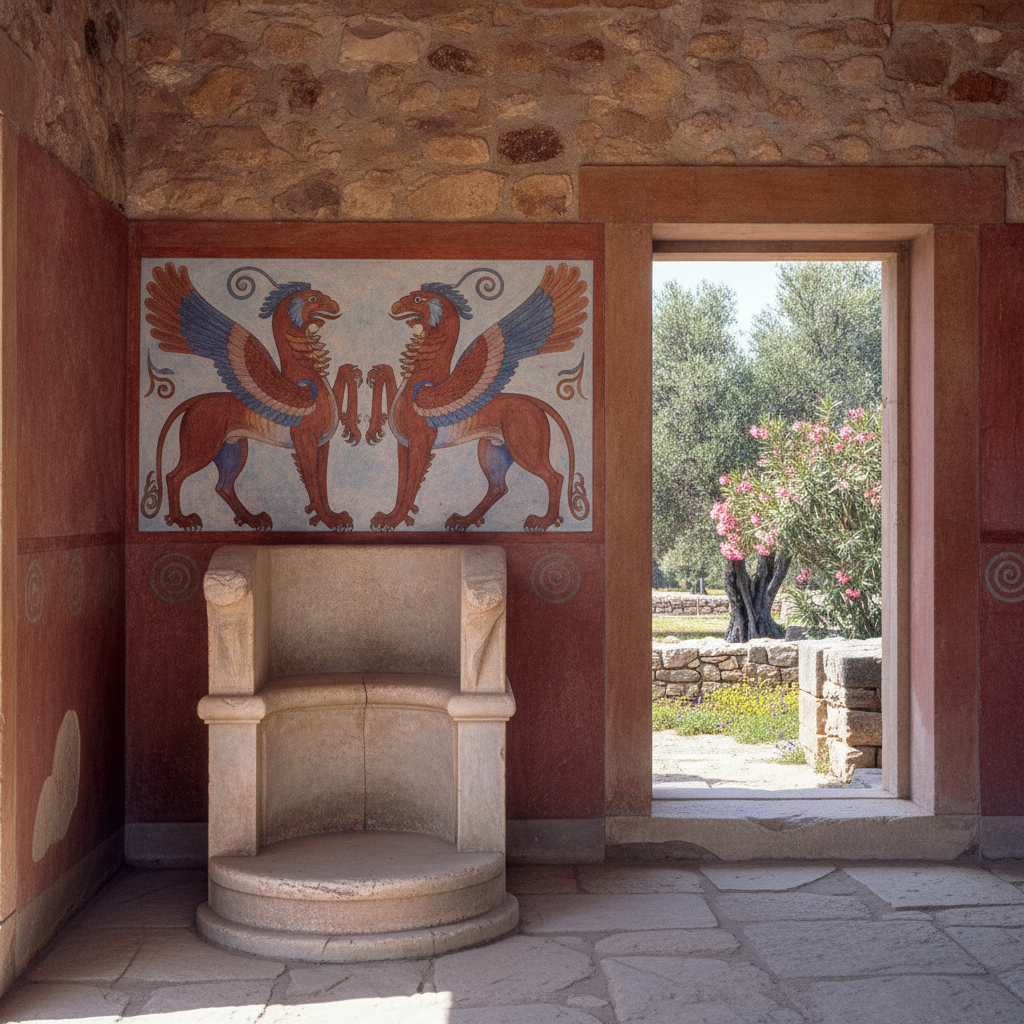
Knossos, the Bronze Age palace complex 5 kilometers south of Heraklion excavated and controversially reconstructed by Arthur Evans from 1900, is the most visited archaeological site in Greece after the Acropolis and the center of the Minoan civilization that flourished from 2700 to 1450 BC as the dominant maritime trading culture of the Bronze Age Mediterranean. The throne room of the Palace of Minos, the earliest throne room in European history with the original alabaster throne still in situ, and the reconstructed frescoes depicting the Minoan court life and the bull-leaping ceremony create the most complete encounter with the Bronze Age European world available at any single site.
- 2
Heraklion Archaeological Museum: The Minoan Treasury
The Heraklion Archaeological Museum, the most important collection of Minoan artifacts in the world, houses the Phaistos Disc with its undeciphered script, the Bull Leaping Fresco, the Harvester Vase from Agia Triada, the Snake Goddess faience figurines, and the Minoan gold jewelry of the most sophisticated Bronze Age goldsmithing in Europe in a collection that makes Heraklion the essential destination for understanding the first literate European civilization.
- 3
The Venetian Walls and the Koules Fortress
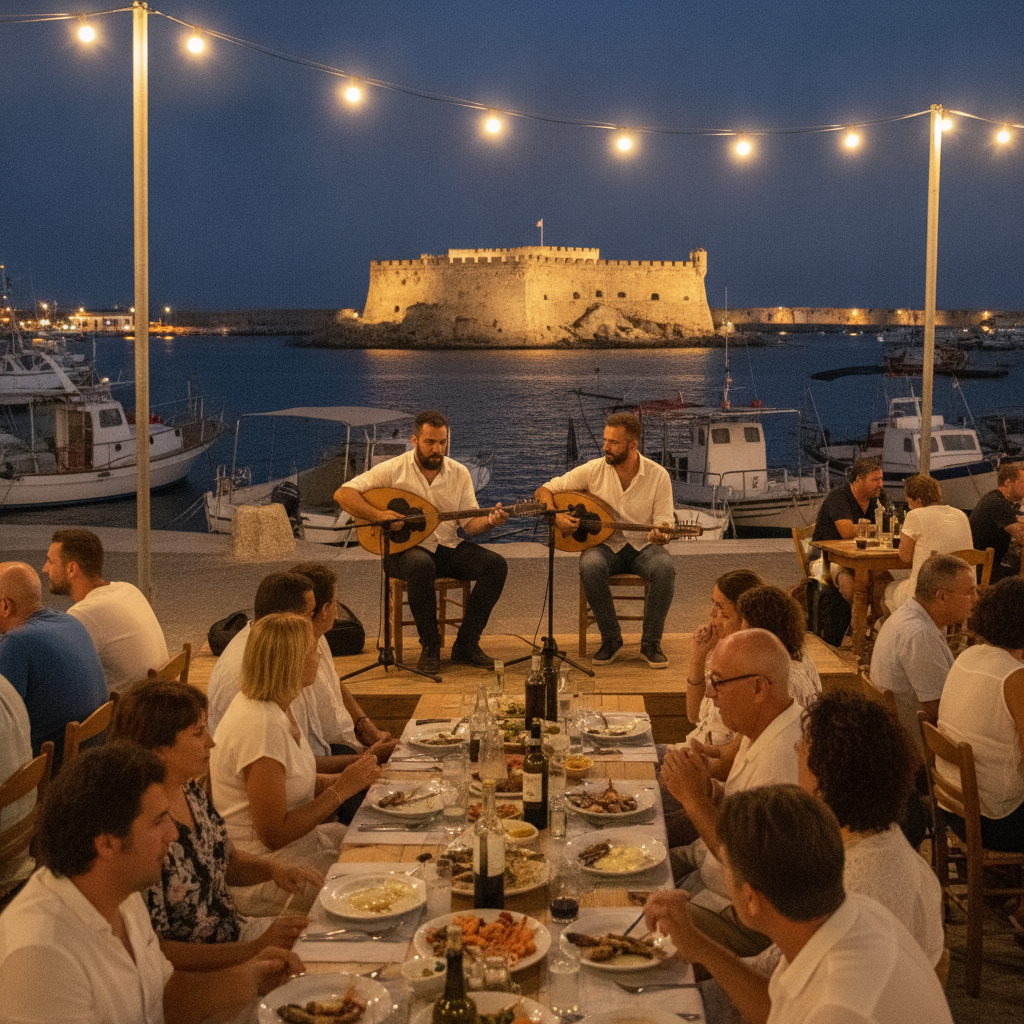
The Heraklion Venetian fortifications, the most complete surviving example of Venetian military architecture in the eastern Mediterranean, surround the old city in a 4-kilometer circuit of bastions and walls built from 1462 to 1559. The Koules fortress at the harbor entrance, the Lion of St. Mark emblem carved above the three gates that is the symbol of Venetian power in the Levant, dominates the harbor and served as the base for the 21-year Ottoman siege from 1648 to 1669 that is the longest siege in European military history.
- 4
El Greco and the Cretan Renaissance
Domenikos Theotokopoulos, the artist born in Crete in 1541 who became El Greco, the most individual and most spiritually intense painter of the Spanish Golden Age, received his artistic training in the icon-painting workshops of Heraklion before traveling to Venice and then Toledo where he developed the mannerist style with the elongated figures and the electric color palette that makes his work the most immediately recognizable in the Western painting canon. The El Greco room in the Heraklion Historical Museum presents the sole surviving Cretan period work.
- 5
Heraklion Food Market: The Cretan Table
The Heraklion food market of the 1866 Street, the covered market street with the cheese vendors, the olive oil producers, the dried herb and spice sellers, the pasteli sesame candy makers, and the stalls of the Cretan dakos rusks that form the foundation of the Cretan diet, is the most authentic encounter with the Cretan culinary tradition that has been identified by health researchers as the Mediterranean diet in its purest form and the nutritional model most associated with the longevity of the Cretan population.
- 6
Phaistos and the Messara Plain: The Second Palace
Phaistos, the second most important Minoan palace site on the Messara Plain 65 kilometers south of Heraklion, is the most dramatically situated archaeological site in Crete for the panoramic view of the plain and the distant Libyan Sea from the palace hilltop, and the site where the Phaistos Disc was discovered in 1908. The Messara Plain surrounding Phaistos, the largest agricultural plain in Crete, produces the olive oil and the wine that sustain the Cretan agricultural economy.
Walk this route with audio
Stories play automatically as you reach each stop — no tapping needed.
More in Heraklion
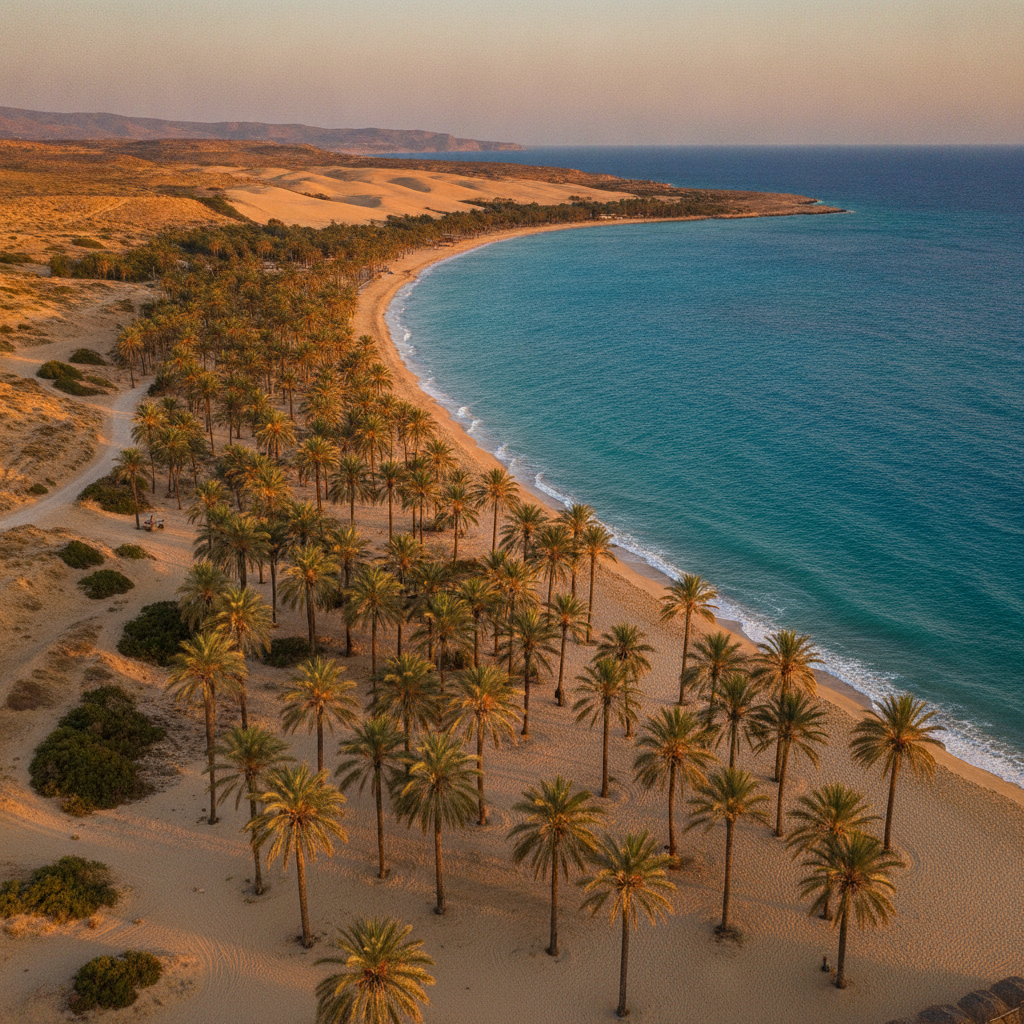
Heraklion Food and East: Cretan Market Produce and Indigenous Wine Revival, the Diktaean Cave Zeus Birthplace, Heraklion Nightlife, the Vai Palm Grove, Eastern Crete Minoan Zakros, and the Capital Infrastructure
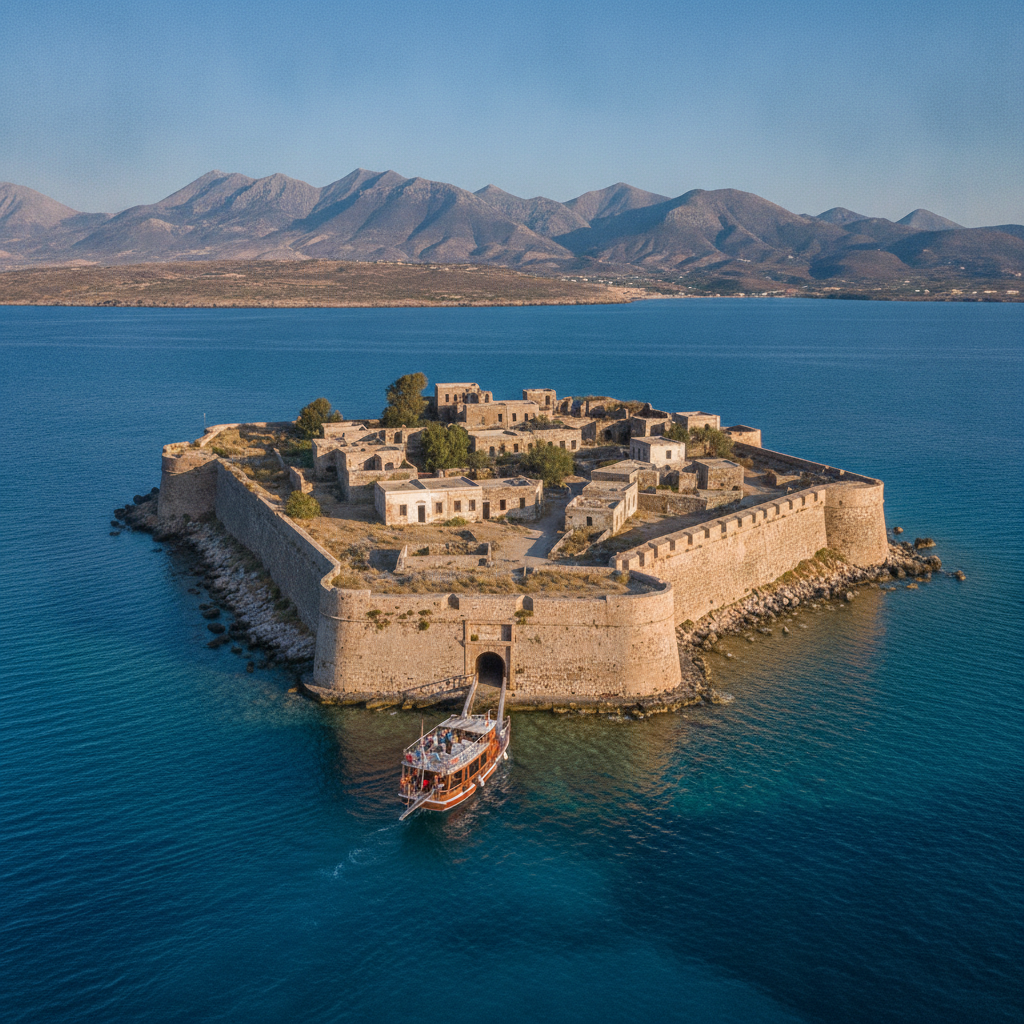
Heraklion History Deep: Minoan Civilization Mysteries, Evans Knossos Reconstruction Debate, the Battle of Crete 1941, Kazantzakis and the Cretan Spirit, the Venetian Harbour Arsenali, and the Spinalonga Leper Colony
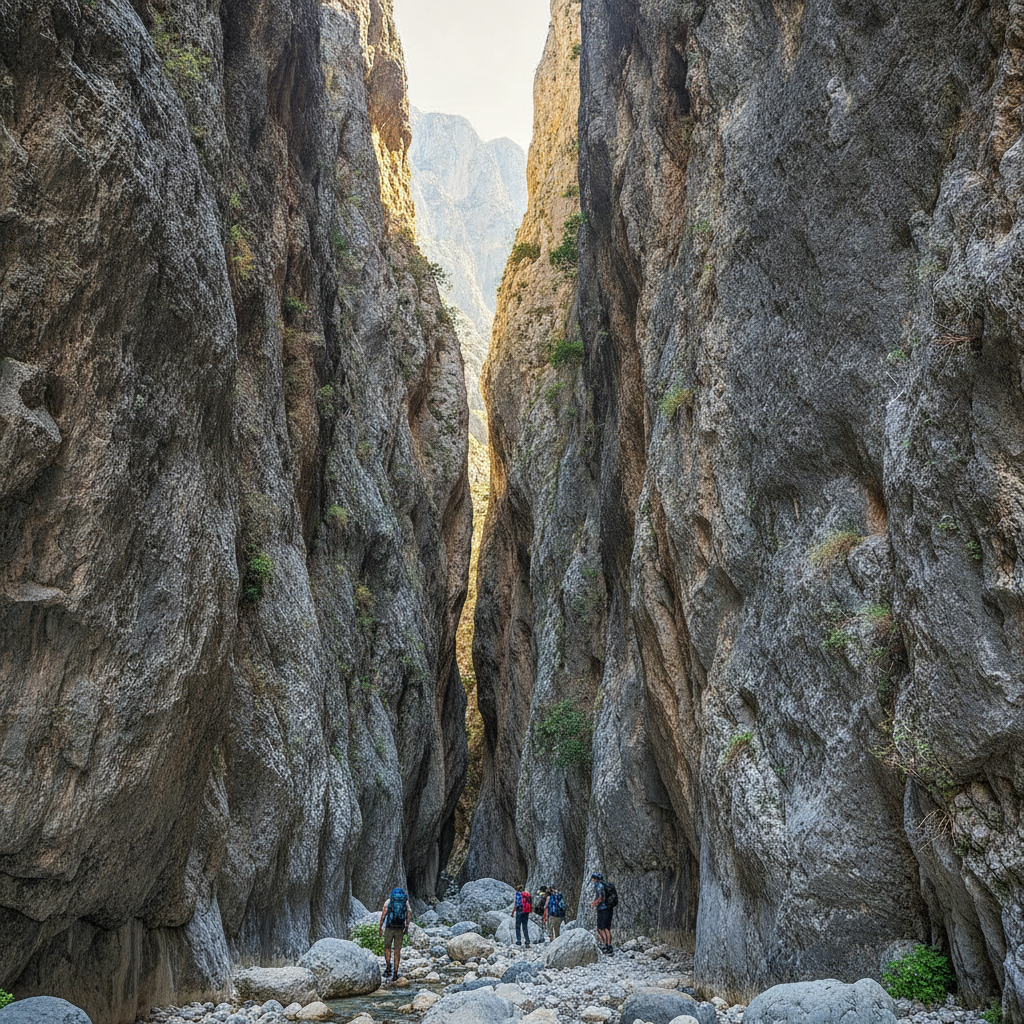
Heraklion and Crete: Samaria Gorge European Grand Canyon, the Elafonisi Pink Lagoon, Rethymno Venetian Town, the Chania Harbor Pearl, the Cretan Diet Village Tavernas, and the Heraklion Airport Island Network
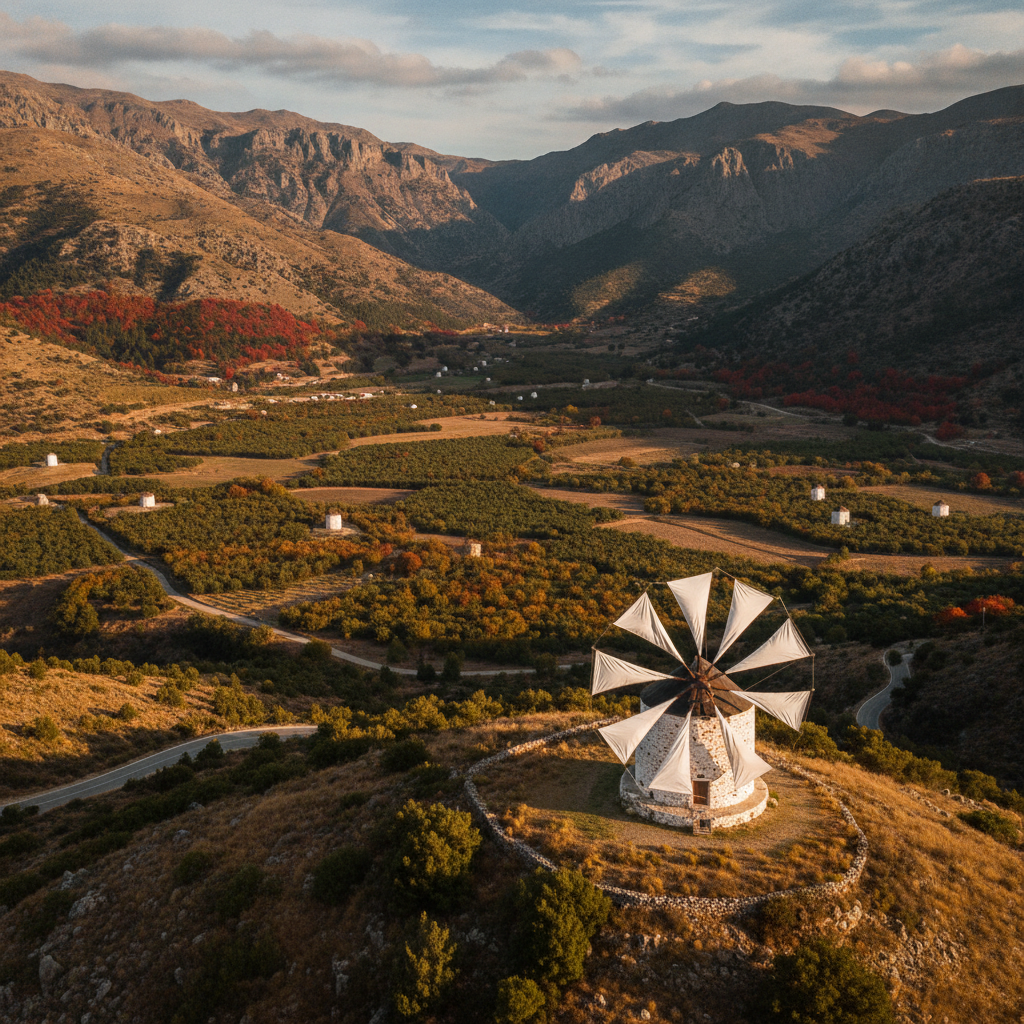
Heraklion Complete: Knossos and Museum Essential Pairing, Lasithi Plateau Windmill Agriculture, Malia and Zakros Alternative Palaces, Peza Wine PDO, Fodele El Greco Village, and Summer vs. Autumn Season Guide
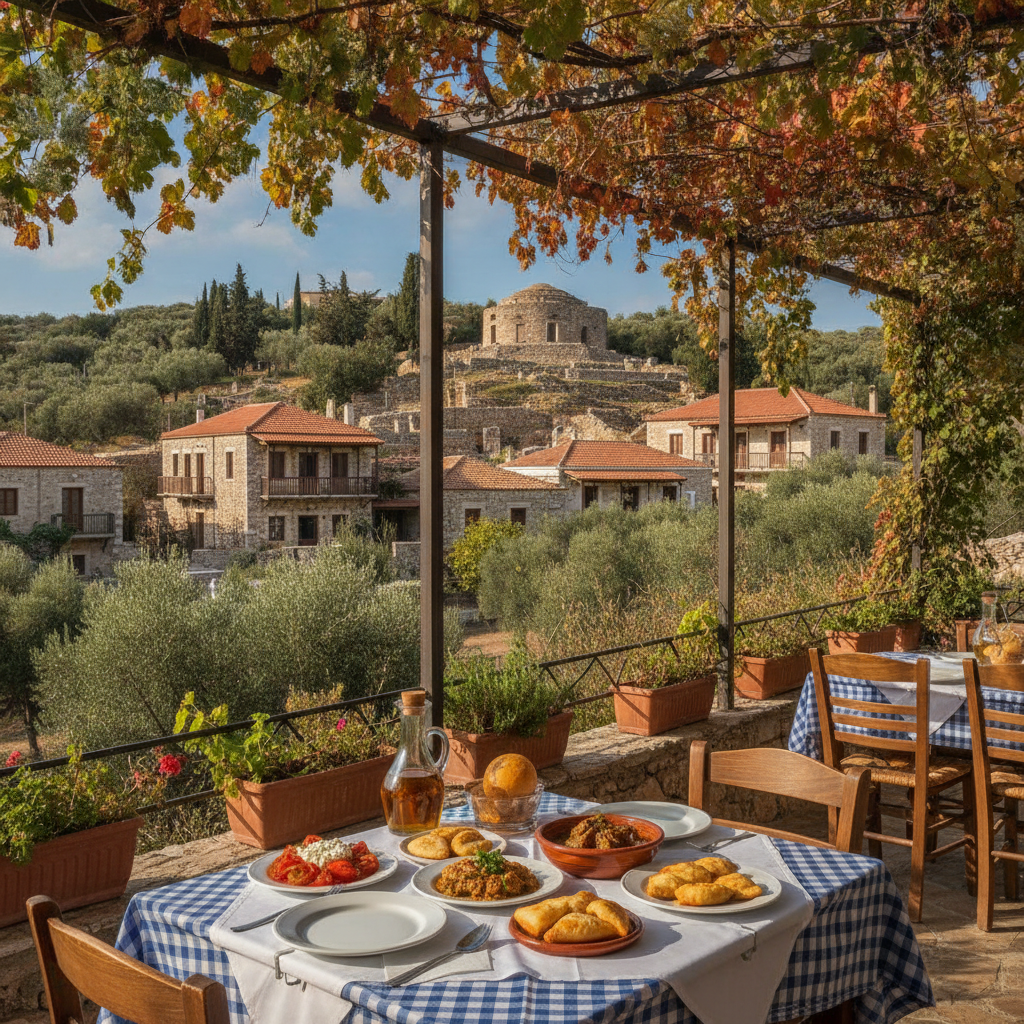
Heraklion Practical and Farewell: Morning City Walk Circuit, Psiloritis Mountain Anogeia Village, Archanes Minoan Cemetery Wine Village, Family Archaeology Education, Hotel Accommodation Guide, and the Final Museum Departure