Cementerio de Colón — Havana's City of the Dead
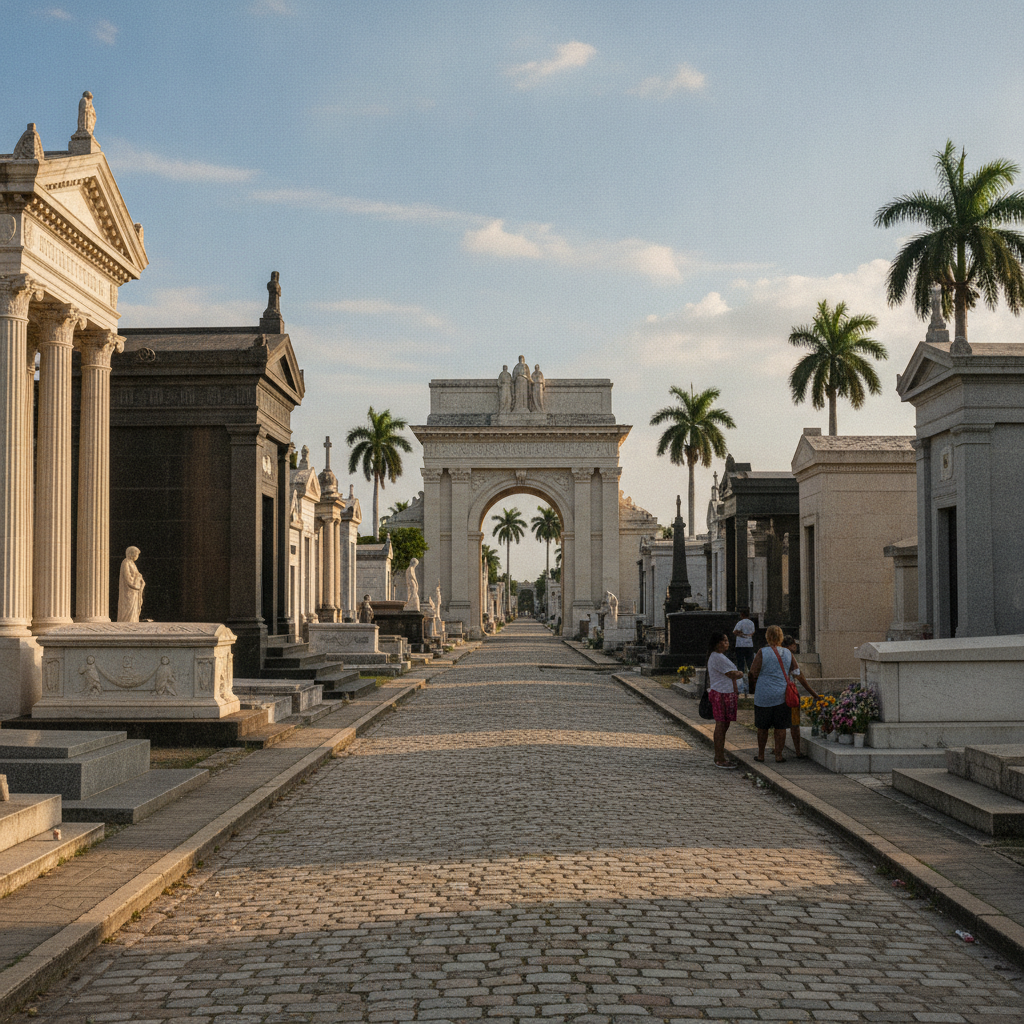
The Cementerio de Cristóbal Colón (the 'Christopher Columbus Cemetery' — the vast neoclassical cemetery in the Vedado district of Havana, covering 57 hectares (141 acres) with over 800,000 burial sites) is one of the most remarkable necropoli in the Americas — a city of the dead with the most extraordinary collection of funerary architecture in the Caribbean, from neoclassical mausoleums to Art Deco tombs to modernist memorials.
- 1
The Miraculous Tomb of La Milagrosa
The tomb of Amelia Goyri de la Hoz (1901) is Cuba's most visited religious site — Amelia died in childbirth at age 24; when the grave was opened years later, the baby was allegedly found at her feet rather than in its original burial position at her side; the tomb is visited daily by hundreds of Cubans seeking miracles for sick children, infertility, and family crises; visitors knock on the marble three times and must leave walking backward without turning their back.
- 2
City of the Dead — 800,000 Burials Since 1876
The Necrópolis Cristóbal Colón (Vedado, 1876, 56 hectares) contains 800,000 burials in what functions as an open-air museum of Cuban funerary architecture — the wealth of pre-revolutionary Cuba (sugar barons, tobacco families, Spanish colonial families) is encoded in 500+ elaborate family mausoleums; the oldest section (near the main entrance) contains the most historically significant burials.
- 3
Modernist Funerary Architecture — Havana's Hidden Gallery
The Colón Cemetery's most architecturally significant section (northwest quadrant) contains 1920s–1940s Art Deco and Modernist mausoleums by Cuba's leading architects — the Catalá family mausoleum (1925, pure Art Deco, inlaid marble), the fraternal lodge tombs (neo-Egyptian, 1910s), and the family chapels with Tiffany stained glass (1920s, imported from the US before the Revolution) are the highlights.
- 4
Free Masons & Fraternal Organizations — Cuban Civil Society in Marble
Cuba's pre-revolutionary civil society (Freemasons, Odd Fellows, firefighters' associations, Catalan societies, Basque clubs) built collective mausoleums of exceptional quality in the Colón Cemetery — the Masonic mausoleum (1890, central axis) contains 12,000 burials of lodge members; guided tours (organized by Ecotour Cuba) explain how fraternal organizations structured Havana's middle-class society before 1959.
- 5
Cemetery Photography — Light, Shadow and Marble
The Colón Cemetery is a major photography destination — the combination of tropical light, dense tree cover, crumbling Republican-era marble, and the scale of the architecture creates a distinctive visual environment; the morning (8–10am) and late afternoon (4–6pm) light through the cypress trees is most atmospheric; the cemetery is open 8am–5pm daily, entry CUC$5.
- 6
Firefighters' Memorial — Cuba's Largest Group Monument
The Firefighters' Monument (1897) commemorates 26 Havana firefighters who died fighting a fire at the Isasi hardware store — the massive neo-baroque group sculpture (by Julio Zapata) shows a dying fireman held by an allegorical female figure; it is the largest sculptural group in the cemetery and was the most expensive monument commissioned in Cuba in the 19th century.
Walk this route with audio
Stories play automatically as you reach each stop — no tapping needed.
More in havana
Son Cubano, Salsa & Havana's Living Music Culture
Vedado, Plaza de la Revolución & 20th-Century Havana
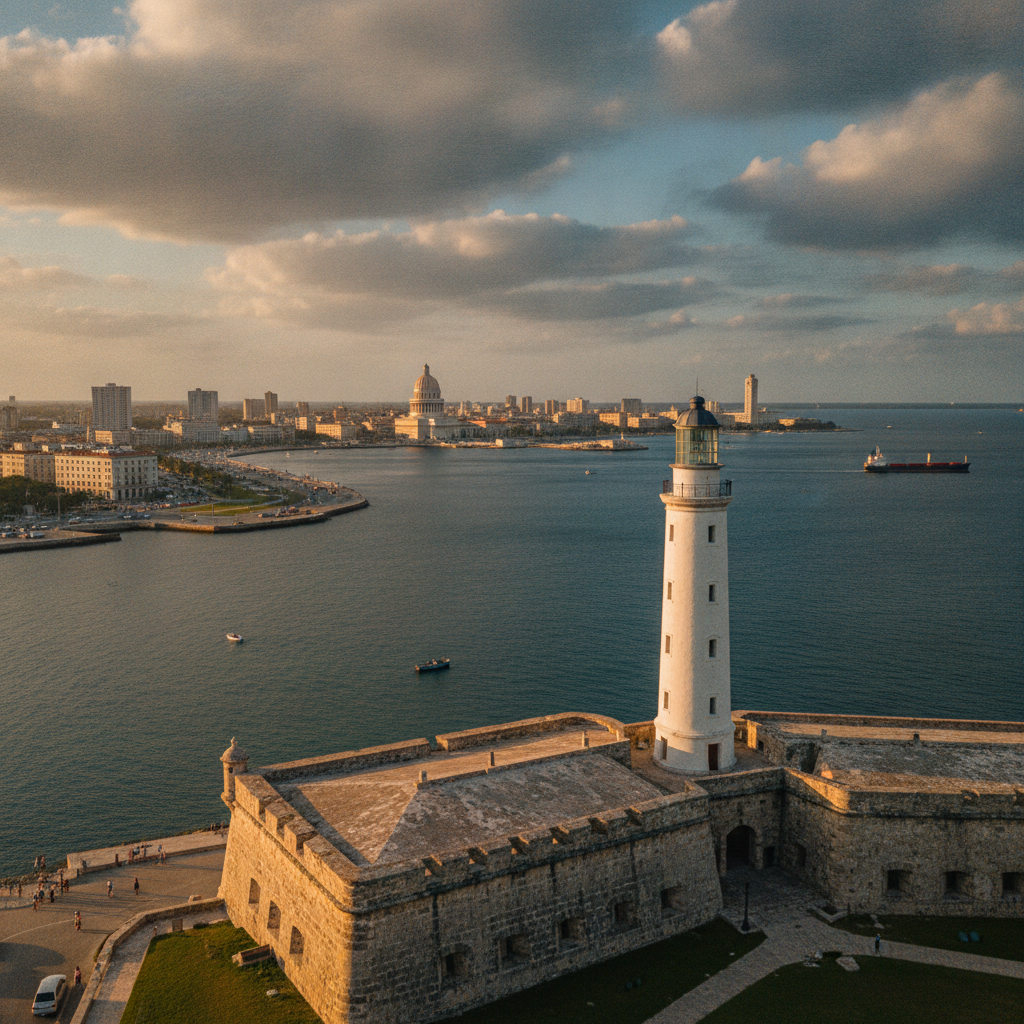
El Morro Fortress, Havana Harbour & The Bay
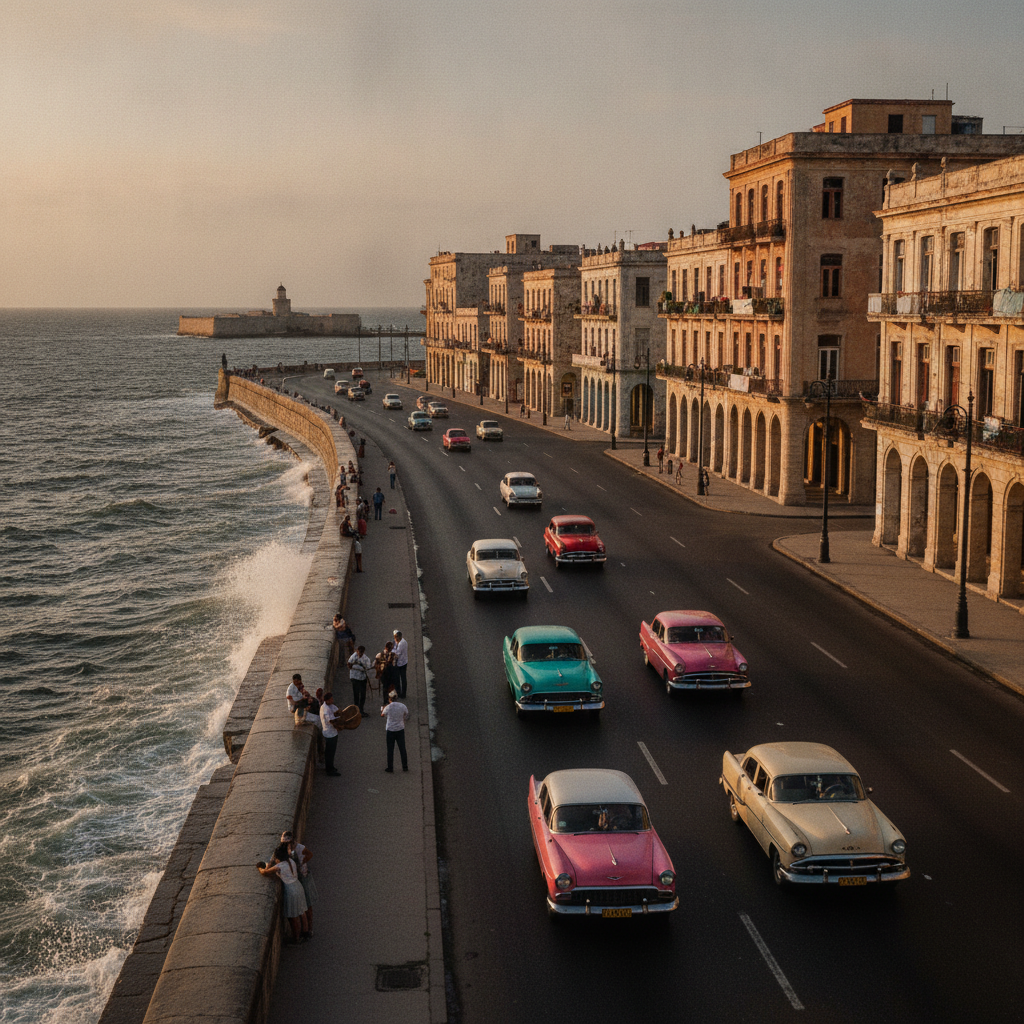
Habana Vieja, the Malecón & Havana's Classic Cars
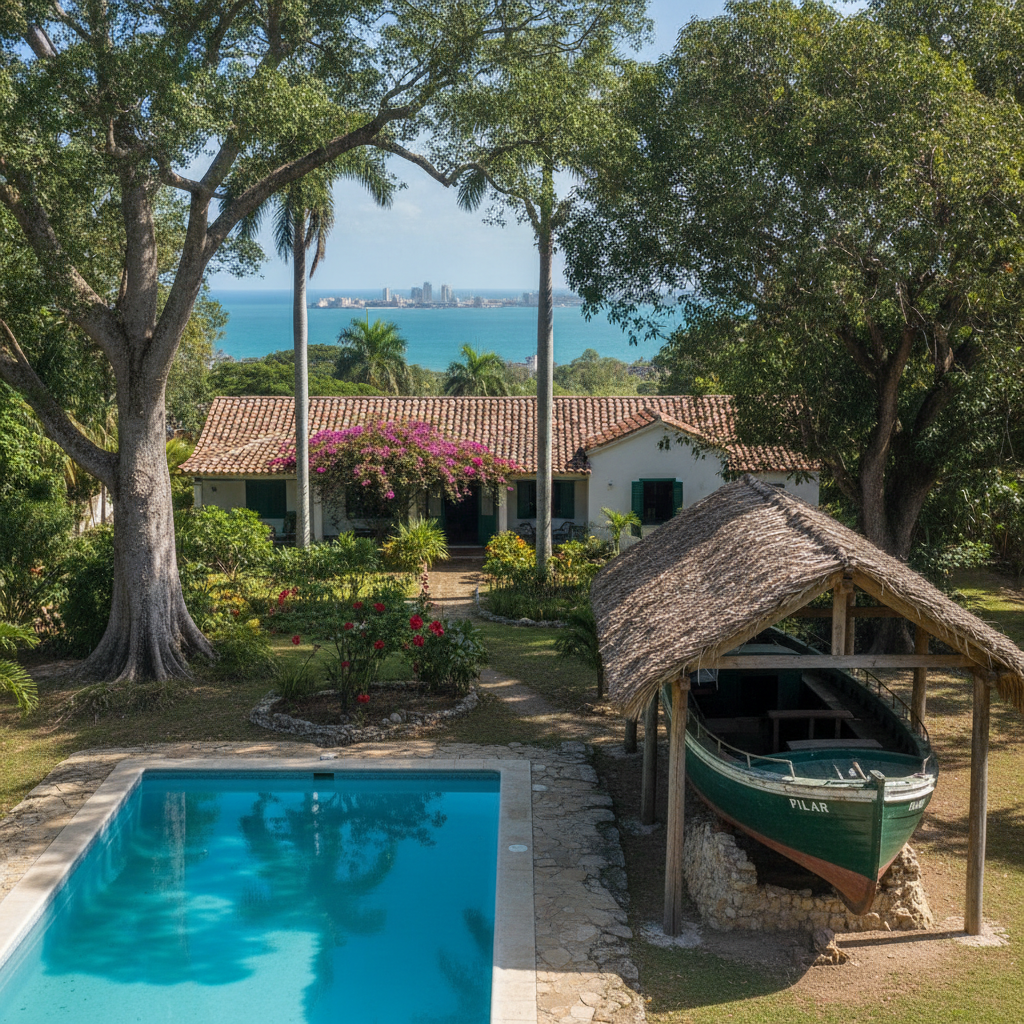
Hemingway's Havana — Finca Vigía, Cojímar & The Old Man and the Sea