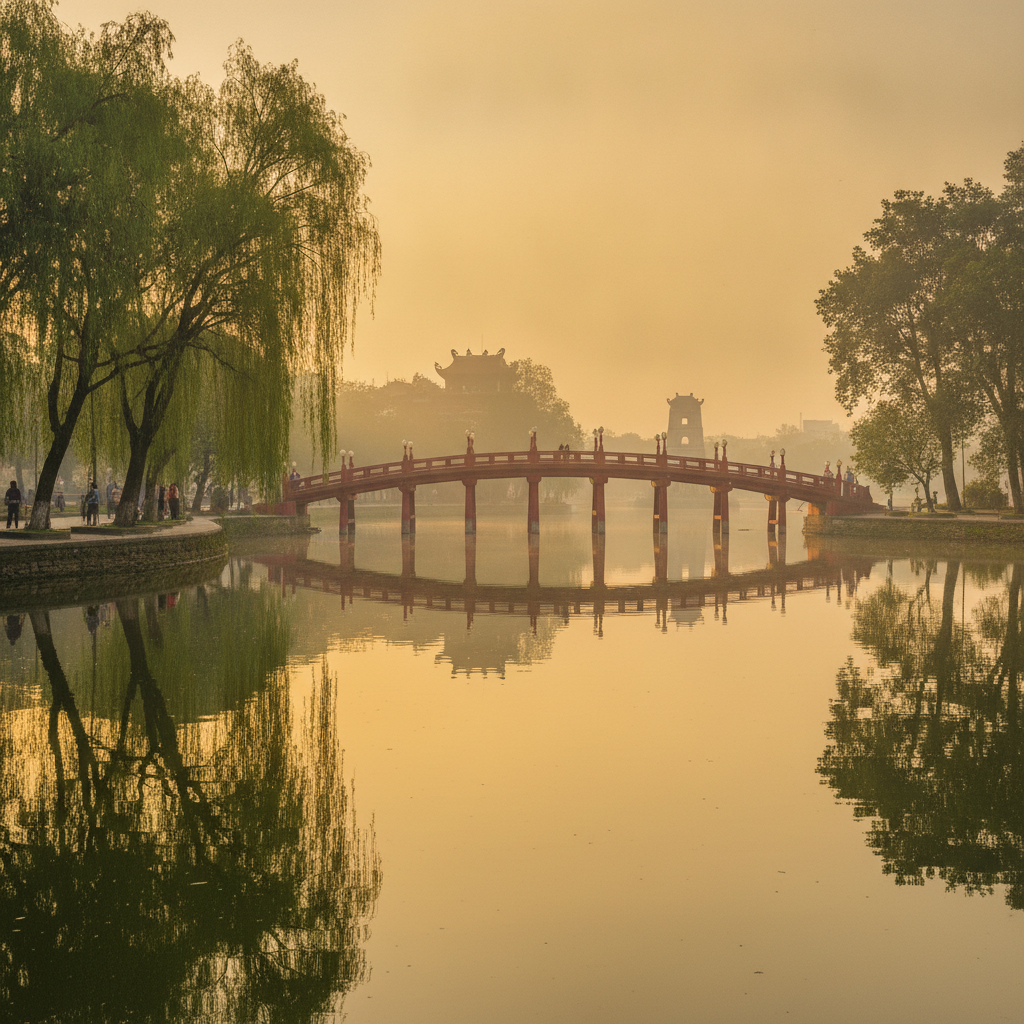
Ho Chi Minh Mausoleum, Ba Dinh & the Temple of Literature
The Ba Dinh district (Ba Đình — the political and administrative district of Hanoi, containing the Ho Chi Minh Mausoleum, the Presidential Palace, the One Pillar Pagoda, and the Temple of Literature — the district that combines the political core of the Vietnamese state with some of the oldest and most significant monuments in the country) is the most historically and politically significant area of Hanoi.
- 1
Ho Chi Minh Mausoleum — The Sacred Centre of the Vietnamese State
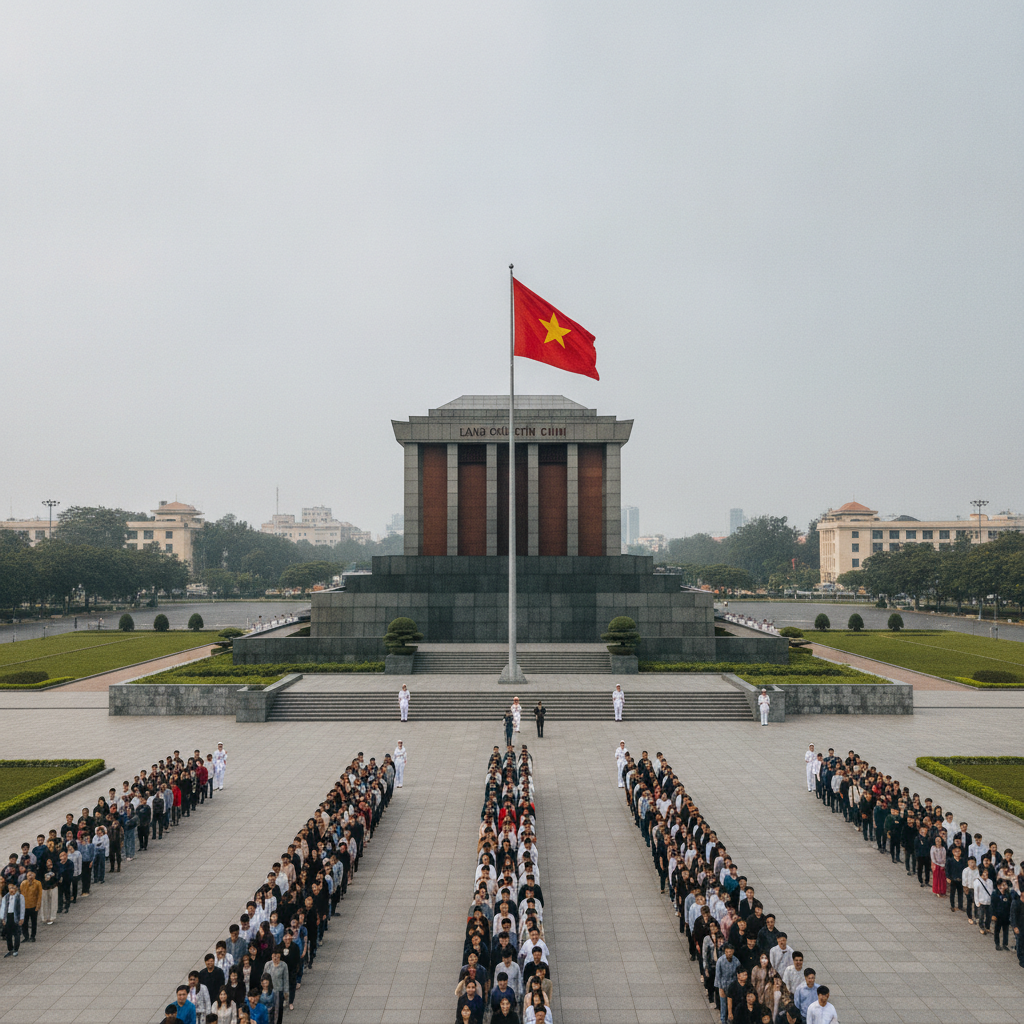
Ho Chi Minh Mausoleum (Lăng Chủ tịch Hồ Chí Minh — 'Mausoleum of President Ho Chi Minh', in Ba Dinh Square (Quảng trường Ba Đình) in the Ba Dinh district — the mausoleum where the embalmed body of Ho Chi Minh (Hồ Chí Minh, 1890-1969 — the revolutionary leader who founded the Viet Minh independence movement, led the resistance against French colonialism and the American military intervention, and is revered as the 'Father of the Nation' (Cha già dân tộc) and 'Uncle Ho' (Bác Hồ) — the most beloved figure in Vietnamese history) lies in state): the mausoleum (completed September 2, 1975, the 30th anniversary of Ho Chi Minh's independence proclamation, designed by the Soviet architect Gарольд Isaakovich, built partly from materials from across Vietnam (including stone from quarries in Sam Son and Nhi Hiep and wood from the forests of Ca Mau Province and the Vietnamese ethnic minority regions) — a monument to the breadth of the Vietnamese national project): the body of Ho Chi Minh (embalmed by Soviet specialists in a process similar to that used for Lenin's mausoleum, and maintained by Russian specialists who travel annually to Hanoi for the procedure) is displayed in a sealed, climate-controlled glass sarcophagus in the central hall, viewed by up to 20,000 visitors per day (the mausoleum is open Tuesday-Thursday and Saturday-Sunday mornings only, closed for the annual restoration period of October-November when the body is sent to Russia for maintenance).
- 2
Ba Dinh Square — Where Vietnam Was Born
Ba Dinh Square (Quảng trường Ba Đình — the large open public square in the Ba Dinh district, flanked by the Ho Chi Minh Mausoleum to the west, the Presidential Palace gardens to the north, the National Assembly Building to the south, and the One Pillar Pagoda and Ho Chi Minh Museum to the southeast — the most historically significant public space in Vietnam): on September 2, 1945, Ho Chi Minh stood on a temporary wooden stage in this square and read the Vietnamese Declaration of Independence (Tuyên ngôn Độc lập — a document that opens with a quotation from the American Declaration of Independence ('All men are created equal') and a quotation from the French Declaration of the Rights of Man, deliberately citing the colonial powers' own foundational texts to establish the legitimacy of Vietnamese independence — one of the most significant political documents of the 20th century) to a crowd of approximately 400,000 people, founding the Democratic Republic of Vietnam; the square (formally laid out in its current form in the 1960s) serves as the site of state ceremonies, military parades, and public celebrations; the Flag Tower (Cột cờ Hà Nội — the 33.4-metre flagpole built in 1812 at the southern end of the Imperial Citadel of Thang Long, the tallest historical monument in central Hanoi and the symbol of the city on the city seal) is visible to the southeast.
- 3
Temple of Literature — Vietnam's First University
Temple of Literature (Văn Miếu — Quốc Tử Giám — 'Temple of Literature — National Academy', on Quoc Tu Giam Street in the Dong Da district — the most significant historic monument in Hanoi and the most important educational institution in Vietnamese history): the complex (founded in 1070 CE by Emperor Ly Thanh Tong, initially dedicated to Confucius and later expanded in 1076 to include the Imperial Academy (Quốc Tử Giám — the first university in Vietnam, founded 1076, initially restricted to the sons of mandarins but later opened to talented commoners) — the educational and cultural centre of Vietnamese civilization from the 11th through the late 18th century): the temple complex (comprising five walled courtyards on a central north-south axis, each representing a progression toward the inner sanctum of Confucian learning) includes: the Khue Van Cac (Khuê Văn Các — the Pavilion of the Constellation of Literature, the 1805 two-storey pavilion on the entrance to the third courtyard — the most photographed structure in Hanoi and the symbol of the city), the Well of Heavenly Clarity (Thiên Quang Tỉnh — the square pool in the third courtyard flanked by the 82 Doctors' Stelae (Bia Tiến sĩ — the 82 stone stelae on tortoise pedestals (1484-1780) recording the names and hometowns of all 1,307 doctoral graduates (Tiến sĩ) of the Imperial Academy — the most important collection of historical records in Vietnam and a UNESCO Memory of the World since 2010)), and the main Confucius Sanctuary.
- 4
One Pillar Pagoda & Ho Chi Minh Museum
One Pillar Pagoda (Chùa Một Cột — 'One Column Pagoda', adjacent to the Ho Chi Minh Mausoleum in Ba Dinh — the small wooden pagoda built on a single stone pillar rising from a square lotus pond, one of the oldest and most iconic Buddhist monuments in Vietnam): the pagoda (originally built in 1049 CE by Emperor Ly Thai Tong following a dream in which Avalokitesvara (Quan Âm — the Bodhisattva of Compassion, the most widely worshipped deity in Vietnamese Buddhism) sat on a lotus throne and handed him a baby boy — the pagoda built to house a statue of Avalokitesvara in gratitude for the birth of a son (the pillar on which the pagoda stands representing the stem of the lotus flower, the pagoda itself representing the lotus bloom)) is the oldest surviving structure in Hanoi and the symbol of the Vietnamese Buddhist heritage; the current structure (rebuilt in 1955 after the retreating French forces blew up the original pagoda in 1954 on the day of their withdrawal) is the most reproduced image of Vietnamese Buddhism internationally; the Ho Chi Minh Museum (Bảo tàng Hồ Chí Minh — the museum in the large purpose-built building (opened 1990, on the centenary of Ho Chi Minh's birth) adjacent to the mausoleum, containing the most comprehensive collection of objects and documents relating to Ho Chi Minh's life and the Vietnamese independence movement) is the principal repository of the Vietnamese revolutionary heritage.
- 5
Imperial Citadel of Thang Long — UNESCO World Heritage
Imperial Citadel of Thang Long (Hoàng thành Thăng Long — the archaeological complex of the former imperial citadel of the Vietnamese dynasties from the Ly (1009-1225) through the Nguyen (1802-1945) dynasties, in the Ba Dinh district adjacent to the Presidential Palace — UNESCO World Heritage since 2010): the citadel (the political centre of Vietnamese civilization for nearly a millennium, the site where the successive royal courts of the Ly, Tran, Le, Mac, and Trinh dynasties governed Vietnam) survives primarily as archaeological remains (the most extensive surviving sections are the foundations of the major palace buildings, the underground bunker system used by the Democratic Republic of Vietnam from 1954, which General Vo Nguyen Giap used as his command centre during both the French Indochina War and the American War, and the Doan Mon Gate (Đoan Môn — the 1805 Nguyen dynasty southern gate of the inner citadel, the finest surviving gate in the complex)); the Flag Tower (Cột cờ Hà Nội — the 1812 three-tiered masonry flagpole at 33.4 metres — the tallest historical structure in central Hanoi, visible from much of the historic city, a symbol of the city on the official Hanoi city seal) stands at the southern boundary of the citadel complex.
- 6
West Lake & the Tay Ho District
West Lake (Hồ Tây — the largest lake in Hanoi (approximately 500 hectares, 13 km circumference), in the Ba Dinh and Tay Ho districts of northwestern Hanoi — the most expansive natural space in the city and the most atmospheric area outside the historic centre): West Lake (the lake formed by an ancient meander of the Red River (Sông Hồng) when the river changed course, historically the site of royal pleasure gardens during the Ly and Tran dynasties — the legend of the lake tells of a golden buffalo calf that ran into the lake from a golden bell hung in a pagoda at the shore, creating the lake with the force of its movement) is encircled by a mix of traditional pagodas (Tran Quoc Pagoda (Chùa Trấn Quốc) — on a small island in the southeast corner of West Lake, the oldest pagoda in Hanoi (founded 6th century CE), famous for its 15-metre stupa (bảo tháp) built in 2003 in the traditional Vietnamese pagoda style), wealthy residential villas (the Tay Ho district around the lake is the most affluent residential address in Hanoi, preferred by expatriates and the new Vietnamese upper class), international restaurants (the café and restaurant strip along Dang Thai Mai Street (Phố Đặng Thai Mai) on the south shore of the lake), and the traditional flower villages (Nhat Tan (Nhật Tân) — the village on the north shore of West Lake famous for peach blossom (đào) trees grown for the Tet New Year celebration — the most important flower market in Hanoi during January-February).
Walk this route with audio
Stories play automatically as you reach each stop — no tapping needed.
More in hanoi
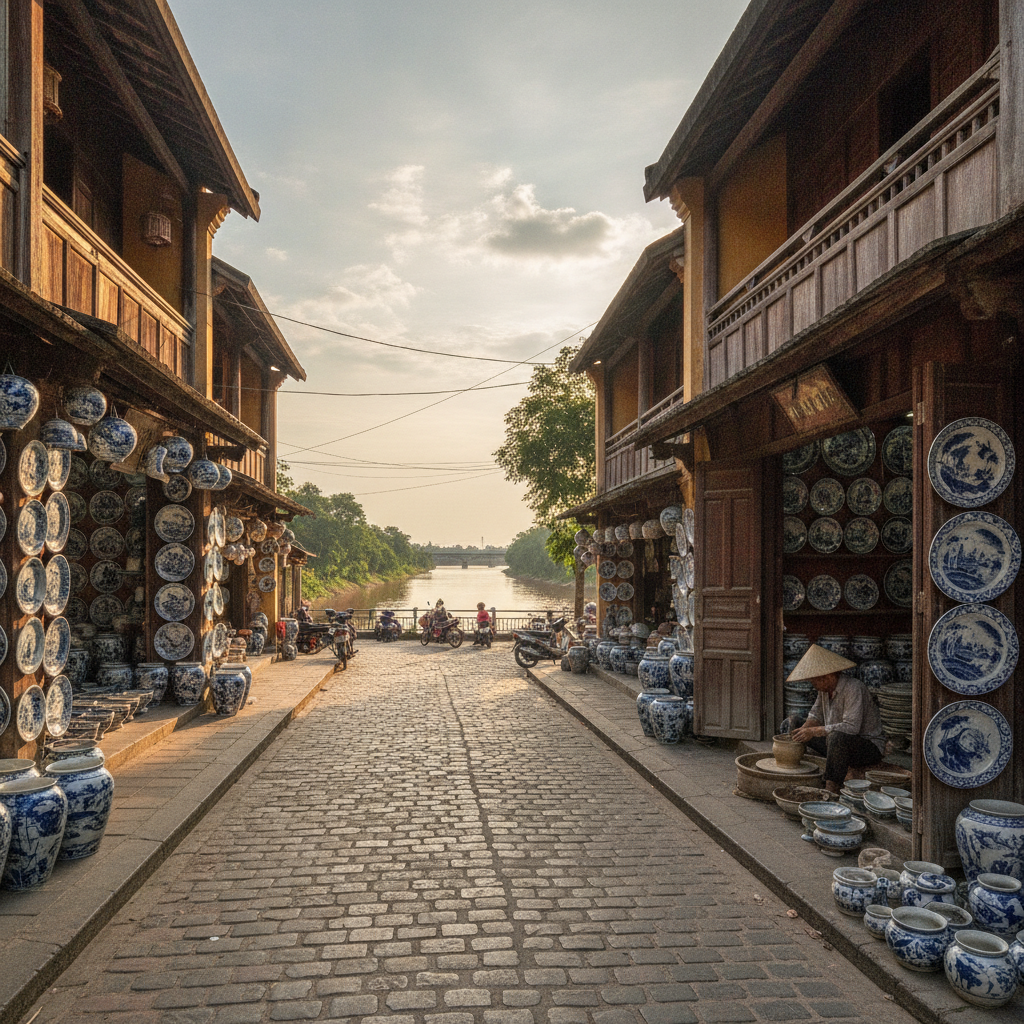
Van Phuc Silk, Bat Trang Ceramics & Hanoi's Ancient Craft Villages
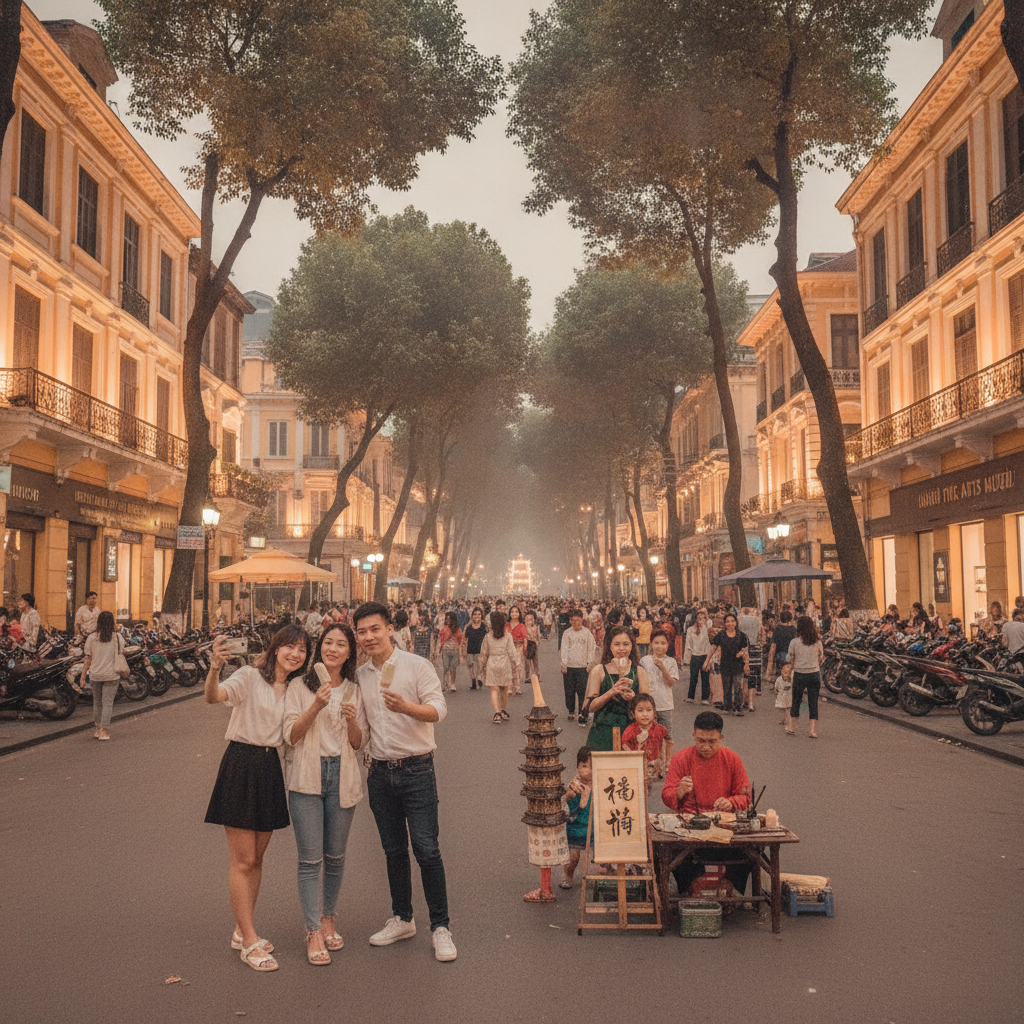
Contemporary Hanoi — Art Galleries, Street Art & the New Vietnamese Capital
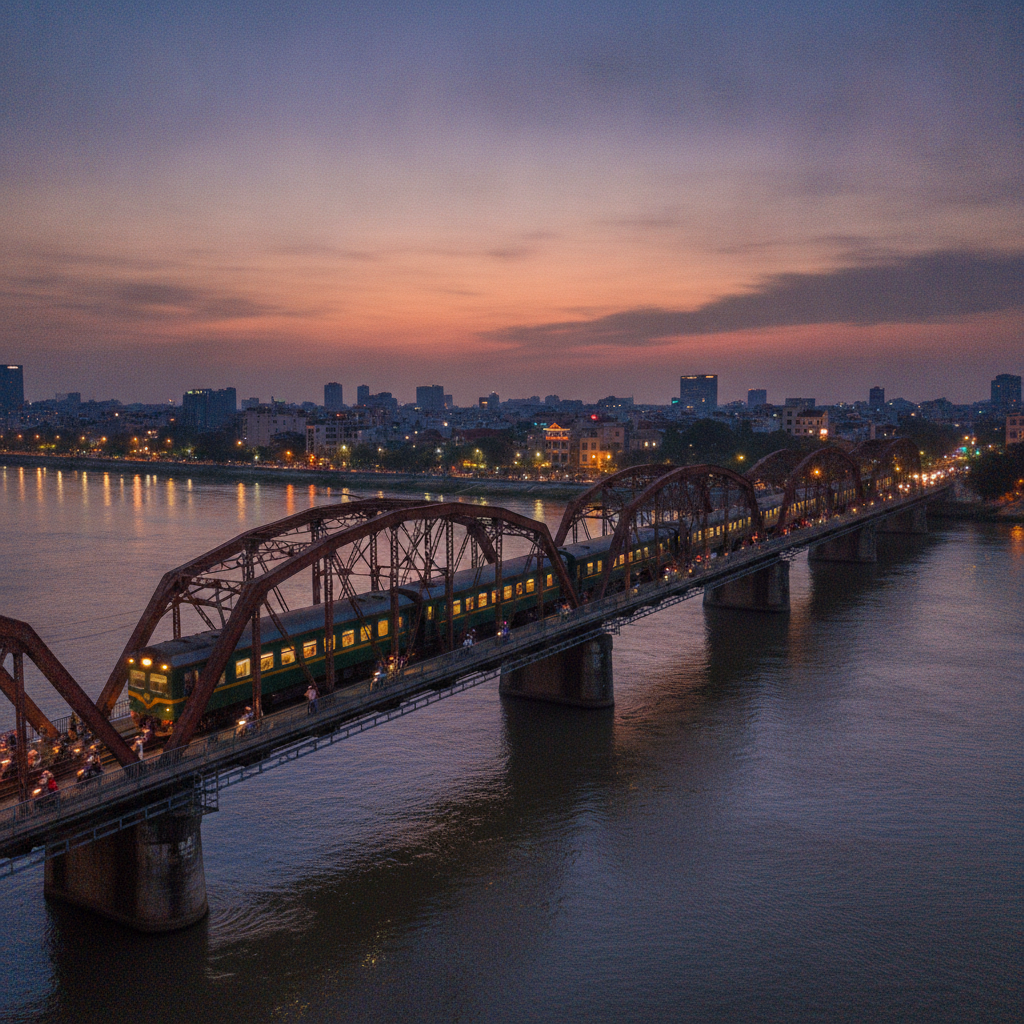
Long Bien Bridge, Red River & the Layers of Hanoi's History
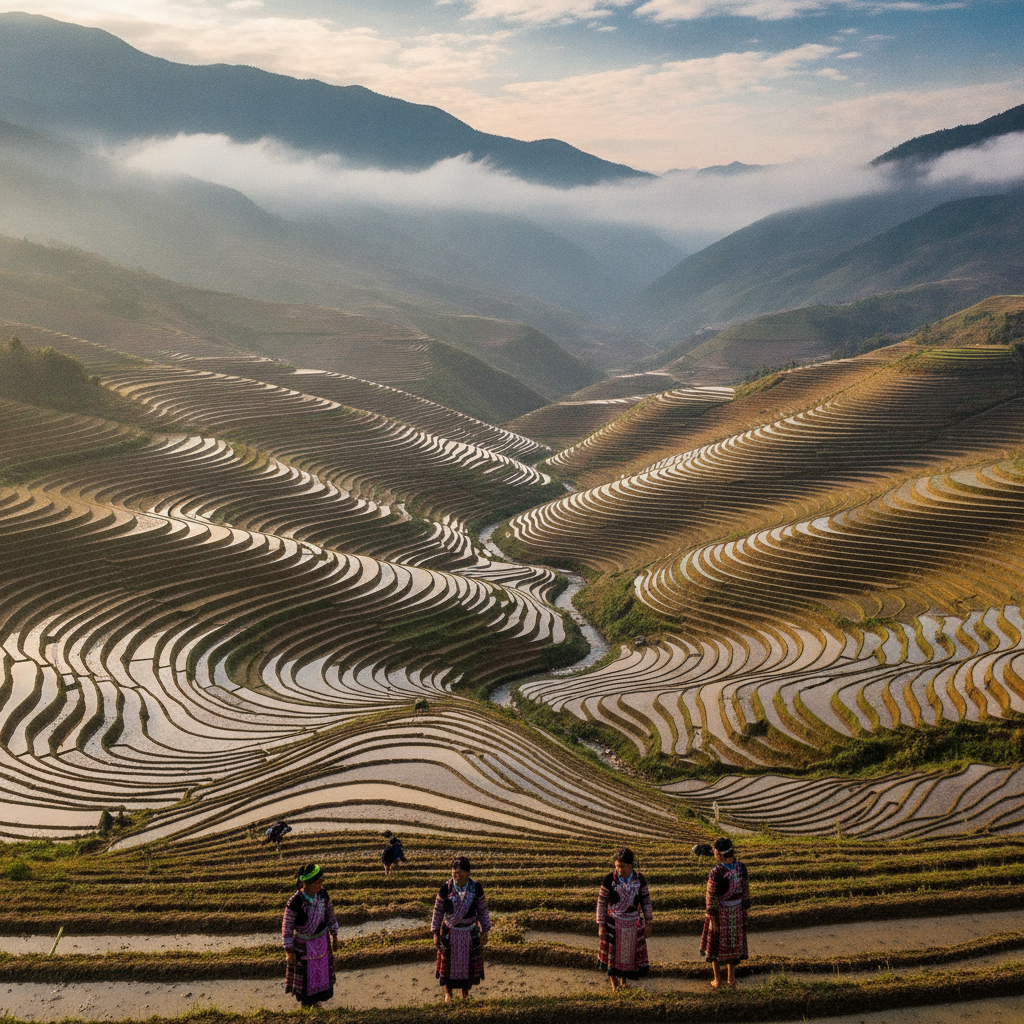
Sapa, Fansipan & the Northern Highlands — Vietnam's Roof of the World
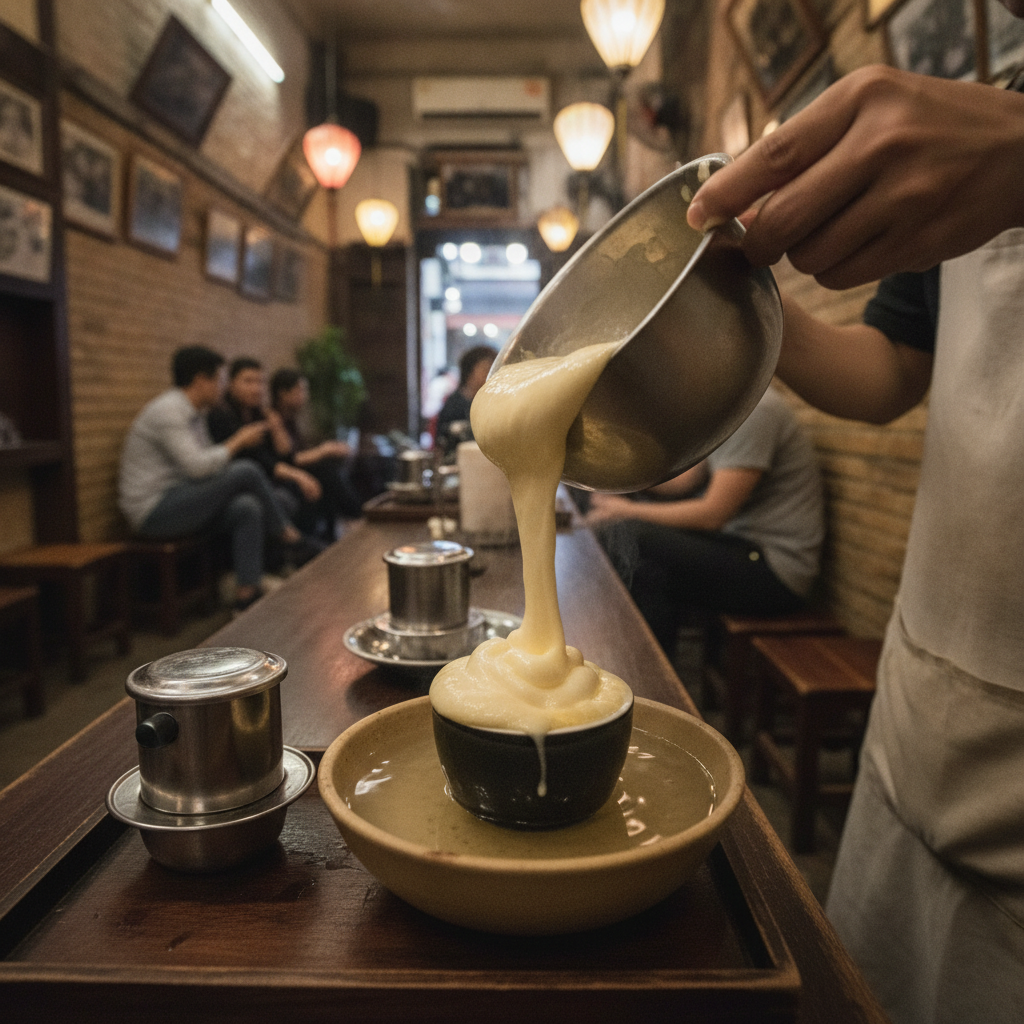
Hanoi Street Food — Phở, Bún Chả, Bánh Mì & Egg Coffee