Hamilton Bermuda: Pink Sand Beaches, Crystal Cave, St. George's World Heritage Colonial Town, the Gulf Stream Isolation, the Bermuda Triangle Myth, and the Hamilton Harbor Capital
Hamilton, the capital of Bermuda, is the gateway to the most northerly coral island in the world, combining the iconic pink sand beaches of Horseshoe Bay, the spectacular Crystal Cave system, the UNESCO World Heritage colonial town of St. George's established in 1612, and the Gulf Stream geography that makes Bermuda's subtropical climate possible in the North Atlantic.
- 1
The Pink Sand Beaches of Bermuda
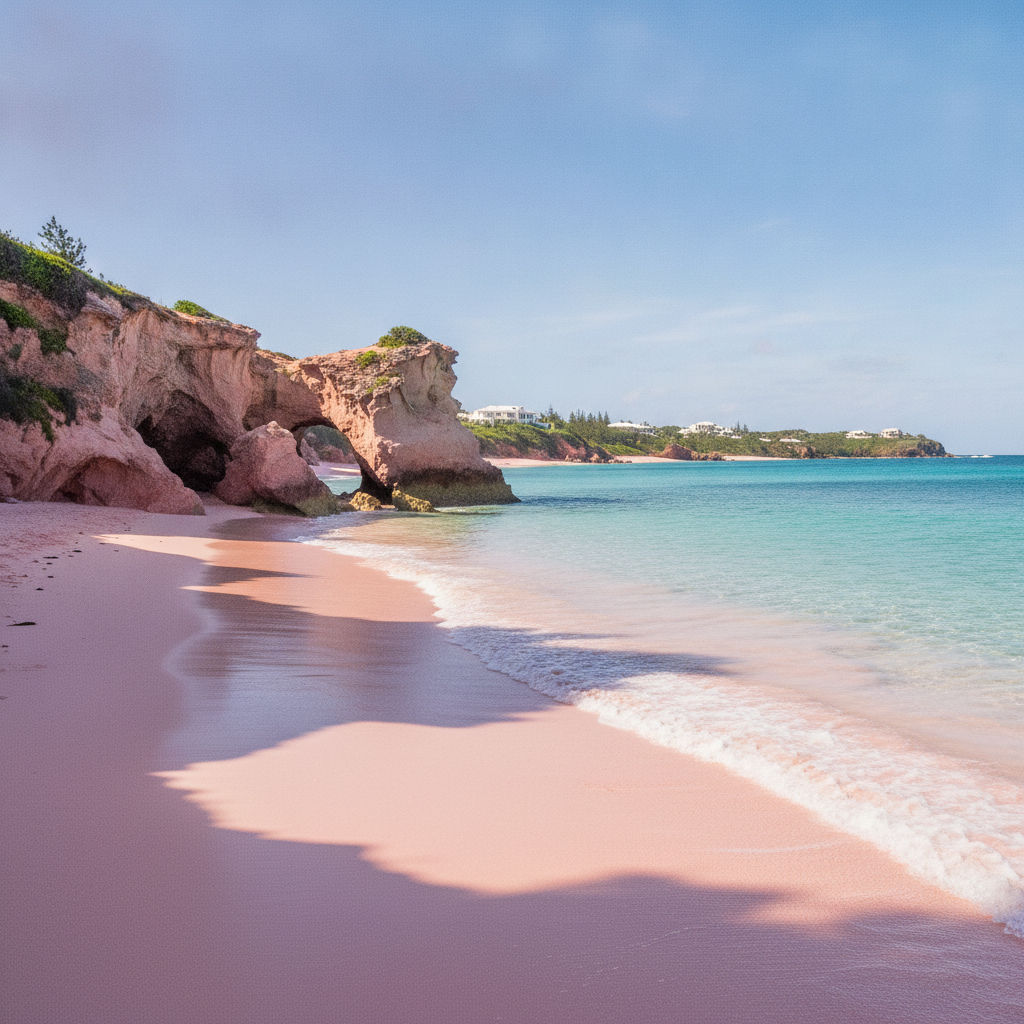
Bermuda's pink sand beaches, the signature natural feature of the island chain formed by the red foram shells that mix with the white silica sand to create the distinctive pink coloration visible from the air, are concentrated on the south coast of the main island from Horseshoe Bay to Warwick Long Bay and Jobson's Cove, with Horseshoe Bay National Park providing the most accessible and most photographed of the Bermuda beaches in the setting of the pink limestone cliff and the turquoise Atlantic water.
- 2
Crystal Caves: The Underground Marvel
Crystal Cave in Hamilton Parish, the most spectacular of the Bermuda cave system, descended to the cavern floor 15 meters below the surface by guided tour, reveals a cathedral-sized space in the limestone bedrock where the stalactites, the stalagmites, the cave coral formations, and the crystal-clear underground lake that allows the visitor to see the cave floor 18 meters below the surface create the most dramatic underground experience in the Atlantic Ocean island chain.
- 3
Bermuda's Isolation: The Perfect Storm Geography
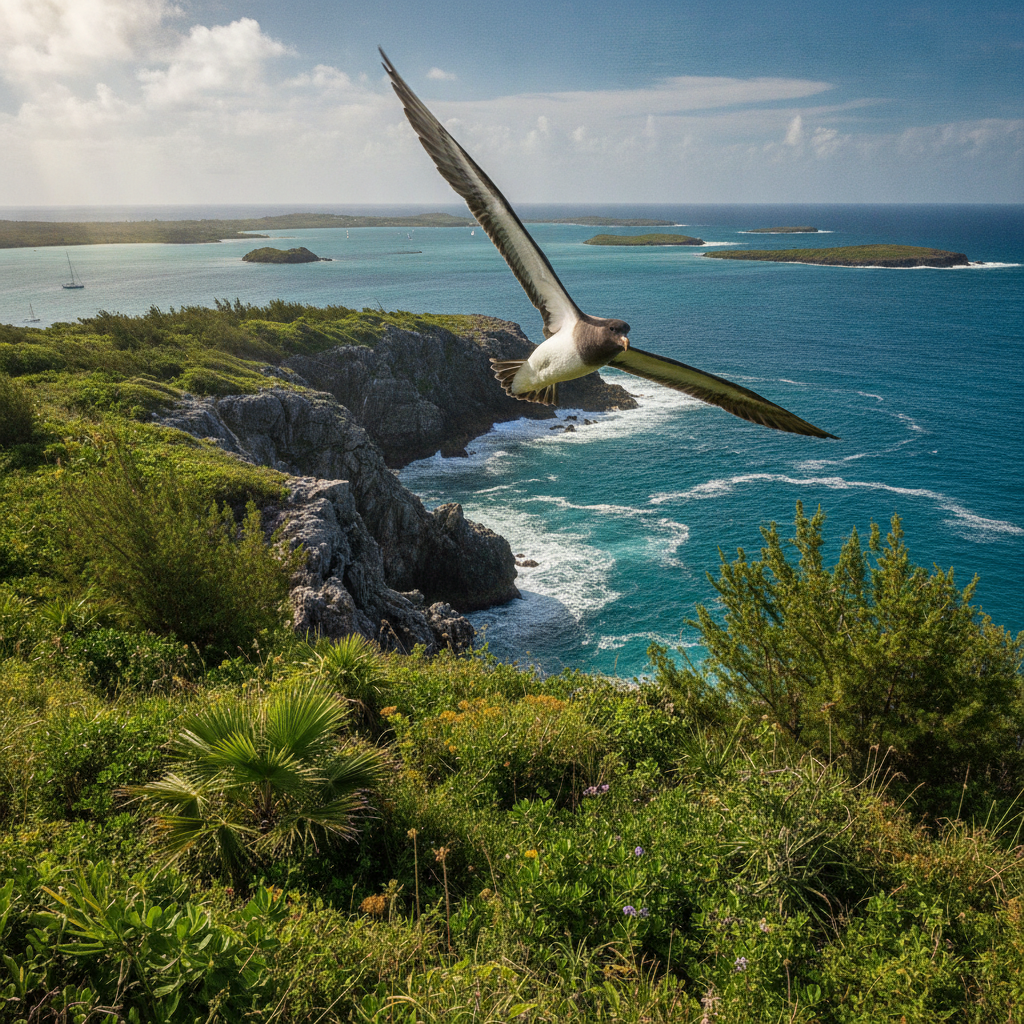
Bermuda, located 1,070 kilometers from Cape Hatteras and 1,200 kilometers from Halifax as the most isolated inhabited island in the North Atlantic, owes its existence as a habitable island to the Gulf Stream current that carries the tropical water from the Caribbean north along the US East Coast to Bermuda, warming the island enough to support the coral reef that is the most northerly in the world and the endemic subtropical vegetation that covers the otherwise barren Atlantic limestone island.
- 4
St. George's: The World Heritage Colonial Town
St. George's on the eastern tip of Bermuda, established in 1612 as the second oldest English settlement in the Americas after Jamestown, is a UNESCO World Heritage Site for the 17th century town planning and colonial architecture preserved in the most complete surviving example of English colonial urban planning in the world. The St. Peter's Church of 1612, the oldest surviving Anglican church in the western hemisphere, the Town Hall, and the State House of 1620, the oldest building in the western hemisphere, make St. George's the most historically significant English colonial town in the Americas.
- 5
Bermuda Triangle: The Myth and the Navigation
The Bermuda Triangle, the imagined sea zone bounded by Miami, Bermuda, and Puerto Rico in which the popular literature of the 1970s attributed mysterious disappearances of ships and aircraft, has been thoroughly debunked by maritime historians and insurance records that show no statistically significant increase in maritime incidents in the area compared to other equally trafficked Atlantic shipping lanes. The Bermuda Triangle mythology, largely created by Charles Berlitz's 1974 book, is the most successful geographic legend in modern popular culture.
- 6
Hamilton: The Capital and the Harbor
Hamilton, the Bermuda capital on the Great Sound harbor with the population of approximately 1,000 residents and the commercial, financial, and ferry hub function, is the most compact island capital in the Atlantic, with the Front Street harbor frontage, the Victoria Park, and the Bermuda Cathedral providing the essential civic landmarks of the city that serves as the commercial and cultural center of the 54,000-person island territory.
Walk this route with audio
Stories play automatically as you reach each stop — no tapping needed.
More in Hamilton
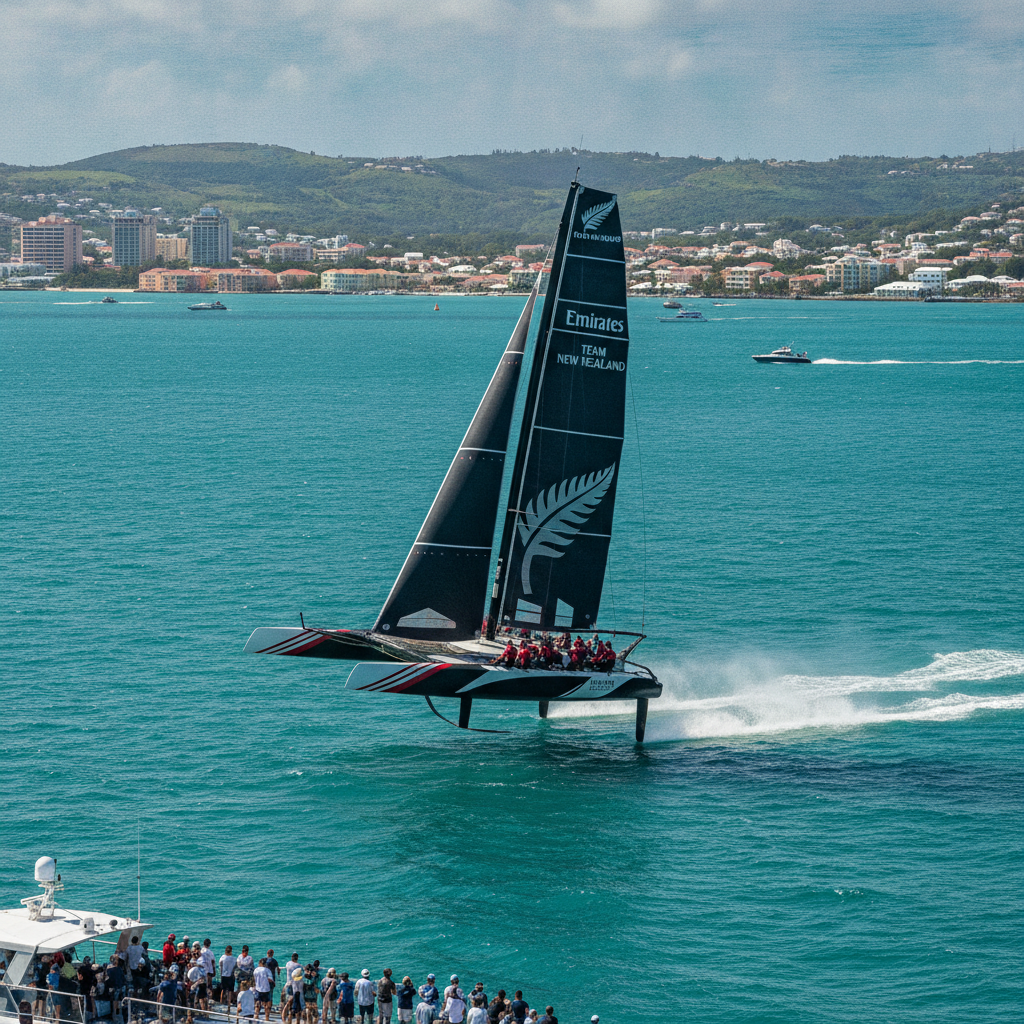
Hamilton History and Legacy: the 2017 Americas Cup, Independence Referendum, Coral Restoration Science, Famous Visitors from Twain to Churchill, Heritage Month, and the North Atlantic Most Civilized Island Summary
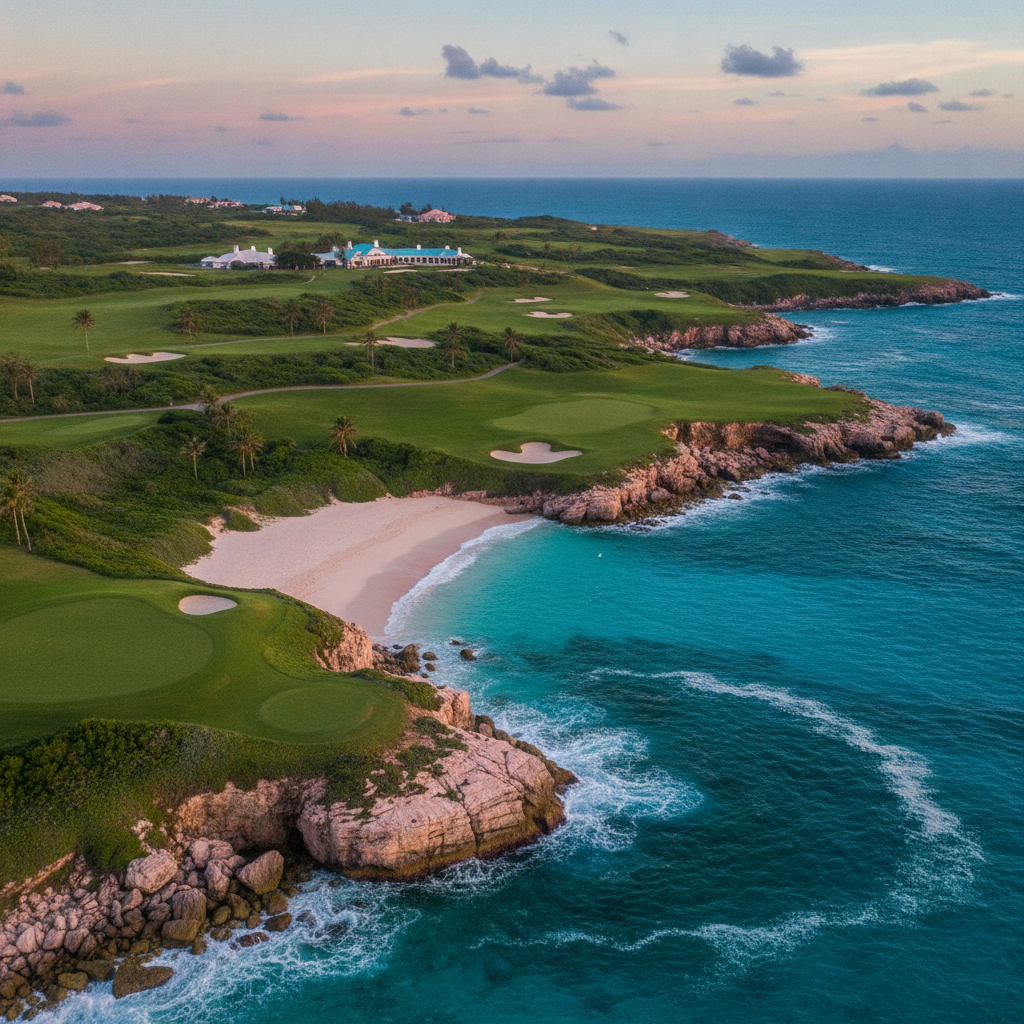
Hamilton Finance and Activities: Bermuda Reinsurance Capital, Newport Race, Horseshoe Bay Geology, St. David's Island Local Experience, Golf Course Density, and the Rebuilt LF Wade Airport
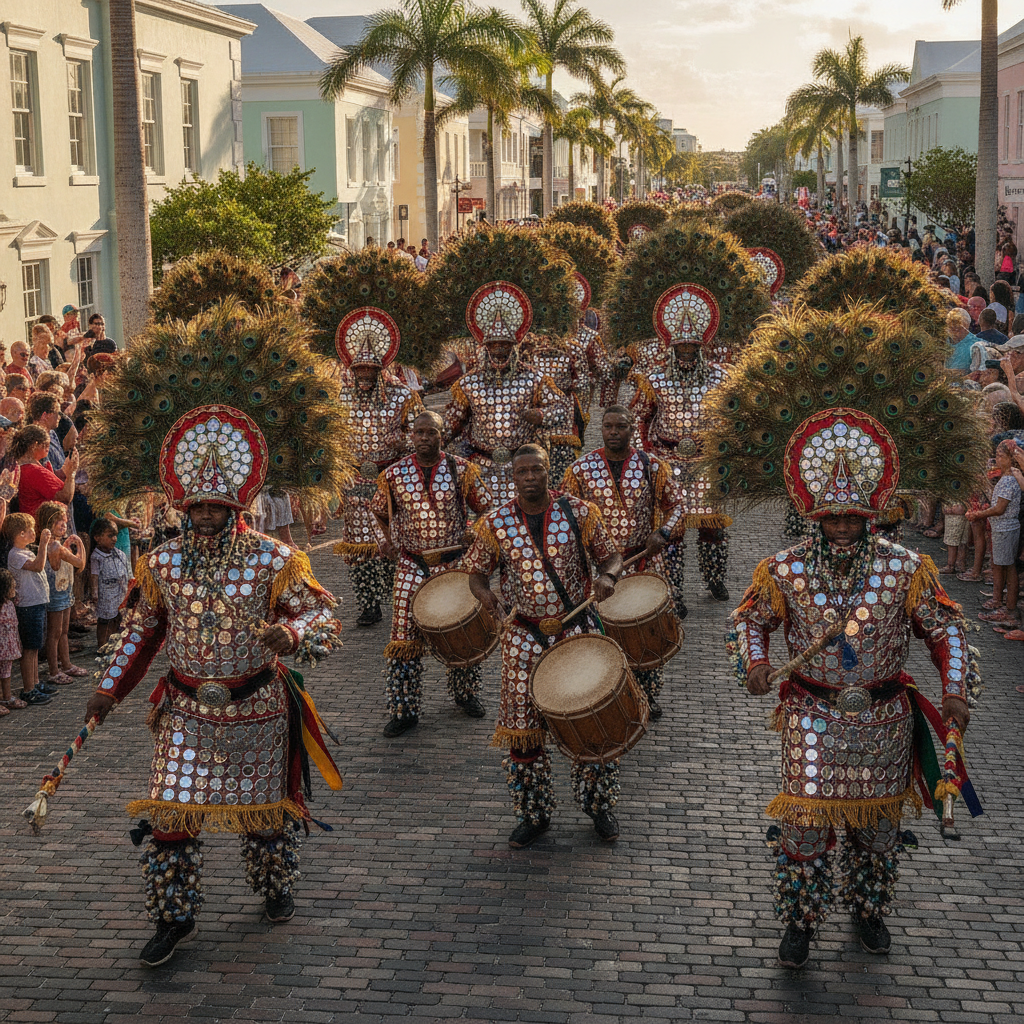
Hamilton Character: Bermuda Nightlife, Gombey Dancers, Sea Level Climate Threat, Elbow Beach Hotel History, Wedding Tourism, and the Atlantic Anomaly Summary
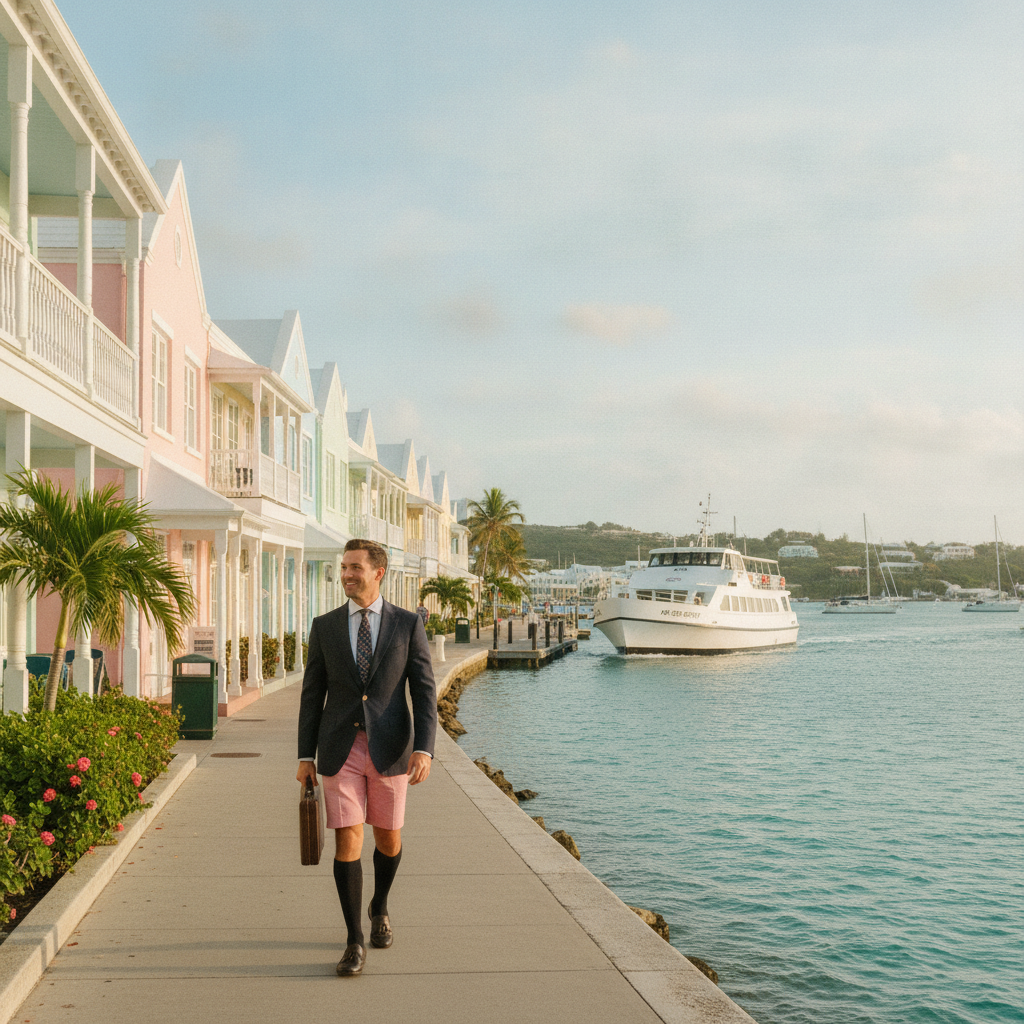
Hamilton Culture: Bermuda Shorts Business Dress, Scooter Transport, Fish Chowder and the Dark and Stormy, Cahow Conservation, the Railway Trail Walk, and the Cottage Colony Resort Tradition
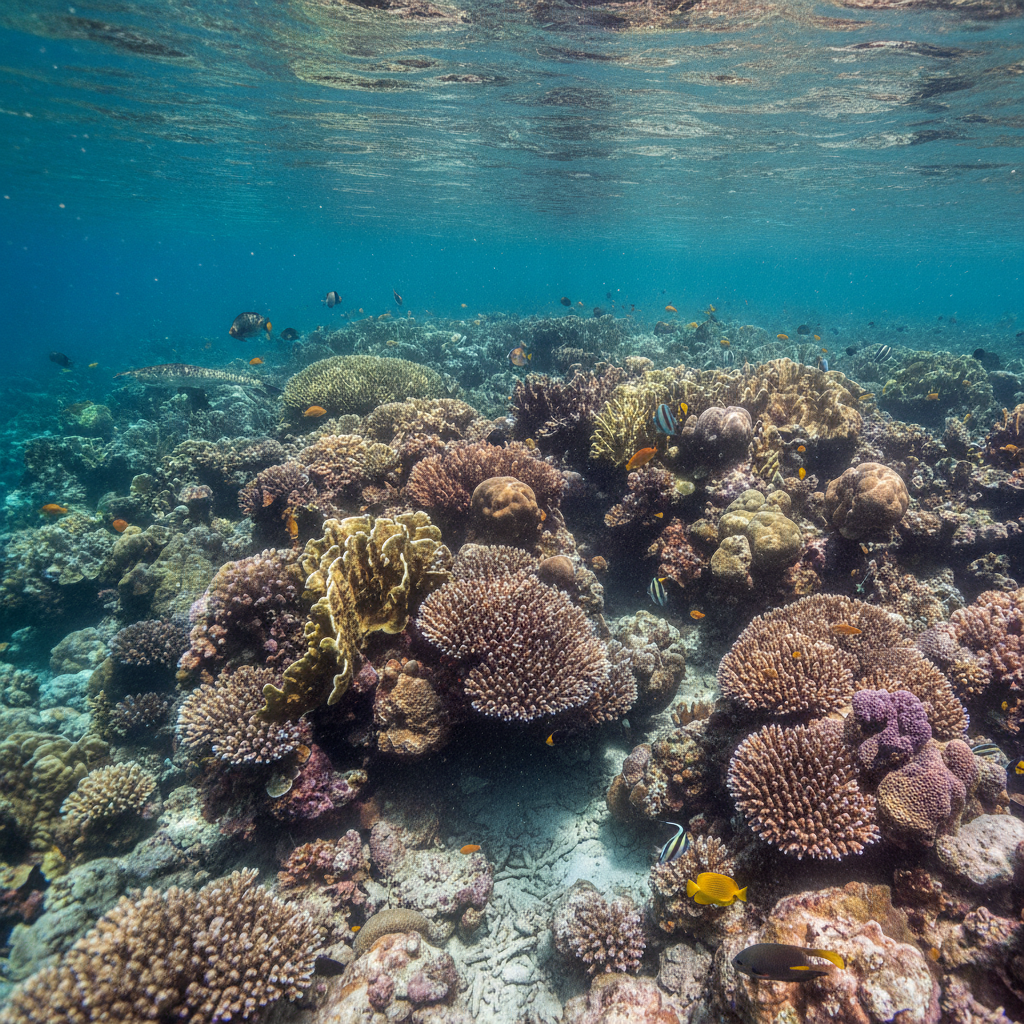
Hamilton Outdoors: Snorkeling Circuit, Blue Hole Cave Diving, Clay Pipe Maritime Heritage, Tom Moore Romantic Jungle, Atlantic Observatory, and Bermuda as the Complete Family Destination