Guanajuato Food Cajeta Enchiladas Mineras Mercado Hidalgo and the Working Class Cuisine of a Silver Mining City Where the Miners Diet and the Aristocrats Table Developed Side by Side for Three Centuries
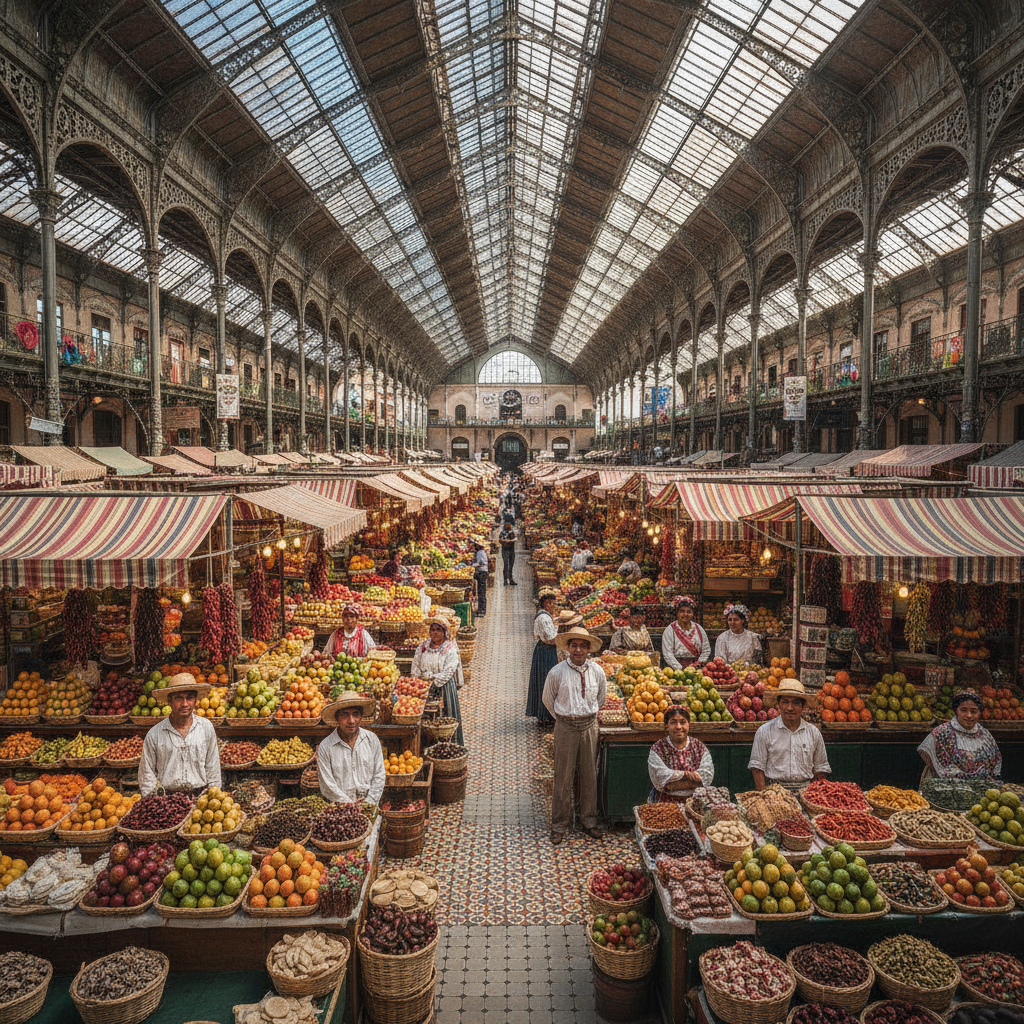
The cuisine of Guanajuato reflects the dual economy of the silver mining city: the working-class food of the miners, muleteers, and market vendors who fed the colonial labor force, and the aristocratic table of the mining elite who imported Spanish and then French culinary fashions to the colonial capital. The Guanajuato culinary identity is most strongly expressed in cajeta, the goat milk caramel produced in Celaya at the southern edge of the Bajio that has become a nationally distributed brand, and in the enchiladas mineras, the chile-sauced tortilla preparation that takes its name from the miners of the Guanajuato silver economy and that remains the signature street food of the city today. The Mercado Hidalgo, the iron-and-glass market building constructed in 1910 on the model of the French iron market halls of the 19th century, is the center of food commerce in Guanajuato, with stalls selling the dried chiles, herbs, fresh vegetables, and prepared foods of the regional kitchen alongside the artisan crafts and souvenir items that the tourist economy demands. The gorditas de nata, thick corn masa cakes enriched with nata, the cream skimmed from boiled milk, cooked on a comal and sold warm with fresh cheese and salsa, are the morning street food of Guanajuato markets, available from the vendors of the Mercado Hidalgo and the street stalls of the callejones. The guajillo and ancho chile-based sauces that define the Guanajuato kitchen connect the city to the broader dried chile tradition of the Mexican plateau, where the preservation of chiles in their dried form allowed year-round availability of the flavor complexity that fresh chiles provide only seasonally.
- 1
Enchiladas Mineras and the Miners Kitchen
The enchilada minera, the signature preparation of the Guanajuato culinary tradition, is the working-class food that sustained the silver mine workers of the colonial economy, a hearty preparation designed to provide the caloric density and chile heat that underground labor in the silver mines demanded. The preparation begins with corn tortillas briefly fried in lard until softened, dipped in a sauce made from rehydrated dried guajillo chiles, garlic, and cumin cooked into a smooth brick-red sauce, and served topped with a combination of sliced boiled potatoes, carrots, and the shredded chicken or beef that the miner economy required for protein. The crumbled queso de rancho, the fresh artisan cheese produced from the dairy cattle of the Bajio ranching economy, is the essential garnish, providing the salt and fat that balances the chile heat of the sauce. In Guanajuato city the enchiladas mineras are served in the market fondas, the neighborhood restaurants of the colonias, and as the comida corrida standard of the midday meal, distinguishable from Mexico City enchiladas by their size, heartiness, and the vegetable topping that is absent in most other regional preparations. The gordita, a thick corn masa cake cooked on a griddle and filled with guisados, the braised meat and vegetable preparations that constitute the daily protein of the Mexican kitchen, is the complementary street food of the Guanajuato market circuit, available in the Mercado Hidalgo and from the street vendors who set up along the pedestrian streets below the Teatro Juarez.
- 2
Mercado Hidalgo and Market Gastronomy
The Mercado Hidalgo, the iron market hall built in 1910 to commemorate the centenary of Mexican independence and named for the independence priest whose movement began 100 kilometres north at Dolores Hidalgo, is the primary covered market of Guanajuato city, a two-level iron and glass structure modeled on the European iron market halls of the 19th century whose central nave is filled with stalls selling food, crafts, clothing, and the prepared food that feeds both market workers and visitors. The food court of the upper level of the Mercado Hidalgo, with fondas serving comida corrida from midday through mid-afternoon, is one of the most economical eating options in the tourist city, with multicourse meals of soup, rice, main dish, and agua fresca available for 80 to 120 pesos. The lower level stalls of the Mercado Hidalgo sell the dried chiles, mole pastes, spice blends, cajeta in wooden boxes and glass jars, and the artisan food products of the Guanajuato regional kitchen that serve as both ingredients and souvenirs. The fresh vegetable and herb vendors of the Mercado Hidalgo supply the restaurant and domestic kitchen of Guanajuato with the seasonal produce of the Bajio agricultural zone, including the nopalitos cactus paddles, huitlacoche corn fungus in season, and the variety of dried beans that the regional diet depends on. The basket weavers and ceramic vendors who occupy the entrance areas of the Mercado Hidalgo represent the artisan economy of the Guanajuato state, selling the Talavera tiles, majolica pottery, and the region-specific crafts that the tourism market demands.
- 3
Cajeta Celaya and Guanajuato Sweets Tradition
Cajeta de Celaya, the goat milk caramel that is the most nationally recognized food product of the Guanajuato state, is produced in Celaya by cooking goat milk with sugar, vanilla, and cinnamon over a low flame for several hours until the milk solids caramelize to a thick, spreadable, amber-colored confection with the complex sweet flavor of the Maillard reaction applied to milk proteins. The Celaya cajeta industry, which processes milk from the Bajio goat dairy operations, produces the branded products sold in supermarkets throughout Mexico and in the Mexican food sections of US stores, but the artisan cajeta sold in wooden boxes at the Mercado Hidalgo and the specialized sweet shops of Guanajuato represents the original product in its handmade form, with the scorched-pot flavor that distinguishes artisan production from industrial manufacture. The sweet bread tradition of Guanajuato, served in the bakeries that operate in the callejones and the colonia streets, includes the regional variations of pan dulce that the colonial period Spanish and French baking tradition generated in the Mexican wheat economy, with local variations in the polvorones, the mantecadas, and the specialty cookies sold during Semana Santa and the Day of the Dead festivals. The nieve, the Mexican water ice served from wheeled carts and in neverias, the ice cream shops, in flavors made from the seasonal fruits of the Bajio, is the essential afternoon refreshment of Guanajuato, with the nieve de leche, the milk-based option in flavors of cajeta, tuna cactus fruit, and tejocote hawthorn, being the regional specialties that distinguish Guanajuato nieve from the urban Mexico City versions.
- 4
University Student Culture and Estudiantinas
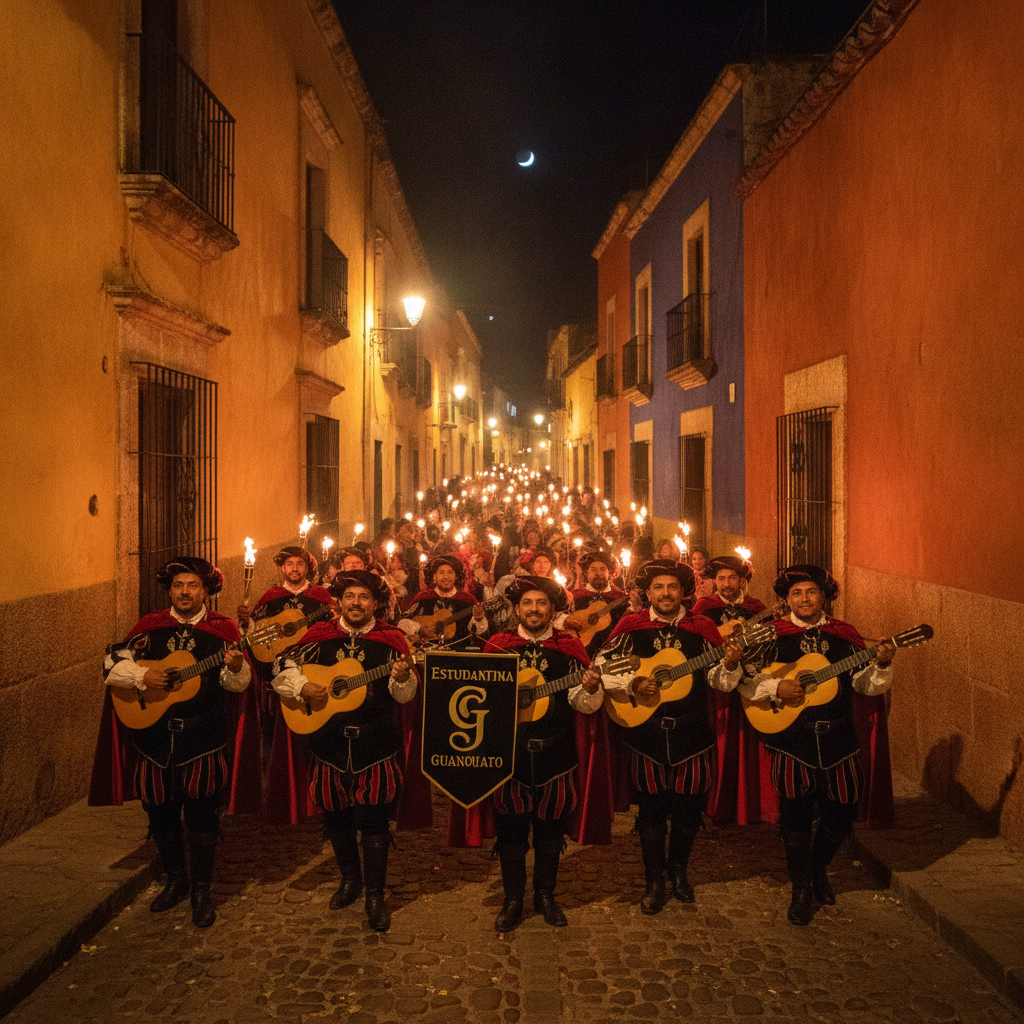
The University of Guanajuato, founded as the Real Colegio de la Santisima Trinidad by the Jesuits in 1732 and elevated to university status after the Reform period and the expulsion of the Jesuits, is the cultural and intellectual center of Guanajuato, whose 20,000 students constitute a significant proportion of the city population and who determine the social character of the Jardin Union, the callejones, and the student bar district of the Cantarranas colonia. The estudiantinas, the student music groups who dress in the medieval Spanish cape-and-doublet costume of the tunas, the traveling minstrel tradition preserved in Spanish universities and transplanted to Mexico in the colonial period, perform nightly in the callejones of Guanajuato and at the Jardin Union, playing the cobla instrumental music and the coplas sung verses that the tradition requires, and leading groups of tourists and locals in the callejoneadas, the guided walks through the city callejones with music and legend. The callejoneada tradition of Guanajuato, in which a guide leads a procession of participants through the callejones by torchlight or lantern, narrating the legends of the alley including the Callejon del Beso story, has been formalized as a tourism product operating nightly from the Jardin Union, but maintains the participatory social energy of the estudiantina tradition. The festival Internacional Cervantino in October transforms the Guanajuato student culture into the international arts festival context, with the plazas and theaters filled with international audiences while the University students work as festival volunteers and the estudiantinas perform alongside visiting professional ensembles.
- 5
Guanajuato Wine Region and Surrounding Towns
The Guanajuato wine region, concentrated in the municipality of Dolores Hidalgo and the adjacent areas of the Sierra Gorda foothills at altitudes between 1,700 and 2,000 metres, has emerged since 2000 as one of Mexico's most dynamic wine-producing areas, with producers like Cuna de Tierra, Dos Buhos, and Pura Cepa developing vineyards planted to Cabernet Sauvignon, Merlot, Tempranillo, and indigenous varieties in soils that the volcanic basalt of the highland plateau makes productive for viticulture. The high altitude of the Guanajuato vineyards creates a diurnal temperature range of 15 to 20 Celsius between the warm afternoons and the cool nights that concentrates grape sugar and preserves acidity, producing wines with the freshness and structure that the Mexican fine dining market and the export market have embraced. Dolores Hidalgo, the independence heritage city 50 kilometres north of Guanajuato, produces the artisan ice cream nieves in flavors that include beer, shrimp, avocado, rose, and corn that have made the town famous as a quirky gastronomic destination alongside its independence heritage. Jerez de los Zacatecas, Leon the shoe manufacturing capital, San Luis de la Paz with its Chichimec heritage, and the thermal spring resort towns of the Sierra Gorda all connect to Guanajuato in the regional circuit that the state tourism promotion markets as the Ruta de la Independencia, the independence heritage route connecting the cities where the 1810 uprising was planned and launched.
- 6
Guanajuato Nightlife Bars Cantinas and the Cervantino Social Scene
The social life of Guanajuato concentrates in the Jardin Union area and the student bar district of the Cantarranas and Alonso neighborhoods in the callejones above the main street, where the bar density and the student population create a nightlife scene that is the most energetic of any colonial heritage city in Mexico. The cantinas of Guanajuato, operating in the callejones and the colonia streets in the traditional Mexican format of tables served by waiters, with botanas, the free snacks that accompany ordered drinks, include both the historic establishments that have operated since the Porfiriato and the student bars that serve the University population at peso prices. The mezcal and craft beer movement has reached Guanajuato in the bars and restaurants of the historic center, with mezcalerias offering the Guanajuato state denomination mezcal from the salmiana and other highland agave varieties alongside the Oaxacan exports that dominate the national market. The Festival Internacional Cervantino brings the most concentrated nightlife of the Guanajuato year in October, when the plazas and stages operate through midnight and the population of the city doubles with festival visitors from Mexico City and internationally, with the after-show bar culture extending the festival energy through the early morning. The rooftop bars and restaurant terraces of Guanajuato, necessarily limited by the canyon topography that makes rooftop views over the canyon possible only from the elevated callejon neighborhoods, offer the experience of the colored city viewed from above with a drink in hand that is the premium tourism product of a city whose every angle is a composition.
Walk this route with audio
Stories play automatically as you reach each stop — no tapping needed.
More in Guanajuato
Guanajuato Walking the Callejones by Night Romantic Legends Ghost Stories and the Social Life of a Canyon City Where Every Alley Has a Story and Every Stairway Leads to a Different Century
Guanajuato Day Trips Sierra Gorda Queretaro Dolores Hidalgo and the Bajio Heritage Circuit Connecting Colonial Silver Cities Mountains and Hot Springs in the Heart of Central Mexico
The Guanajuato Independence Conspiracy Miguel Hidalgo Ignacio Allende and the Bajio Network That Launched the Mexican War of Independence From a Silver Mining City in September 1810
Guanajuato Practical Guide Getting There Navigation Tips Neighborhoods Safety Climate and How to Survive the Underground Tunnels the Cobblestone Callejones and the Most Disorienting Colonial City in Mexico
Guanajuato Baroque Art Churrigueresque Architecture La Valenciana Church and the Artistic Legacy of a Colonial City That Built the Most Elaborate Religious Buildings in Mexico With Silver Money