Guanajuato Baroque Art Churrigueresque Architecture La Valenciana Church and the Artistic Legacy of a Colonial City That Built the Most Elaborate Religious Buildings in Mexico With Silver Money
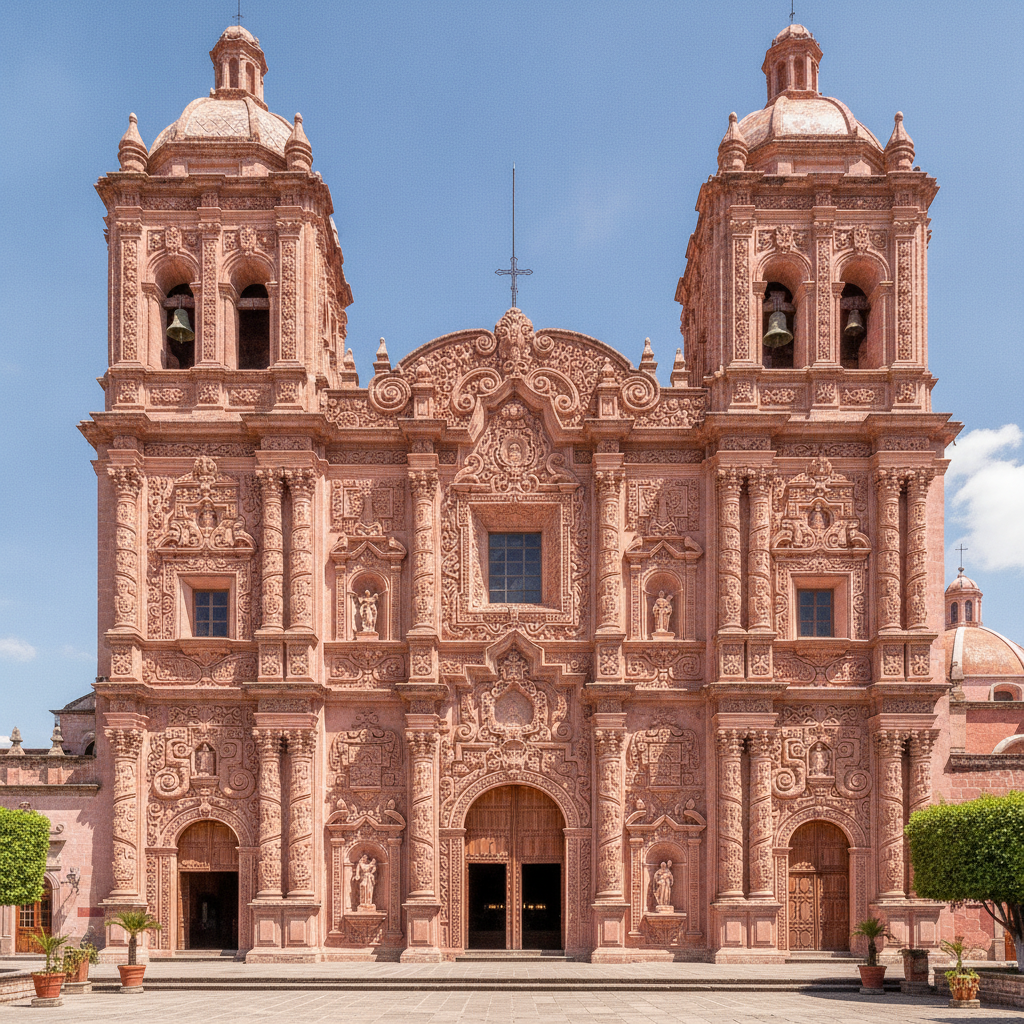
The baroque architecture of Guanajuato, funded by the extraordinary wealth of the silver mining economy from the late 17th through the early 19th centuries, produced a concentration of churrigueresque churches, colonial mansions, and civic buildings that UNESCO recognized in 1988 as a World Heritage Site of Outstanding Universal Value. The churrigueresque style, named for the Spanish architect Jose Benito Churriguera and characterized by the estipite column, a tapered inverted obelisk replacing the classical column, combined with dense sculptural programs covering every surface of the facade, reached its most elaborate expression in Mexico in the church buildings of the colonial Bajio, where the silver wealth available for patronage exceeded what comparable European cities could mobilize. The Templo de San Cayetano de la Valenciana, built adjacent to the Valenciana silver mine between 1765 and 1788 with funding from the mine owner Antonio de Obregon y Alcocer, is considered the finest churrigueresque church in Guanajuato state and one of the best preserved examples of the style in Mexico, with a facade of pink cantera stone whose spiral estipite columns, sculptural niches, and dense ornamental carving represent the mature Bajio Baroque at its most accomplished. The Basilica de Nuestra Senora de Guanajuato, the primary parish church of the city, preserves the 9th-century wooden image of the Virgin of Guanajuato that Philip II of Spain gave to the city in 1557, making it one of the oldest Christian images in Mexico. The Templo de la Compania de Jesus, the former Jesuit church on the main street whose facade is the most photographed baroque architecture in the city center, anchors the colonial religious heritage of the street level while El Pipila watches from above.
- 1
Templo de la Valenciana Churrigueresque Masterpiece
The Templo de San Cayetano de la Valenciana, 5 kilometres north of Guanajuato on the road to Dolores Hidalgo, stands adjacent to the entrance of the Valenciana silver mine and was built by the mine owner Antonio de Obregon y Alcocer as the chapel for the mining community and as a monument to the gratitude he felt toward God for the extraordinary wealth the mine had produced. The construction of the church between 1765 and 1788, financed entirely by Obregon who reportedly poured silver coins into the foundations as a dedication offering, employed the finest stone carvers available in the Bajio, creating a facade in pink cantera stone whose sculptural program covers every surface with the churrigueresque vocabulary of estipite columns, angel busts, shell ornaments, foliate reliefs, and the figures of San Cayetano and other saints in precisely carved niches. The interior of La Valenciana matches the exterior in its richness, with three original baroque altarpieces in carved and gilded wood, painted panels of saints and biblical scenes of the Bajio school, and the characteristic rose-and-gold color scheme of the Guanajuato baroque interior. The church continues as an active parish, and visitors who attend the morning mass at the Valenciana experience the building as a living religious space rather than a heritage monument, with the incense, the music, and the community gathering that the colonial building was designed to contain. The adjacent convent structure, now partially converted to a cultural center, preserves the cloister garden of the original religious community that served the Valenciana mine parish.
- 2
Basilica Nuestra Senora de Guanajuato and Colonial Churches
The Basilica de Nuestra Senora de Guanajuato, the yellow baroque church facing the central plaza of the city, is the oldest church in Guanajuato and the religious center of the community, housing the 9th-century wooden image of the Virgin that the Spanish Crown gave to the city in 1557 as a gift for the expected silver production. The image, resting on a silver pedestal donated by Philip II, represents the oldest surviving Christian image in Mexico and is the object of the annual pilgrimage celebration on the feast of the Assumption and the processional tradition that has been maintained since the colonial period. The baroque facade of the Basilica, in contrasting yellow plaster and stone ornament, is less elaborate than the Valenciana church because it was built in stages from the 17th century with the civic rather than private mining patronage that funded the Valenciana. The Templo de San Diego, adjacent to the Teatro Juarez on the edge of the Jardin Union, presents its churrigueresque facade to the main plaza in the most photographed architectural composition in central Guanajuato, the contrast of the colonial church beside the Porfiriato opera house. The Templo de Belen, the Templo de San Francisco, and the dozen additional colonial churches distributed through the canyon city each represent a distinct episode of colonial patronage and architectural elaboration, making a church walking tour of Guanajuato a survey of three centuries of Mexican baroque development in a single city.
- 3
Guanajuato Baroque Painting and Colonial Art Collections
The painting tradition of colonial Guanajuato, produced in the workshops of the mining city and in the Mexico City academies that the silver wealth funded, is preserved in the churches and in the Museo Regional de Guanajuato in the Alhondiga de Granaditas, where the collection of colonial period paintings from the Bajio region documents the artistic production of the mining economy. The Bajio baroque painting tradition, like the architecture, shows the influence of the mining wealth in the scale and ambition of the commissions: the large-format altarpiece paintings of the Guanajuato churches, depicting the lives of saints, the Virgin, and the biblical narrative, are among the most accomplished regional productions of 17th and 18th-century Mexican painting outside the capital. The enconchado tradition, paintings on shell-inlaid wooden panels that combine European painting technique with the mother-of-pearl inlay decorative tradition of Asian lacquer, is represented in Guanajuato church collections in pieces that document the Manila Galleon trade connections between Mexico, the Philippines, and China that the silver economy funded. The Diego Rivera museum in the painter's birth house on Pocitos street in Guanajuato presents the early works of the muralist born in Guanajuato in 1886 before his move to Mexico City and his training in Europe, providing the biographical and early artistic context for understanding how the most influential Mexican painter of the 20th century emerged from the mining city culture of the Bajio. Rivera's birth in Guanajuato is commemorated at the Casa Museo Diego Rivera, a colonial house whose interior rooms contain Rivera furniture, family portraits, and early academic paintings in the Mexico City tradition before his turn to muralism and socialist politics.
- 4
Guanajuato Music Scene and Cervantino Festival Arts
The Festival Internacional Cervantino of Guanajuato, established in 1972 as an international performing arts festival and now one of the largest and most prestigious in Latin America, has transformed Guanajuato into a global arts destination for three weeks each October, when theater, opera, dance, classical music, jazz, and world music companies from 20 to 30 countries perform in the city's plazas, theaters, churches, and cultural centers. The festival began as the Entremeses Cervantinos, a student theater presentation of the short comic plays written by Miguel de Cervantes that University of Guanajuato students performed in the Plazuela de San Roque from the 1950s, growing into a national festival and then an internationally funded event supported by the Mexican federal government, the Guanajuato state government, and international cultural agencies including embassies that sponsor their national companies. The Plazuela de San Roque, the small square where the original Cervantes student performances occurred and where the Cervantino still stages outdoor theater, is the spiritual home of the festival, its intimate scale contrasting with the Teatro Juarez and the open-air stages that the modern event requires. The Guanajuato Symphony Orchestra, resident at the Teatro Juarez and supplemented by international guest orchestras during Cervantino, maintains year-round classical programming that serves both the University community and the cultural tourism market. The estudiantina music tradition, with its cobla instrumental ensembles and sung coplas performances in the callejones, provides the ambient music of Guanajuato throughout the year and forms the folk music identity of the city that the Cervantino festival contextualizes within the international arts conversation.
- 5
Guanajuato Hiking Sierra de Santa Rosa and Natural Setting
The natural setting of Guanajuato within the Sierra de Guanajuato mountain range, a part of the Sierra Madre Occidental system that provides the elevated terrain creating the silver-bearing canyon geology of the city, offers hiking, mountain biking, and ecological exploration in a landscape of oak-pine forest, semi-arid scrub, and volcanic rock formations within 30 minutes of the historic center. The Presa de la Olla, the oldest reservoir in North America still in active use, built in the 1740s to supply water to Guanajuato city and now a recreational park with rowing, walking paths, and weekend food vendors, provides the most accessible natural escape from the urban density of the canyon city. The cerros, the hills surrounding the city on all sides, are laced with hiking paths that connect the residential colonias built on the slopes to the forest above, with the ascent to the Cerro del Cuarto or the Sierra de Guanajuato providing views across the industrial plain of the Bajio to the volcanic peaks of the Trans-Mexican Volcanic Belt including the extinct volcano of the Pico del Zamorano. The bat colony in the tunnels and abandoned mine shafts of the Guanajuato mining zone, one of the largest urban bat colonies in Mexico, emerges at dusk from the mine ventilation towers for the aerial feeding flight that has become a wildlife spectacle tourism product in the hills above the city. The San Javier ecological area, connecting the Presa de la Olla to the upper forest zone, is the primary hiking trail system of Guanajuato, maintained by the municipal government and used by University students, local families, and visiting outdoor tourists.
- 6
Guanajuato Practical Guide Neighborhoods Safety and Getting Around
Guanajuato city is the most navigationally challenging colonial heritage city in Mexico, with a topography of canyon walls, callejones, underground tunnels, and spiral ramps that make conventional map-reading unreliable and create the disorientation that most visitors experience and that many find charming after recovering from the initial confusion. The strategy for navigating Guanajuato is to abandon the map approach, accept getting lost in the callejones as part of the experience, and use the landmarks of El Pipila above and the Teatro Juarez and Jardin Union at the center to reorient when needed. The primary accommodation zone of Guanajuato is concentrated in the colonial houses and small hotels of the historic center callejones and the Jardin Union area, with prices reflecting the tourist premium but remaining significantly below the San Miguel de Allende level, making Guanajuato a more economical heritage city experience for the Mexican domestic market and for international budget travelers. The bus station of Guanajuato, at the eastern edge of the city near the underground tunnel entrance, connects to Mexico City by first-class ETN and Omnibus services in approximately four hours, to Leon and the Del Bajio airport in 45 minutes, and to San Miguel de Allende in 80 minutes via the mountain road. The safety profile of Guanajuato city, the state capital, is generally secure for tourists in the historic center, though the state of Guanajuato has experienced significant organized crime activity in the industrial corridor between Leon, Silao, and Celaya that represents the automotive and agricultural economy distinct from the tourism zone of the capital. The best travel period for Guanajuato is spring from March through May for dry weather and blooming jacaranda, or October for the Cervantino festival, with the summer rainy season from June through September producing afternoon storms that refresh the city and clear within an hour.
Walk this route with audio
Stories play automatically as you reach each stop — no tapping needed.
More in Guanajuato
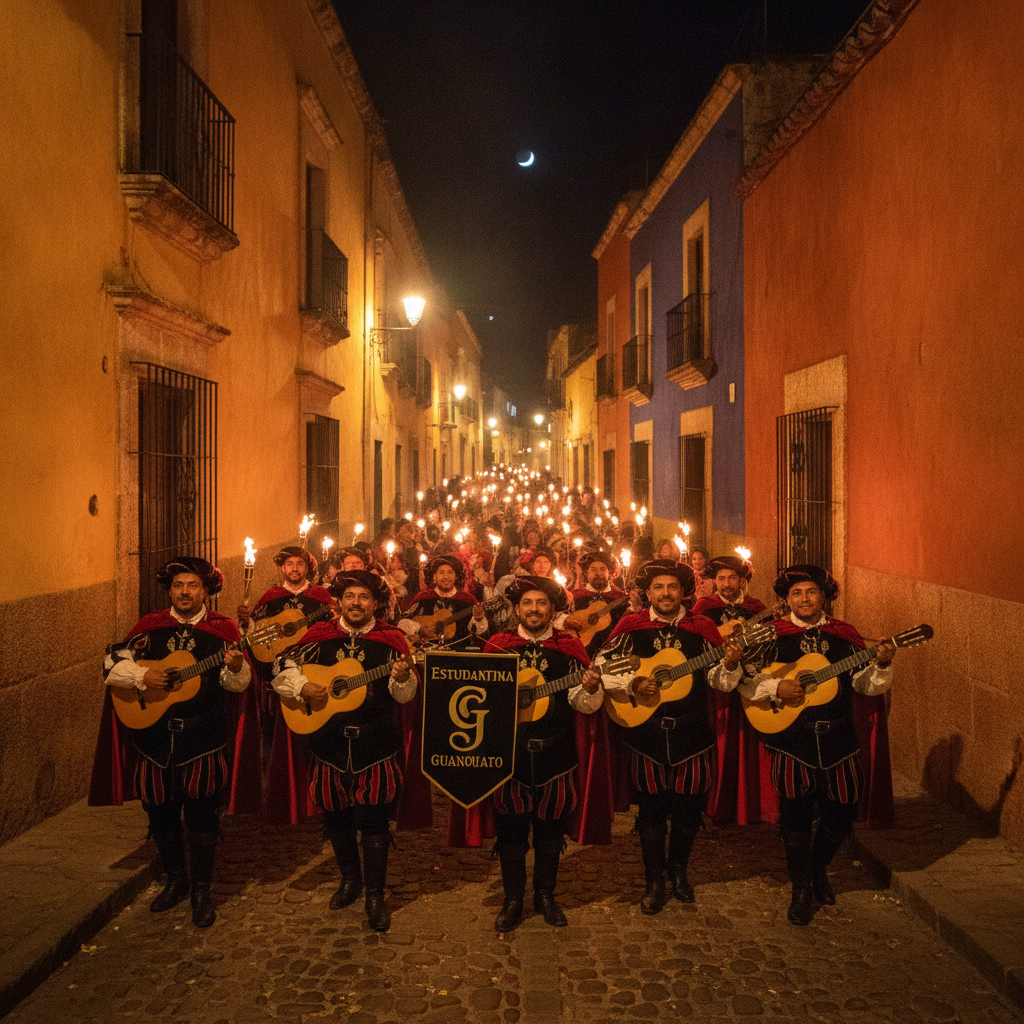
Guanajuato Walking the Callejones by Night Romantic Legends Ghost Stories and the Social Life of a Canyon City Where Every Alley Has a Story and Every Stairway Leads to a Different Century
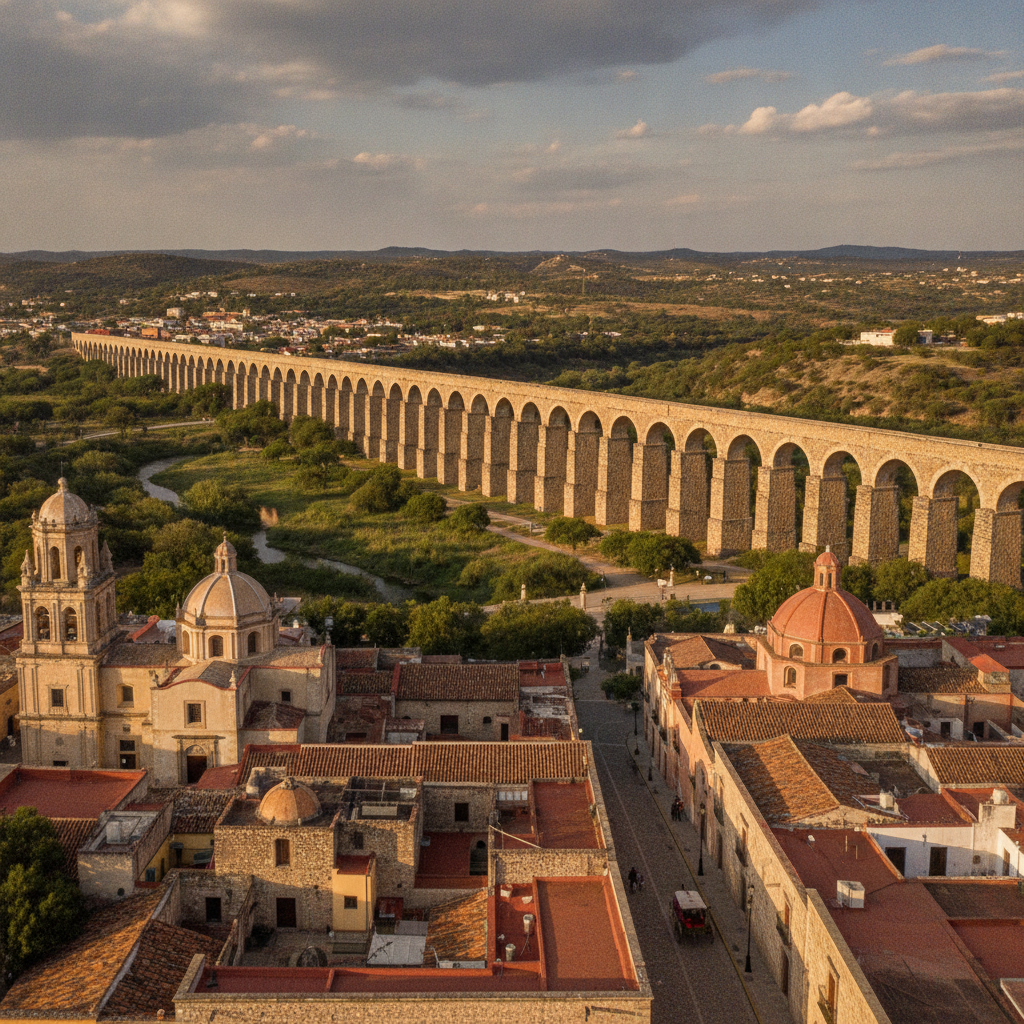
Guanajuato Day Trips Sierra Gorda Queretaro Dolores Hidalgo and the Bajio Heritage Circuit Connecting Colonial Silver Cities Mountains and Hot Springs in the Heart of Central Mexico
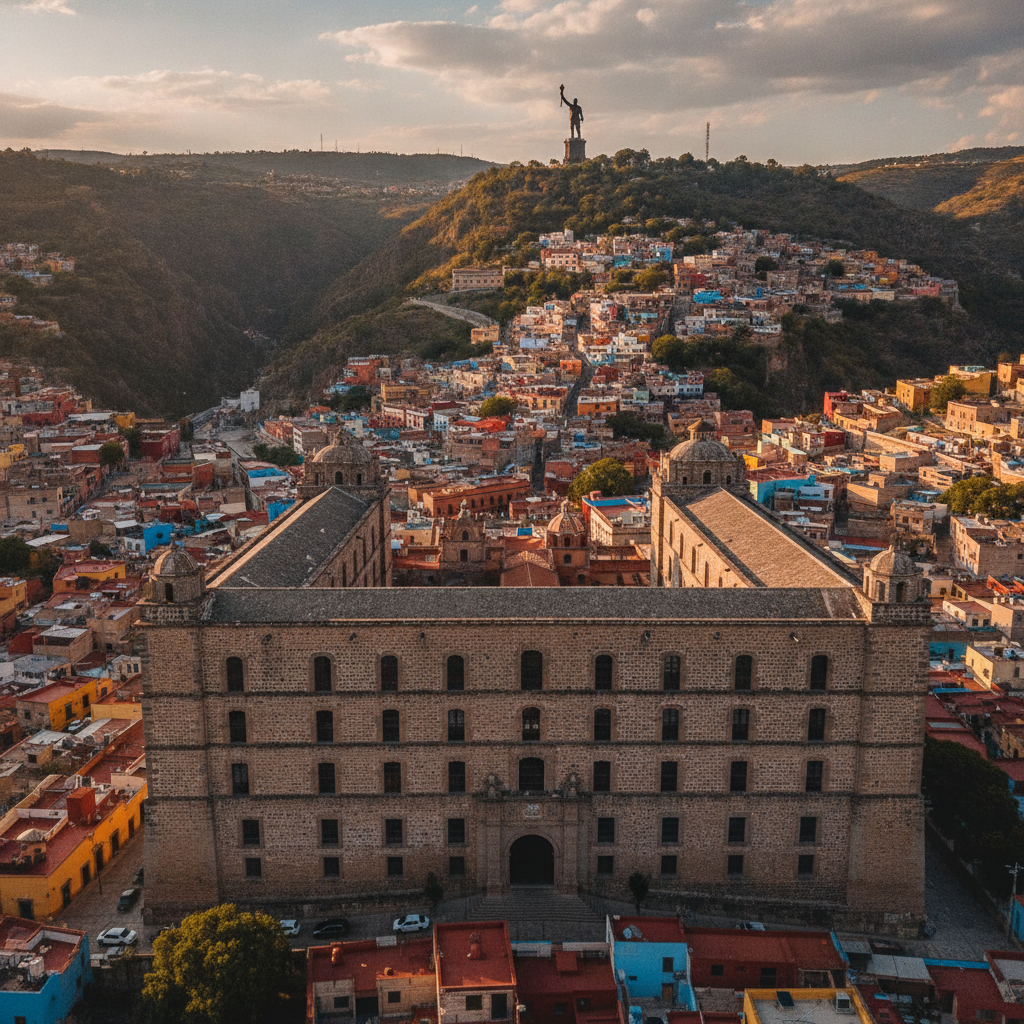
The Guanajuato Independence Conspiracy Miguel Hidalgo Ignacio Allende and the Bajio Network That Launched the Mexican War of Independence From a Silver Mining City in September 1810
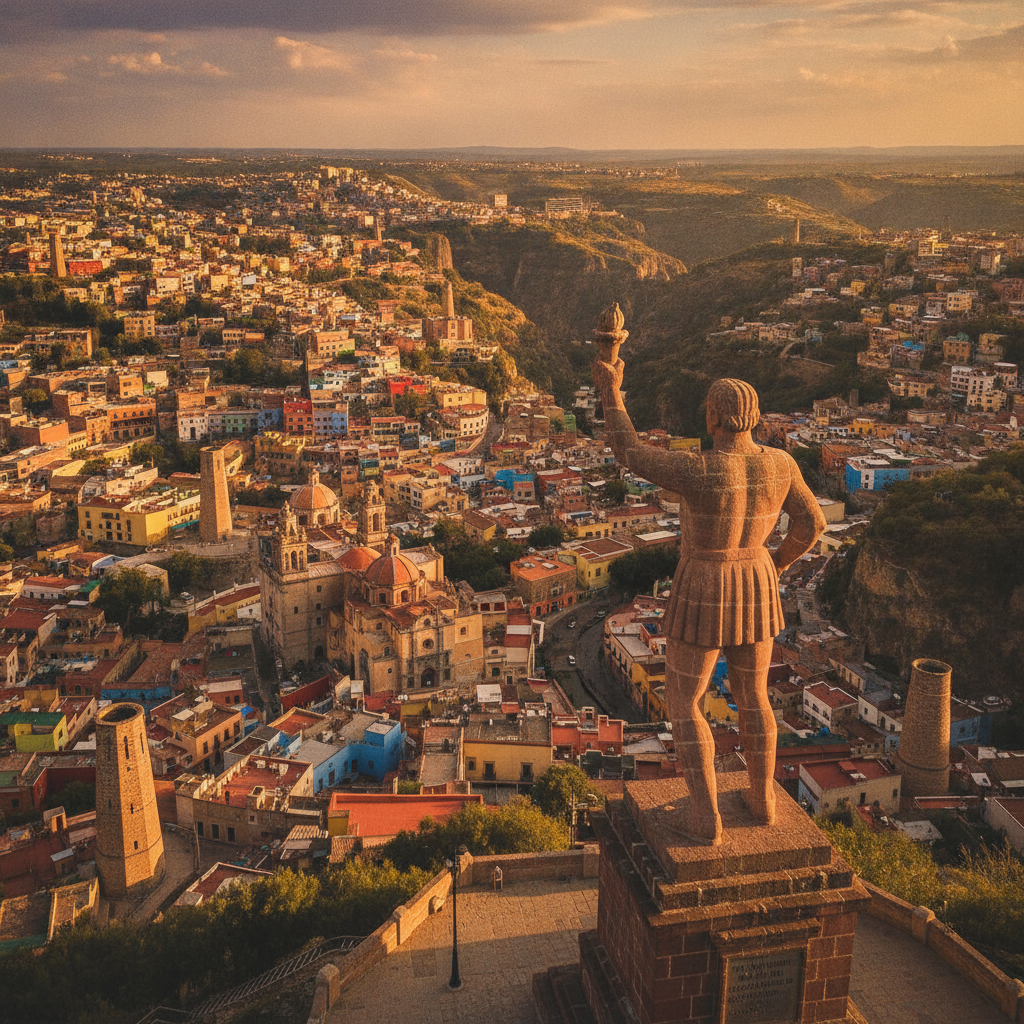
Guanajuato Practical Guide Getting There Navigation Tips Neighborhoods Safety Climate and How to Survive the Underground Tunnels the Cobblestone Callejones and the Most Disorienting Colonial City in Mexico
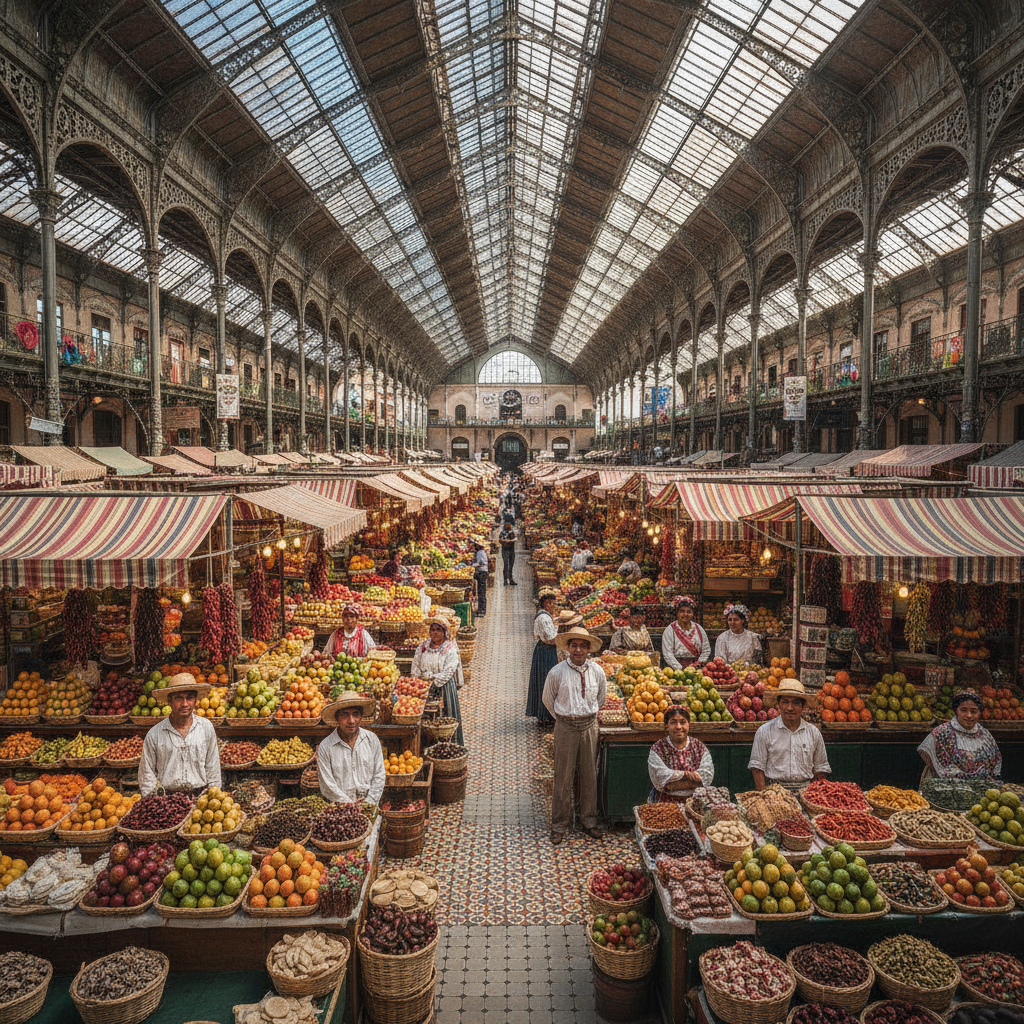
Guanajuato Food Cajeta Enchiladas Mineras Mercado Hidalgo and the Working Class Cuisine of a Silver Mining City Where the Miners Diet and the Aristocrats Table Developed Side by Side for Three Centuries