Guadalajara and the Mexican Revolution: How Jalisco Shaped the Cristero War, the Dorados of Pancho Villa and the Ley Fuga Executions That Made the Revolution in the West More Violent Than the History Books Record
Guadalajara was captured and recaptured six times during the Mexican Revolution between 1910 and 1917 as the constitutional armies of Carranza, the forces of Pancho Villa, and the federal army of Victoriano Huerta contested control of the second city of Mexico, each occupation accompanied by executions, forced loans from the merchant class, and the destruction of property that the victors attributed to the preceding occupiers. The Jalisco contribution to the Revolution was ambiguous: the state produced both Plutarco Elias Calles, the president whose anticlerical laws provoked the Cristero War of 1926 to 1929 in which 90,000 people died in Jalisco and adjacent states in a Catholic insurgency against the secular state, and the Dorados, the elite cavalry of Pancho Villa recruited from the horsemen of the Jalisco and Durango highlands whose fighting quality matched the romantic legend Villa cultivated. The Cristero War, the forgotten war that Mexican textbooks minimized for decades because it embarrassed both the Church and the post-revolutionary state, killed more Jalisco civilians than the Revolution itself, with villages in the Los Altos region emptied by violence and the subsequent emigration that reduced the Jalisco highland population for a generation. The legacy of this violence, which reached the United States as the Mexican wave of migration in the 1920s that populated the barrios of Los Angeles, Chicago, and San Antonio with Jalisco refugees, connects Guadalajara history to the Mexican-American diaspora that is the largest immigrant community in the United States.
- 1
Guadalajara in the Mexican Revolution
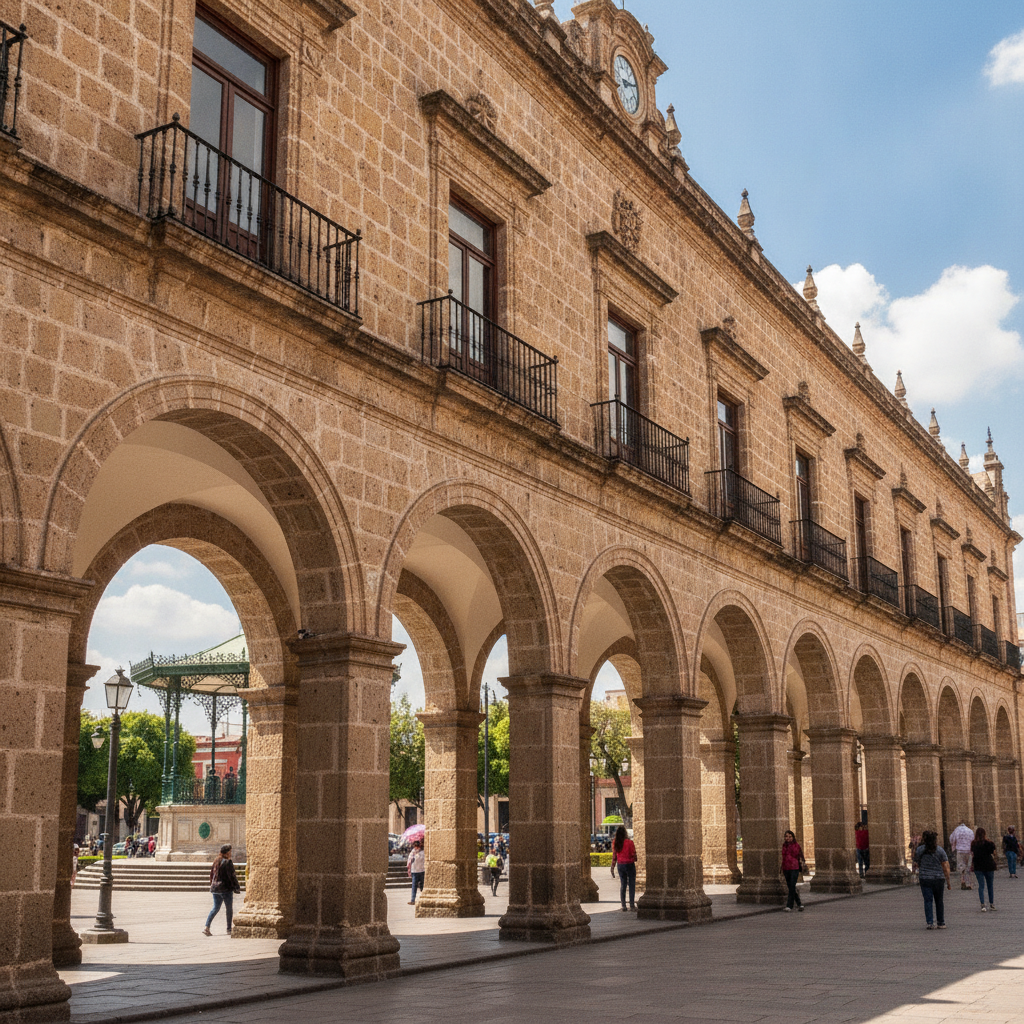
Guadalajara changed hands six times during the Mexican Revolution as the constitutional armies of Venustiano Carranza, the Villista forces of Pancho Villa, and the federal army of Victoriano Huerta contested the strategic and symbolic importance of the second city of Mexico, with each occupation accompanied by confiscation of food and arms, forced loans from merchants and the Church, and summary executions carried out under the ley fuga, the practice of shooting prisoners while claiming they were shot while attempting to escape, a practice so common in the Jalisco campaign that the ley fuga became synonymous in revolutionary Mexico with extrajudicial killing authorized by military commanders. The most violent single episode in Guadalajara during the Revolution was the 1914 advance of the Constitutionalist army under General Alvaro Obregon, who imposed forced loans on the Church hierarchy and expelled the Archbishop from the city, establishing the anticlerical character of the Constitutionalist movement that would later provoke the Cristero War. The working-class neighborhoods of Guadalajara, particularly the textile workers of the Atemajac valley north of the city, supported the revolutionary factions against the conservative merchant and Church establishment, creating a class alignment that persisted in Guadalajara politics through the 20th century. The Palacio de Gobierno on the central plaza preserves a plaque listing the revolutionary governors of Jalisco in the years following the Constitutionalist victory.
- 2
The Cristero War in Jalisco
The Cristero War, the armed Catholic uprising against the anticlerical laws of President Plutarco Elias Calles implemented in 1926 that prohibited public religious activities, closed religious schools, and expelled foreign priests, was more intense in Jalisco than in any other Mexican state because the Jalisco highlands population of the Los Altos region maintained a particularly fervent Catholicism rooted in the colonial-era Franciscan mission tradition and the social conservatism of a cattle-ranching rural economy. The Cristero fighters in Jalisco and adjacent states, who called themselves Cristeros because they fought under the motto Viva Cristo Rey, included entire village populations from the Los Altos region who took up arms in 1926 and fought the federal army for three years in a guerrilla war that killed approximately 90,000 people, most of them in Jalisco, Colima, and Michoacan. The federal army responded with atrocities including the hanging of captured Cristero priests from telegraph poles along the main roads, documented in photographs that were suppressed for decades. The war ended in 1929 through diplomatic negotiation brokered by the United States ambassador Dwight Morrow, with both sides making concessions that satisfied neither the Church nor the Calles government. The Cristero War was largely erased from Mexican official history for 60 years because it implicated the post-revolutionary state in mass killing of religious civilians, and was rehabilitated in public memory only in the 1990s and 2000s.
- 3
Migration and the Jalisco Diaspora
The violence of the Revolution and the Cristero War drove successive waves of Jalisco emigration to the United States in the 1910s and 1920s, establishing the Mexican barrios of Los Angeles, Chicago, and San Antonio with communities from the Los Altos region of Jalisco who brought their Catholic faith, their ranching culture, and their ranchero music tradition to form the cultural foundation of the Mexican-American community in those cities. The Guadalajara-Chicago connection is particularly significant: the Chicago Mexican community, concentrated on the Near West Side neighborhood of Pilsen and later Cicero, was founded primarily by Jaliscan migrants in the 1920s and maintained cultural practices including the charreada, the mariachi performance tradition, and the Catholic feast day celebrations that the migrants had brought from the Jalisco highlands. The remittance economy connecting the Jalisco diaspora in the United States to family communities in the Los Altos and the Guadalajara metropolitan area created one of the earliest and most durable transnational economic connections in Mexico, with money sent home from Chicago and Los Angeles funding construction of houses, churches, and small businesses in Jalisco towns from the 1920s onward. This migration pattern, interrupted by the deportations of the 1930s and resumed after World War Two with the Bracero Program, was the template for the Mexico-US labor migration that continues today.
- 4
Guadalajara Identity and the Tapatian Character
The Tapatia identity, the self-conception of Guadalajara residents as distinct from Mexico City capitalinos and from the rest of Mexico in ways that combine genuine cultural difference with provincial pride and defensive insecurity about the city's status as the permanent second city, is expressed most forcefully in the claim that Guadalajara and not Mexico City invented and perfected the cultural elements that the rest of the world identifies as Mexican: tequila, mariachi, the charro horseman, the birria taco, and the charreria rodeo sport. This claim contains historical truth — all of these elements did originate in Jalisco — and also a reaction to the Mexican capital's tendency to absorb, standardize, and export regional culture as national culture without acknowledgment of the regional origin. The Tapatia word itself derives from the Nahuatl word tapatio, which referred to a unit of trade value in the pre-Hispanic market economy of western Mexico, and was applied to Guadalajara merchants as a mark of commercial reliability before becoming the demonym for all city residents. The cultural self-sufficiency of Guadalajara, with its own publishing industry, fashion scene, music industry, film festival, and literary culture, allows residents to maintain that the city does not require Mexico City's validation, an attitude that Mexico City residents sometimes characterize as provincial defensiveness and that Tapatios characterize as appropriate regional confidence.
- 5
Guadalajara Intellectual and Literary History
Guadalajara has been a significant center of Mexican intellectual life since the colonial period when the Real y Literaria Universidad de Guadalajara, founded in 1792 as the second university in New Spain after the Royal University of Mexico City, established the institutional basis for legal, medical, and philosophical education in western Mexico. The liberal tradition of the University of Guadalajara, which became a public secular institution after the Reform War reforms of the 1850s, produced several generations of lawyers, journalists, and politicians who shaped the liberal faction in Mexican politics including Valentin Gomez Farias, the Jalisco-born politician who served as acting president and implemented the first anticlerical reforms in 1833, a generation before Benito Juarez completed the same program. The 20th-century literary culture of Guadalajara produced Juan Jose Arreola, whose short fiction combining fantastic realism with satirical observation of Mexican provincial life established a Jalisco literary voice distinct from the Mexico City literary establishment, and Juan Rulfo, born in the Jalisco village of Sayula and author of Pedro Paramo, the 1955 novel set in a dead Jalisco village that Garcia Marquez credited as the single book that taught him how to write One Hundred Years of Solitude. Guadalajara hosts the Feria Internacional del Libro, the largest book fair in the Spanish-speaking world with 800,000 annual visitors, since 1987, cementing its claim to be the literary capital of Mexico.
- 6
Guadalajara Urban Growth and Social Geography
Guadalajara grew from a colonial city of approximately 40,000 inhabitants in 1800 to 100,000 by 1900 and then accelerated dramatically in the 20th century as industrialization and rural migration from Jalisco and adjacent states drove population to 1 million by 1960 and 5 million in the metropolitan area by 2020, creating an urban geography of marked social segregation between the wealthy residential areas of the western municipalities of Zapopan and the eastern and northern working-class colonias that ring the historic center. The colonias populares, informal settlements that expanded on the urban periphery without legal land title, services, or planning approval, were regularized over successive decades by governments that provided water, electricity, and paved streets in exchange for political support in a clientelist arrangement that shaped Guadalajara's spatial development through the late 20th century. The gentrification of the historic center, Colonia Americana, and the neighborhoods adjacent to the Chapultepec corridor has displaced working-class families and small businesses in the 2010s, driven by short-term rental platforms, the expatriate and digital nomad influx, and the restaurant and entertainment economy that followed. The water supply crisis of the Guadalajara metropolitan area, which draws from the Santiago River, Lake Chapala, and the Verde River in quantities that have reduced lake levels and degraded river water quality, represents the most serious long-term infrastructure challenge facing the city as its population continues to grow.
Walk this route with audio
Stories play automatically as you reach each stop — no tapping needed.
More in Guadalajara
Guadalajara: The City That Gave Mexico Tequila Mariachi and the Charro Horseman, the UNESCO-Listed Murals in a Former Orphanage and the Craft Capital Where Every Artisan in Mexico Eventually Shows Up
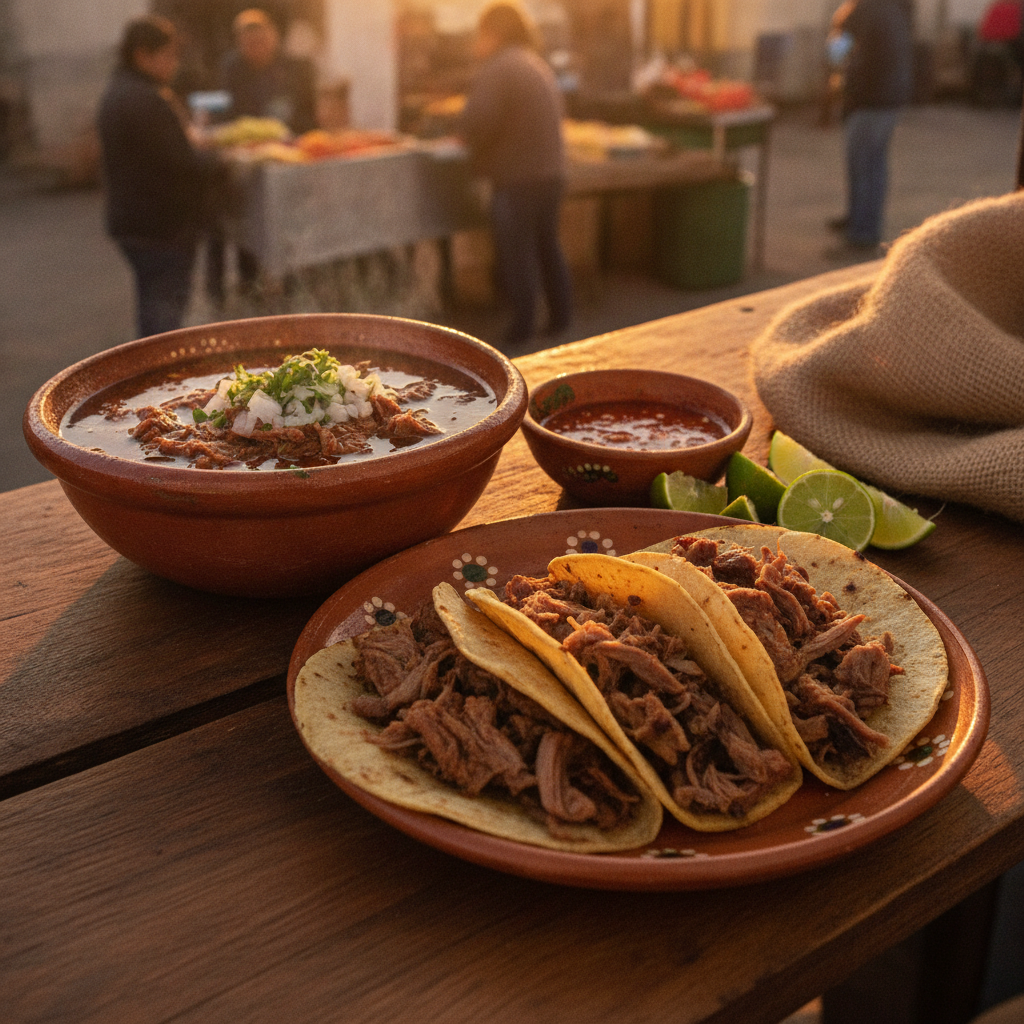
Tapatian Food Culture: Birria Taco Stands at Dawn, Tejuino Cart Vendors, Torta Ahogada Drowned in Chile Sauce and the Tequila Ritual That Defines Jalisco at the Table
Guadalajara Colonial Churches Convents and the Ecclesiastical Architecture of New Galicia: From the Franciscan Missionaries Who Built the First Permanent Structures to the Baroque Elaboration of the 18th Century
Guadalajara Muralism Art Nouveau and the Orozco Legacy: Walking the City That Produced the Most Searing Political Art in Mexican History While Rivaling Mexico City in Colonial Architecture
Guadalajara Pre-Hispanic Roots and the Cazcanes: The Indigenous World the Spaniards Found, the Mixton War That Delayed the Conquest of Western Mexico by a Decade, and the Archaeological Sites in the Jalisco Highlands