Guadalajara Muralism Art Nouveau and the Orozco Legacy: Walking the City That Produced the Most Searing Political Art in Mexican History While Rivaling Mexico City in Colonial Architecture
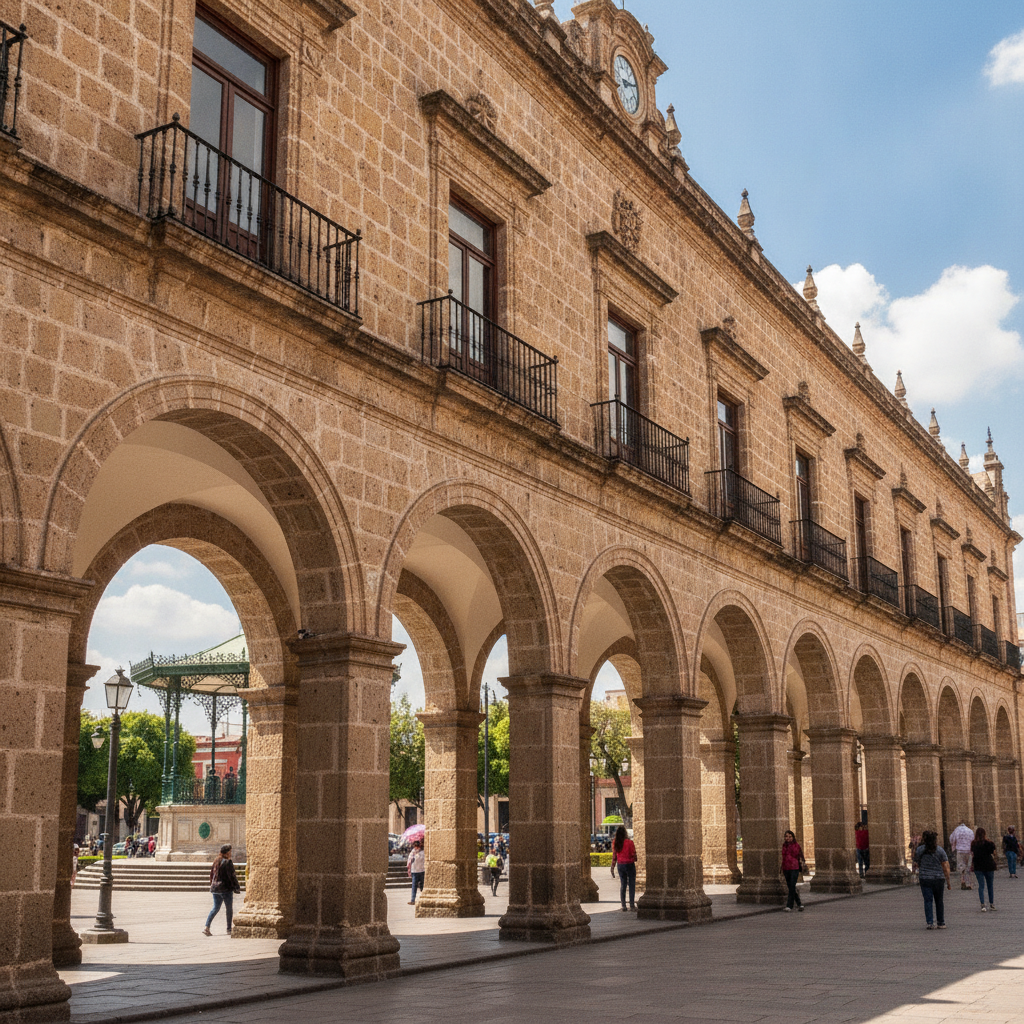
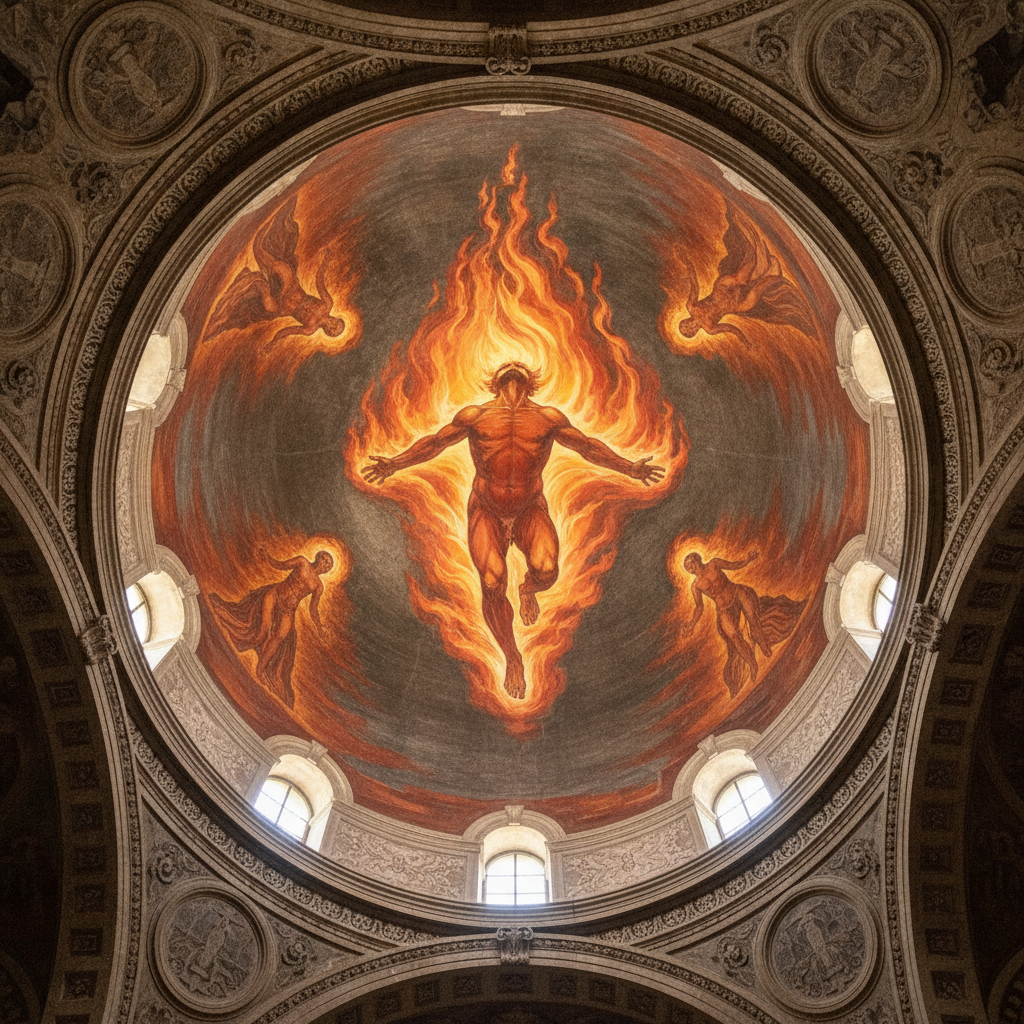
Guadalajara produced two of the three great Mexican muralists, Jose Clemente Orozco who was born in Jalisco and Jose Clemente Siqueiros, and the work Orozco left in this city across the Hospicio Cabanas, the Palacio de Gobierno, and the University of Guadalajara chapel constitutes the most significant single-city collection of monumental mural painting in North America. The city itself is a stage for this art, with the 19th-century Teatro Degollado opposite the cathedral, the Instituto Cultural de Cabanas housing the flagship mural cycle, the Palacio Municipal decorated with paintings of city history, and the university auditorium containing Orozco late work painted in 1936 showing a skeleton in academic robes distributing diplomas to other skeletons as a critique of formal education. The architecture of the historic center accumulated from 1541 onward through Spanish colonial building codes that required stone construction, resulting in the ensemble of limestone and volcanic tezontle facades that define the Tapatian streetscape. The city of 1.5 million in the municipality and 5 million in the metropolitan area contains the cultural institutions, universities, technology industry, and fashion scene of western Mexico in a configuration that residents of Guadalajara find entirely sufficient and that visitors from Mexico City condescendingly call the big village.
- 1
Orozco at the University of Guadalajara
The chapel of the University of Guadalajara at the Paraninfo building on the eastern edge of the historic center contains one of the most confrontational murals Jose Clemente Orozco ever painted: a large scene in which a skeleton in academic regalia presides over a ceremony awarding diplomas to other skeletons, painted in 1936 as a direct satirical attack on the pretensions of formal education and the academic establishment. Orozco, who trained as an architect before becoming a muralist, distrusted institutional learning and painted the scene with the same ferocity he applied to the Spanish conquest and industrial capitalism in his other works. The university chapel, called the Paraninfo or solemn assembly hall, is a repurposed ecclesiastical space that the university adapted after the anticlerical reforms of the Reform War period. The staircase of the main university building nearby contains additional Orozco paintings from the same period. The university was founded in 1792, making it one of the oldest in Mexico. The building complex is in the working administrative area of the university a few blocks from the historic center and is visited by far fewer tourists than the Hospicio Cabanas, making it one of the less crowded significant art experiences in the city.
- 2
Teatro Degollado Opera House
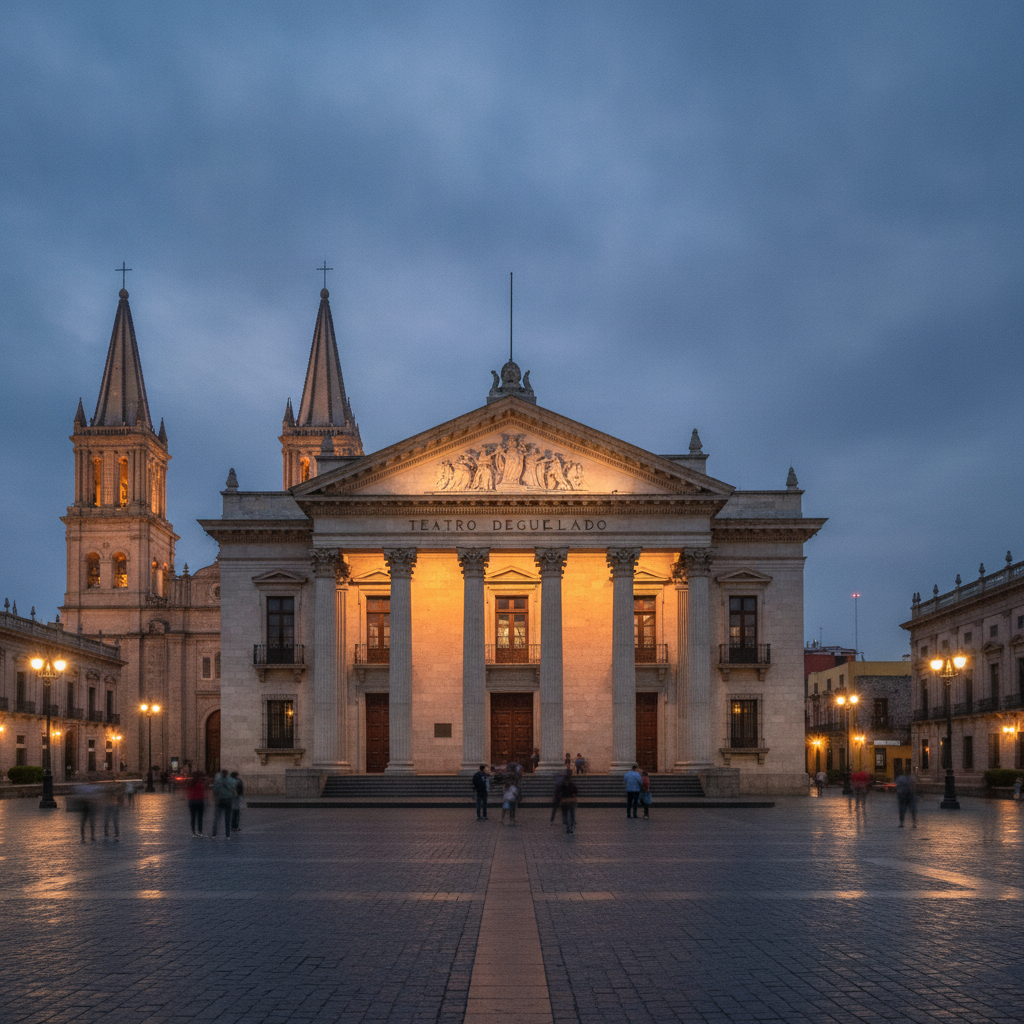
The Teatro Degollado, the neoclassical opera house opposite the Cathedral completed in 1866 after 26 years of construction, named for General Santos Degollado, a Jalisco liberal who fought in the Reform War and was killed in 1861, is the primary performing arts venue in Guadalajara and among the finest 19th-century theater buildings in Mexico. The facade of the building features a neoclassical portico with six Corinthian columns and a tympanum relief depicting Apollo and the nine muses carved in stone, while the interior contains a painted ceiling depicting scenes from Dante's Divine Comedy above a horseshoe-shaped auditorium with four tiers of balconies in the Italian opera house tradition. The building hosts the Jalisco Philharmonic Orchestra as its resident company, along with opera, ballet, and international touring productions. The Teatro is connected to the Guadalajara International Book Fair held in November, the largest book fair in the Spanish-speaking world, which uses the venue for literary events while the main exhibition takes place at the Expo Guadalajara convention center. The book fair brings over 800,000 visitors annually to Guadalajara and has been held continuously since 1987, making it one of the defining cultural events of the Latin American literary calendar.
- 3
Guadalajara Street Art and Colonia Americana
Colonia Americana, the bohemian residential neighborhood west of the historic center developed in the late 19th and early 20th centuries for the professional and merchant class of Guadalajara, has emerged as the primary destination for independent restaurants, cafes, bookshops, craft cocktail bars, and street art in the city, with Avenida Chapultepec as its pedestrian promenade converted to a car-free zone on weekends. The neighborhood's building stock mixes Porfiriato-era houses with Art Nouveau details, 1950s apartment blocks, and contemporary infill buildings in a texture that has attracted the creative class moving out of the increasingly tourist-oriented historic center. The street art scene in Colonia Americana and the adjacent Colonia Lafayette involves commissioned murals covering the sides of buildings, contributing a contemporary layer of image-making to the city that produced Orozco. The Mercado del Mar, a seafood market in the neighborhood, and the Sunday tianguis flea market on Avenida Chapultepec attract residents and visitors throughout the week. The colonia is also the center of Guadalajara's LGBT community with bars and social venues concentrated on Calle Lopez Cotilla.
- 4
Zapopan Basilica and the Virgin
The Basilica of Our Lady of Zapopan in the center of the municipality of Zapopan 10 kilometres northwest of central Guadalajara, completed in Churrigueresque Baroque style in 1730, houses the original statue of the Virgin of Zapopan, a 25-centimetre corn-paste figure created around 1530 by Franciscan missionaries as a conversion aid and carried in procession to indigenous communities in the region during the 16th century, attributed with ending the Mixton War of 1541 through its miraculous intercession. The October 12 procession, when the statue returns to the Basilica after a round of visits to every parish in Guadalajara beginning in June, draws between 1 and 2 million pilgrims on foot through the streets of Guadalajara, the largest annual pilgrimage in Mexico by attendance. The Basilica complex includes the Museo Huichol Wixarika de Zapopan, which holds one of the most significant collections of Huichol yarn painting, beadwork, and ceremonial objects outside the indigenous communities of the Sierra Madre Occidental. The Huichol, or Wixaritari, are an indigenous group who have maintained their ceremonial traditions including the peyote pilgrimage to San Luis Potosi despite 500 years of colonial pressure, and whose visual art has become internationally recognized and commercially reproduced.
- 5
Tonala Handicraft Market Town
Tonala, the town adjacent to Tlaquepaque on the eastern edge of the Guadalajara metropolitan area that functions as the wholesale craft production center for the retail craft shops of Tlaquepaque and the export market for Mexican handicrafts internationally, operates a major street market every Thursday and Sunday when hundreds of vendor stalls spread through the streets of the town center selling furniture, ceramics, textiles, glassware, ironwork, and decorative objects at wholesale prices below what the same items cost in the retail establishments of Tlaquepaque. The town contains hundreds of workshops and small factories where the craft objects sold throughout Mexico are made, including the blown glass factories that produce the distinctive Jalisco glass style in translucent colors, the Talavera-style painted ceramic workshops whose product is technically Talavera de Jalisco rather than the true Talavera produced only in Puebla and Tlaxcala, and the papier-mache artisans producing animal figures, skeleton figures, and fruit replicas. The Museo Nacional de la Ceramica in Tonala holds a comprehensive collection of Mexican ceramic traditions from pre-Hispanic to contemporary. The restaurant scene in Tonala is considerably less developed than Tlaquepaque but the birria restaurants around the town market are among the most authentic in the metropolitan area.
- 6
Guadalajara Technology and Startup Scene
Guadalajara has been the technology capital of Mexico since the 1990s when IBM, Hewlett-Packard, Intel, and other multinational technology companies established manufacturing and development operations in the city attracted by the engineering graduates of the University of Guadalajara and the Tecnologico de Monterrey campus, the lower cost relative to Mexico City, and the quality of life that made executive relocation feasible. The technology district in the Providencia and Puerta de Hierro areas northwest of the historic center now contains the offices of over 600 technology companies including a significant cluster of software development firms and startups. The city has been branded Mexico Silicon Valley by promotional agencies, though the technology economy is primarily contract manufacturing and software services for North American clients rather than product innovation. The Guadalajara Digital Creative City, a purpose-built technology campus, and the CUCEA economics and business campus of the University of Guadalajara are the primary institutional anchors of the technology economy. The remote work shift following 2020 brought a significant number of digital nomads and remote workers from Mexico City and internationally to Guadalajara, attracted by the lower cost and the climate, driving gentrification in Colonia Americana and adjacent neighborhoods.
Walk this route with audio
Stories play automatically as you reach each stop — no tapping needed.
More in Guadalajara
Guadalajara and the Mexican Revolution: How Jalisco Shaped the Cristero War, the Dorados of Pancho Villa and the Ley Fuga Executions That Made the Revolution in the West More Violent Than the History Books Record
Guadalajara: The City That Gave Mexico Tequila Mariachi and the Charro Horseman, the UNESCO-Listed Murals in a Former Orphanage and the Craft Capital Where Every Artisan in Mexico Eventually Shows Up
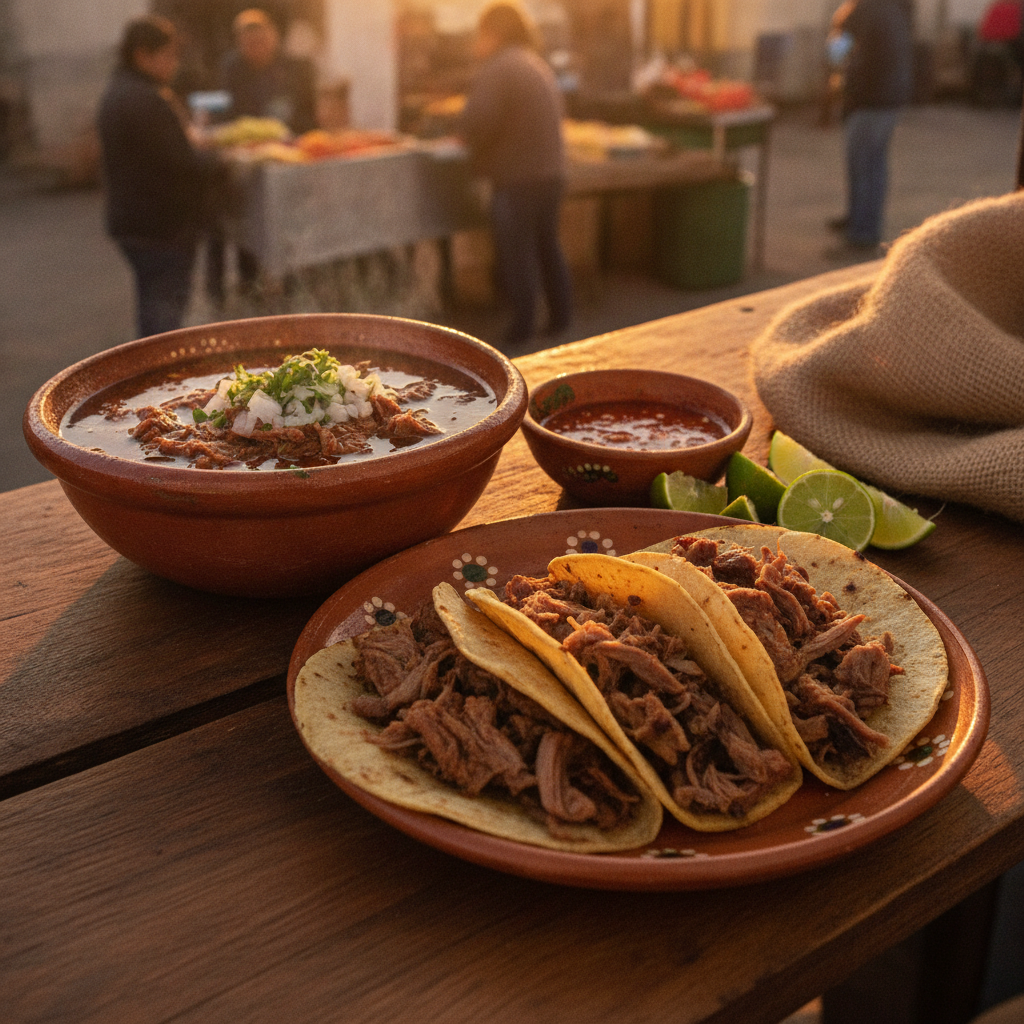
Tapatian Food Culture: Birria Taco Stands at Dawn, Tejuino Cart Vendors, Torta Ahogada Drowned in Chile Sauce and the Tequila Ritual That Defines Jalisco at the Table
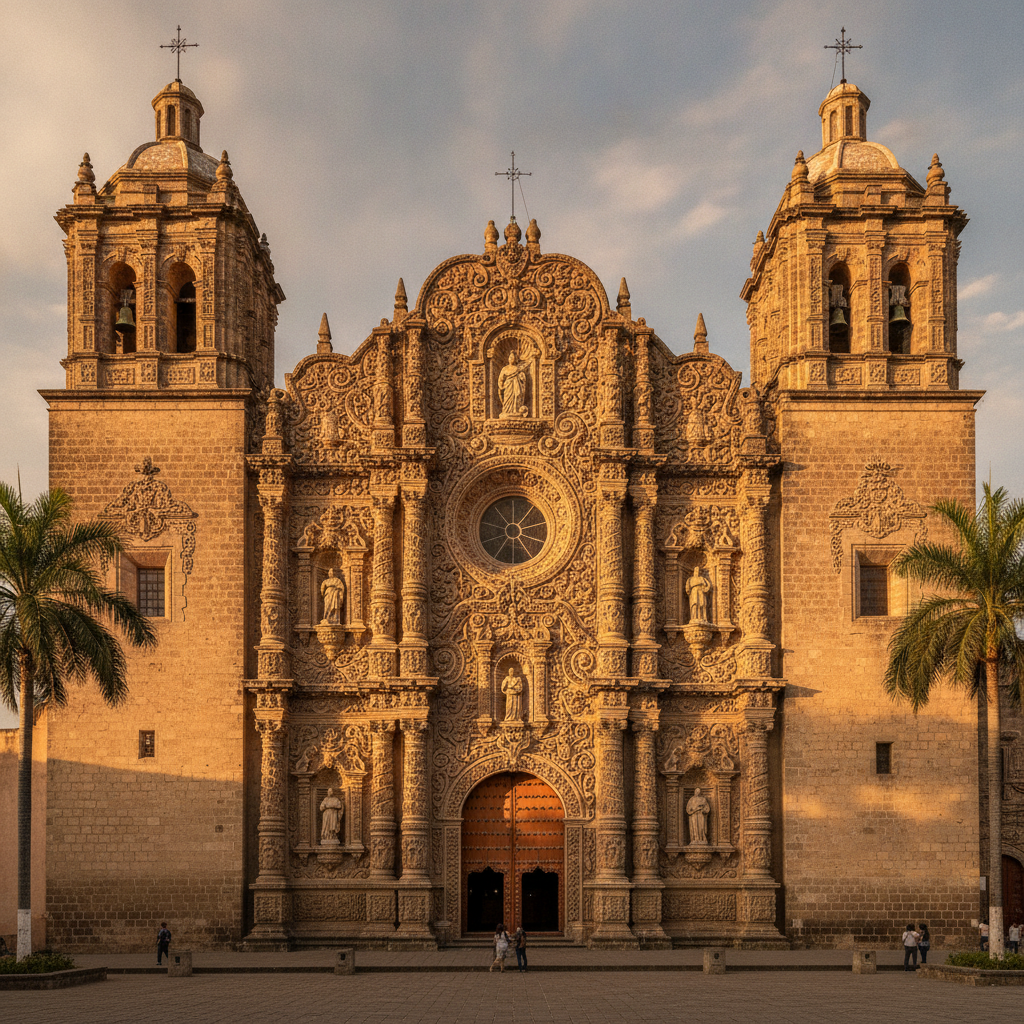
Guadalajara Colonial Churches Convents and the Ecclesiastical Architecture of New Galicia: From the Franciscan Missionaries Who Built the First Permanent Structures to the Baroque Elaboration of the 18th Century
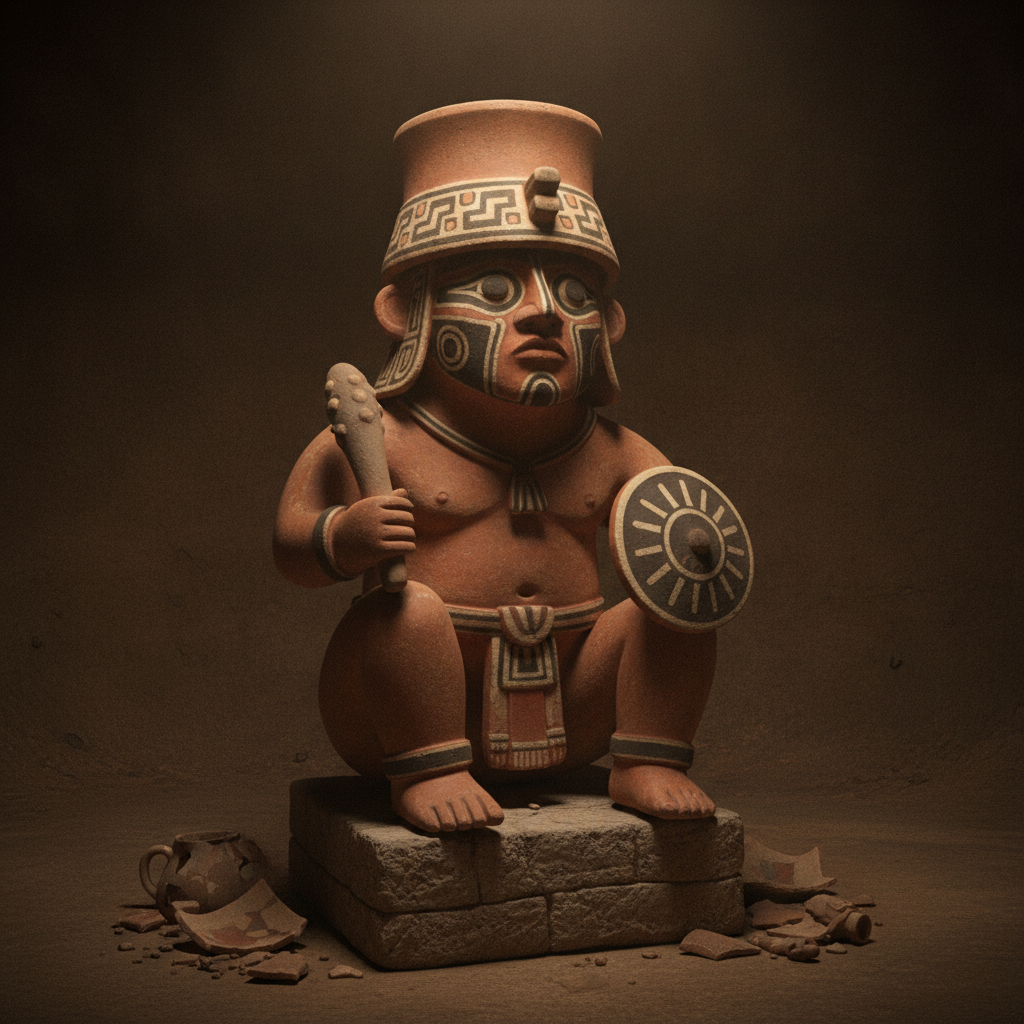
Guadalajara Pre-Hispanic Roots and the Cazcanes: The Indigenous World the Spaniards Found, the Mixton War That Delayed the Conquest of Western Mexico by a Decade, and the Archaeological Sites in the Jalisco Highlands