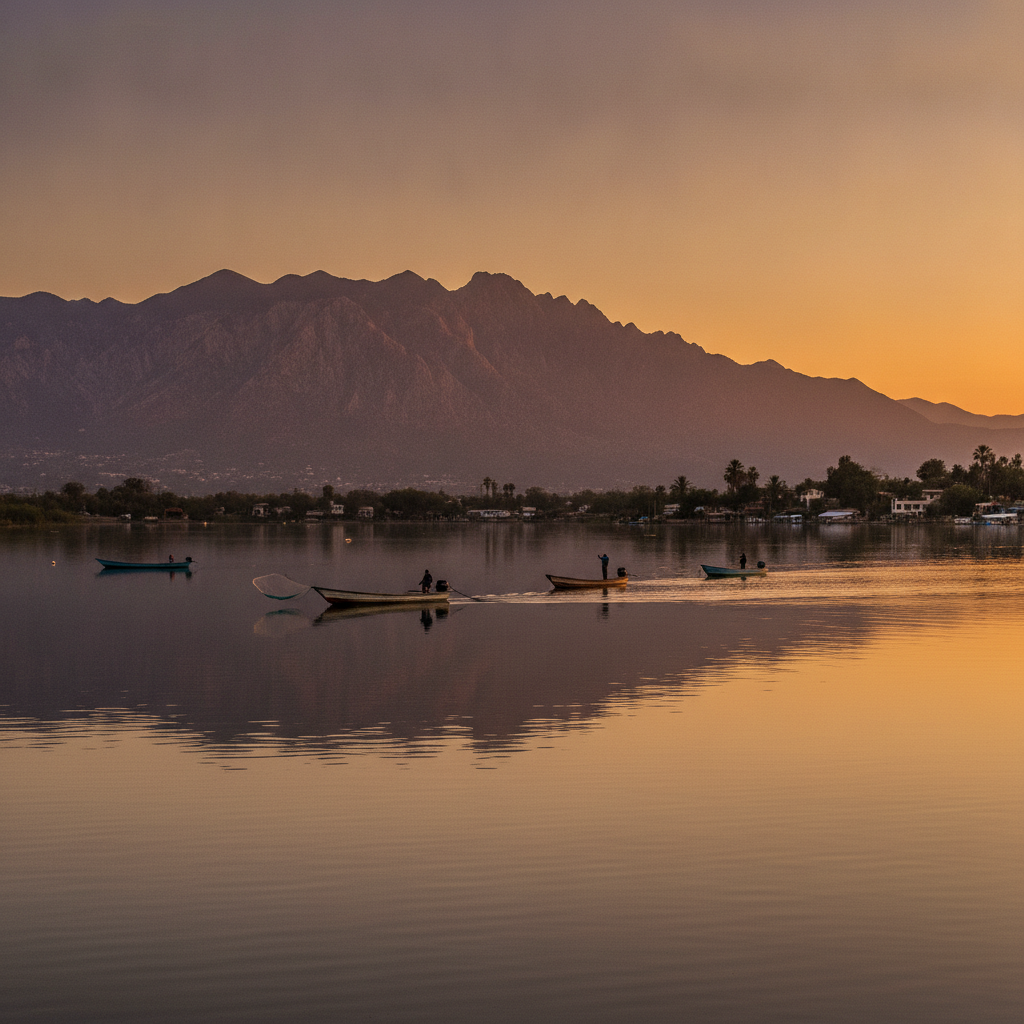
Guadalajara: The City That Gave Mexico Tequila Mariachi and the Charro Horseman, the UNESCO-Listed Murals in a Former Orphanage and the Craft Capital Where Every Artisan in Mexico Eventually Shows Up
Stand inside the Hospicio Cabanas where Jose Clemente Orozco painted the most powerful mural cycle in Mexican history across the walls and dome of a building that was an orphanage for 200 years, drink a glass of tequila from the red volcanic fields of the Jalisco highlands where the blue agave plant has been distilled since the 16th century, watch a mariachi band tune up in the Plaza de los Mariachis where the music form that became the sound of Mexico was born in the state that surrounds this city, browse the craft market of Tlaquepaque where the finest blown glass and hand-painted Talavera and carved wood and papier-mache from every state of Mexico is available in a colonial pedestrian shopping district, understand that Guadalajara is the second largest city in Mexico with 5 million people in a metropolitan area most visitors have not heard of because Mexico City consumes all the international attention, and find the birria taco vendors at the Mercado Libertad who will tell you that Guadalajara invented the dish even though six other places say the same thing.
- 1
Hospicio Cabanas and Orozco Murals
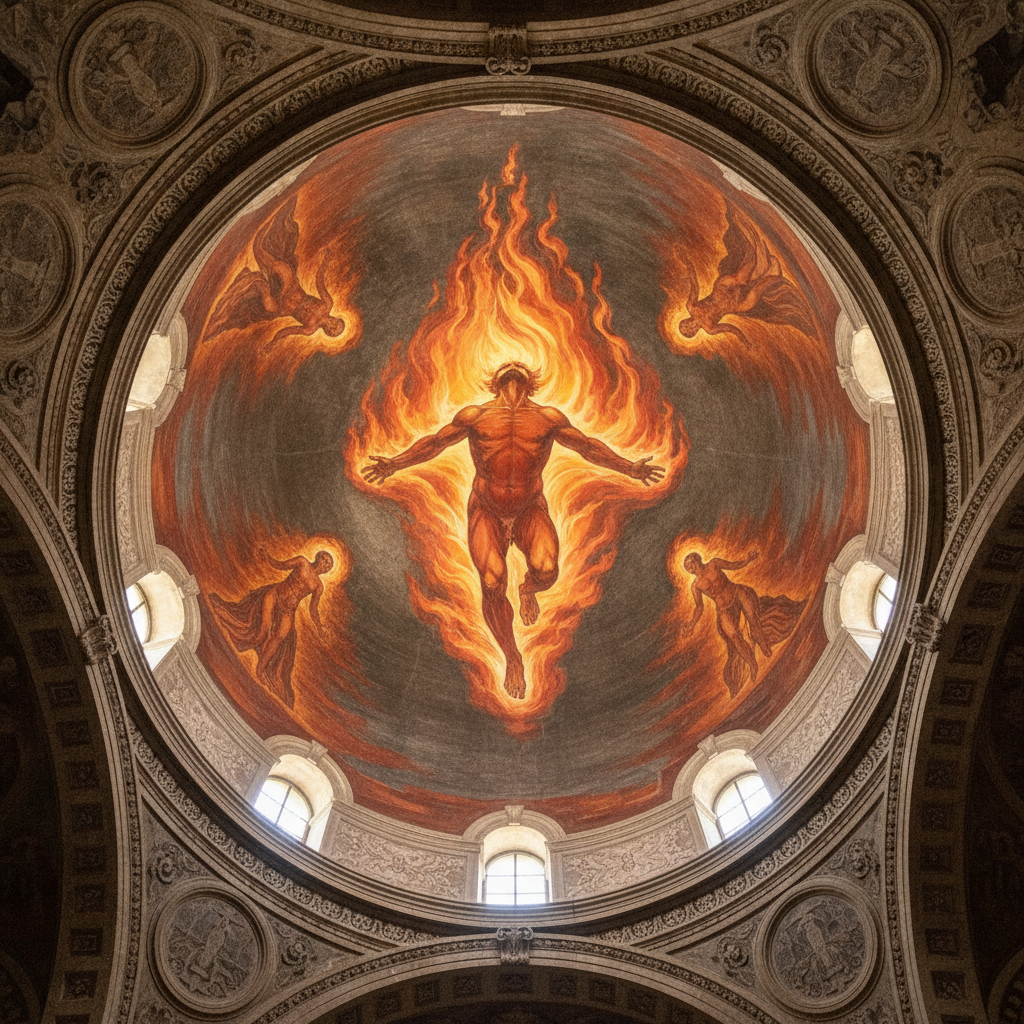
The Hospicio Cabanas, a neoclassical hospital complex completed in 1810 by Bishop Juan Cruz Ruiz de Cabanas as an orphanage and charitable institution for the poor, disabled, and elderly of Guadalajara, and declared a UNESCO World Heritage Site in 1997, contains the most powerful mural cycle in Mexican history: the paintings of Jose Clemente Orozco completed between 1938 and 1939 covering the walls, vaults, and dome of the main chapel with scenes depicting the Spanish conquest, the suffering of the conquered, the fire of the man-god at the dome center, and the technological and industrial forces that dehumanize modern civilization. Orozco, the most Mexican of the three great muralists compared to Diego Rivera who romanticized Indigenous culture and David Alfaro Siqueiros who was more ideologically programmatic, painted the Man of Fire at the apex of the dome as a figure consumed and transcended by flame rather than redeemed by political ideology, making the Cabanas cycle the most existentially challenging of all Mexican mural programs. The building housed over 4,000 orphans at various points in its 200-year history before conversion to a cultural center in 1983. The 23 paintings in the Cabanas chapel include the Spanish Conquistador as an armored automaton and the figure of Cortes as a mechanical monster, among the most disturbing images in monumental art.
- 2
Guadalajara Cathedral and Historic Center
The Guadalajara Cathedral, begun in 1571 and completed in 1618 in a mixture of Gothic, Renaissance, and Baroque styles that reflects over five decades of construction and subsequent modifications including the addition of the twin yellow-tiled towers that were rebuilt after the 1818 earthquake, dominates the Plaza de Armas at the center of the historic district and anchors the cruciform arrangement of four plazas, the Rotonda de los Jalisciences Ilustres, the Palacio de Gobierno, and the Plaza de los Laureles, that define the urban center of the second largest city in Mexico. The Palacio de Gobierno, built in the 18th century and remodeled in the 19th, contains a significant Orozco mural of Father Miguel Hidalgo, the priest who launched the Mexican War of Independence in 1810 in the nearby town of Dolores, painted in 1937 with Hidalgo as a heroic figure wielding a torch above the masses. The Rotonda de los Jalisciences Ilustres in the gardens beside the cathedral contains the remains of notable Jalisco figures including Orozco himself. The four-plaza arrangement of the Guadalajara historic center, an urban design planned in the Spanish colonial grid with the plazas serving as expansion joints, is one of the finest examples of colonial urban planning in Mexico.
- 3
Mercado Libertad and Street Food
The Mercado Libertad, also called the Mercado San Juan de Dios, the largest covered market in Latin America at 40,000 square metres covering three floors and approximately 3,000 vendor stalls, has occupied the same block east of the cathedral since the 1950s in a brutalist concrete building that replaced the 19th-century market structures, selling everything from fresh produce, meat, seafood, and spices on the lower floor through clothing, electronics, and household goods on the upper floors to a food court level with dozens of stalls serving the traditional cuisine of Jalisco. The birria, a spiced goat or beef stew slow-cooked in chili sauce and served in a clay bowl or as a taco with consomme for dipping, is the signature dish of Guadalajara and the Mercado is among the best places in the city to eat the original version. The torta ahogada, a pork carnitas sandwich drowned in tomato and chile de arbol sauce, is the other defining Guadalajara street food and is sold from torta stands throughout the market. The tejuino, a fermented corn beverage served cold with salt, lime juice, and nieve de limon ice cream, is the traditional street drink of Guadalajara available from pushcart vendors throughout the historic center. The market area at night around the Plaza de los Mariachis one block from the market is the primary mariachi performance zone in the city.
- 4
Tequila Town and the Blue Agave Landscape
Tequila, the town 65 kilometres northwest of Guadalajara in the Jalisco highlands where the blue agave plant grows in the red volcanic soil of the Tequila Volcano area, is the origin and UNESCO-recognized cultural landscape of the spirit that bears its name and that has been produced commercially since the 16th century when Franciscan priests distilled the fermented sap of the agave plant, building on a pre-Hispanic tradition of pulque production from the same plant. The blue agave, Agave tequilana, takes 7 to 10 years to reach maturity before its heart, the pina, weighing 40 to 100 kilograms, is harvested by the jimador with a specialized tool called a coa. Tequila can by law only be produced in specific municipalities in Jalisco and small areas of four other states. The Mundo Cuervo estate in the town of Tequila is the largest and most visited agave distillery, producing Jose Cuervo tequila since 1758. The agave landscape surrounding the town of Tequila, with rows of blue-green plants stretching across the volcanic plain, was designated a UNESCO World Heritage Site in 2006 as the Agave Landscape and Ancient Industrial Facilities of Tequila. The tequila train from Guadalajara to Tequila is a tourist rail excursion operating on the historic railway line.
- 5
Tlaquepaque Artisan District
Tlaquepaque, a former independent municipality absorbed into the Guadalajara metropolitan area and designated a Pueblo Magico, the Mexican federal program recognizing towns of exceptional cultural heritage, is the primary craft shopping destination in western Mexico, with several kilometres of pedestrian streets lined with galleries, workshops, and retail shops selling blown glass, hand-painted Talavera ceramics, hand-tooled leather goods, silver jewelry, carved wood furniture, woven textiles, and papier-mache art from Jalisco and other Mexican states. The El Parian, an open-air cantina occupying a full city block with covered outdoor tables under a massive banyan tree in the center of Tlaquepaque, is the most famous outdoor drinking venue in Guadalajara and the place where mariachi music and cold beer coexist with craft shopping in a combination that defines the Tapatian afternoon. Tapatia is the demonym for residents of Guadalajara. The blown glass industry of Tlaquepaque, established by artisans who learned techniques introduced by European immigrants in the early 20th century, produces some of the most recognized Mexican craft export products with distinctive colors and forms developed over generations. The Museo Regional de la Ceramica in Tlaquepaque documents the ceramic traditions of Jalisco and western Mexico. The colonial architecture of Tlaquepaque, with 18th and 19th century mansions converted to gallery and shop use, is among the best-preserved in the Guadalajara metropolitan area.
- 6
Guadalajara Mariachi and Musical Heritage
Guadalajara is the birthplace of mariachi music, the ensemble musical form featuring violins, guitars, guitarron bass guitar, vihuela rhythm guitar, and trumpets in combination that became the most recognizable sound of Mexico internationally and is now recognized on the UNESCO Intangible Cultural Heritage list. The mariachi form emerged from rural Jalisco musical traditions in the 19th century, with the ensemble growing from a small string group playing at rural celebrations to the larger brass-augmented format that became standard in the early 20th century. The Plaza de los Mariachis, a small plaza one block from the Mercado Libertad in the historic center, is where mariachi groups gather from late afternoon onward, available for hire to serenade a table at a restaurant, perform at a birthday, or simply to play for the audience that gathers around the plaza. A performance typically costs 100 to 200 Mexican pesos per song. The major national mariachi competition, the Festival Internacional del Mariachi y la Charreria, is held in Guadalajara each September and brings ensembles from across Mexico and internationally to compete at the Teatro Degollado. The charro tradition, the Mexican equestrian and horsemanship culture that is inseparable from mariachi in the public image of Jalisco, originated in the hacienda culture of the Jalisco highlands and is practiced at charreadas, rodeo competitions, held at lienzos charros throughout the metropolitan area.
Walk this route with audio
Stories play automatically as you reach each stop — no tapping needed.
More in Guadalajara
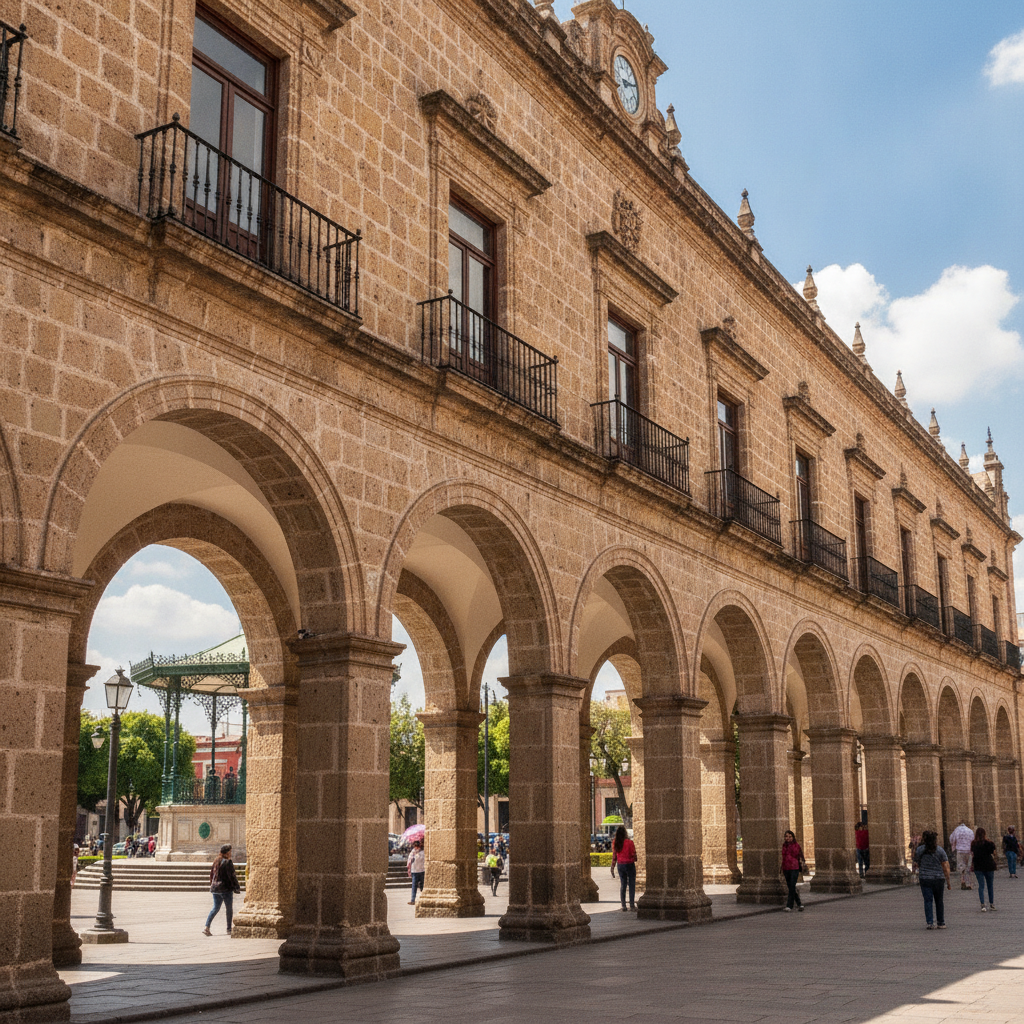
Guadalajara and the Mexican Revolution: How Jalisco Shaped the Cristero War, the Dorados of Pancho Villa and the Ley Fuga Executions That Made the Revolution in the West More Violent Than the History Books Record
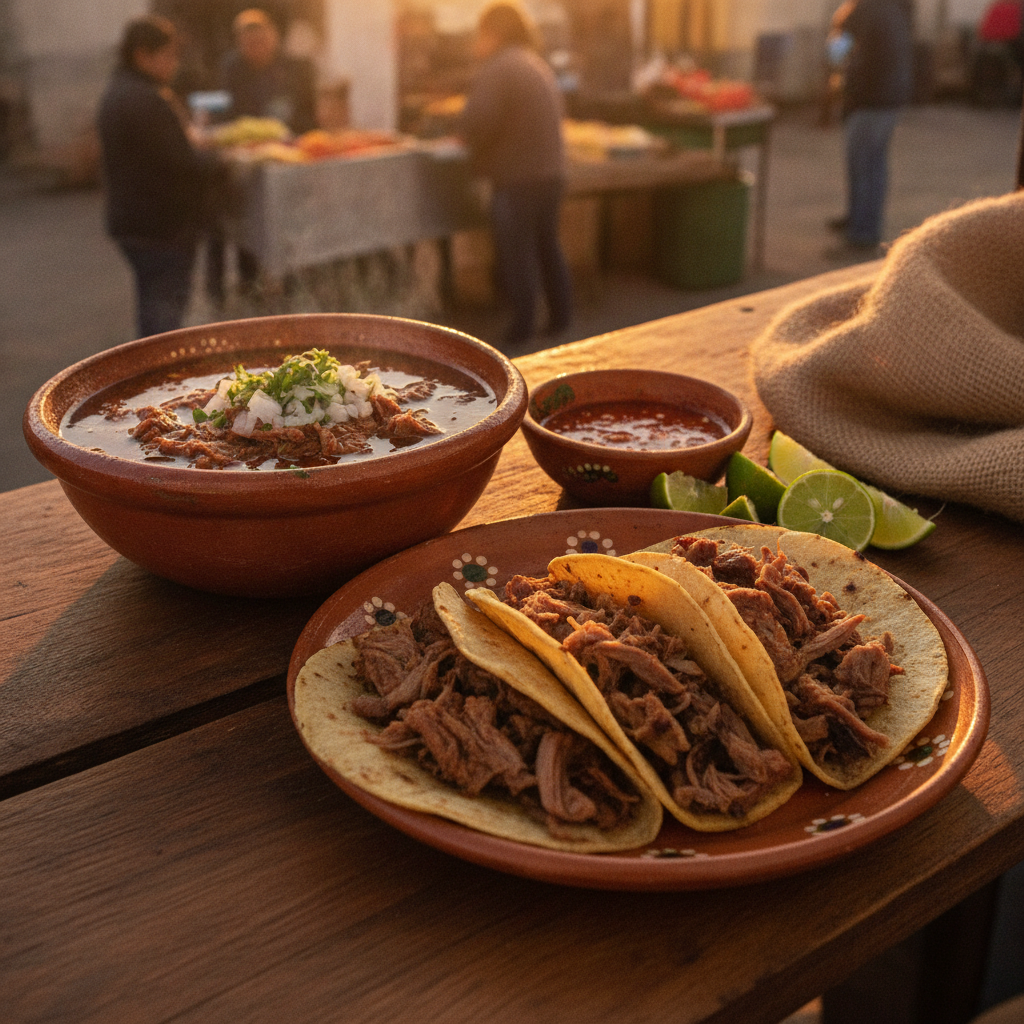
Tapatian Food Culture: Birria Taco Stands at Dawn, Tejuino Cart Vendors, Torta Ahogada Drowned in Chile Sauce and the Tequila Ritual That Defines Jalisco at the Table
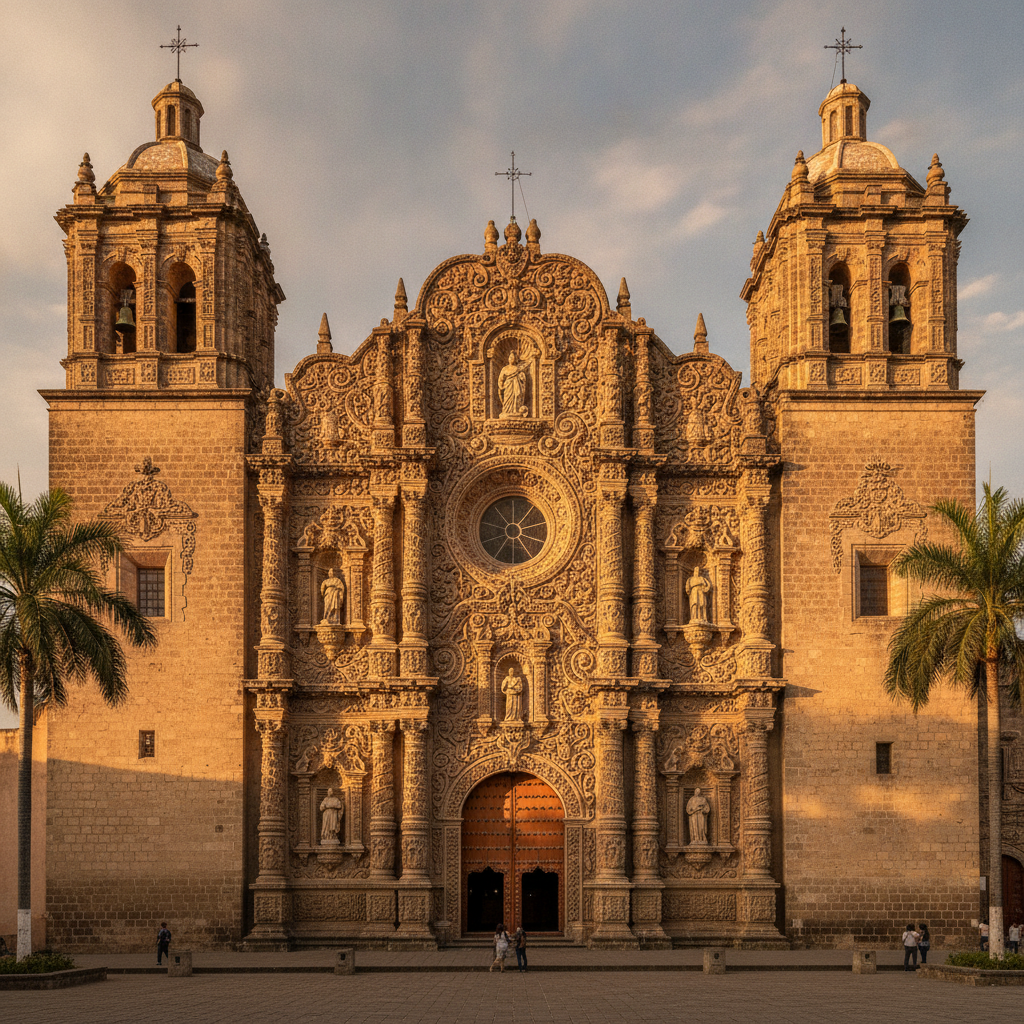
Guadalajara Colonial Churches Convents and the Ecclesiastical Architecture of New Galicia: From the Franciscan Missionaries Who Built the First Permanent Structures to the Baroque Elaboration of the 18th Century
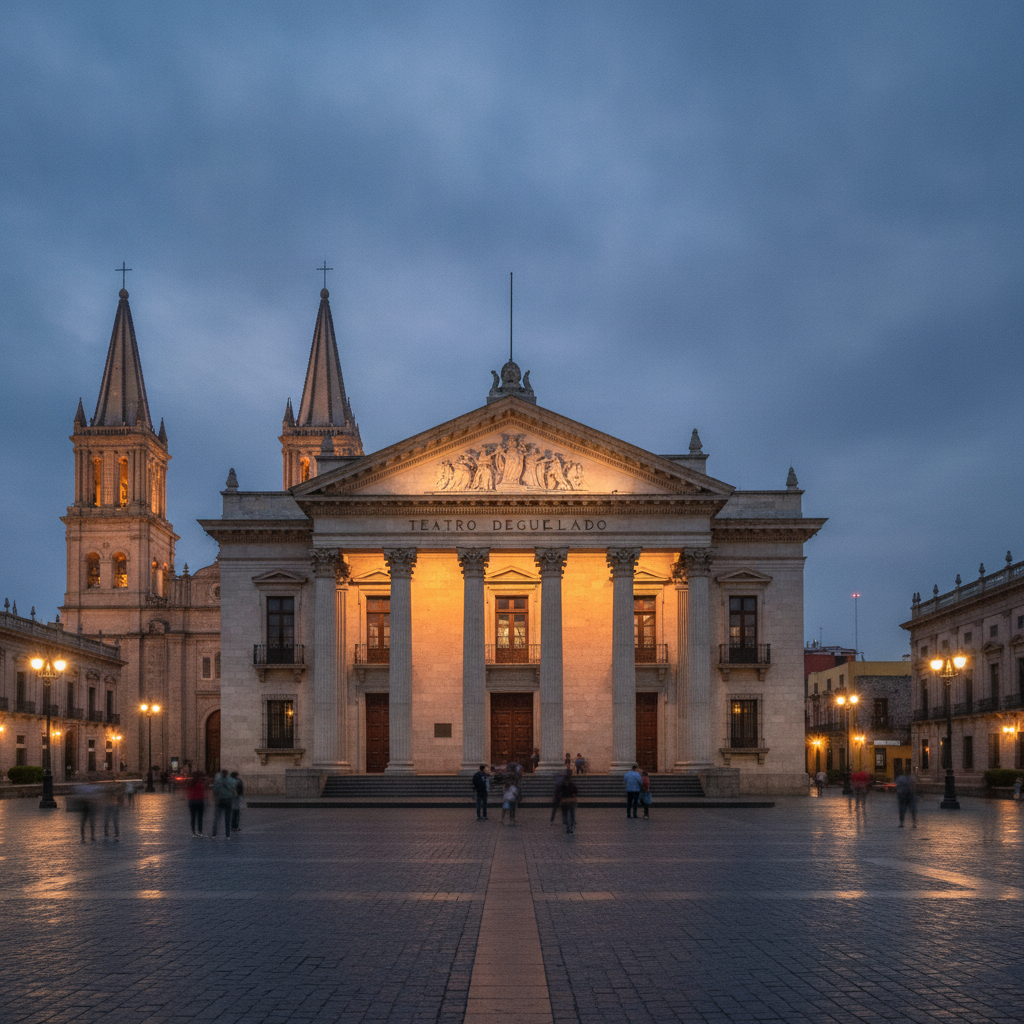
Guadalajara Muralism Art Nouveau and the Orozco Legacy: Walking the City That Produced the Most Searing Political Art in Mexican History While Rivaling Mexico City in Colonial Architecture
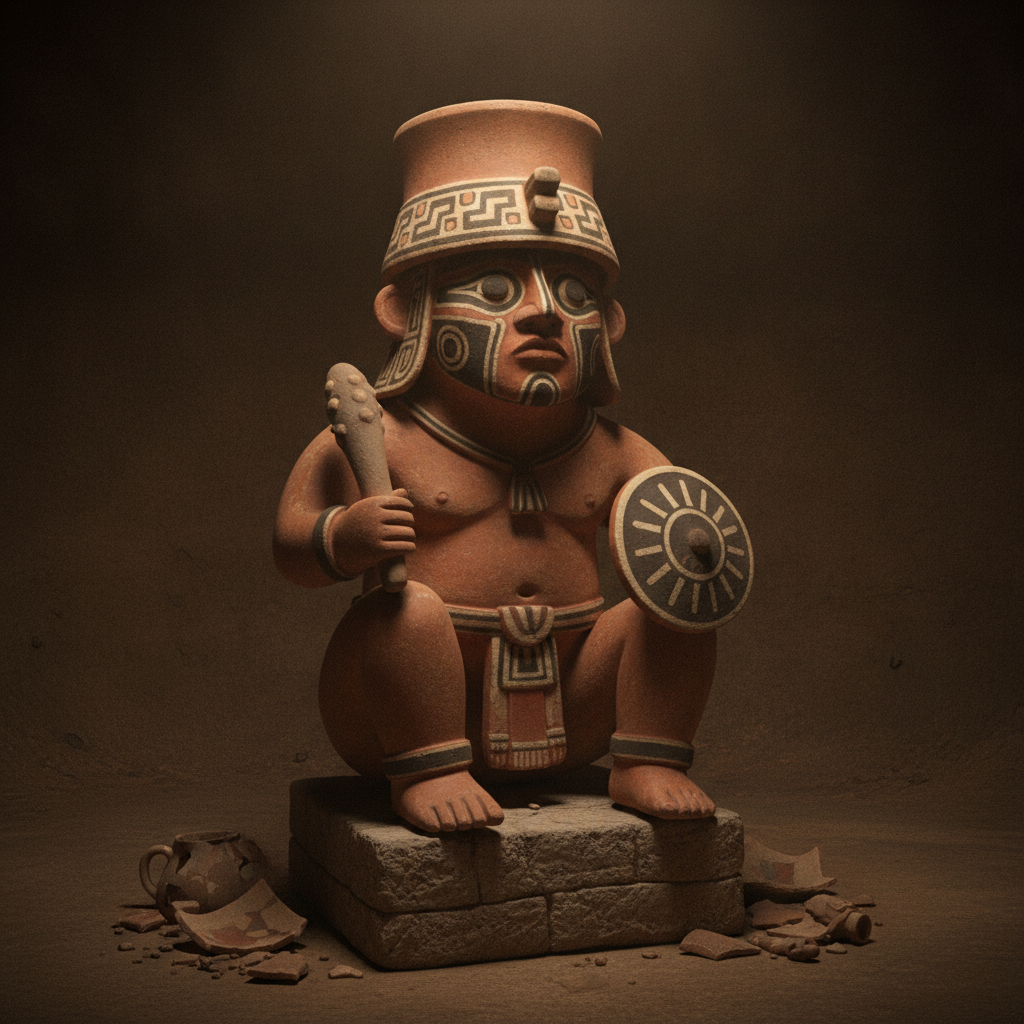
Guadalajara Pre-Hispanic Roots and the Cazcanes: The Indigenous World the Spaniards Found, the Mixton War That Delayed the Conquest of Western Mexico by a Decade, and the Archaeological Sites in the Jalisco Highlands