Charro Culture and the Guadalajara Rodeo: The Jalisco Horseman Tradition That Became the Visual Identity of Mexico, the Lienzo Charro Arena and the Federation That Invented the Sport
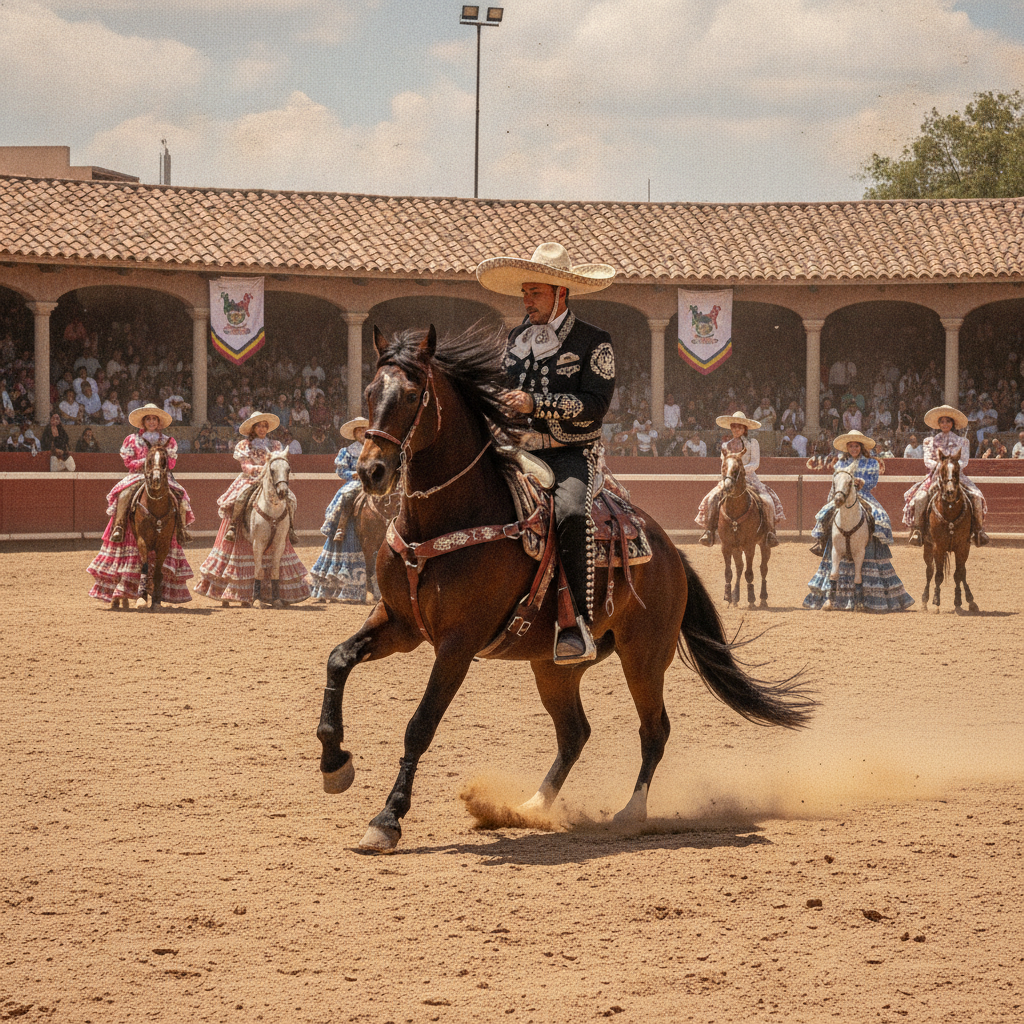
The charro, the skilled horseman of Jalisco whose elaborately embroidered suit, wide-brimmed sombrero, silver-decorated saddle, and rope-handling technique became the defining visual image of Mexico exported to the rest of the world through cinema, music posters, and tourism promotion, is not a decorative tradition but a competitive sport with a governing federation, regional and national championships, and a technical skill set developed over centuries of cattle ranching culture in the Jalisco highlands. The charreada, the Mexican rodeo competition held at the lienzo charro arena, features nine prescribed events including the cala de caballo, a precise horse stop and spin, the piales en el lienzo, roping a running horse by the hind legs, and the coleadero, toppling a bull by the tail, all judged according to rules codified by the Federacion Nacional de Charreria founded in Guadalajara in 1933. The charreada begins with the escaramuza, the only competitive equestrian event for women, in which teams of eight perform synchronized patterns on sidesaddle horses at full speed in a formation riding that requires years of training. The mariachi and the charro are inseparable in the cultural image of Jalisco because both come from the same ranch culture of the Jalisco highlands and both were formalized as national symbols during the same 1930s period of Mexican nationalism following the revolution.
- 1
Federacion Nacional de Charreria and Lienzo Charro
The Federacion Nacional de Charreria, founded in Guadalajara in 1933 as the governing body for the Mexican rodeo sport, established the formal rules and judging criteria for the charreada competition that distinguished the Mexican tradition from the American rodeo and created a regulated sport from the informal cattle-handling demonstrations of Jalisco hacienda workers. The lienzo charro, the arena designed for charreada competition, has a distinctive shape: a long straight track called the lienzo attached to a circular arena, with covered grandstands on the long side and open stands on the ends, allowing spectators to see all nine events from a single position. The Lienzo Charro Guadalajara, one of several arenas in the metropolitan area, hosts competitions every Sunday from September through March, with the entrance fee and refreshments making it one of the most affordable cultural events in the city. The charro associations, called asociaciones charras, are organized by neighborhood and family lineage throughout Jalisco, with membership requiring the purchase and maintenance of the charro horse, the charro suit, and the equipment necessary to compete, making charreada a middle-class and upper-class activity despite its working-class rural origins. The escaramuza charra performed at the start of every charreada by women in full Adelita-era revolutionary dress on sidesaddle horses is the most visually spectacular element of the competition.
- 2
The Charro Suit and Fashion Heritage
The traje de charro, the formal suit worn by Mexican horsemen in competition and ceremony, is one of the most technically complex and expensive items of traditional clothing in the world, requiring hundreds of hours of handwork including silver button application, silk thread embroidery, and metallic braid trim on a suit of botonadura, suede, or broadcloth that is custom-fitted to the individual rider. The charro suit consists of the chaqueta jacket with silver buttons, the calzonera fitted trousers with silver buttons down the outer seam, the boots with eagle-head toe caps, the monadillo tie, the sombrero with the appropriate brim width and decorative cord, and the manga riding cape worn over the shoulders. The complete formal charro suit with silver botonadura costs between 50,000 and 500,000 Mexican pesos depending on the quality of materials and ornamentation, making it comparable to high fashion couture in investment. The escaramuza charra dress worn by women competitors is based on the Adelita costume of the Mexican Revolution, with the full-length skirt in regional colors, the fitted bodice, the wide-brimmed hat, and the ammunition bandolier worn as a decorative element. Guadalajara is the primary center for charro tailor workshops in Mexico, with several ateliers in the historic center and Tlaquepaque specializing in custom suit construction.
- 3
Charreada Competition Events and Rules
The nine events of the charreada competition are each scored on a point scale by judges positioned around the lienzo charro, with the total score determining the winning team, called the cuadro, competing in the collective events. The cala de caballo, the first individual event, requires the charro to gallop the full length of the lienzo, stop the horse in a controlled skid with both hind legs sliding simultaneously, perform a full turn, and then back the horse down the track, with points awarded for precision and control. The piales en el lienzo, rope-catch of a running horse by the hind legs, requires the charro to throw a loop from a standing position that catches the galloping horse and brings it to a controlled stop without injuring the animal. The manganas a pie, roping a running horse from a standing position by the forelegs, and the manganas a caballo, the same roping technique from horseback, test rope-handling skill at speed. The paso de la muerte, the death pass, requires the charro to leap from his horse onto a bare-backed running horse and ride it to a stop, and is the most dangerous event, the one from which the phrase paso de la muerte is derived. The coleadero, tail-riding of a bull, completes the individual events before the team event in which all members work together.
- 4
Mariachi Music Performance and Rehearsal
The mariachi ensembles that perform at the Plaza de los Mariachis and at events throughout Guadalajara rehearse at dedicated rehearsal spaces called escuelas de mariachi, where young musicians learn the 300-song repertoire that a professional mariachi must know to work in the hire-by-song market of the plaza. A working mariachi must be able to play in any key requested, transpose on the fly, accompany any singer regardless of range, maintain a professional appearance in the charro suit, and negotiate the per-song price with a customer in a brief conversation while the rest of the ensemble waits. The Guadalajara mariachi tradition differs from the Mexico City Garibaldi Plaza tradition in that Guadalajara musicians claim a closer connection to the rural Jalisco origins of the form, while Mexico City musicians have more experience with the recording industry and international touring circuit. The Festival Internacional del Mariachi y la Charreria held each September at the Teatro Degollado and the Lienzo Charro draws mariachi ensembles from across Mexico, the United States, Japan, Colombia, and other countries where the form has developed local practitioners. The mariachi competition is judged on technical precision, repertoire knowledge, ensemble tightness, and the ability to perform the full range of styles from the romantic cancion ranchera to the complex instrumental huapango.
- 5
Rodeo Economy and Jalisco Rural Heritage
The economy of the Jalisco highlands that produced both the charro tradition and the tequila industry is based on cattle ranching that began when Spanish colonists introduced cattle and horses to the New World in the 16th century, creating an entirely new economic and cultural system in a landscape that had previously been farmed by indigenous agricultural communities. The hacienda system that dominated the Jalisco economy from the colonial period through the Revolution concentrated land ownership in a small number of families, whose workers developed the equestrian skills that became the charro tradition, and whose estates often included the first agave distilleries that produced tequila and mezcal for the hacienda community. The Jalisco highlands landscape, called the Los Altos region, with its rolling green hills and cattle ranches, supplies the majority of the dairy products consumed in Guadalajara and much of western Mexico. The queso de aro, the fresh cheese made on Los Altos ranches in small batches, and the jericalla, the custard dessert of Guadalajara similar to creme brulee that originated in 17th-century convent cooking, both reflect the dairy abundance of the Jalisco highland economy. The Los Altos region also produces a significant portion of the workers who migrated to the United States in the late 20th century, creating one of the most intensive Mexico-US migration corridors with entire villages where the majority of working-age men have spent years in Chicago, Dallas, or Los Angeles.
- 6
Guadalajara Fashion and Design Week
Guadalajara has developed a fashion and design industry that positions the city as the creative and commercial center of the Mexican fashion market outside Mexico City, with the Guadalajara Fashion Week event drawing buyers, press, and designers twice annually in a format that has grown from a local trade event to a regional showcase attracting Colombian, Argentine, and US market participants. The fashion industry in Guadalajara is concentrated in the Ninos Heroes and Providencia areas, where design studios and showrooms occupy converted residential buildings, and in the wholesale textile market district around the Mercado San Juan de Dios, where fabric and trimmings suppliers serve small manufacturers throughout western Mexico. The leather goods industry of Guadalajara and the adjacent municipality of Leon, 230 kilometres to the east, which is the largest leather goods manufacturing center in Latin America, supply the craft shops of Tlaquepaque and the fashion industry of the metropolitan area with materials. The shoe industry of Guadalajara, concentrated in the suburb of Zapopan, produces footwear for the domestic Mexican market and for export. The Design Week Mexico extension to Guadalajara, an annual design festival based in Mexico City that established a Guadalajara edition, brings international design culture to the city in October and has established the city in the Latin American design circuit alongside Mexico City, Sao Paulo, and Buenos Aires.
Walk this route with audio
Stories play automatically as you reach each stop — no tapping needed.
More in Guadalajara
Guadalajara and the Mexican Revolution: How Jalisco Shaped the Cristero War, the Dorados of Pancho Villa and the Ley Fuga Executions That Made the Revolution in the West More Violent Than the History Books Record
Guadalajara: The City That Gave Mexico Tequila Mariachi and the Charro Horseman, the UNESCO-Listed Murals in a Former Orphanage and the Craft Capital Where Every Artisan in Mexico Eventually Shows Up
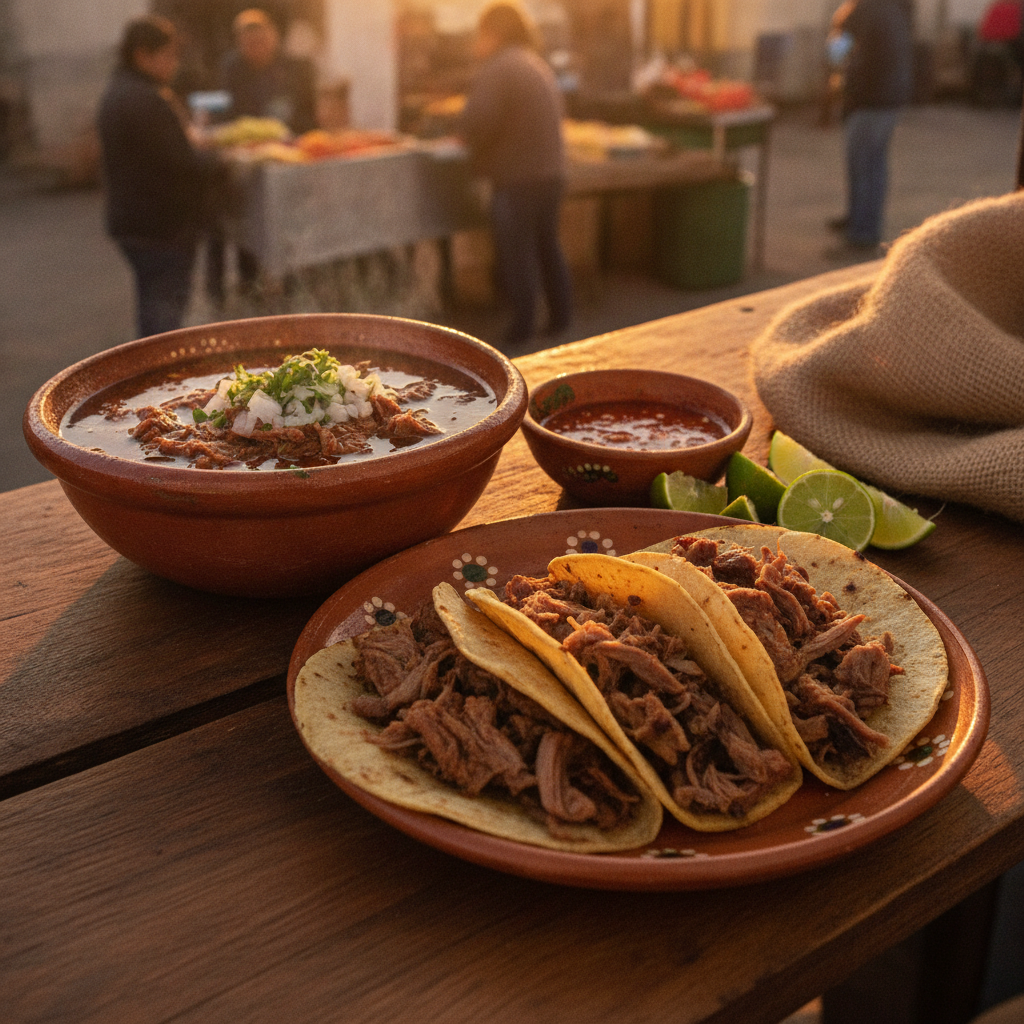
Tapatian Food Culture: Birria Taco Stands at Dawn, Tejuino Cart Vendors, Torta Ahogada Drowned in Chile Sauce and the Tequila Ritual That Defines Jalisco at the Table
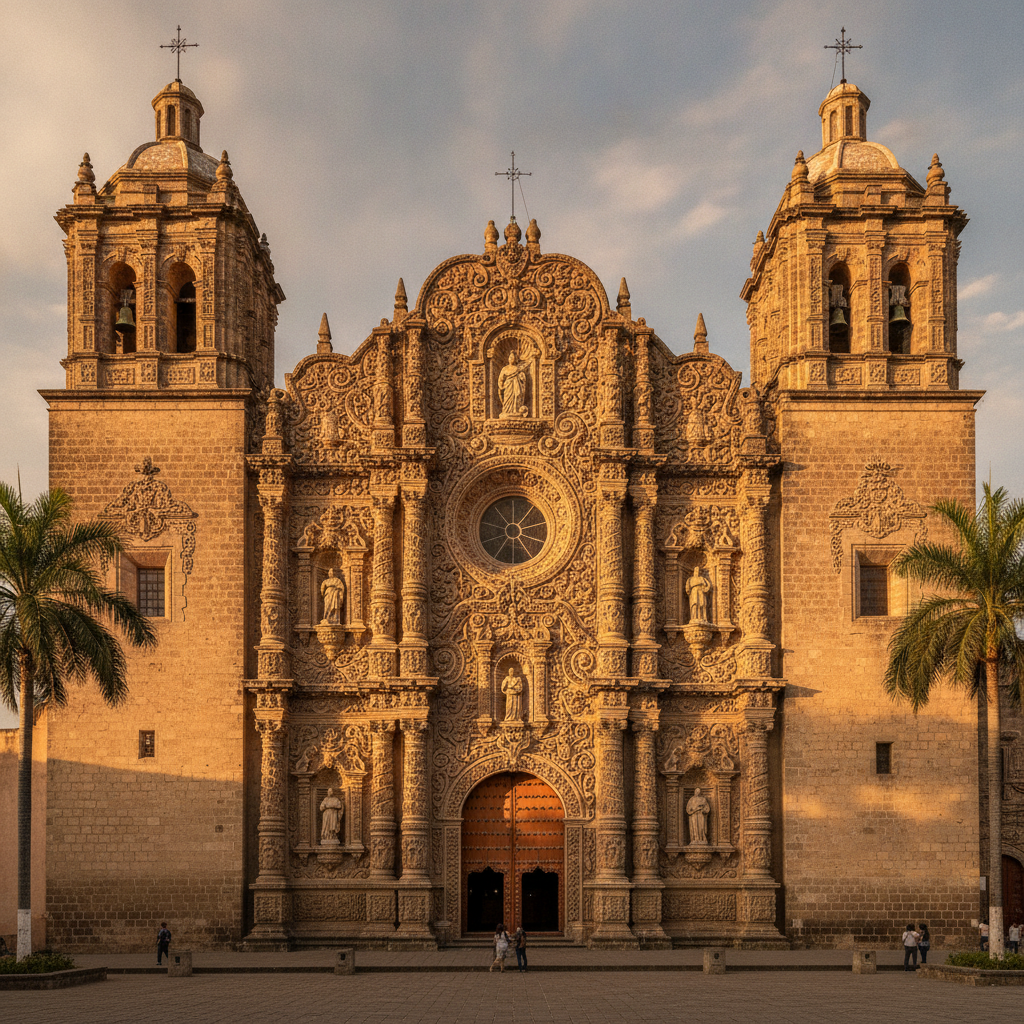
Guadalajara Colonial Churches Convents and the Ecclesiastical Architecture of New Galicia: From the Franciscan Missionaries Who Built the First Permanent Structures to the Baroque Elaboration of the 18th Century
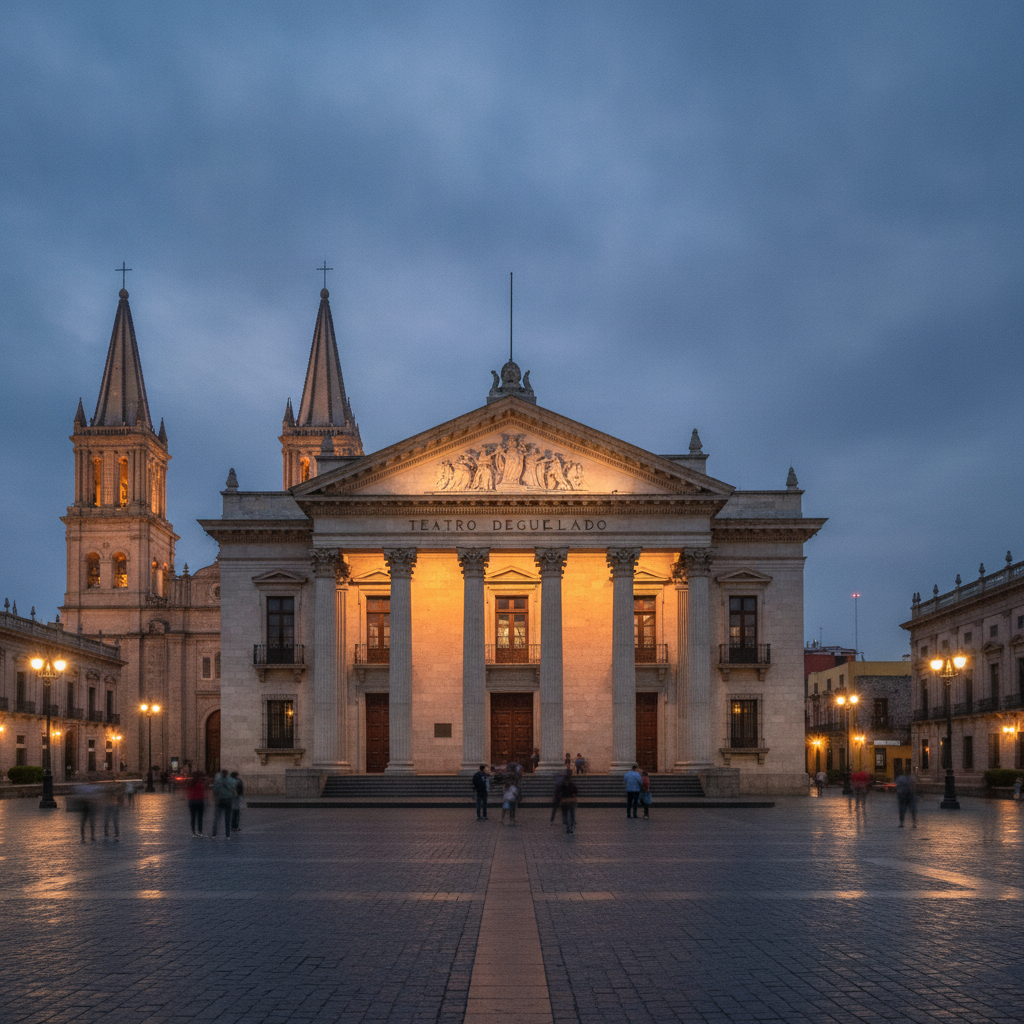
Guadalajara Muralism Art Nouveau and the Orozco Legacy: Walking the City That Produced the Most Searing Political Art in Mexican History While Rivaling Mexico City in Colonial Architecture