Tapatian Food Culture: Birria Taco Stands at Dawn, Tejuino Cart Vendors, Torta Ahogada Drowned in Chile Sauce and the Tequila Ritual That Defines Jalisco at the Table
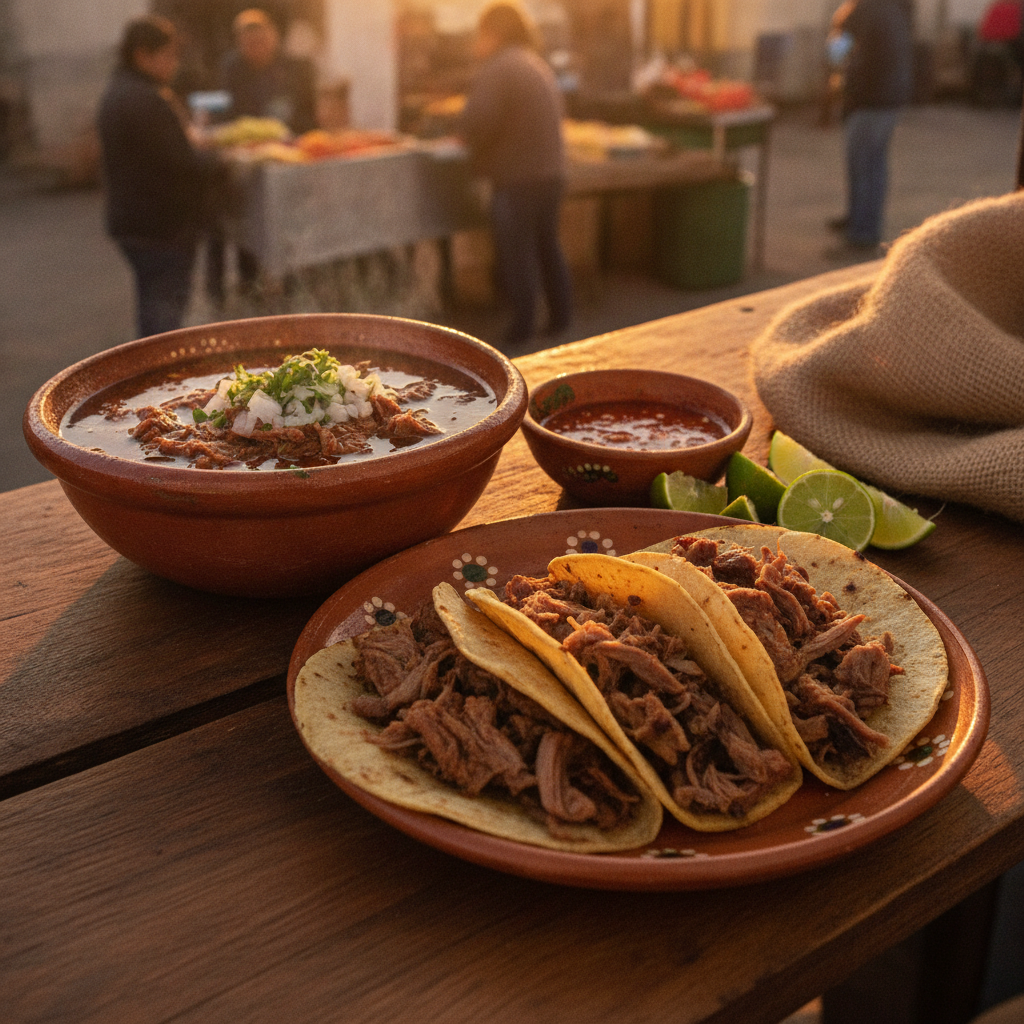
The food culture of Guadalajara is entirely distinct from Mexican City cuisine and entirely dismissive of the idea that the capital city has defined what Mexican food means, with birria — slow-cooked spiced goat or beef stew eaten as tacos with consomme broth for dipping — as the dish that Guadalajara claims to have invented and defends against the competing claims of Cocula and other Jalisco towns, with the torta ahogada as the sandwich tradition that no other Mexican city has replicated in the same form, drowned completely in chile de arbol and tomato sauce until the bread softens into something between a sandwich and a stew, and with tejuino as the street drink made from fermented corn masa sweetened with piloncillo and served cold with lime and salt and a scoop of nieve de limon ice cream that no food writer from outside the region has adequately described without resorting to phrases about corn beer that fail to capture its specific cold-sour-sweet-salty character. The markets of Guadalajara operate from 4am when the birria cooks have been simmering their pots since midnight, and the culture of eating standing at a market stall in the early morning with a clay bowl of consomme in one hand and a corn tortilla in the other is the most authentically Tapatian food experience available.
- 1
Birria and the Morning Taco Culture
Birria, the Jalisco dish consisting of goat, beef, or lamb slow-cooked overnight in a spiced adobo sauce of dried guajillo, ancho, and pasilla chilies combined with cumin, cloves, cinnamon, and black pepper until the meat falls from the bone and is served in clay bowls with the concentrated cooking broth called consomme, is the most contested food origin story in western Mexico, with Guadalajara, Cocula, and several other Jalisco towns claiming to have invented the preparation. The dish is eaten at market stalls that open before dawn, where the birria cooks, called birreros, have been tending their clay pots or underground oven pits since midnight. The consomme is served separately as a drink, ladled from a clay pot and sipped between bites of the tacos. The taco de birria is assembled by the cook who dips a corn tortilla briefly in the layer of rendered fat floating on the consomme, places it on a hot griddle until it crisps slightly, fills it with shredded birria meat and cheese, folds it, and serves it with a small cup of consomme for dipping. The birria taco in this dipped form became internationally viral in the late 2010s as the quesabirria, though the version served at Guadalajara market stands since long before that moment differs from the export version in the quality of the meat and the depth of the consomme.
- 2
Torta Ahogada Street Food Tradition
The torta ahogada, a sandwich unique to Guadalajara consisting of a birote salado roll filled with carnitas pork, onion, and oregano and then drowned in a sauce of tomato and chile de arbol to varying degrees of heat, is the defining Tapatian street food that is sold from small specialized stands and market stalls throughout the city and that distinguishes Guadalajara food culture from every other Mexican city in the most visceral way possible: the bread is designed to absorb liquid without dissolving completely, the sauce is ladled directly over the assembled sandwich, and the result is eaten with a spoon as much as with hands. The birote salado, a sourdough roll with a hard crust that holds up to the sauce immersion better than the soft bolillo rolls used in most Mexican tortas, is baked by specialized panaderos in the city and is considered a Guadalajara culinary artifact that does not transport well to other cities. The sauce has two levels of intensity: the mild version with tomato sauce only and the hot version with chile de arbol that turns the sandwich into a significant eating challenge. Torta ahogada stands are found throughout the historic center and in every Guadalajara neighborhood market, with the most serious practitioners located in the Mercado Alcalde and the food stalls around the Mercado Libertad.
- 3
Tejuino and Street Drink Traditions
Tejuino, the fermented corn drink that is the most characteristic street beverage of Guadalajara, is made by dissolving masa corn dough in water with piloncillo unrefined brown sugar, cooking it briefly, allowing it to ferment for one to three days until slightly sour and fizzy, then serving it cold with freshly squeezed lime juice, salt, and a scoop of nieve de limon, the icy lime sherbet that melts into the drink as it is consumed. Tejuino vendors push carts throughout the historic center and neighborhood markets, recognizable by the tall glass containers of the dark brown liquid and the nieve de limon stored in a separate container. The drink is consumed year-round but reaches peak consumption in the hot months of April and May before the rainy season begins. Tepache, another fermented drink made from pineapple rind and piloncillo, is available from the same vendors. The aguas frescas culture of Guadalajara, the tradition of drinking large glasses of chilled fruit water made from tamarind, jamaica hibiscus, melon, and guanabana from market stalls, is shared with the rest of Mexico but the tejuino and tepache tradition is specifically western Mexican. The Mercado Libertad has the highest concentration of tejuino vendors in the city.
- 4
Cantina Culture and Caldo de Mariscos
The cantina tradition of Guadalajara, the neighborhood bar that serves beer and spirits with complimentary botanas, small plates of food that arrive with every round of drinks, is a social institution that distinguishes the city from Mexico City where the botana cantina is rarer. The Guadalajara cantina serves cold beer and tequila or mezcal shots accompanied by a rotating selection of small plates including ceviche, chicharron fried pork skin, guacamole, flautas, and soups, with the quantity and quality of the botanas varying with the generosity of the establishment. The oldest cantinas in the historic center date to the early 20th century and maintain the tile floors, dark wood bars, and framed bullfighting posters that characterize the traditional Mexican cantina aesthetic. The caldo de mariscos, a spiced seafood broth with shrimp, fish, octopus, and clams, served at cantina and market stall seafood counters, represents the integration of Pacific coast seafood into inland Guadalajara cuisine through the trade routes connecting the city to the port of Manzanillo 300 kilometres away. El Parian in Tlaquepaque functions as the most tourist-oriented version of the Guadalajara cantina experience, with live mariachi music performed for tables under the shade of a large banyan tree.
- 5
Guadalajara Tequila Bars and Mezcal
The tequila culture of Guadalajara, the city closest to the agave-growing highlands that produce the spirit, differs from the tequila drinking culture exported internationally in that premium tequila in Guadalajara is sipped neat from a glass rather than consumed as a shot with salt and lime, which is considered a tourist convention that masks the flavor of inferior products. The La Minerva area and Chapalita neighborhood contain the highest concentration of serious tequila bars in the city, where premium aged tequilas and small-batch artisanal mezcals from Oaxaca and other producing states are served alongside botanas. The distinction between tequila, which must be made from blue agave in Jalisco and specified areas of four other states, and mezcal, which can be made from any agave species in a broader range of states, reflects a division in Mexican spirits culture that Guadalajara bars represent better than any other city given the geographic proximity to both tequila and mezcal producing regions. Raicilla, a spirit made from agave species in the Jalisco Sierra Madre mountains that is technically classified as mezcal but has its own distinct character from the high-altitude wild agave varieties used, is increasingly available at Guadalajara bars and represents a third Jalisco spirit category that most visitors have not encountered.
- 6
Guadalajara Weekend Market Food Scene
The weekend market food scene in Guadalajara operates through a network of tianguis street markets and mercados that provide the primary grocery shopping and prepared food experience for the majority of the population. The Mercado San Juan de Dios operates daily but reaches maximum intensity on Saturdays when fresh produce from Jalisco farms, including specialty chiles, herbs, tropical fruits, and heirloom corn varieties, fills the ground floor alongside butcher stalls with goat, lamb, and offal cuts for birria preparation. The Sunday tianguis on Avenida Chapultepec in Colonia Americana combines antiques, crafts, and street food in a pedestrian environment. The Tianguis Cultural del Chopo-Guadalajara equivalent, a subcultural market serving the metal and alternative music community, operates in the Analco neighborhood on Sundays. The Mercado Corona in the historic center, a smaller covered market a few blocks from the Cathedral, specializes in fresh produce, flowers, and prepared food and serves the population of the historic center neighborhoods. The pozole, a hominy corn soup with pork served at weekend pozoleria restaurants throughout the city, is consumed as a Saturday lunch ritual by families throughout Guadalajara, with restaurants serving exclusively pozole blanco, verde, or rojo from Friday evening through Sunday afternoon.
Walk this route with audio
Stories play automatically as you reach each stop — no tapping needed.
More in Guadalajara
Guadalajara and the Mexican Revolution: How Jalisco Shaped the Cristero War, the Dorados of Pancho Villa and the Ley Fuga Executions That Made the Revolution in the West More Violent Than the History Books Record

Guadalajara: The City That Gave Mexico Tequila Mariachi and the Charro Horseman, the UNESCO-Listed Murals in a Former Orphanage and the Craft Capital Where Every Artisan in Mexico Eventually Shows Up
Guadalajara Colonial Churches Convents and the Ecclesiastical Architecture of New Galicia: From the Franciscan Missionaries Who Built the First Permanent Structures to the Baroque Elaboration of the 18th Century
Guadalajara Muralism Art Nouveau and the Orozco Legacy: Walking the City That Produced the Most Searing Political Art in Mexican History While Rivaling Mexico City in Colonial Architecture
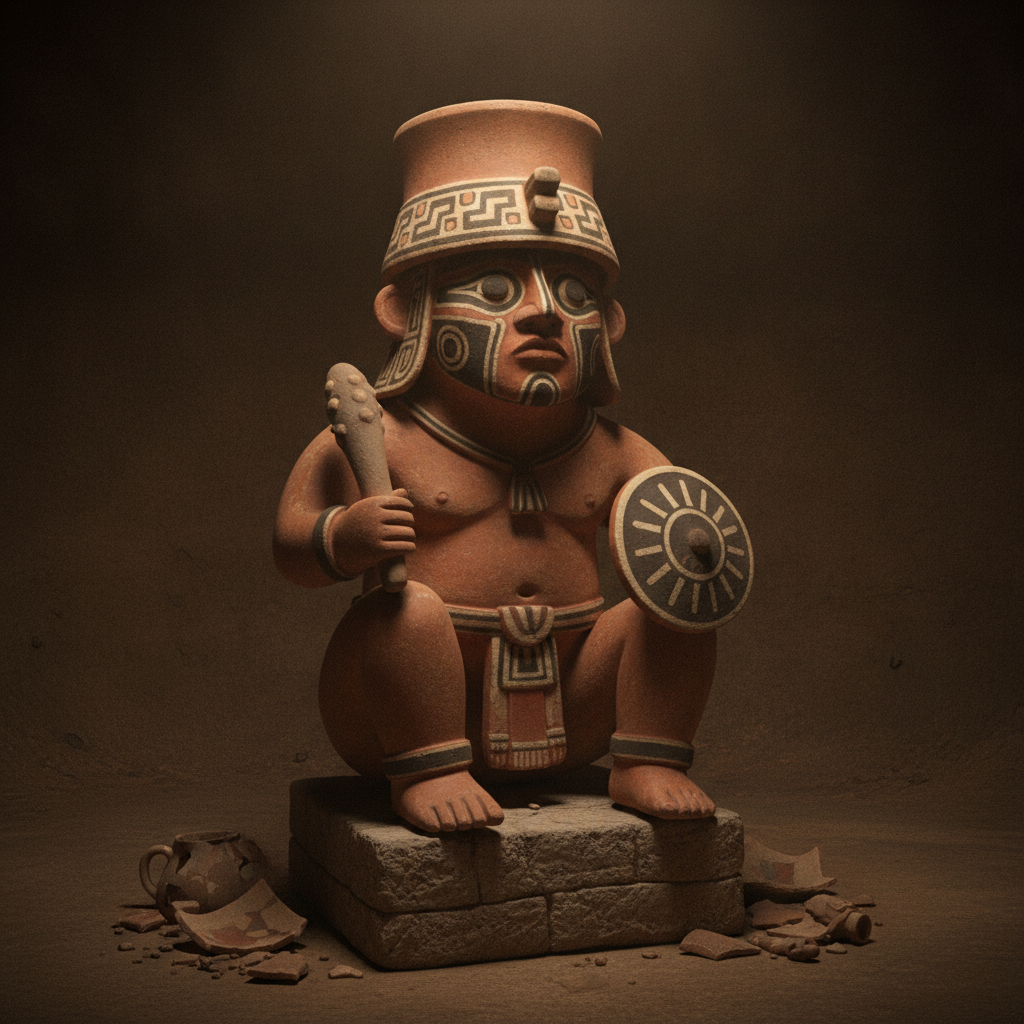
Guadalajara Pre-Hispanic Roots and the Cazcanes: The Indigenous World the Spaniards Found, the Mixton War That Delayed the Conquest of Western Mexico by a Decade, and the Archaeological Sites in the Jalisco Highlands