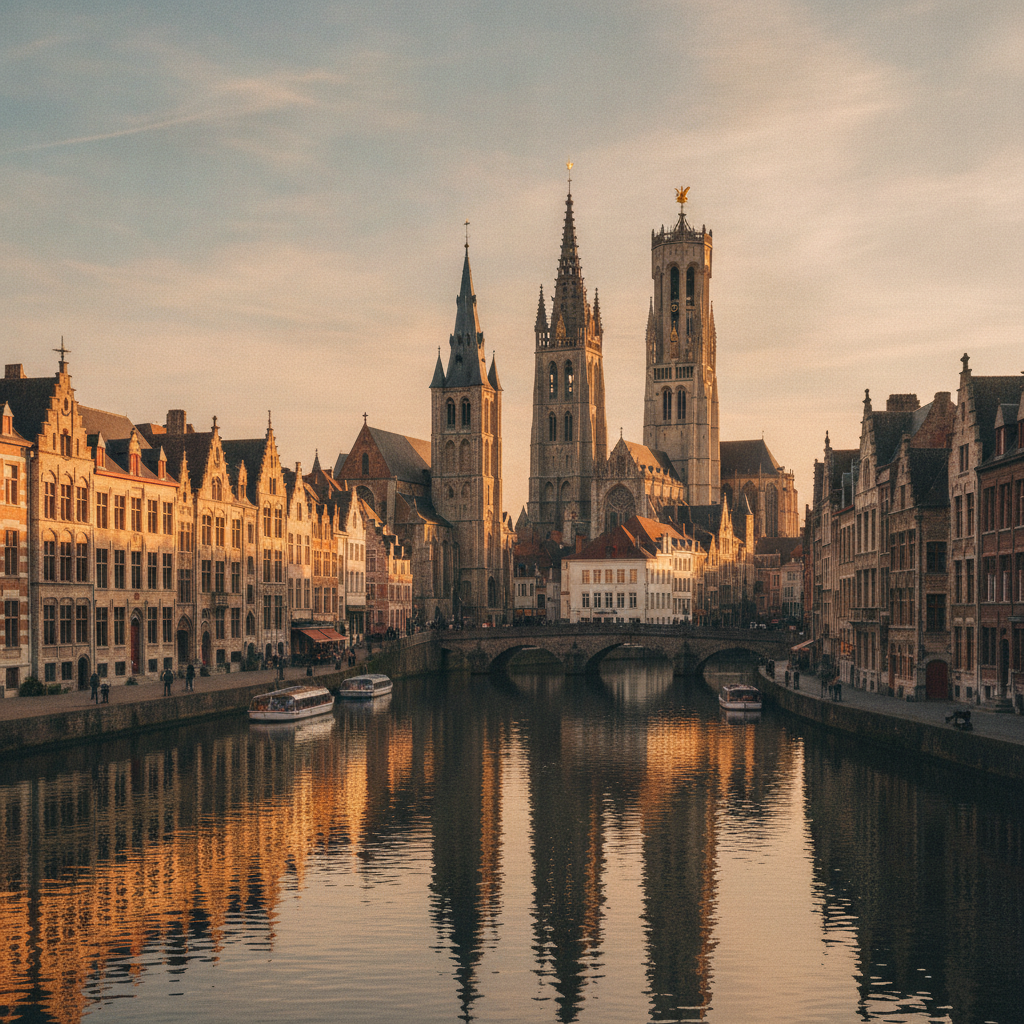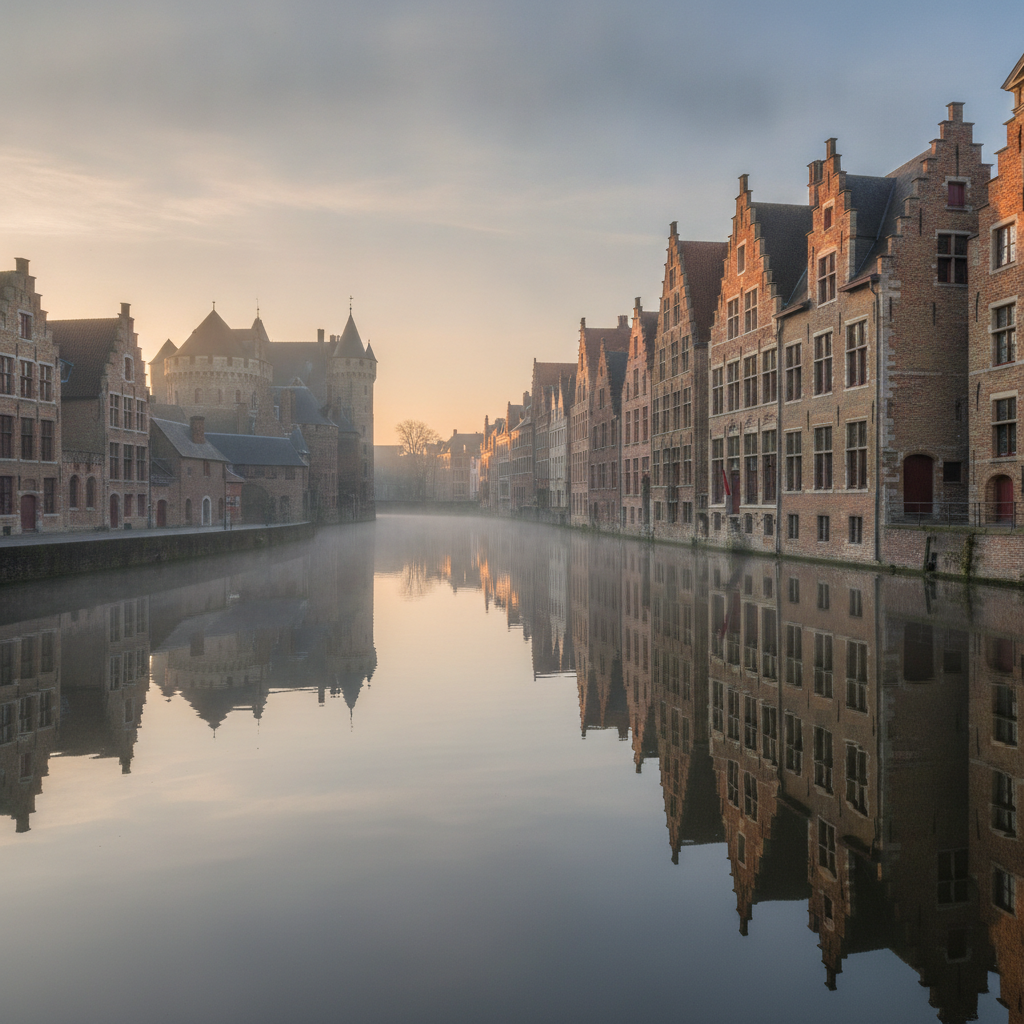
Ghent — Canal Network, the University Quarter, Beguinages, Textile Heritage, Day Trips to Bruges & Antwerp
Ghent's three-river canal system is the most complex in Belgium; the 4 UNESCO beguinages are the most beguinage-rich single city in the world; the 19th-century cotton mills made Ghent Belgium's industrial heart; and the direct trains to Bruges (30 min), Antwerp (35 min), and Brussels (35 min) make Ghent the perfect Belgian base.
- 1
The Ghent Canal Network — the Leie, Lieve and Schelde
Ghent canal network (the Ghent canal and river network — the most complex single urban waterway junction in Belgium, 3 rivers (the Leie, the Schelde, and the Lieve) converging at the historic centre, the most navigable single internal waterway system of any Belgian medieval city): the Leie river (the Leie (Lys) river through Ghent — the most commercially historically significant single river in the Ghent centre, the Leie the medieval highway connecting Ghent to the North Sea via Bruges, the Graslei and the Korenlei the most architecturally guild-house-monument-aligned sections of the Leie, the Leie the primary source of the fresh water fish (particularly the eel and the perch) used in the original Ghent waterzooi recipe, the most gastronomically historically important single river in Ghent), the Lieve canal (the Lieve (Leie branch canal) from the Gravensteen east — the most historically engineered single canal in Ghent, cut in 1251 to carry the North Sea salt and the fish trade directly into the city, the most specifically medieval-infrastructure-significant single Ghent canal, the canal walk along the Lieve the most completely medieval-brick-wall-enclosed single canal walk in the Ghent centre), the Schelde river (the Schelde (Escaut) river at the south end of the Ghent centre — the most commercially significant single river in the Belgian national economy (connecting Ghent to Antwerp and the North Sea port), the Schelde the primary reason for the Ghent port (the Port of Ghent — the 4th largest port in Belgium), the Schelde quaysides at Ghent the most industrial-heritage-character single river section in the Ghent urban waterway system), the boat tour (the Ghent Rederij Dewaele canal boat tour from the Graslei — the most comprehensively waterway-covering single Ghent canal tour at 40 minutes, the water-level view of the Gravensteen and the Kraanlei the most architecturally castle-proximate single boat view in Ghent, €11 adults, March-October), the Gentbrugge (the Gentbrugge canal east of Ghent — the most cycle-path-adjacent single canal in the Ghent eastern suburbs, the Ghent-to-Oudenaarde cycling route the most popular single day cycling excursion from Ghent east through the Flemish Ardennes, the most topographically varied single cycling excursion from Ghent) and the port of Ghent (the Port of Ghent (Haven Gent) — the 4th largest port in Belgium by cargo volume, the most inland single major Belgian commercial port, the port tours (guided by the port authority) the most comprehensively industrial-port-heritage-instructive single Ghent day excursion, the Volvo Cars Ghent plant adjacent to the port the most specifically automotive single large employer in the Ghent industrial zone).
- 2
The Ghent University and the Student Quarter
Ghent University (the Universiteit Gent — the most comprehensively research-university-infrastructure-equipped single Belgian university outside the Brussels and Leuven institutions, 45,000 students the most demographically significant single institution in Ghent): the university history (the Ghent University — founded 1817 by William I of the Netherlands, the most politically controversial single Belgian university foundation (the only Belgian university founded by the Dutch Protestant king in the primarily Catholic Flemish city, the most historically Franco-Belgian and later Flemish autonomy politically charged single Belgian university foundation), the first Flemish-language university in Belgium (the Dutch-language university from 1930 — the most symbolically significant single Flemish language policy victory in Belgian academic history)), the Aula (the Aula (Great Hall) of Ghent University at Voldersstraat 9 — the most architecturally neo-Classical single university building in Ghent, the neo-Classical colonnade the most formally composed single academic facade in any Flemish city, the Aula the primary ceremonial space for the Ghent academic year, the Dies Academica the most formally dressed single annual academic ceremony in the Ghent calendar), the student quarter (the Ghent student quarter: the Overpoortstraat bar street the most continuously bar-animated single street in any Belgian university city, the student cafés from the Baudelopark to the Sint-Pietersnieuwstraat the most comprehensively student-bar-concentrated single area in Ghent, the Overpoortstraat the most visited single late-night bar street in any Flemish city), the Boekentoren (the Boekentoren (Book Tower) at Rozier 9 — the most architecturally significant single Henry van de Velde building in Belgium, the 1936 library tower the most vertically assertive single Modernist building in the Ghent university district, the guided tours of the tower the most architecturally instructive single Modernist university building visit in any Belgian city), the university hospitals (the UZ Gent (University Hospital Ghent) at De Pintelaan 185 — the most comprehensively medically-research-active single hospital in Ghent, the UZ Gent the primary teaching hospital of the Ghent University medical faculty, the most comprehensively equipped single medical facility in the Flemish region) and the Sint-Pietersabdij (the Sint-Pietersabdij (Abbey of St. Peter) at Sint-Pietersplein 9 — the 7th-century Benedictine abbey the most historically ancient single monastic foundation in Ghent, the Romanesque crypt the oldest surviving ecclesiastical structure in the Ghent city limits, the abbey museum the most comprehensively Ghent-civic-and-monastic-history-combining single museum in the Ghent south, €6 adults).
- 3
The Klein Begijnhof and the Ghent Beguinages
Ghent beguinages (the Ghent beguinage complex — the most comprehensively beguinage-heritage-preserving single Belgian city, the 4 Ghent beguinages all UNESCO World Heritage since 1998, the most beguinage-rich single community in any Belgian city): the Klein Begijnhof (the Klein Begijnhof (Small Beguinage) at Lange Violettestraat 235 — the most architecturally completely enclosed single beguinage court in Ghent, the Baroque chapel (1658) the most ornately decorated single beguinage chapel in Ghent, the whitewashed house fronts and the cobbled internal court the most atmospherically enclosed single religious community in Ghent, free entry to the grounds, UNESCO World Heritage), the Groot Begijnhof Sint-Amandsberg (the Groot Begijnhof Sint-Amandsberg at Sleepstraat 50 — the largest single beguinage by number of houses in Belgium (129 houses), the most completely neo-Gothic single beguinage architectural ensemble, the most comprehensively 19th-century-beguinage-character-preserving single religious community in any Belgian city, UNESCO World Heritage, accessible by tram from the Ghent centre in 15 minutes), the Oud Begijnhof Sint-Elisabeth (the Oud Begijnhof Sint-Elisabeth at Beddenstraat 1 — the 13th-century beguinage on the oldest beguinage site in Ghent, the oldest single beguinage foundation date in the Ghent beguinage complex, the converted houses now private residences, the Gothic chapel accessible UNESCO World Heritage), the beguinage history (the beguinage movement — the most specifically Belgian single form of lay women's religious community, the beguines the most socially innovative single women's religious community in medieval northern Europe (living communally and working in textile crafts without permanent vows), the Ghent beguinages the most completely preserved single city complex of the beguinage institution in the Low Countries, the most important single Belgian contribution to the UNESCO Intangible Cultural Heritage of women's religious communities), the textile connection (the Ghent beguine textile work — the beguines the most economically productive single women's community in the medieval Ghent textile economy, the beguine lace and the beguine embroidery the most specifically female-artisan single Flemish textile tradition, the most directly connected single women's religious institution to the Ghent cloth trade) and the Prinsenhof beguinage (the Prinsenhof beguinage site — the medieval beguinage on the site of the former Prinsenhof ducal palace, the most historically court-heritage-adjacent single beguinage foundation site in Ghent, the surviving 16th-century beguine houses the most historically proximate single surviving structures to the lost Prinsenhof ducal palace complex).
- 4
Ghent's Textile Industry — from Medieval Cloth to Fashion
Ghent textile heritage (the Ghent textile industrial history — the most economically textile-industry-determined single Belgian city from the medieval cloth trade to the 19th-century cotton mill revolution): the medieval cloth (the medieval Ghent cloth trade — the most economically significant single industry in medieval Ghent, the Ghent cloth weavers (wevers) and fullers (volders) the most commercially productive single craft guilds in Flemish textile history, the Ghent woollen cloth the most internationally traded single Flemish textile commodity in the 13th-14th century, the Lakenmarkt (cloth market) at the Vrijdagmarkt the most specifically textile-trade-heritage-named single Ghent market, the Cloth Hall (Lakenhal) at the centre of the medieval Ghent commercial district the most architecturally textile-trade-identified single medieval building in Ghent), the 1302 revolt (the Ghent weavers and fullers in the 1302 Battle of the Golden Spurs — the most militarily consequential single direct action by Flemish craft textile workers in Belgian history, the weavers and fullers the primary fighting force of the Ghent militia at Courtrai, the most specific craft-guild direct participation in the most nationally significant single medieval Belgian military victory), the 19th-century cotton mills (the 19th-century industrial textile revolution in Ghent — the Ghent cotton spinning mills the most comprehensively mechanised single Belgian textile industry transformation, Lieven Bauwens importing the first Spinning Jenny from England to Ghent in 1801 the most economically consequential single act of industrial espionage in Belgian history, the most directly industrial-revolution-starting single technology transfer in Flemish economic history), the Vooruit (the Vooruit (Forward) cooperative at Sint-Pietersnieuwstraat 23 — the 1914 socialist workers' cooperative building the most architecturally ambitious single workers' cultural institution in Belgium, the Vooruit the most comprehensively working-class-art-deco-decorated single cooperative building in any Belgian city, now the most independently programmed single arts centre in Ghent), the MiM Modenatie (the ModeMuseum Provincie Antwerpen (MoMu) accessible from Ghent in 30 minutes by train — the most comprehensively Belgian fashion history collecting single museum in the Low Countries, the Antwerp Six designers' archives the most internationally fashion-historically significant single Belgian fashion collection) and the contemporary fashion (the contemporary Ghent fashion scene — the Ghent fashion designers the most directly connected to the Flemish craft textile tradition, the Ghent fashion students at the KASK (Royal Academy of Fine Arts Ghent) the most textile-historically contextualised single fashion student community in any Belgian city, the KASK the most comprehensively fine-arts-and-design-combining single Belgian art school).
- 5
Day Trips from Ghent — Bruges, Antwerp and Mechelen
Ghent day trips (the day trip destinations from Ghent — the most strategically positioned single Belgian city for day trip access to the 3 most historically significant Flemish cities: Bruges 30 minutes, Antwerp 35 minutes, and Brussels 35 minutes by direct train): the Bruges day trip (the Bruges day trip from Ghent — the most naturally combined single pair of Belgian medieval cities, the Bruges-Ghent combination the most internationally recommended single 2-city Belgian itinerary, the 30-minute direct IC train from Ghent Sint-Pieters to Bruges the most efficiently connectable single pair of Belgian UNESCO World Heritage cities, the €10 return ticket the most cost-efficiently combined single Belgian city day trip), the Antwerp day trip (the Antwerp day trip from Ghent — the ModeMuseum Provincie Antwerpen (MoMu) for Belgian fashion history, the Plantin-Moretus Museum (the most important single printing heritage museum in the world, UNESCO Memory of the World) for Flemish printing history, the Rubenshuis for the most comprehensively Rubens-artist's-residence-preserved single painter's house in Belgium, the Antwerp Cathedral with the Rubens altarpieces the most Rubens-painting-concentrated single church in Belgium, the 35-minute IC train at €13 return), the Mechelen day trip (the Mechelen day trip from Ghent — the Mechelen Beguinage (the most completely enclosed single large beguinage in Belgium), the Mechelen Carillon School (the most internationally recognised single carillon education institution in the world), the Sint-Romboutskathedraal (the most architecturally unfinished single great Gothic tower in Belgium), the 40-minute IC train at €14 return), the Kortrijk day trip (the Kortrijk (Courtrai) day trip — the site of the 1302 Battle of the Golden Spurs, the Begijnhof (the most completely enclosed single Belgian beguinage court), and the two surviving medieval belfry towers the most specifically 1302-battle-heritage-associated single Belgian city, the 35-minute IC train), the Leuven day trip (the Leuven day trip from Ghent — the Katholieke Universiteit Leuven (the most historically ancient Belgian university, founded 1425), the Stadhuis (the most completely Gothic-flamboyant single civic building in Belgium), and the Stella Artois brewery heritage the most specifically Belgian beer brand origin day trip, the 55-minute IC train) and the Ghent as base (Ghent as the most strategically positioned single Belgian city for a multi-day Low Countries itinerary — equidistant between Brussels (35 min), Bruges (30 min), and Antwerp (35 min), the most efficiently rail-connected single Belgian city for the visitor intending to visit all 3 cities in a single trip, the most cost-efficient single overnight base for the Bruges-Ghent-Antwerp triangle).
- 6
Ghent Practical — Getting Around, Beer Culture and Hidden Gems
Ghent practical guide (the complete practical visitor information for Ghent — the most efficiently navigable Belgian historic city for the independent visitor): the transport (the Ghent transport: the Ghent Sint-Pieters train station 2km south of the historic centre — tram 1 or 2 from the station to the Korenmarkt in 8 minutes, the most efficient single public transport connection to the Ghent centre, €2.60 single; the Ghent bike rental: Blue-bike at the train station €3.50 per day the most cost-efficient single bike rental in Belgium; the historic centre car-free — the most comprehensively vehicle-restricted single Belgian city centre, the entire inner Ghent pedestrian and cycle zone the most walkable and the most cycleable single Belgian historic city), the Ghent City Card (the Ghent City Card at €30 for 48 hours — the most comprehensively museum-entry-and-transport-including single visitor card in Ghent, including the Gravensteen, the Ghent Altarpiece admission, the boat tour, the STAM, the MSK, the SMAK, the Design Museum, the Belfort panorama, and unlimited tram transport, the most cost-efficiently stacked single Belgian city card for the 4+ museum visitor), the beer culture (the Ghent beer culture: the Gruut brewery at Stadthuisbrug 3 the most historically medieval-beer-recipe-authentic single brewery in Ghent (brewing with gruut herb mixture instead of hops — the most specifically medieval Belgian beer methodology still in production), the Gruut amber the most locally historically rooted single Ghent beer; the Staminee De Geus at Travweg 4 the most atmospherically traditional single Ghent beer café with 200+ Belgian beers; the Dreupelkot at Groentenmarkt 12 the most specifically jenever-focused single standing bar in Ghent), the hidden gems (the most rewarding hidden gems in Ghent: the Bijloke refectory ceiling frescoes — the most extensive medieval painted ceiling in any Belgian non-ecclesiastical building, visible during STAM museum opening hours; the 't Oud Clooster bar in the Patershol — the smallest single bar in the Patershol in a converted medieval cellar; the Prinsenhof gate (Donkere Poort) — the only surviving element of the palace where Charles V was born, the most historically significant single surviving medieval gateway in Ghent), the Ghent mustard (the Tierenteyn-Verlent mustard shop at Groentenmarkt 3 — the most continuously operating single speciality food shop in Ghent, established 1790, the stone-ground Ghent mustard the most specifically Ghent food purchase, the earthenware crock the most specifically Ghent-designed single souvenir vessel, the most highly recommended single food gift from Ghent by food critics) and the Ghent cuberdons (the cuberdon purchase — the Neuzekes stall at the Friday market the most locally purchased single Ghent confectionery, the cuberdons from the Geldhof confectioner on the Vrijdagmarkt the most traditionally produced single cuberdon in Ghent, the 3-week shelf life the most urgently consumed single Belgian heritage food, the purple colour the most iconically Ghent single confectionery visual, the 'nose' shape the most anatomically specific single Belgian sweet design).
Walk this route with audio
Stories play automatically as you reach each stop — no tapping needed.
More in ghent
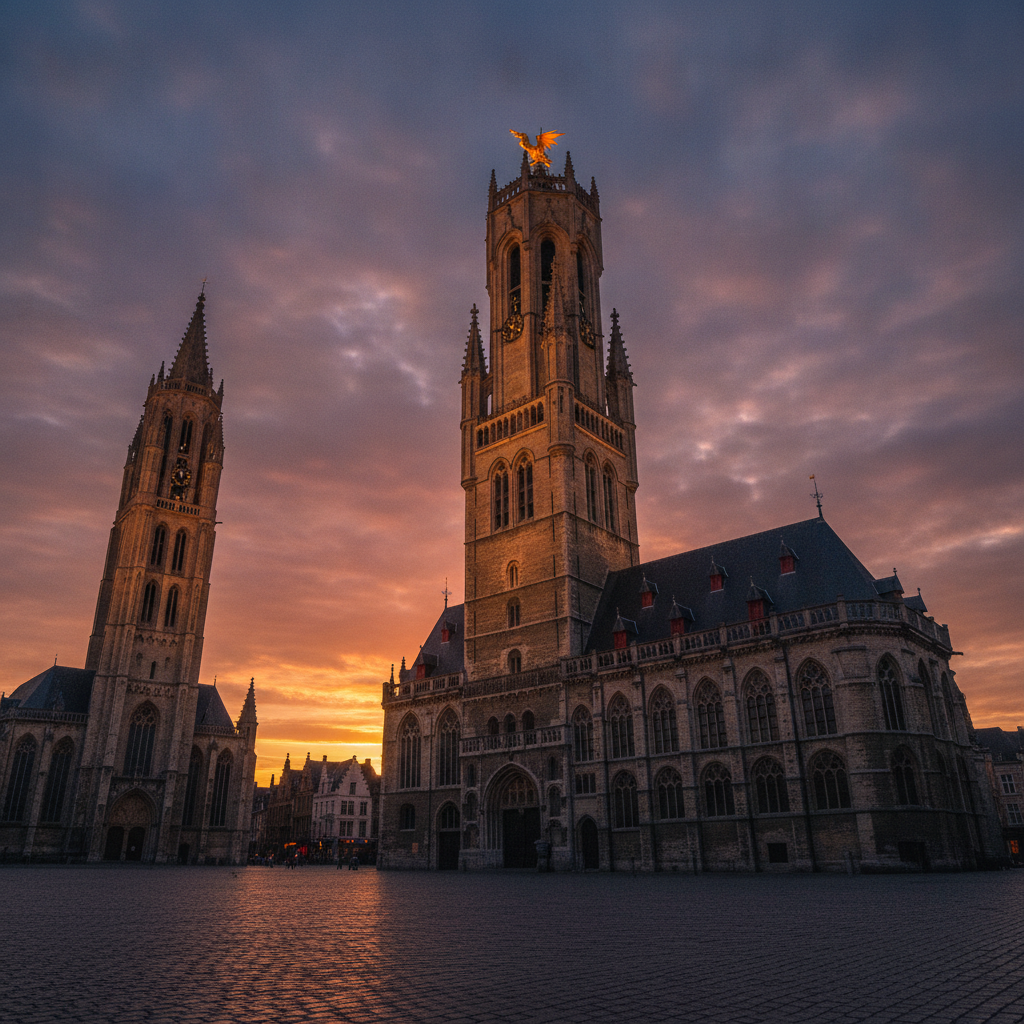
Ghent — the Altarpiece Restoration, Gruut Medieval Beer, Gothic Masterworks, Belgium's Vegan Capital & Charles V
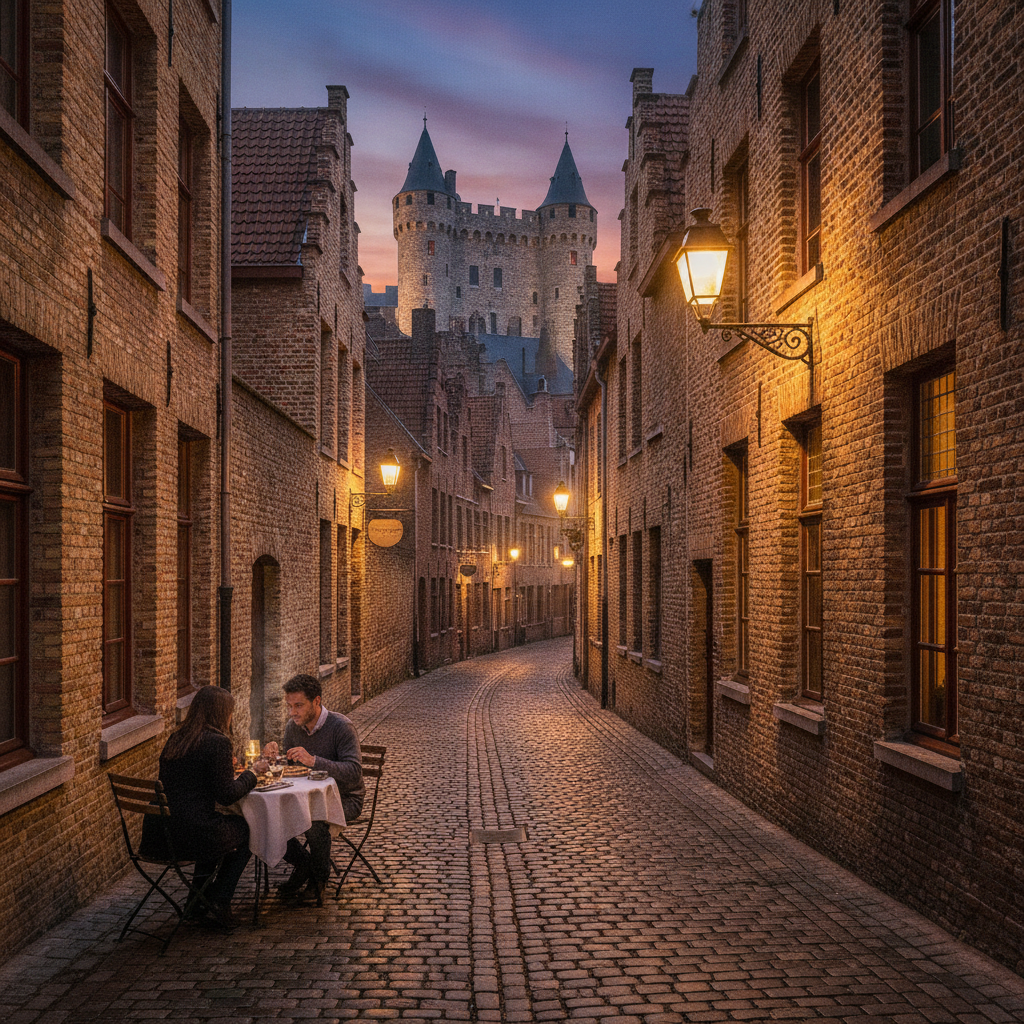
Ghent — Patershol Quarter, the Vrijdagmarkt, SMAK Contemporary Art, the Gentse Feesten & Ghent Architecture
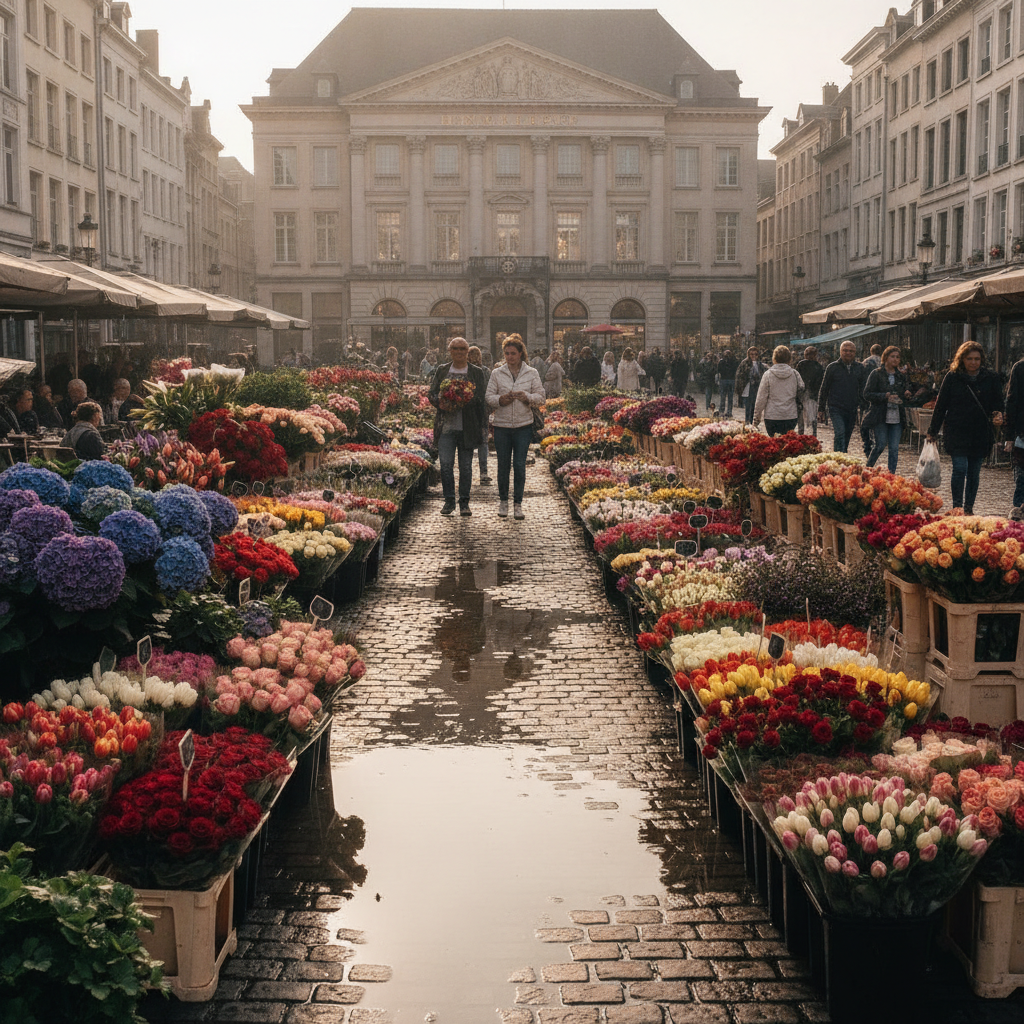
Ghent — Open Monuments Day, the Lys Valley Painters, Art Nouveau Heritage, Cuberdons, Family Visits & Seasonal Festivals
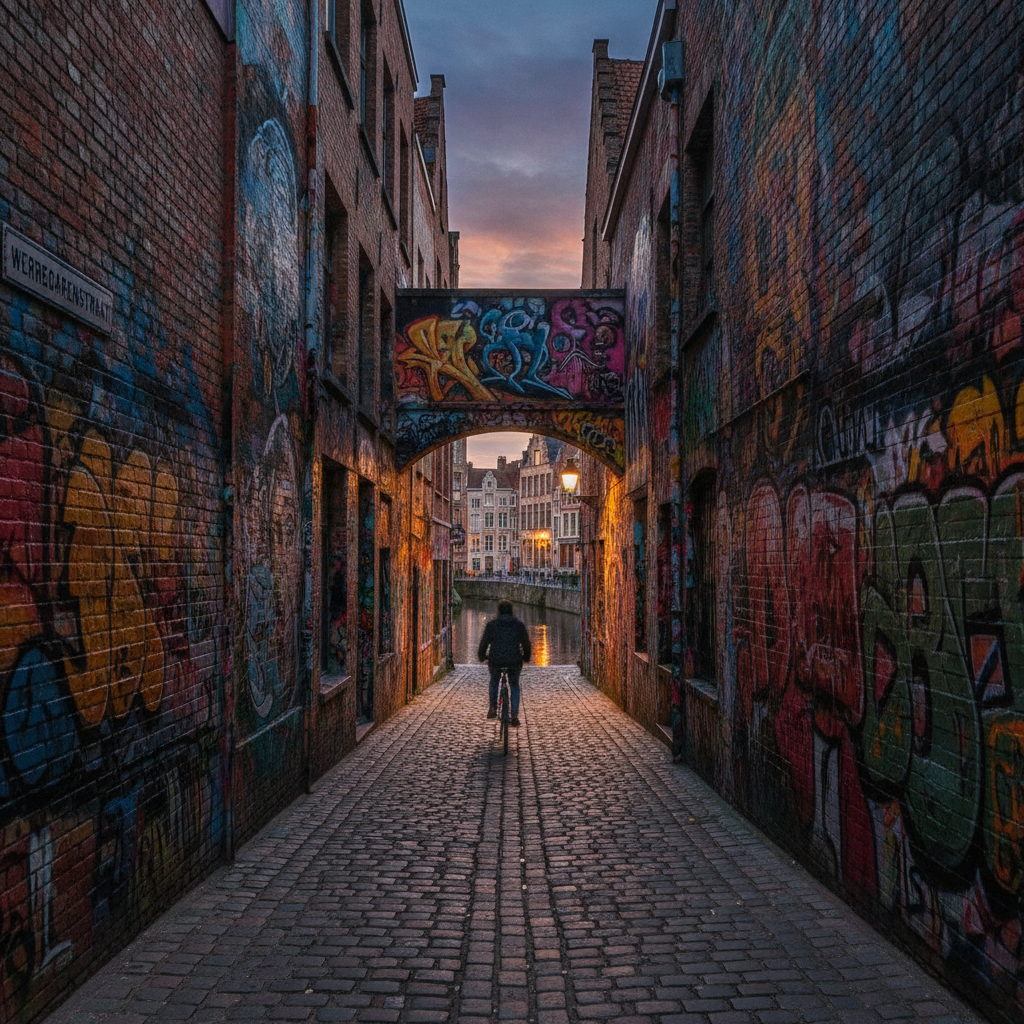
Ghent — Street Art, the Citadelpark & SMAK, Sint-Pietersabdij, Cycling Culture, dEUS Music & the Flemish Ardennes