Javad Khan Legacy Russian Conquest History
Explore the history of Javad Khan, the last ruler of the Ganja Khanate who died defending the city against Russian imperial conquest in 1804, through the sites and monuments that commemorate his resistance and the transition from Persian vassalage to Russian rule.
- 1
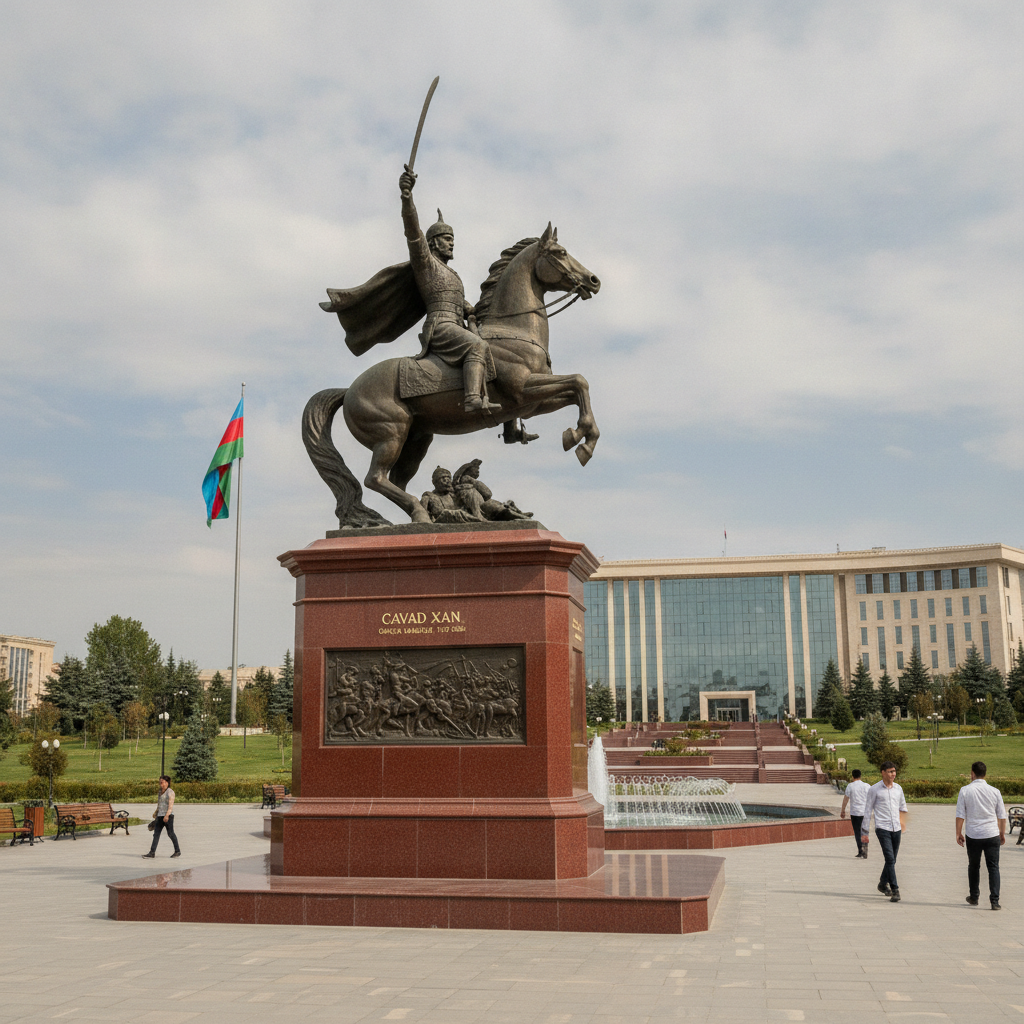
Javad Khan Monument
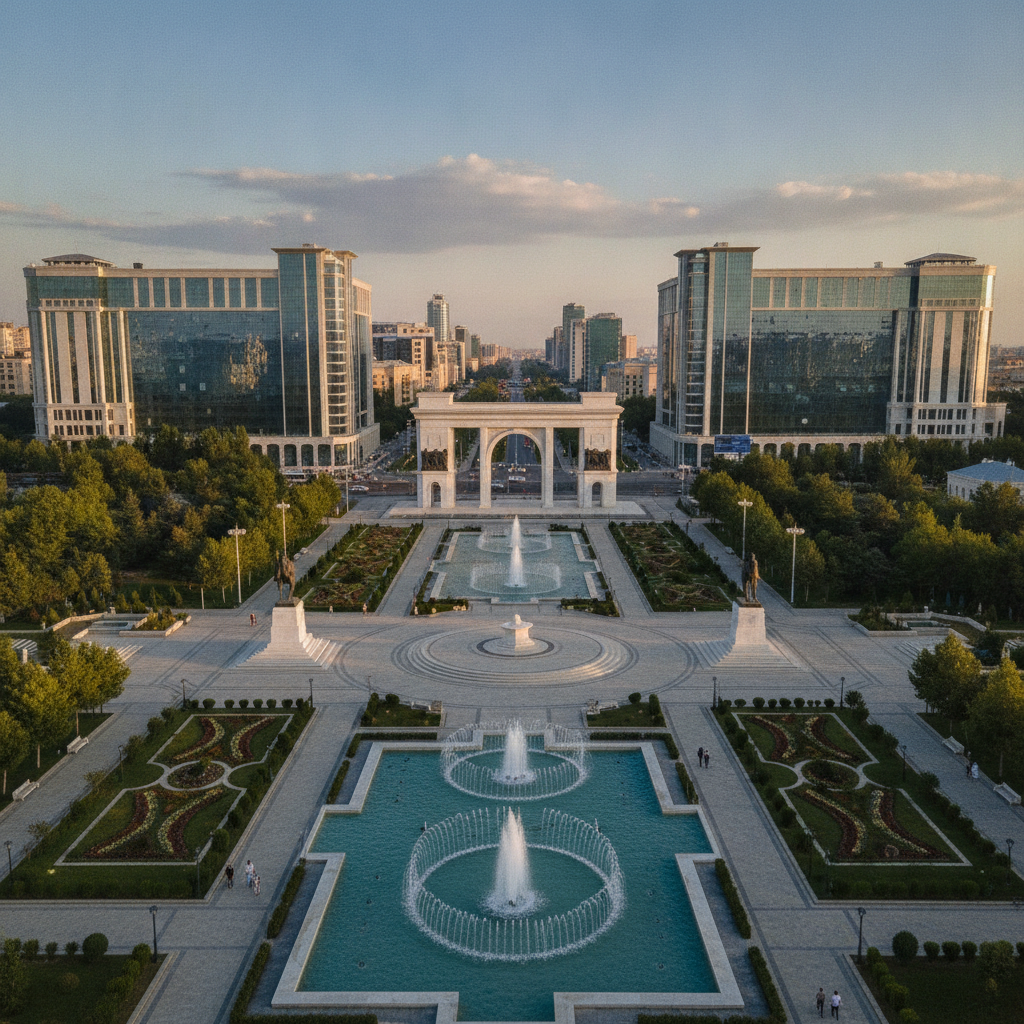
Begin at the monument to Javad Khan in central Ganja where the city's last khan is depicted as a heroic defender of Azerbaijani independence, the monument representing post-Soviet Azerbaijan's reclamation of historical figures who resisted Russian imperial expansion.
- 2
Ganja Fortress Site
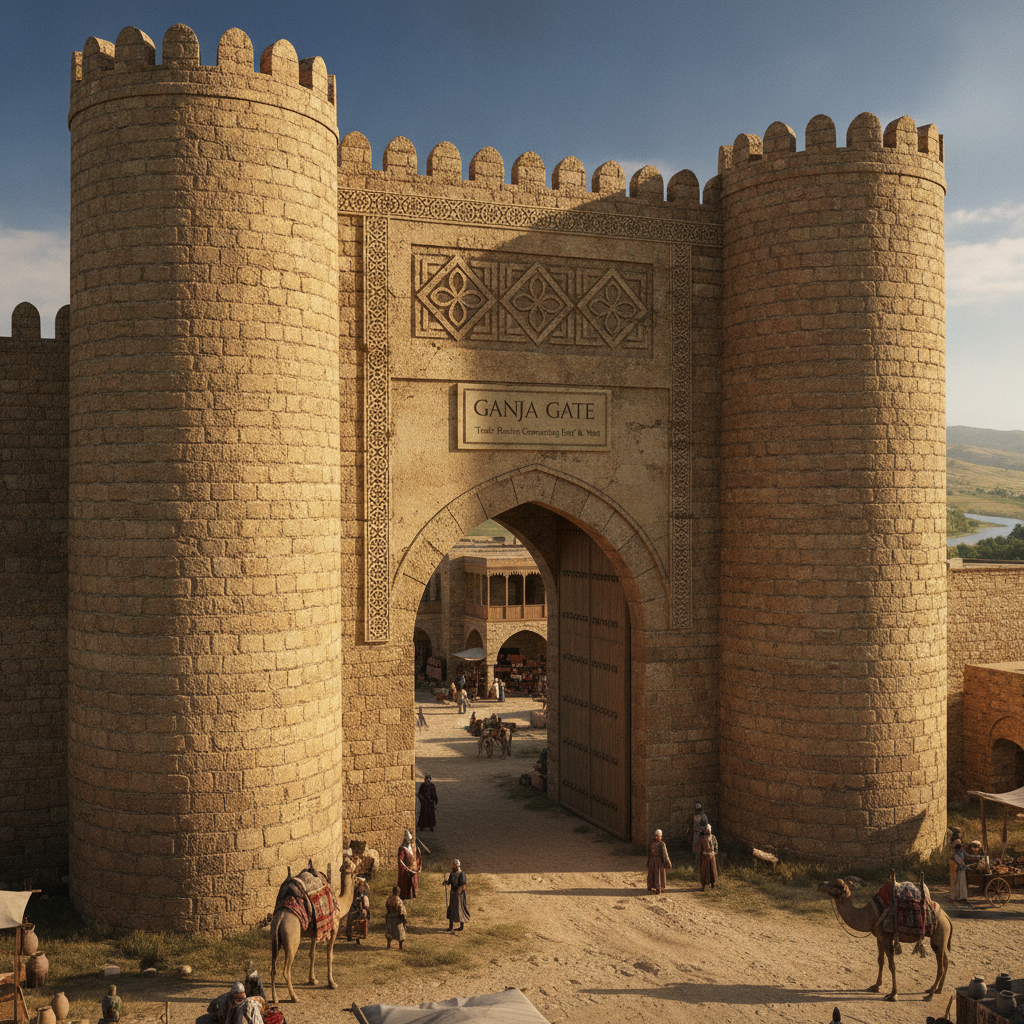
Visit the site of the Ganja Fortress where Javad Khan made his last stand against the Russian army commanded by General Tsitsianov in January 1804, the fortress that defended the city for centuries ultimately falling to Russian cannon and infantry assault.
- 3
Russian Conquest Memorial
Examine the historical markers explaining the 1804 Russian conquest of Ganja, when the city's name was changed to Elizavetpol in honor of Empress Elizabeth, the renaming symbolizing the erasure of the khanate's identity that lasted until Soviet and post-Soviet restoration of the name.
- 4
Khanate Period Architecture
See the architectural remains from the Ganja Khanate period (1747-1804) when the city was a semi-independent Persian vassal state, the buildings from this era representing the last phase of Azerbaijani political independence before Russian imperial absorption.
- 5
Elizavetpol/Ganja History Museum
Visit the local history museum where the complex history of Ganja under Russian imperial rule as Elizavetpol — including its role in the Caucasian wars, the development of Russian colonial infrastructure, and the eventual restoration of the city's ancient name — is documented.
- 6
Defenders Monument
Pay respects at the monument to the defenders of Ganja who fell in the 1804 battle, the Azerbaijani national narrative having elevated Javad Khan and his soldiers as symbols of resistance to colonialism, their story told in poetry, drama, and monument throughout modern Azerbaijan.
Walk this route with audio
Stories play automatically as you reach each stop — no tapping needed.