Galapagos Diving and Snorkeling: Shark Aggregations and Underwater Wildlife
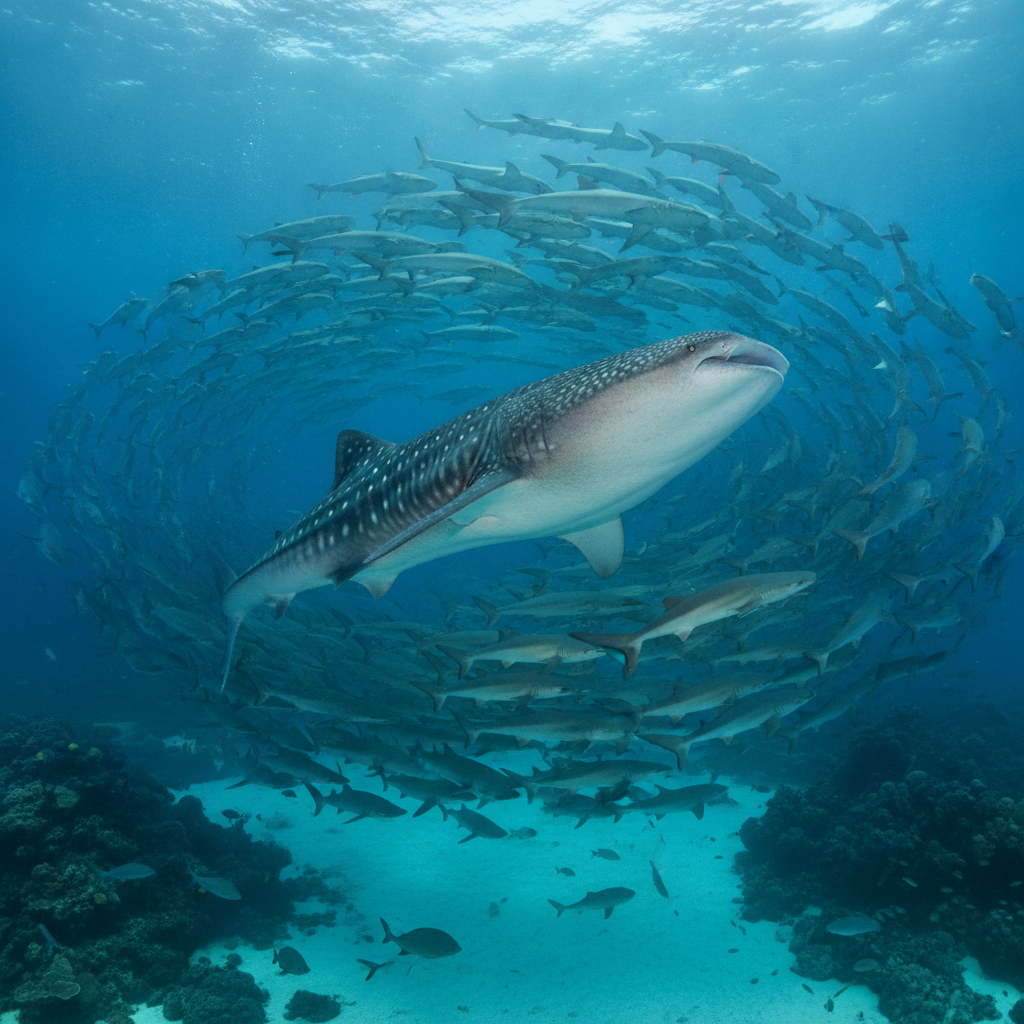
The waters of the Galapagos Marine Reserve are among the most biodiverse in the world, combining the cold nutrient-rich upwelling currents with equatorial warmth to create conditions that support exceptional concentrations of large marine animals. Snorkeling at virtually any visitor site provides encounters with sea turtles, rays, sea lions, and tropical fish. The advanced dive sites at Darwin and Wolf islands in the far north are considered among the top five dive sites on earth, with regular sightings of whale sharks from June through November and schools of hundreds of hammerhead sharks year-round. This route covers both the accessible snorkeling experiences and the serious diving logistics for visiting the northern dive-only sites.
- 1
Kicker Rock: The Best Accessible Dive Site Near San Cristobal
Kicker Rock, also called Leon Dormido, is a dramatic tuff cone formation rising 148 meters from the sea approximately 22 kilometers from Puerto Baquerizo Moreno on San Cristobal. The formation has been split by erosion into two towers separated by a narrow channel, and dive and snorkel boats navigate through this channel to encounter the animals that congregate in the current along the rock walls. Galapagos sharks, hammerhead sharks, sea turtles, eagle rays, and large schools of tropical fish are regularly seen in the channel. Galapagos penguins sometimes perch on the rock shelves. The site is accessible on a half-day excursion from San Cristobal and is appropriate for snorkelers as well as divers; the channel can be drifted by snorkelers on the surface while divers explore the deeper wall sections. Kicker Rock is the most consistently productive wildlife snorkel site accessible from the land-based centers.
- 2
Gordon Rocks: Advanced Diving and Hammerhead Schools
Gordon Rocks, a partially submerged tuff cone northeast of Santa Cruz, is one of the most challenging dive sites in the Galapagos and one of the most reliably productive for schooling hammerhead sharks. The site features strong and unpredictable currents that require intermediate to advanced diving experience, and dive operators typically require a minimum of 50 logged dives before taking clients here. The payoff is large schools of hammerhead sharks that aggregate in the currents around the submerged rim of the tuff cone, particularly in the cold upwelling season from June through November. Galapagos sharks, eagle rays, marine turtles, and occasionally mola mola ocean sunfish add to the encounter list. The site is accessible as a day dive from Puerto Ayora on Santa Cruz and is the most commonly requested site by intermediate divers wanting their best shot at large shark aggregations from a land base.
- 3
Darwin and Wolf Islands: The Premier Dive Sites
Darwin and Wolf islands at the extreme northwestern corner of the Galapagos, approximately 185 kilometers from the main islands, are accessible only on liveaboard dive cruises of seven nights or longer due to the distance and sea conditions. They are regarded by many diving professionals as the finest dive sites in the world for encounters with whale sharks, which aggregate around the islands from June through November in concentrations of up to 40 individuals visible in a single dive. The whale sharks at Darwin are predominantly pregnant females; the reason for the aggregation is not fully understood. The dive sites feature dense schools of several hundred hammerhead sharks, large aggregations of Galapagos sharks, silky sharks, Creole fish in impossible quantities, and occasional encounters with whale sharks in open water ascents. The currents are strong and unpredictable; the sites are recommended only for experienced divers comfortable in challenging conditions.
- 4
Snorkeling Without Diving: The Best Land-Based Snorkel Sites
For non-divers, snorkeling in the Galapagos provides extraordinary encounters unavailable anywhere else in the world. Tortuga Bay on Santa Cruz is a 45-minute walk from Puerto Ayora and offers snorkeling in the lagoon end of the beach with sea turtles, rays, marine iguanas, and reef fish in calm clear water. The beach at Gardner Bay on Espanola, accessible only by cruise, involves snorkeling from the beach with the sea lion colony; juvenile sea lions treat human swimmers as playmates and will circle and dart around snorkelers at close range. The snorkeling at Punta Vicente Roca on Isabela involves drift snorkeling in upwelling cold water past underwater cliffs where seahorses, flightless cormorants swimming underwater, and marine iguanas feeding on algae are regular sights. The Chinese Hat site near Santa Cruz offers the classic experience of snorkeling beside a Galapagos penguin.
- 5
Marine Iguanas Underwater: The Only Sea-Going Lizard
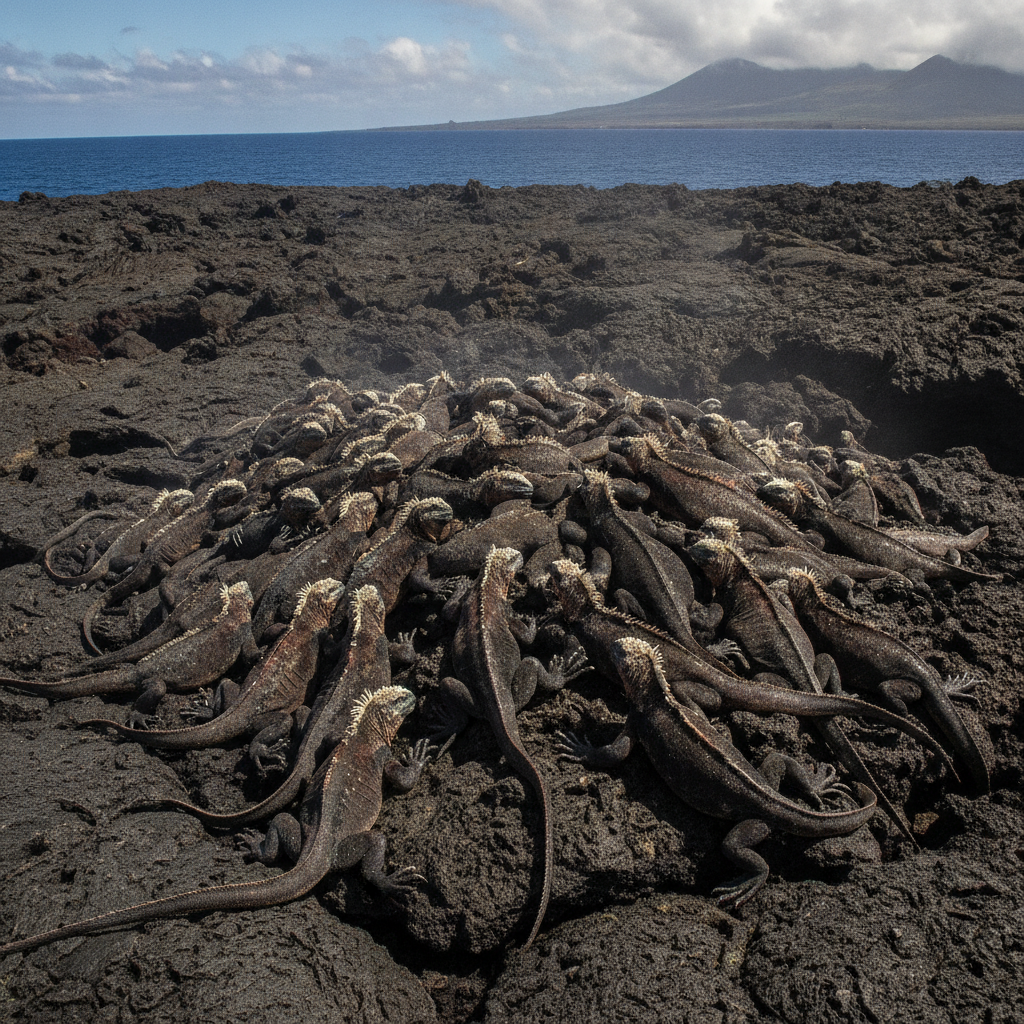
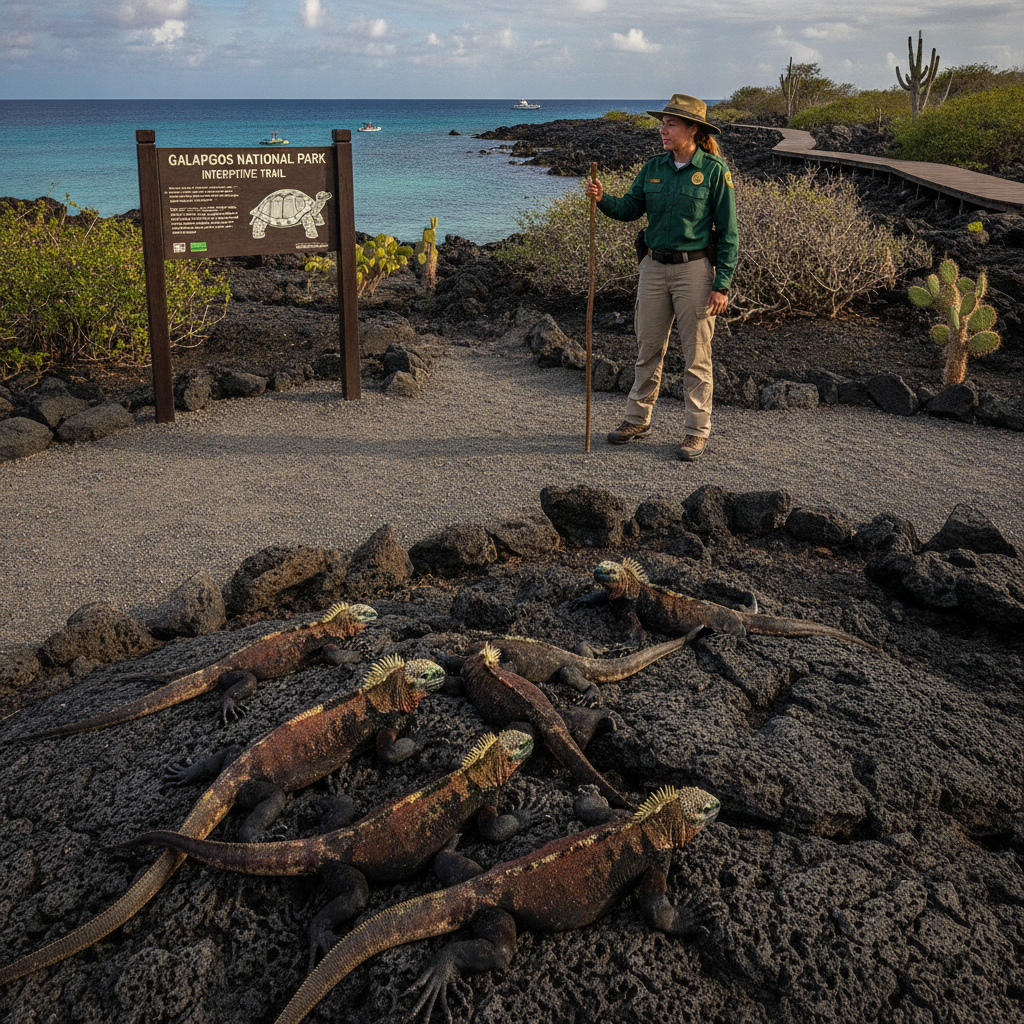
Snorkeling with marine iguanas is one of the distinctively Galapagos experiences, as no other lizard on earth has evolved the ability to forage underwater. Marine iguanas enter the ocean at low tide to feed on green algae growing on the submerged rocks, diving to depths of up to 12 meters and holding their breath for up to 30 minutes. Their flattened tails and laterally compressed bodies make them efficient underwater swimmers despite the cold water, which they compensate for with prolonged basking on the black lava rocks before and after feeding. The largest males, on Fernandina, can exceed 1.5 meters in length and weigh over 12 kilograms. Their diving physiology includes a remarkable ability to reduce heart rate to near zero to conserve oxygen, and they can expel the salt ingested with seawater through specialized nasal salt glands, producing the visible white salt crusts on their snouts visible in any iguana photo.
- 6
Sea Lions: The Galapagos Welcoming Committee
The Galapagos sea lion is the most ubiquitous large mammal in the archipelago, hauling out on every beach, dock, and in every harbor, including on the benches in front of Puerto Ayora restaurants and inside the San Cristobal fish market. The population of approximately 50,000 individuals is distributed across the entire archipelago. In the water, sea lions are the most interactive Galapagos animal for snorkelers; juvenile animals in particular treat human swimmers as playmates, spiraling around them, exhaling bubble streams from their noses, and performing high-speed barrel rolls at arm reach. The territorial beach males are the most dangerous Galapagos animals; large bulls defending beach territories will charge humans who approach too closely, and the bites of large males can cause significant injury. Sea lion encounters define the Galapagos experience for most visitors more than any other animal precisely because they are universally present and universally willing to engage.
Walk this route with audio
Stories play automatically as you reach each stop — no tapping needed.
More in Galapagos
Galapagos Geology: Hotspot Volcanism and the Making of the Islands
Galapagos Giant Tortoises: Natural History, Near Extinction, and Recovery
Galapagos Reptiles: Marine Iguanas, Land Iguanas, and Lava Lizards
Galapagos Conservation: The Human Presence, Tourism Management, and Future Threats
Galapagos Islands: Evolution Laboratory and the Most Fearless Wildlife on Earth