The Cotton Tree & Freetown's Freed Slave Heritage
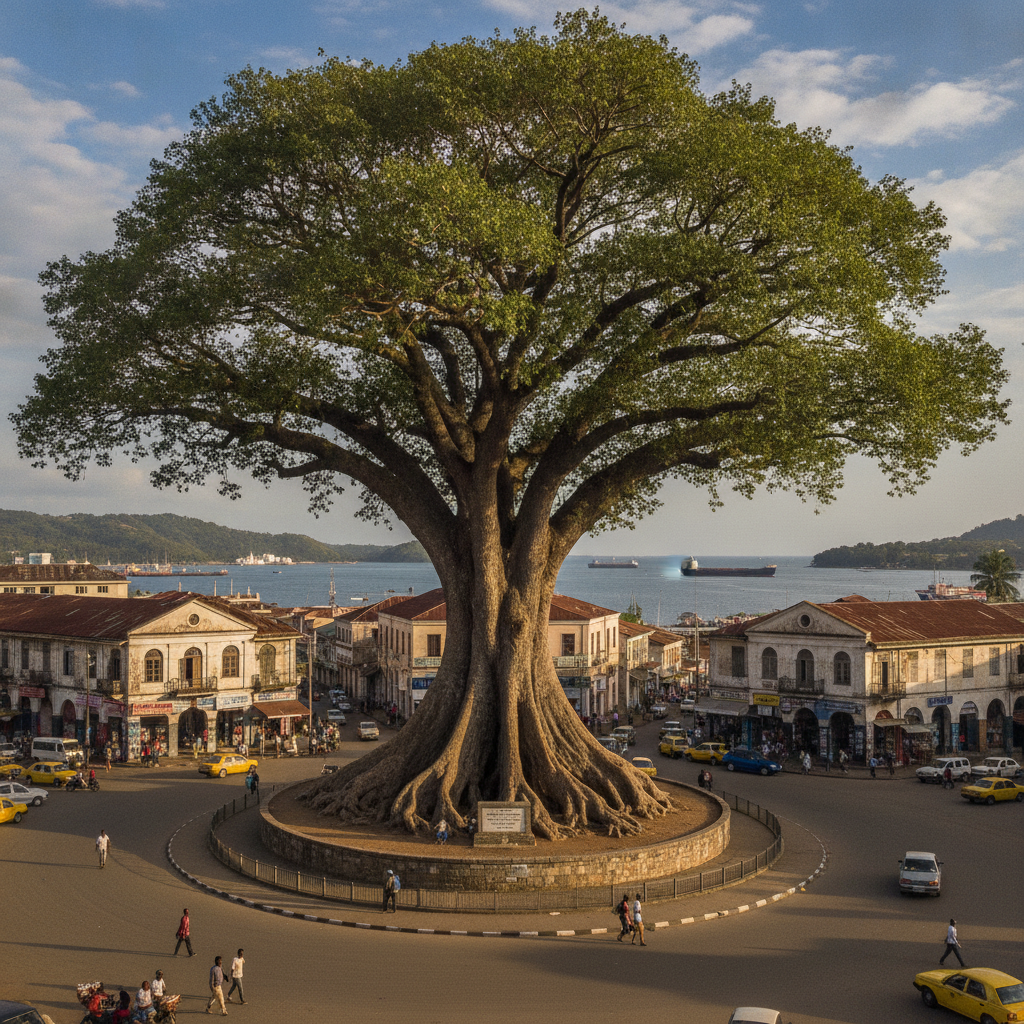
The ancient Cotton Tree at the heart of Freetown is where freed slaves prayed in 1792 upon arrival — it remains Sierra Leone's most sacred national symbol under its enormous canopy
- 1
Cotton Tree Sacred Site
The giant kapok tree that freed black loyalists from Nova Scotia gathered around 1792 to give thanks — it has stood in the center of Freetown for centuries as a living monument
- 2
Law Court Building
The Victorian-era British colonial courthouse next to the Cotton Tree is one of West Africa's finest colonial buildings - still serving as Sierra Leone's Supreme Court
- 3
Tower Hill Freetown Waterfront
The hill above the bay where the original settlement was established provides a panoramic view of the Sierra Leone estuary — one of the deepest natural harbors in Africa
- 4
National Museum Freetown
The small national museum in the colonial-era building tells the story of Freedom Province - the 1787 settlement of freed slaves from Great Britain that preceded Freetown's founding
- 5
Freetown Heritage Trail
A walking trail connecting the Cotton Tree, Law Courts, St. George's Cathedral and the Old Portuguese Fort — 230 years of freed slave history in a compact colonial city center
- 6
St. George's Anglican Cathedral
The 1828 cathedral served the Krio community – descendants of freed slaves who built a distinctive Creole culture, language and architecture in Sierra Leone
Walk this route with audio
Stories play automatically as you reach each stop — no tapping needed.
More in Freetown
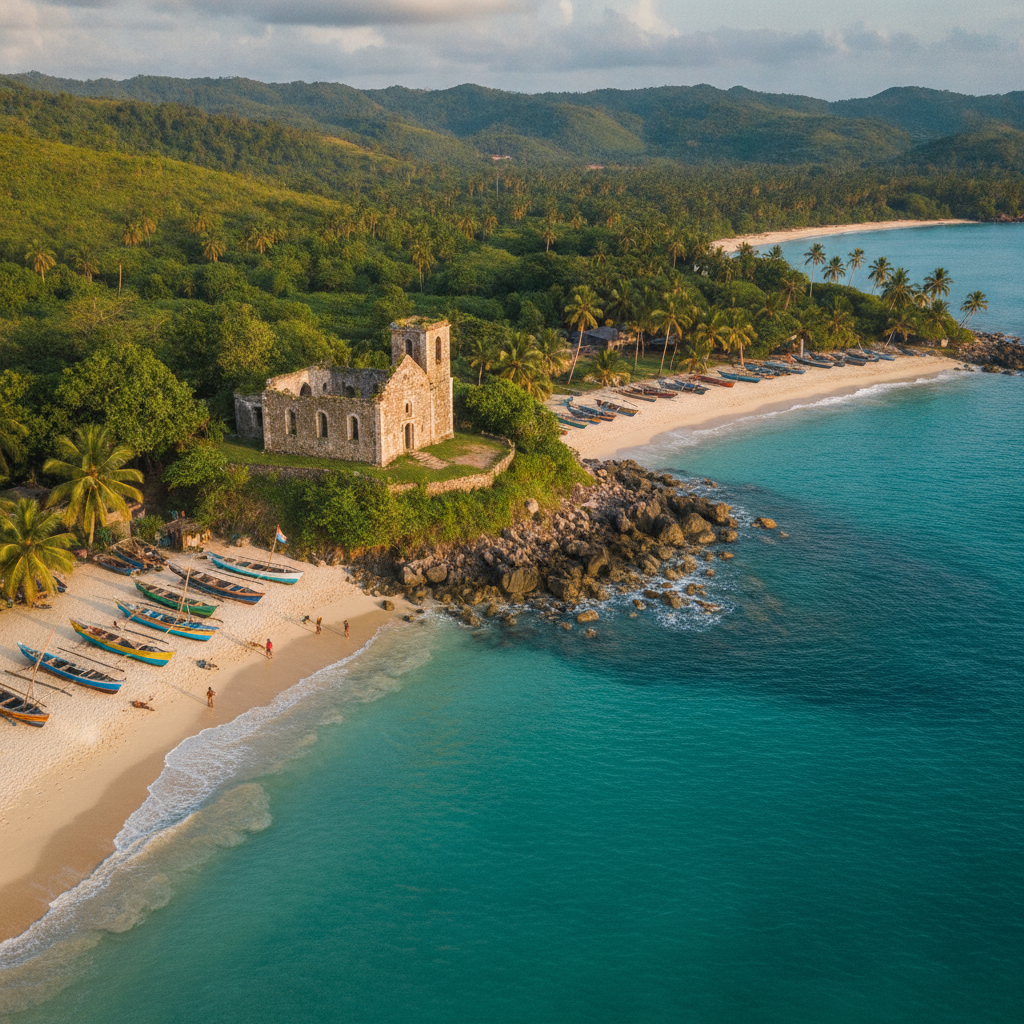
Banana Islands: Portuguese Ruins & Sierra Leone's Atlantic History
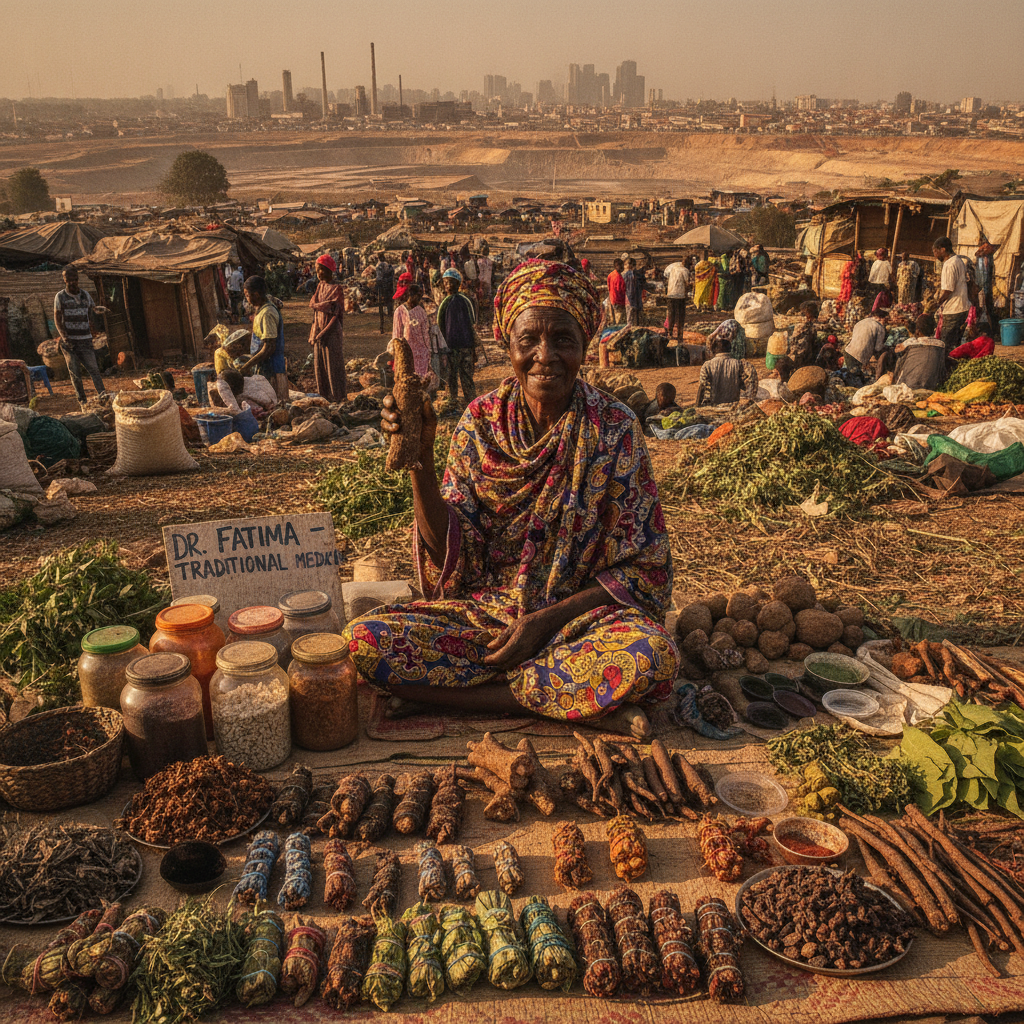
Sierra Leone's Diamonds, Traditional Medicine & Post-War Recovery
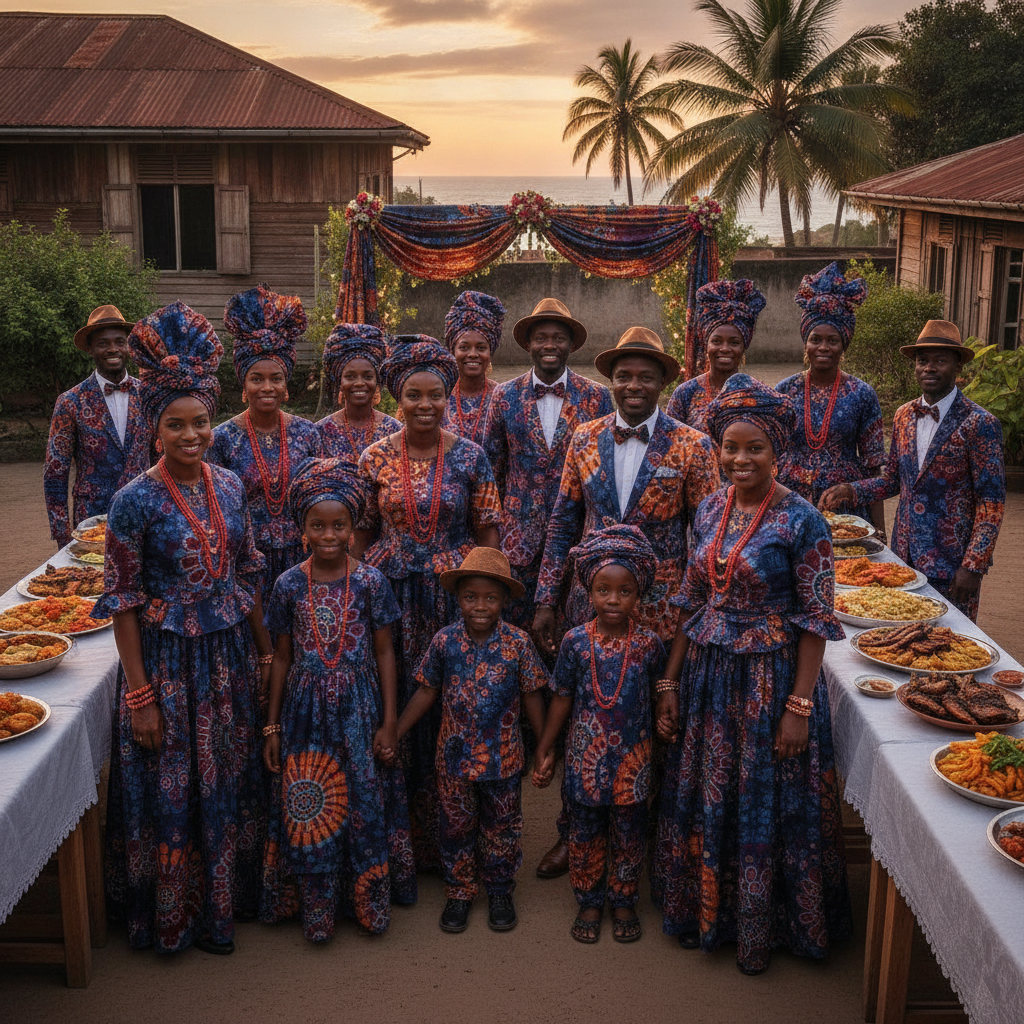
Krio Culture: Freed Slaves' Legacy & Sierra Leone's Creole Identity
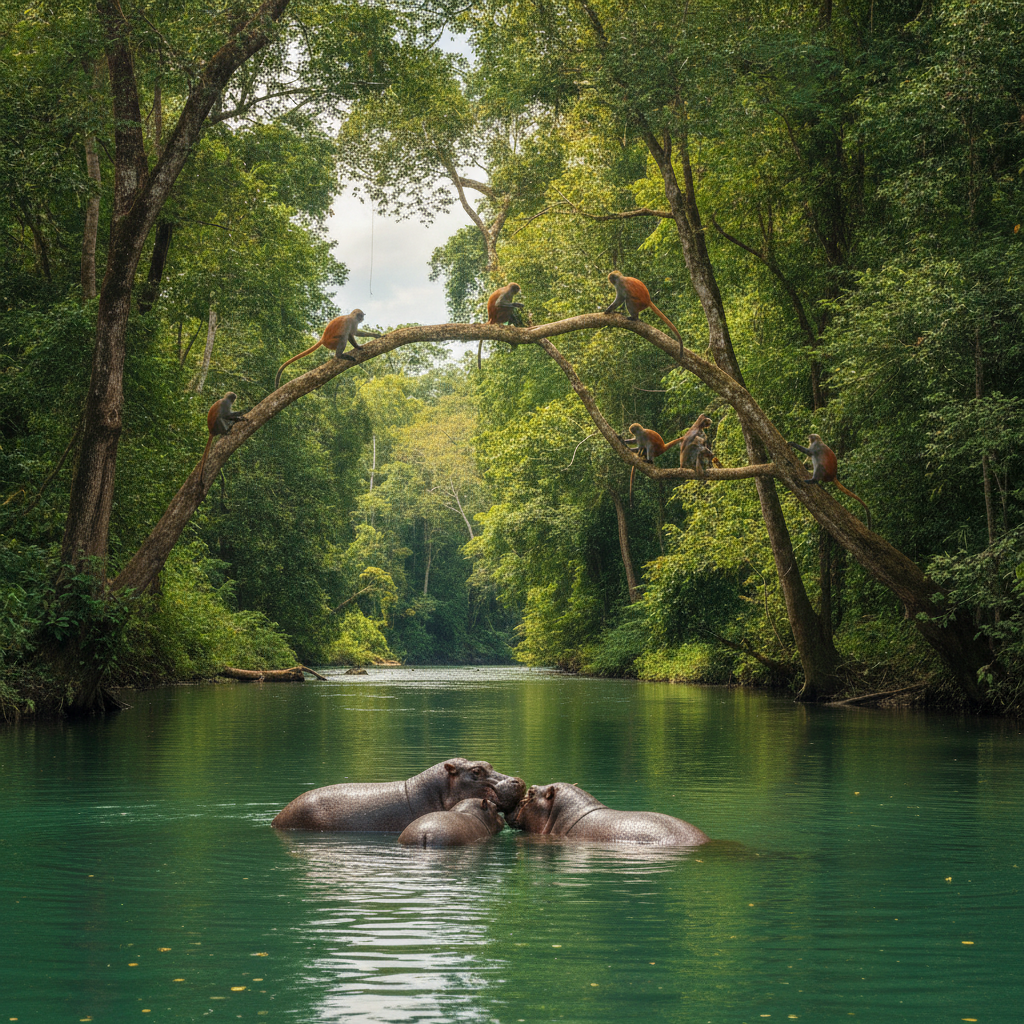
Tiwai Island: West Africa's Premier Primate Sanctuary
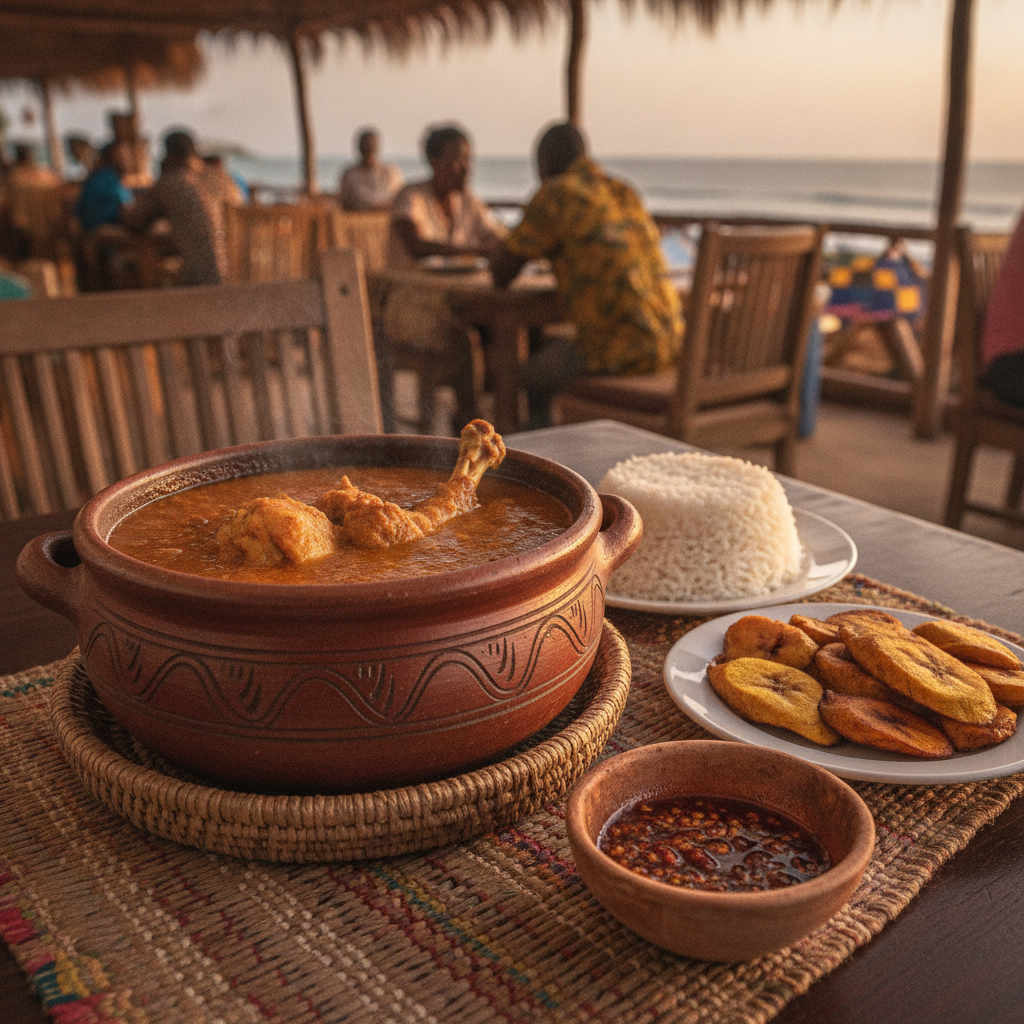
Sierra Leonean Cuisine: Groundnut Soup, Plasas & Freetown Food