Florianopolis Heritage: Azorean Fishing Villages, Lacemaking, Blumenau Oktoberfest, and the European Mountain Towns
The cultural heritage of Florianopolis and the Santa Catarina region encompasses the Azorean Portuguese fishing village tradition, the bilro lace-making inherited from the Azores, the genuine German colonial culture of Blumenau, and the European Alpine fantasy of the Serra Gaucha highland resort towns.
- 1
Azorean Heritage: The 1748 Settlement
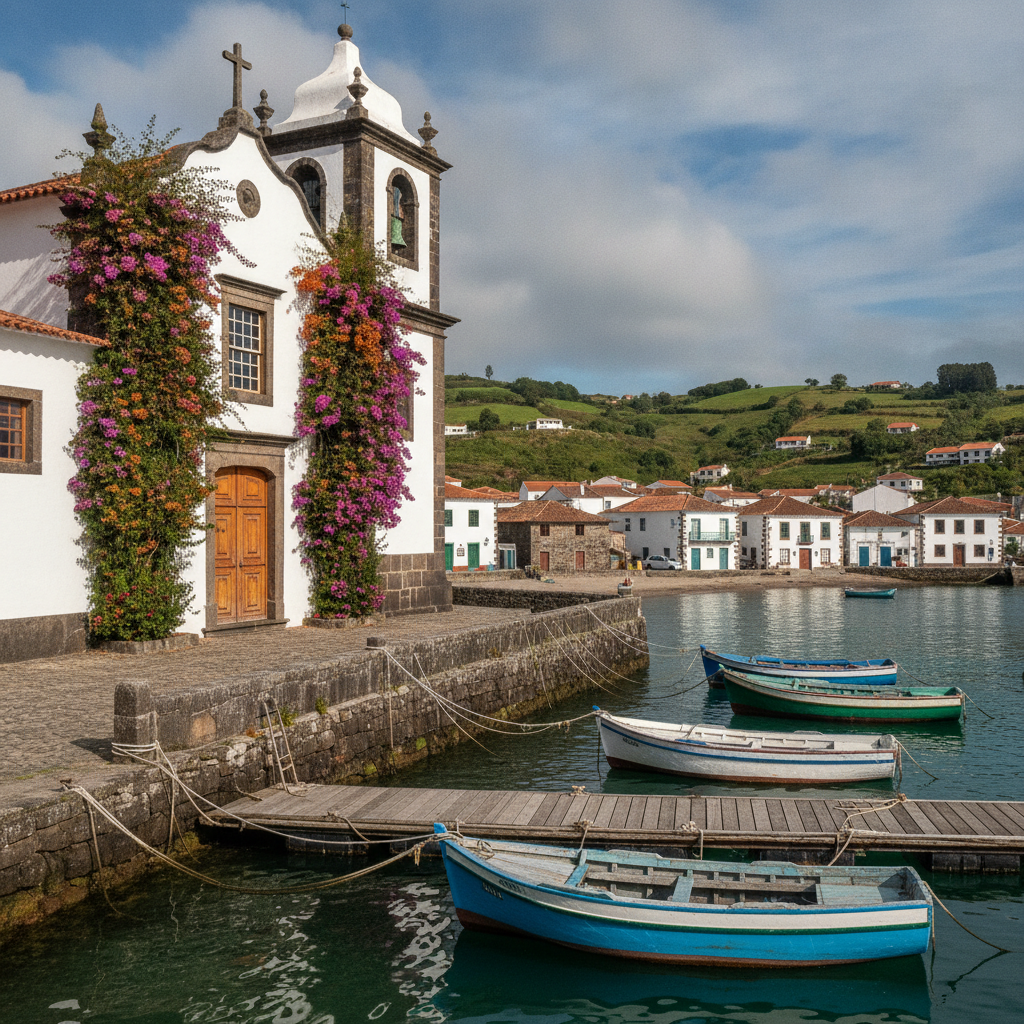
The settlement of Florianopolis Island and the Santa Catarina coast by approximately 6,000 Azorean Portuguese emigrants from 1748 to 1756, brought by the Portuguese crown to consolidate the southern Brazilian border against Spanish territorial claims, created the cultural foundation of the island communities: the lace making tradition, the Azorean folk festivals, the manueline church architecture, and the fishing village settlement pattern that is preserved in Santo Antonio de Lisboa and the other western coast communities.
- 2
Rendeiras: The Lacemaking Heritage
The bilro lace making tradition of the Florianopolis island fishing villages, inherited from the Azorean women who brought their cushions and bobbins from the islands and transmitted the craft through the generations, is the most visible material expression of the Azorean heritage and is maintained today by elderly women in the coastal villages who practice the traditional pattern-making at their doors. The lace of Florianopolis is finer and more complex than the northeast Brazilian versions of the same tradition.
- 3
Festa do Divino Espirito Santo: The Azorean Crown
The Festa do Divino Espirito Santo, the Azorean Catholic festival celebrating the Holy Spirit with the symbolic crowning of a child emperor and the distribution of bread and meat to the community, is celebrated in the fishing villages of the Florianopolis coast in the 50 days following Easter and is one of the most complete survivals of Azorean popular Catholic culture outside the islands themselves. The festival was for centuries the primary social event of the island community.
- 4
German Santa Catarina: Blumenau and Oktoberfest
Blumenau, the German colonial city 130 kilometers north of Florianopolis in the Santa Catarina highlands, has developed the Oktoberfest beer festival into the second largest in the world after Munich, attracting more than 700,000 visitors annually to the mock-Bavarian downtown. The German heritage of Blumenau is genuine and extends beyond the festival to the architecture, language preservation, and the craft beer culture of the city.
- 5
Joinville and the Ballet Festival
Joinville, the largest city in Santa Catarina and the most industrialized city in the south of Brazil, hosts the largest ballet festival in the world, the Festival de Dança de Joinville, which draws more than 6,000 dancers annually in a week-long program of ballet, contemporary dance, and popular dance forms. Joinville's cultural festival reputation contrasts with its industrial character as a center of metal manufacturing and technology.
- 6
Gramado and Canela: The European Mountain Village Fantasy
Gramado and Canela in the Serra Gaucha highlands of Rio Grande do Sul, accessible from Florianopolis by bus or car, have built a tourism economy around the fantasy of a European Alpine village transplanted to Brazil, with German and Italian architectural styling, fondue restaurants, chocolate shops, and the Natal Luz Christmas festival that is the largest light festival in Brazil. The combination of the cool highland climate and the European aesthetic provides a seasonal escape from the summer heat of the coastal cities.
Walk this route with audio
Stories play automatically as you reach each stop — no tapping needed.
More in Florianopolis
Florianopolis Economy and Urban Life: UFSC, the Startup Scene, Sport Tourism, Real Estate, and Joinville
Florianopolis Practical Guide: Airport, Seasons, Island Transport, Digital Nomad Scene, and Argentine Summer
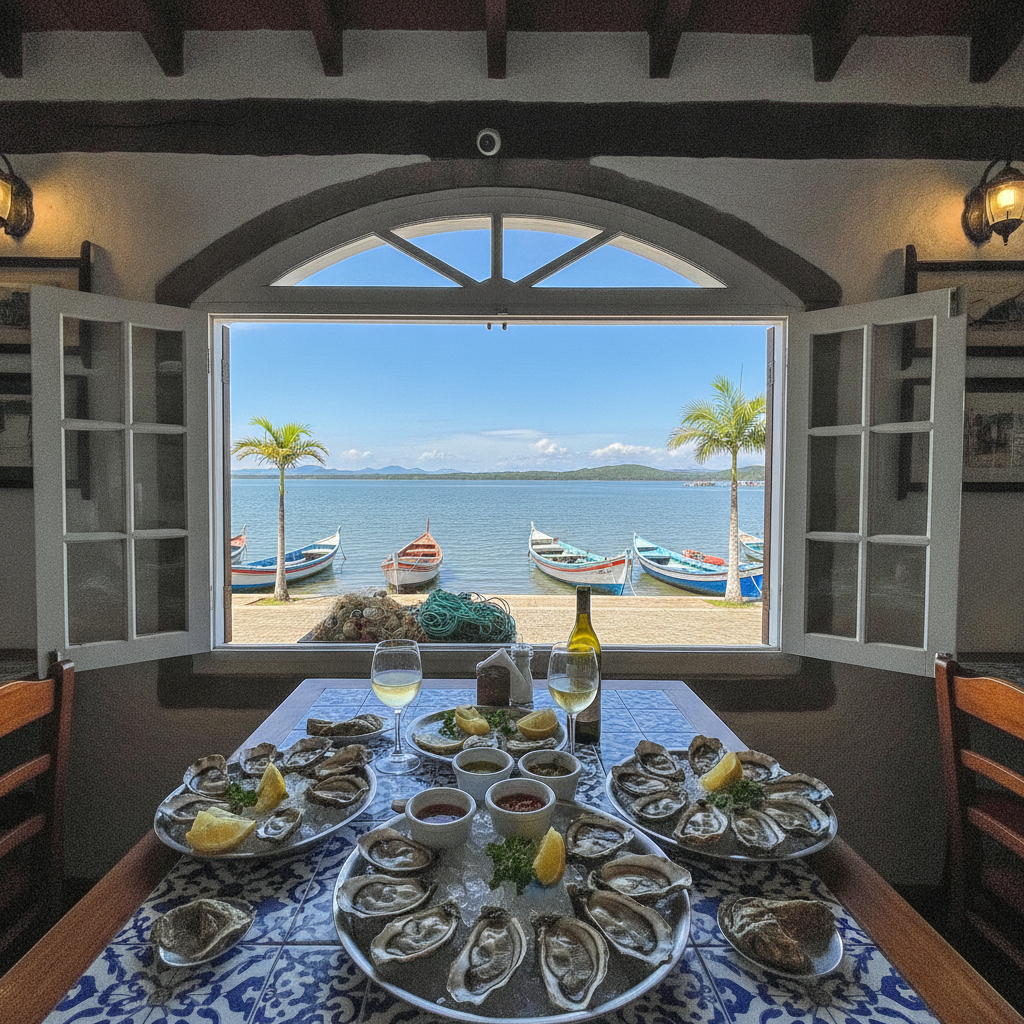
Florianopolis Food and Culture: Oysters, Tainha Fishing, Santa Catarina Wine, and the New Brazilian Cuisine
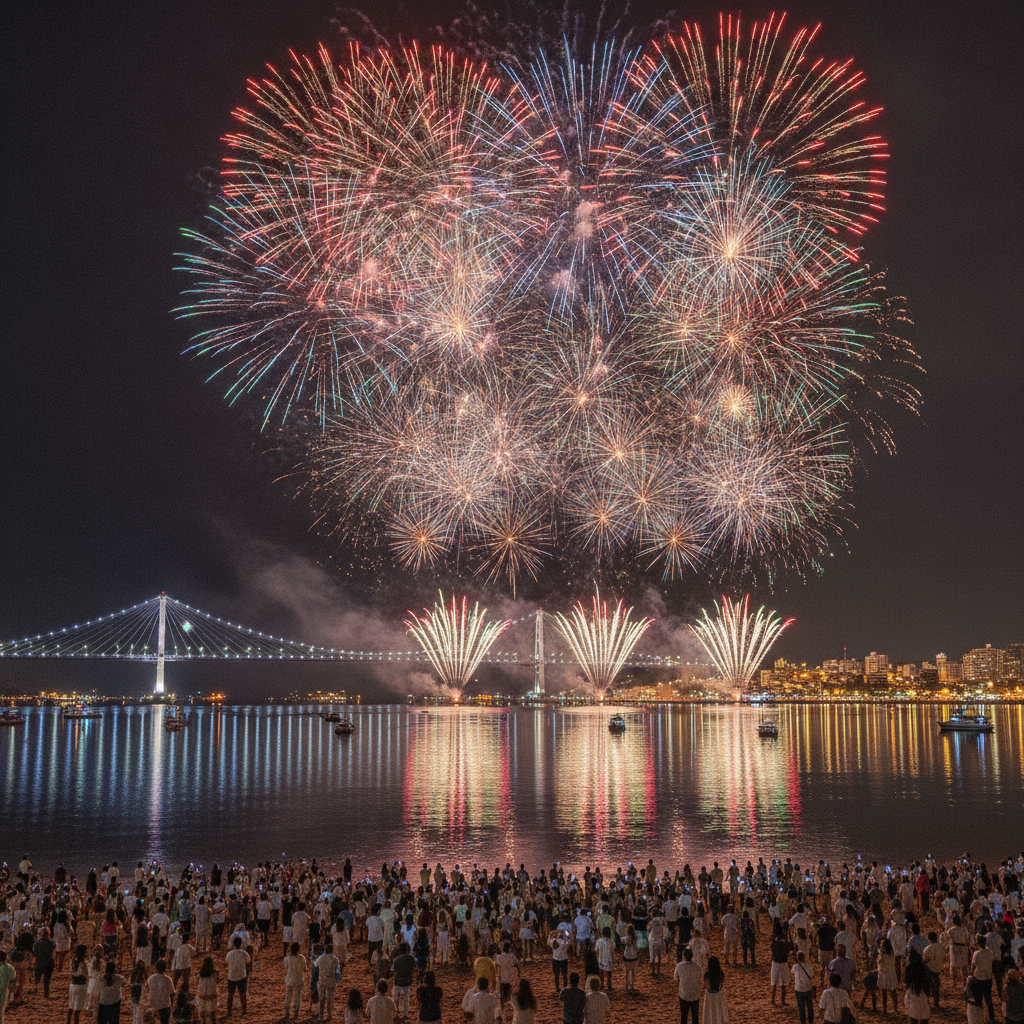
Florianopolis Festivals and Social Life: New Year, Carnival, Oktoberfest, Iemanjá, and the Gay Beach
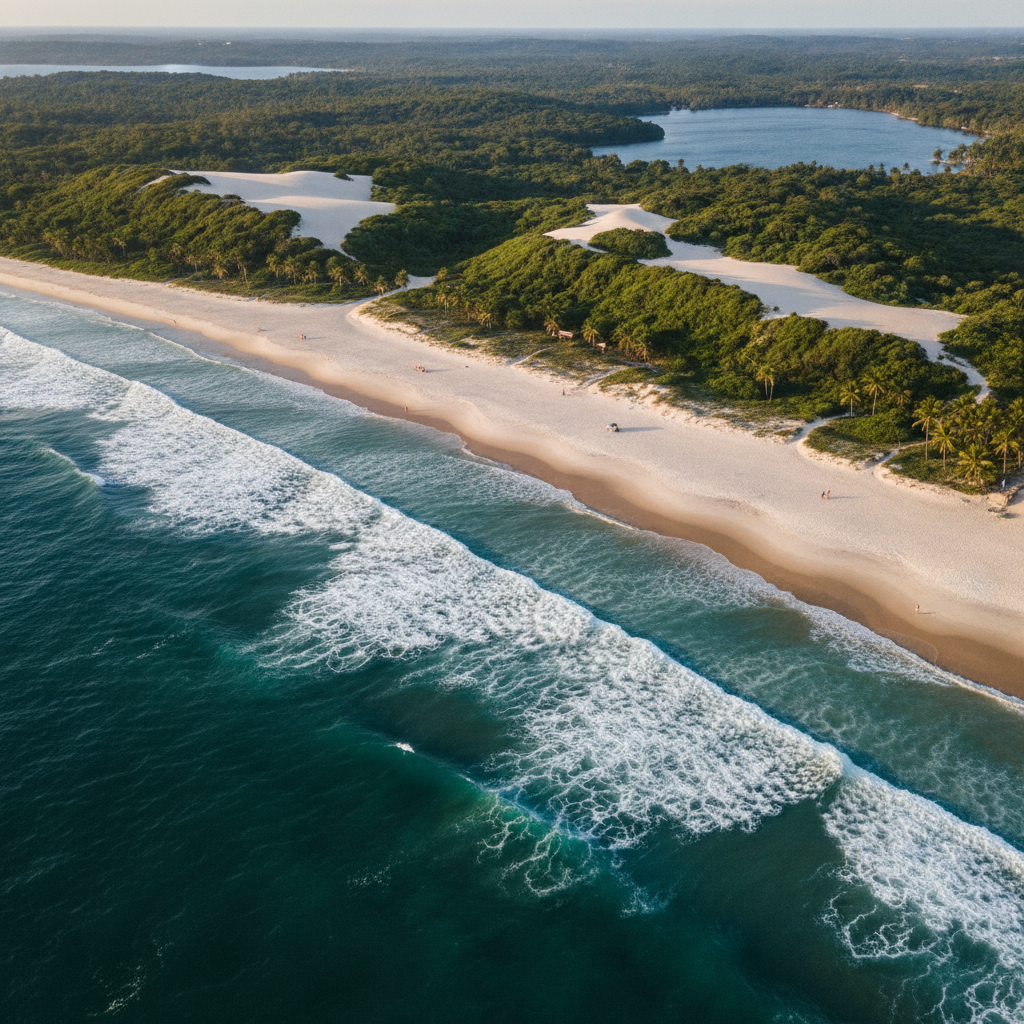
Florianopolis: Surf Beaches, the Lagoon Social Scene, Azorean Villages, and the Island Lifestyle