Florianopolis Environment: Atlantic Forest, Cooperative Dolphins, Sea Turtles, and the Climate Vulnerability
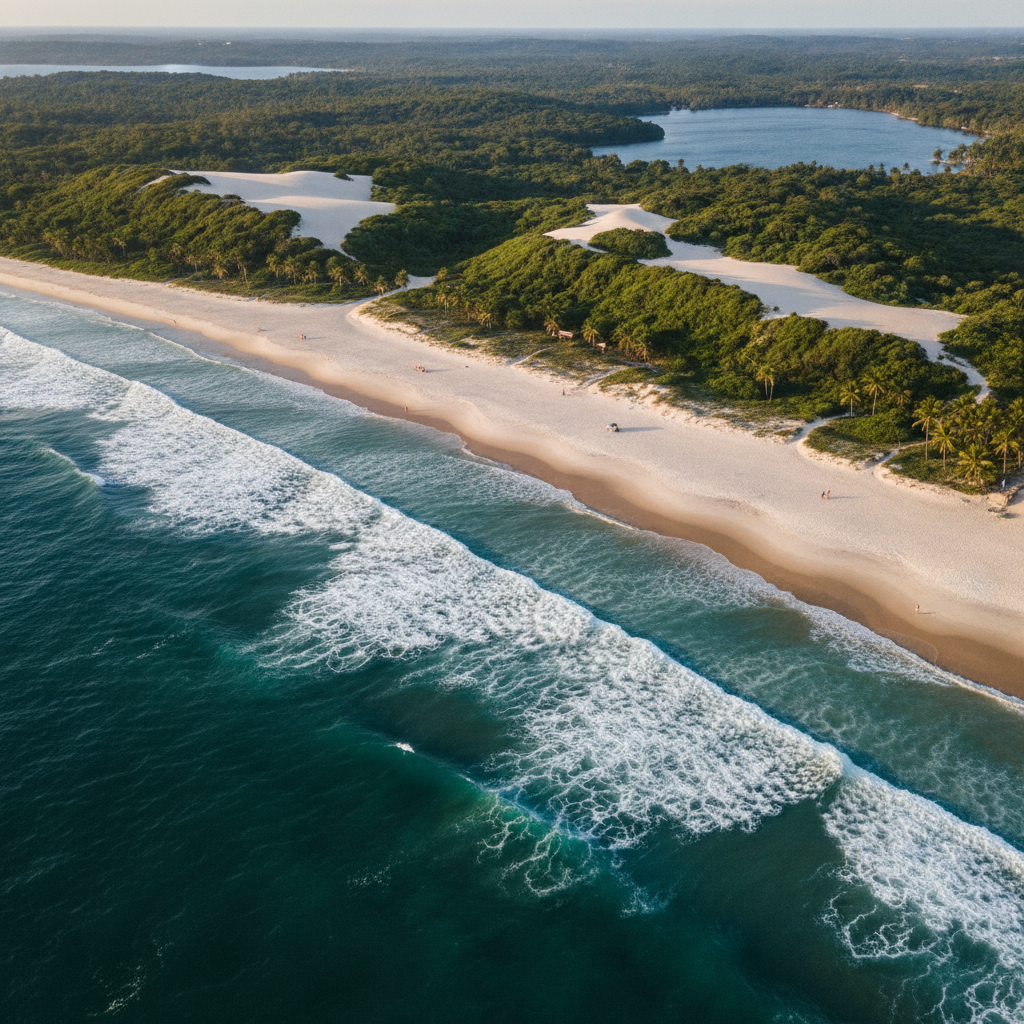
The environmental dimensions of Florianopolis span the Atlantic forest remnants on the island hills, the mangrove nursery systems of the bays, the sea turtle rescue center, and the extraordinary cooperative fishing relationship between the boto cinza dolphins and the artisanal fishermen of Laguna.
- 1
Atlantic Forest Remnants: The Most Threatened Biome
The Atlantic forest, which once covered the entire Brazilian coast from Rio Grande do Norte to Rio Grande do Sul and extended inland to Paraguay and Argentina, has been reduced to approximately 12 to 15 percent of its original extent, making it the second most threatened major biome in the world after Madagascar. The Atlantic forest fragments of the Florianopolis hills are part of the larger Atlantic forest mosaic of Santa Catarina that is one of the most biodiverse areas remaining in the biome.
- 2
Mangroves of the Bays: The Nursery Systems
The mangrove forests of the Florianopolis bays, particularly in the Baia Sul and the estuarine areas of the island's southern coast, are the nursery habitat for the fish and crustacean species that support the artisanal fishing economy of the island communities. The mangrove restoration programs of the Santa Catarina state environmental agency are recovering areas degraded by the urban development of the bay shores.
- 3
Sea Turtles in Santa Catarina: The Tamar Winter Program
The Tamar sea turtle program, which monitors the Atlantic coast for nesting turtles and rescues injured and entangled turtles from the fishing industry, has a winter rescue center near Florianopolis that treats loggerhead and green turtles affected by hypothermia and fishing net entanglement during the cold winter months when the turtles are most vulnerable. The public education center at the rescue station is open to visitors.
- 4
Dolphin Watching: The Boto Cinza
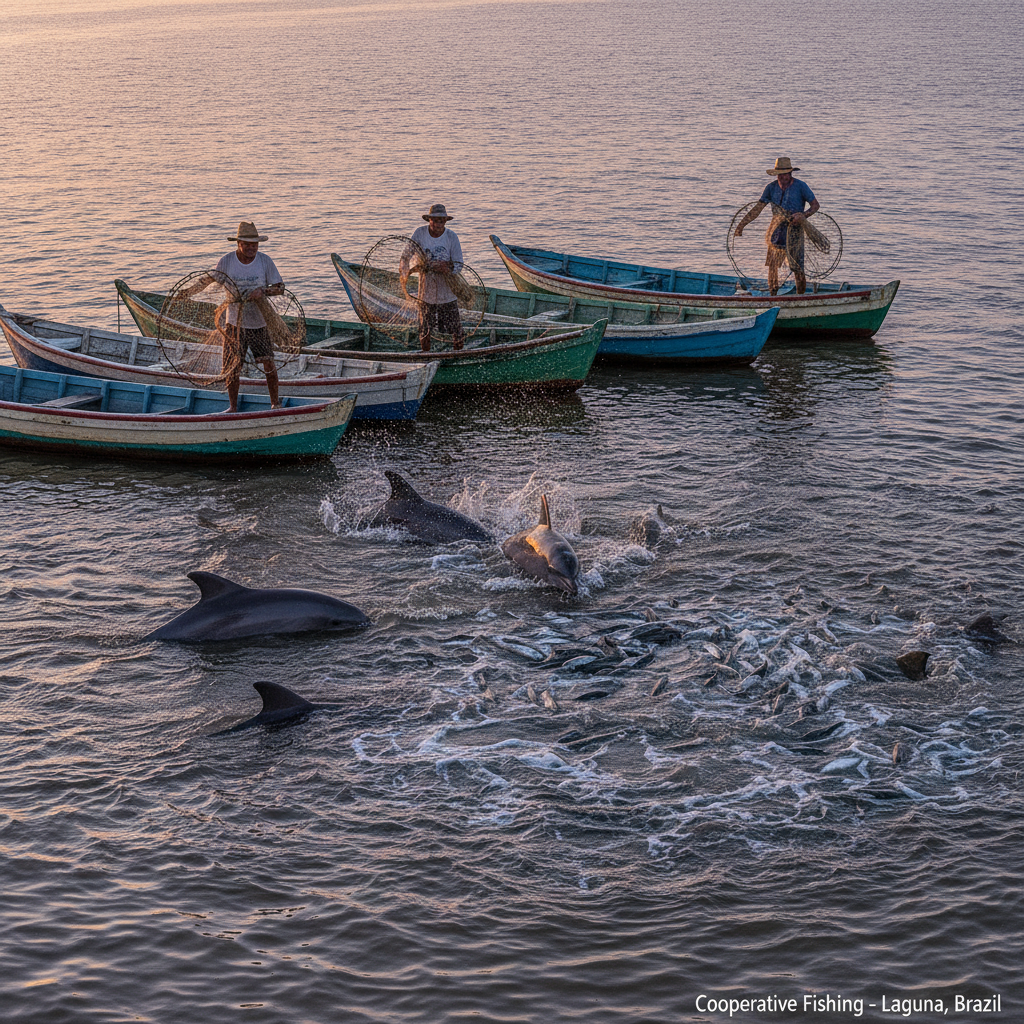
The boto cinza, the South Atlantic humpback dolphin, is a resident species of the Santa Catarina bay system accessible from Florianopolis on dolphin watching boat excursions that operate from Barra da Lagoa on the ocean side and from the Baia Norte marina. The boto cinza pods interact with the artisanal fishermen of the Laguna area south of Florianopolis in a cooperative fishing relationship that is one of the most extraordinary human-wildlife interactions documented anywhere in the world.
- 5
Introduced Species: The Problem of the Golden Mussel
The golden mussel, introduced to the La Plata estuary via ballast water from Asian cargo ships in the early 1990s and subsequently spreading northward along the Brazilian coast, has established itself in the freshwater and brackish water systems of the Florianopolis bays and is one of the most invasive and ecologically damaging species in the South Atlantic marine environment, clogging water infrastructure and displacing native bivalve communities.
- 6
Climate Change and Sea Level: The Low-Lying Lagoon Communities
The low-lying communities around the Florianopolis island lagoons and the continental coastal lowlands of Santa Catarina are among the areas most vulnerable to the combination of sea level rise and the intensification of the extreme storm events associated with climate change in the South Atlantic; the La Nina-associated summer rainfall events that produce flooding in the Santa Catarina lowlands have increased in frequency and intensity over the past two decades.
Walk this route with audio
Stories play automatically as you reach each stop — no tapping needed.
More in Florianopolis
Florianopolis Economy and Urban Life: UFSC, the Startup Scene, Sport Tourism, Real Estate, and Joinville
Florianopolis Practical Guide: Airport, Seasons, Island Transport, Digital Nomad Scene, and Argentine Summer
Florianopolis Food and Culture: Oysters, Tainha Fishing, Santa Catarina Wine, and the New Brazilian Cuisine
Florianopolis Heritage: Azorean Fishing Villages, Lacemaking, Blumenau Oktoberfest, and the European Mountain Towns
Florianopolis Festivals and Social Life: New Year, Carnival, Oktoberfest, Iemanjá, and the Gay Beach