Ephesus Essential: Library of Celsus, the Great Theatre, Artemision Wonder of the World, Terrace Houses of the Wealthy, Roman Agora, and Saint John Basilica on Ayasuluk Hill
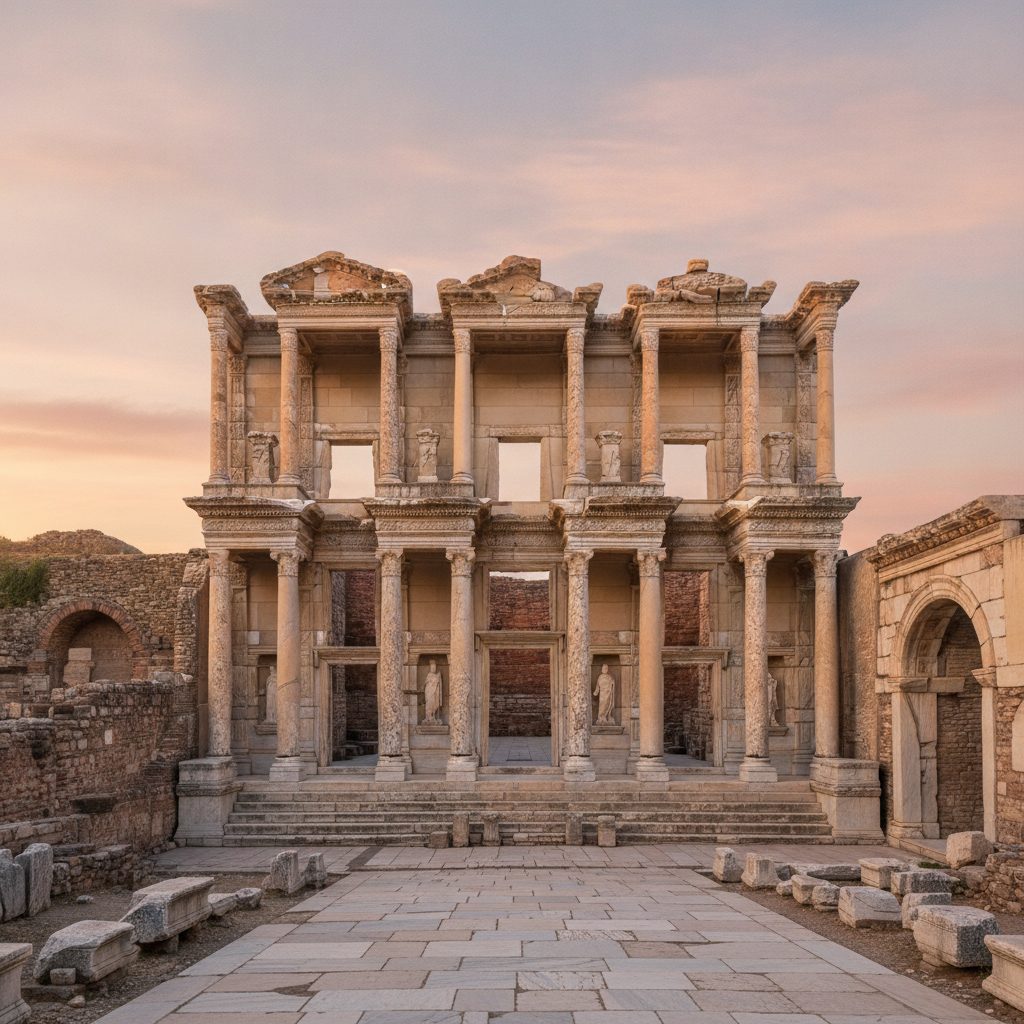
The Ephesus essential circuit covers the Library of Celsus as the most iconic facade in Aegean Turkey, the Great Theatre where Paul the Apostle addressed the crowd, the Artemision temple site as a former Wonder of the World, the Terrace Houses with the finest Roman mosaic and fresco interiors, the commercial Roman agora, and the Saint John Basilica above Selcuk.
- 1
Library of Celsus: The Most Photographed Facade
The Library of Celsus at Ephesus, built between 114 and 120 AD as the funerary monument and library of the Roman senator Gaius Julius Celsus Polemaeanus and reconstructed from the original fallen stones in the 1970s by the Austrian Archaeological Institute, is the most architecturally impressive and most photographed single building facade in Turkey and the image that most completely represents the Roman provincial achievement in the Aegean world. The two-story facade with the four columns at each level, the four virtues niches with the copies of the original statues, and the carved pediments is the finest example of the Roman monumental library architecture surviving in the eastern Mediterranean.
- 2
The Great Theatre: Paul the Apostle Addressed 25,000
The Great Theatre of Ephesus, the largest ancient theatre in the world at its construction with a capacity of 25,000 spectators and the setting for the riot of the silversmiths described in Acts 19 when Paul the Apostle preached against the cult of Artemis and the craftsmen who made their living from the trade in Artemis figurines, is the most historically charged single building in Ephesus and the site where the conflict between the early Christian mission and the commercial interests of the pagan city is most dramatically documented. The theatre is still used for concerts and the Ephesus Festival of Culture and Tourism.
- 3
Artemision: The Former Wonder of the World
The Artemision, the Temple of Artemis at Ephesus that was one of the Seven Wonders of the Ancient World and one of the largest temples in the ancient world at 115 by 55 meters with 127 Ionic columns 18 meters tall, is now represented by a single reconstructed column standing in the swampy field at the edge of Selcuk, one of the most anticlimactic archaeological sites in Turkey for the visitor who expects the grandeur of the Library of Celsus. The column base blocks, the inscribed dedications of King Croesus, and the architectural fragments in the Selcuk Archaeological Museum provide the evidence for reconstructing the appearance of the wonder that Herostratos burned in 356 BC to achieve immortal fame.
- 4
Terrace Houses: The Frescoes and Mosaics of the Wealthy
The Terrace Houses of Ephesus, the 7 luxury private residences on the hillside above the main Ephesus street that have been excavated and covered with the modern protective roof to allow visitor access, preserve the most complete surviving interior decoration of Roman domestic architecture in the eastern Mediterranean, with the floor mosaics, the wall frescoes, the marble paneling, and the underfloor heating systems of the houses that the wealthy Ephesian merchants and officials inhabited in the 1st to 7th centuries AD. The Terrace Houses require the additional entrance fee and provide the most rewarding archaeological detail in the Ephesus circuit.
- 5
Commercial Agora: The Market of the Ancient World
The Commercial Agora of Ephesus, the 110-meter square market enclosed by the Ionic colonnade where the goods of the ancient Mediterranean trade - the Egyptian grain, the Anatolian textiles, the Syrian glass, the Pontic salt fish, and the Asian spices - were traded in the shops that lined the perimeter, is the most complete surviving example of the ancient Greek and Roman market complex in Turkey. The Agora Gate, the dedication of Augustus, and the surviving column bases provide the architectural evidence for the commercial organization of the most important trading city in Roman Asia Minor.
- 6
Saint John Basilica: The Apostle Tomb on Ayasuluk Hill
The Basilica of Saint John on Ayasuluk Hill above Selcuk, built by the Emperor Justinian in 565 AD over the tomb of the Apostle John who is believed to have lived and written the Fourth Gospel in Ephesus in the 1st century AD and who was buried on the hill where the basilica was subsequently built, is the most important early Christian pilgrimage site in Turkey and the building that made the Selcuk-Ephesus area the second most important Christian pilgrimage destination in the Byzantine world after Jerusalem.
Walk this route with audio
Stories play automatically as you reach each stop — no tapping needed.
More in Ephesus
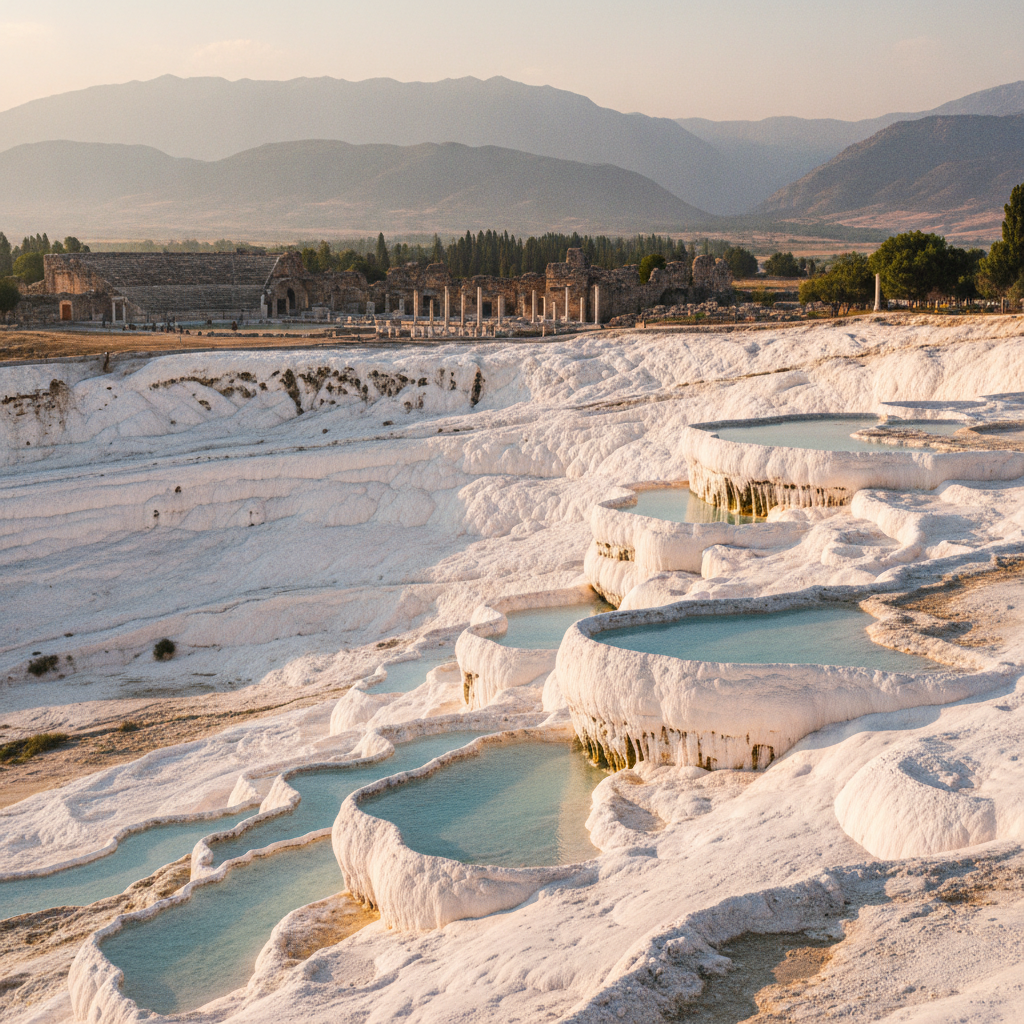
Ephesus to Pamukkale: The Travertine Cotton Castle, Hierapolis Roman Spa City, the Necropolis, Sacred Pool of Cleopatra, Calcium Terraces Natural Wonder, and the Ephesus-Pamukkale Day Circuit
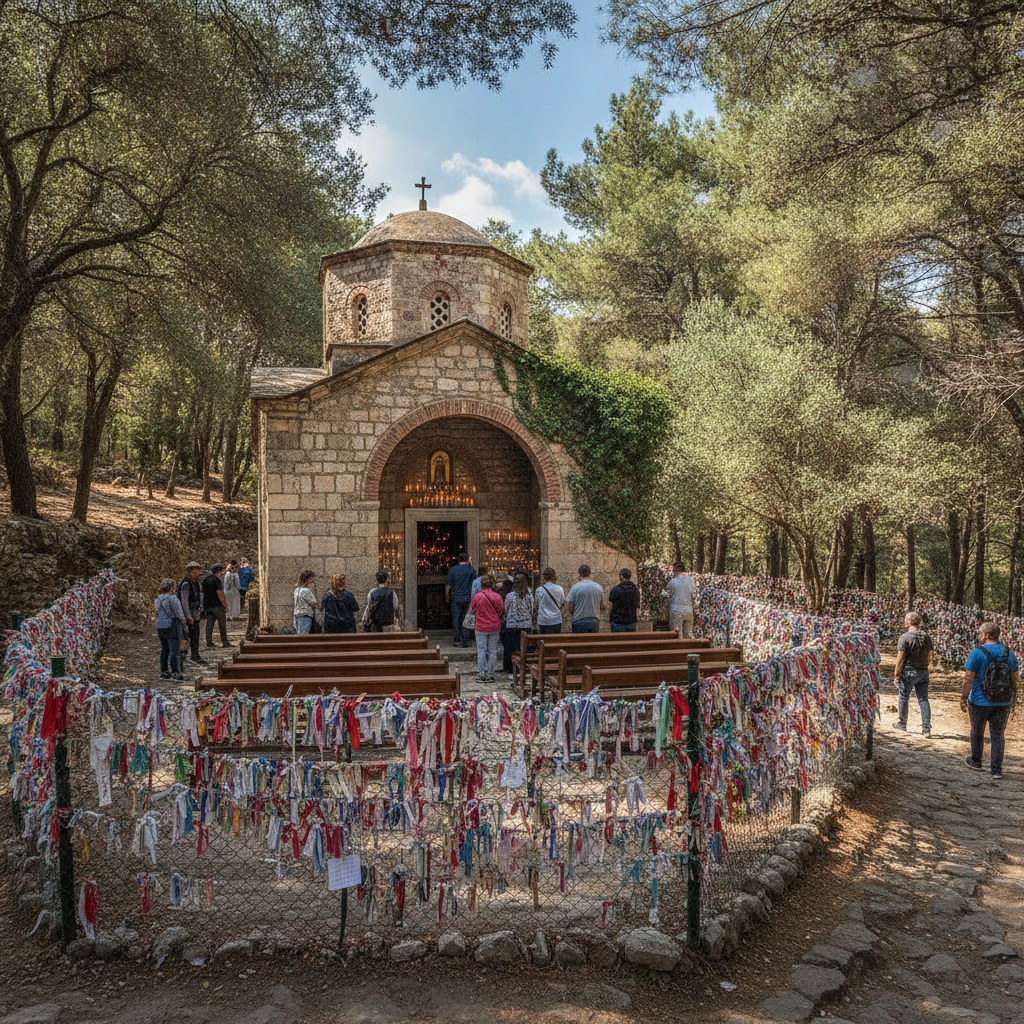
Ephesus and Early Christianity: Paul the Apostle Missions, the House of the Virgin Mary at Meryemana, Cave of the Seven Sleepers, John Gospel in Ephesus, Christian Pilgrimage Circuit, and the Acts of the Apostles
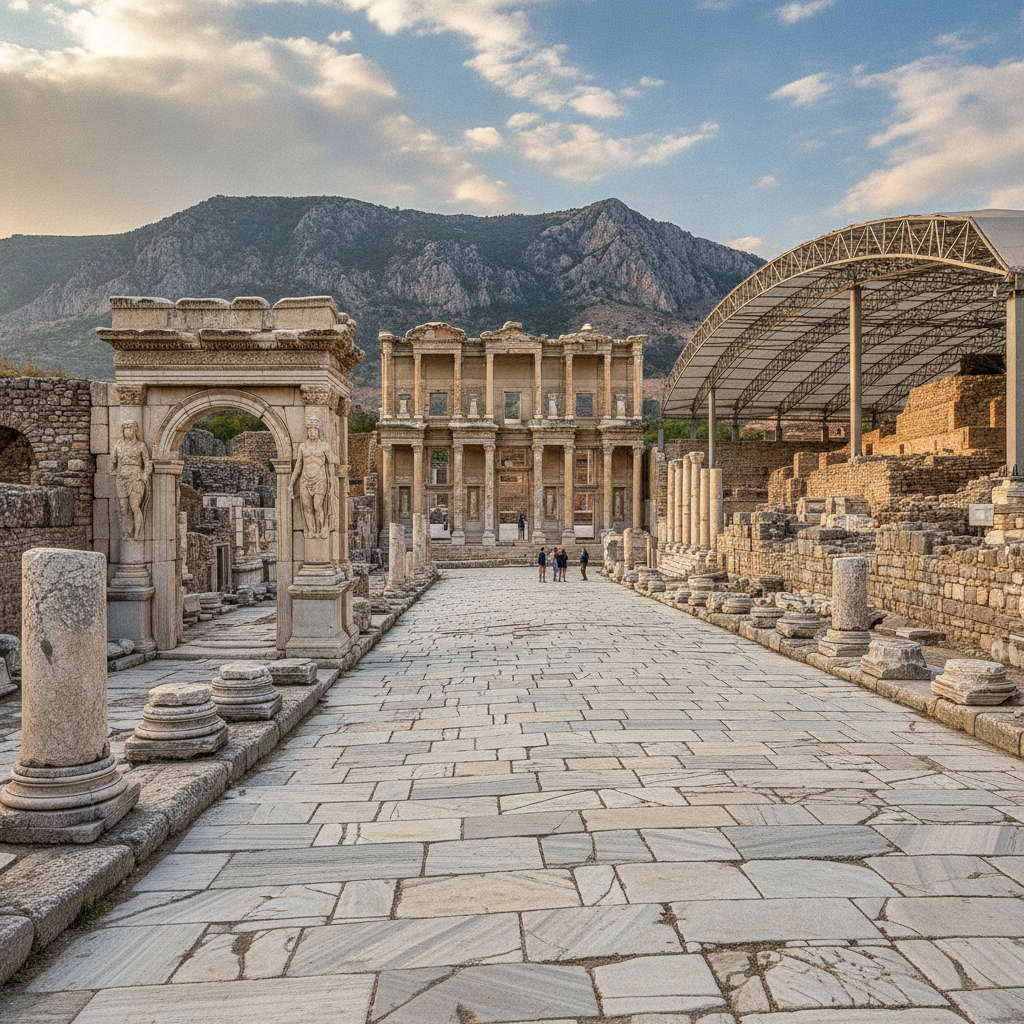
Ephesus Museum and Streets: Selcuk Archaeological Museum Collections, Isa Bey Mosque Seljuk Architecture, the Curetes Street Marble Paving, Ancient Public Fountains, the Brothel and the Social Life, and the Marble Road
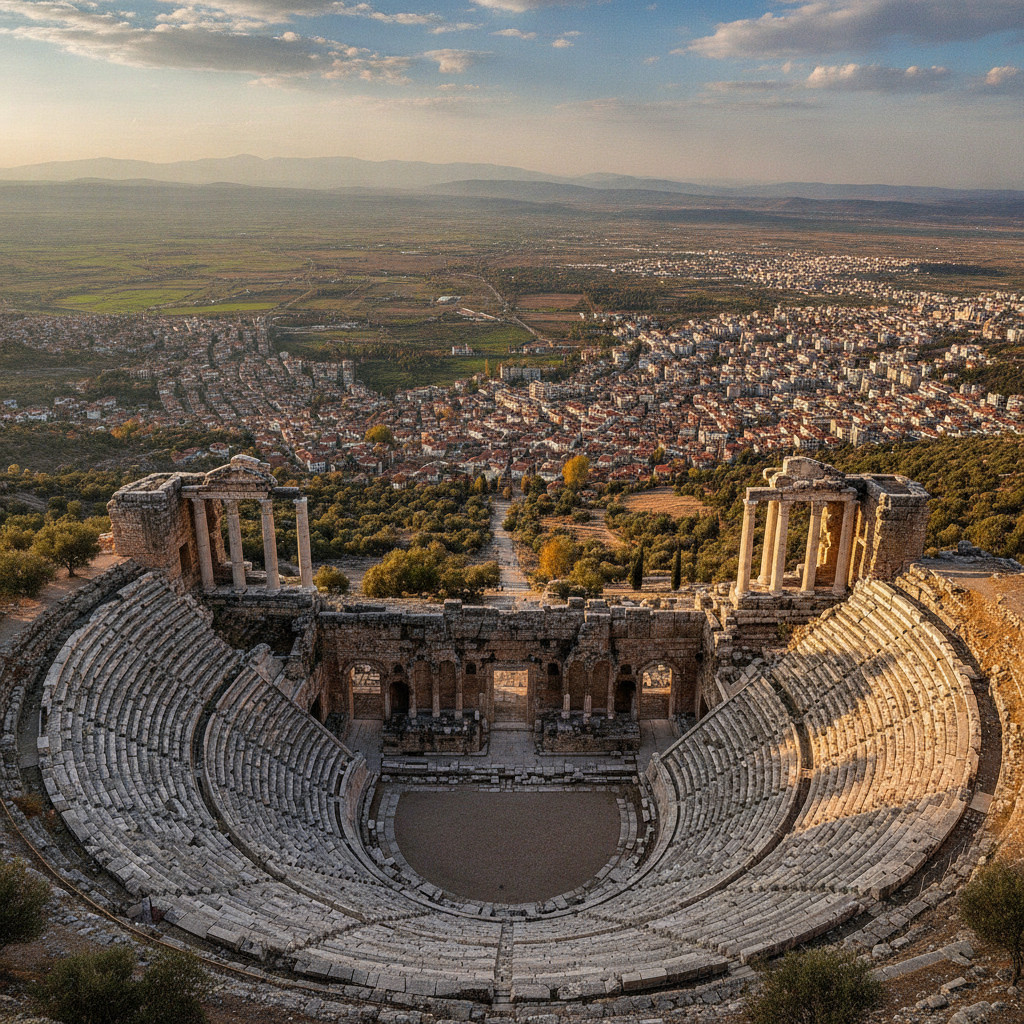
Ephesus to Pergamon: The Asklepion Medical Center, Bergama Acropolis Sheer Theatre, Red Basilica, Zeus Altar Berlin Museum, Pergamon Library, and the Aegean Archaeological Circuit
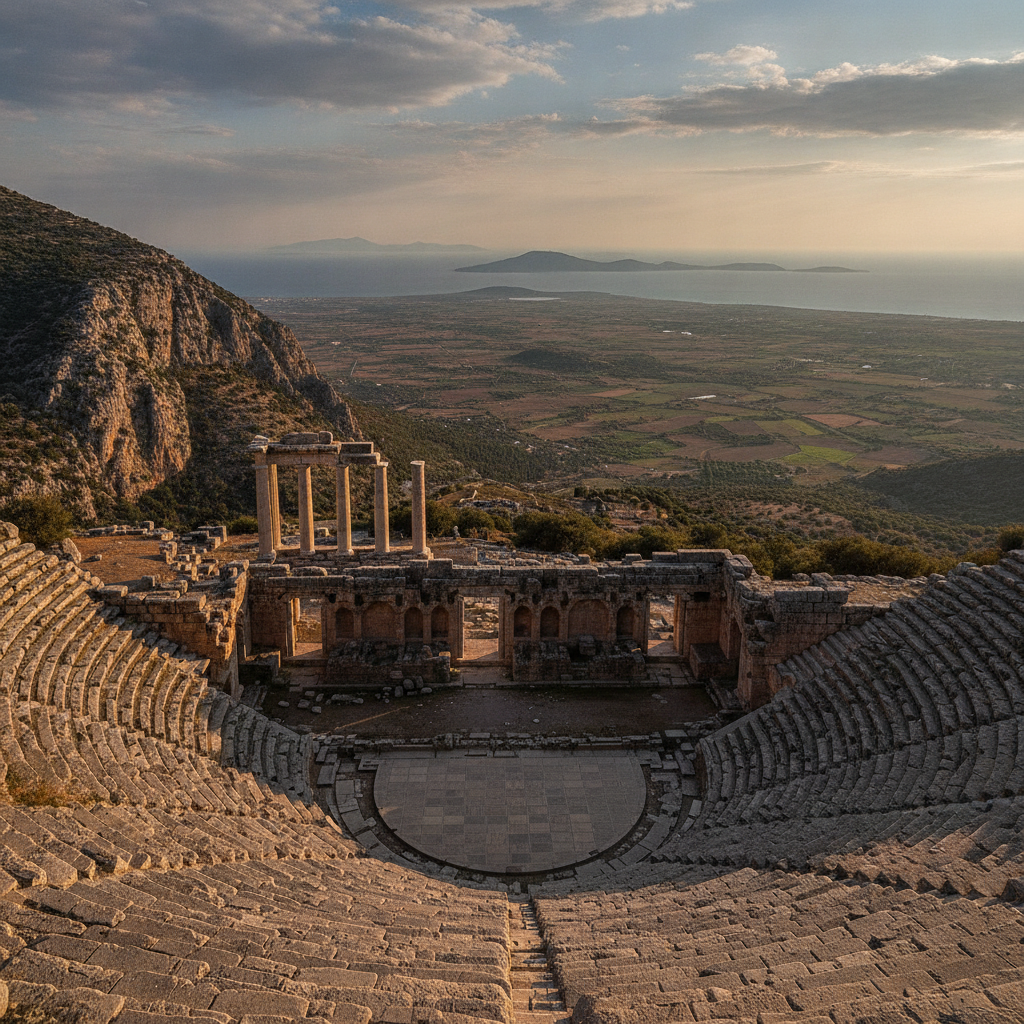
Ephesus Coast and Day Trips: Kusadasi Cruise Port Bazaar, Dilek Peninsula National Park, Amazon Beach, Priene Ancient City, Miletus Theatre, Didyma Apollo Temple Oracle, and the Maeander Valley Circuit