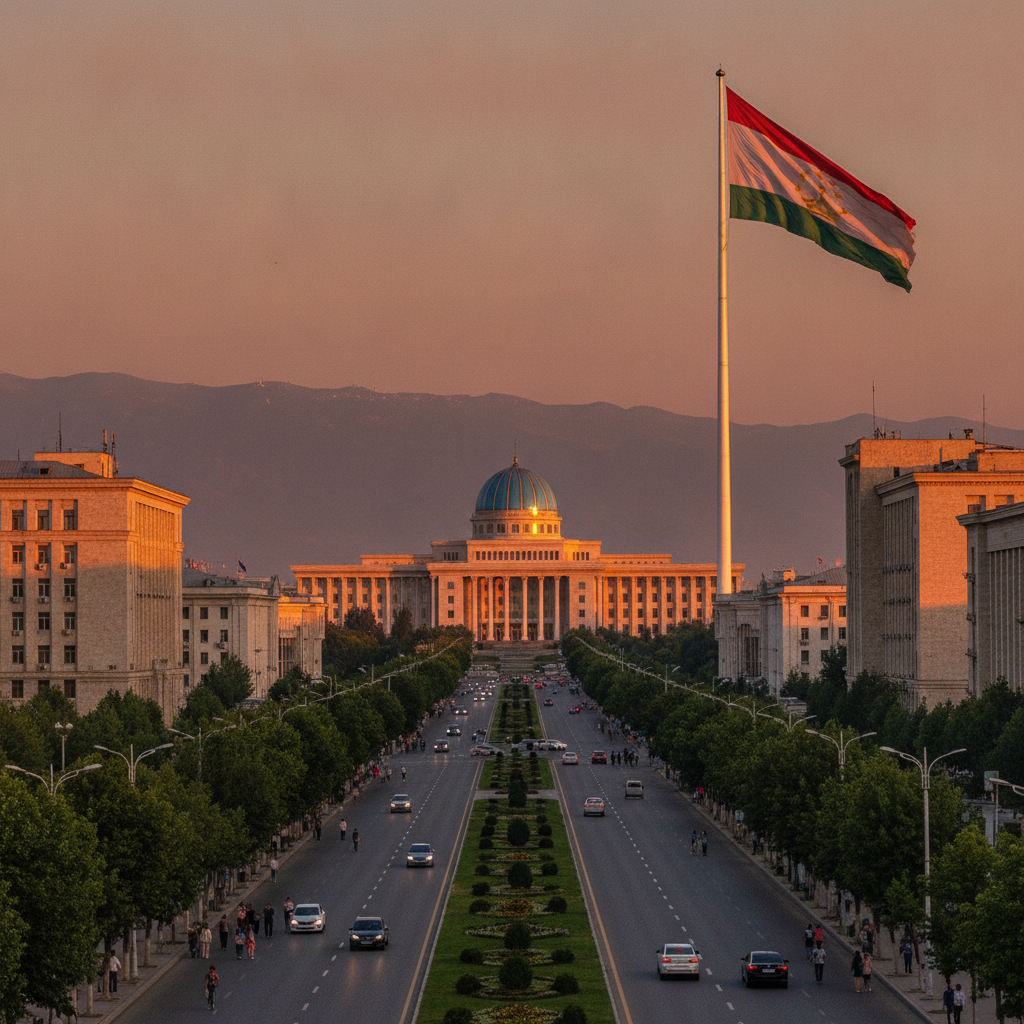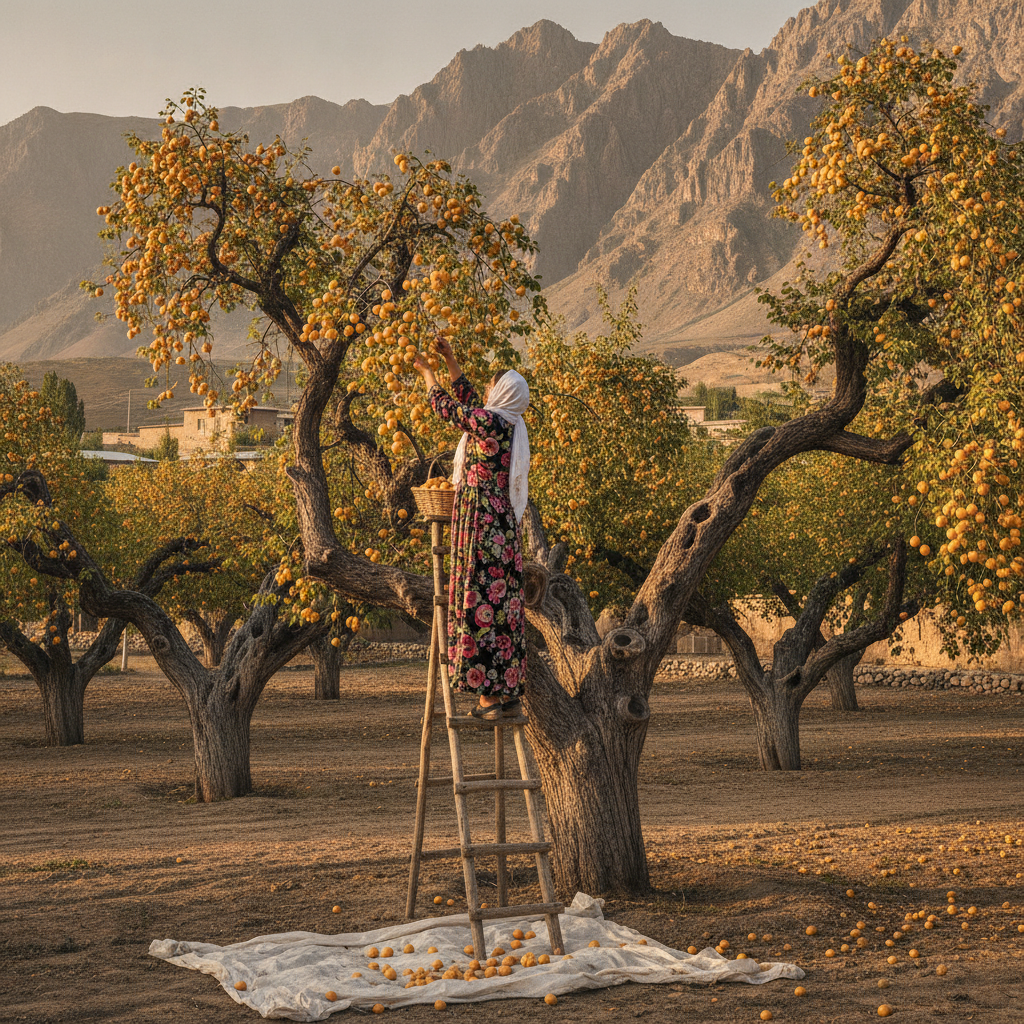
Ferdowsi's Shahnameh at 60,000 Couplets the Longest Single-Authored Epic in World Literature, Tajikistan's 150+ Apricot Varieties vs the 3-5 Commercial Varieties Globally & Penjikent Directly Route via Uzbekistan Requires a Transit Visa
Ferdowsi's Shahnameh (60,000 couplets, 50+ years to compose) as the longest single-authored epic poem in world literature; Tajikistan's 150+ named traditional apricot varieties versus the 3–5 varieties dominant in global commercial production; the Soviet 1924 National Delimitation assigning Samarkand and Bukhara (with Tajik-Persian speaking majorities) to the Uzbek SSR rather than the Tajik SSR; the Aga Khan Development Network operating 13 hospitals, 60 health posts, and 73 schools in GBAO since 1993; the Penjikent route via Uzbekistan requiring an Uzbek transit visa or the 4,000m Anzob Tunnel; and the 5-day itinerary connecting Dushanbe, Hissar, Varzob Canyon, Penjikent, and Khujand.
- 1
Dushanbe Budget Travel Guide
The Dushanbe budget travel guide (traveling in Dushanbe and Tajikistan on a minimal budget — Dushanbe is one of the cheapest capital cities in the former Soviet Union): the budget guide. The cost (the Dushanbe cost index: accommodation (dormitory bed in a Dushanbe hostel: USD 8–12 per night: a private guesthouse room: USD 15–25 per night: a mid-range hotel: USD 40–60 per night): food (the cheapest meal in Dushanbe: the aşxana cafeteria full meal (qurutob + tea): TJS 20–30 (USD 2–3): the mid-range restaurant dinner: TJS 50–100 (USD 5–10): street food (the samsa outside the Green Bazaar: TJS 3–5 (USD 0.30–0.50) each: the lagman noodle soup: TJS 15–20 (USD 1.50–2): transportation (the city marshrutka (shared minibus) within Dushanbe: TJS 2 (USD 0.20): the shared taxi to Khujand (450 km): TJS 100–150 (USD 10–15) — 8–10 hours: the shared taxi to Hissar (30 km): TJS 10–15 (USD 1–1.50): the free attractions (the Rudaki Avenue promenade (free): the Aini Square (free): the Green Bazaar wandering (free): the Rudaki Park and central fountains (free): the Varzob Canyon day trip (the marshrutka to the canyon: TJS 5 (USD 0.50) from the northern bus station): the paid attractions (the National Museum: TJS 20 (USD 2): the Behzod Fine Arts Museum: TJS 10 (USD 1): the Hissar Fortress: TJS 10 (USD 1)): the Pamir Highway budget (the cheapest way to do the Pamir Highway from Dushanbe is to take shared jeeps (the Aga Khan Network shared transport) from Dushanbe to Khorog for TJS 150–200 (USD 15–20) and continue onward by shared jeep to Murghab and the Kyrgyz border).
- 2
The Tajik-Uzbek Rivalry – Samarkand & Cultural Claims
The Tajik-Uzbek cultural rivalry (the most significant ethnic-cultural tension in post-Soviet Central Asia — the competing claims of the Tajik and Uzbek peoples to the heritage of Samarkand, Bukhara, and the Timurid civilization): the cultural rivalry guide. The historical background (the Tajik-Uzbek rivalry has its roots in the Soviet ethnographic decisions of 1924–1929 that drew the borders of the Central Asian Soviet republics on the Lenin-era nationality principle: the 1924 decision (the Soviet National Delimitation of Central Asia (1924–1929) divided the region into national republics — the ethnically mixed cities of Samarkand and Bukhara (which had Tajik-Persian speaking majorities in the 1920s) were assigned to the Uzbek SSR rather than the Tajik ASSR (which became the Tajik SSR in 1929): the Tajik position (the Tajik cultural position holds that Samarkand and Bukhara are historically Tajik-Persian cities — the monuments of Samarkand (the Registan, the Gur-e-Amir, the Bibi-Khanum) were built by the Timurid rulers who spoke both Chagatai Turkic and Tajik-Persian — the Persian inscriptions on the Registan are in Tajik language): the Uzbek position (the Uzbek cultural position holds that the Timurid civilization was a Turkic civilization and that the monuments of Samarkand are the heritage of the Uzbek Turkic people: the border dispute (the Tajikistan-Uzbekistan border contains 87 enclaves and exclaves created by the complex Soviet delimitation — the border regions are the site of periodic tension and occasional fatal incidents between border guards).
- 3
Tajikistan's Apricots – The Golden Fruit of the Pamir
The Tajik apricot heritage (the apricot culture of Tajikistan — the country is one of the world's primary centers of apricot cultivation diversity and the apricot is the most culturally significant fruit in Tajik civilization): the apricot heritage guide. The apricot (the apricot (Prunus armeniaca — the botanical name incorrectly suggesting Armenian origin — the apricot is believed by most botanists to have originated in China and was spread westward through Central Asia along the Silk Road): the Tajik apricot diversity (Tajikistan contains the largest diversity of apricot varieties of any country in the world — over 150 named traditional varieties are cultivated in Tajikistan, compared to the 3–5 varieties dominant in global commercial production: the primary apricot-growing regions of Tajikistan: the Hissar Valley (the primary commercial apricot zone — the fresh apricots from the Hissar Valley are considered the finest in Central Asia): the Zerafshan Valley (the finest dried apricots — the dried apricot from the Zerafshan Valley is the most prized in the Central Asian dried fruit markets): the Pamir apricots (the high-altitude Pamir apricot varieties (grown at 2,000–3,000m) are smaller and more intensely flavored than the commercial varieties): the cultural role (the dried apricot (qurmoq) is the most important food in the Pamiri and rural Tajik diet — the calories from dried apricots sustained the Pamiri mountain population through the winter months when fresh food was unavailable: a family in the Wakhan Valley typically dried 100–200 kg of apricots annually for winter food storage).
- 4
The Aga Khan Network – Development in GBAO
The Aga Khan Development Network heritage (the primary development organization in Tajikistan's Gorno-Badakhshan Autonomous Oblast — the most extensive private development network operating in any single region of the former Soviet Union): the AKDN heritage guide. The Aga Khan (His Highness the Aga Khan IV (Karim Al-Husayni — born 1936, Geneva) — the 49th hereditary Imam of the Shia Ismaili Muslim community: the Aga Khan is the spiritual leader of approximately 15 million Ismaili Muslims worldwide and controls the Aga Khan Development Network (AKDN) — a private international development organization operating in 30 countries: the GBAO connection (the Aga Khan's direct involvement in GBAO began in 1993 — the year after Tajikistan's civil war began: the 1992–1997 civil war was particularly devastating for GBAO (which supported the opposition) — the region experienced a near-complete collapse of food and medical supplies: the AKDN response (the AKDN established the following institutions in GBAO during the 1993–2000 period: the Aga Khan Health Services Tajikistan (AKHS-T) — operating 13 hospitals and 60 health posts in GBAO: the Aga Khan Education Services Tajikistan (AKES-T) — operating 73 schools in GBAO: the Mountain Societies Development Support Programme (MSDSP) — the primary agricultural and economic development program: the University of Central Asia (UCA) in Khorog (the primary higher education institution in GBAO): the Aga Khan Historic Cities Programme (the program that restored the Penjikent archaeological site and the Hissar Fortress).
- 5
Tajik Literature – Firdausi to Sadriddin Aini
The Tajik literary heritage (the extraordinary literary tradition of the Tajik people — from the 9th-century classical Persian poetry to the 20th-century Soviet-era Tajik literature): the literary heritage guide. The classical tradition (the classical Persian literary tradition developed in the courts of the Samanid (819–999 CE), Ghaznavid (977–1186 CE), and Timurid (1370–1507 CE) dynasties that ruled from the Persian-speaking territories of Central Asia: the primary classical figures: Rudaki (Abu Abdollah Rudaki, 858–941 CE — the Father of Persian Poetry — born in Panjrud, a village in the Zerafshan Valley of modern Tajikistan): Firdausi (Abu'l-Qasim Ferdowsi, 940–1020 CE — the author of the Shahnameh (the Book of Kings) — the primary national epic of Persian civilization: the Shahnameh (60,000 couplets, 50+ years to compose) is the longest single-authored epic poem in world literature): Rumi (Jalal al-Din Rumi, 1207–1273 CE — born in Balkh (modern Afghanistan) — the most widely read Persian poet in the Western world (his Masnavi is the second most read book in the Islamic world after the Quran): the Soviet-era literature (the primary Tajik Soviet author: Sadriddin Aini (Садриддин Айнӣ, 1878–1954) — the founding figure of modern Tajik literature: Aini was born in the Zerafshan Valley and wrote both in Tajik-Persian and Uzbek about the lives of ordinary people in the Bukhara Emirate: his novels Slaves and Dokhunda are the foundational works of Tajik prose literature).
- 6
Tajikistan 5-Day Itinerary – Mountains & History
The comprehensive Tajikistan 5-day itinerary (the optimal sequence for visiting Dushanbe, Hissar, Varzob, Penjikent, and Khujand in 5 days): the complete circuit. Day 1 (Dushanbe arrival and city): morning (the Green Bazaar for market orientation and dried apricot tasting): afternoon (Rudaki Avenue walk: National Museum: Aini Square): evening (traditional Tajik restaurant dinner). Day 2 (Hissar and Varzob): 09:00 Hissar Fortress by shared taxi (30 km, TJS 10): afternoon (return to Dushanbe and northward to the Varzob Canyon by local marshrutka — the Varzob River swimming and picnic in the gorge): evening (return to Dushanbe for overnight). Day 3 (Penjikent day trip): 07:00 shared taxi from the Dushanbe west bus station to Penjikent (via Uzbekistan or via the Anzob Tunnel — note that the direct route through Uzbekistan requires an Uzbek transit visa or an alternate route through the Anzob Tunnel (4,000m, often closed in winter)): the Penjikent archaeological site (3 hours): the Penjikent Museum: return to Dushanbe in the evening. Day 4 (Dushanbe to Khujand): 07:00 shared taxi to Khujand (450 km, 8 hours through the Fergana ranges): afternoon (Khujand Fortress: Panjshanbe Bazaar). Day 5 (Khujand and departure): morning (Alexander the Great city walk): afternoon (flight from Khujand to Dushanbe (1 hour, Air Tajik) or to Almaty/Moscow for international connection).
Walk this route with audio
Stories play automatically as you reach each stop — no tapping needed.
More in Dushanbe
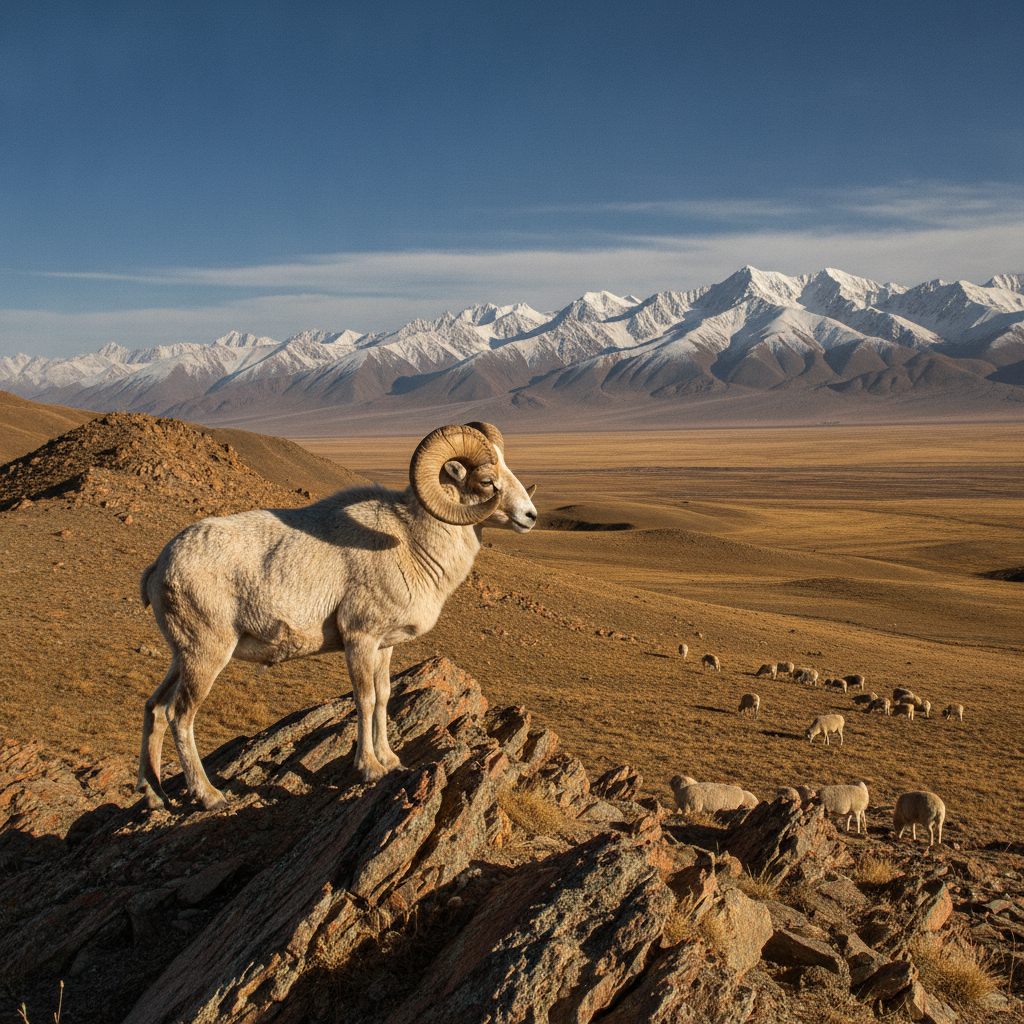
Ibn Sina's Germ Theory of Disease 1,000 Years Before Pasteur, Marco Polo Sheep Horns Reaching 190cm (the Largest of Any Sheep Species) & Tajik and Iranian Persian 90% Mutually Intelligible Despite Different Scripts
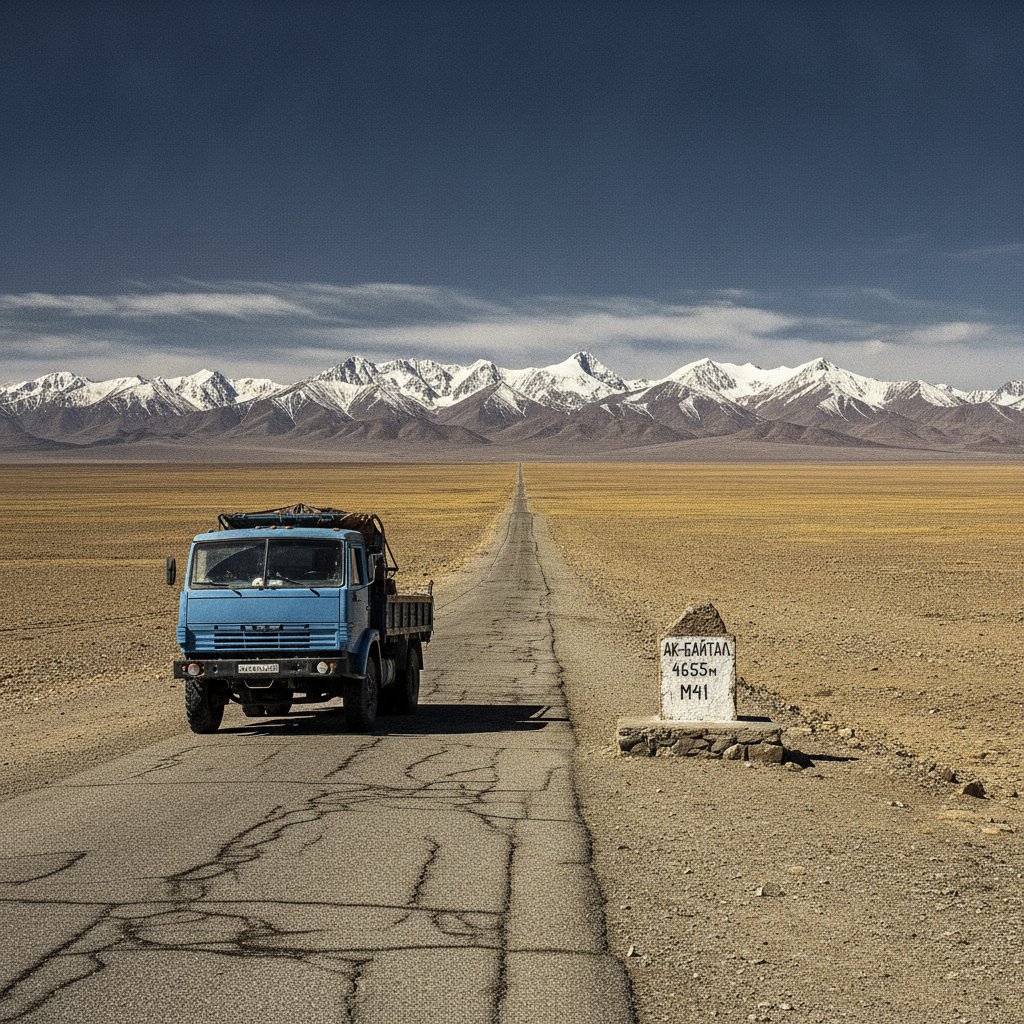
The Sogdian Penjikent Wall Paintings Showing Rustam Scenes 1,200 Years Before Ferdowsi's Shahnameh, Samanid Patronage Simultaneously Producing Rudaki and Ibn Sina & the Pamir Highway Ak-Baital Pass at 4,655m
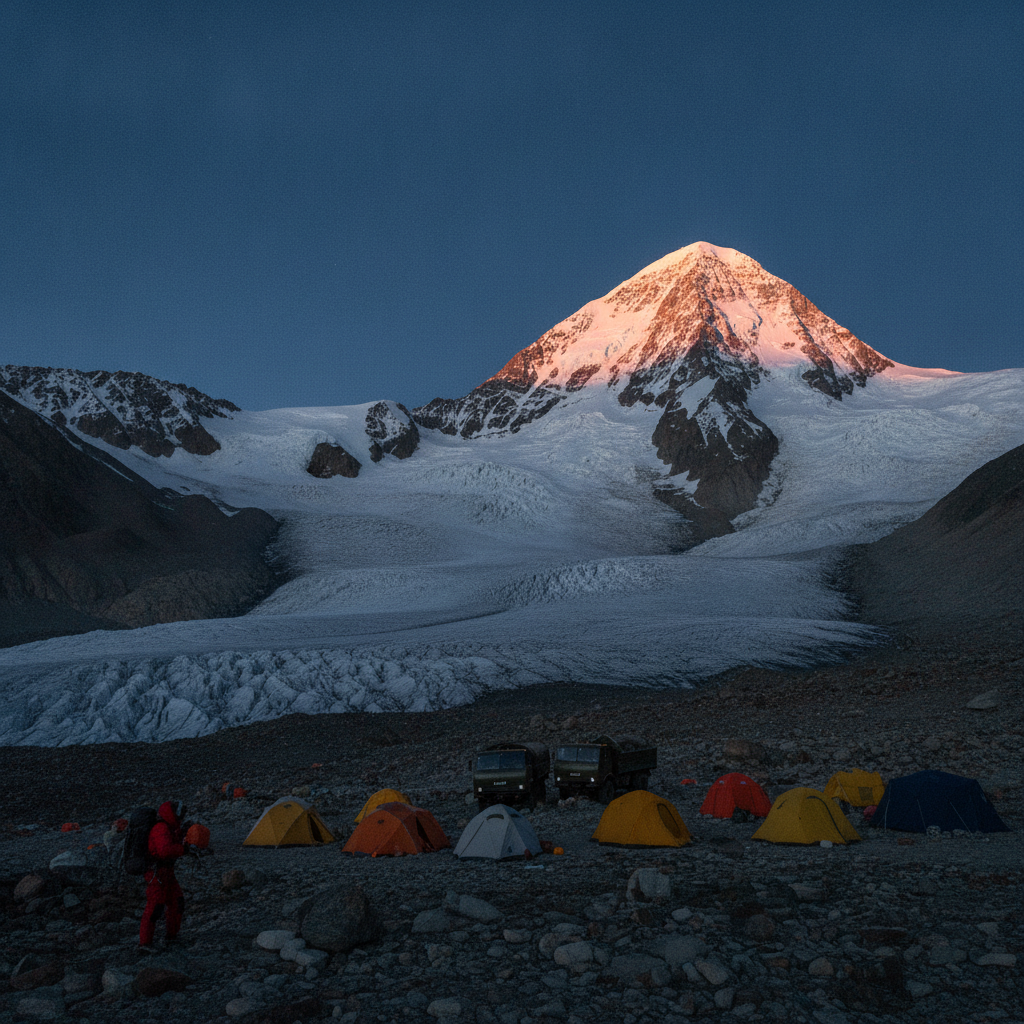
The Aral Sea Shrinking 88% (from 68,000 km² to 8,000 km²) Due to Amu Darya Diversion, Ismoil Somoni Peak the Highest Point in the Former Soviet Union at 7,495m & Tajikistan the Poorest Former Soviet Republic at USD 1,200 GDP Per Capita
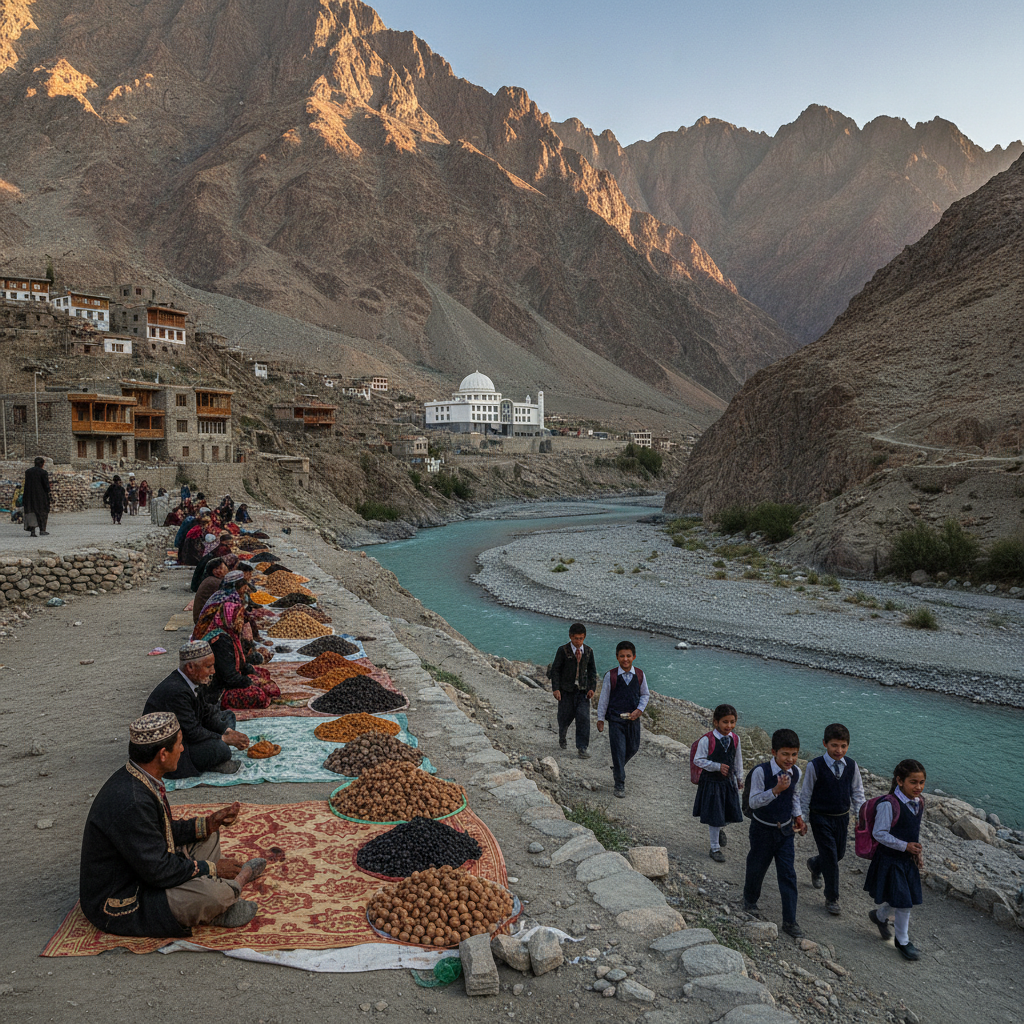
The Sogdian 4th-Century Merchant Letters the Earliest Documentary Evidence of Long-Distance Private Commerce, the Rogun Dam at 335m Would Beat the Jinping-I by 30m & Pamiri Languages Descended from Scythian Not Persian