The Aral Sea Shrinking 88% (from 68,000 km² to 8,000 km²) Due to Amu Darya Diversion, Ismoil Somoni Peak the Highest Point in the Former Soviet Union at 7,495m & Tajikistan the Poorest Former Soviet Republic at USD 1,200 GDP Per Capita
The Aral Sea shrinking 88% from 68,000 km² to 8,000 km² due to Amu Darya and Syr Darya diversion for irrigation since the 1960s; Ismoil Somoni Peak (7,495m) requiring a USD 3,000–5,000 helicopter flight to base camp; Tajikistan the poorest former Soviet republic at USD 1,200 GDP per capita relying on Russia remittances for 30–35% of GDP; TALCO aluminum smelter consuming 40% of Tajikistan's total electricity production; Alexander the Great crossing the Oxus on inflated animal skins in 329 BCE; and the CASA-1000 power line planned to export Rogun electricity to Afghanistan and Pakistan post-2032.
- 1
The Amu Darya – River of Empires
The Amu Darya river heritage (the Amu Darya (the Oxus River of classical antiquity) — the most historically significant river in Central Asia and the southern border of Tajikistan): the river heritage guide. The Amu Darya (the Amu Darya (Дарёи Аму — the River of the Amu) is formed by the confluence of the Panj and Vakhsh rivers at the border of Tajikistan and Afghanistan (the Qizilqum desert begins at the point where the Panj and Vakhsh join: the historical name (Oxus — the name used by the Greek geographers for the Amu Darya: the Oxus was the boundary between the classical civilizations of Bactria (south of the river) and Sogdia (north of the river) — the line between Iranian-speaking agricultural civilization and the nomadic steppe: Alexander the Great (Alexander crossed the Oxus (Amu Darya) in 329 BCE on his way to Samarkand — the crossing near modern Termez (Uzbekistan) required the construction of a pontoon bridge made of inflated animal skins: the length (the Amu Darya is 2,400 km long from the Pamir glaciers to its former delta in the Aral Sea: the Aral Sea (the Amu Darya formerly discharged into the Aral Sea in Kazakhstan-Uzbekistan — the diversion of the Amu Darya and Syr Darya for irrigation from the 1960s onwards caused the Aral Sea to shrink from the world's 4th largest lake (68,000 km²) to a series of small remnant lakes (the total surface area is now approximately 8,000 km² — a loss of 88% of the original area).
- 2
Tajikistan Extreme Sports – Mountaineering & Rafting
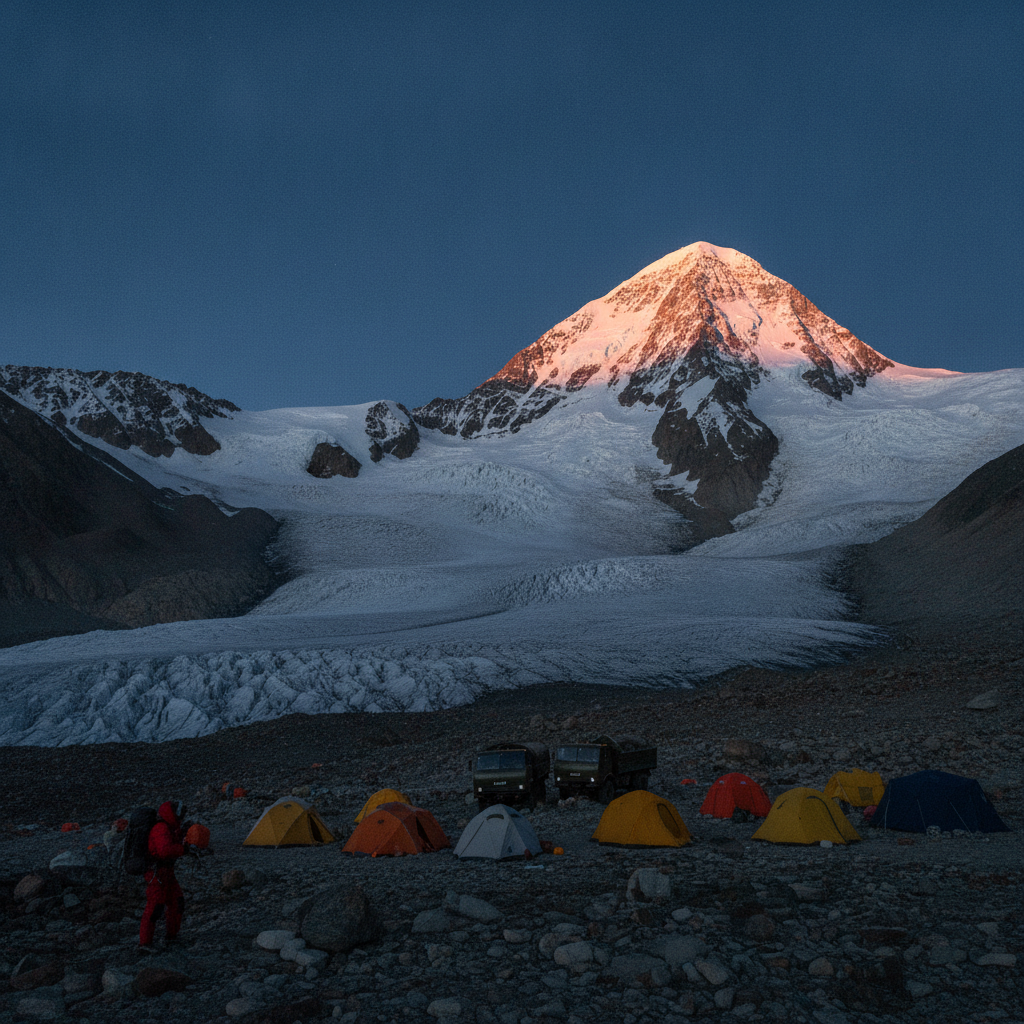
The Tajikistan extreme sports heritage (the Pamir as the primary mountaineering and whitewater rafting destination in the former Soviet Union): the adventure sports guide. The mountaineering (the Pamir offers 4 peaks above 7,000m — making it the most concentrated collection of 7,000m peaks outside the Karakoram and Himalaya: the primary mountaineering objectives: Ismoil Somoni Peak (7,495m — formerly Peak Communism — the highest point in Tajikistan and the former Soviet Union): the approach (the standard approach to Ismoil Somoni from the west via the Fortambek Glacier takes 7–10 days from Dushanbe by helicopter to base camp: the helicopter (the helicopter from Dushanbe to Ismoil Somoni base camp (Moskvina) costs approximately USD 3,000–5,000 per flight (3–6 persons): the rafting (the primary Tajik whitewater rivers: the Panj River through the Wakhan Corridor (Grade III–IV rapids in the Ishkashim Canyon section); the Zerafshan River through the Penjikent Canyon (Grade IV+); the Vakhsh River through the Nurek Canyon (Grade IV–V — some sections are extreme): the river conditions (the Tajik whitewater rivers are fed by Pamir glacier melt — the flow is highest in July–August when glacier melt is at its peak: the water temperature is 8–14°C even in summer — a wetsuit is required): the tour operators (the primary Tajik adventure tourism operators are based in Dushanbe on Rudaki Avenue — the largest operator is Pamir Outdoors which organizes mountaineering expeditions, river rafting, and jeep safaris on the Pamir Highway).
- 3
Tajikistan Photography Guide – Light & Landscapes
The Tajikistan photography guide (the optimal locations, timing, and techniques for photographing the extraordinary landscapes and cultural subjects of Tajikistan): the photography guide. The Pamir landscapes (the Pamir offers the most dramatic landscape photography opportunities in the former Soviet Union: the optimal Pamir photographic locations: (1) the Wakhan Corridor — the view across the Panj River to the Afghan side with 7,000m+ peaks rising above the valley: the afternoon light (15:00–17:00) is optimal for the Wakhan Corridor as the sun illuminates the Afghan mountains to the east: (2) the Lake Karakul — the saline endorheic lake at 3,914m with the snow-covered peaks reflected in the deep blue water: the optimal time is the early morning (06:00–08:00) when the water surface is calm: (3) the Ak-Baital Pass (4,655m) — the austere high-altitude landscape at the highest point of the Pamir Highway: the time (any time of day provides dramatic photography — the sky at 4,655m is approximately 30% darker blue than at sea level due to the reduced atmospheric scattering): the cultural photography (the primary cultural photography subjects in Tajikistan: the Green Bazaar in Dushanbe (07:00–10:00 morning hours): the Hissar Fortress gateway: the Pamiri traditional houses in Khorog: the apricot harvest in the Hissar Valley (late June to early August): the Navruz celebrations in Dushanbe (March 20–21): the Penjikent archaeological wall paintings (indoor photography requires a permit from the site administration)).
- 4
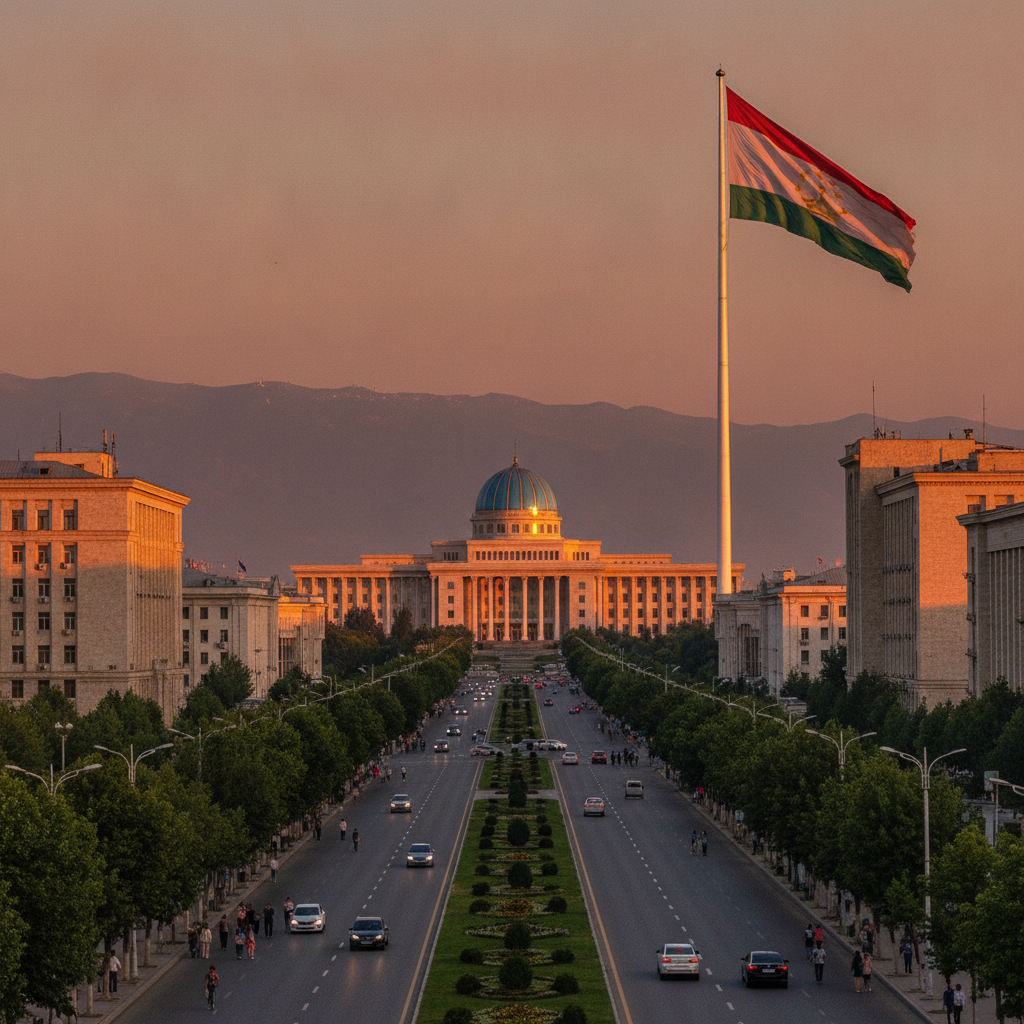
Dushanbe Architecture – Soviet Legacy & New Construction
The Dushanbe architectural heritage (the building of Dushanbe — the transformation of a small village (population 5,600 in 1920) into the capital city of the Tajik SSR and the post-Soviet capital of independent Tajikistan): the architectural heritage guide. The Soviet Dushanbe (Dushanbe was a small village in 1920 when it became the capital of the newly created Tajik Autonomous Oblast — the urban construction that followed transformed it into a Soviet planned city: the primary Soviet buildings: the Government House (the Tajik Soviet government headquarters on Rudaki Avenue — neoclassical Stalin-era building (1950s)): the Rudaki Theater (the Tajik State Academic Opera and Ballet Theater — a Stalinist neoclassical theater building on Rudaki Avenue (1940): the Victory Park (Ғалаба Боғи — the Soviet war memorial park on Proletarskiy Street: the Soviet architecture (the Dushanbe Soviet architecture is more modest than Tashkent or Almaty — the city received less investment as a peripheral Soviet capital: the post-independence construction (the Rahmon era (1992–present) has added a series of large-scale public buildings: the Kokhi Millat (Palace of Nations — 1999, expanded 2010): the National Library (2012): the Kohi Navruz convention center (2014): the Ismoil Somoni Monument (2000): the architectural style (the new Tajik public buildings combine Soviet neoclassical proportions with Islamic decorative elements — the carved ganch plaster ornamentation of the Kohi Navruz is the most elaborate example of traditional Tajik craftsmanship applied to a contemporary building).
- 5
The Vakhsh Valley – Cotton & Soviet Legacy
The Vakhsh Valley heritage (the primary agricultural valley of southern Tajikistan and the site of the Soviet-era cotton cultivation economy that shaped Tajikistan's demographics and environment): the Vakhsh Valley heritage guide. The Vakhsh Valley (the Vakhsh Valley (Водии Вахш) — the valley of the Vakhsh River in southern Tajikistan between the Tajik-Afghan border and the Nurek Reservoir: the cotton (the Vakhsh Valley is the primary cotton cultivation zone of Tajikistan: the Soviet cotton program (the Soviet agricultural authorities converted the Vakhsh Valley from a pastoral and orchard economy to a cotton monoculture in the 1930s–1950s: the Vakhsh Canal (the large-scale Soviet irrigation canal system of the Vakhsh Valley — the canals redirected the Vakhsh River flows to irrigate approximately 400,000 hectares of flat valley land for cotton: the Kurgan-Tyube city (the primary city of the Vakhsh Valley — population approximately 100,000): the contemporary agriculture (the post-Soviet transition brought a partial diversification away from cotton monoculture — the Vakhsh Valley now also produces wheat, vegetables, and fruits alongside cotton: the cotton sector still employs approximately 30% of the Tajik agricultural workforce: the Tajik aluminum industry (the TALCO aluminum smelter (Tajik Aluminum Company) in Tursunzoda (west of Dushanbe) is Tajikistan's largest industrial employer and primary hard-currency export earner after aluminum — TALCO uses approximately 40% of Tajikistan's total electricity production).
- 6
Tajikistan in 2025 – Reforms, Isolation & Future
The contemporary Tajikistan analysis (the current political, economic, and social condition of Tajikistan in 2025 — the most isolated country in Central Asia): the contemporary analysis. The isolation (Tajikistan is the most internationally isolated state in Central Asia — fewer Western tourists visit Tajikistan than any other former Soviet republic (excluding Turkmenistan): the primary barriers to tourism: the complex visa and GBAO permit system; the poor international flight connections (Dushanbe Airport has direct connections to Moscow, Almaty, Istanbul, and Dubai — but no direct connections to any Western European capital or North American city); the road infrastructure (the Pamir Highway is unpaved for significant sections and impassable in winter): the economic situation (Tajikistan is the poorest country in Central Asia and the poorest former Soviet republic by GDP per capita (approximately USD 1,200 per capita in 2024): the primary income sources: remittances from Russia (30–35% of GDP): aluminum exports (TALCO): hydroelectric power exports (limited): the IMF and development bank loans: the digital reform (since 2020 the Rahmon government has invested in digital infrastructure as an alternative income source — the International Financial Centre of Tajikistan (the IFCT) was established in Dushanbe in 2021 as a special economic zone for financial services): the future of Tajikistan (the primary future scenarios: the Rogun Dam completion (expected 2028–2032) will double Tajikistan's electricity production and enable large-scale electricity exports to Afghanistan and Pakistan via the proposed CASA-1000 power line: the China factor (the Tajik-Chinese economic relationship is growing — China is the primary investor in Tajikistan's mining sector and road infrastructure).
Walk this route with audio
Stories play automatically as you reach each stop — no tapping needed.
More in Dushanbe
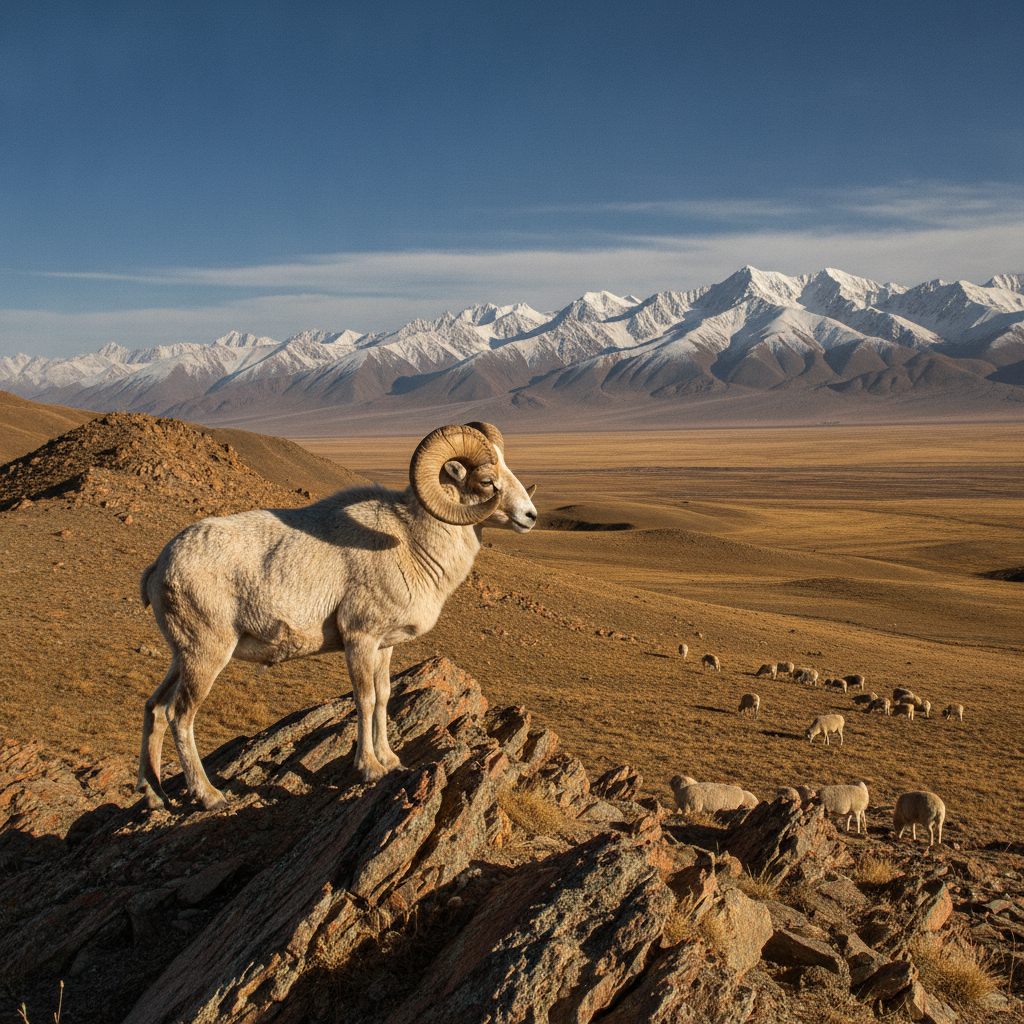
Ibn Sina's Germ Theory of Disease 1,000 Years Before Pasteur, Marco Polo Sheep Horns Reaching 190cm (the Largest of Any Sheep Species) & Tajik and Iranian Persian 90% Mutually Intelligible Despite Different Scripts
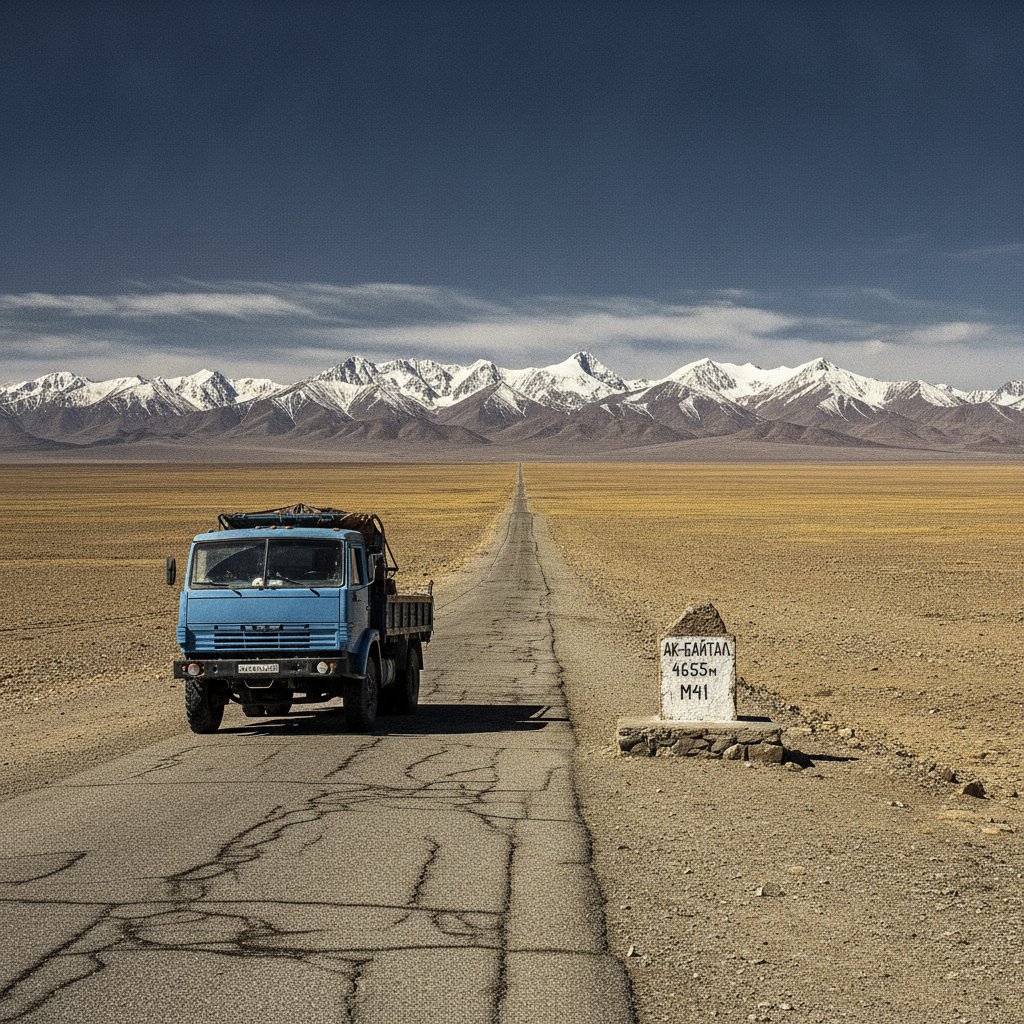
The Sogdian Penjikent Wall Paintings Showing Rustam Scenes 1,200 Years Before Ferdowsi's Shahnameh, Samanid Patronage Simultaneously Producing Rudaki and Ibn Sina & the Pamir Highway Ak-Baital Pass at 4,655m
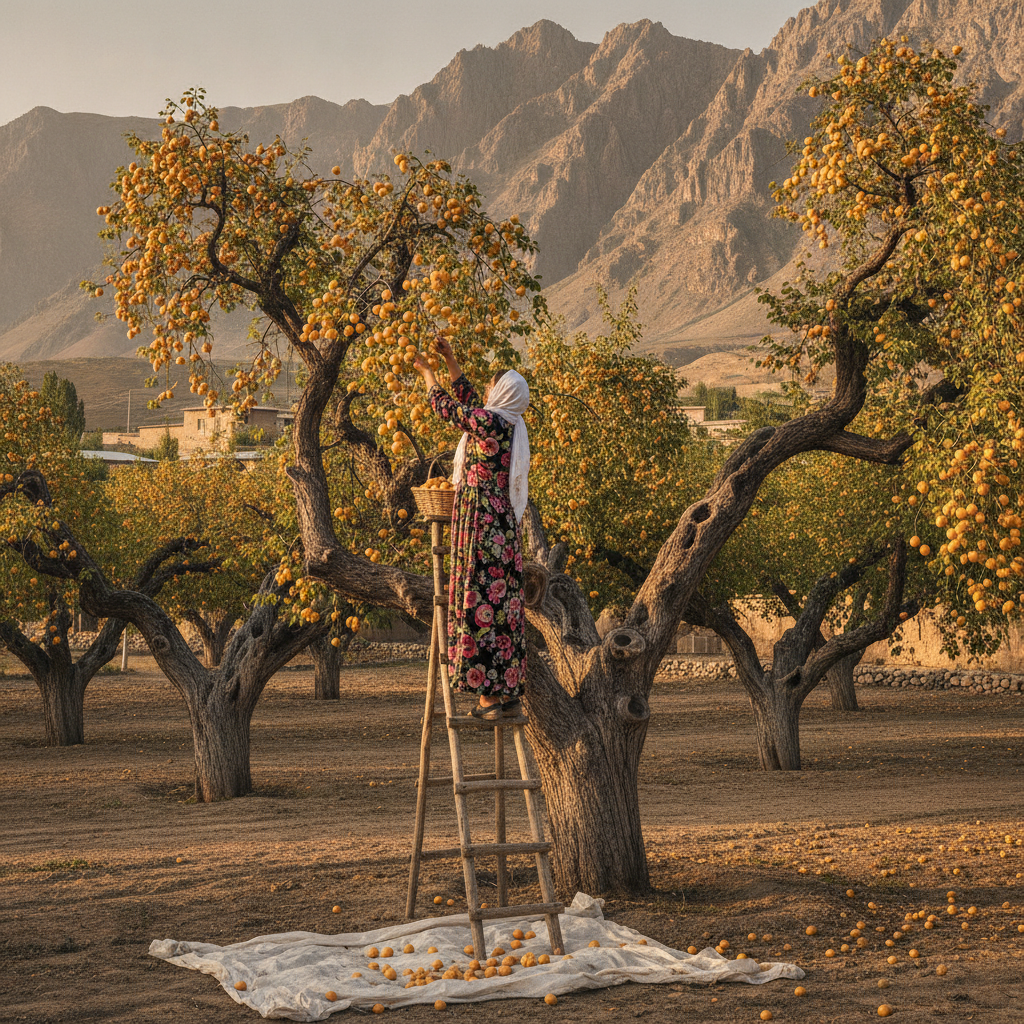
Ferdowsi's Shahnameh at 60,000 Couplets the Longest Single-Authored Epic in World Literature, Tajikistan's 150+ Apricot Varieties vs the 3-5 Commercial Varieties Globally & Penjikent Directly Route via Uzbekistan Requires a Transit Visa
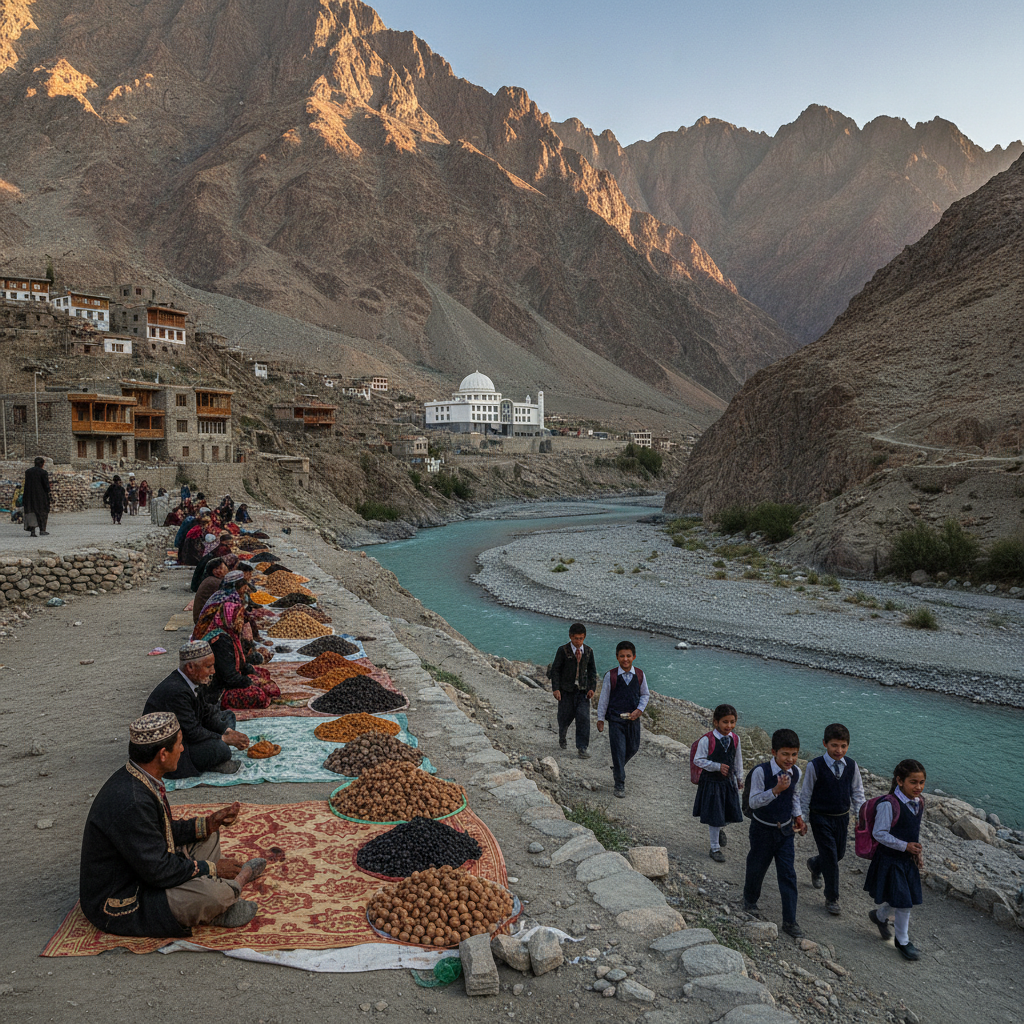
The Sogdian 4th-Century Merchant Letters the Earliest Documentary Evidence of Long-Distance Private Commerce, the Rogun Dam at 335m Would Beat the Jinping-I by 30m & Pamiri Languages Descended from Scythian Not Persian