Durban History: Pietermaritzburg, the Anglo-Zulu War Battlefields, Midlands Meander, and the Sardine Run
Durban region history and nature: Pietermaritzburg capital and the Gandhi train station, the Isandlwana and Rorkes Drift battlefields, the Midlands Meander arts route, the Howick Falls and the Mandela arrest site, the KZN Sharks Board, and the sardine run spectacle.
- 1
Pietermaritzburg - The Capital of KwaZulu-Natal and the Gandhi Train Station
Pietermaritzburg: the capital city of KwaZulu-Natal province, approximately 80 km west of Durban. The Pietermaritzburg railway station: the station where Mahatma Gandhi was thrown off the first-class train carriage in June 1893 by a railway official because of his race. Gandhi spent the night at the station contemplating whether to return to India or stay and fight racial discrimination; he chose to stay. This moment is considered the pivot point that created Gandhi the political activist. The City Hall of Pietermaritzburg (the largest red brick building in the southern hemisphere): one of the finest colonial Victorian buildings in South Africa. The Tatham Art Gallery (in the former Pietermaritzburg Supreme Court building): one of the most significant regional art galleries in South Africa.
- 2
The Battlefields of Isandlwana and Rorkes Drift
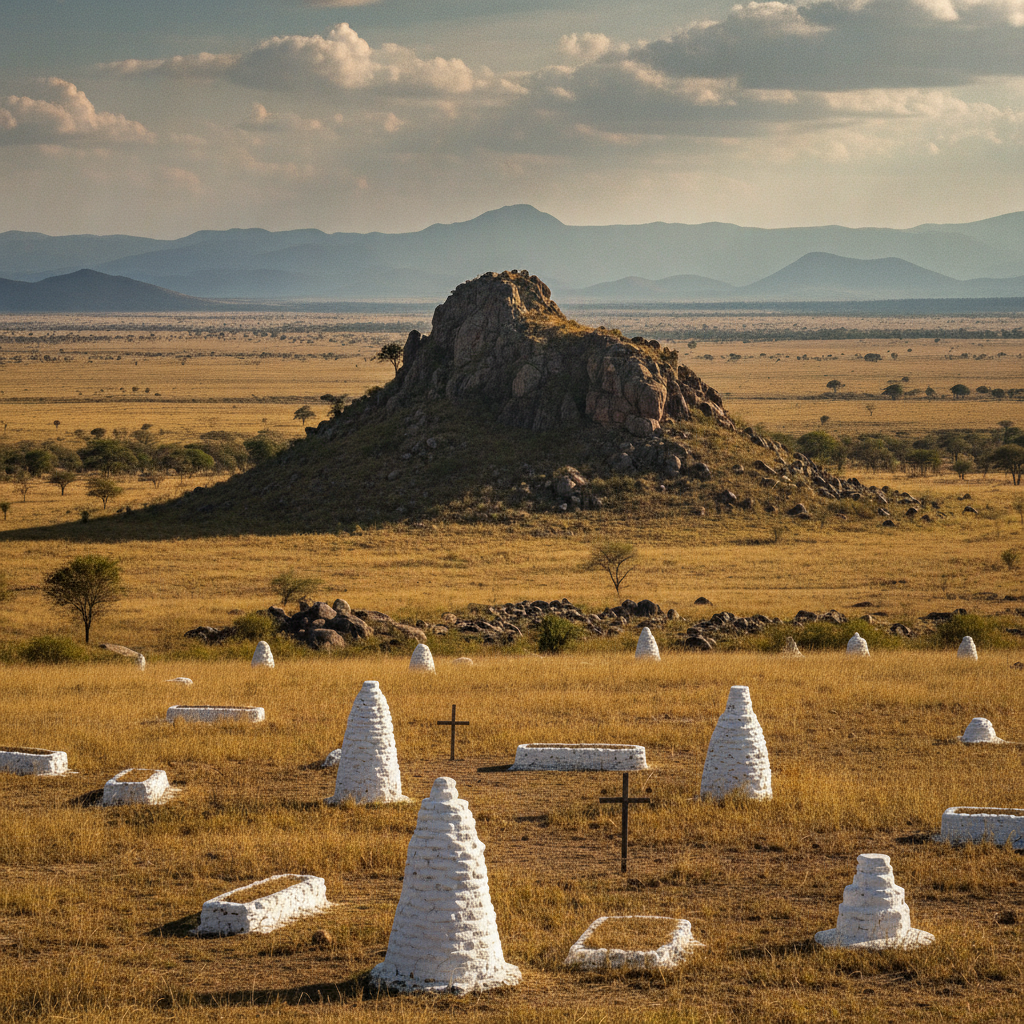
The Anglo-Zulu War battlefields (approximately 2.5-3 hours northwest of Durban): the most historically significant battlefield sites in South Africa. Isandlwana (22 January 1879): the British colonial force of approximately 1,800 men (including 1,300 regular British Army soldiers) was attacked by a Zulu force of approximately 20,000-25,000 warriors and approximately 1,300 British soldiers were killed. The battlefield retains its original appearance and the cairns marking the mass British graves are still visible. Rorkes Drift (22-23 January 1879): in the immediate aftermath of Isandlwana, a Zulu force of approximately 3,000-4,000 warriors attacked the British supply depot at Rorkes Drift. 150 British soldiers (including many who were sick) defended the mission station and repelled the attack. 11 Victoria Crosses were awarded for the defense of Rorkes Drift (the most VCs awarded for a single action in British military history). The film Zulu (1964, starring Michael Caine) depicts the Battle of Rorkes Drift.
- 3
The Midlands Meander - Art Studios, Cheese Farms, and the KZN Interior
The Midlands Meander: the arts and crafts route through the KwaZulu-Natal midlands (the rolling green hills between Durban and the Drakensberg, approximately 60-140 km from Durban). Approximately 200 studios, farms, and attractions along the Midlands Meander including pottery studios, weavers, cheese farms (the Dargle Valley and Mooi River area cheeses are the finest artisan cheeses in South Africa), trout fishing, and Zulu craft markets. Nottingham Road: the primary village on the Midlands Meander, with the Nottingham Road Hotel (one of the oldest continuously operating hotels in South Africa). The Howick Falls (approximately 95 km from Durban near the town of Howick): a 111-meter waterfall on the Umgeni River; the Howick Falls Viewpoint overlooks the site where Nelson Mandela was arrested on 5 August 1962 (a roadside plaque marks the site on the R103 near Howick).
- 4
The Sharks Board and Durban Marine Life
The KwaZulu-Natal Sharks Board (the primary marine safety authority for the KwaZulu-Natal coast): the organization that deploys and maintains the shark nets protecting the Durban beaches. The shark net program (deployed since 1952): the nets have dramatically reduced shark attack fatalities but the nets also entangle and kill non-target species including dolphins, sea turtles, and other shark species; the program is controversial from a marine conservation perspective. The Sharks Board museum (in Umhlanga Rocks, approximately 20 km north of Durban): dissection presentations of sharks caught in the nets, the most direct educational experience about shark ecology. The Durban marine environment: the warm Agulhas Current (flowing south along the KwaZulu-Natal coast) supports rich coral reef systems and the annual sardine run (one of the most spectacular marine wildlife events on earth: approximately June-July, the billions of sardines migrating along the KZN coast are followed by sharks, dolphins, gannets, and whales).
- 5
The Sardine Run - The Greatest Shoal on Earth
The sardine run (approximately June-July each year): the mass migration of the South African sardine (Sardinops sagax) from its winter breeding grounds in the Western Cape northward along the KwaZulu-Natal coast. The sardine shoals can be enormous (estimated 1 billion individual fish in a single shoal). The sardine run is one of the most dramatic wildlife spectacles on earth: the sardines are pursued by thousands of common dolphins (often 5,000-10,000 dolphins in a single aggregation), bronze whaler sharks, dusky sharks, hammerhead sharks, Bryde whales, Cape gannets (diving at high speed from altitude to catch sardines), and South African fur seals. The dolphins herd the sardines into bait balls at the surface using a cooperative hunting technique; the sharks and gannets attack the bait balls from above and below. Dive operators in Port St Johns and Coffee Bay (the Transkei Wild Coast) operate sardine run dive tours.
- 6
Durban Legacy and Complete KZN Travel Reference
Durban complete reference. Historical summary: Durban (Port Natal, founded by the British 1824, renamed Durban 1835): the primary entry point for the British in KwaZulu-Natal; the site of the most significant Zulu military victory over British colonial forces (Isandlwana 1879); the city that shaped Mahatma Gandhi into a global political leader (1893-1914); the largest Indian community outside India; the largest port in Africa. Route 1: Durban port, Indian heritage (Victoria Street Market, Gandhi Settlement), Golden Mile, uShaka Marine World, iSimangaliso UNESCO, Zulu culture, Bunny Chow guide. Route 2: Drakensberg day trip, Valley of a Thousand Hills, sugar cane history, Moses Mabhida Stadium, gqom music. Route 3 (this route): Pietermaritzburg (Gandhi train station, City Hall), Battlefields (Isandlwana and Rorkes Drift), Midlands Meander, Howick Falls (Mandela arrest site), Sharks Board marine safety, the sardine run. Climate: subtropical (humid summers 28-32 Celsius, mild winters 20-22 Celsius). Best time to visit: June-September (dry, less humid, sardine run possible). Essential street food: Bunny Chow (half loaf bean curry for vegetarians, mutton curry for the traditional choice).
Walk this route with audio
Stories play automatically as you reach each stop — no tapping needed.
More in durban
Durban Final Legacy: Wild Coast, Whale Watching, Durban vs Cape Town, the Berea, and the Complete KwaZulu-Natal Reference
Durban Food and Nightlife: Bunny Chow, Victoria Street Market, Umhlanga, Wilson Wharf, and the Gqom Club Scene
Durban Heritage: San Rock Art, the Zulu Kingdom, isiZulu Culture, Hluhluwe-iMfolozi White Rhino Conservation, and KZN Midlands
Durban: The African Port City, Indian Heritage, Bunny Chow, Zulu Culture, and iSimangaliso