Durban Food and Nightlife: Bunny Chow, Victoria Street Market, Umhlanga, Wilson Wharf, and the Gqom Club Scene
Durban food and entertainment: the Indian curry tradition and Bunny Chow origins, the Victoria Street Market spice section, Grey Street and Juma Mosque, Umhlanga Rocks coastal resort, Wilson Wharf harbour dining, Florida Road nightlife, gqom electronic music scene, and the Durban July fashion race day.
- 1
Durban Indian Food Deep Dive - Bunny Chow, Samoosas, and the Curry Tradition
The Durban curry tradition: the most distinctively spiced food culture in South Africa, with roots in the cooking traditions of Tamil and Hindi speaking workers from South India and Bihar. The Durban curry uses fresh spices (fresh ginger, fresh garlic, fresh chilies) and is hotter than the Cape Malay tradition. The Bunny Chow: the best Bunny Chow in Durban (the original Patel vegetarian restaurant in the Grey Street area is considered by many the gold standard; the Sunrise Chip n Ranch is famous for the vegetable bunny; the Capsicum restaurant in Stamford Hill for a more contemporary version). The samoosa (the South African spelling of samosa): the deep-fried pastry filled with spiced potato and pea mixture or minced meat, the most ubiquitous South African snack. The roti canai (the flat bread of the Durban Indian community, made from wheat flour and eaten with curry).
- 2
The Victoria Street Market and Grey Street Mosques
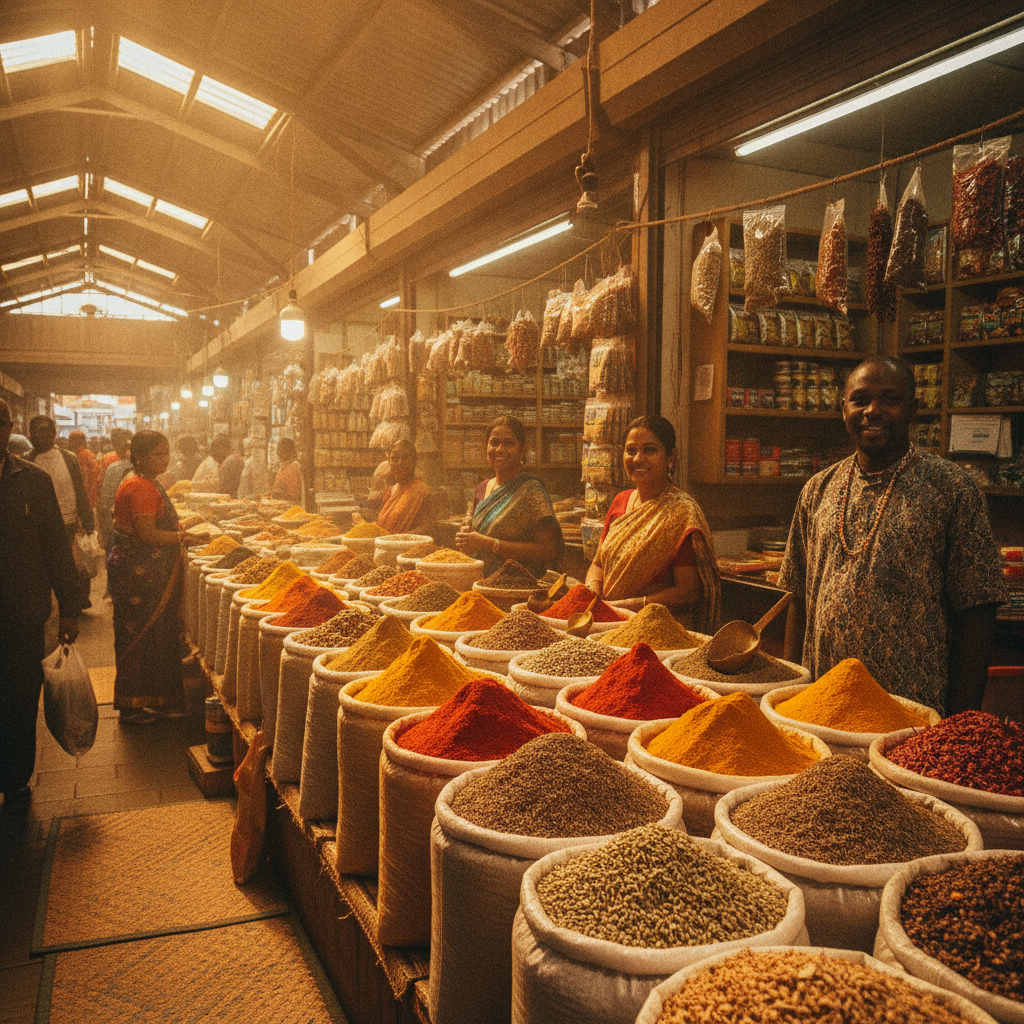
The Victoria Street Market (the largest indoor market in the southern hemisphere): the primary market of the Durban Indian community. The ground floor spice section: the most visually and aromatically intense market experience in South Africa, with enormous burlap sacks of spices (cumin, coriander, turmeric, chili, fenugreek), the dried fish counter, and the traditional medicine (muti) vendors. The upper floors: fabric and clothing. The Grey Street area (the central Durban Indian commercial district): the Juma Mosque (the largest mosque in the southern hemisphere, with a capacity of approximately 6,000 worshippers), the Emmanuel Cathedral, and the dense commercial fabric of Indian-owned shops. The Warwick Triangle (the area around the Warwick bus terminus): the most chaotic and authentic informal market experience in Durban, where the taxi ranks, street vendors, and traditional medicine sellers converge.
- 3
Umhlanga Rocks - The Upscale Coastal Resort North of Durban
Umhlanga Rocks (approximately 20 km north of Durban): the primary upscale coastal resort area of Durban and one of the most desirable residential areas in South Africa. The Gateway Theatre of Shopping (Umhlanga): the largest shopping mall in the southern hemisphere by retail space (approximately 155,000 square meters of retail space). The Umhlanga Lighthouse (the distinctive red and white striped lighthouse on the beach): the most photographed landmark in Umhlanga. The Umhlanga beach (a less crowded alternative to the Durban Golden Mile: cleaner water, less commercial). La Lucia and Umhlanga Ridge: the upscale residential area north of the original Umhlanga Rocks village where many South African corporate headquarters have relocated from Johannesburg.
- 4
Wilson Wharf and the Durban Harbour Waterfront
The Wilson Wharf (the Victoria Embankment waterfront area): Durban answer to Cape Town V and A Waterfront, though considerably smaller in scale. The restaurants and bars on the Wilson Wharf: the primary upscale waterfront dining and entertainment area in Durban. The views of the Durban container port from the Victoria Embankment: the harbour of Durban handles approximately 2.5 million TEU (twenty-foot equivalent units) of container traffic annually, making it the busiest container port in sub-Saharan Africa. The Natal Maritime Museum (on the Victoria Embankment): the minesweeper SAS Durban and the tug J.R. More are docked at the museum jetty as floating exhibits. The Point area (the southern promontory of the Durban beachfront, adjacent to uShaka Marine World): the historic Point development area with the Point Waterfront being an ongoing mixed-use development.
- 5
Durban Nightlife - The Beachfront Clubs and the House Music Scene
Durban nightlife: the beachfront strip (Florida Road in Morningside is the primary nightlife street of Durban: the concentrated bar, restaurant, and club strip of the upscale Morningside area). The Durban house music and gqom scene: Durban has developed one of the most distinctive club music cultures in Africa. The gqom (dark, minimal electronic music with tribal percussion) is the Durban club sound that has influenced international DJs and producers since approximately 2016. Timber Nightclub, the Phansi Phezulu events, and the underground events in Umbilo and Clermont are the primary gqom and house music events. The Cape Town vs Durban nightlife debate: Durban nightlife is less internationally visible but more authentically local and township-influenced than the Cape Town club scene. The Durban July (the Vodacom Durban July horse racing event at the Greyville Racecourse, held the first Saturday of July): the most significant social event in the Durban annual calendar, a fashion spectacle as much as a horse racing event.
- 6
Durban Four-Route Complete Summary and KZN Practical Guide
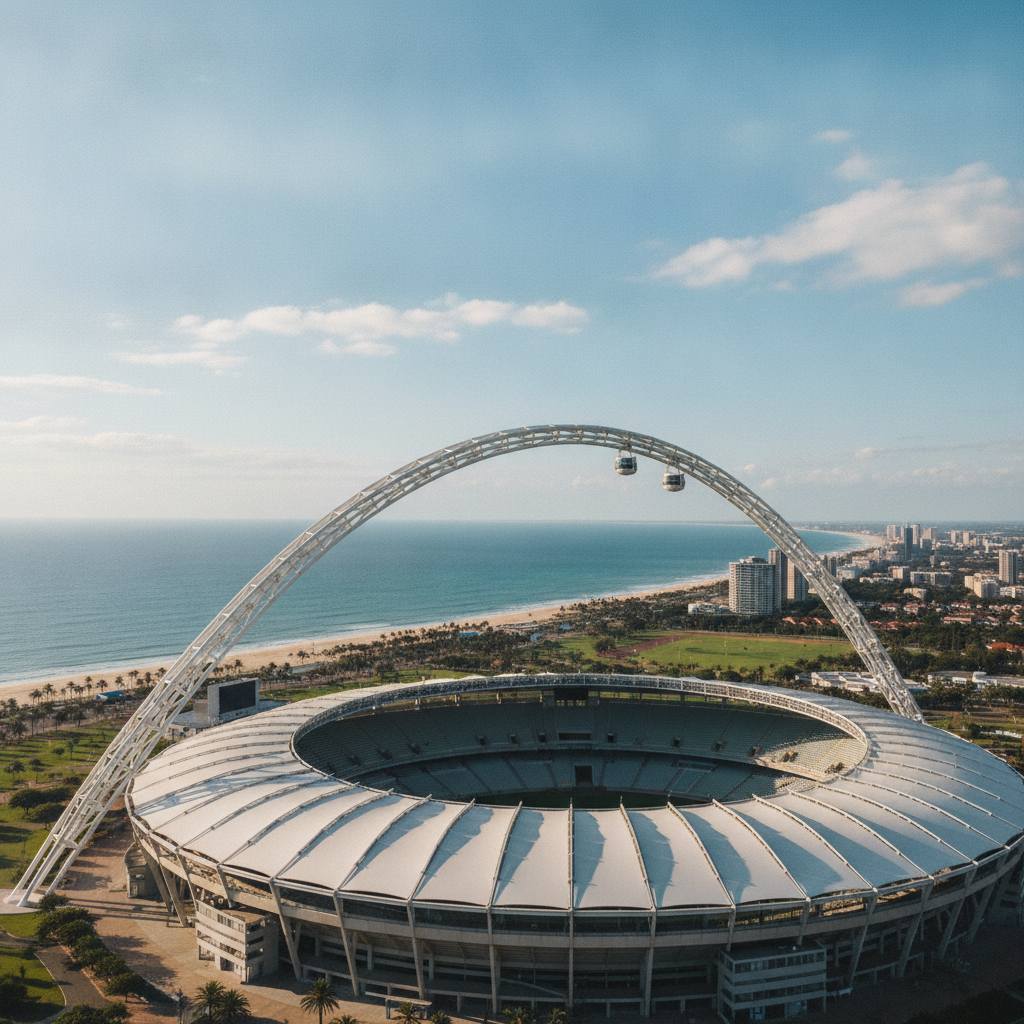
Durban four routes complete. Route 1: Durban port and Indian heritage, Victoria Street Market, Gandhi, Golden Mile, uShaka Marine World, iSimangaliso UNESCO, Bunny Chow. Route 2: Drakensberg, Valley of a Thousand Hills, sugar history, Moses Mabhida Stadium, gqom. Route 3: Pietermaritzburg, Gandhi train station, Isandlwana and Rorkes Drift battlefields, Midlands Meander, Howick Falls (Mandela arrest site), sardine run. Route 4 (this route): Durban Indian food (Bunny Chow, curry, samoosas, roti), Victoria Street Market spice section, Grey Street and Juma Mosque, Umhlanga Rocks upscale resort, Wilson Wharf, Florida Road nightlife, gqom club scene, the Durban July. Practical note: Durban is significantly safer than Johannesburg for international visitors in its core tourist areas (beachfront, Umhlanga, Morningside, the harbour waterfront). The Golden Mile area can be problematic after dark. Uber is the recommended transport. The subtropical climate makes Durban extremely uncomfortable during the December-January humid summer months (30+ Celsius with high humidity); May-September is significantly more comfortable for tourism.
Walk this route with audio
Stories play automatically as you reach each stop — no tapping needed.
More in durban
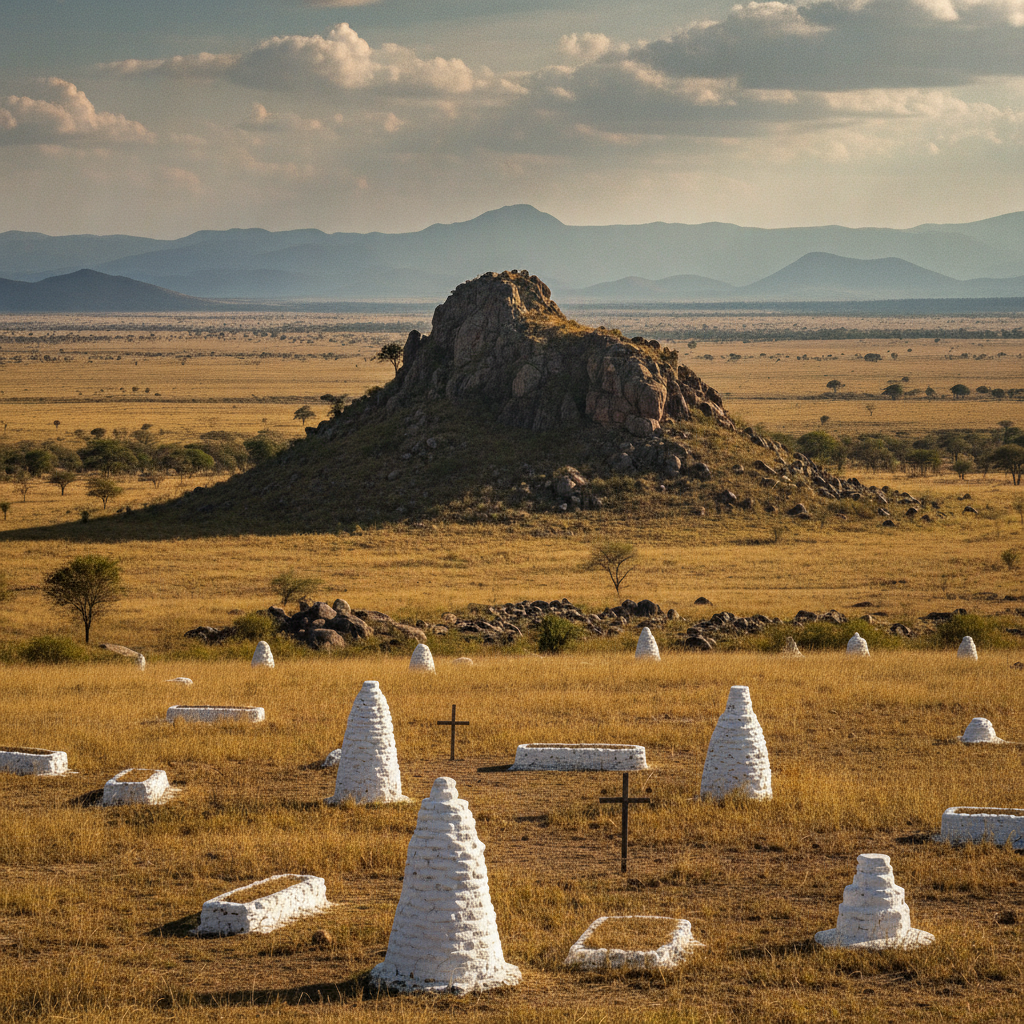
Durban History: Pietermaritzburg, the Anglo-Zulu War Battlefields, Midlands Meander, and the Sardine Run
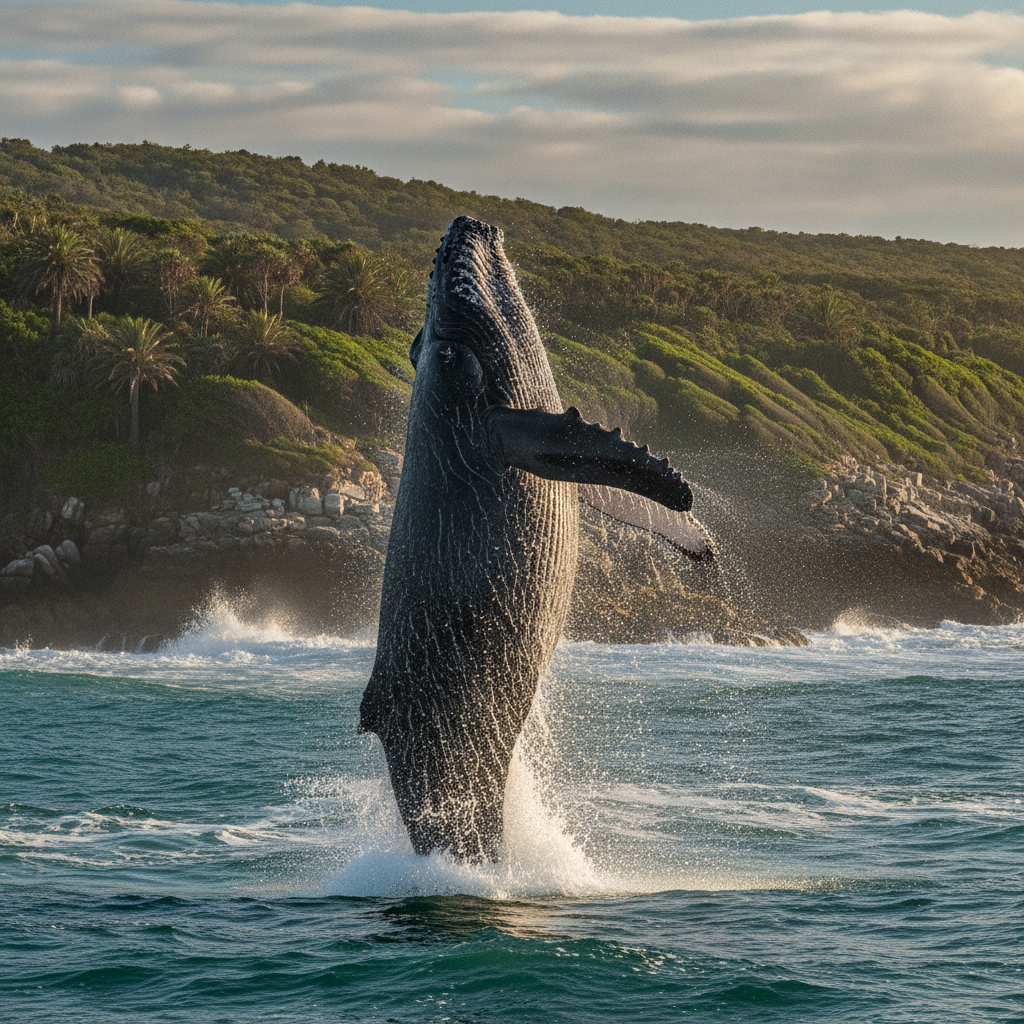
Durban Final Legacy: Wild Coast, Whale Watching, Durban vs Cape Town, the Berea, and the Complete KwaZulu-Natal Reference
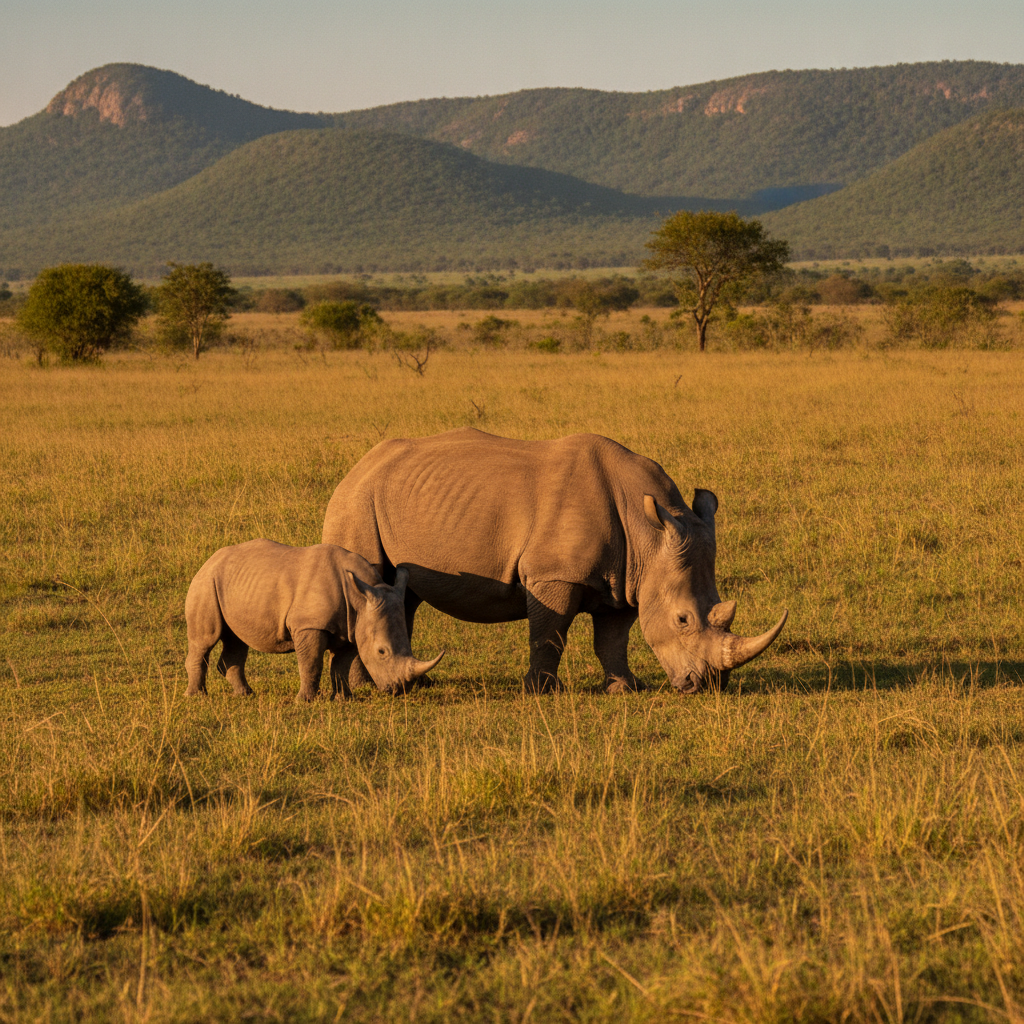
Durban Heritage: San Rock Art, the Zulu Kingdom, isiZulu Culture, Hluhluwe-iMfolozi White Rhino Conservation, and KZN Midlands
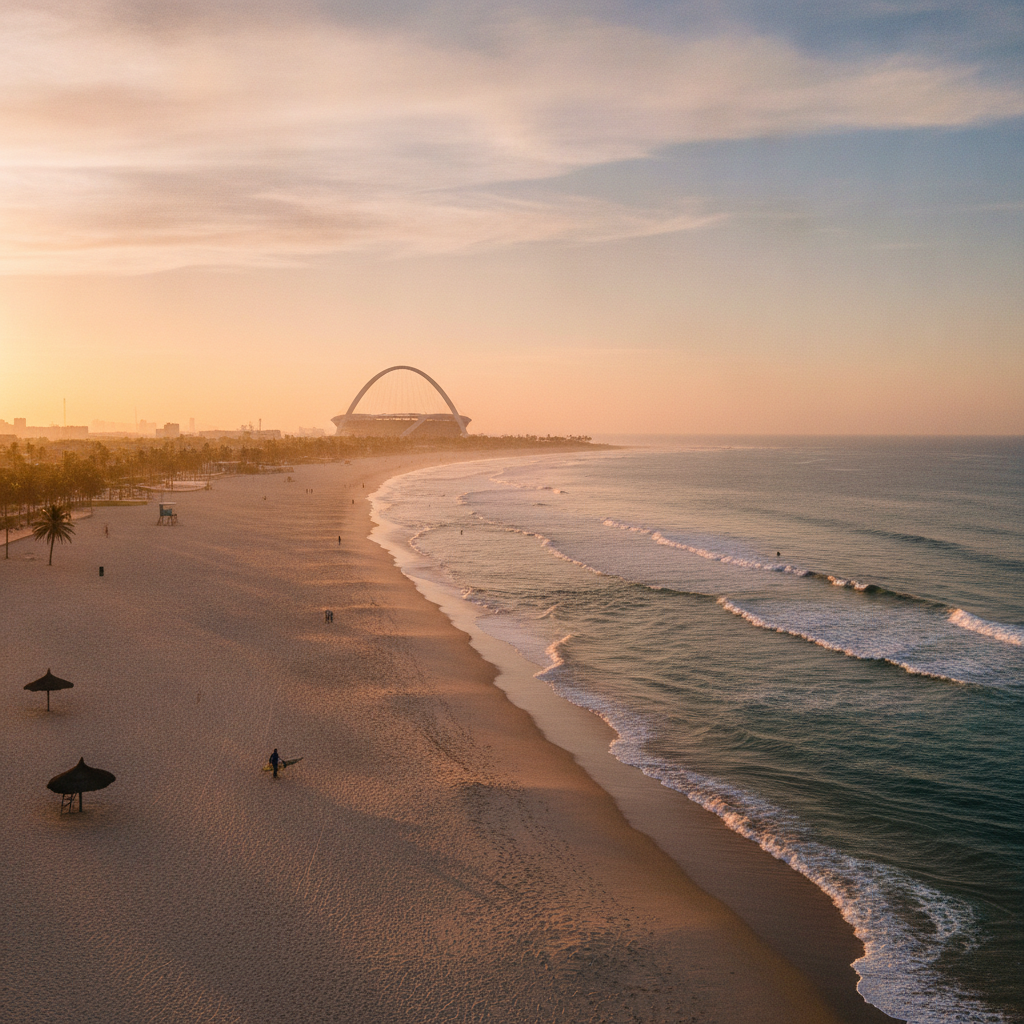
Durban: The African Port City, Indian Heritage, Bunny Chow, Zulu Culture, and iSimangaliso