Elafiti Islands Day Trip — Lopud, Sipan & the Best Beach Near Dubrovnik
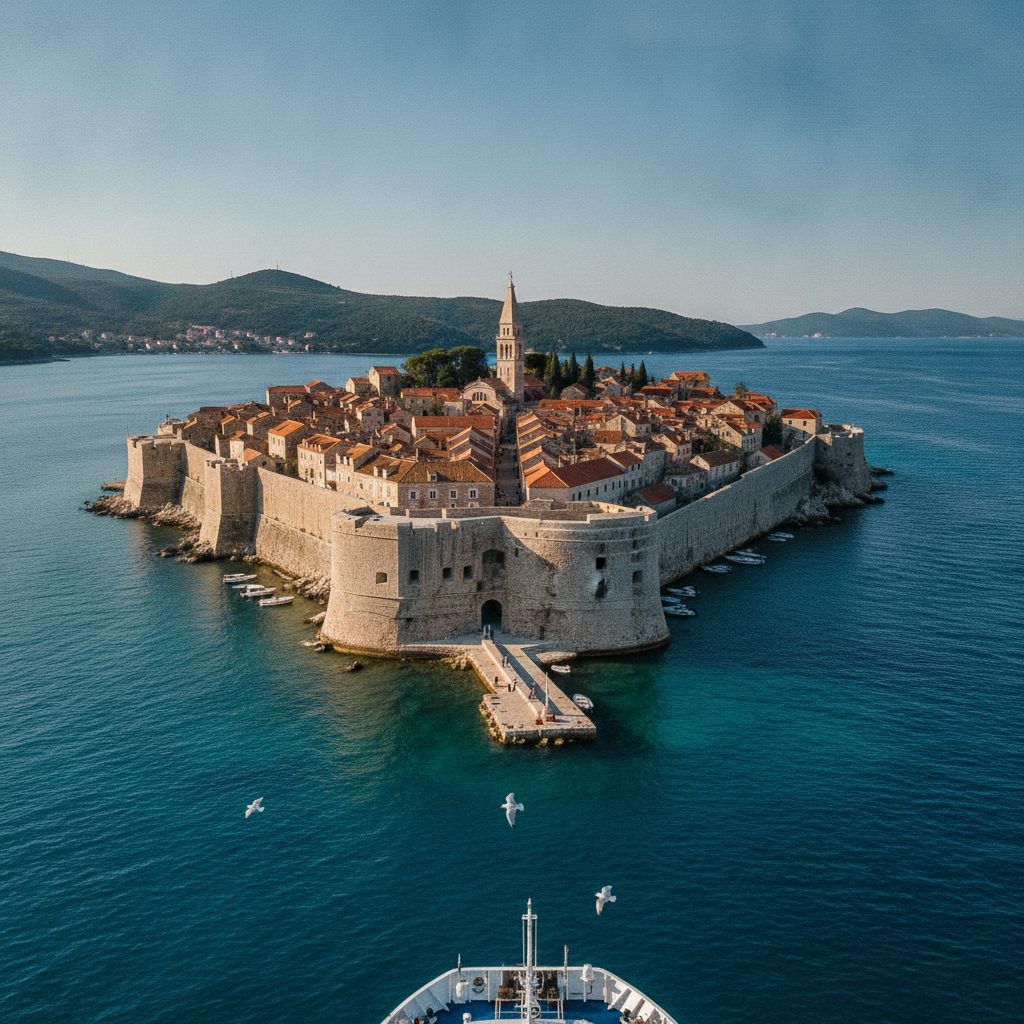
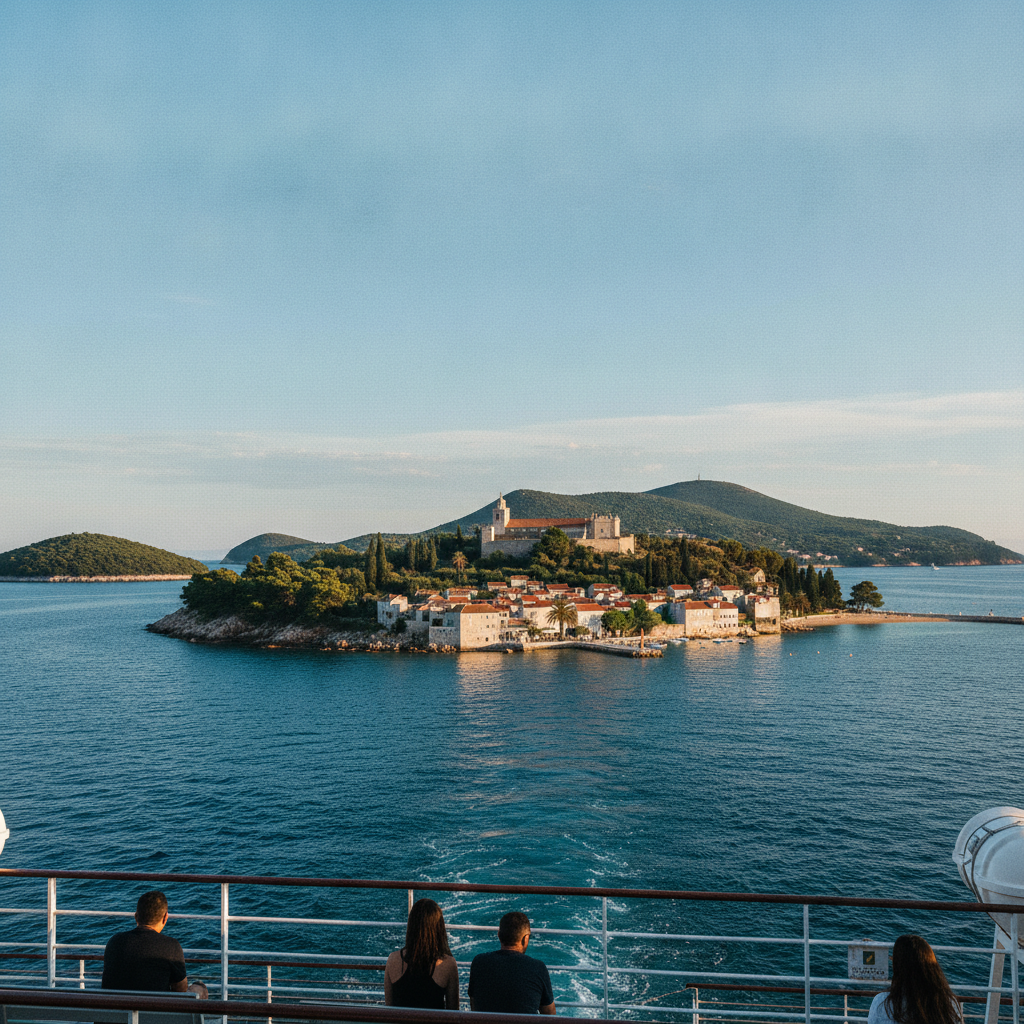
The Elafiti Islands (the archipelago of 13 islands northwest of Dubrovnik, the three inhabited ones — Kolocep, Lopud, and Sipan — accessible by regular ferry from Dubrovnik Old Port, Jadrolinija car ferry operating year-round with 2-4 daily departures, the furthest island Sipan 75 minutes from Dubrovnik) are the correct day-trip destination from Dubrovnik for a quieter, less-commercialized Adriatic island experience than Korcula, Brac, or Hvar.
- 1
Lopud — the Car-Free Island and Sunj Beach
Lopud (the middle Elafiti island, 4.6km long, car-free — the only motorized vehicles are the island's single ambulance and the local tractor — population 200 permanent residents, ferry from Dubrovnik in 50 minutes) is the most visitor-friendly of the Elafiti islands. The Sunj Beach (the only genuinely sandy beach in the Dubrovnik area, accessible by walking 20 minutes across the island from the ferry dock or by the electric golf cart shuttle at €5 per person, the 300m-long sandy beach with the crystal-clear shallow water of the bay, the only significant sand beach within 50km of Dubrovnik) is the main reason to visit. The Renaissance palazzo ruins (the 16th-century summer palace of the Ragusan nobleman Miho Pracatovic, the remains of the loggia and garden wall visible from the waterfront path) and the Franciscan Monastery (the 15th-century monastery at the north end of the village with the cloister garden of citrus trees still maintained by 2 remaining friars) are the island's architectural elements.
- 2
Sipan — the Largest Elafiti Island with Summer Palaces
Sipan (the largest of the Elafiti islands, 17km long, the furthest from Dubrovnik — 75 minutes by ferry, 2 services daily, arriving at Sipanska Luka on the west coast or Sudurad on the east coast) is the least visited and most agriculturally intact of the three islands. The summer palaces of the Ragusan nobility (the 16th-century stone villas built by the merchant families of the Republic of Ragusa as their summer retreats — more than 40 Renaissance villas on a single small island, the highest concentration of Renaissance summer palaces in Dalmatia, most now converted to private holiday rentals or in various states of ruin) and the olive groves (the Sipan olive oil, the local production of extra-virgin olive oil from the centenarian olive trees on the island's hillsides, sold directly from the producers at the Sipanska Luka waterfront at €15-20 per 500ml) represent the island's cultural and agricultural heritage.
- 3
Kolocep — the First Island, the Caves and the Brackish Lake
Kolocep (the nearest Elafiti island to Dubrovnik, 7km northwest of the city, 30 minutes by ferry, the smallest of the three inhabited islands at 2.35km squared, population 150) is the correct choice for a half-day excursion: the island is small enough to walk completely around in 2 hours. The sea cave at Gornje Celo (the underwater cave accessible to snorkellers from the beach at the north end of the island, the cave entrance at 1m depth, the interior extending 20m, the bioluminescence of the cave walls at midday when the sun angle is correct) and the freshwater spring at Donje Celo (the cave spring on the beach at the south end of the island, the mixing of fresh groundwater with the salt sea producing the brackish swimming area known for its skin-softening properties, the traditional bathing site for generations of Dubrovnik residents) are the island's most unusual natural features.
- 4
Mljet National Park — the Green Island of Two Lakes
Mljet Island (the island 45km northwest of Dubrovnik, the western section comprising Mljet National Park, accessible by the G&V Line fast catamaran from Dubrovnik Old Port in 1 hour 30 minutes, €35 round-trip, or by Jadrolinija ferry via Korcula in 2 hours 30 minutes, park entry €15 adults included in the boat ticket for most operators) is the best full-day excursion from Dubrovnik beyond the Elafiti islands. The national park (the 54km squared protected area comprising the two interconnected saltwater lakes — Malo Jezero and Veliko Jezero — the lakes connected to the sea by the Mali Most channel, the lake waters warmer and calmer than the Adriatic, the best inland sea swimming in Dalmatia) and the Benedictine monastery on the island in the centre of Veliko Jezero (built 1151, still inhabited, accessible only by boat, the monastery restaurant serving fresh lobster and locally caught fish at €35-60 per person) are Mljet's essential experiences.
- 5
Dubrovnik Old Port — the Ferry Departure Hub
Dubrovnik Old Port (the Stara Luka, the original inner harbour of the Republic of Ragusa, enclosed by the city walls on three sides and the Old Town mole on the south, the departure point for all island ferries, water taxis to Lokrum, and sea-kayak tours, accessible through the Ploce Gate from the Old Town or from the eastern sea wall walk) operates as both a working harbour and a tourist hub — the Jadrolinija ferry desk (the Croatian national ferry company, the cheap option for Elafiti island access at €4-6 one-way, the schedule fixed at 7am, 11am, 2pm, and 5pm departures in summer, return boats at 9am, 1pm, 4pm, and 7pm), the G&V Line catamaran (the faster but more expensive option at €15-20 one-way, the island-hopping day-pass at €35-45 covering all three Elafiti islands), and the private boat charter operators (the wooden motor boats available for private half-day charters at €300-500, the typical circuit being the Blue Cave below Mrcaru, the Kolocep sea cave, Sunj Beach at Lopud, and return via the Lopud channel) are the three tiers of Elafiti island access.
- 6
Cavtat — the Ragusan Town South of Dubrovnik
Cavtat (the town 18km south of Dubrovnik, the site of the ancient Greek and Roman city of Epidaurum, the predecessor of Dubrovnik, accessible by taxi boat from Dubrovnik Old Port in 30 minutes at €15 return or by bus 10 from the Pile Gate bus stop in 40 minutes at €2, the Riviera Cavtat the most pleasant swimming area immediately south of Dubrovnik) is the correct escape from the Old Town crowds without committing to a full island day trip. The Racic Mausoleum (the funerary monument by Ivan Mestrovic, Croatia's most celebrated 20th-century sculptor, built 1921 on the Rat peninsula above the harbour, the interior of the mausoleum visible through the bronze doors at certain hours, €8 adults) and the Vlaho Bukovac Gallery (the birthplace and studio of the Croatian Impressionist painter Vlaho Bukovac, 1855-1922, who painted the portraits of European royalty and donated the studio to Cavtat as a museum, €5 adults, Tuesday-Sunday 9am-1pm and 5-8pm) are Cavtat's cultural elements above its function as a beach-and-aperitivo resort.
Walk this route with audio
Stories play automatically as you reach each stop — no tapping needed.
More in dubrovnik
Dubrovnik Old Town — the Medieval City Walls, the Stradun & the Pearl of the Adriatic
Game of Thrones in Dubrovnik — King's Landing Filming Locations
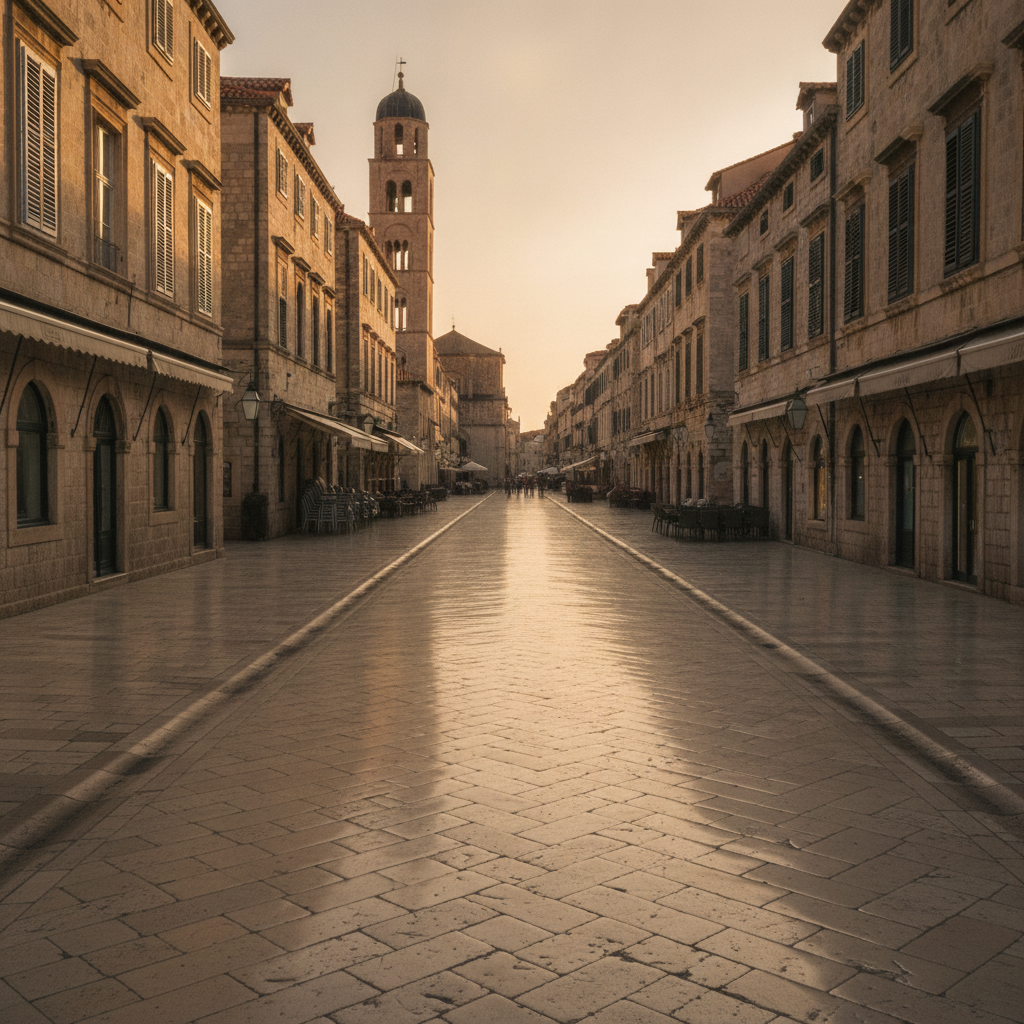
Dubrovnik Practical Guide — Crowds, Seasons, the Dubrovnik Pass & Local Food
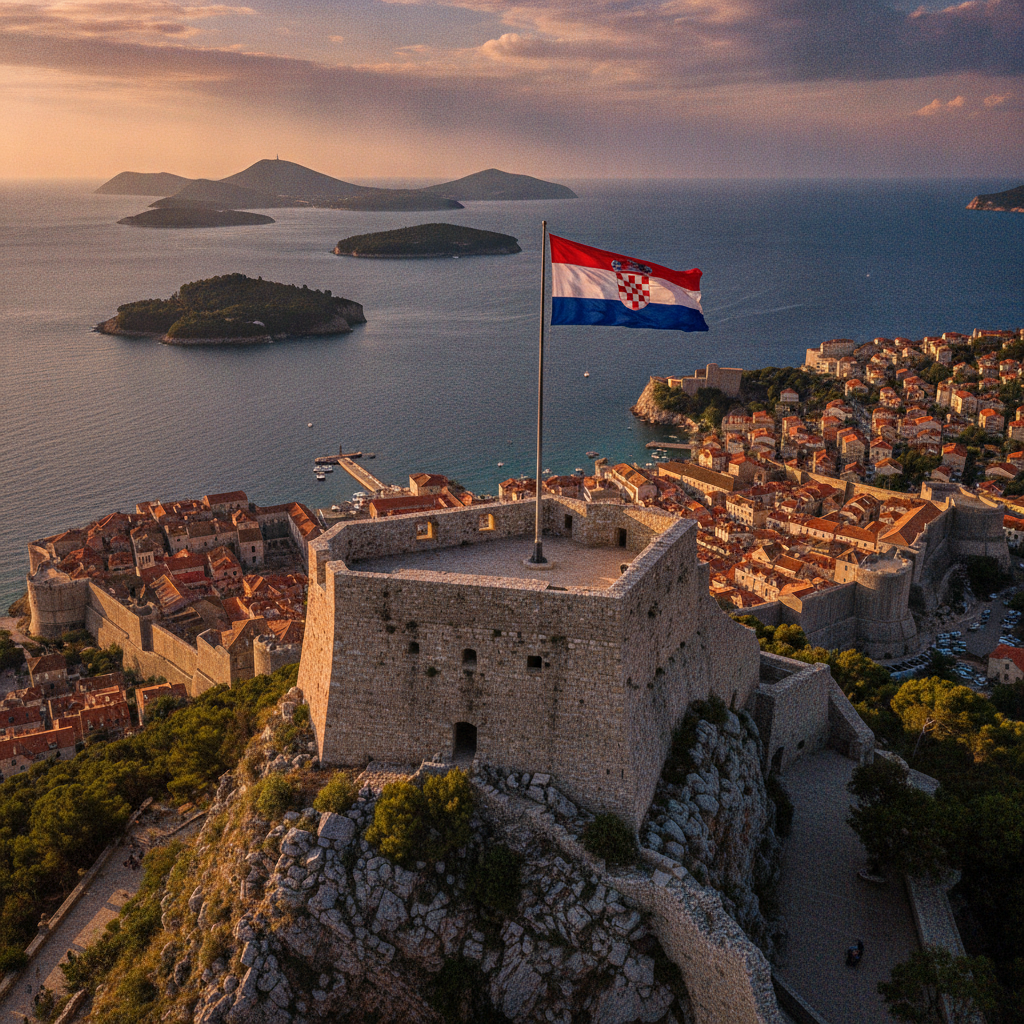
Mount Srd — Cable Car, Fort Imperial & the 1991 Homeland War Museum