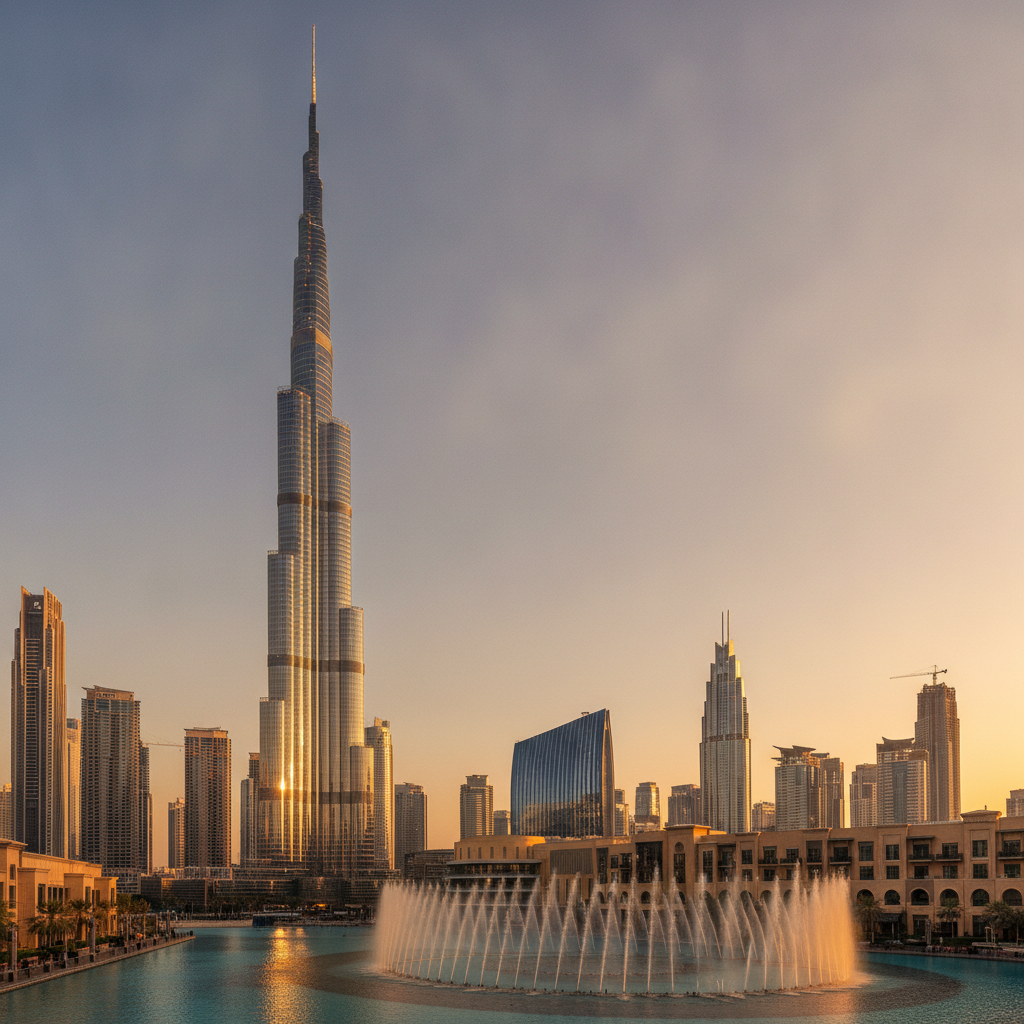
Business Bay, Dubai Canal & Design District: The Creative and Commercial New Center
Business Bay, a 64-million-square-foot mixed-use development between Downtown Dubai and the Ras Al Khor wildlife sanctuary, is Dubai's primary commercial real estate district outside Downtown: 240 towers planned (approximately 170 built), housing financial services firms, professional services companies, and the headquarters of international businesses that prefer Business Bay's connectivity (Dubai Metro Business Bay station, Sheikh Zayed Road) to Downtown's higher rents. The Dubai Water Canal (2016), a 3.2-kilometer inland waterway excavated through Business Bay, Safa Park, and the Jumeirah coastal district, connects Business Bay to the Arabian Gulf and created 6.4 kilometers of new canal-front walking and cycling promenade. Adjacent to Business Bay: the Dubai Design District (D3), a creative hub for fashion, design, and technology companies — 100+ studios, showrooms, and ateliers across 10 buildings.
- 1
Business Bay Promenade — The Canal District
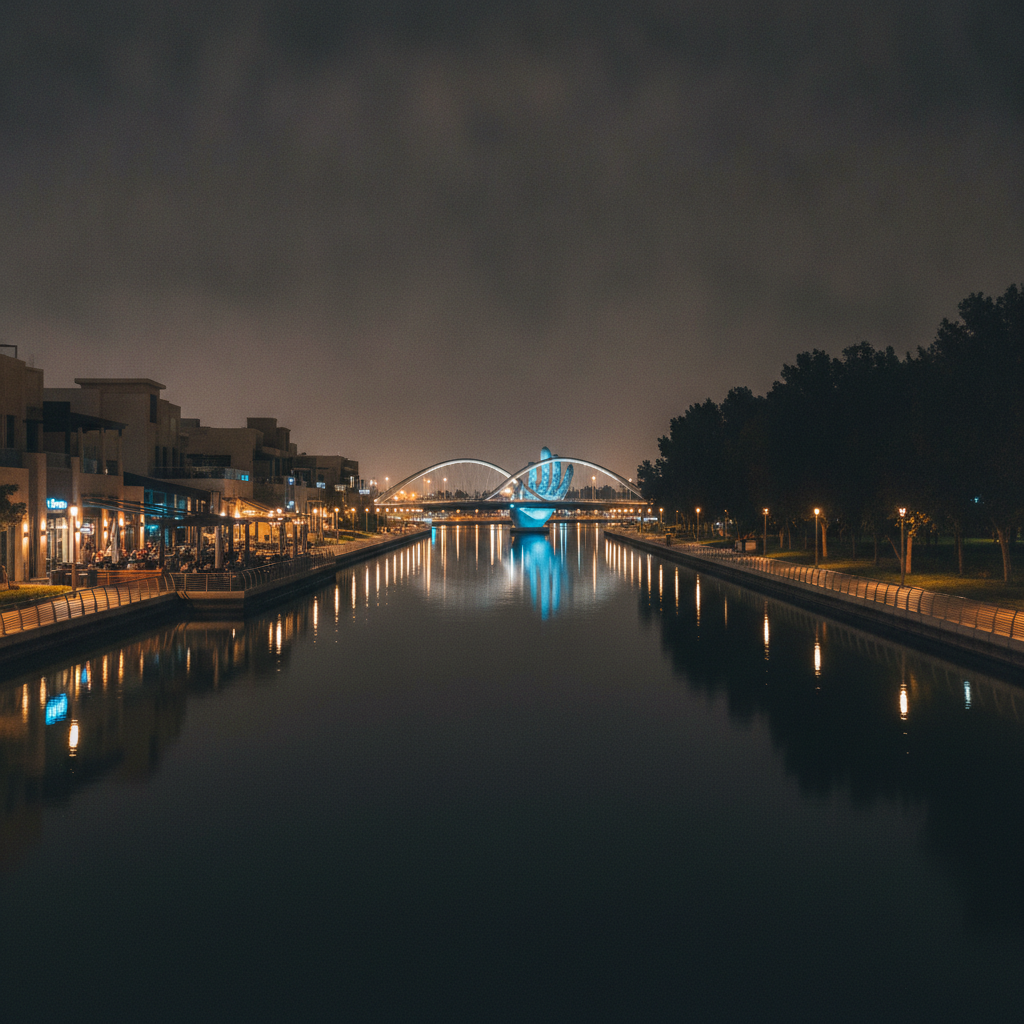
The Business Bay canal promenade, running along the Dubai Water Canal from the Business Bay Metro Station to the Tolerance Bridge (a 390-meter pedestrian crossing in the shape of the Emirati tolerance symbol), is the most ambitious urban waterfront project in Dubai since the Palm Jumeirah: 6.4 kilometers of walking and cycling paths, public art installations, restaurants, and retail units along a waterway that didn't exist before 2016. The promenade is best experienced in the evening, when the canal lighting, bridge illuminations, and reflections in the still water create a visual effect more European than Gulf in character. The most photographed element is the Tolerance Bridge (2019), whose open-hand form is visible for several kilometers along the canal and has become an unofficial symbol of Dubai's ambitions for cosmopolitan inclusion.
- 2
Bay Square & DIFC Gateway — Financial Towers
The Dubai International Financial Centre (DIFC), a special economic zone and financial free zone established in 2004, is the main cluster of international financial institutions in the Middle East: 24,000 professionals in 600+ companies (Goldman Sachs, JPMorgan, HSBC, Deutsche Bank, Visa, Nasdaq Dubai, 150+ law firms) in a gated precinct adjacent to the Emirates Towers on Sheikh Zayed Road. The Gate Building (2004, designed by Gensler), DIFC's main landmark, is a 15-story building in the form of a triumphal arch with a working pedestrian street at its base — DIFC's attempt to create human-scale street life in a district otherwise dominated by financial towers and lobbies. The Gate District contains approximately 70 galleries, restaurants, and cafés, making it Dubai's most sophisticated dining and gallery cluster outside the hotel scene.
- 3
Dubai Design District (d3) — The Creative Hub
The Dubai Design District (d3), a 22-million-square-foot creative hub in the Ras Al Khor area between Business Bay and the Al Quoz industrial district, was established in 2013 by Tecom Group to attract fashion, design, architecture, and technology companies to a dedicated creative precinct. The district currently houses 700+ companies across 10 buildings — including the Dubai offices of Valentino, Roberto Cavalli, and LVMH; the regional headquarters of major advertising agencies; architectural practices; and independent designers and fashion houses that use d3's showroom and studio spaces. The d3 building cluster is architecturally considered for Dubai — a series of low-rise connected pavilions with outdoor 'streets' (called the Promenade) that create actual walkable outdoor space in the middle of Dubai's hottest district.
- 4
Coca-Cola Arena & City Walk
City Walk, a mixed-use retail, dining, and residential development in the Jumeirah 1 area between Sheikh Zayed Road and the Jumeirah Beach Road, is Emaar's attempt to create the kind of outdoor retail street common in European cities but rare in Dubai: a 1.5-kilometer promenade of retail units, restaurants, pop-up markets, and apartments in a low-to-mid-rise development with actual outdoor seating and pedestrian priority. City Walk is more successful than most Dubai outdoor retail (the street level is shaded and cooled by a misting system, making it usable for more months of the year) and contains the Coca-Cola Arena (2019, capacity 17,000), the largest live entertainment venue in the Middle East. The arena hosts concerts, sporting events, and the annual Dubai Rugby Sevens alongside major international touring acts.
- 5
Safa Park — Dubai's Green Lung
Safa Park, a 64-hectare public park in the Al Wasl district between Business Bay and the Jumeirah coast, is one of Dubai's oldest parks (opened 1975, predating much of the city's current development) and one of its few genuinely green public spaces: mature trees, grass lawns, a lake with paddle boats, an amusement area, and views from the park's elevated center toward both the Downtown skyscrapers and the Arabian Gulf. The park is particularly popular with Dubai's South Asian labor community (the park's low entry fee makes it accessible) and with Jumeirah villa residents who walk and cycle through it. The Dubai Water Canal runs through the park's southern section, creating a canal-side walking path that connects Business Bay to the Gulf.
- 6
Dubai Frame — The City's Newest Landmark
The Dubai Frame (2018), a 150-meter-tall picture frame structure built on the border of Zabeel Park and the Karama district, provides the most literal possible statement of Dubai's self-image: a rectangular steel and glass frame, 150 meters high and 95 meters wide, that is simultaneously a viewing structure (the glass-floored sky bridge between the two towers at the top provides views of Old Dubai to the north and New Dubai to the south) and an architectural metaphor for Dubai as a 'frame' between past and future. The north face of the frame faces Al Fahidi, Deira, and the Creek; the south face faces Downtown, the Burj Khalifa, and the Marina. The structure, designed by Fernando Donis, was the subject of a plagiarism controversy after Donis claimed Emaar used his design without compensation following a competition in 2008.
Walk this route with audio
Stories play automatically as you reach each stop — no tapping needed.
More in dubai
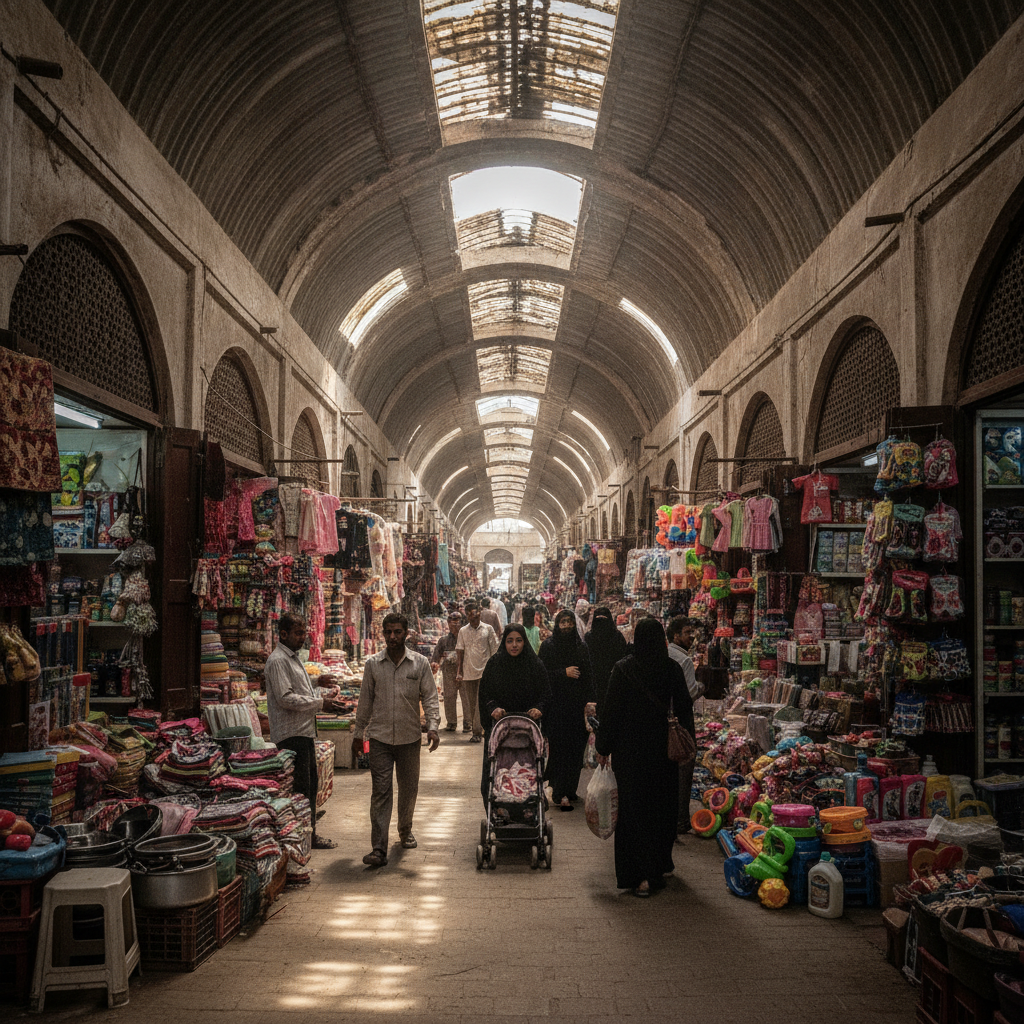
Deira: Heritage Markets, Naif Square & the Multicultural Old Quarter
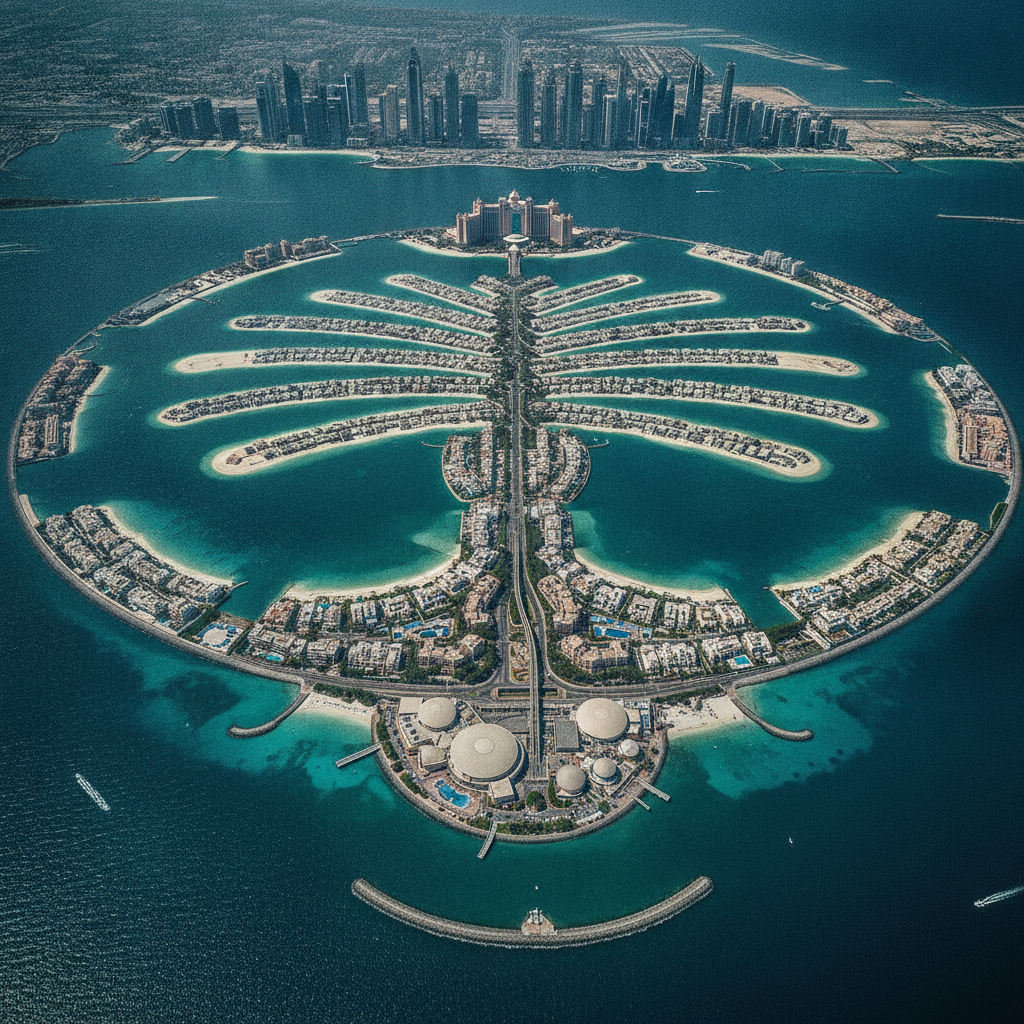
Palm Jumeirah: The World's Largest Artificial Island
Al Fahidi, Dubai Creek & the Gold Souk: Dubai Before Oil
Expo City Dubai: The World's Fair Becomes a Permanent City
Jumeirah Beach Road, Kite Beach & Burj Al Arab: Old Dubai Meets the Sea