Doha's Qatar: World Cup Stadiums, Zaha Hadid's Dhow Arena & the Desert's Inland Sea
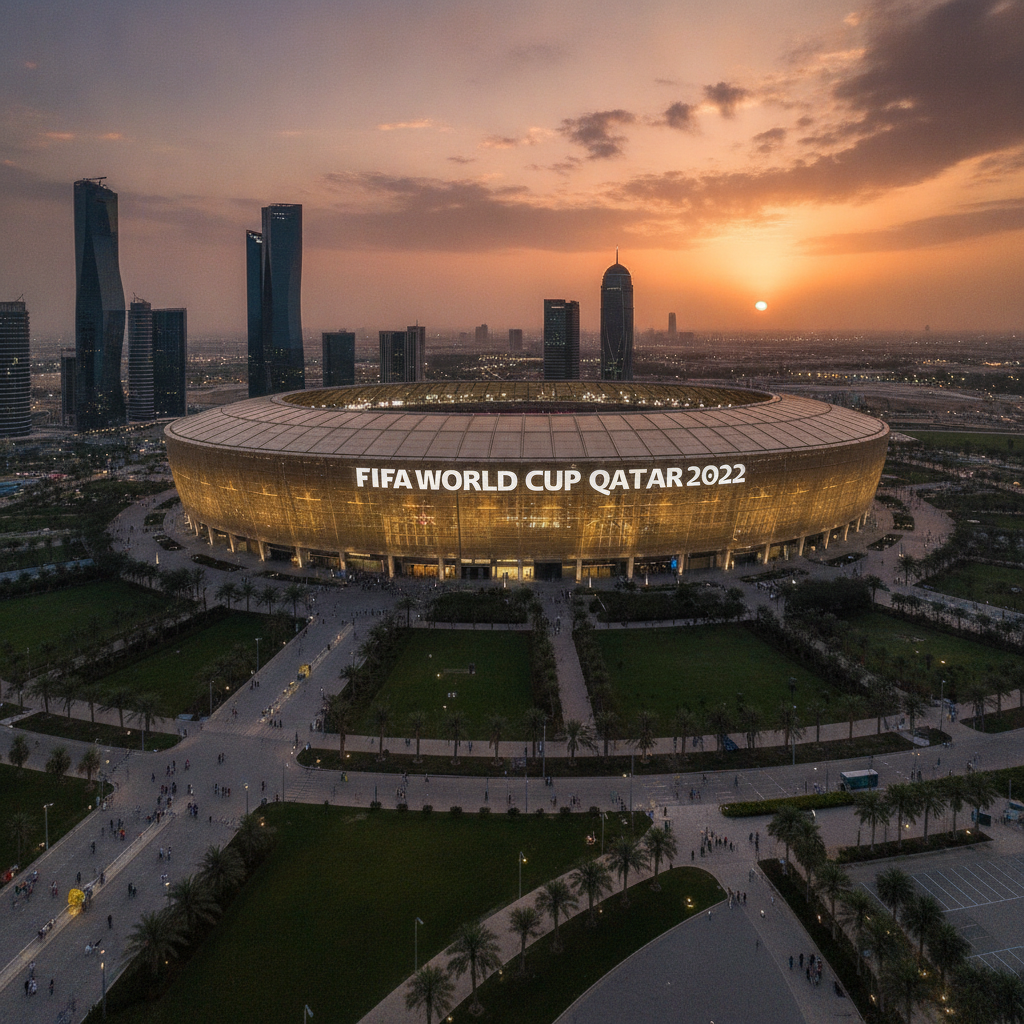
Experience Qatar's $220 billion World Cup legacy—Lusail Stadium's gold latticework where Argentina beat France in the penalty shoot-out, Zaha Hadid's dhow hull-shaped Al Janoub Stadium, the UNESCO World Heritage Al Zubarah pearling city abandoned in 1811 and still visible on the empty north coast, and Khor Al Udaid where 40-metre desert dunes crash directly into the Arabian Gulf with flamingos wading in the salt flats.
- 1
FIFA World Cup 2022 – Qatar's Transformation
The FIFA World Cup 2022—the first hosted in the Middle East, and the first in a country smaller than Connecticut—transformed Qatar's infrastructure and global reputation simultaneously. Eight stadiums were built from scratch; the metro system was expanded; Lusail City (a new city 20 km north of Doha) was constructed specifically for the event. The tournament was controversial: 6,500 migrant worker deaths (Guardian estimate) during construction, LGBTQ+ restrictions, a $220 billion spend, and a November-December schedule (moved from summer for the heat). Qatar's football investment continues: PSG ownership, Aspire Football Academy.
- 2
Lusail City & Lusail Stadium
Lusail City—a new urban district 20 km north of Doha, built from 2005 for 200,000 permanent residents—hosted the World Cup 2022 final (Argentina vs France, 3-3, Argentina wins on penalties). The Lusail Iconic Stadium (86,250 capacity, latticed gold metalwork exterior) is the most architecturally striking of Qatar's World Cup venues and will be converted to a community facility post-tournament. The Lusail Circuit (motorsport) hosts the Qatar Formula 1 Grand Prix (since 2023, alternating with Saudi Arabia) and MotoGP.
- 3
Qatari Cuisine – Machboos, Balaleet & Harees
Qatari cuisine shares its roots with the broader Gulf culinary tradition but has distinctive local characteristics. Machboos (rice with meat or fish, spiced with loomi dried limes, cinnamon, and rose water—the Qatari version of the Gulf's national rice dish) is the cornerstone. Salona (a vegetable and meat stew) and thareed (bread stew with lamb) are everyday dishes. Balaleet (sweet saffron vermicelli with eggs) is the traditional breakfast. Umm Ali (Egyptian bread pudding with cream, nuts, and raisins) is the favoured dessert. Qatari food is almost entirely a home cooking tradition—few dedicated Qatari restaurants exist.
- 4
Al Wakrah & Al Zubarah – Historic Qatar
Al Wakrah, 20 km south of Doha, is Qatar's second city and contains the most intact traditional Qatari old town outside the capital—a restored old town area (Al Wakrah Heritage Village) with a dhow-building harbour and a World Cup stadium (Al Janoub Stadium, Zaha Hadid's dhow hull design). Al Zubarah Fort (100 km north of Doha), a UNESCO World Heritage Site (2013), is the site of an 18th–19th century pearling and trading city abandoned in 1811—the most significant archaeological site in Qatar and the best preserved on the Arabian Peninsula.
- 5
The Inland Sea (Khor Al Udaid) – Desert Meets Gulf
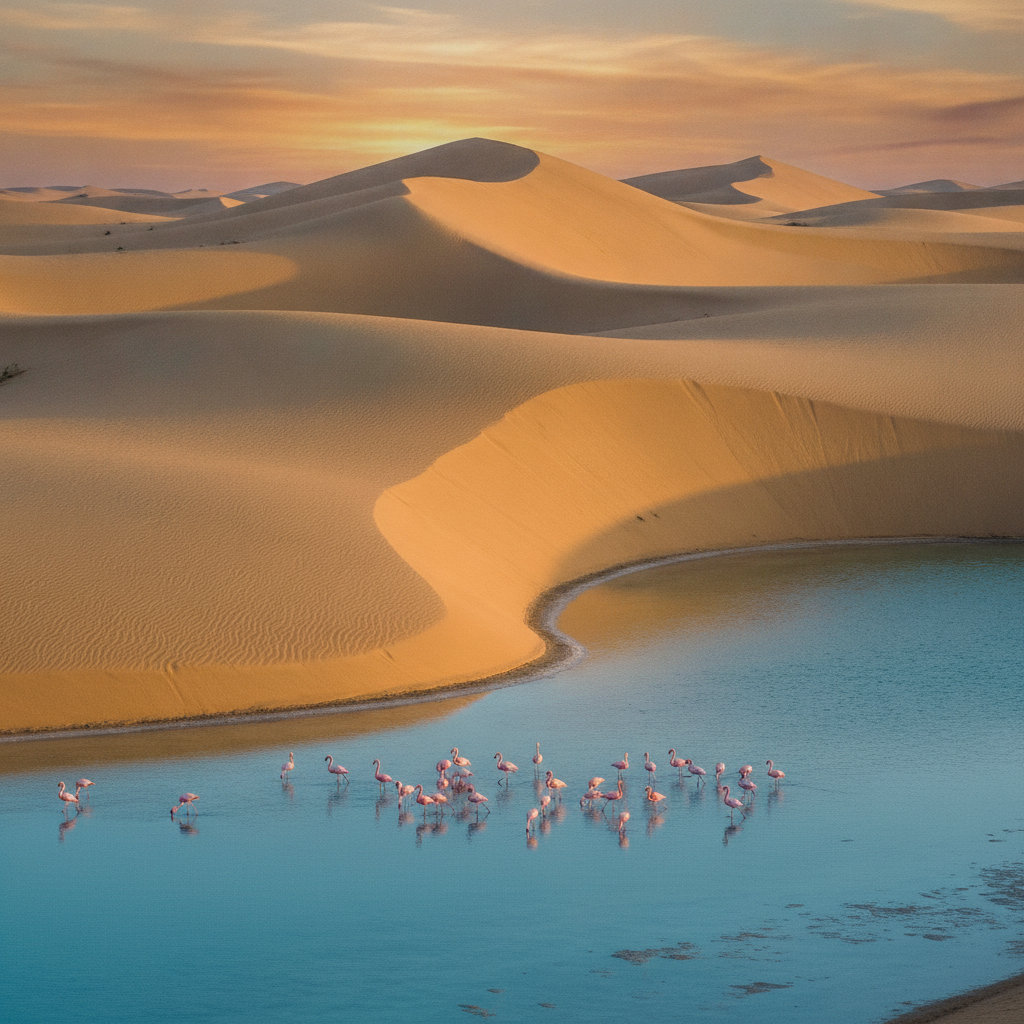
Khor Al Udaid (the Inland Sea)—a UNESCO-recognized natural reserve 100 km south of Doha where the Qatar desert meets the Arabian Gulf in a series of salt flats and sand dunes—is Qatar's most spectacular natural landscape. Access requires a 4WD vehicle and the sandy desert track from the main road; the final descent to the sea is a steep dune crossing. The inland sea is surrounded by 40-metre dunes and shelters a flamingo population. Organised 4WD desert safaris from Doha include dune bashing and overnight camping at the Inland Sea.
- 6
The Msheireb Downtown Doha – Urban Regeneration
Msheireb Downtown Doha—a 31-hectare urban regeneration project in the heart of Doha's old downtown, completed in phases from 2019—is the most ambitious sustainable urban development in the Gulf. The project replaced the decayed 1950s–1970s commercial district with new buildings constructed in traditional Qatari architectural style (latticed facades, courtyards, wind towers) using sustainable building techniques. The Msheireb Museums (four historic houses documenting Qatari history and the transformation of the old downtown) are the most culturally rich museums in Doha outside the MIA.
Walk this route with audio
Stories play automatically as you reach each stop — no tapping needed.
More in Doha
Doha Practical: Hamad International Airport, Accommodation, Desert Excursions, Optimal Timing, and the Qatar Visitor Framework
Doha Essential: The Museum of Islamic Art, Souq Waqif, the Corniche, Katara Cultural Village, and the Most Rapidly Transformed Single Gulf Capital
Doha World Cup: The 2022 FIFA Stadiums, Lusail City, the Sports Legacy, and the Most Consequential Single Gulf Sporting Event
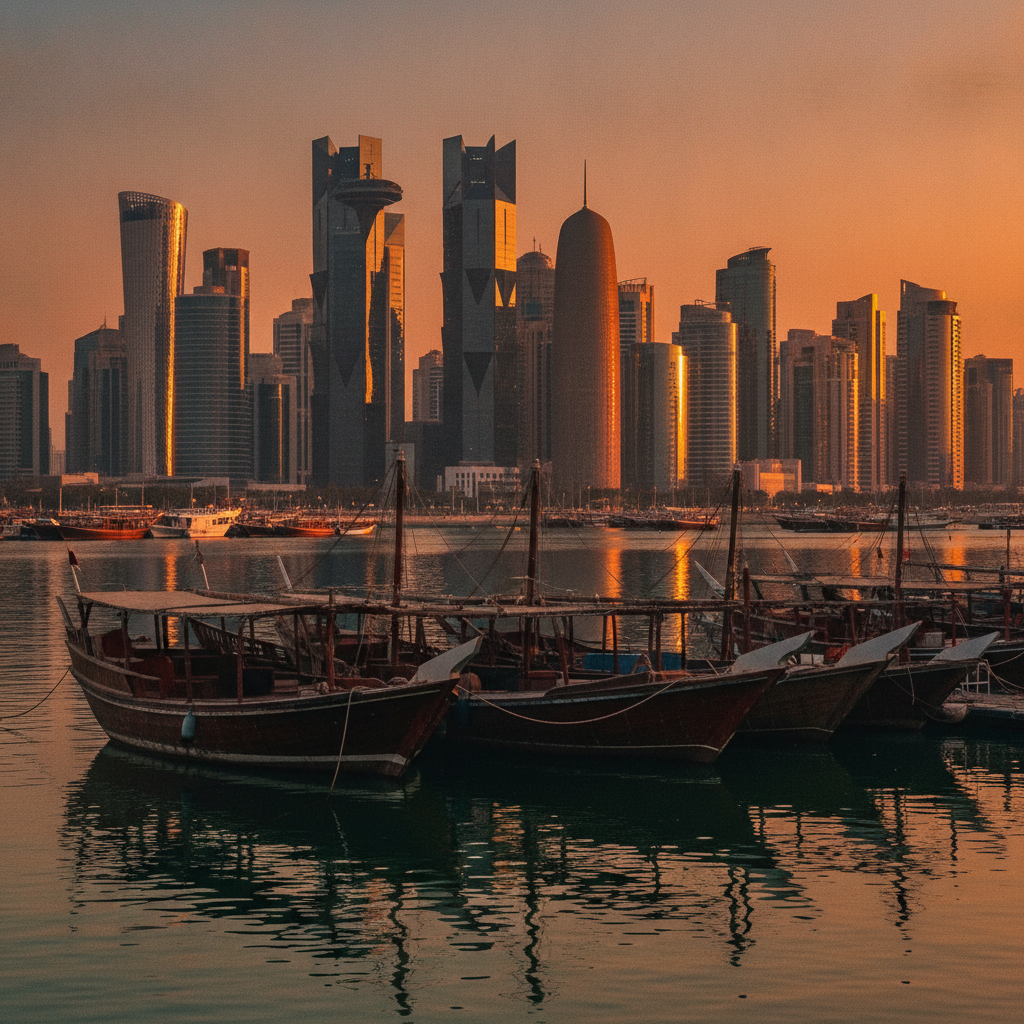
Doha Living: Dhow Harbour Boat Building, Desert Dune Bashing & the Pearl Diving That Collapsed in 1929
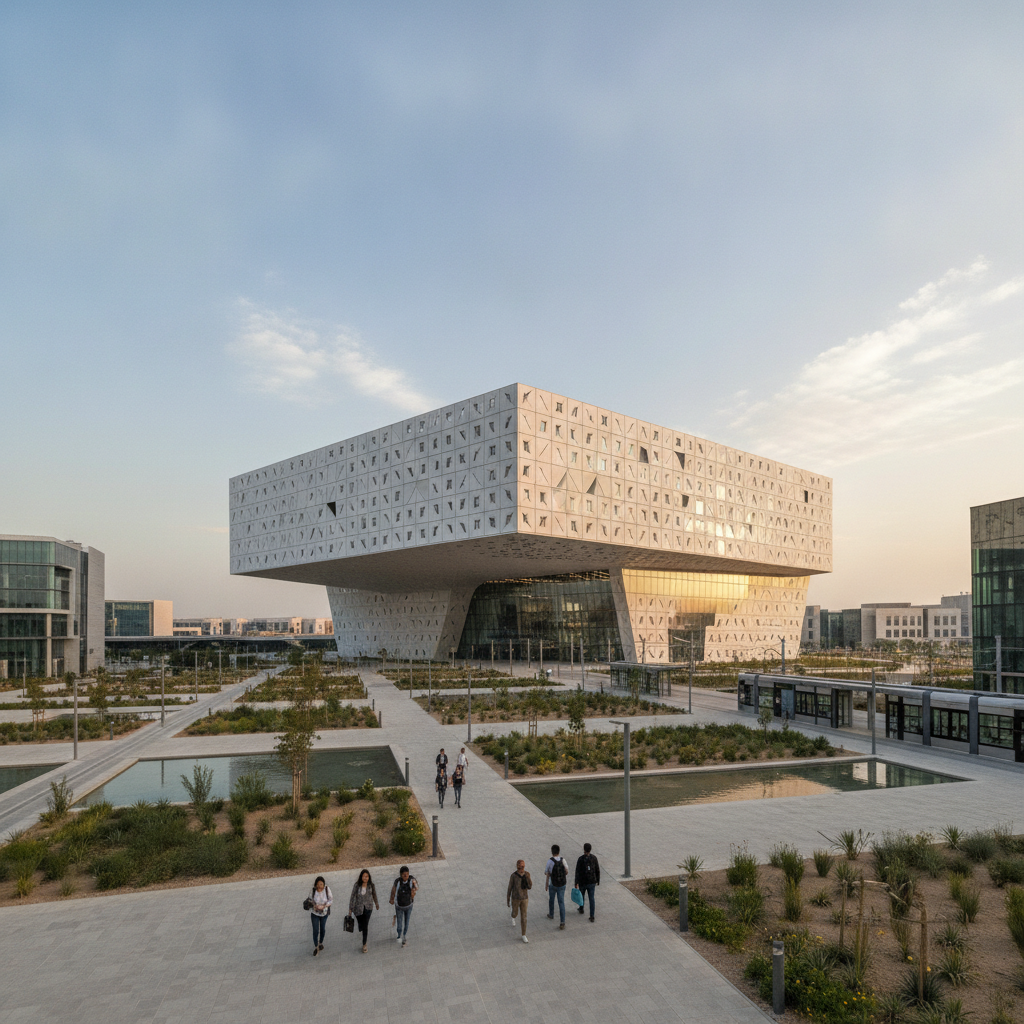
Doha's Ambition: $1 Billion/Year Art Buying, Al Jazeera's Arab Spring Impact & the 2017 Blockade