Doha Essentials: I.M. Pei's Last Masterpiece, Souq Waqif's Falcon Market & Jean Nouvel's Desert Rose
Discover Qatar's remarkable cultural investment—the Museum of Islamic Art (I.M. Pei's final commission at 91, inspired by Ibn Tulun mosque, housing 1,400 years of Islamic art), Souq Waqif's falcon traders and Gulf's best spice market in rebuilt traditional mud-render lanes, Jean Nouvel's National Museum shaped as a desert rose crystal, and the Pearl-Qatar island where Venetian canals meet a Mediterranean marina in the Arabian Gulf.
- 1
Museum of Islamic Art – I.M. Pei's Masterpiece
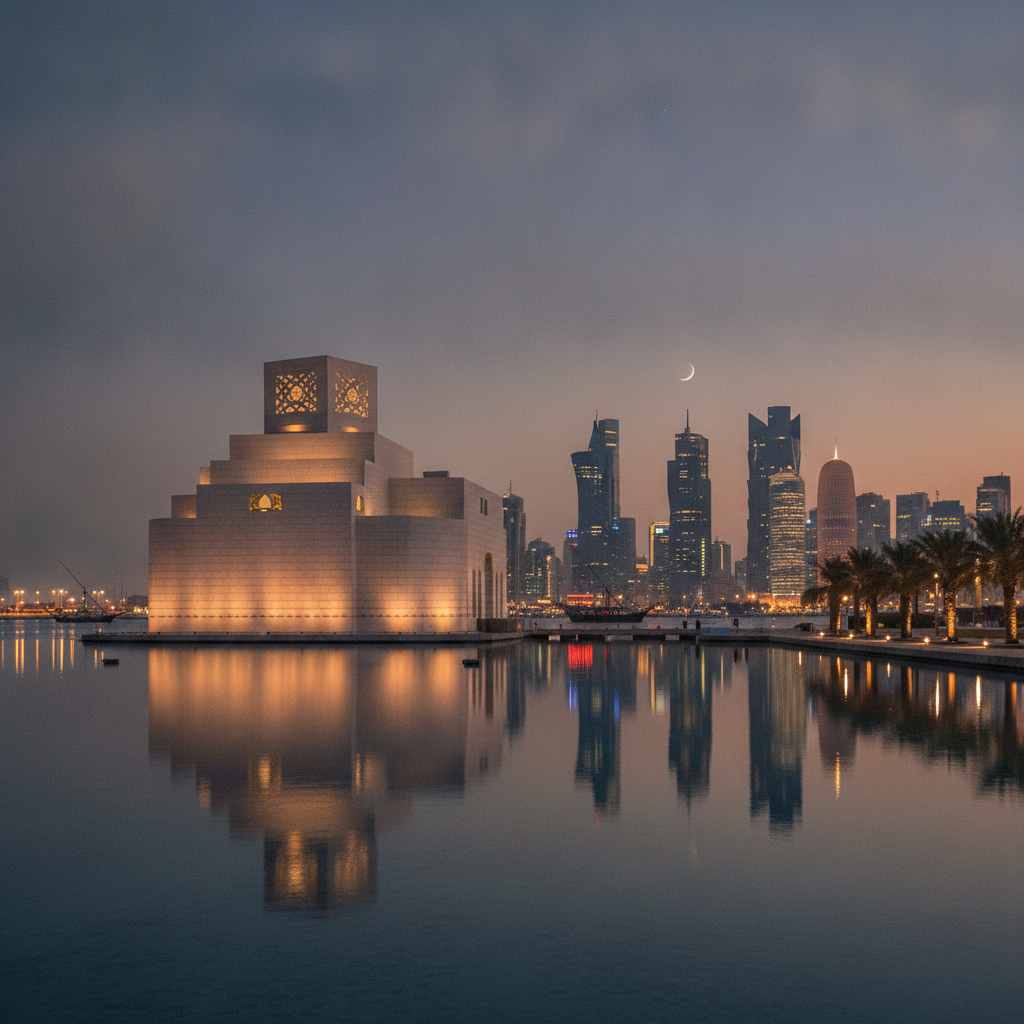
The Museum of Islamic Art (MIA)—designed by I.M. Pei at age 91 (his last major commission) and opened in 2008 on an artificial island off the Corniche—is Doha's most important building and one of the world's finest Islamic art museums. The collection spans 1,400 years across three continents: 7th-century Umayyad metalwork, 12th-century Iranian ceramics, Mamluk Quranic manuscripts, Mughal jewellery, and Ottoman calligraphy. Pei spent six months studying Islamic architecture before designing the building; the result is a pure geometric abstraction that references the 9th-century Ibn Tulun mosque in Cairo.
- 2
The Corniche & West Bay Skyline
Doha's Corniche—a 7 km curving waterfront promenade along Doha Bay—is the city's social spine and offers the most dramatic skyline view of any Gulf city. The West Bay skyscraper district across the bay contains some of the Arab world's most architecturally ambitious towers: the spiral Tornado Tower (241 m), the torch-like Al Bidda Tower, and the distinctive Aspire Tower (300 m, built for the 2006 Asian Games). The Corniche dhow harbour at the southern end is the most photographed spot—traditional wooden dhow boats in the foreground, the hypermodern skyline behind.
- 3
Souq Waqif – The Restored Traditional Market
Souq Waqif—Doha's restored traditional market, rebuilt in 2006 in traditional Qatari mud-render and timber style—is the most successful traditional market restoration in the Gulf. The souq sells spices, falcons (Doha is the centre of the Gulf falcon trade), Qatari hunting equipment, gold, clothing, and traditional Qatari crafts. Dozens of restaurants in the souq serve Qatari, Lebanese, Indian, and international food. The Al Jasra Handicrafts Centre adjacent to the souq demonstrates traditional Qatari crafts. The souq is the most culturally dense and visually interesting area in Doha.
- 4
National Museum of Qatar – Jean Nouvel's Desert Rose
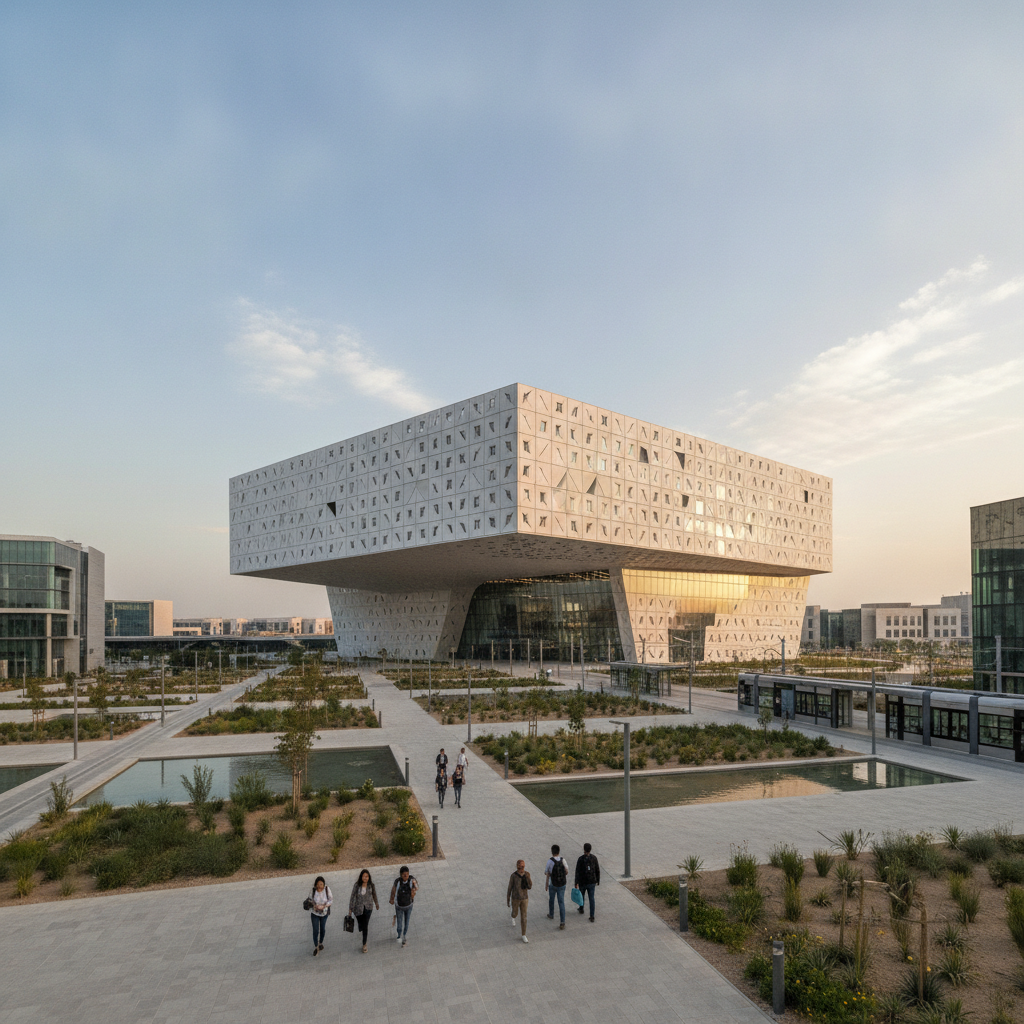
The National Museum of Qatar—designed by Jean Nouvel (who also designed the Louvre Abu Dhabi) and opened 2019—is shaped as a series of interlocking discs inspired by the desert rose crystal formation found in Qatar's desert. The building's exterior skin—52,000 interlocking panels—creates an exterior unlike any museum building in the world. The collection covers Qatar's history from prehistoric Qatar through the pearl diving era, the discovery of oil and gas, and the modern state. The centrepiece is the pearl diving section—Qatar's pre-oil economy was entirely based on pearls.
- 5
Katara Cultural Village
Katara Cultural Village—a purpose-built cultural precinct 5 km north of the city centre, opened 2010—is Qatar's main venue for arts, culture, and international events. The complex contains a 5,000-seat amphitheatre (used for opera, concerts, and film screenings), galleries, a traditional Qatari village, restaurants, and the striking blue-mosaic-tiled mosque. The Doha Film Institute (the Arab world's most significant film development and distribution organisation) is based at Katara; the Ajyal Youth Film Festival is staged here. Katara's beach is one of Doha's few public beaches.
- 6
The Pearl-Qatar Island – Luxury Living
The Pearl-Qatar—an artificial island off the Corniche housing 12,000 residences, luxury hotels, 700+ restaurants and shops, and 12 km of coastline—is Doha's answer to Dubai's Palm Jumeirah. The Porto Arabia marina (Mediterranean-styled with terracotta and white facades) is the most photographed section; the Qanat Quartier (Venetian-inspired canals) is the most architecturally distinctive. The Pearl is fully pedestrianised in its marina areas and is the most pleasant walking district in Doha. Land on the Pearl is freehold—foreigners can purchase property, one of very few areas in Qatar where this is possible.
Walk this route with audio
Stories play automatically as you reach each stop — no tapping needed.
More in Doha
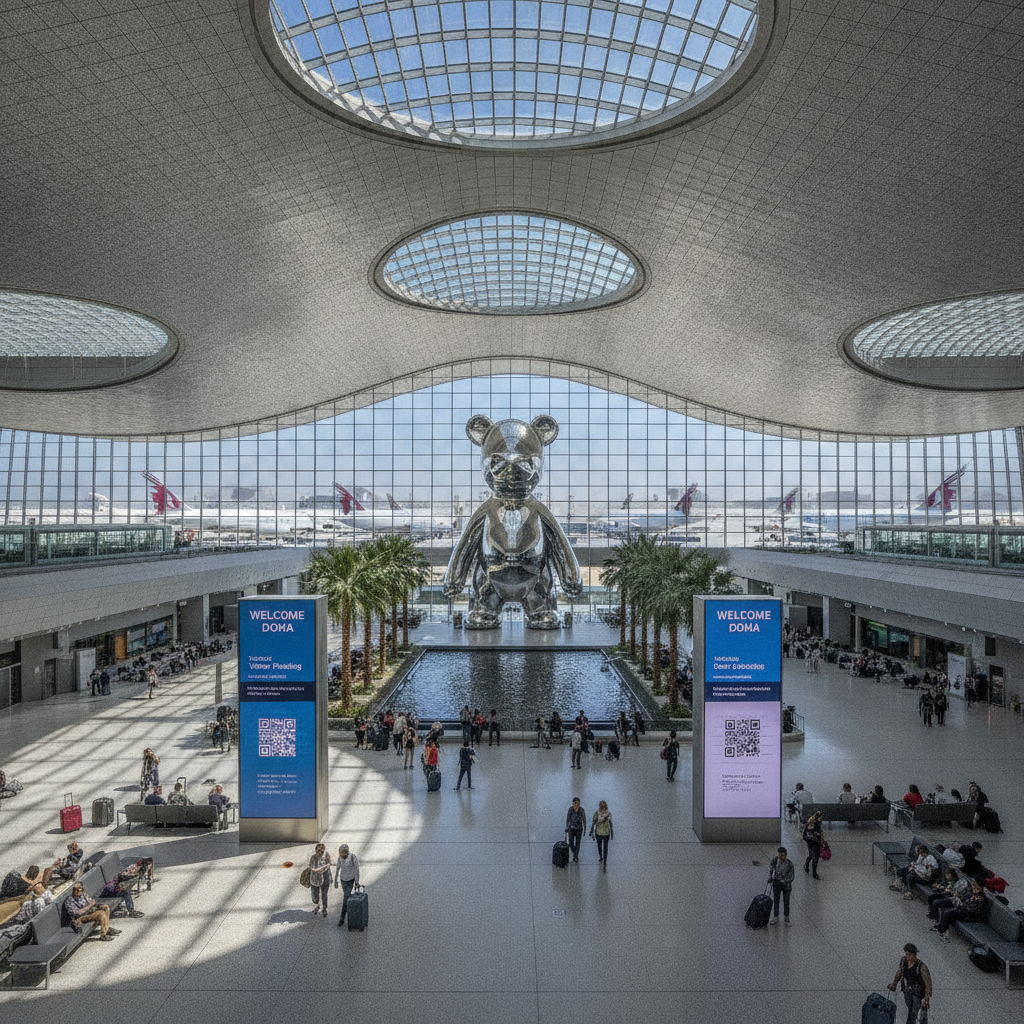
Doha Practical: Hamad International Airport, Accommodation, Desert Excursions, Optimal Timing, and the Qatar Visitor Framework
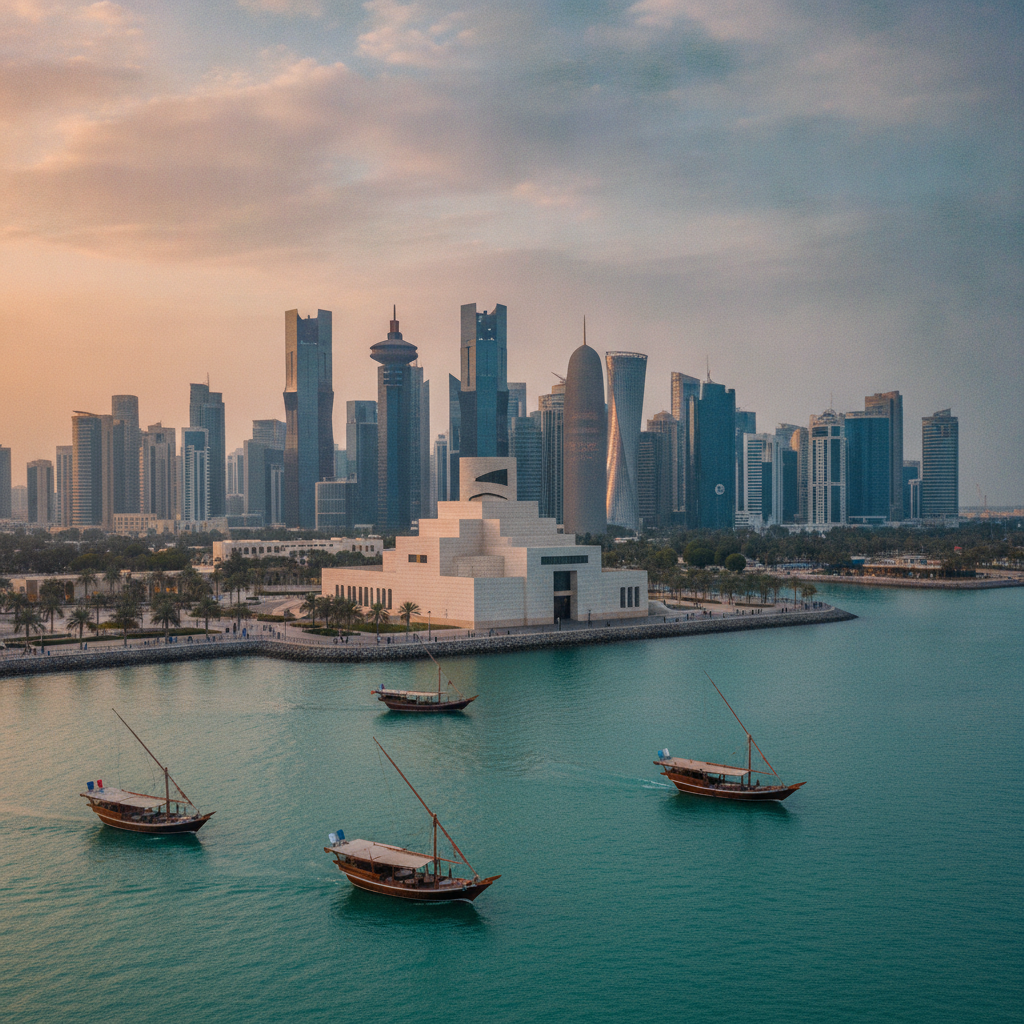
Doha Essential: The Museum of Islamic Art, Souq Waqif, the Corniche, Katara Cultural Village, and the Most Rapidly Transformed Single Gulf Capital
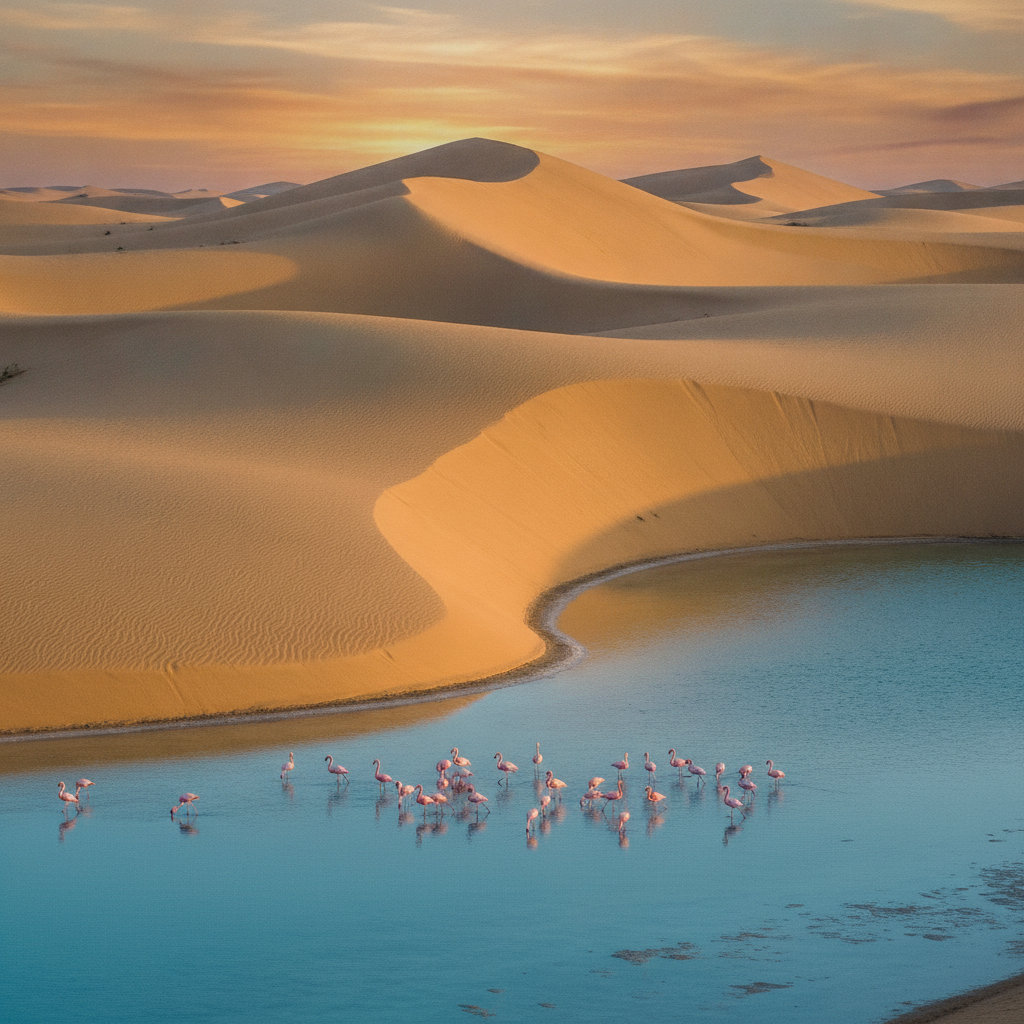
Doha's Qatar: World Cup Stadiums, Zaha Hadid's Dhow Arena & the Desert's Inland Sea
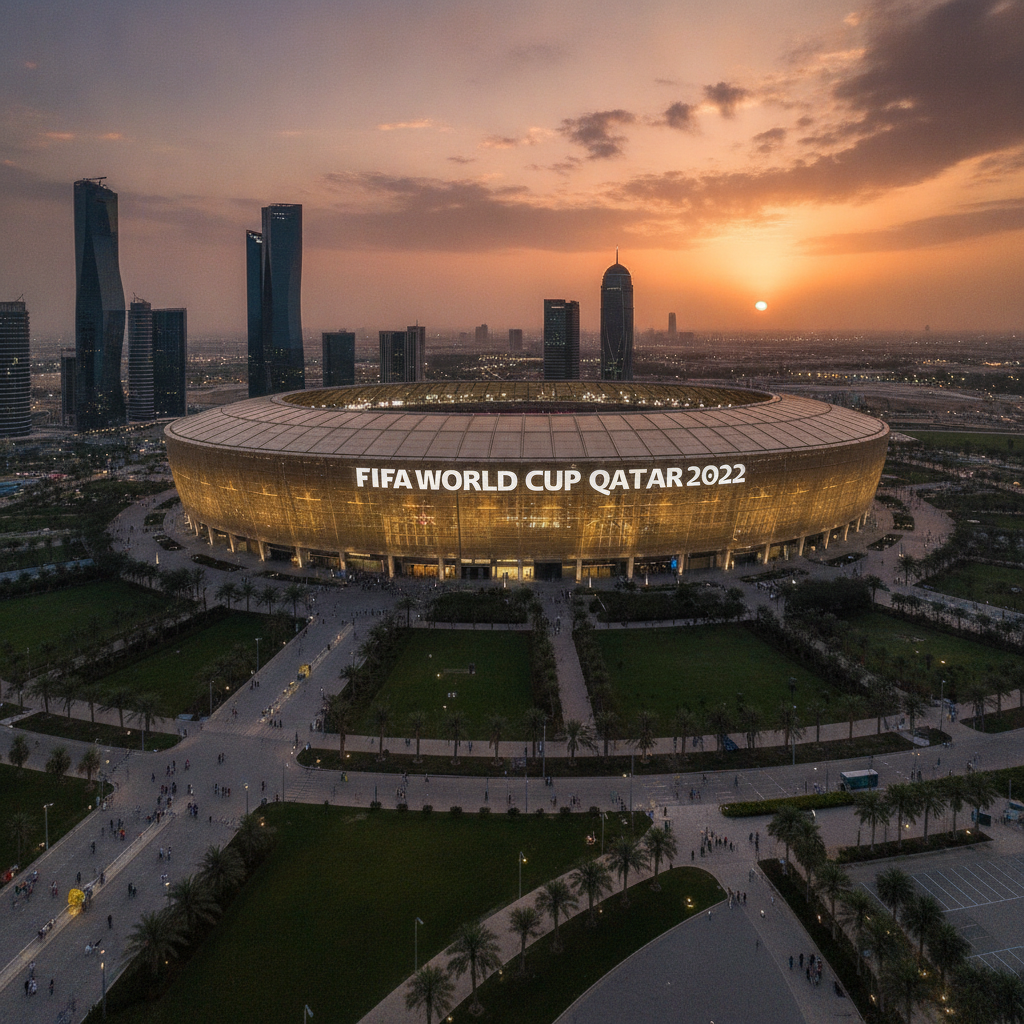
Doha World Cup: The 2022 FIFA Stadiums, Lusail City, the Sports Legacy, and the Most Consequential Single Gulf Sporting Event
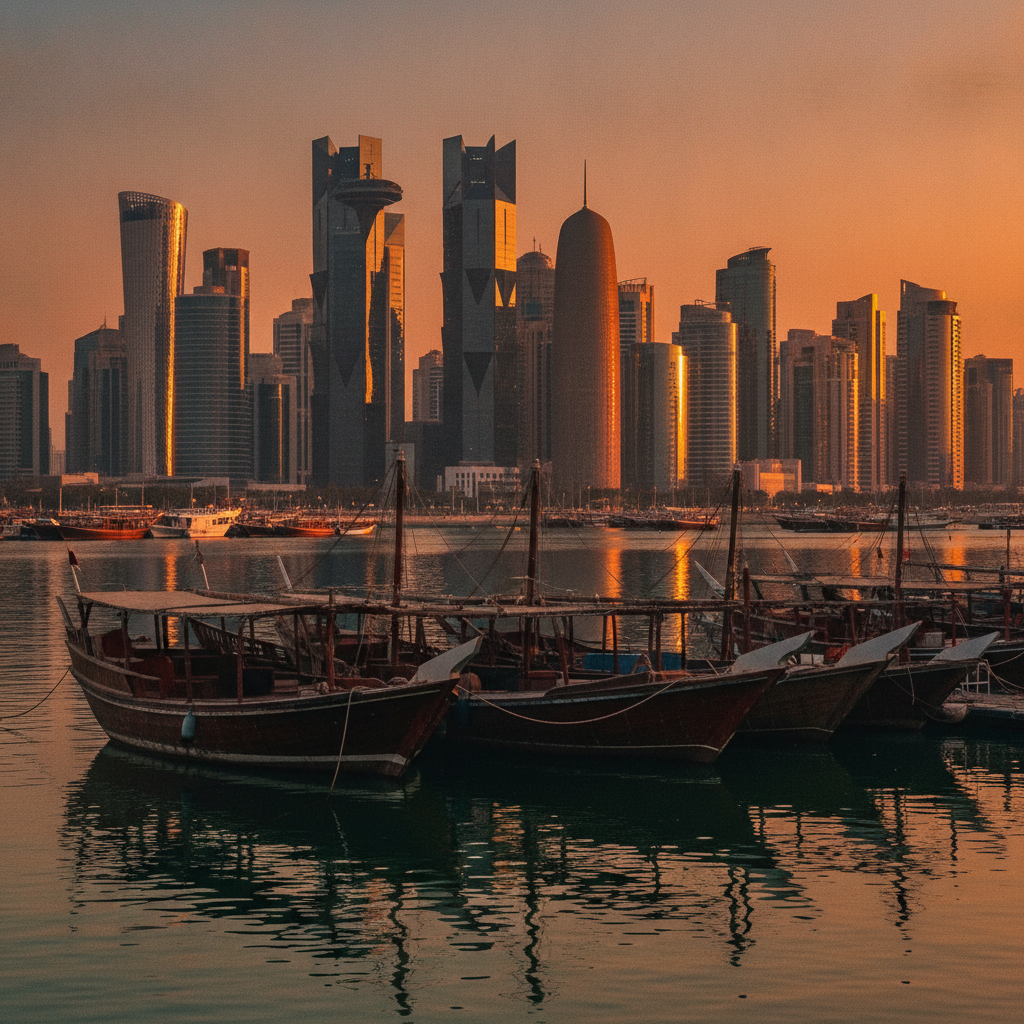
Doha Living: Dhow Harbour Boat Building, Desert Dune Bashing & the Pearl Diving That Collapsed in 1929