Doha Practical Guide: Hamad Airport's Damien Hirst Art, the Metro & the Alcohol Reality
Navigate Doha smoothly—Hamad Airport's Damien Hirst 23-metre bronze sculpture collection (the world's best airport art) and Al Mourjan Lounge (world's finest airline lounge), the 2019 metro covering airport-Pearl-Lusail for QAR3, severely limited alcohol outside hotel bars (even World Cup beer sales caused FIFA controversy), November–March as the only viable outdoor season, and context for why Qatar spends: the world's highest GDP per capita from LNG exports funding Georgetown, PSG, and Al Jazeera.
- 1
Getting to Doha – Hamad International Airport
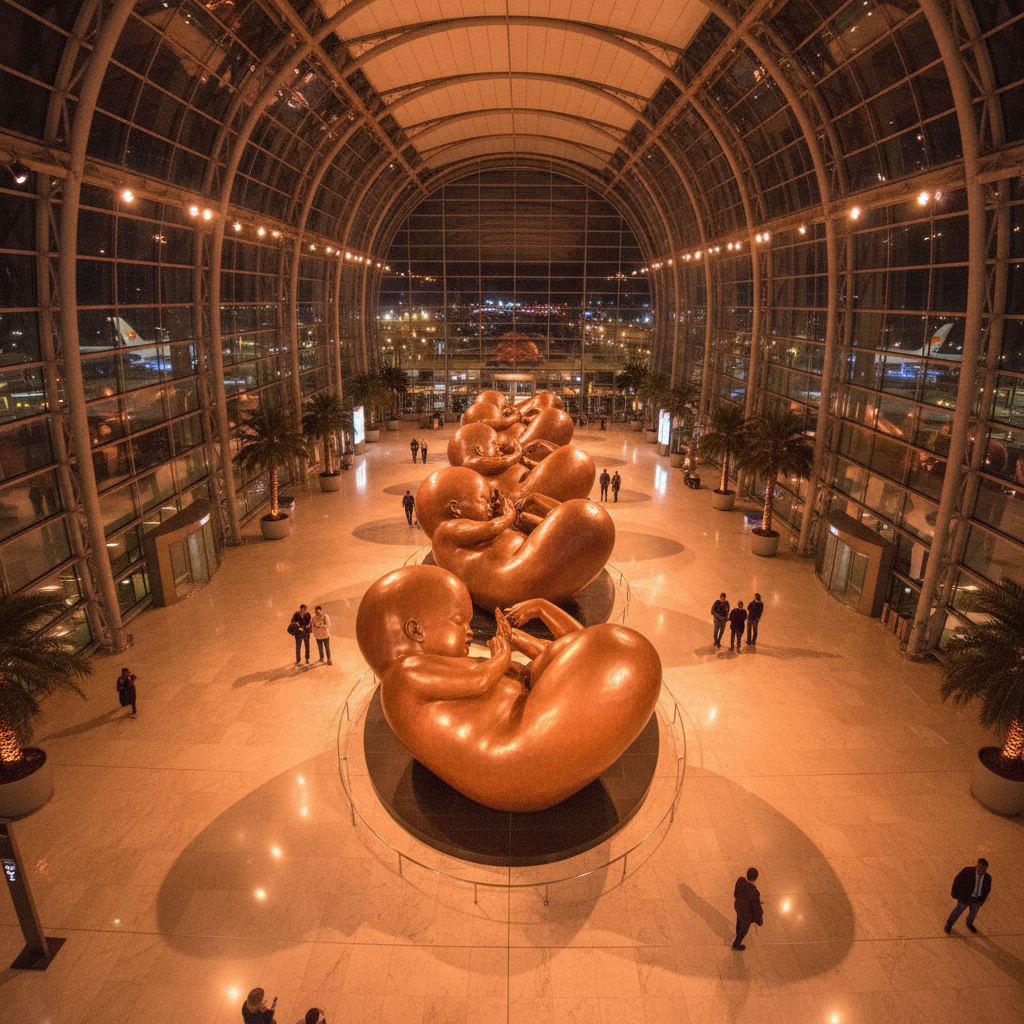
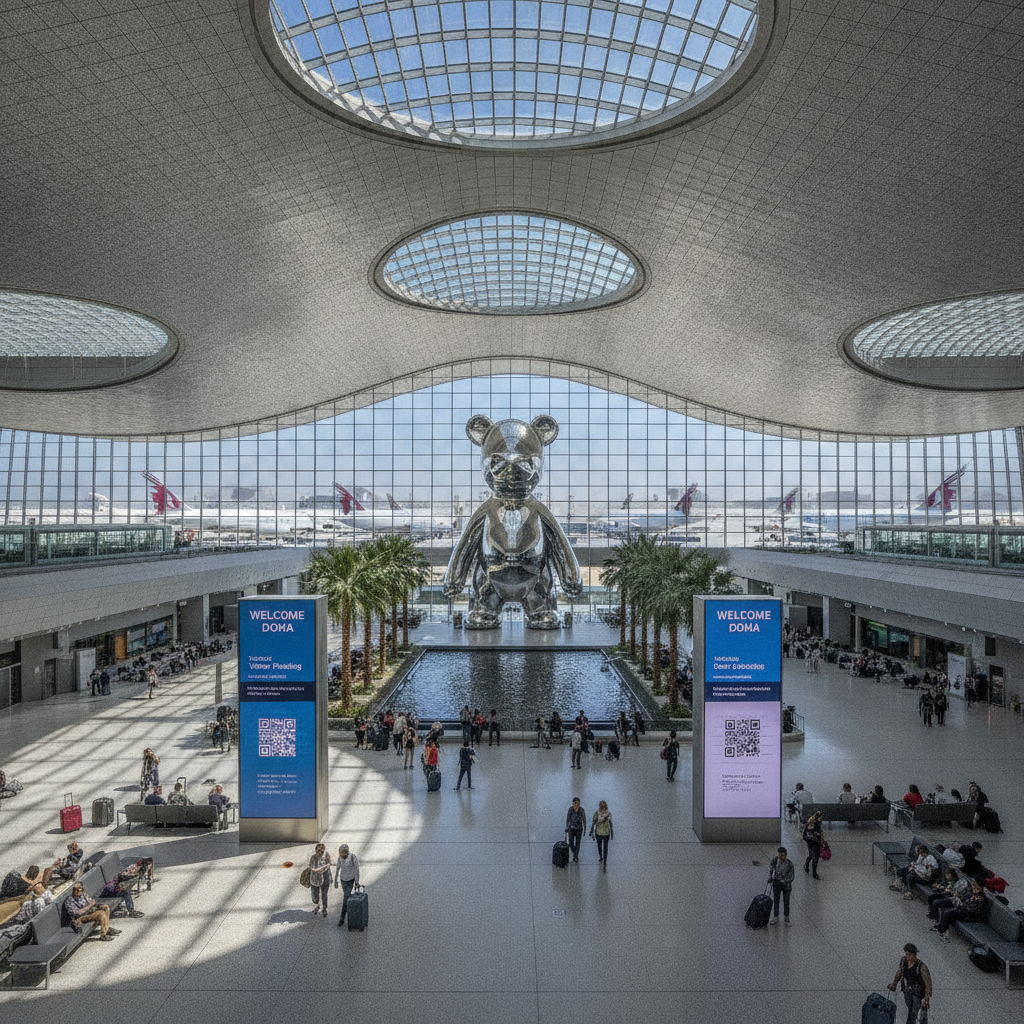
Hamad International Airport (DOH)—opened 2014, expanded 2022 for the World Cup—is consistently ranked among the world's top 3 airports for service quality. The airport art collection (including Damien Hirst's 23-metre bronze Miraculous Journey sculpture series) is the most significant art installation in any airport globally. Qatar Airways flies to more destinations than any airline from a single hub; connections from European, North American, Asian, and African cities are comprehensive. The airport's Al Mourjan Business Lounge (1,200 seats) is widely considered the world's finest airline lounge.
- 2
Getting Around Doha – Metro & Taxis
Doha's metro (opened 2019, Phase 1 complete)—three lines connecting the airport, downtown, the Pearl, Lusail, and major stadiums—is clean, air-conditioned, and efficient. A single journey costs QAR3–6 (€0.75–1.50). Uber and Karwa taxis supplement the metro for non-metro areas. The metro's Gold Class carriages (at the front and back of each train) offer wider seats and less crowding for QAR6–10. The Doha Metro app provides real-time journey planning. Walking between attractions is only practical in winter (November–March); summer heat (45°C+) requires air-conditioned transport for all movement.
- 3
Accommodation – From Luxury Towers to Souq Hotels
Doha's accommodation is overwhelmingly 5-star—the city has one of the highest concentrations of luxury hotels in the world. The Mandarin Oriental West Bay, Four Seasons Doha, and St Regis Doha are the leading properties. The Souq Waqif Boutique Hotels—a collection of traditionally styled rooms within the restored souq—are the most atmospheric option in Doha, with rooftop terraces over the market. Budget accommodation is limited; the airport area has a few mid-range options (Radisson, Crowne Plaza). Post-World Cup hotel supply significantly exceeds demand, making Doha negotiable on price.
- 4
Best Time to Visit Doha
Doha's visiting window is narrow: November–March (temperatures 18–28°C) is the only comfortable period for outdoor activities. April and October are marginal; May–September (40–50°C, 80%+ humidity) is genuinely dangerous for outdoor exposure. The Qatar National Day celebrations (December 18) include military parades, camel racing, and fireworks. The Doha Film Festival (Ajyal, November) and the Qatar Motor Show (January) are the main annual events. Ramadan (dates vary) brings reduced restaurant hours but spectacular Iftar gatherings at the souq and hotels.
- 5
Alcohol in Qatar – The Restricted Reality
Qatar has some of the strictest alcohol regulations in the Gulf. Alcohol is served only in licensed hotel restaurants and bars (not in the souq, not in public restaurants). The single government-owned alcohol shop (QDC—Qatar Distribution Company) requires an alcohol permit for residents; tourists cannot purchase from QDC. During Ramadan, alcohol is not served even in hotels. The World Cup 2022 created controversy when FIFA reversed a late ban on beer sales in stadium perimeters; Budweiser stockpiles were moved to stadium concourses but could only be served in two designated 'fan zones' per venue.
- 6
Qatar's Future – LNG, Soft Power & 2030 Vision
Qatar holds the world's third-largest natural gas reserves—its LNG exports make it the wealthiest nation per capita in the world (GDP per capita $80,000+). The Qatar National Vision 2030 aims to reduce oil/gas dependency through education (Education City—hosting Georgetown, Northwestern, CMU, UCL, and other US/UK university campuses), culture (MIA, National Museum, Al Jazeera Media Network—the most watched Arabic news channel), and sport (PSG ownership, World Cup). Qatar's Al Jazeera channel launched in 1996 and changed Arabic media; its English channel (launched 2006) is a major global news source.
Walk this route with audio
Stories play automatically as you reach each stop — no tapping needed.
More in Doha
Doha Practical: Hamad International Airport, Accommodation, Desert Excursions, Optimal Timing, and the Qatar Visitor Framework
Doha Essential: The Museum of Islamic Art, Souq Waqif, the Corniche, Katara Cultural Village, and the Most Rapidly Transformed Single Gulf Capital
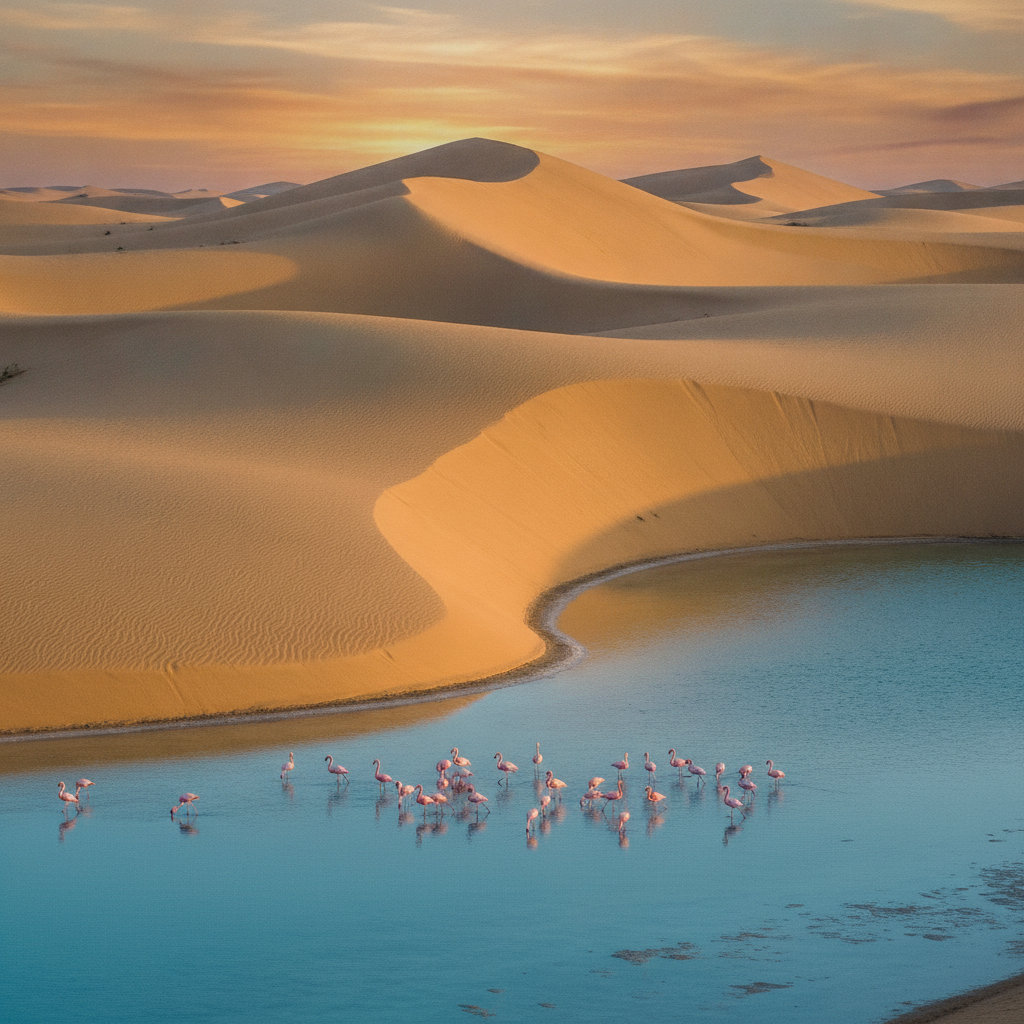
Doha's Qatar: World Cup Stadiums, Zaha Hadid's Dhow Arena & the Desert's Inland Sea
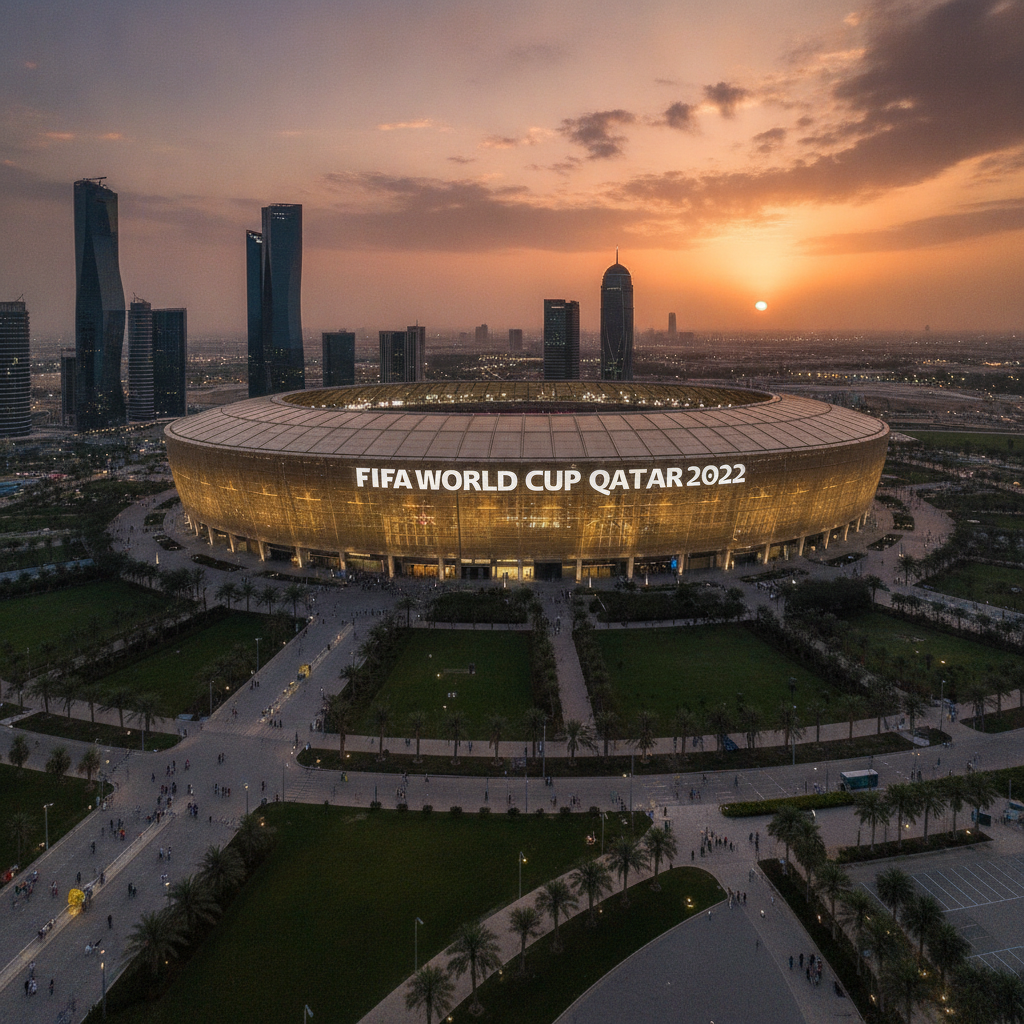
Doha World Cup: The 2022 FIFA Stadiums, Lusail City, the Sports Legacy, and the Most Consequential Single Gulf Sporting Event
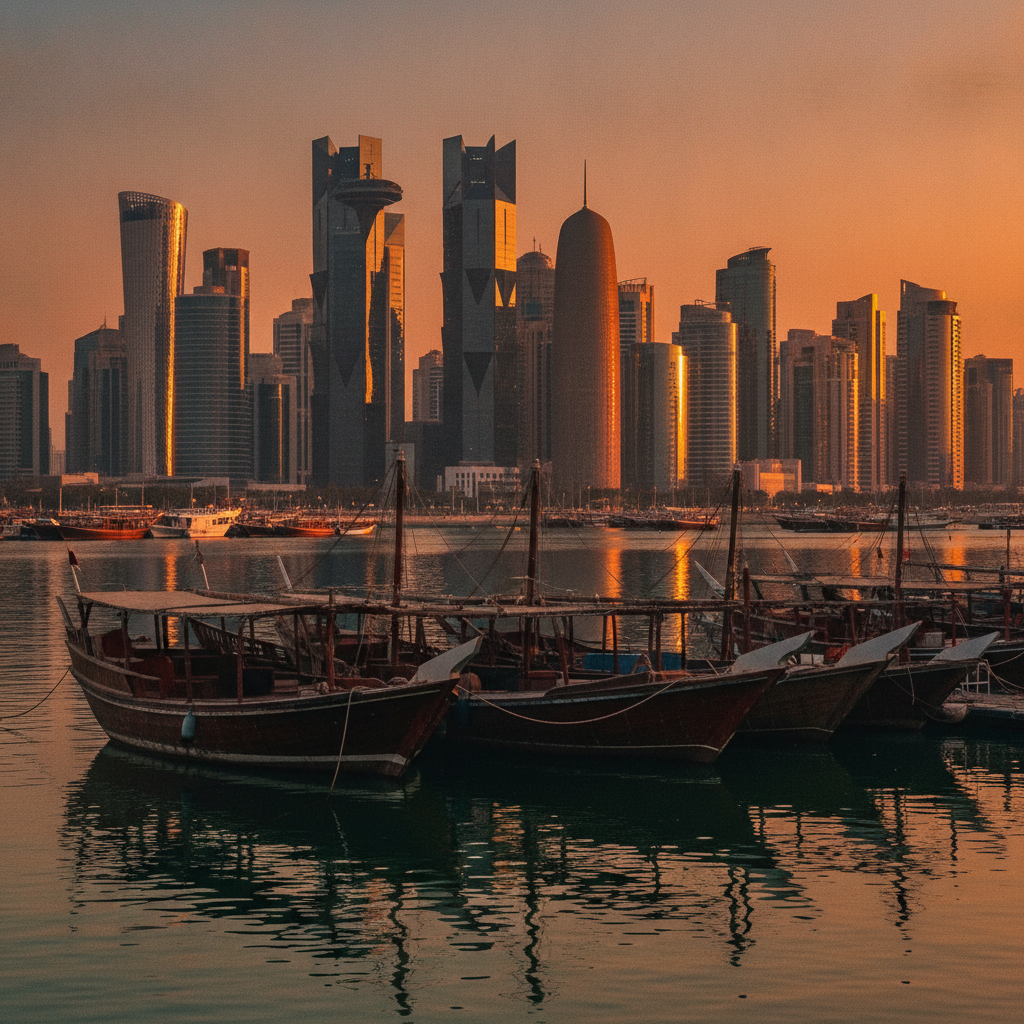
Doha Living: Dhow Harbour Boat Building, Desert Dune Bashing & the Pearl Diving That Collapsed in 1929