Doha Living: Dhow Harbour Boat Building, Desert Dune Bashing & the Pearl Diving That Collapsed in 1929
Experience Doha at human scale—the southern Corniche dhow harbour where craftsmen still stitch wooden boats without nails and fishermen land the morning catch, Aspire Zone's air-conditioned outdoor stadium (the world's first), dune bashing south of the city to the Inland Sea, the National Museum's pearl diving recreation of an industry that employed 30,000 Qataris and vanished overnight when Japan introduced cultured pearls in 1929, and the 4 km Corniche walk through 50 years of architectural transformation.
- 1
Dhow Harbour & Traditional Boat Building
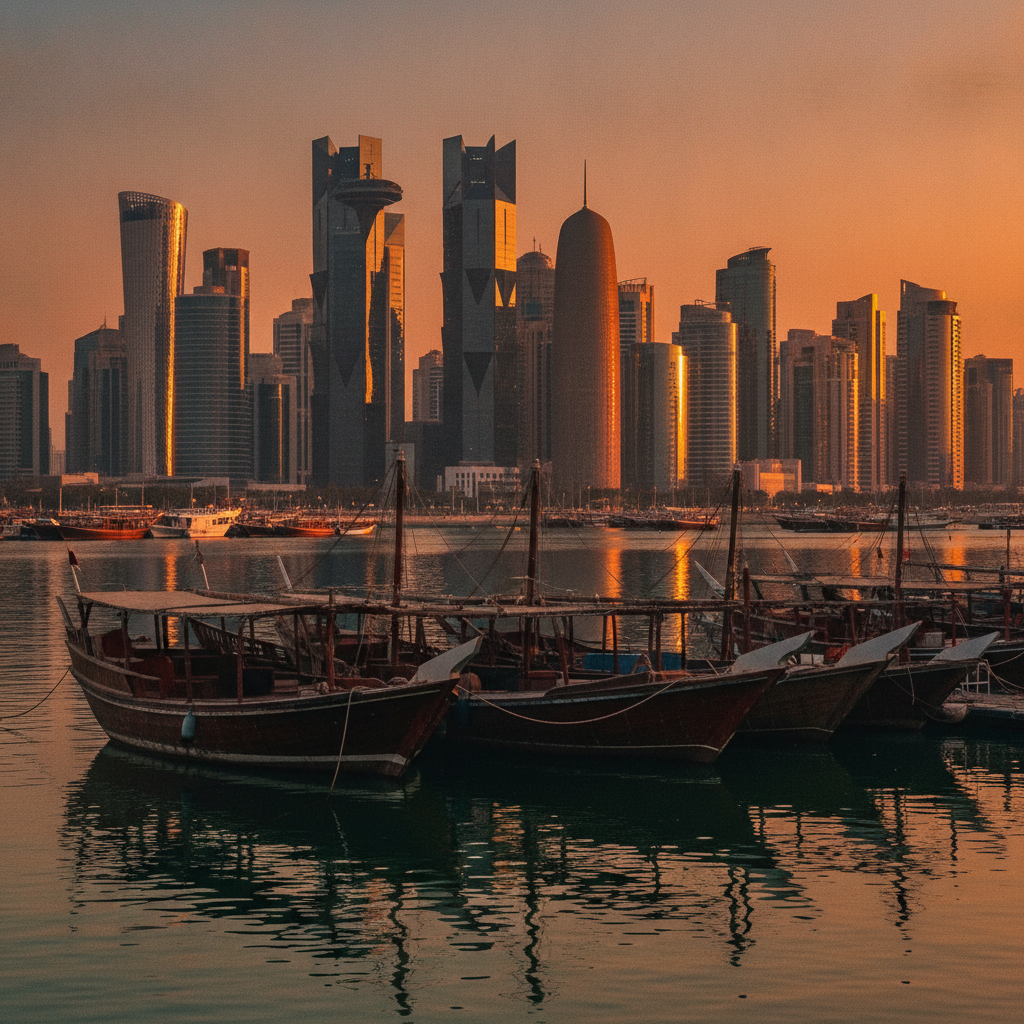
The Dhow Harbour at the southern end of the Corniche—where traditional wooden dhow boats moor and are maintained by Qatari and Indian craftsmen—is the most authentic corner of Doha's waterfront. The harbour is still a working boat yard; dhow maintenance and construction uses traditional stitching techniques (without nails). Evening dhow cruises of Doha Bay depart from here (QAR100–200/person, 2 hours, dinner included); the view of the Corniche skyline from the water is the best in Doha. Traditional Qatari fishermen still land the early morning catch at the adjacent fish market.
- 2
Aspire Zone & Khalifa Stadium
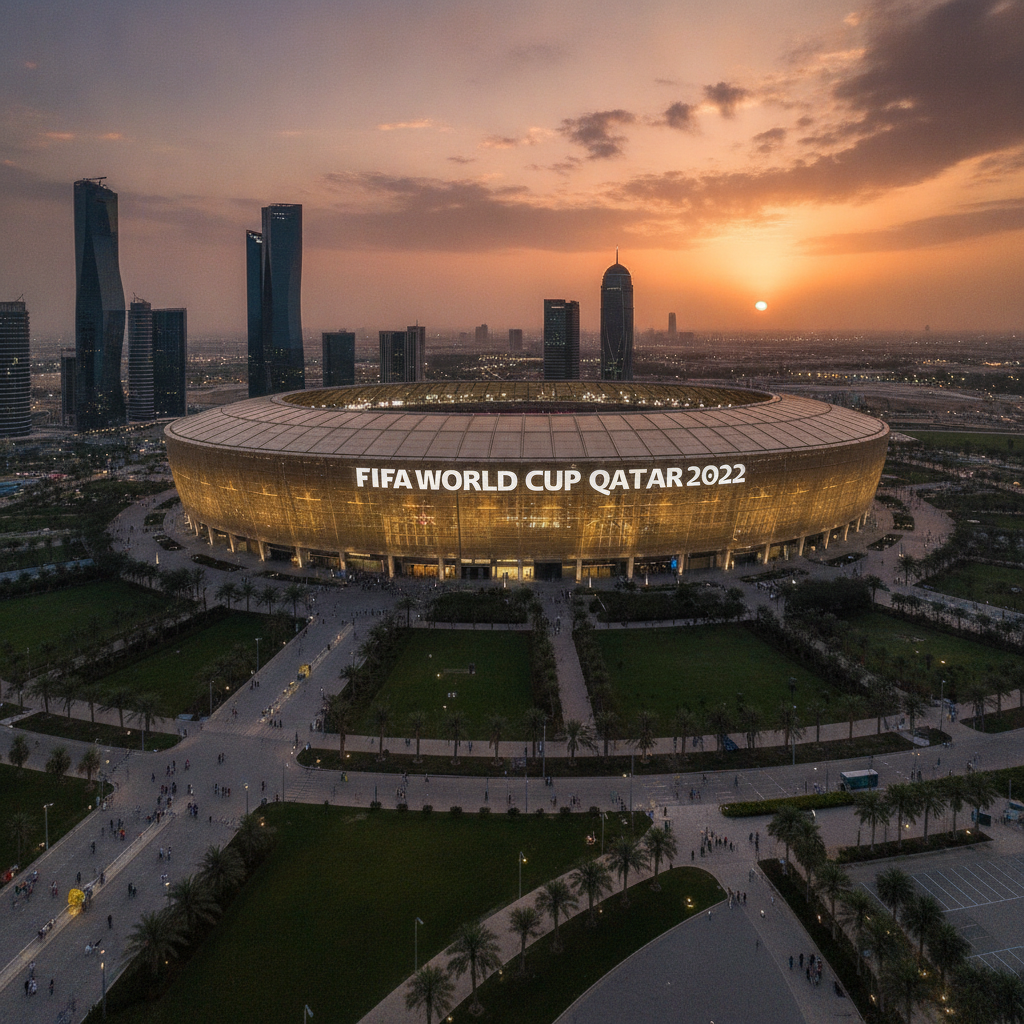
Aspire Zone—a 250-hectare sports city in southern Doha built for the 2006 Asian Games—contains the Khalifa International Stadium (rebuilt 2017 with revolutionary cooling technology, making it the world's first air-conditioned outdoor stadium), Aspire Academy (Qatar's elite sports school that has produced international football players), and Aspire Tower (300 m, the city's most distinctive tower). The Aspire Zone is also where Qatar's 'Aspire' global talent identification programme scouts young athletes from Africa and Asia for football development—a controversial practice that has brought Qatar Football Association into conflict with FIFA.
- 3
Dune Bashing & Desert Safari from Doha
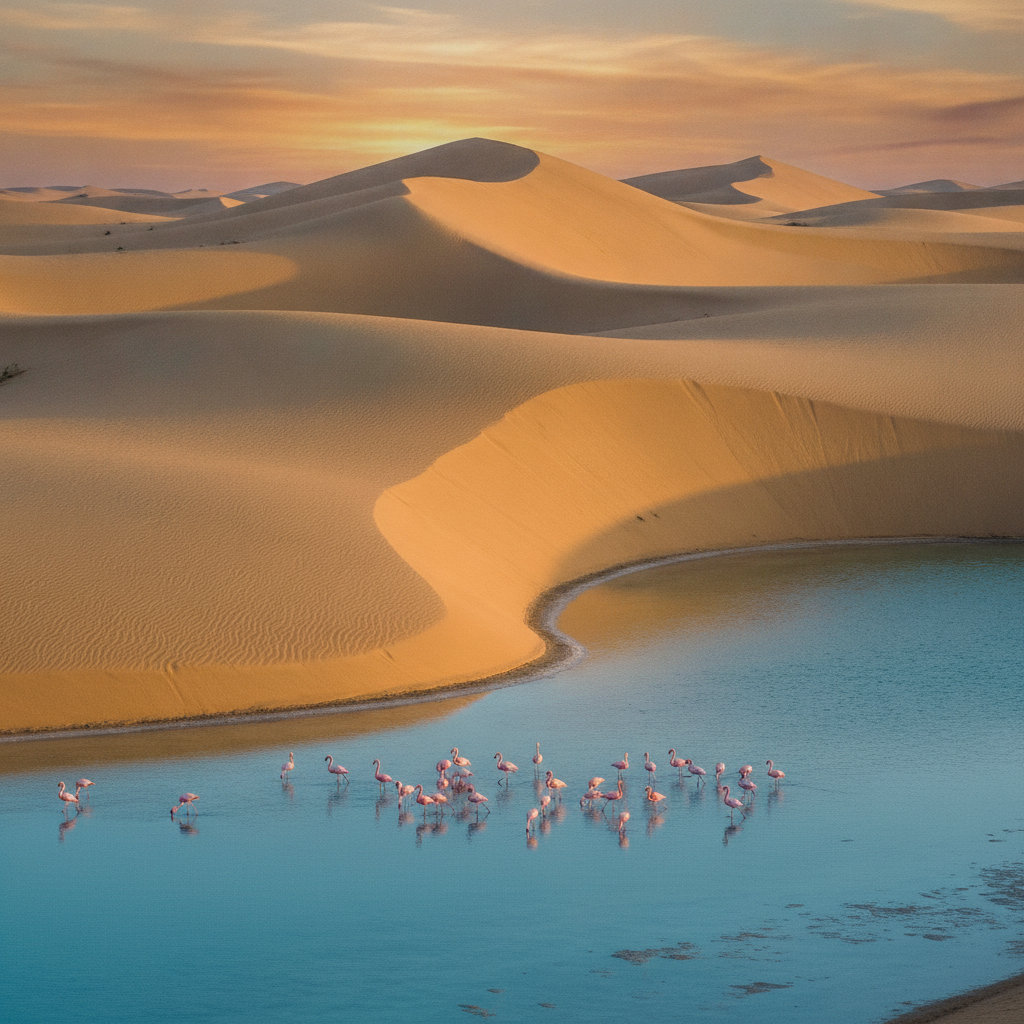
Qatar's desert—60% of the country's land area—begins immediately south of Doha. The 4WD desert safari to the Inland Sea (Khor Al Udaid, 100 km south) takes 3–4 hours round trip and typically includes dune bashing (extreme off-road driving up and down steep dunes at high speed), sand boarding, and sunset at the inland sea. Several Doha tour operators offer half-day or full-day trips including lunch and sunset camel rides. The dunes immediately south of Doha (visible from the city's southern ring road) are accessible in a standard 4WD.
- 4
Doha's Dining Scene – Beyond Hotel Restaurants
Doha's restaurant scene has diversified significantly post-World Cup. The Souq Waqif area contains the densest concentration of non-hotel dining—Lebanese, Indian, Yemeni, Ethiopian, and Egyptian restaurants clustered around the market's streets. The Pearl-Qatar's Porto Arabia marina concentrates international high-end dining (Nobu, Cut by Wolfgang Puck). The Doha food truck scene and the 3-2-1 Qatar Olympic and Sports Museum café cluster represent more casual options. Qatari food itself is almost absent from restaurants—the best approach is through the Qatari Cultural Immersion experience at the National Museum of Qatar.
- 5
Qatar's Pearl Diving Heritage
Before oil (which production began in 1940), Qatar's economy was entirely based on pearling—the collection of natural pearls from the Gulf oyster beds. At its peak (early 20th century), 30,000 men in Qatar were employed in pearling; the industry collapsed overnight in 1929 when Japanese cultured pearls flooded the market. The National Museum of Qatar's pearl diving section is the most evocative in the Gulf; the Traditional Dhow Festival (November, Katara) recreates the experience. The Qatari pearl's specific lustre—different from Bahraini or Australian pearls—is described in historical trading records from India and Persia.
- 6
Doha's Architecture Walk – From 1970s to 2020s
Doha has transformed its built environment more completely than any city in the world in 50 years—from a small pearl-fishing village to a hypermodern metropolis. The architecture walk from Msheireb downtown (traditional Qatari mud-render, completed 2019) along the Corniche past the Museum of Islamic Art (I.M. Pei, 2008) to the West Bay skyscraper district (2000s–2020s) covers 4 km and 50 years of architectural development in one promenade. The contrast between the Msheireb neighbourhood's human scale and the West Bay's glass towers is the most compressed urban architectural journey in the Middle East.
Walk this route with audio
Stories play automatically as you reach each stop — no tapping needed.
More in Doha
Doha Practical: Hamad International Airport, Accommodation, Desert Excursions, Optimal Timing, and the Qatar Visitor Framework
Doha Essential: The Museum of Islamic Art, Souq Waqif, the Corniche, Katara Cultural Village, and the Most Rapidly Transformed Single Gulf Capital
Doha's Qatar: World Cup Stadiums, Zaha Hadid's Dhow Arena & the Desert's Inland Sea
Doha World Cup: The 2022 FIFA Stadiums, Lusail City, the Sports Legacy, and the Most Consequential Single Gulf Sporting Event
Doha's Ambition: $1 Billion/Year Art Buying, Al Jazeera's Arab Spring Impact & the 2017 Blockade