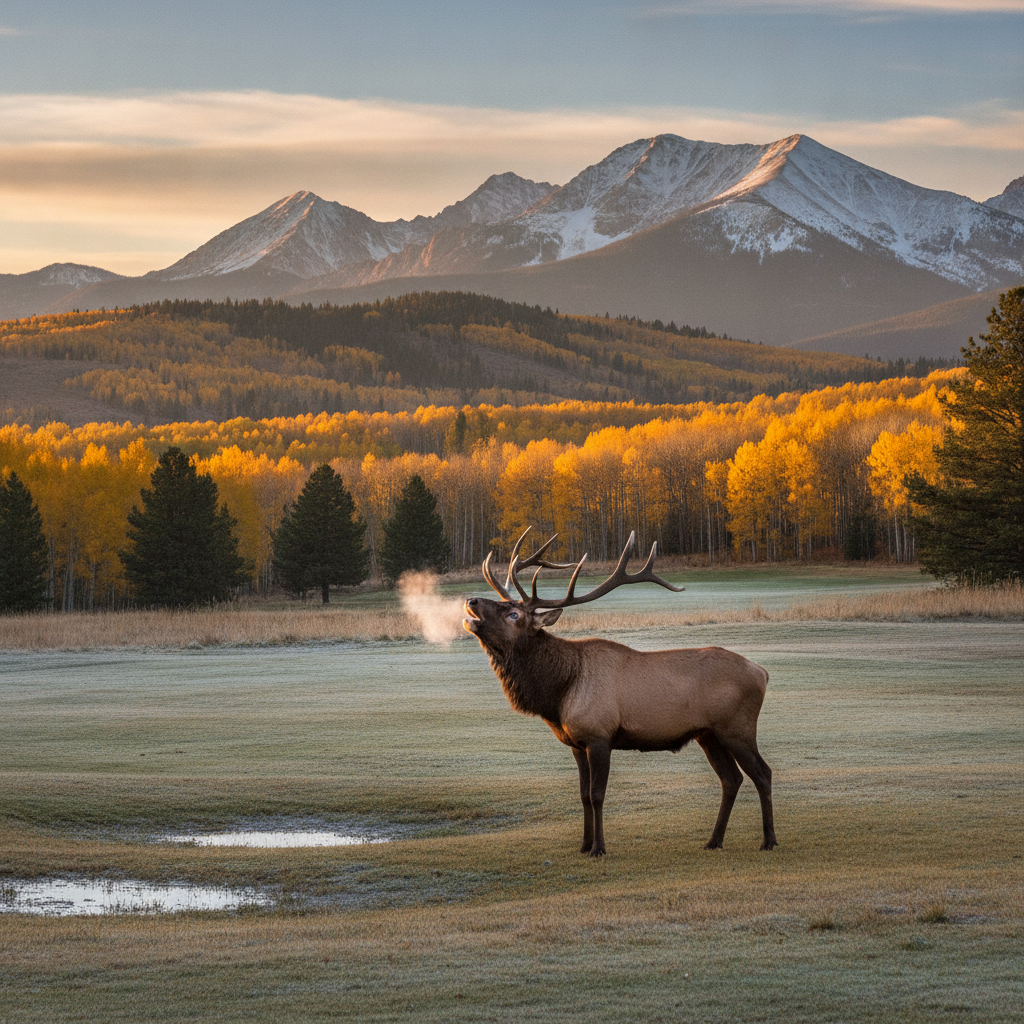
Denver: Mural District Breweries, Summit County Skiing and the Wickedest Street in America
Gallery-hop and brewery-crawl through RiNo Art District, plan Breckenridge or Vail ski days on the IKON pass, smell 800,000 annual visitors worth of botanical beauty, understand why Playboy called Colfax Avenue the most wicked street in America, see Colorado dinosaur fossils at the Natural History Museum, and walk the Victorian block Dana Crawford saved to become Larimer Square.
- 1
RiNo Art District and Creative Economy
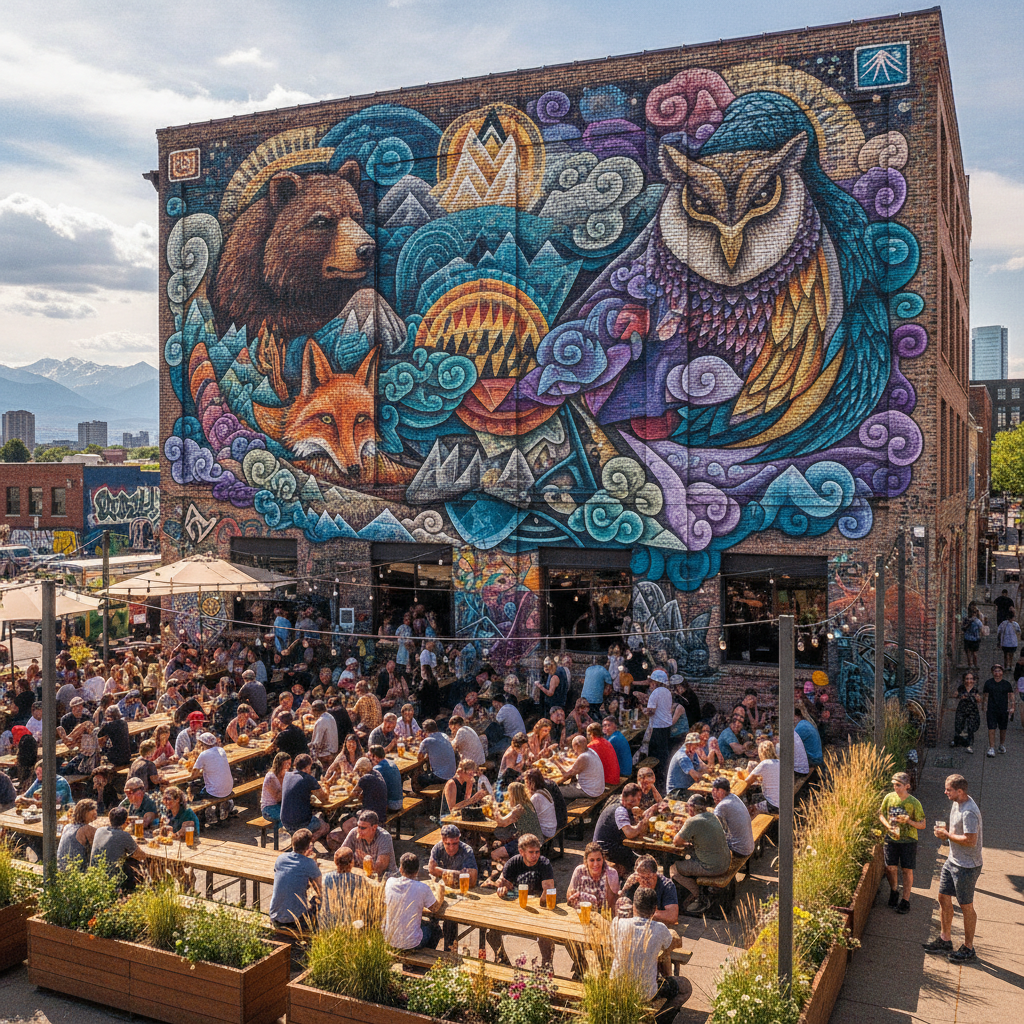
The River North Art District, known as RiNo, occupies a formerly industrial warehouse zone north of downtown Denver between the South Platte River and Brighton Boulevard. The neighborhood has transformed since 2005 into the highest concentration of galleries, artist studios, breweries, restaurants, and creative businesses in Colorado. The Denver Central Market food hall and Larimer Street concentration of restaurants anchor the commercial activity. Street murals cover building exteriors throughout RiNo in large-scale works commissioned by the RiNo Art District organization, which has brought artists from across the world for annual mural festivals. The neighborhood gentrification has displaced earlier Latino residents and industrial businesses, a tension that mirrors creative district development patterns in cities across the United States.
- 2
Breckenridge and Summit County Skiing
The Summit County ski resorts, accessible from Denver in 90 minutes via Interstate 70, represent one of the most concentrated ski area clusters in North America. Breckenridge Ski Resort, the most visited ski area in the United States by skier visits in recent years, offers 187 trails across five interconnected peaks rising to 12,998 feet with 3,398 feet of vertical drop. Vail Resort, 100 miles west of Denver, covers 5,317 acres of terrain and is considered the premier destination ski resort in Colorado. Keystone, Arapahoe Basin, and Copper Mountain add further terrain accessible on the IKON and EPIC ski passes that have transformed multi-resort access in the American West. The I-70 mountain corridor routinely closes due to avalanche control and severe weather, creating a significant logistics challenge for the ski industry and state transportation planners.
- 3
Denver Botanic Gardens
The Denver Botanic Gardens at 1007 York Street, covering 24 acres in the Cheesman Park neighborhood, is one of the most visited botanical gardens in the United States with over 800,000 visitors annually and is considered the finest botanical garden between Chicago and the Pacific Coast for the quality of its collections and programming. The Boettcher Memorial Tropical Conservatory holds tropical and subtropical plants in a climate-controlled dome. The York Street campus features an amphitheater that hosts summer concert series drawing 150,000 attendees across the season. The Chatfield Farms property in Littleton covers 700 acres and includes a corn maze, farm operations, and native plant collections. The Mordecai Childrens Garden opened in 2014 as one of the most innovative childrens garden spaces in the country.
- 4
Colfax Avenue and Denver Counterculture
Colfax Avenue, running east-west across Denver from Aurora through downtown and into Lakewood, is 26.5 miles long and has been called the longest continuous commercial street in America. Playboy magazine named it the most wicked street in America in 1968 for its concentration of adult entertainment, dive bars, and transient hotels. The avenue was the center of Denver counterculture in the 1960s and 1970s and has retained an eclectic, slightly seedy character that distinguishes it from the gentrified corridors of Capitol Hill and the Highlands. The Fillmore Auditorium at Colfax and Clarkson, a 3,900-capacity venue in a 1907 building, is one of the premier medium-capacity concert venues in Denver. The Crown Hill neighborhood and the East Colfax Latino business corridor add contemporary diversity to the street character.
- 5
Denver Museum of Nature and Science
The Denver Museum of Nature and Science at 2001 Colorado Boulevard in City Park holds permanent exhibitions on prehistoric life, space, health, geology, and native cultures of the American West. The museum is the largest natural history museum between Chicago and Los Angeles, with over 4.5 million objects in its collection. The IMAX theater and Gates Planetarium operate within the museum. The paleontology collection includes significant Colorado dinosaur specimens, as Colorado is one of the richest dinosaur fossil states in North America with major finds from the Morrison Formation, a Jurassic-age rock unit exposed across the Front Range. The museum also operates an archaeological site in the mountains west of Denver and conducts active fossil preparation that is visible to visitors through windows into the preparation laboratory.
- 6
Larimer Square and Historic Denver
Larimer Square, Denver oldest block on the 1400 block of Larimer Street, was rescued from demolition in 1965 by preservationist Dana Crawford and is now the most successful historic commercial preservation project in Colorado. The Victorian-era brick buildings house high-end restaurants, bars, and boutiques. Crawford went on to lead the redevelopment of LoDo and Union Station, making her the most influential figure in Denver urban preservation history. The adjacent 16th Street Mall, a 1.25-mile pedestrian and transit mall designed by I.M. Pei and Partners and opened in 1982, runs through the downtown core with free shuttle bus service and concentrates retail, hotels, and restaurants. The Denver Performing Arts Complex, the second largest performing arts center in the United States behind Lincoln Center, anchors the cultural life of downtown with 10 performance spaces and 10,000 seats.
Walk this route with audio
Stories play automatically as you reach each stop — no tapping needed.
More in Denver
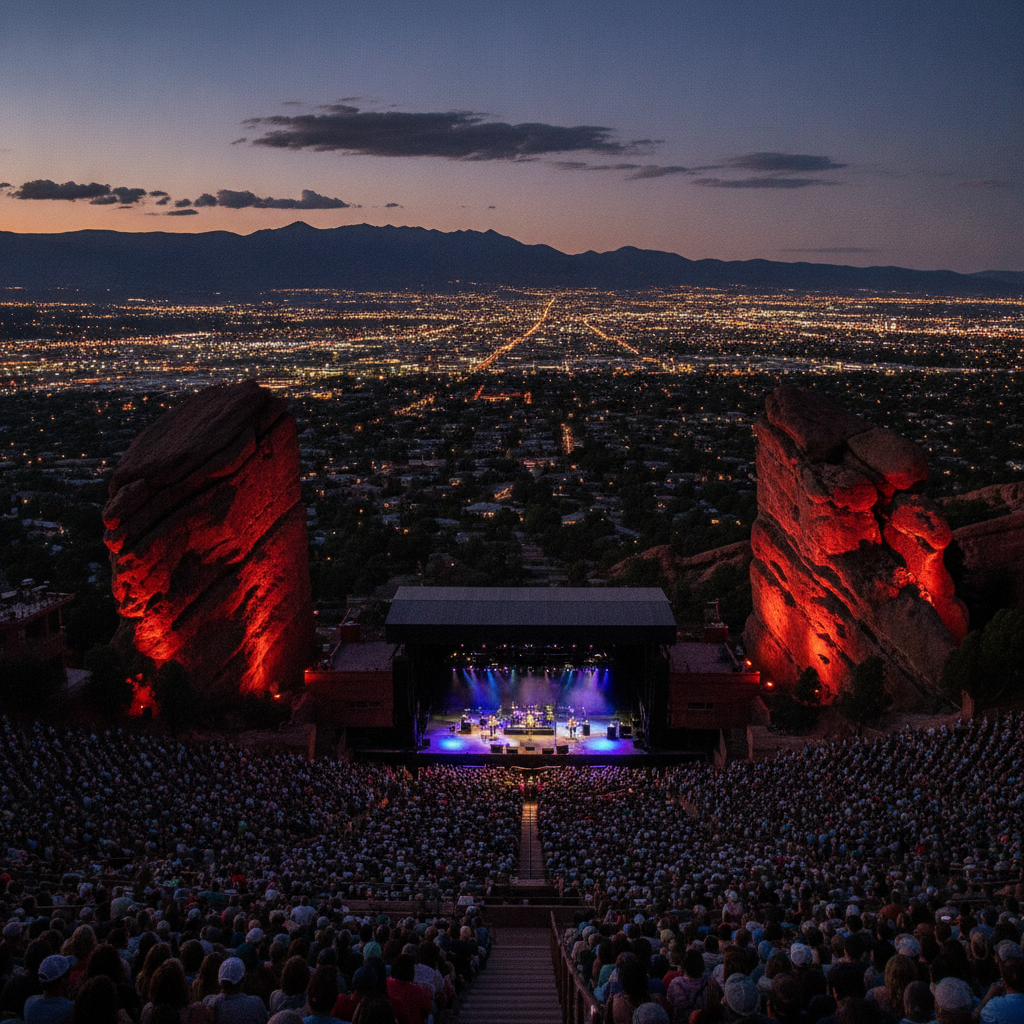
Denver: Red Rocks Amphitheatre (Greatest Outdoor Venue, U2 1983), Rocky Mountain National Park (Trail Ridge Road 3713m, elk rut, alpine tundra), Craft Beer Capital USA (Great American Beer Festival, 150+ breweries, Wynkoop 1988), Denver Art Museum (largest Native arts collection in world, Libeskind Hamilton Building, Clyfford Still Museum), and Practical Guide (DEN Airport rail link, LoDo, Colfax, Colorado ski resorts Breckenridge and Vail)
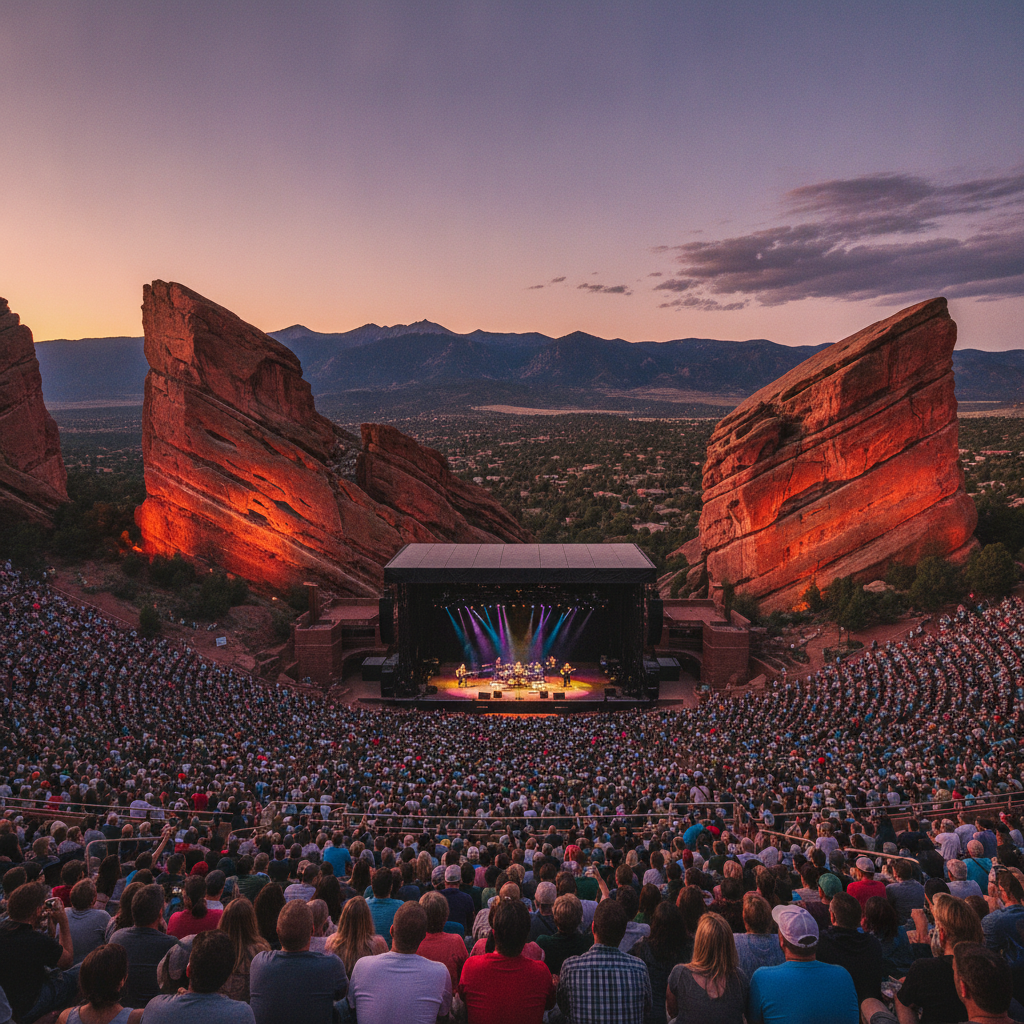
Denver: World Best Outdoor Venue, Mountain National Park Gateway and Craft Beer Capital
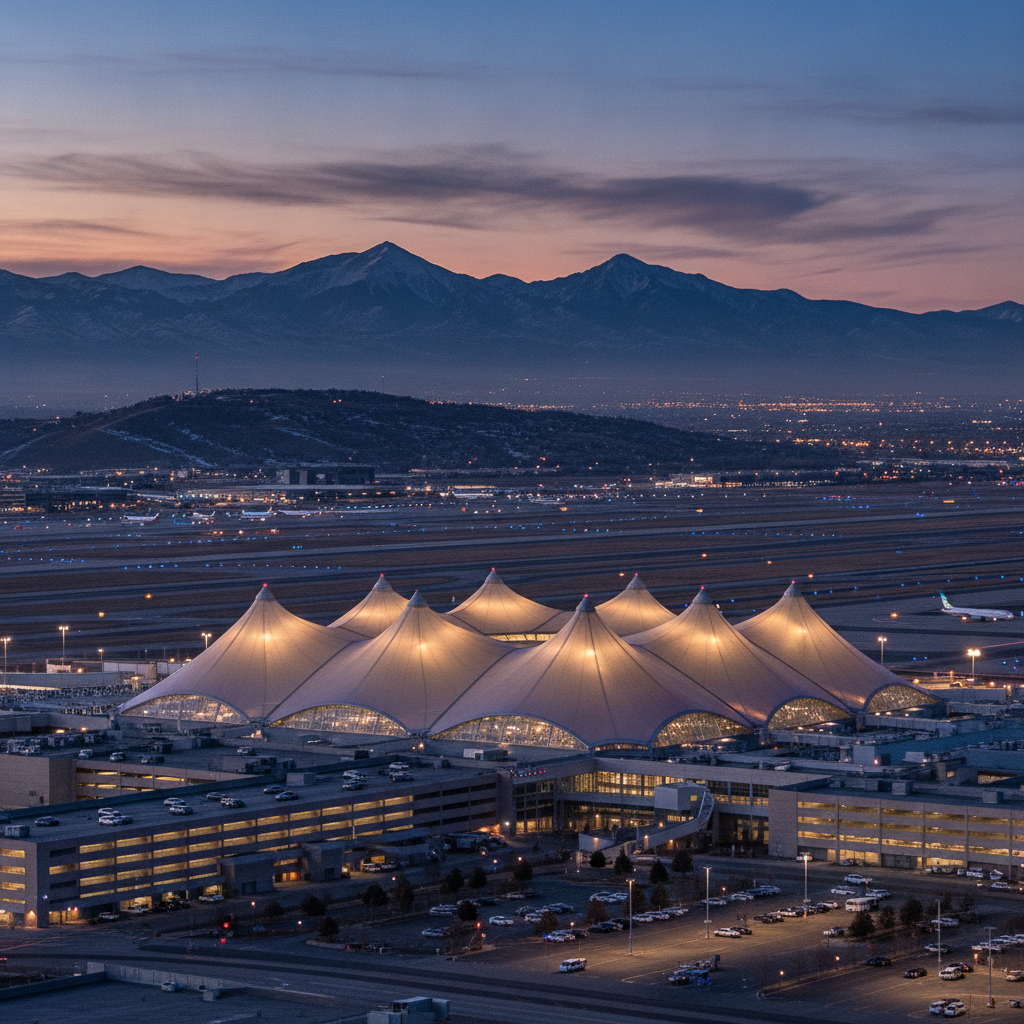
Denver: Coors Country, Red-Eyed Airport Mustang and the World First Cannabis Retail
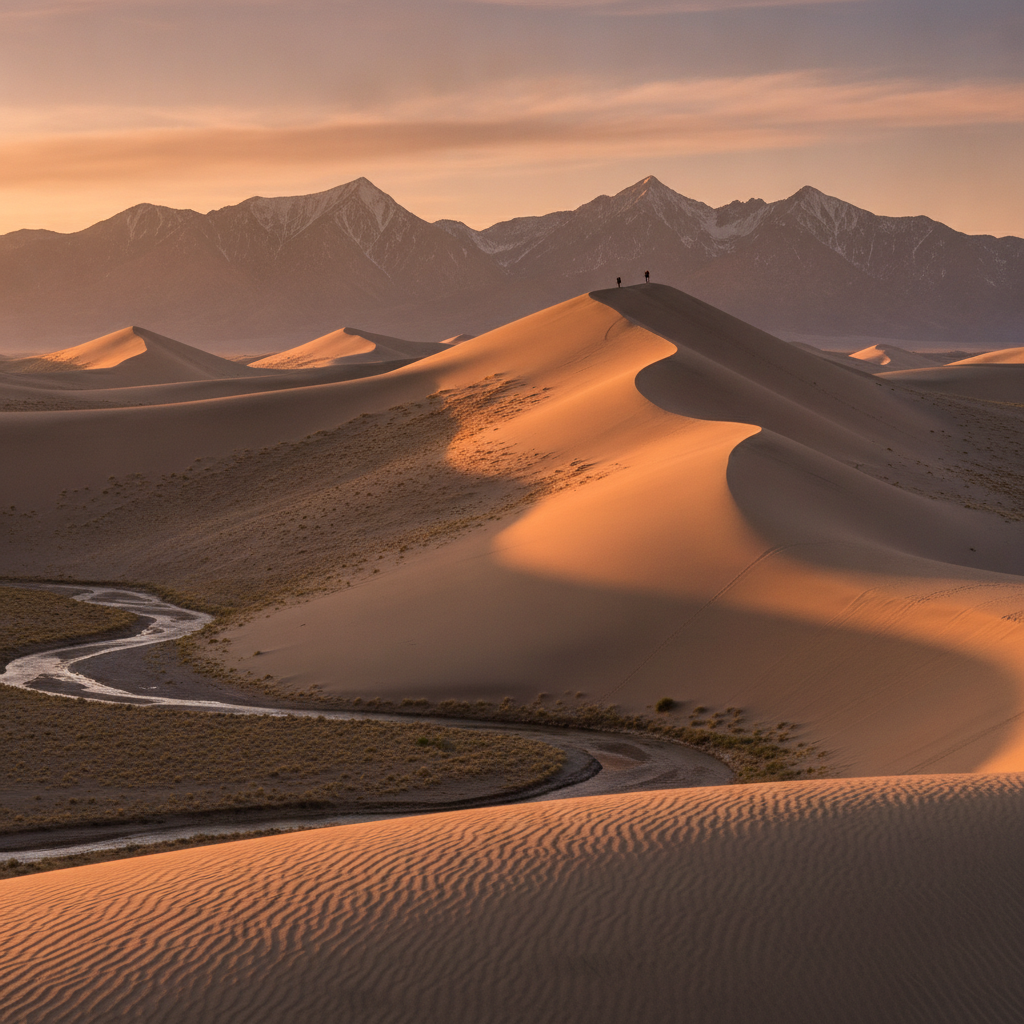
Denver: Colorado Cannabis Legalization (Amendment 64 2012, USD 1.7B tax revenue, dispensary culture), Denver Active Lifestyle (trail network, mountain biking, Jefferson County Open Space), Aspen and Telluride (luxury mountain towns, Aspen Institute, Telluride Film Festival), Great Sand Dunes National Park (tallest dunes in North America 230m), Colorado River Rafting (Moab, Black Canyon of the Gunnison, Glenwood Hot Springs), and Denver vs Other Western Cities Practical Guide
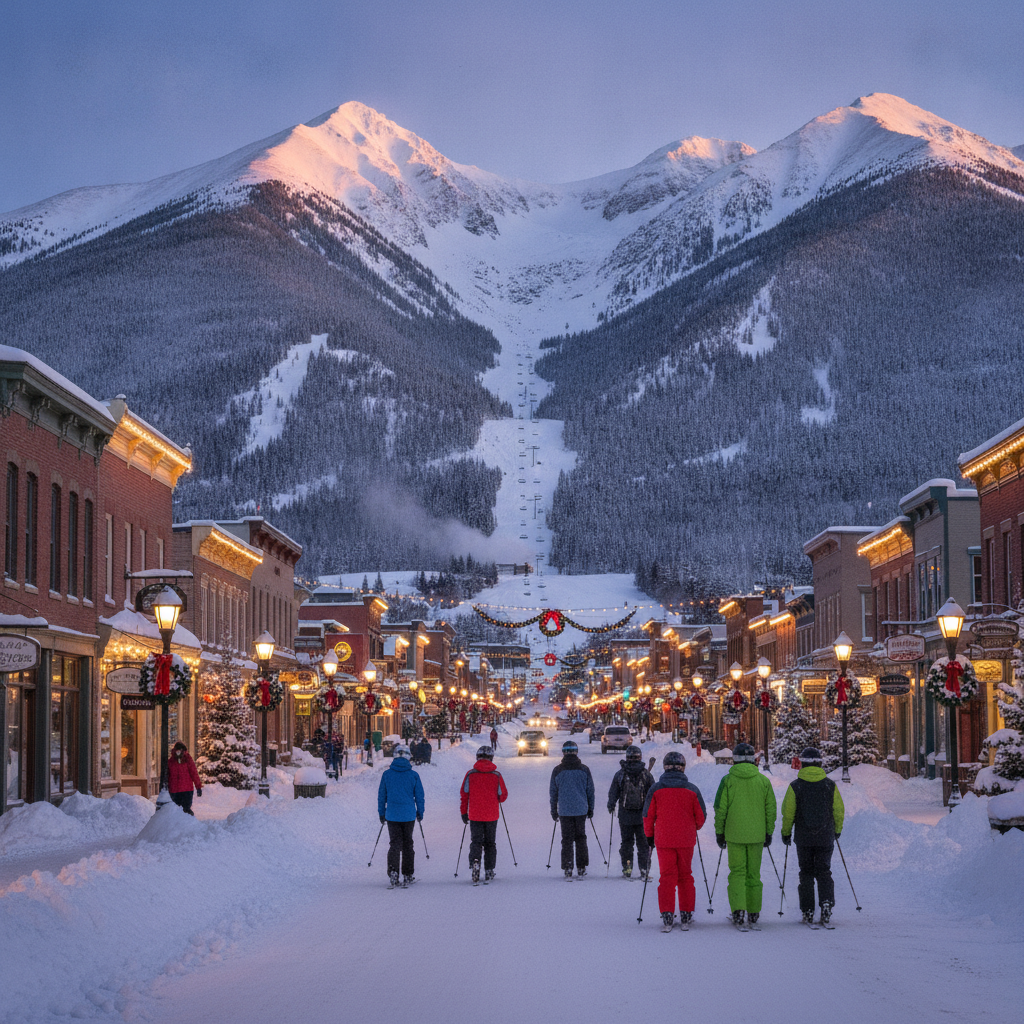
Denver: Breckenridge Skiing (most visited US resort, 1.45M skier-days, Victorian gold rush town), Vail Mountain (largest single ski mountain USA, Back Bowls, 10th Mountain Division history), Colorado 14ers Hiking (58 peaks over 14000ft, Mount Bierstadt accessible from Denver, Pikes Peak cog railway), Larimer Square and RiNo Art District, Denver Music Scene (Red Rocks, John Denver, Colorado festivals), and Boulder Day Trip (Flatirons, Pearl Street Mall, CU Boulder, outdoor culture)