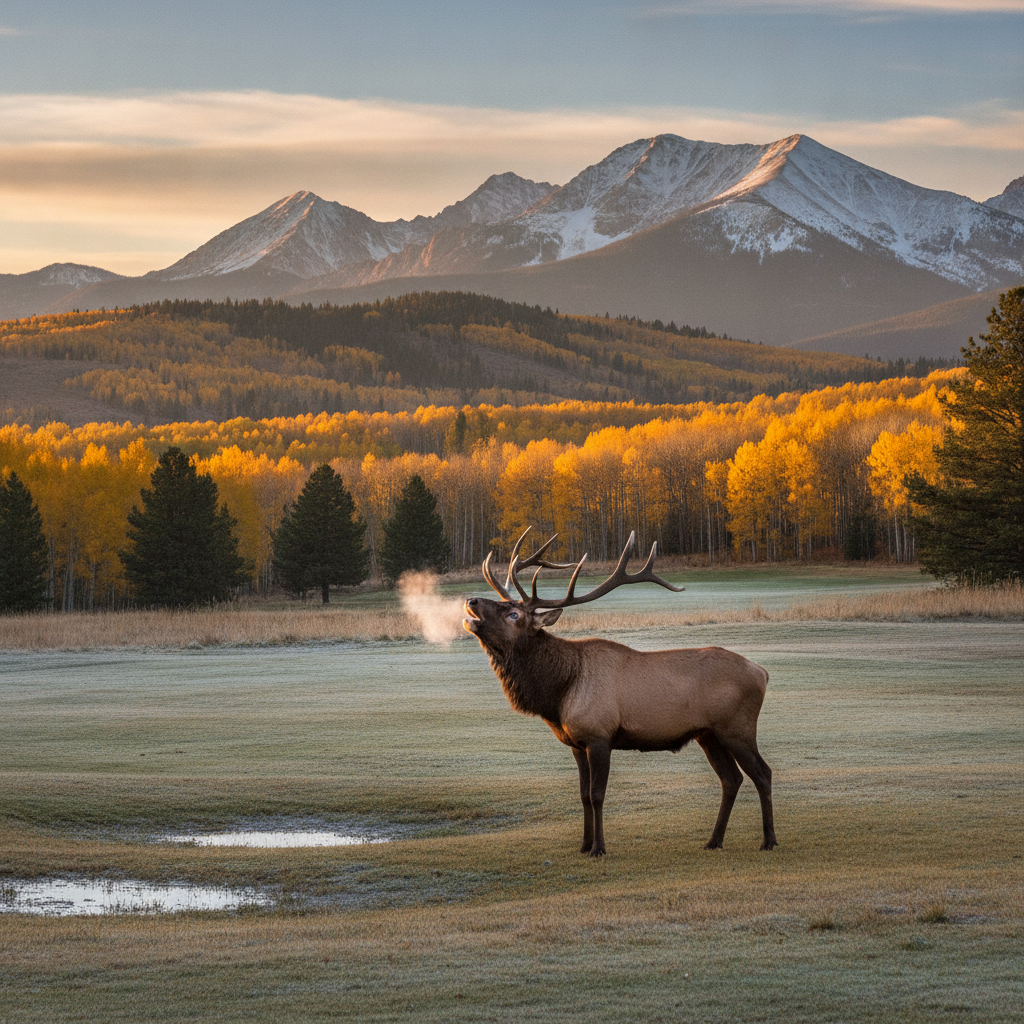
Denver: Colorado Cannabis Legalization (Amendment 64 2012, USD 1.7B tax revenue, dispensary culture), Denver Active Lifestyle (trail network, mountain biking, Jefferson County Open Space), Aspen and Telluride (luxury mountain towns, Aspen Institute, Telluride Film Festival), Great Sand Dunes National Park (tallest dunes in North America 230m), Colorado River Rafting (Moab, Black Canyon of the Gunnison, Glenwood Hot Springs), and Denver vs Other Western Cities Practical Guide
Denver context: Colorado cannabis industry (Amendment 64 2012, USD 1.7B tax revenue, 500 Denver dispensaries, consumption regulations), Denver active city culture (200 parks, 230km trails, Cherry Creek and South Platte river trails, Jefferson County 56,000-acre open space), Aspen luxury resort (median home price USD 4M, Aspen Institute, Telluride Film Festival) and Telluride box canyon, Great Sand Dunes National Park (tallest dunes in North America, Medano Creek surge flow, sandboarding), Colorado River rafting from Moab (Cataract Canyon, Black Canyon of Gunnison, Glenwood Hot Springs world largest pool), and practical Denver vs Salt Lake vs Phoenix vs Seattle comparison.
- 1
Colorado Cannabis Industry and the Post-2012 Landscape
Colorado cannabis legalization: Colorado Amendment 64 (approved by Colorado voters in November 2012) legalized recreational cannabis use for adults 21 and older, making Colorado the first US state (alongside Washington state) to legalize recreational cannabis. Colorado began retail recreational cannabis sales on 1 January 2014. The Colorado cannabis industry economic impact: Colorado has generated over USD 1.7 billion in cannabis tax revenue since 2014, with an annual industry economic impact exceeding USD 4 billion. The cannabis regulatory model: the Colorado Marijuana Enforcement Division oversees licensing, inspection, and regulation of cannabis cultivators, processors, retailers, and testers. The Denver cannabis retail landscape: Denver has more licensed cannabis dispensaries than Starbucks locations (approximately 500 dispensaries in the Denver area). Colorado cannabis tax structure: a 15% state excise tax, a 15% state retail marijuana sales tax, and applicable local sales taxes (approximately 35-40% total tax burden). The cannabis tourism effect: Colorado became the first US state to openly market cannabis tourism; the Denver Convention and Visitors Bureau has noted that cannabis has been a significant driver of visitor interest. Cannabis consumption regulations: cannabis can only be legally consumed in private spaces (including some licensed cannabis consumption lounges); public consumption and consumption in hotel rooms (technically in violation of federal law) remains technically prohibited. The ongoing federalism tension: cannabis remains a Schedule I controlled substance under US federal law, creating ongoing tensions with banking, interstate commerce, and federal land access.
- 2
Denver Outdoor Recreation and the Active Lifestyle
Denver outdoor recreation and the active lifestyle culture: Denver is the most physically active major city in the United States by multiple measures, with the highest percentage of residents who exercise regularly, the highest percentage of residents who participate in skiing or snowboarding, and the lowest obesity rate among major US cities. The Denver Parks and Recreation system: Denver has 200 parks (including the 330-acre City Park, the largest in Denver, with the Denver Zoo and the Denver Museum of Nature and Science on its shores) and 230 km of off-street recreational trails. The Denver trail system: the Cherry Creek Trail (the 40 km paved trail from Confluence Park in LoDo to Franktown in Douglas County), the Highline Canal Trail (the 100 km trail along the historic irrigation canal that runs from the mountains to the eastern suburbs), and the Bear Creek Trail (connecting Morrison and Red Rocks to the South Platte River trail in southwest Denver). The South Platte River Trail (running through the entire Denver metro from Chatfield Reservoir in the south to the Sand Creek junction in Commerce City): the spine of the Denver urban trail network. The Denver mountain bike scene: the Dakota Ridge Trail (adjacent to Red Rocks, overlooking the Dakota Hogback), the Mount Falcon Trail (in Jefferson County Open Space above Morrison), and the numerous Jefferson County Open Space parks within 30 minutes of Denver provide over 600 km of mountain bike trails. The Colorado State Open Space program (Jefferson County Open Space, the largest county open space program in the United States): protecting 56,000 acres of Front Range foothills within the Denver metro area.
- 3
Aspen and Telluride - Colorado Luxury Mountain Towns
The Colorado luxury mountain towns and the Aspen-Vail-Telluride corridor: Aspen (population 7,000, elevation 2,438 m, 317 km west of Denver via I-70 and Highway 82): the most famous ski resort town in the United States, and one of the most expensive real estate markets in the world (median home price exceeds USD 4 million). Aspen mountain skiing: the Aspen Mountain (348 acres, no beginner terrain), Highlands (the Highland Bowl expert terrain, one of the most celebrated advanced ski areas in the US), Buttermilk (beginner and intermediate, site of the X Games Winter), and Snowmass (the largest ski area in the Aspen Snowmass resort, 3,332 acres). Aspen history: established as a silver mining camp in 1879, reaching a peak population of 12,000 by 1893; the silver crash of 1893 left Aspen nearly abandoned until Walter Paepcke (the Container Corporation of America president) revived the town as a cultural and intellectual center in 1949, hosting the Goethe Bicentennial Convocation. The Aspen Institute (founded 1950): the international policy and leadership organization that continues to hold seminars and symposia in Aspen. Telluride (population 2,500, elevation 2,667 m, 400 km southwest of Denver via US-550 or via Montrose): the most scenically dramatic ski resort town in Colorado, at the head of a box canyon with the mountains rising above the Victorian main street. The Telluride Film Festival (annual in September): one of the most prestigious film festivals in the United States, where Academy Award contenders are regularly premiered.
- 4
Great Sand Dunes National Park and Southern Colorado
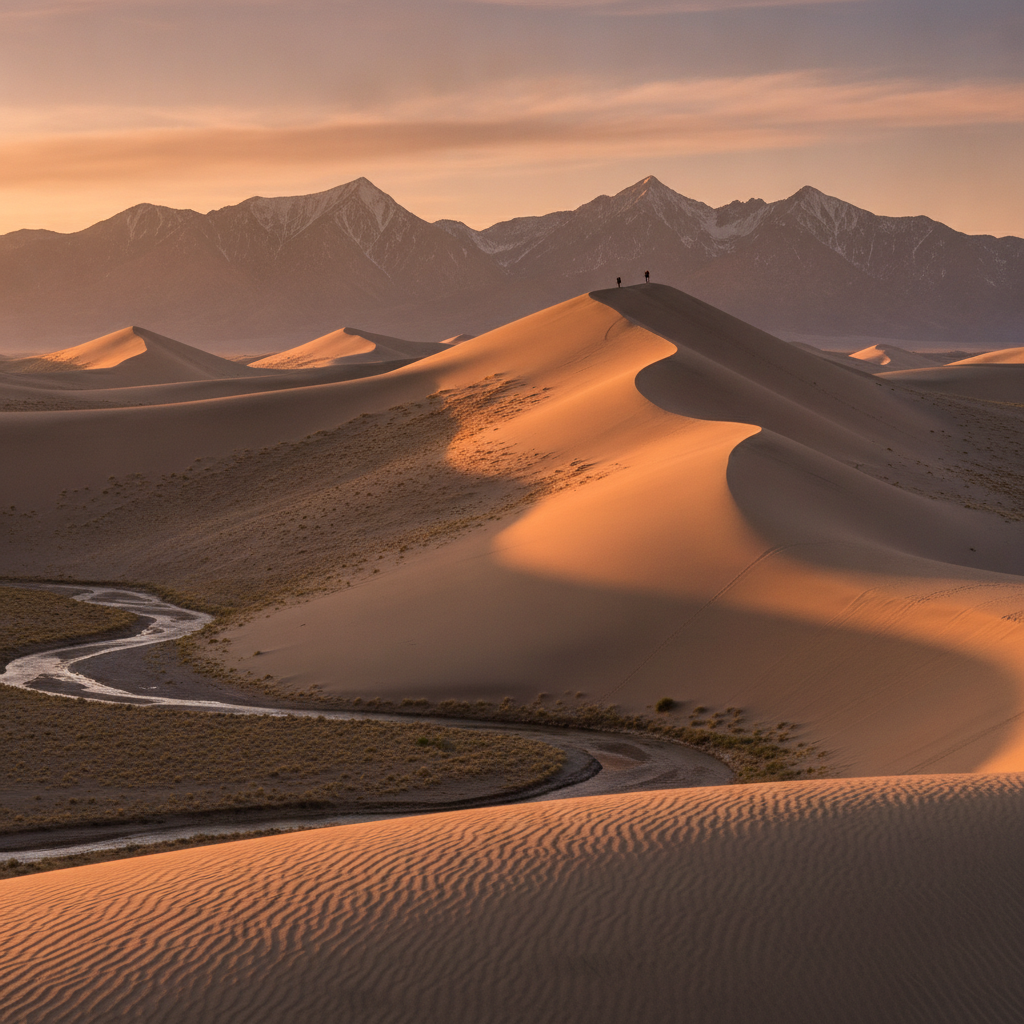
Great Sand Dunes National Park and Preserve (at Mosca, Colorado, 380 km south of Denver, 4 hours via I-25 and US-160): the most unexpected landscape in Colorado, where the tallest sand dunes in North America (rising 230 m above the valley floor) sit at the foot of the Sangre de Cristo Mountains. The geology of Great Sand Dunes: the dunes were formed over approximately 440,000 years from sand eroded from the surrounding mountains by the Rio Grande and its tributaries, blown northeast by prevailing winds, and trapped at the foot of the Sangre de Cristo Mountains by opposing winds that prevent the dunes from migrating further. The dune field covers approximately 50 square miles. The Medano Creek (the seasonal stream that flows along the base of the dunes from spring snowmelt through early summer): the unusual pulsing surge flow in the creek (a periodic surge wave caused by the unstable sand bottom) creates a natural wading and playing area at the base of the dunes. Activities at Great Sand Dunes: sandboarding and sand sledding (on rented sleds from the Oasis Store outside the park), hiking up the dunes (the Star Dune at 230 m is the standard goal), and overnight backpacking in the dune field (permits required). The Sangre de Cristo Mountains (the Blood of Christ Mountains, rising to 4,366 m at Blanca Peak): the southern terminus of the Rocky Mountains, with the 14ers Blanca Peak, Crestone Needle (4,357 m), and Crestone Peak (4,358 m) above the Great Sand Dunes.
- 5
Colorado River and Rafting the Grand Canyon Region
Colorado River and the Western Colorado outdoor adventure: the Colorado River (originating at La Poudre Pass in Rocky Mountain National Park, flowing 2,330 km to the Gulf of California): the most over-appropriated river in the American West, with water rights claimed by seven US states and Mexico through the Colorado River Compact (1922). The river is often dry for the last 100 km before the Gulf of California due to the accumulated diversions. Rafting the Colorado River from Moab, Utah (315 km southwest of Denver): the Moab area provides rafting trips on the Colorado River from flat-water float trips (the Fisher Towers float) to the Class IV-V rapids of Cataract Canyon (the canyon below the confluence of the Colorado and Green Rivers, within Canyonlands National Park). The Black Canyon of the Gunnison National Park (at Montrose, 300 km southwest of Denver): the deepest and steepest canyon in Colorado, where the Gunnison River has carved a canyon 2,722 m deep with walls dropping vertically 823 m at the Painted Wall (the tallest cliff face in Colorado). The Glenwood Canyon (the 25 km canyon of the Colorado River between Glenwood Springs and Dotsero, through which I-70 runs): one of the most spectacular highway engineering achievements in the United States, with the highway cantilevered on concrete brackets above the river in the narrowest sections. The Glenwood Hot Springs (at Glenwood Springs, 240 km west of Denver): the largest natural hot springs pool in the world, 122 m long, operating since 1888.
- 6
Denver versus Other Western Cities - a Practical Comparison
Denver practical and competitive context: Denver compared to other Western cities as a visitor destination and as a place to live. Denver vs Salt Lake City: Salt Lake City is 600 km northwest of Denver, with access to the Greatest Snow on Earth (Utah resorts including Park City, Alta, Snowbird, and Deer Valley within 45 minutes of the airport), the Mormon cultural history, and the Utah national parks corridor (Zion, Bryce, Arches, Canyonlands). Denver offers more cultural diversity and nightlife; Salt Lake City offers better ski access and the national parks. Denver vs Phoenix: Phoenix is 1,100 km south of Denver, with no mountains within the city but access to the Sonoran Desert landscape, year-round warmth, the Grand Canyon (4 hours north), and Sedona (2 hours north). Phoenix is better for winter sun seekers; Denver is better for four-season outdoor recreation and mountain access. Denver vs Seattle: Seattle is 1,700 km northwest, with access to the Cascade Range skiing (Crystal Mountain, Stevens Pass), the Pacific Coast, and the Pacific Northwest food scene (seafood, Pacific Rim cuisine). Seattle is better for coastal and maritime experiences; Denver is better for high-altitude Rocky Mountain experiences. Denver visitor practical: altitude sickness: the rapid ascent to Denver altitude (1,609 m) from sea level causes mild altitude sickness (headache, fatigue, shortness of breath) in approximately 25% of visitors; ascent to 3,000+ m ski resorts can cause more severe symptoms; drink water, avoid alcohol on arrival, and ascend gradually.
Walk this route with audio
Stories play automatically as you reach each stop — no tapping needed.
More in denver
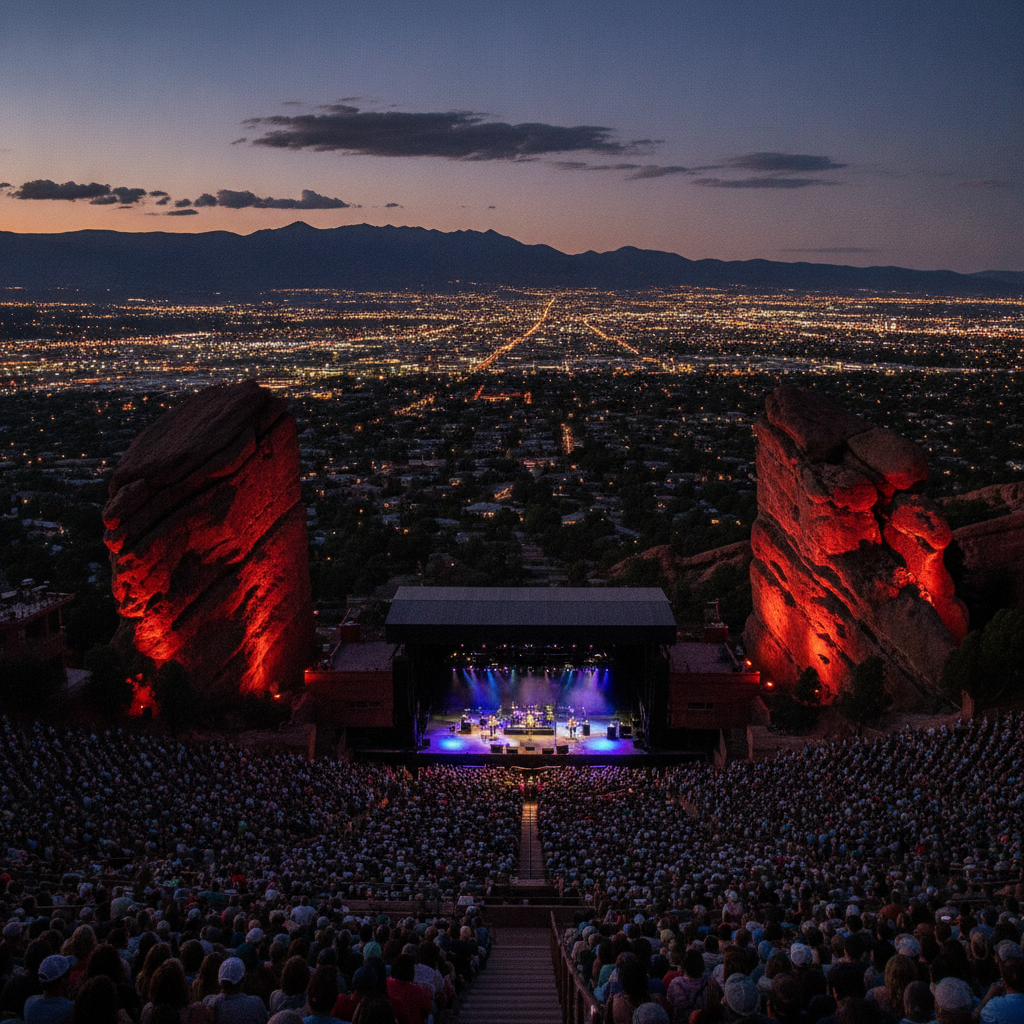
Denver: Red Rocks Amphitheatre (Greatest Outdoor Venue, U2 1983), Rocky Mountain National Park (Trail Ridge Road 3713m, elk rut, alpine tundra), Craft Beer Capital USA (Great American Beer Festival, 150+ breweries, Wynkoop 1988), Denver Art Museum (largest Native arts collection in world, Libeskind Hamilton Building, Clyfford Still Museum), and Practical Guide (DEN Airport rail link, LoDo, Colfax, Colorado ski resorts Breckenridge and Vail)
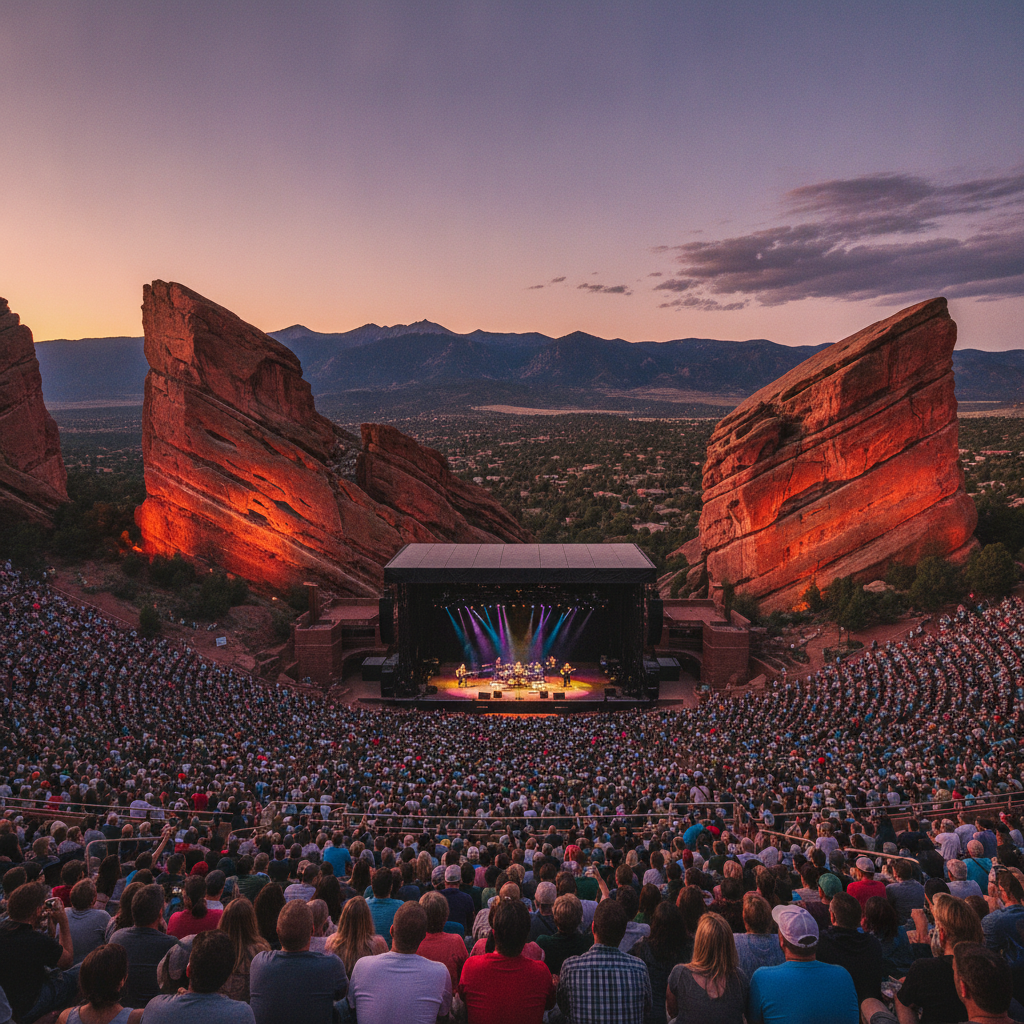
Denver: World Best Outdoor Venue, Mountain National Park Gateway and Craft Beer Capital
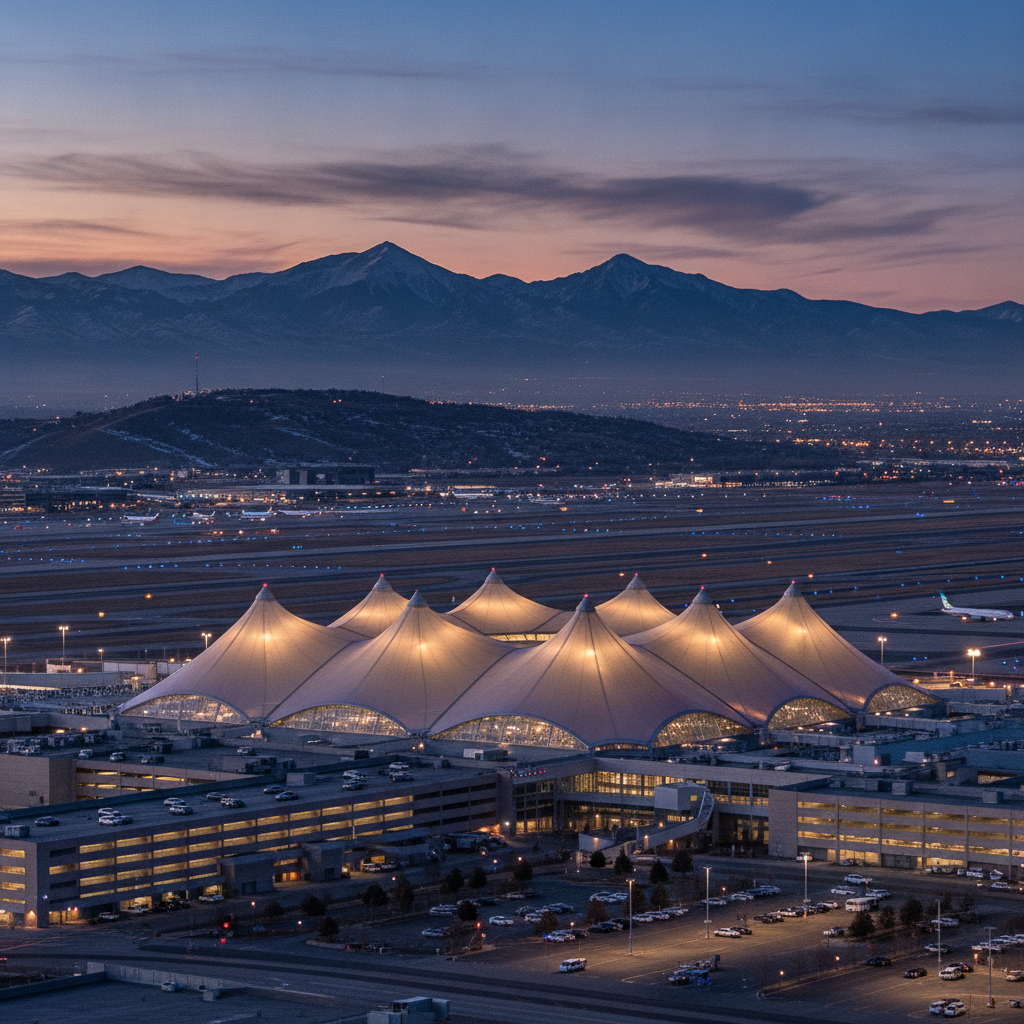
Denver: Coors Country, Red-Eyed Airport Mustang and the World First Cannabis Retail
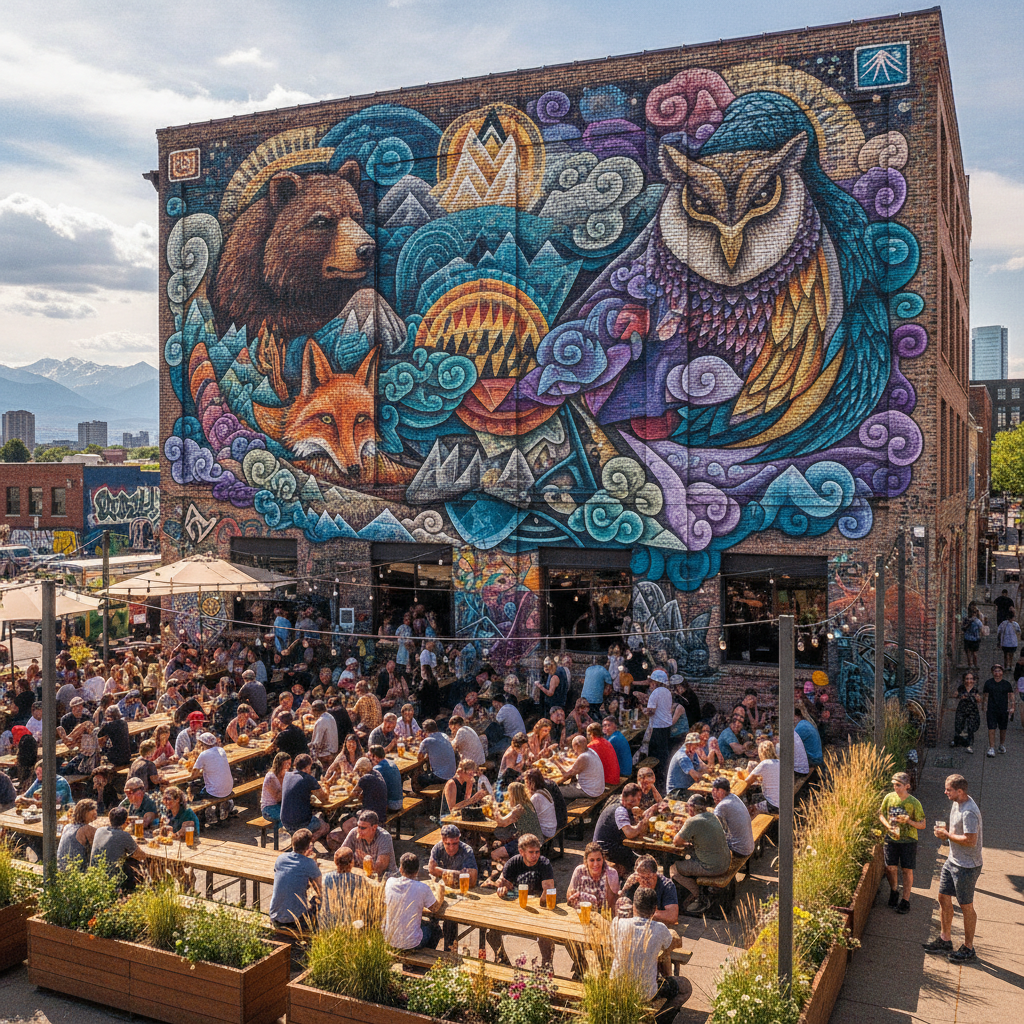
Denver: Mural District Breweries, Summit County Skiing and the Wickedest Street in America
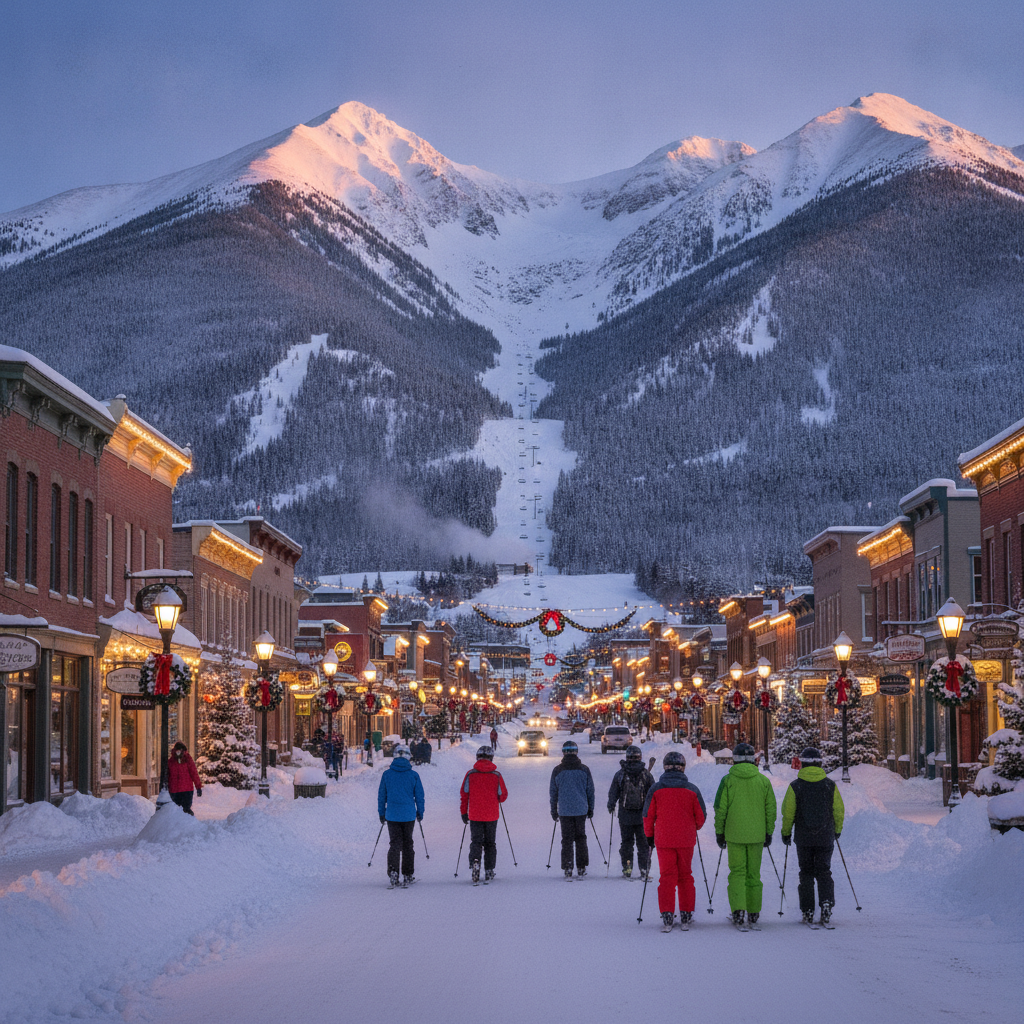
Denver: Breckenridge Skiing (most visited US resort, 1.45M skier-days, Victorian gold rush town), Vail Mountain (largest single ski mountain USA, Back Bowls, 10th Mountain Division history), Colorado 14ers Hiking (58 peaks over 14000ft, Mount Bierstadt accessible from Denver, Pikes Peak cog railway), Larimer Square and RiNo Art District, Denver Music Scene (Red Rocks, John Denver, Colorado festivals), and Boulder Day Trip (Flatirons, Pearl Street Mall, CU Boulder, outdoor culture)