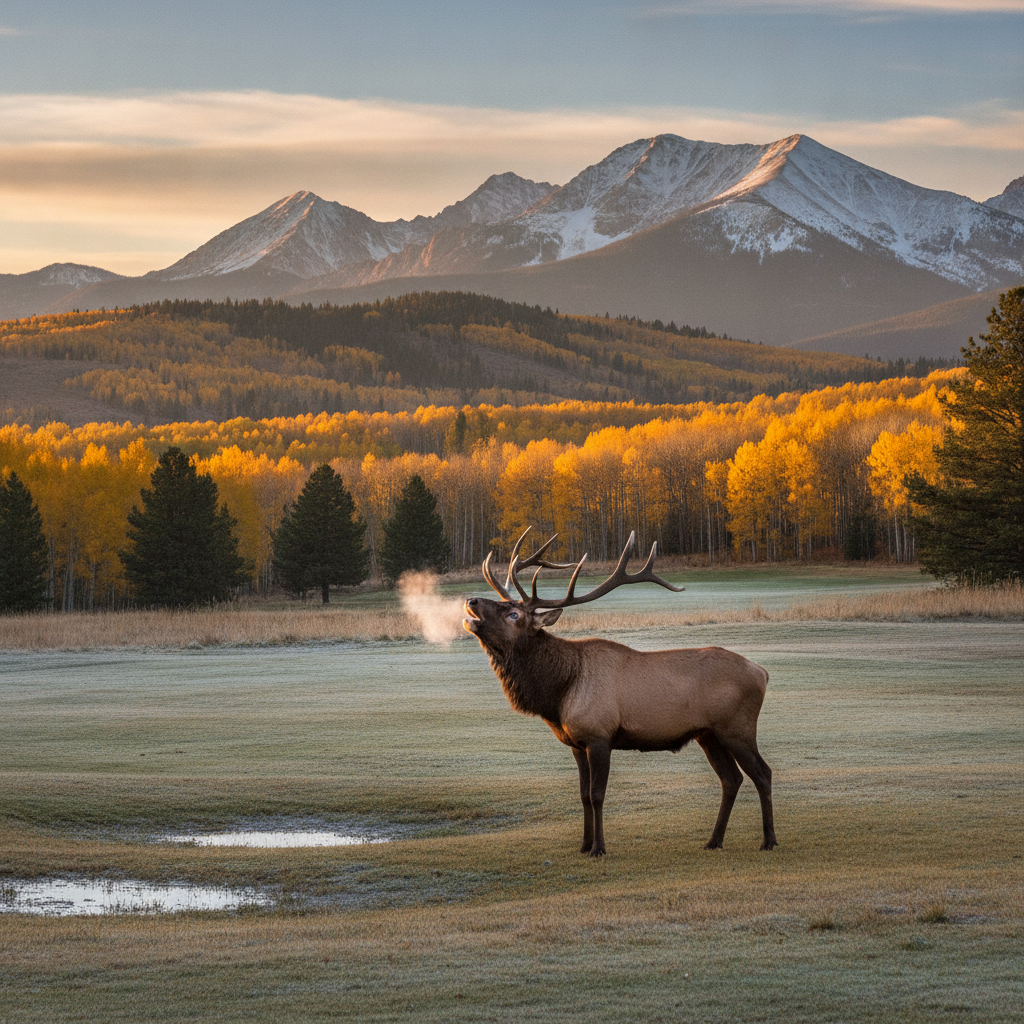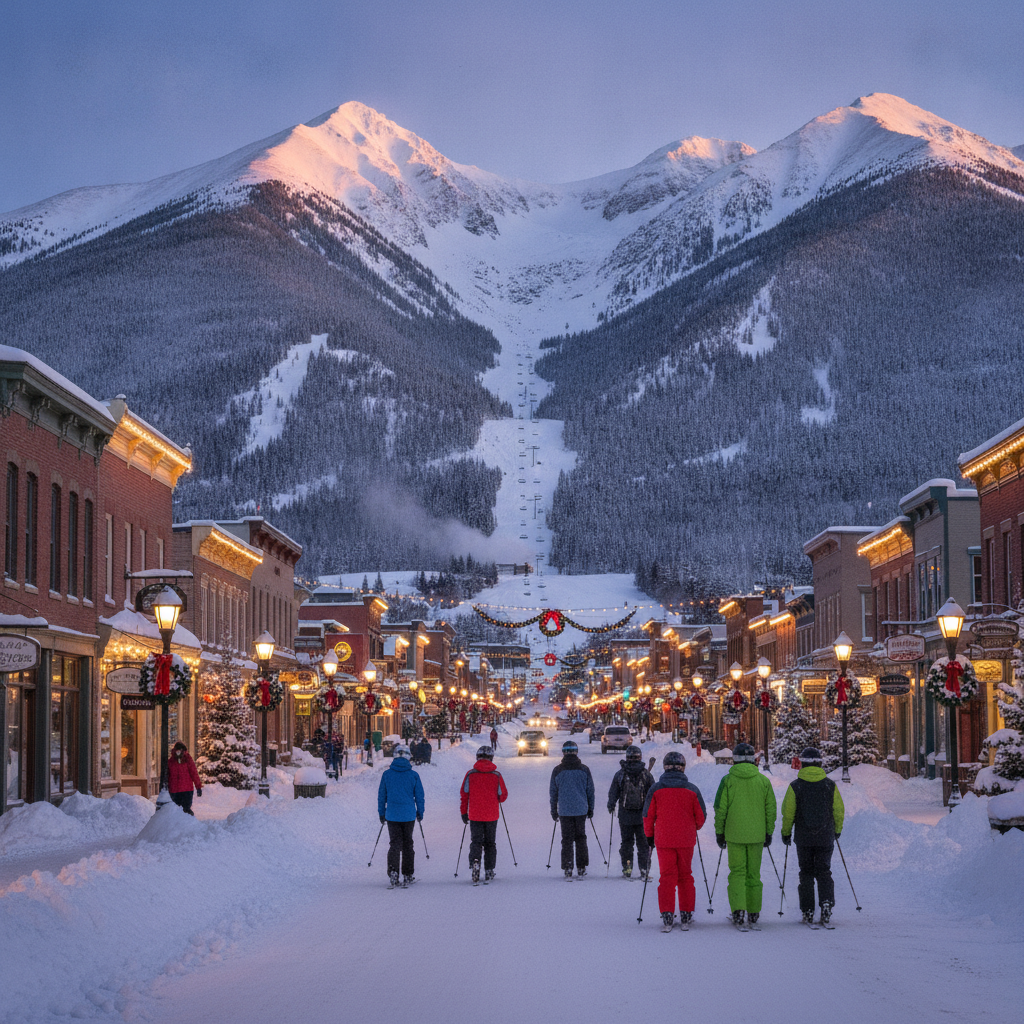
Denver: Breckenridge Skiing (most visited US resort, 1.45M skier-days, Victorian gold rush town), Vail Mountain (largest single ski mountain USA, Back Bowls, 10th Mountain Division history), Colorado 14ers Hiking (58 peaks over 14000ft, Mount Bierstadt accessible from Denver, Pikes Peak cog railway), Larimer Square and RiNo Art District, Denver Music Scene (Red Rocks, John Denver, Colorado festivals), and Boulder Day Trip (Flatirons, Pearl Street Mall, CU Boulder, outdoor culture)
Denver ski and outdoor: Breckenridge (1.45M skier-days, most visited US resort, Victorian gold mining town 1859, 3,914m summit), Vail Mountain (2,170 acres front side plus 3,000-acre Back Bowls, Tyrolean village, 10th Mountain Division founders), Colorado 14ers hiking (58 peaks over 4,267m, Mount Bierstadt accessible, Pikes Peak cog railway, afternoon thunderstorm warning), Larimer Square historic preservation and RiNo art district murals, Denver concert scene (Ball Arena, Fillmore, Bluebird, John Denver legacy), and Boulder day trip (Flatirons/Chautauqua, Pearl Street Mall, Pearl Street outdoor culture).
- 1
Breckenridge and Summit County - Colorado Skiing
Breckenridge Ski Resort (at Breckenridge, Colorado, 145 km southwest of Denver, 1.5 hours via I-70 and Highway 9): the most visited ski resort in the United States, with approximately 1.45 million skier-days per year. Breckenridge mountain statistics: 5 peaks (Peaks 6, 7, 8, 9, and 10), 187 trails, 3,307 acres of skiable terrain, and a summit elevation of 3,914 m (the highest lift-served terrain in the United States). The Breckenridge Ski Resort history: opened 1961, acquired by Vail Resorts in 2013. The town of Breckenridge (population approximately 5,000, elevation 2,926 m): a Victorian mining town (founded during the gold rush of 1859) that has been preserved and restored to its 19th century character, with Main Street lined with Victorian commercial buildings now housing restaurants, bars, and ski shops. The Breckenridge Gold Rush: the Blue River Valley (where Breckenridge is located) was one of the richest gold placer mining areas in Colorado; the Tom Collins Gold Dredge (the historic gold dredging machine at the southern end of Breckenridge): one of the largest gold dredges ever operated in the United States, operating from 1942 to 1942. The I-70 Mountain Corridor (the 100 km stretch of Interstate 70 from Denver to the Eisenhower Tunnel): the ski resort access highway that carries millions of Front Range skiers weekly in winter; the Eisenhower Tunnel (the twin bores at 3,401 m elevation, the highest vehicular tunnel in the world): marks the Continental Divide crossing.
- 2
Vail Mountain and the Vail Valley
Vail Ski Resort (at Vail, Colorado, 171 km west of Denver, 2 hours via I-70): the largest single ski mountain in the United States, with 2,170 acres of front-side groomed terrain and the famous Back Bowls (an additional 3,000 acres of ungroomed powder terrain on the back of the mountain). Vail mountain character: the Front Side (the groomed blue and black runs visible from Vail Village, with consistent fall-line terrain), the Back Bowls (seven open treeless bowls on the south-facing back of the mountain, with lighter and drier snow than the north-facing front side), and the Blue Sky Basin (the remote expert terrain at the western end of the mountain, with glades and cliff bands). Vail history: founded in 1962 by Pete Seibert (a 10th Mountain Division veteran) and Earl Eaton, modeled on the Alpine villages of Europe. Vail Village (the Austrian Tyrolean-style pedestrian village at the base of the mountain): the most architecturally consistent and highest-income resort village in the US ski industry. The 10th Mountain Division (the US Army ski troops who trained at Camp Hale near Leadville, Colorado, at 3,048 m elevation, during World War II): many 10th Mountain veterans (Pete Seibert, Friedl Pfeifer, Steve Knowlton) went on to found major Colorado ski resorts after the war. The Vail Valley (the Eagle River Valley between Vail and Glenwood Springs): the communities of Avon, Edwards, and Eagle provide the full range of accommodation from ski-in ski-out luxury to budget lodging.
- 3
Colorado 14ers - Hiking the Highest Peaks in the Lower 48
Colorado 14ers: Colorado has 58 mountain peaks above 14,000 feet (4,267 m), known as 14ers. No other state in the contiguous United States has peaks this high; Mount Whitney in California at 4,418 m is the highest point in the lower 48. The Front Range 14ers accessible from Denver (all within 2-3 hours): Mount Bierstadt (4,287 m, at the Guanella Pass trailhead, 97 km from Denver): the most accessible 14er from Denver, with a trail of approximately 7.2 km round trip and 548 m elevation gain; the summit view encompasses the Mount Evans wilderness and the Continental Divide. Mount Evans (4,348 m, at 65 km from Denver via Clear Creek Canyon and the Mount Evans Road): accessible by car on the highest paved road in the United States (the Mount Evans Scenic Byway, reaching 4,267 m at Summit Lake); the Colorado fourteener accessible by both road and trail. Pikes Peak (4,302 m, at 110 km south of Denver via I-25 and Highway 24): accessible by the Pikes Peak Cog Railway (the highest cog railway in the world, reopened 2021 after complete reconstruction), by car on the Pikes Peak Highway, and by trail (the Barr Trail, 39 km round trip, elevation gain 2,438 m). The 14er hiking season: most 14ers are hiked from July through September; afternoon thunderstorms (the most dangerous hazard on Colorado 14ers) typically develop by noon, so the summit should be reached by 11am-noon and descend before the storms.
- 4
Larimer Square and Denver Neighborhoods
Larimer Square (the 1400 block of Larimer Street in LoDo, Lower Downtown Denver): Denver oldest block, where the original 1858 Denver settlement was established. The Victorian buildings on Larimer Square were saved from demolition in 1965 by developer Dana Crawford and converted to restaurants and retail, becoming the model for historic preservation in Denver. Larimer Square character: the restored brick Victorian buildings (dating from the 1870s-1890s) house upscale restaurants, boutiques, and bars; the block hosts the annual Christkindl Market in December. The Union Station neighborhood (the area around Denver Union Station, 1701 Wynkoop Street): Union Station (built 1914, restored 2014) is the hub of the Denver transit system and a social center, with the Terminal Bar, the Cooper Lounge, and a collection of restaurants and hotel rooms within the station building. The RiNo (River North) Art District (the neighborhood north of downtown along Brighton Boulevard and Larimer Street, approximately 2 km from Union Station): the most rapidly changing neighborhood in Denver, with a concentration of street art murals, art galleries, breweries, and restaurants in former industrial buildings. The Coors Field neighborhood (the Colorado Rockies baseball stadium, 2001 Blake Street, in LoDo): the anchor of the Blake Street entertainment district, with bars and restaurants serving the baseball crowds. The Cherry Creek neighborhood (approximately 3 km southeast of downtown, along Cherry Creek): the most upscale shopping and dining neighborhood in Denver, with the Cherry Creek Shopping Center and the Cherry Creek North outdoor district.
- 5
Denver Music Scene and the Colorado Cultural Landscape
Denver music scene: Denver has one of the most active concert and music scenes in the American West, with the combination of Red Rocks Amphitheatre (see R1), the major indoor venues (the Pepsi Center/Ball Arena, the Fillmore Auditorium, the Ogden Theatre, the Bluebird Theater, the Gothic Theatre in Englewood), and the local music community centered on the South Broadway and Colfax music corridors. Colorado musicians: John Denver (born Henry John Deutschendorf Jr., died 1997 in a plane crash near Monterey Bay, California): the most famous musician associated with Colorado, with Rocky Mountain High (1972), Country Roads (the state song of West Virginia), Sunshine on My Shoulders, and Take Me Home, Country Roads; named himself after the city. The Flobots (the Denver alternative hip-hop band, famous for Handlebars, 2007). The Colorado music festivals: the Telluride Bluegrass Festival (annual in June at Telluride, 400 km southwest of Denver): the premier bluegrass festival in the United States. The Denver Film Festival (annual in November at the Sie FilmCenter): the premier film festival in the Rocky Mountain region. The Denver Center for the Performing Arts (DCPA, at 14th and Curtis, downtown Denver): the largest not-for-profit theatre organization in the US, with multiple theater spaces in the Denver Performing Arts Complex.
- 6
Boulder Day Trip and the Colorado Lifestyle
Boulder (the home of the University of Colorado, 55 km northwest of Denver, 45-60 minutes via US-36): the outdoor recreation, academic, and counterculture capital of Colorado, consistently ranked among the most livable and most expensive cities in the United States. Boulder geography: the city sits at 1,655 m elevation at the base of the Flatirons (the five distinctive tilted sandstone slabs that form the iconic Boulder skyline, part of the Flatirons formation of the Boulder Creek watershed). The Flatirons trail system (Chautauqua Park): the most popular urban hiking and climbing area in Colorado, with dozens of trails ascending from the Chautauqua Trailhead to the Flatirons, Eldorado Canyon, and the peaks of the Front Range. The Pearl Street Mall (the 4-block pedestrian mall in downtown Boulder): the social and commercial center of Boulder, with street performers, outdoor dining, and the headquarters of outdoor gear companies (Patagonia, Arc-teryx, Smartwool). The University of Colorado Boulder (established 1876, the flagship campus of the CU system): the primary research university in Colorado, with notable alumni including astronaut Scott Carpenter (Mercury 7), the Nobel laureate Carl Wieman, and the comedians Trey Parker and Matt Stone (creators of South Park). The Boulder food and outdoor culture: Boulder has the highest concentration of outdoor retailers and gear companies per capita in the United States, the highest percentage of residents with graduate degrees, and one of the most sophisticated farmers market and organic food cultures in the country (the Boulder County Farmers Market).
Walk this route with audio
Stories play automatically as you reach each stop — no tapping needed.
More in denver
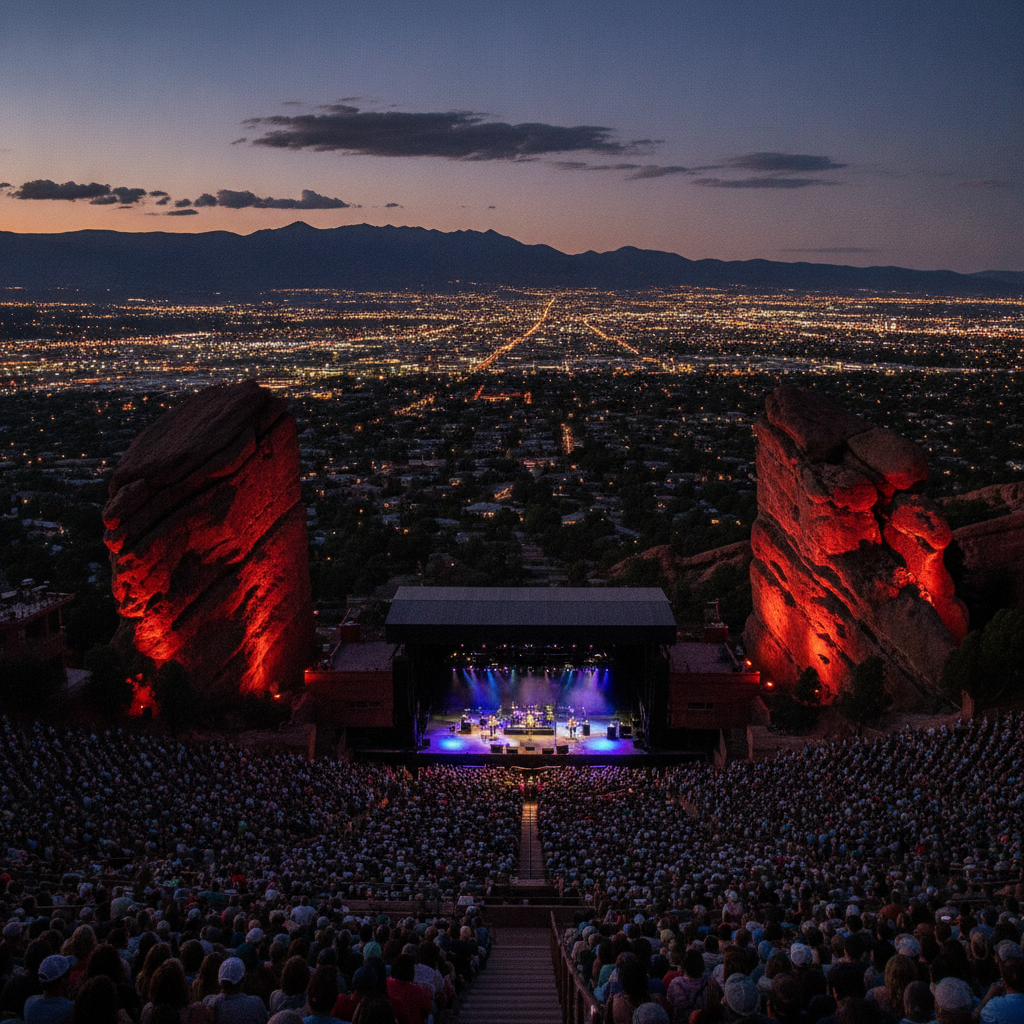
Denver: Red Rocks Amphitheatre (Greatest Outdoor Venue, U2 1983), Rocky Mountain National Park (Trail Ridge Road 3713m, elk rut, alpine tundra), Craft Beer Capital USA (Great American Beer Festival, 150+ breweries, Wynkoop 1988), Denver Art Museum (largest Native arts collection in world, Libeskind Hamilton Building, Clyfford Still Museum), and Practical Guide (DEN Airport rail link, LoDo, Colfax, Colorado ski resorts Breckenridge and Vail)
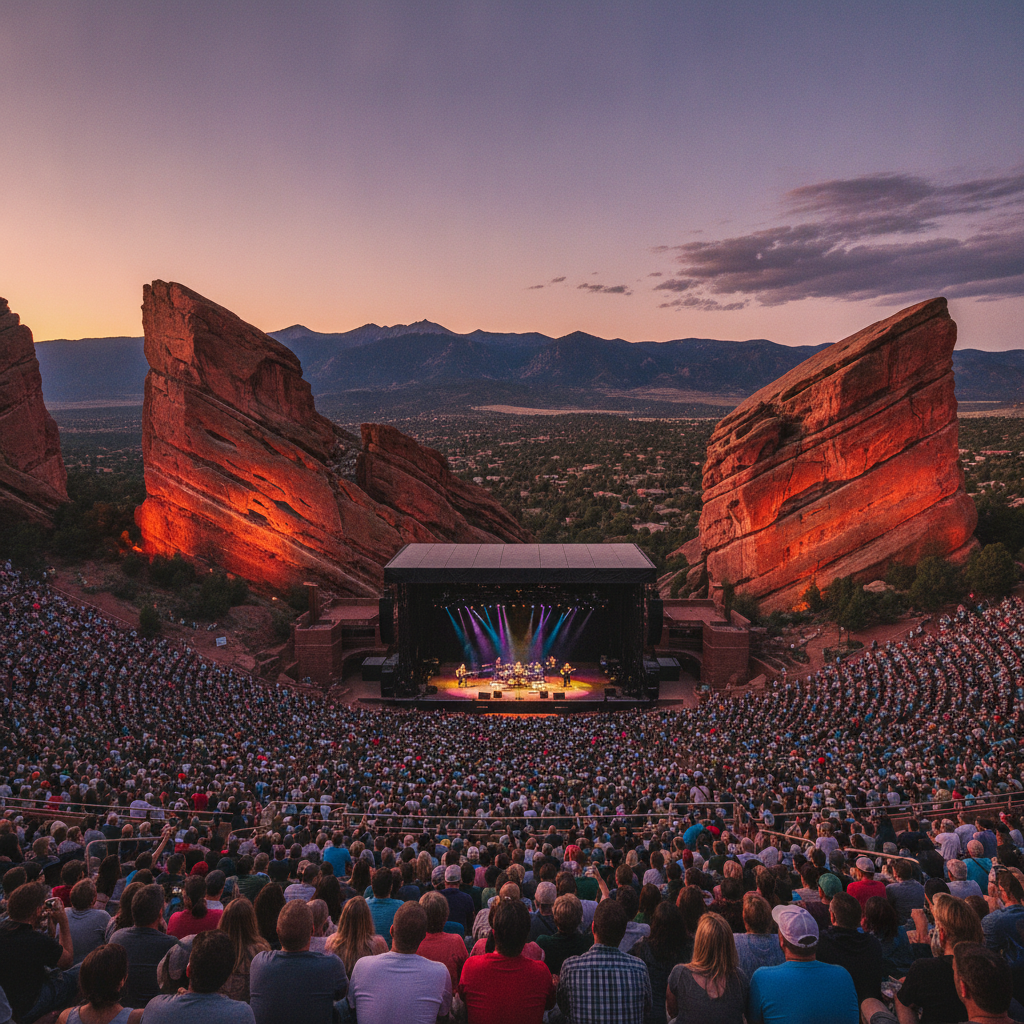
Denver: World Best Outdoor Venue, Mountain National Park Gateway and Craft Beer Capital
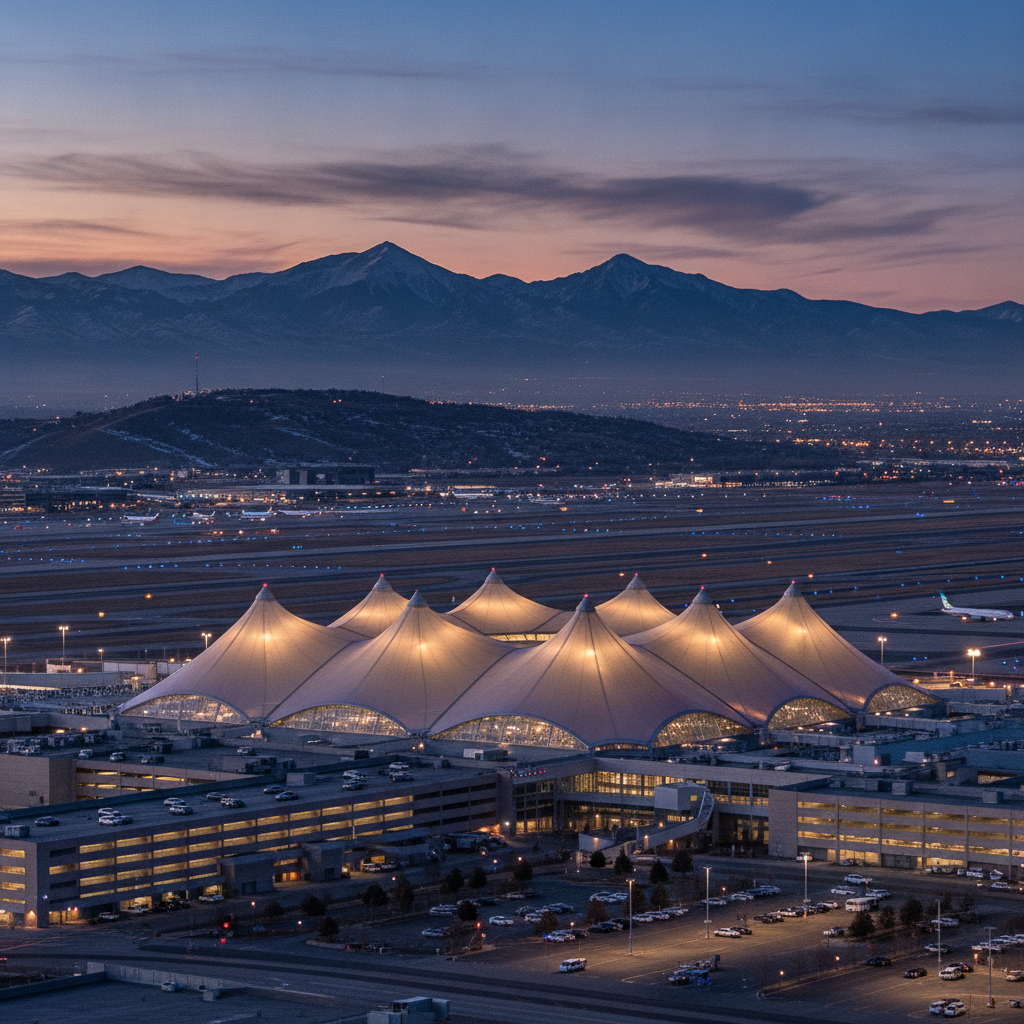
Denver: Coors Country, Red-Eyed Airport Mustang and the World First Cannabis Retail
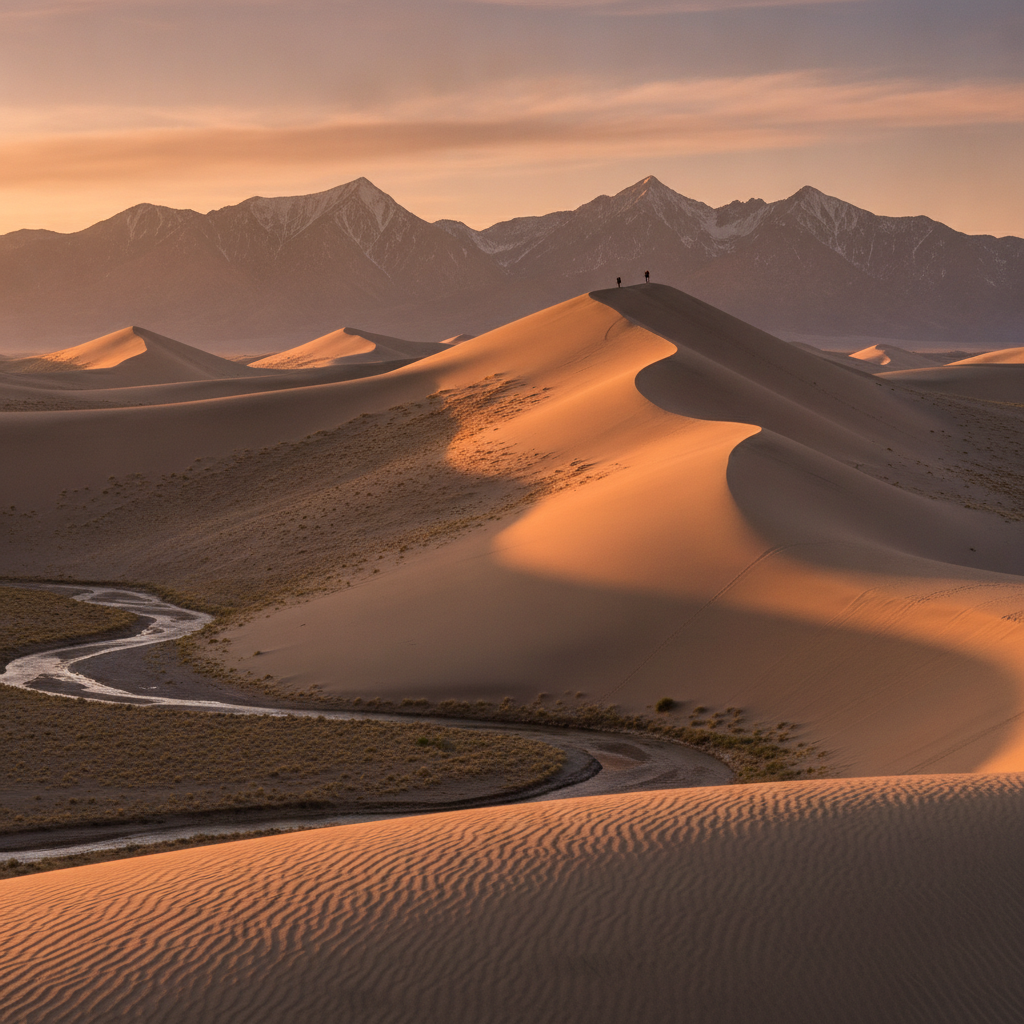
Denver: Colorado Cannabis Legalization (Amendment 64 2012, USD 1.7B tax revenue, dispensary culture), Denver Active Lifestyle (trail network, mountain biking, Jefferson County Open Space), Aspen and Telluride (luxury mountain towns, Aspen Institute, Telluride Film Festival), Great Sand Dunes National Park (tallest dunes in North America 230m), Colorado River Rafting (Moab, Black Canyon of the Gunnison, Glenwood Hot Springs), and Denver vs Other Western Cities Practical Guide
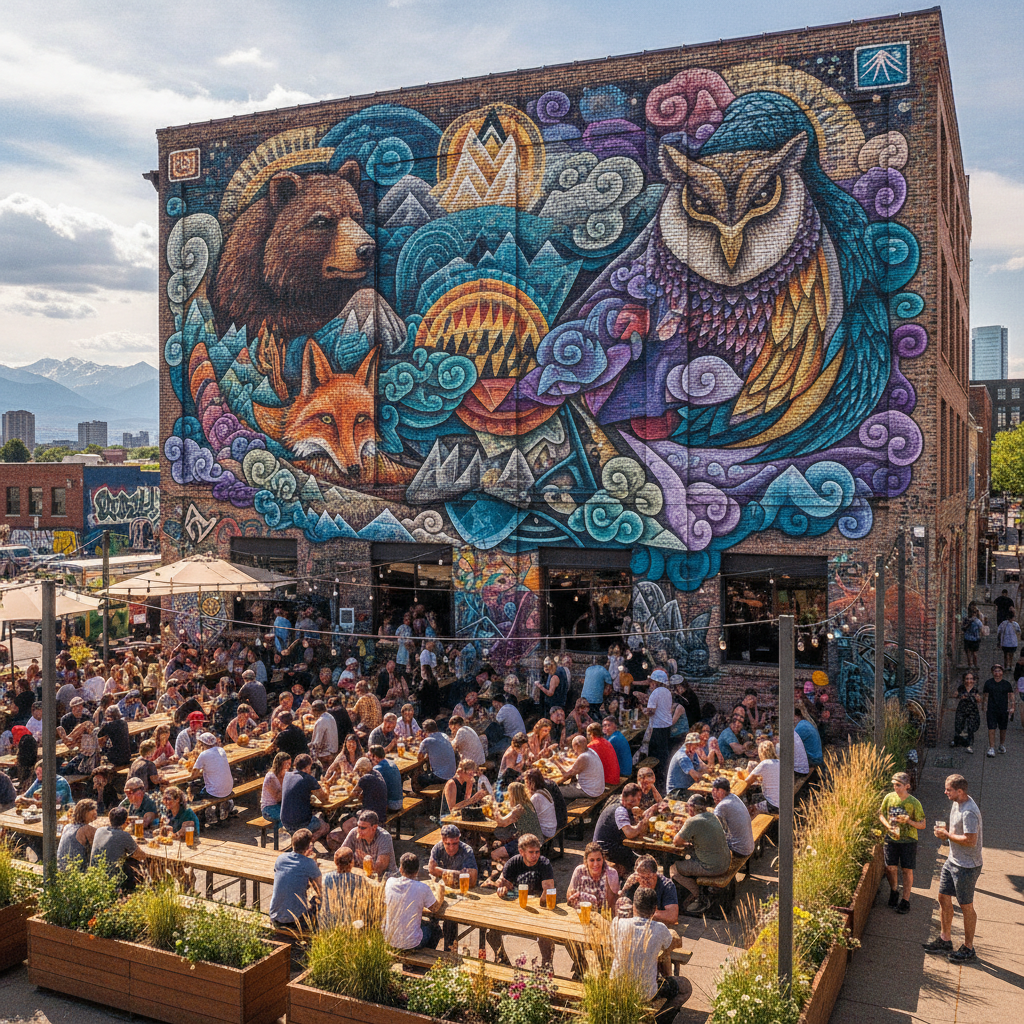
Denver: Mural District Breweries, Summit County Skiing and the Wickedest Street in America