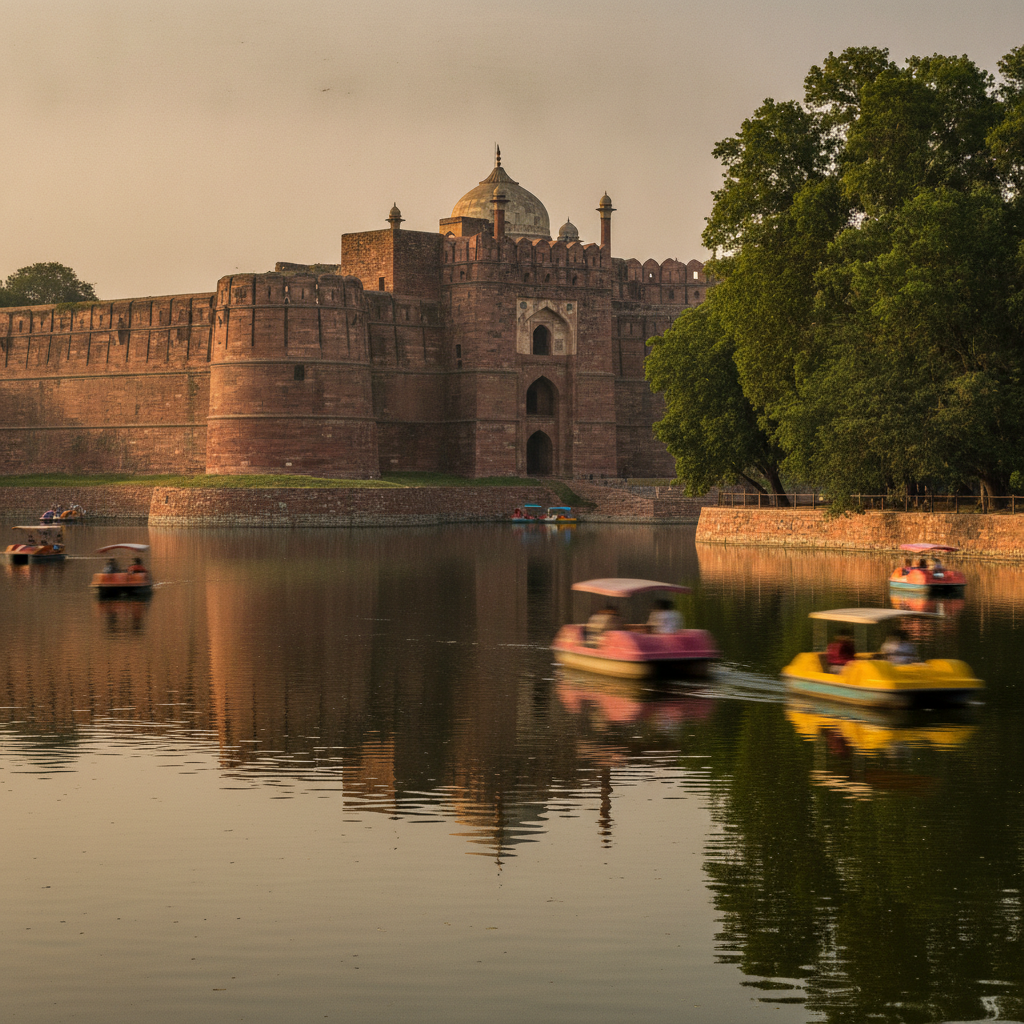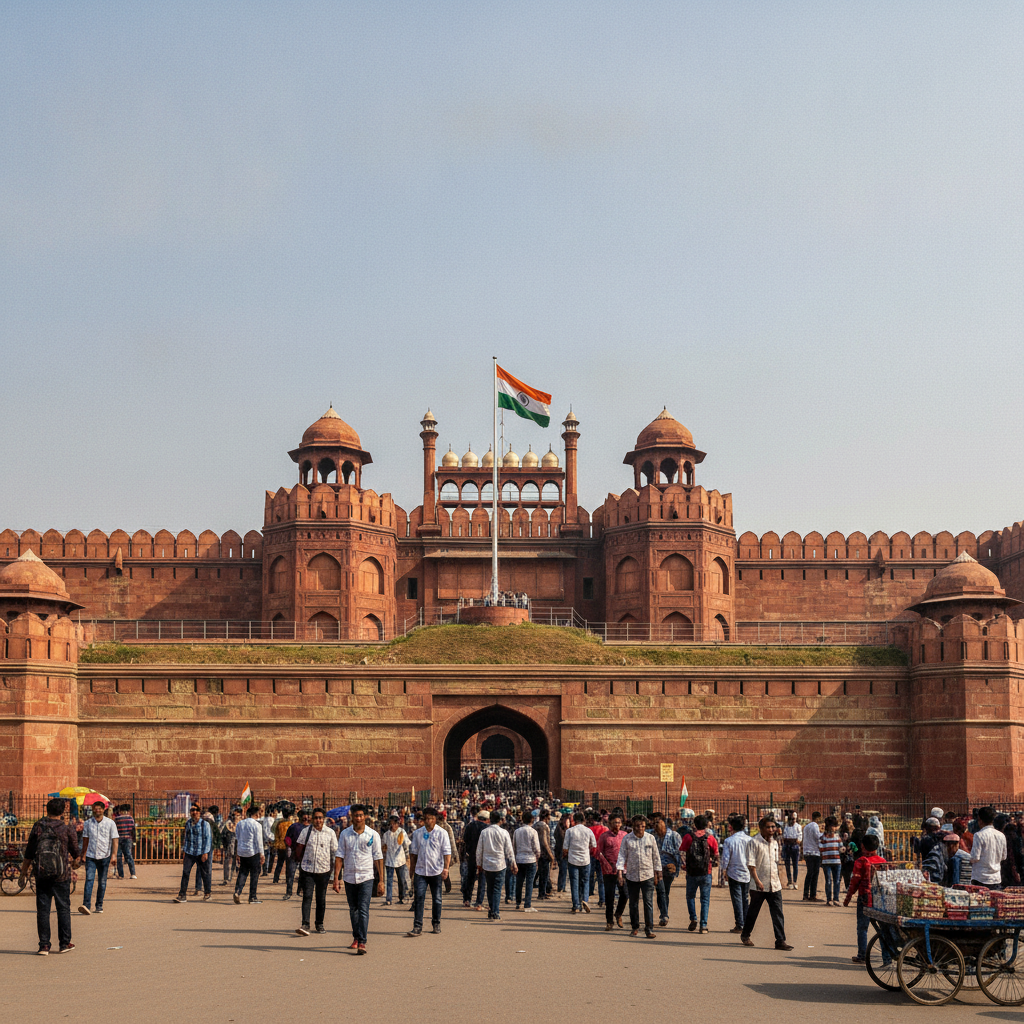
Red Fort, Chandni Chowk & Old Delhi — Mughal Imperial Heart
Old Delhi (Shahjahanabad — the walled city built by Mughal Emperor Shah Jahan in 1638-1648 as his new capital, replacing Agra) centred on the Red Fort (Lal Qila, UNESCO World Heritage Site) and the Chandni Chowk bazaar is the most historically dense area of Delhi and one of the most intensely atmospheric urban environments in the world — the surviving 17th-century imperial Mughal city where the street pattern, the bazaars, and many of the buildings remain largely unchanged since the reign of Shah Jahan.
- 1
Red Fort — The UNESCO Mughal Imperial Palace
Red Fort (Lal Qila — the Mughal imperial palace-fortress in Old Delhi, built 1638-1648 by Emperor Shah Jahan as the centrepiece of his new capital Shahjahanabad, UNESCO World Heritage Site): the fort occupies 254 acres, is enclosed by walls of Rajasthani red sandstone reaching 33 metres in height along the moat-side (Yamuna side) and 18 metres on the city side, and originally contained the entire Mughal imperial household, the imperial treasury, the imperial court, the harem, the royal baths, and the pavilions and gardens of the Mughal pleasure complex; the most significant surviving structures within the fort include: the Diwan-i-Aam (Hall of Public Audience — the colonnaded hall where the emperor received petitions from his subjects, with the Peacock Throne (stolen 1739) on the central marble platform), the Diwan-i-Khas (Hall of Private Audience — the white marble pavilion with the inscription above the mihrab: 'If there is paradise on earth, it is here, it is here, it is here' — (Agar firdous bar ru-e zamin ast / Hamin ast o hamin ast o hamin ast) — written in Persian calligraphy), and the Rang Mahal (Palace of Colours — the private palace of the Mughal empress).
- 2
Chandni Chowk — The Great Bazaar of Old Delhi
Chandni Chowk (Moonlight Square — the principal street of Shahjahanabad (Old Delhi), built by Shah Jahan's daughter Jahanara Begum in 1648, running 1.5 kilometres due west from the Lahori Gate of the Red Fort to the Fatehpuri Mosque, historically divided into separate bazaars for different trades): Chandni Chowk is one of the oldest and busiest markets in India — originally a planned royal avenue with a canal running down the centre reflecting the moonlight (which gave it its name), now a dense and barely navigable bazaar of cycle rickshaws, hawkers, vegetable sellers, sweet shops (mithai shops), spice merchants, jewellers, and electronics dealers; the lanes branching off Chandni Chowk are each specialized by trade: Khari Baoli (the largest wholesale spice market in Asia, where the smells of chilli, cumin, turmeric, coriander, and cardamom overwhelm the senses), Dariba Kalan (the silver and gold jewellery bazaar), Nai Sarak (paper and stationery), and Kinari Bazaar (wedding trimmings and decorative materials); the breakfast options on Chandni Chowk (jalebi and rabri from Old Famous Jalebi Wala, paratha from Pt. Gaya Prasad Shiv Charan Paranthe Wali Gali) are among the finest in Delhi.
- 3
Jama Masjid — The Largest Mosque in India
Jama Masjid (Masjid-i-Jahan-Numa, 'Mosque with a View of the World' — the grand Friday mosque adjacent to the Red Fort in Old Delhi, built 1650-1656 by Emperor Shah Jahan, the largest mosque in India and one of the largest in the world by congregation capacity): the Jama Masjid (built on a raised platform 15 metres above street level, reached by three broad flights of steps at the north, south, and east gateways) can accommodate approximately 25,000 worshippers in its vast open courtyard (99 metres x 90 metres); the mosque is built from red sandstone and white marble, with three domes and two 40-metre minarets; the eastern minaret (accessible for a fee) provides the finest view over Old Delhi — the Red Fort visible to the east, the densely packed rooftops of Shahjahanabad visible in all other directions, and the green dome of the mosque itself visible directly below; the mosque is one of the most active places of Muslim worship in India and is most atmospheric during Friday prayers (Jumu'ah), when thousands of worshippers fill the courtyard.
- 4
Karim's & the Mughal Food Legacy of Old Delhi
Karim's (Gali Kababian, Jama Masjid, Old Delhi — the legendary Mughal cuisine restaurant founded 1913 by Haji Karimuddin, who claimed descent from the chefs of the Mughal imperial court): Karim's is the most celebrated Old Delhi restaurant and the most famous Mughal food restaurant in India, serving the traditional dishes of the Mughal court kitchen — seekh kebab (minced lamb kebabs cooked on skewers over charcoal, the quintessential Mughal preparation), mutton burra (whole baby leg of lamb marinated overnight in spices and yoghurt and cooked in a tandoor), nihari (the slow-cooked braised lamb shank stew, cooked overnight, the traditional breakfast dish of Muslim Old Delhi, eaten with roomali roti), and the legendary Karim's mutton korma; the lane around Jama Masjid (Gali Kababian, Urdu Bazaar) is the most concentrated area of Mughal and Muslim cuisine in Delhi, with dozens of small restaurants serving kebabs, biryani, and haleem alongside the sweet shops selling shahi tukda and phirni.
- 5
Spice Market & Khari Baoli — Asia's Largest Wholesale Spice Market
Khari Baoli (the spice market street running west of Chandni Chowk, near the Fatehpuri Mosque — the largest wholesale spice market in Asia, where the spices, herbs, nuts, and dry goods of all of India are traded in bulk): Khari Baoli is simultaneously a functional wholesale market (where Delhi's restaurants and food businesses buy their spices and dry goods) and one of the most sensory-overwhelming environments in India — the smells of hundreds of different spices (chilli, cardamom, coriander, cumin, black pepper, turmeric, saffron, mace, nutmeg, fenugreek, dried rose petals) hitting the visitor simultaneously, the sacks of dried goods piled to the ceiling in the narrow shops, the porters carrying enormous sacks through the congested lanes, the wholesale buyers negotiating in Urdu, Hindi, and Punjabi at the counters; the market also sells dried fruits (Afghan raisins, Iranian dried apricots), nuts, seeds, and the distinctive Delhi condiment aamchur (dried mango powder).
- 6
Ballimaran & Ghalib's Delhi — The Urdu Poetic Heritage
Ballimaran (the neighbourhood west of Chandni Chowk, named for the cane-workers (ballimaraan) who historically worked there — the area most associated with the Urdu literary and poetic heritage of Old Delhi): the house-museum of Mirza Ghalib (Mirza Asadullah Khan Ghalib, 1797-1869 — the greatest Urdu poet of the 19th century, whose ghazals and letters remain at the heart of the Urdu literary tradition) at Gali Qasim Jan, Ballimaran (where Ghalib lived during the final years of his life (1850-1869), including the traumatic years of the 1857 Sepoy Mutiny / First War of Indian Independence, which he witnessed from his house in Delhi and recorded in his diary and letters) is a small museum in the original haveli (traditional townhouse) where Ghalib lived; the Urdu Bazaar (the street of Urdu book and stationery shops around Jama Masjid) is the centre of Old Delhi's still-active Urdu publishing and literary culture.
Walk this route with audio
Stories play automatically as you reach each stop — no tapping needed.
More in delhi
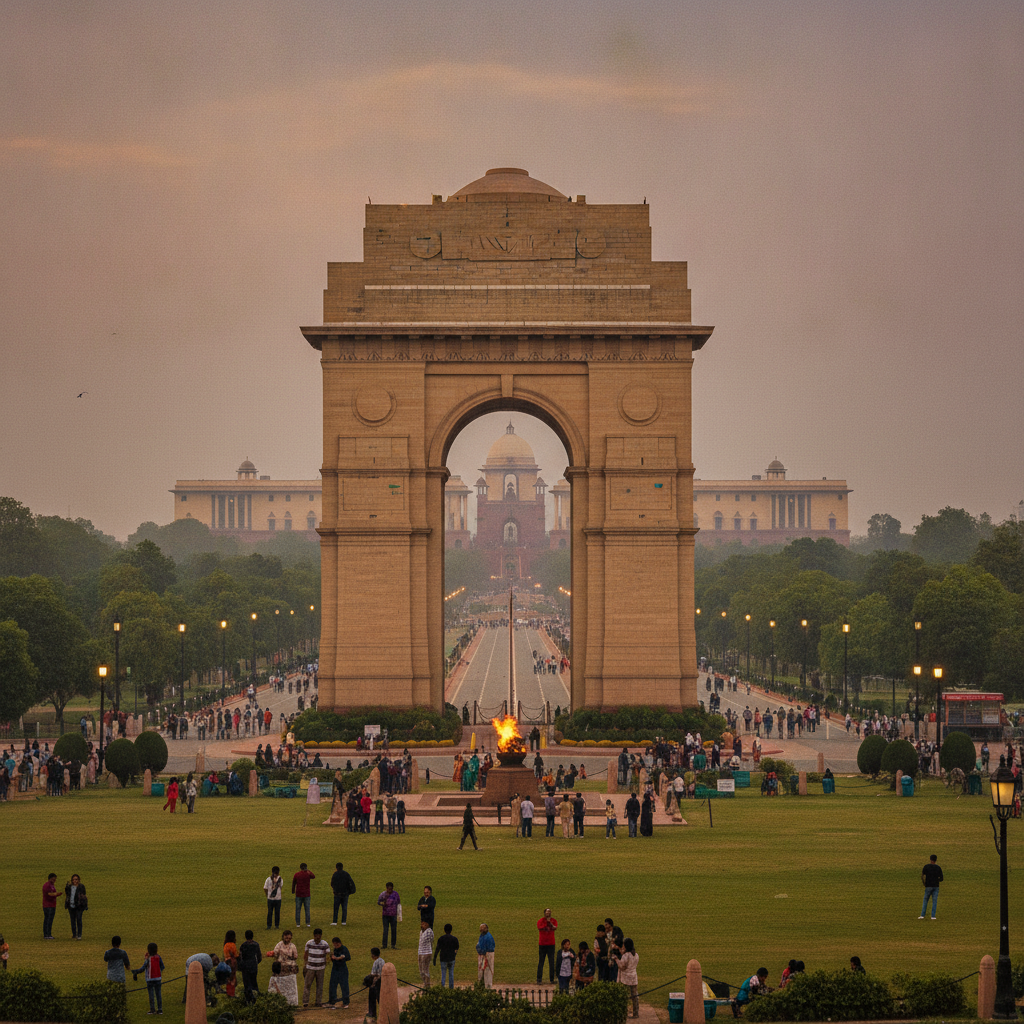
India Gate, Rashtrapati Bhavan & Lutyens' New Delhi
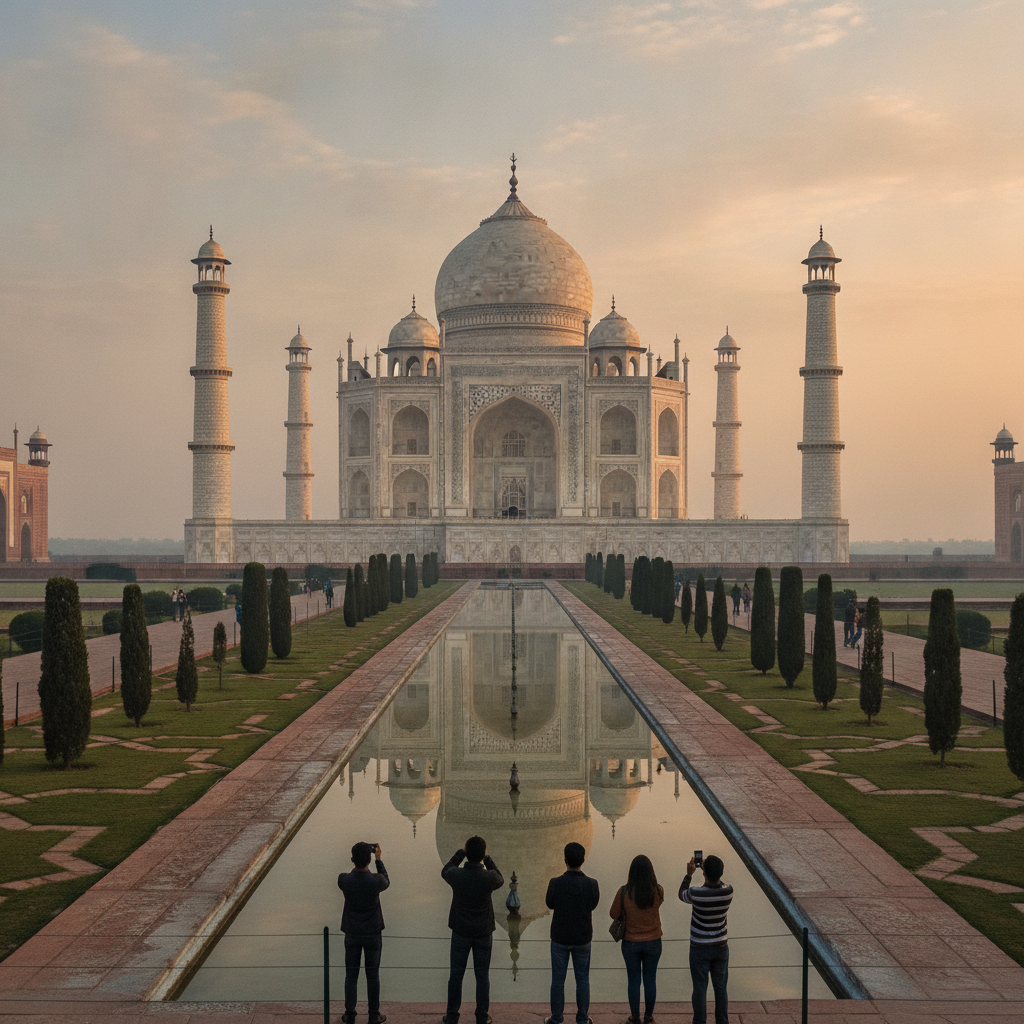
Agra Day Trip — The Taj Mahal, Agra Fort & Fatehpur Sikri
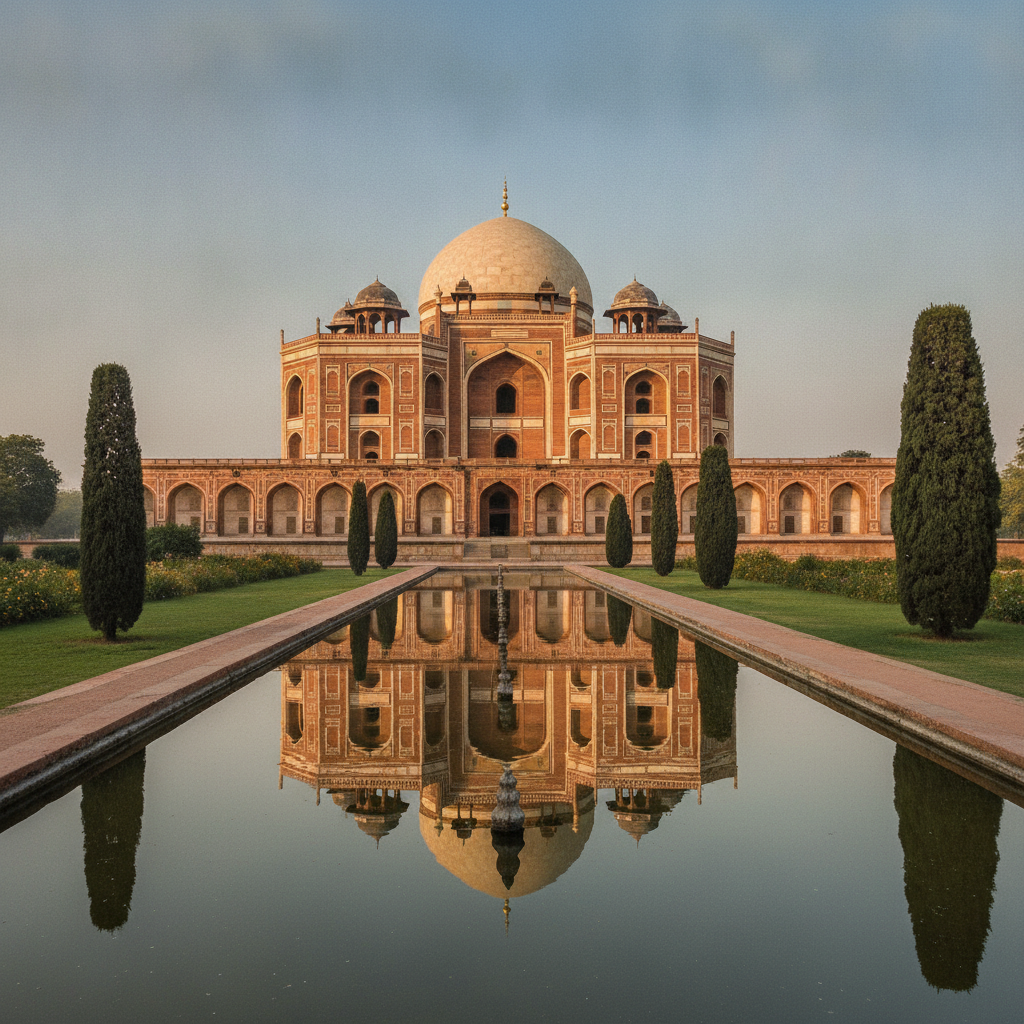
Humayun's Tomb, Qutb Minar & Lodhi Garden — Delhi's Medieval Heritage
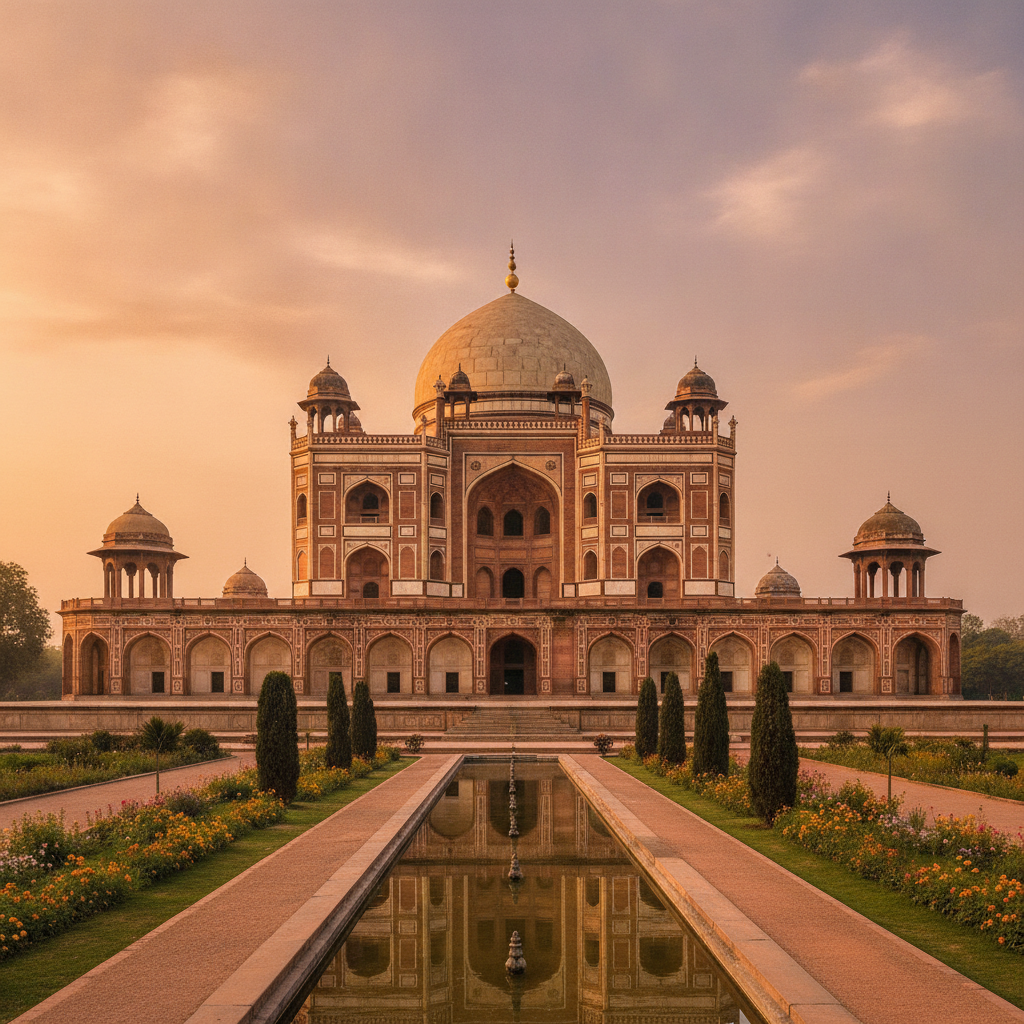
National Gallery of Modern Art, Safdarjung's Tomb & South Delhi
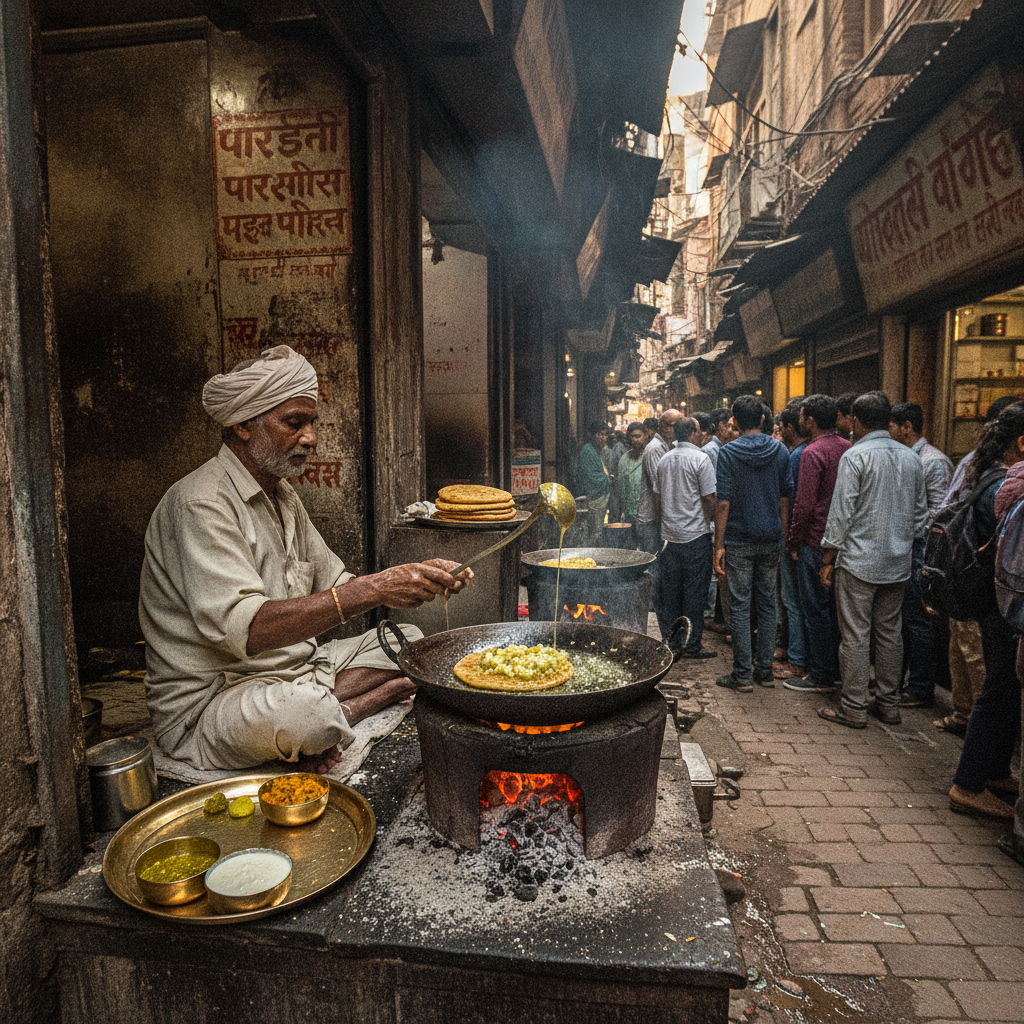
Delhi Street Food — Paranthas, Chhole Bhature & Old Delhi Culinary Heritage