Dar es Salaam Final: Tanzania Conservation, Lake Tanganyika, Tourism Circuit, Photography, Jazz Heritage, and Complete Legacy
Dar es Salaam and Tanzania in full: Nyerere National Park and the wild dog capital; Lake Tanganyika and the Livingstone-Stanley meeting; the complete Tanzania tourism circuit planning; Dar photography guide; the jazz and Bongo Flava music heritage; and the final Dar es Salaam legacy as the city that Tanzania built.
- 1
Tanzania Conservation - Nyerere National Park and the Wild Dog Capital of Africa
Tanzania wildlife conservation success: the Nyerere National Park (formerly Selous Game Reserve) and its extraordinary concentration of African wild dogs, elephants, and river-based safari experience. The Nyerere National Park (the Nyerere National Park: renamed from the Selous Game Reserve in 2019 in honor of Julius Nyerere: area approximately 50,000 square km (the part gazetted as a national park (open to photographic tourism) is approximately 8,000 square km): the Selous (the full protected area including hunting blocks) was approximately 54,000 square km and was the largest game reserve in Africa: the park is a UNESCO World Heritage Site (the entire Selous ecosystem): the landscape (the Rufiji River is the primary ecological feature: the river valley, the miombo woodland (a type of dry deciduous woodland dominated by Brachystegia and Julbernardia trees that covers approximately two-thirds of Tanzania), the flood plains, and the lakes (Lake Tagalala, Lake Manze, Lake Siwandu (the park has several seasonal and permanent lakes that concentrate wildlife)). The wild dogs (African wild dog (Lycaon pictus): the Nyerere National Park has the largest population of African wild dogs in East Africa and one of the largest in Africa (approximately 800-1,200 individuals): the wild dog is Endangered (IUCN): global population approximately 6,000-7,000 animals: the wild dog is a highly social predator (the pack (typically 6-20 animals) hunts cooperatively: the wild dog has the highest kill success rate of any large African predator (approximately 80% of hunts result in a kill (lions succeed in approximately 25-30% of hunts)): the wild dog hunt (typically at dawn and dusk: the pack pursues a single prey animal (usually impala or wildebeest) at high speed for extended distances (the wild dog is the most efficient endurance runner among African predators: the chase can last 30 minutes or more at speeds up to 60 km/h)). The elephant population (Nyerere elephants: the park had one of the largest elephant populations in Africa until the poaching crisis of the 1980s and 2000s: the poaching (the Selous lost approximately 70% of its elephant population to poaching between 2009 and 2014 (from approximately 70,000 to approximately 15,000 elephants): the recovery (a significant anti-poaching campaign under the Magufuli government (2015-2021) combined with international conservation support produced a significant recovery in elephant numbers)).
- 2
Lake Tanganyika - The Oldest and Deepest Lake in Africa
Lake Tanganyika: the oldest, second deepest, and second largest freshwater lake in the world by volume, the western border of Tanzania, and the site of the Livingstone-Stanley meeting that became one of the most famous encounters in exploration history. The lake (Lake Tanganyika: length approximately 673 km (the world longest freshwater lake): width 40-80 km: depth approximately 1,470 meters (the second deepest lake in the world after Lake Baikal in Russia): volume approximately 18,900 cubic km (the second largest freshwater lake by volume after Lake Baikal): the lake is approximately 9-12 million years old (formed by the East African Rift System): the Congolese rift (the lake lies in the western branch of the East African Rift System (the Albertine Rift): the lake occupies the floor of the rift valley). The biodiversity (the extreme age and isolation of Lake Tanganyika has produced one of the most remarkable freshwater biodiversity concentrations in the world: the cichlid fish (the Tanganyika cichlids: approximately 350 endemic cichlid species (cichlidae: the family of perciform fish that has diversified explosively in the East African rift lakes): the cichlids of Lake Tanganyika have diversified into virtually every ecological niche in the lake (predatory, herbivorous, invertebrate-eating, scale-eating, egg-stealing): the diversity of form (the cichlids range from small (5 cm) shell-dwelling species to large (90 cm) predatory species): the cichlid aquarium trade (many Tanganyika cichlid species are popular aquarium fish exported from the lake)). The Kigoma gateway (the town of Kigoma: the primary Tanzanian town on Lake Tanganyika: accessible by the Central Line railway from Dar es Salaam (approximately 40 hours by train): the primary embarkation point for the lake ferry (the MV Liemba: the oldest operating passenger vessel in the world (launched 1913 as the German ship Graf von Goetzen: sunk by the Germans at the end of WWI: raised and refloated by the British in 1927 and renamed MV Liemba): the Ujiji market (the town of Ujiji adjacent to Kigoma: the site of the Livingstone-Stanley meeting (November 10, 1871): the Livingstone Memorial Hut marks the approximate location of the meeting).
- 3
The Tanzania Tourism Circuit - Putting It All Together
The complete Tanzania tourism circuit: how to combine Dar es Salaam with Zanzibar, the Serengeti, Ngorongoro, Kilimanjaro, and the southern parks into the optimal Tanzania itinerary. The primary circuits (the northern circuit (the most popular Tanzania safari circuit: Arusha as base, Arusha National Park, Lake Manyara, Serengeti National Park, Ngorongoro Crater, Tarangire National Park): the Serengeti Migration (the primary driver of the northern circuit: the timing of the visit determines what part of the Migration is seen): the southern circuit (the Dar es Salaam base: Nyerere National Park, Ruaha National Park: fewer visitors, more exclusive, excellent wild dog viewing): the Zanzibar combination (the beach extension to the northern or southern safari circuit): the Kilimanjaro climb (the trekking circuit: typically 6-9 days on the mountain: Kilimanjaro International Airport (JRO) is the primary entry point for Kilimanjaro climbers). The optimal 10-day itinerary (Days 1-2: Dar es Salaam arrival and transit to Zanzibar: Days 3-4: Stone Town (the UNESCO World Heritage City: the slave market, the carved doors, the Forodhani market): Day 5: north Zanzibar beach (Nungwi or Kendwa): Day 6: fly Zanzibar to Arusha (1 hour: the morning flight): Days 7-8: Serengeti National Park (fly from Arusha to Seronera airstrip: 45 minutes): Day 9: Ngorongoro Crater (drive from Serengeti to Ngorongoro: the full-day crater game drive): Day 10: fly Ngorongoro to Arusha to Kilimanjaro Airport for departure). The 2-week extension (the 10-day circuit with the addition of Tarangire National Park (excellent for elephant herds in the dry season: the baobab landscape of Tarangire is one of the most photogenic in Tanzania) and Lake Manyara National Park (the lake shore forest with tree-climbing lions (the Manyara lions are famous for their unusual habit of resting in fever-berry trees (Vachellia xanthophloea)): flamingos (the lake is alkaline and supports large flamingo flocks))).
- 4
Dar es Salaam Photography Guide - The Harbor, Kariakoo, and the Street Life
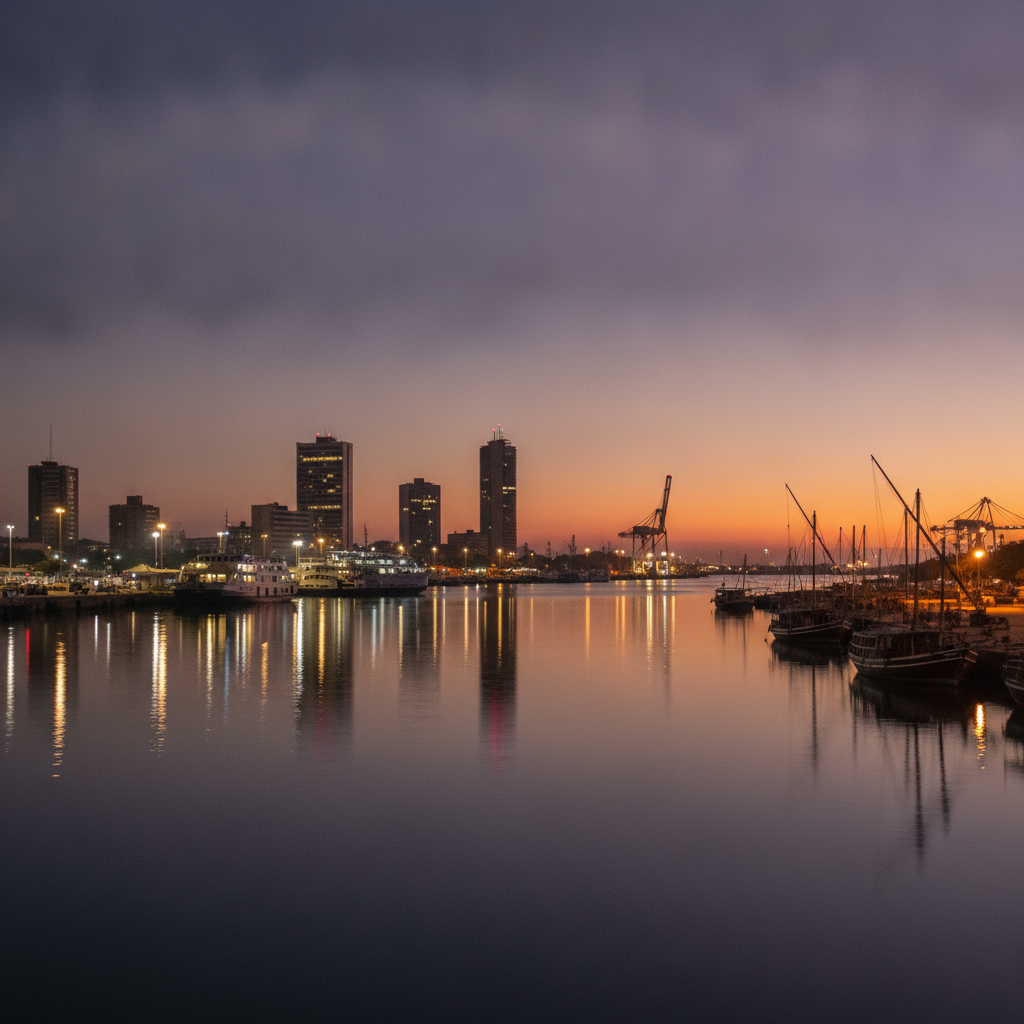
The Dar es Salaam photography guide: the harbor and ferry terminal, the Kariakoo market, the German colonial architecture, the Coco Beach social scene, and street photography tips for the East Africa commercial capital. The harbor photography (the Kivukoni Ferry Terminal (the Dar es Salaam ferry terminal): the morning scenes (the 7am ferry departure from Dar to Zanzibar: the loading of passengers, cargo, and motorcycles onto the high-speed catamaran: the activity and color): the fish market (the Kivukoni Fish Market at dawn (5:30-8:30am): the fishing boats arriving and unloading: the fishermen in rubber boots carrying iced boxes of tuna and kingfish: the buyers and the traders: the slippery floors and the intense smell: a challenging but rewarding photography environment): the harbor sunset (the Dar es Salaam harbor at sunset: the silhouette of the cranes and ships against the orange sky reflected in the harbor water: one of the best urban sunset photography locations in East Africa: the Slipway area in Msasani also offers good harbor sunset views). The Kariakoo market photography (the Kariakoo market (the primary photography destination in Dar es Salaam for documentary photographers): the vegetable and fruit section (the colors of the produce against the dark interior of the market): the mitumba (second-hand clothes) section (the piles of donated Western clothing stacked on tables and spread on the ground): the spice vendors (the sacks of dried spices): the daladala (minibus) parking area around the market (the brightly colored and decorated minibuses loading passengers): best visited 9am-12pm (before the midday heat and before the market becomes too crowded for photography)). The street photography (Dar es Salaam street photography: the waterfront (Kivukoni) road at any time of day: the street vendors, the daladala conductors hanging from the minibus doors, the schoolchildren in uniform, the city workers in the midday heat: the boda-boda motorcycle taxi riders waiting for fares at the intersections). Equipment (the coastal heat and humidity (the Indian Ocean humidity requires protection for camera equipment from condensation when moving from air-conditioned environments to the outdoor heat): the morning is the best time (cooler, better light, and the markets are at their most active before noon)).
- 5
Dar es Salaam Jazz and Swahili Music Heritage
The Dar es Salaam jazz scene and the Swahili music heritage: from the 1950s and 1960s jazz orchestras that competed with the Nairobi jazz scene to the contemporary Bongo Flava and the traditional taarab of the coast. The Dar es Salaam jazz era (the 1950s and 1960s saw Dar es Salaam develop a vibrant urban jazz scene: the jazz bands of the Dar es Salaam independence era: the DDC Mlimani Park Orchestra (the Dar es Salaam City Council Mlimani Park Orchestra: formed 1978: the primary live dance band of Dar es Salaam: performs weekly at the Mlimani Park venue (one of the longest-running regular live music events in East Africa)): the Congolese influence (the Congolese rumba (what became known as Soukous) from Kinshasa and Brazzaville was enormously influential on East African music from the 1950s onward: the Congolese musicians (Grand Kalle, Franco and TPOK Jazz, Rochereau) were the primary popular music influence in East Africa before the rise of Bongo Flava)). The live music scene (the Dar es Salaam live music venues: the New Forodhani Club (the primary live music venue in the city center): the Florida Club (the long-running live music club in Dar): the Mlimani Park (the Mlimani Park Orchestra weekly performance: one of the most authentic East African live music experiences available in Dar): the New Africa Hotel (the historic Dar es Salaam hotel that was the primary venue for visiting artists and politicians during the independence era)). The taarab connection (the taarab music of the Zanzibar coast has a Dar es Salaam presence: the East African taarab orchestras that perform in Dar es Salaam: the connection between the Dar es Salaam Swahili culture and the Zanzibar taarab tradition). The Bongo Flava studios (the Dar es Salaam recording studios that produce Bongo Flava: the WCB Wasafi Records studio complex (Diamond Platnumz record label: the most commercially successful music label in East Africa): the production techniques (the Bongo Flava production: modern digital production (Auto-Tune, trap beats, Afrobeats rhythms) combined with Swahili lyrics and East African melodic sensibility)).
- 6
Dar es Salaam Final Legacy - The City That Tanzania Built
Dar es Salaam final legacy: what the city represents in the Tanzania story, its role in shaping the politics, economy, and culture of East Africa, and the complete visitor reflection on a misunderstood but essential East African city. The political legacy (Dar es Salaam as the seat of Tanzania independence and of the Nyerere experiment: the city that hosted the headquarters of the ANC (African National Congress) in exile (the ANC operated its exile headquarters from Dar es Salaam from 1961 to 1990: Dar es Salaam was the primary base for the ANC External Mission under Oliver Tambo): the city that housed the Pan-African Freedom Movement of East and Central Africa (PAFMECA): Dar es Salaam was the primary city of pan-African solidarity in the 1960s and 1970s (Nyerere welcomed all liberation movements and exile governments to Dar): the Front Line States (the southern African states (Tanzania, Zambia, Mozambique, Zimbabwe, Angola) that bordered the apartheid South Africa and provided bases for the liberation movements)). The cultural legacy (the Bongo Flava music that emerged from the Dar es Salaam streets: the taarab tradition preserved in the city coastal neighborhoods: the Makonde carving at the Mwenge market: the Kariakoo market that trades the goods of a continent: the Swahili language standardized at the University of Dar es Salaam that now speaks for 200 million East Africans). The visitor takeaway (the visitor who passes through Dar es Salaam on the way to Zanzibar and gives the city a day will find a hot, chaotic, unpretty, but absolutely real African city: the Kariakoo market is the most honest marketplace in East Africa: the Coco Beach on a Sunday afternoon is the most democratic public space in East Africa (where 7 million people share a few hundred meters of Indian Ocean beach): Dar es Salaam does not perform Africa for visitors: it simply is Africa, in all its complexity and momentum and noise).
Walk this route with audio
Stories play automatically as you reach each stop — no tapping needed.
More in dar-es-salaam
Dar es Salaam Extended: Rufiji Delta, Tanzania Economy, Harbor Life, Education Legacy, WWI Campaign, and Complete Reference
Dar es Salaam Complete: German East Africa, Street Food, Bagamoyo, Mafia Island, Makonde Art, and Full Reference
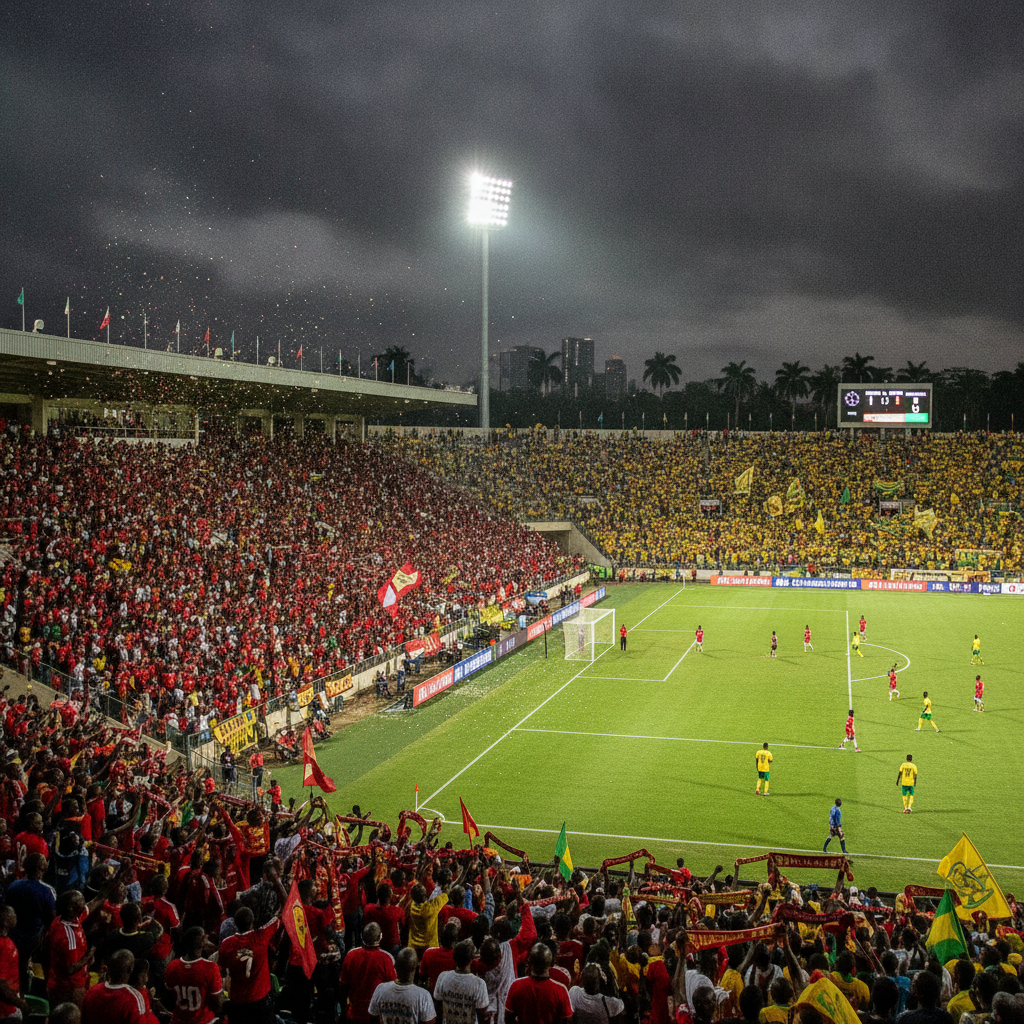
Bongo Flava, Simba vs Yanga, and the Soul of Dar es Salaam
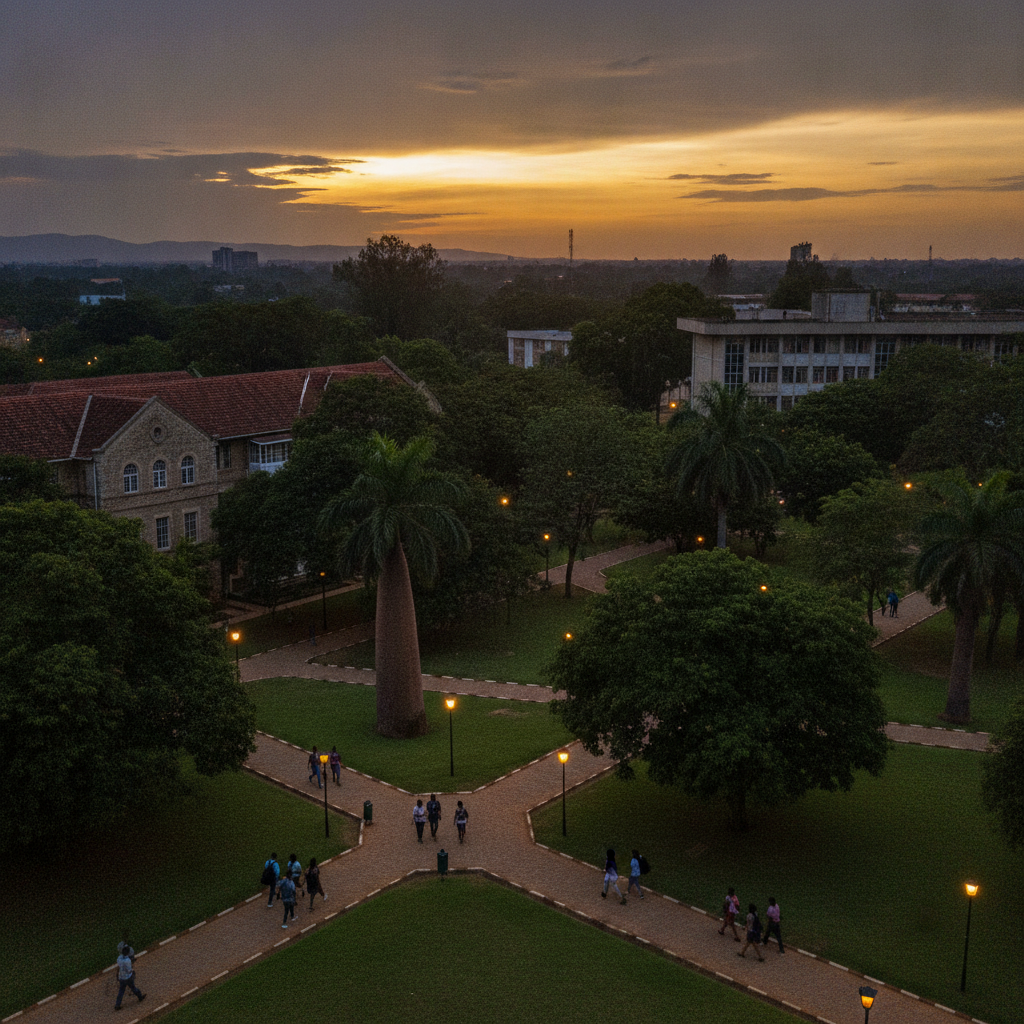
Dar es Salaam Complete: ANC Exile Capital, Airport Hub, Arts Scene, Urban Growth, Nightlife, and Six-Route Summary