The Umayyad Mosque (705-715 CE) Contains the Largest Surviving Byzantine Floor Mosaic in the World and Houses Shrines to Both John the Baptist and Hussein ibn Ali; Saladin Died in Damascus in 1193 Having Recaptured Jerusalem From the Crusaders After 88 Years; the Assad Regime Fell on December 8, 2024 After 53 Years of Family Rule When Bashar al-Assad Fled to Russia
The Umayyad Mosque (705-715 CE) housing the largest surviving Byzantine mosaic and shrines to both John the Baptist (Christian and Muslim saint) and Hussein ibn Ali (Shia martyr); Saladin's tomb in the Umayyad Mosque garden where he died in 1193 after reconquering Jerusalem; the Street Called Straight mentioned in Acts 9:11 as the location of Paul's recovery after the Damascus Road conversion; the Assad regime falling December 8, 2024 after 53 years; the Azm Palace (1749) and its distinctive ablaq black-and-white masonry; and the Damascus practical guide for 2025 post-regime-change travel.
- 1
The Umayyad Mosque – The Fourth Holiest Site in Islam
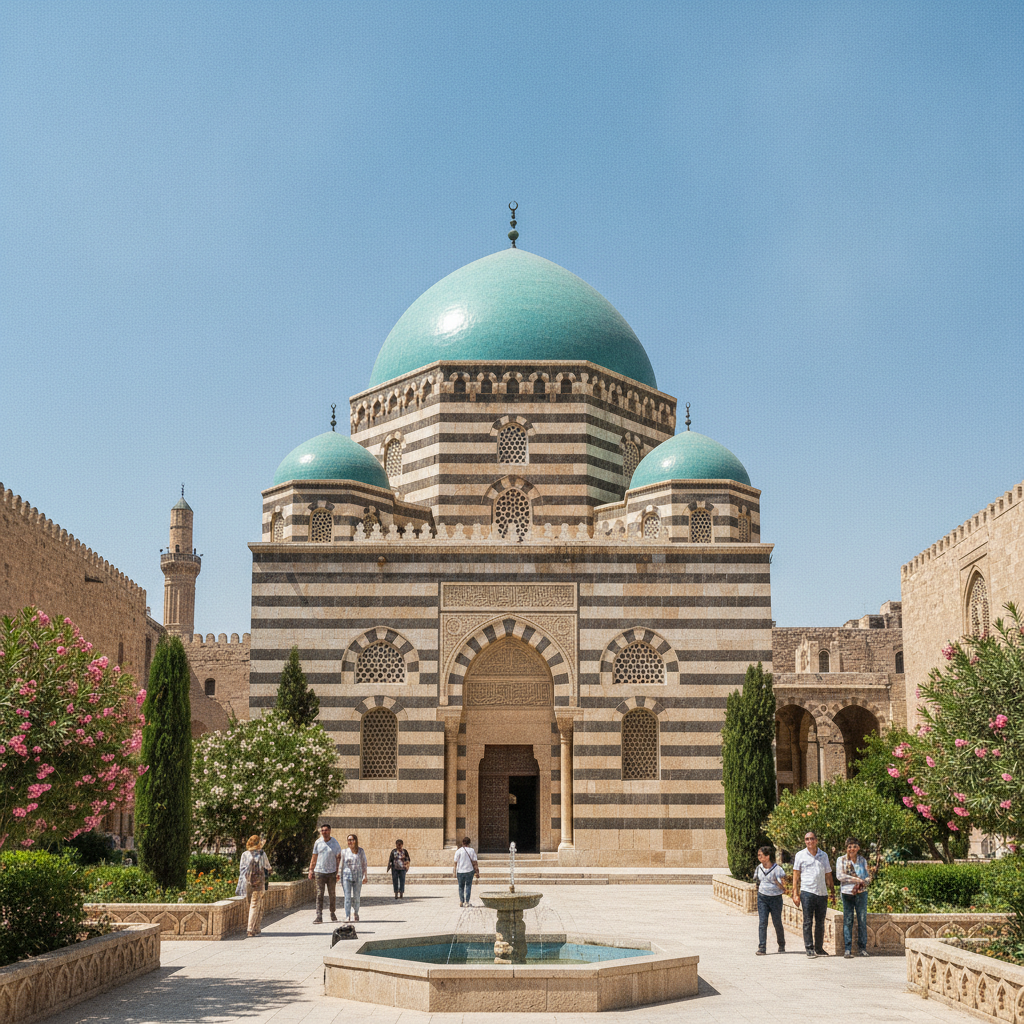
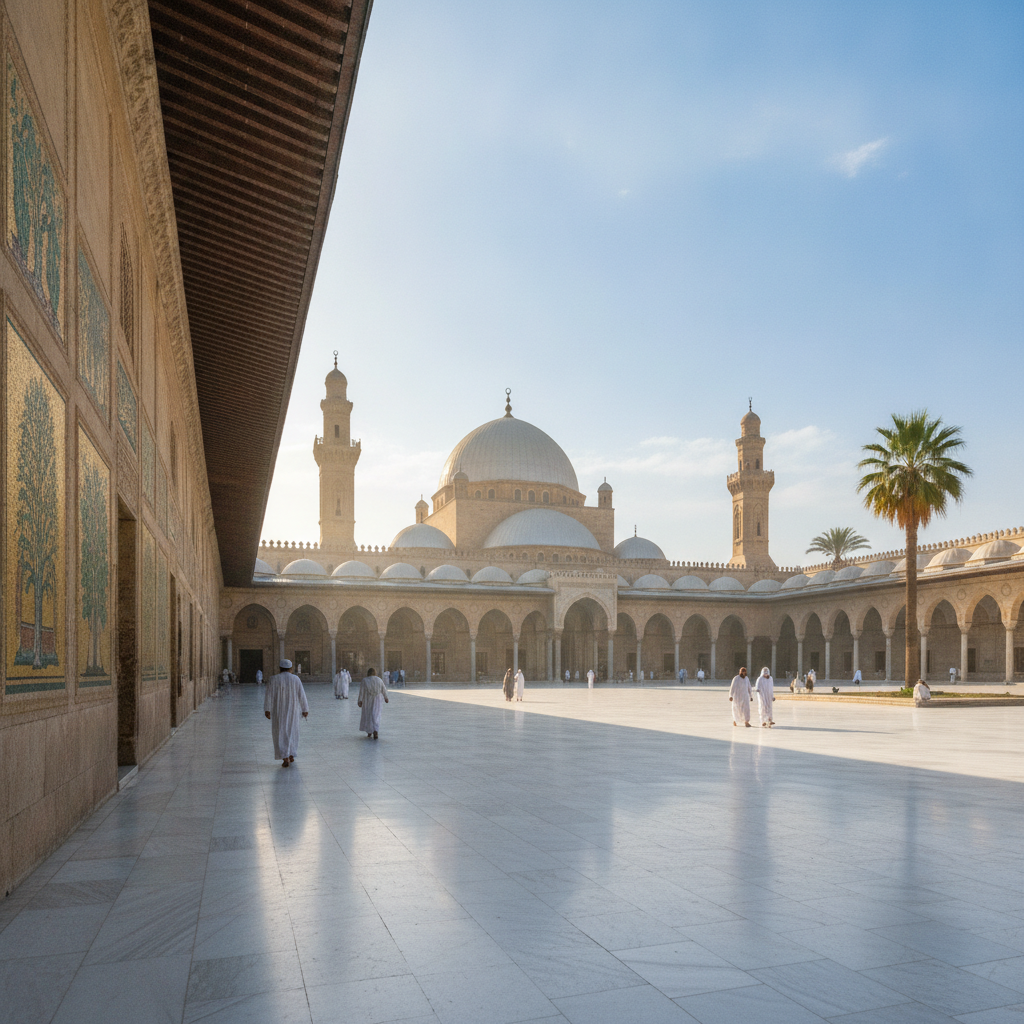
The Umayyad Mosque (Masjid Bani Umayyah al-Kabir, the Great Mosque of Damascus) — one of the oldest and most significant mosques in the world and the fourth holiest site in Sunni Islam after Mecca, Medina, and Jerusalem: the mosque guide. The history (the site of the Umayyad Mosque has been a continuously sacred space for approximately 3,000 years: the Aramaean temple (a temple to the Aramaean storm god Hadad occupied the site from approximately 900 BCE: the Roman temple (the Roman Emperor Theodosius I converted the temple to a Christian cathedral dedicated to John the Baptist in 391 CE: the early Islamic period (after the Arab-Islamic conquest of Damascus in 636 CE the site was initially shared between Christians and Muslims — half the church was used as a mosque and half remained a Christian cathedral: the Umayyad construction (the Umayyad Caliph al-Walid I (r. 705-715 CE) demolished the Christian church and built the current mosque in 705-715 CE: the mosque was the largest and most expensive building project of the Umayyad Caliphate: the architecture (the mosque: the prayer hall (the haram — 136m wide and 37m deep): three minarets: the Dome of the Eagle (Qubbat al-Nisr) above the prayer hall: the famous Byzantine floor mosaics (the largest surviving Byzantine floor mosaic in the world — originally covering the entire inner courtyard walls): the Shrine of John the Baptist (the mosque contains a shrine with a reliquary said to contain the head of John the Baptist — sacred to both Muslims (who revere John the Baptist as the prophet Yahya) and Christians: the Shrine of Hussein (a separate chamber in the mosque contains a shrine said to hold the head of Hussein ibn Ali — the grandson of the Prophet Muhammad killed at the Battle of Karbala in 680 CE — a major Shia pilgrimage destination).
- 2
The Street Called Straight – Damascus Old City and Souks
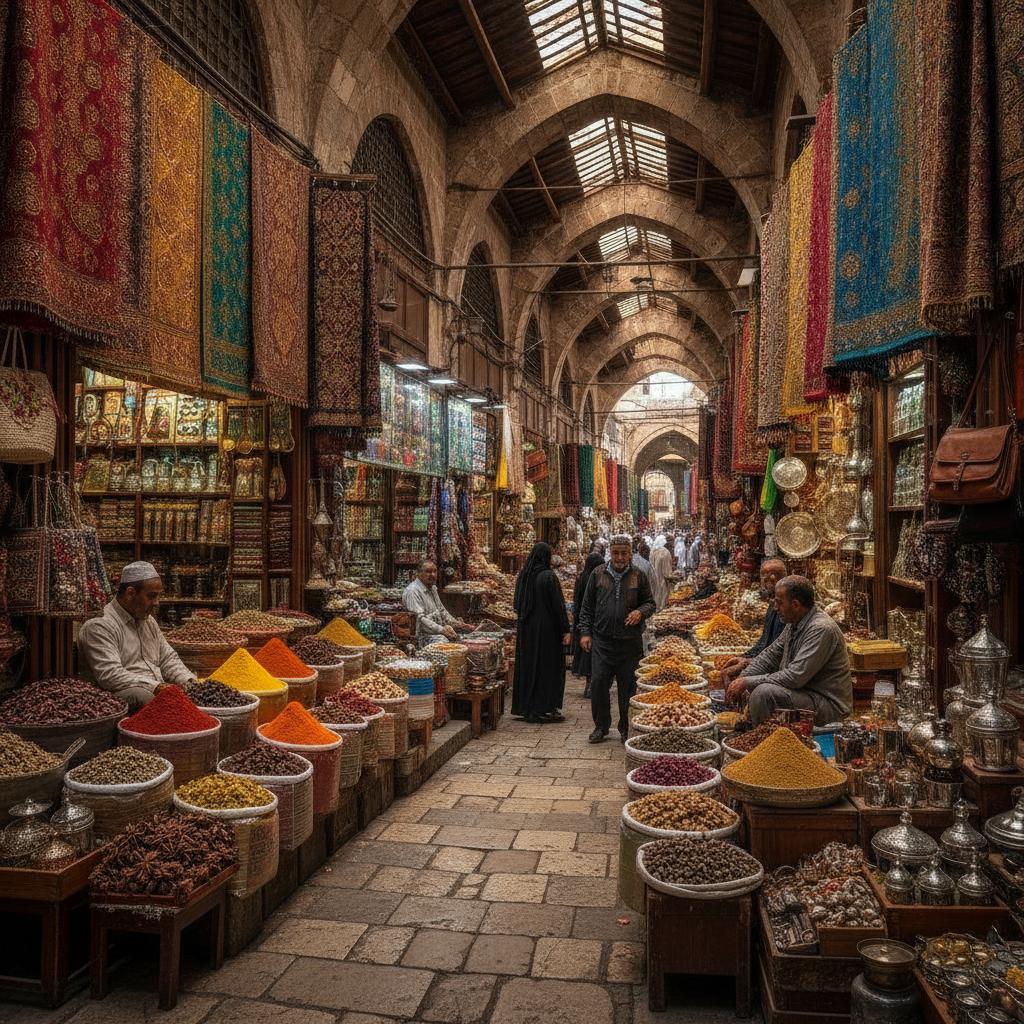
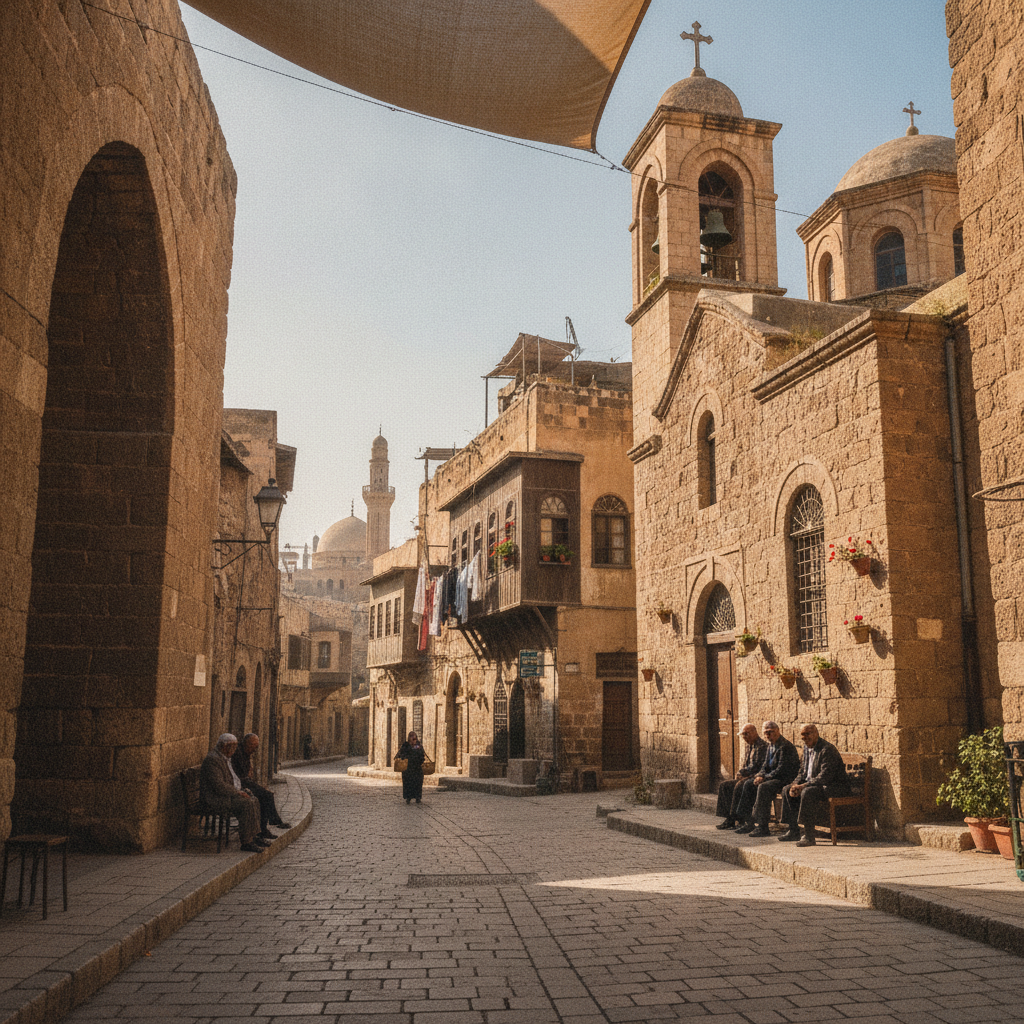
The Street Called Straight (Darb al-Mustaqim, Via Recta) — the primary east-west street of the Damascus Old City and one of the oldest continuously used urban streets in the world: the Old City guide. The history (the Street Called Straight (mentioned in the New Testament Acts 9:11 as the location where the Apostle Paul recovered his sight after the Damascus Road conversion) was the main commercial street (decumanus maximus) of the Hellenistic and Roman city of Damascus: the street is approximately 1,500m long and runs through the heart of the Old City: the Roman columns (sections of the Roman colonnade that once lined the full length of the street are still visible embedded in later buildings along the route: the souks (the Old City souk system surrounding the Street Called Straight: the Souk al-Hamidiyye (the primary covered market of Damascus — built in the Ottoman period (1863-1885) under Sultan Abdulhamid II: the souk is 600m long with an arched iron roof dating to the 1880s: at the eastern end the Roman propylaea (the entrance gate to the Temple of Jupiter) stands across the souk entrance — the most dramatic architectural juxtaposition in the Old City: the primary specialized souks: the Souk al-Bzouriyye (the spice souk): the Souk al-Harir (the silk souk): the covered Souk al-Sabbagheen (the dyers souk): the khans (the Old City caravansaries): Khan Asad Pasha (1752 — built by the Ottoman governor As'ad Pasha al-Azm — the most architecturally impressive khan in Damascus with a large central courtyard and alternating black and white stone arch voussoirs): Khan al-Jumruk (the customs khan — the primary trading post of European merchant communities in 17th century Damascus).
- 3
The Damascus Old City – UNESCO Heritage and 7,000 Years of Continuity
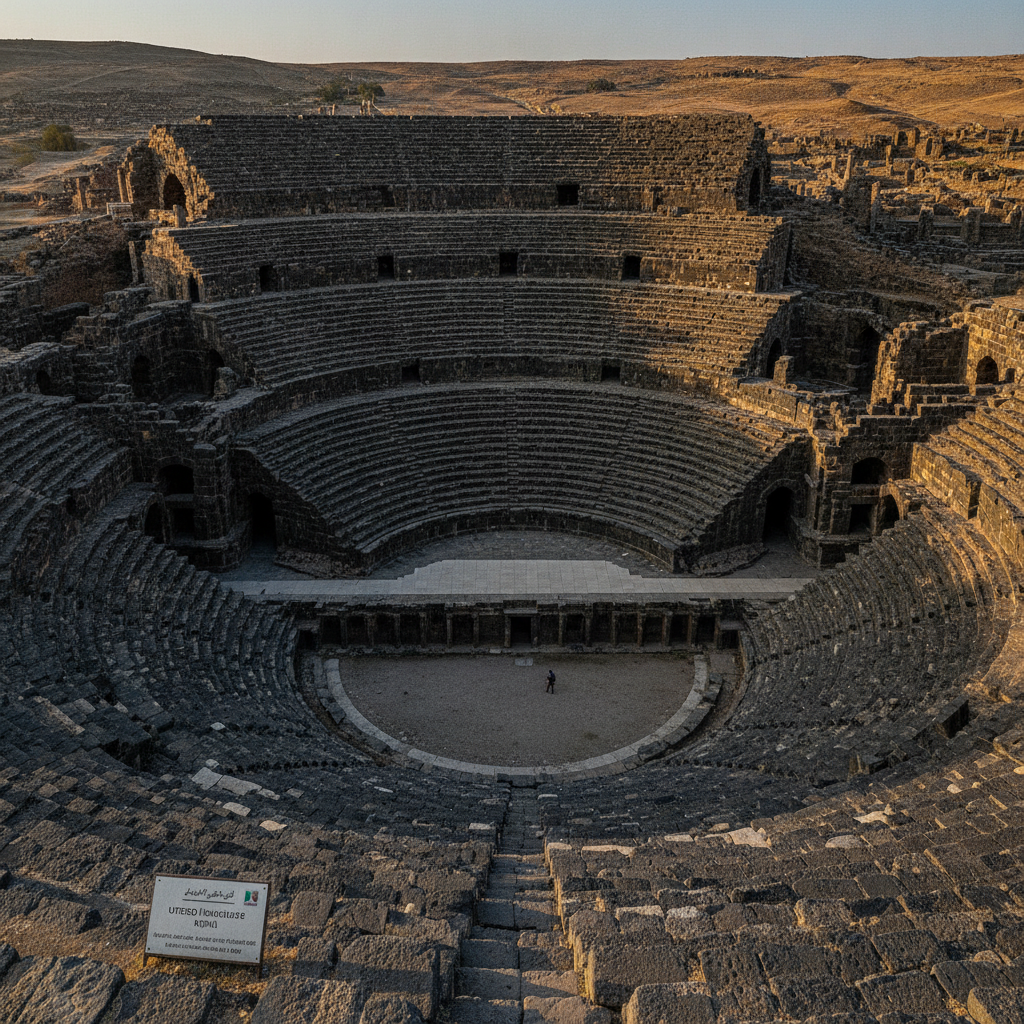
The Damascus Old City (UNESCO World Heritage Site 1979) — one of the oldest continuously inhabited cities in the world: the heritage guide. The age claim (Damascus claims to be the oldest continuously inhabited city in the world though this is disputed by several cities including Jericho, Byblos, and Aleppo: the UNESCO inscription (1979) describes Damascus as one of the oldest cities in the world: the archaeological evidence for continuous habitation dates to at least 3000 BCE: the earliest written references to the city (the city of Dimasqu is mentioned in the Egyptian Execration Texts dating to approximately 1900 BCE and in the Amarna Letters (Egyptian diplomatic correspondence) approximately 1350 BCE: the Aramaean capital (Damascus was the capital of the Aramaean kingdom of Aram-Damascus from approximately 950-732 BCE: the Aramaean kingdom of Aram-Damascus was the primary rival of the ancient kingdom of Israel and Judah: multiple battles between the Israelites and the Damascene Aramaeans are described in the Hebrew Bible (1 and 2 Kings): the Assyrian conquest (the Neo-Assyrian king Tiglath-Pileser III conquered Damascus in 732 BCE: the successive empires (Damascus was subsequently ruled by the Neo-Babylonian, Achaemenid Persian, Greek (Seleucid), Roman, Byzantine, Arab-Islamic (Umayyad, Abbasid), Tulunid, Ikhshidid, Hamdanid, Buyid, Fatimid, Seljuk, Crusader, Ayyubid, Mamluk, Ottoman, and French Mandate empires: the Old City walls (the walled Old City of Damascus — approximately 1.5 km x 1 km — contains the densest concentration of significant historical monuments in the Arab world: the Old City gates (8 surviving gates of the Roman city walls: Bab Sharqi (the eastern gate — one of the best preserved Roman gates in the world).
- 4
The Azm Palace – Ottoman Damascus and the High Culture of the Levant
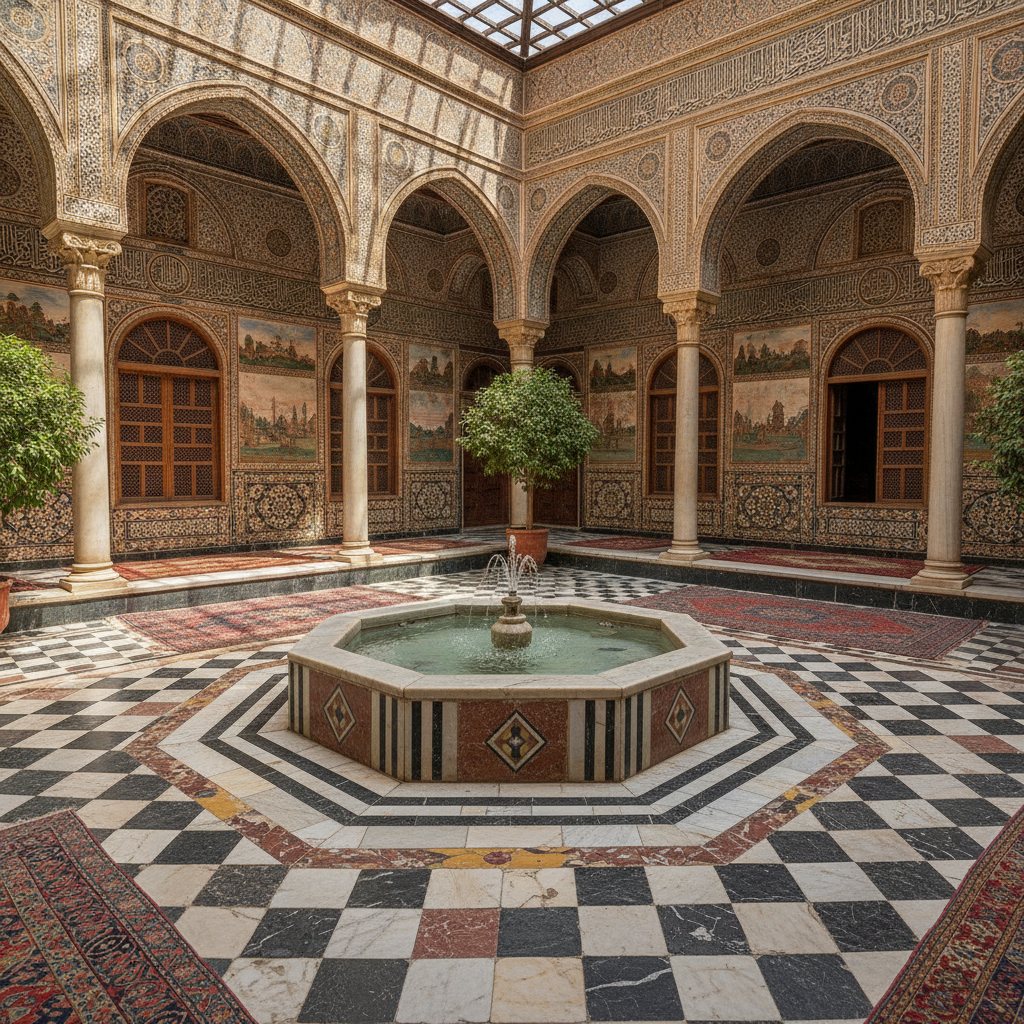
The Azm Palace (Qasr al-Azm) — the most important surviving Ottoman-period palace in Damascus and the primary example of Damascene domestic architecture at its height: the palace guide. The history (the Azm Palace was built in 1749-1752 by As'ad Pasha al-Azm during his period as Ottoman governor of Damascus: the al-Azm family (the Azm family were a prominent Arab-Ottoman dynasty from the Hama region who dominated the governance of Greater Syria in the 18th century: family members served as governors of Damascus, Tripoli, Sidon, and other Syrian cities: the Azm family represented the peak of Arab participation in Ottoman governance: the architecture (the Azm Palace is a masterpiece of Damascene Ottoman domestic architecture — the style called Damascene architecture that is distinct from other Ottoman architectural traditions: the primary features: the ablaq masonry (alternating courses of black basalt and white limestone — the distinctive visual feature of Damascene Islamic architecture): the internal courtyard (the primary courtyard has a central pool, orange trees, jasmine, and a raised iwan): the harem quarters (the women's quarters separate from the salamlik (reception quarters)): the carved wooden ceilings (the Damascene ajami wood carving tradition — polychrome painted and gilded carved wood panel ceilings that are the most distinctive interior decorative element of Damascene elite domestic architecture): the museum (the Azm Palace is now the Museum of Arts and Popular Traditions of Damascus: exhibits of traditional Damascene craft objects, costumes, weapons, and musical instruments).
- 5
Saladin – The Kurdish Sultan of Damascus and the Third Crusade
Saladin (Salah al-Din Yusuf ibn Ayyub — 1137-1193 CE) — the founder of the Ayyubid dynasty, the reconqueror of Jerusalem, and the adversary of Richard I of England in the Third Crusade: the historical guide. The biography (Saladin was born in 1137 in Tikrit (now Iraq) to a Kurdish family that had served the Zengid dynasty of Mosul and Aleppo: the name Saladin is a Latinization of the Arabic honorific Salah al-Din (Righteousness of the Faith): the rise (Saladin rose to prominence as a military commander under his uncle Shirkuh who served the Zengid ruler Nur al-Din in campaigns against the Crusader states and the Fatimid Caliphate in Egypt: after Shirkuh became vizier of the Fatimid Caliphate in 1169 and died the same year Saladin succeeded him as vizier: Saladin gradually consolidated power in Egypt and in 1171 abolished the Fatimid Caliphate restoring the Sunni Abbasid Caliphate to Egypt: the Ayyubid dynasty (after the death of Nur al-Din in 1174 Saladin moved to control Syria: he entered Damascus in 1174: by 1186 he had unified Egypt, Syria, Mesopotamia, and Yemen under his control as the Ayyubid Sultanate: the Battle of Hattin (July 4, 1187 — the Battle of Hattin near the Sea of Galilee: Saladin destroyed the Crusader army of the Kingdom of Jerusalem killing or capturing almost all its field forces: the aftermath (Jerusalem fell to Saladin on October 2, 1187 — 88 years after the Crusaders conquered it in 1099: the Third Crusade (1189-1192): Richard I of England versus Saladin: the outcome (neither side achieved their primary objective: the Treaty of Jaffa (1192) gave the Crusaders the coast but Jerusalem remained under Muslim control: Saladin died in Damascus on March 4, 1193 at approximately age 56: his tomb is in the gardens of the Umayyad Mosque in Damascus).
- 6
Damascus Practical Guide – Post-War City, Logistics, and Safety 2025
The Damascus practical guide (essential visitor information for Damascus in 2025 following the fall of the Assad regime on December 8, 2024): the practical guide. The political situation (the fall of the Assad regime: on December 8, 2024 rebel forces led primarily by Hayat Tahrir al-Sham (HTS) captured Damascus ending 53 years of Assad family rule: Syrian President Bashar al-Assad fled to Russia: the rebel coalition included HTS (the primary force), the Syrian National Army, and other factions: the new government (the Syrian transitional government is led by Ahmad al-Sharaa (Abu Muhammad al-Julani) as transitional president and Mohammad al-Bashir as prime minister (2025): the government is attempting to establish basic services and security in Damascus: the humanitarian situation (Damascus in 2025 is functional but recovering from 13 years of civil war: the basic infrastructure (electricity, water) is partially restored: the city markets and shops are operating: the Old City monuments survived the civil war largely intact (the major fighting was in the suburbs, particularly Ghouta, rather than in the Old City itself: the airports (Damascus International Airport (DAM) partially reopened for some international flights in 2025: the security situation is significantly improved from the 2011-2024 period: the formal travel advisories from most Western governments were updated in 2025 but Damascus still carries elevated risk advisories: the logistics (most visitors in 2025 arrive via Beirut: the Beirut-Damascus highway (105 km, approximately 2 hours) is the primary overland route: the Syrian pound (SYP) has undergone severe inflation during the civil war: the exchange situation is complex in 2025 with multiple rates: the Old City (the Damascus Old City (UNESCO) is safe for visitors in 2025 and the souk system is operating: the Umayyad Mosque is open for visitors).
Walk this route with audio
Stories play automatically as you reach each stop — no tapping needed.