Turkey Hosts 3.6 Million Syrian Refugees Making It the Country with the Largest Refugee Population in the World; the Dura-Europos Synagogue (245 CE) in Damascus Museum Contains the Largest Collection of Figural Paintings in Ancient Jewish Art Contradicting Assumptions About Aniconism; T.E. Lawrence Blew Up the Hejaz Railway Dozens of Times But Felt He Had Betrayed the Arabs When the Sykes-Picot Agreement Divided Their Promised Kingdom
Turkey hosting 3.6 million Syrian refugees as the world's largest refugee hosting nation; the Dura-Europos Synagogue (245 CE) containing figural narrative biblical paintings that fundamentally changed understanding of ancient Jewish art; T.E. Lawrence's guilt over the Sykes-Picot betrayal of Arab independence; Syria's pre-war 1.5 million Christians (10% of population) with 40-60% emigrating during the Civil War; the Antioch church as one of five original Christian patriarchates and where followers of Jesus were first called Christians; and the Damascus photography guide including the souk bullet-hole shaft-of-light effect.
- 1
Syrian Refugees – The Largest Displacement Crisis Since World War II
The Syrian refugee crisis (6.8 million Syrian refugees outside Syria — the largest refugee population in the world since World War II): the humanitarian analysis. The scale (the Syrian Civil War produced: 6.8 million registered refugees outside Syria (UNHCR 2024): 6.7 million internally displaced persons within Syria: a total displaced population of approximately 13.5 million — over half the pre-war Syrian population of approximately 22 million: the primary host countries: Turkey (3.6 million registered Syrian refugees — the largest refugee population in any single country in the world): Lebanon (approximately 1.5 million Syrians — equivalent to approximately 25% of Lebanon's total population — the highest refugee-to-population ratio in the world): Jordan (approximately 660,000 registered + additional unregistered): Egypt, Iraq, Germany, Sweden, and other European countries: the 2015 European migration crisis (the 2015 arrival of approximately 1 million asylum seekers in Europe — primarily Syrians but also Afghans and others — was the largest movement of people in Europe since World War II: Germany received approximately 890,000 asylum applications in 2015: the crisis triggered the rise of anti-immigration political parties across Europe and contributed to the Brexit referendum result: the return (following the fall of the Assad regime in December 2024 there is significant international discussion about refugee return to Syria: the actual return as of mid-2025 is limited — most Syrians in Europe and Turkey are waiting to assess the security and economic situation before returning: the conditions (the infrastructure in Syria in 2025 — after 13 years of war — remains severely damaged: electricity supply: 2-4 hours per day in Damascus: water supply: intermittent: healthcare: partially functional: schools: partially functional).
- 2
T.E. Lawrence – Lawrence of Arabia and the Arab Revolt
T.E. Lawrence (Thomas Edward Lawrence, 1888-1935 — Lawrence of Arabia) — the British military officer and writer who facilitated the Arab Revolt against the Ottoman Empire during World War I and became the most celebrated British figure in the Arab world: the historical guide. The background (T.E. Lawrence was an Oxford archaeologist specializing in Crusader castles who had conducted archaeological surveys in Syria and Palestine before the war: at the outbreak of World War I Lawrence was assigned to the British military intelligence office in Cairo: the Arab Revolt (the Arab Revolt began on June 5, 1916 when Sharif Hussein of Mecca (the Ottoman governor of the Hejaz) declared revolt against the Ottoman Empire: the British supported the Arab Revolt as part of their strategy to weaken the Ottoman Empire from within: Lawrence was assigned as liaison to the Arab Revolt forces: the Hejaz Railway campaign (Lawrence's primary contribution to the Arab Revolt was a systematic guerrilla campaign against the Hejaz Railway (the Ottoman military supply line from Damascus to Medina): Lawrence and Arab Revolt forces blew up dozens of railway bridges and derailed trains throughout 1917-1918: Lawrence describes these operations in detail in his memoir Seven Pillars of Wisdom (published 1922): the Damascus entry (the Arab Revolt forces entered Damascus on October 1, 1918: Lawrence rode into Damascus with the Arab forces: the experience of the chaotic aftermath (the Arab forces almost immediately began fighting each other in Damascus) was disillusioning: the Sykes-Picot betrayal (the Anglo-French Sykes-Picot Agreement (May 1916) secretly divided the Arab lands between British and French spheres of influence: Lawrence had promised Sharif Hussein British support for an Arab kingdom covering the entire Fertile Crescent: the French Mandate over Syria established in 1920 divided the territory and ended the brief Arab Kingdom of Syria: Lawrence spent the rest of his life feeling guilt over what he saw as his betrayal of the Arab people).
- 3
The National Museum of Damascus – The Dura-Europos Synagogue
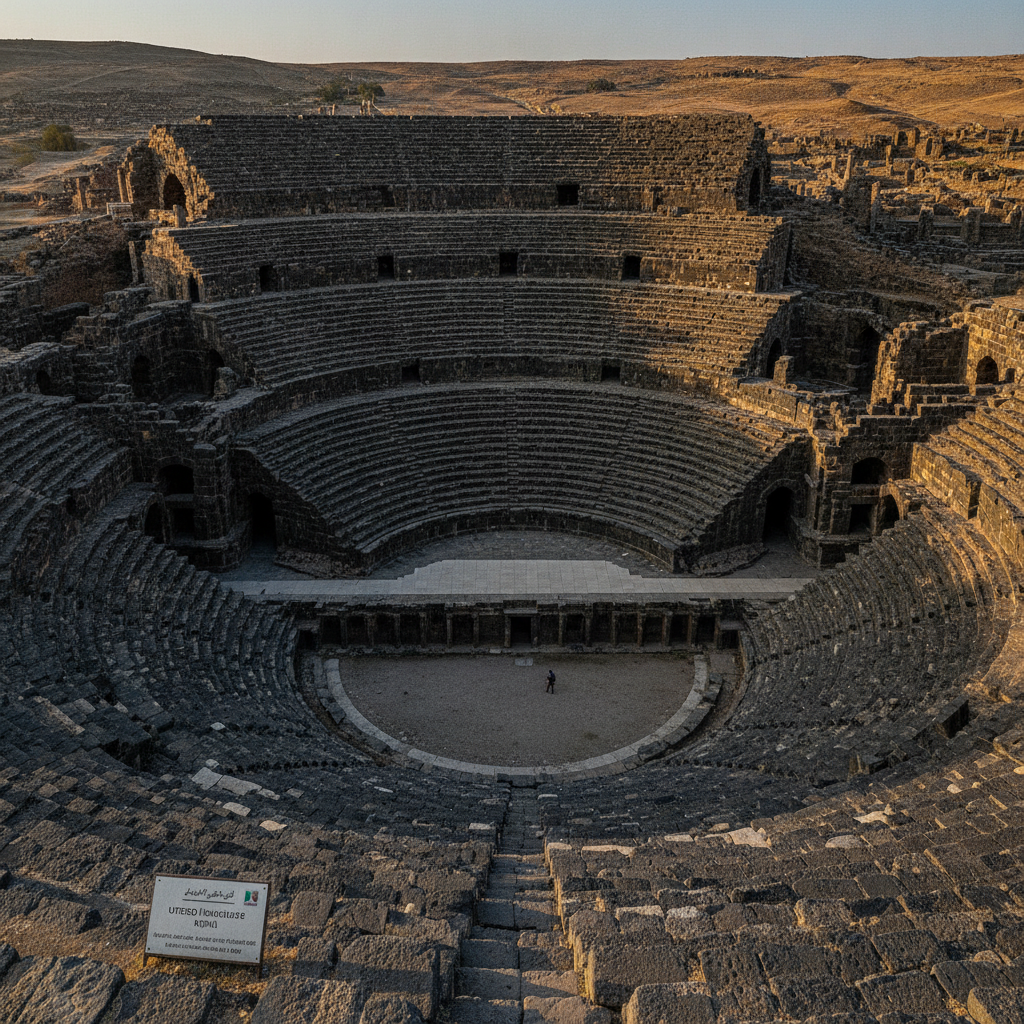
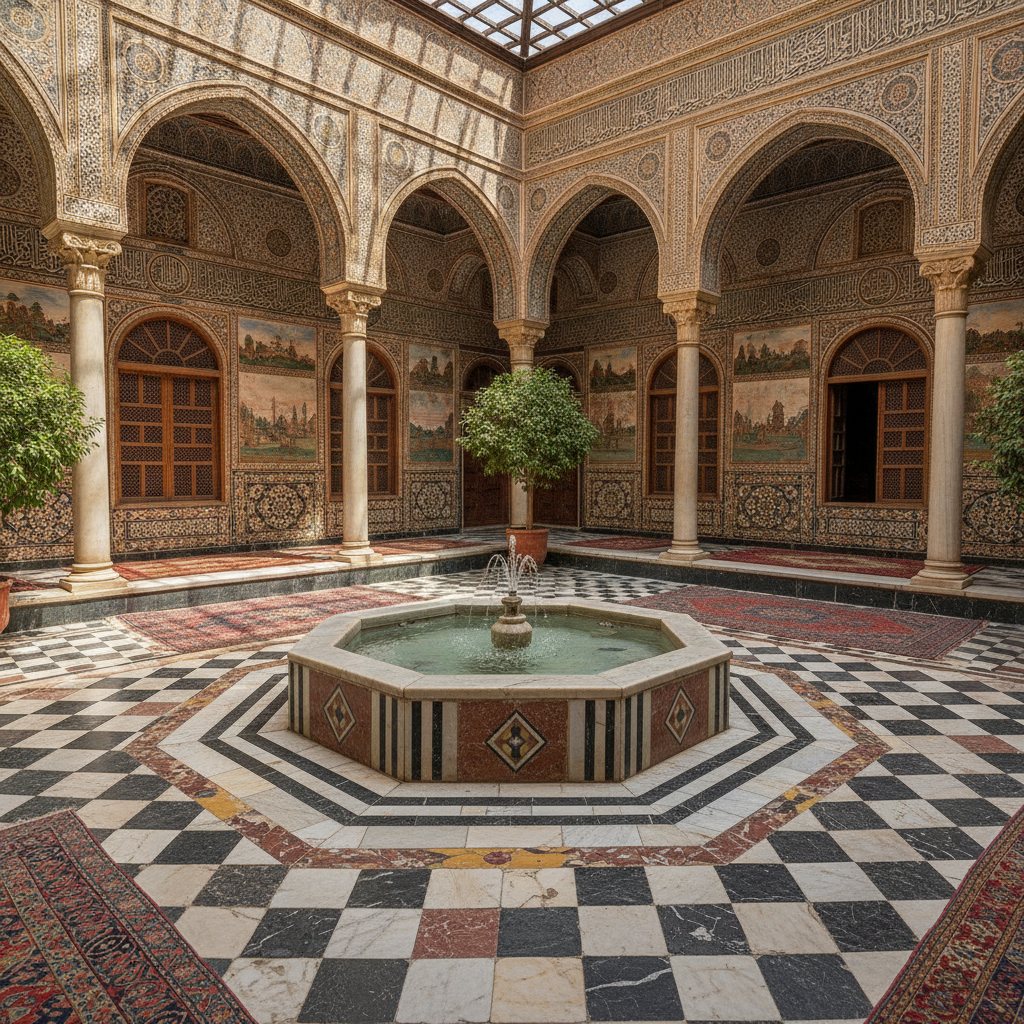
The National Museum of Damascus (al-Mathaf al-Watani bi-Dimashq) — the primary national history museum of Syria and the institution that houses the most important discovery in the history of ancient Jewish art: the museum guide. The museum (the National Museum of Damascus opened 1936 in a purpose-built building in the heart of modern Damascus near the Tishreen Park: the collection spans Syria's history from the Paleolithic to the Ottoman period: the primary collections: the Dura-Europos Synagogue (the centerpiece of the museum — an almost complete 3rd century CE synagogue interior reassembled inside the museum: discovered in 1932 during French military excavations at Dura-Europos (a Roman frontier city on the Euphrates in eastern Syria): the synagogue (245 CE) contains the largest collection of figural narrative paintings in ancient Jewish art — a complete violation of the common assumption that ancient Jewish art was aniconic: the wall paintings (the synagogue walls are covered floor to ceiling with biblical narrative scenes: the Exodus from Egypt: Moses receiving the Torah on Mount Sinai: the Vision of Ezekiel: King David as Orpheus: the paintings demonstrate that 3rd century Jews in the Roman frontier city used figural narrative art in religious contexts — the discovery fundamentally changed the scholarly understanding of ancient Jewish religious practice: the other collections: the Mari collection (the Mari (Tell Hariri) royal palace excavations — early Bronze Age): the Ugaritic collection (the Ugarit (Ras Shamra) excavations including tablets with the Ugaritic alphabet — the earliest known alphabetic script, approximately 1400 BCE): the Ebla (Tell Mardikh) collection: the Islamic art collection.
- 4
Damascus Today – Reconstruction, Refugees Returning, and the New Syria
Damascus in 2025 — the city after the fall of the Assad regime (December 8, 2024) and the beginning of the post-Assad political transition: the contemporary analysis. The fall (the Assad regime fell faster than almost anyone predicted: the rebel offensive that began in Aleppo on November 27, 2024 reached Damascus in 11 days: the Assad army largely collapsed without significant resistance: Bashar al-Assad fled to Russia on December 8, 2024: the new government (the transitional government led by Ahmad al-Sharaa (the former HTS leader known as Abu Muhammad al-Julani) and Prime Minister Mohammad al-Bashir: the transitional government inherited a completely dysfunctional state: the Syrian economy had contracted by approximately 90% during the Civil War years: the currency (the Syrian pound (SYP) was worth approximately SYP 15 per USD before the war: by 2024 the rate had fallen to approximately SYP 12,000-15,000 per USD: the reconstruction costs (UN estimates for Syria's reconstruction: USD 250-400 billion): the international engagement (the lifting of US and European sanctions that had been imposed on the Assad regime is a priority for the new government: the US Treasury issued a broad sanctions waiver for Syria in January 2025 for 6 months to facilitate humanitarian and commercial activity: the Arab League re-admitted Syria (which had been suspended in 2011) in 2023 while Assad was still in power: the security situation (the primary security challenges in 2025: ISIS remnants in the eastern Syrian desert: Turkish military presence in northern Syria supporting the Syrian National Army: the Kurdish SDF controlling northeast Syria: tensions between these factions: the visitor outlook (Damascus is receiving visitors in 2025: the security situation in the capital and the main tourist sites (Old City, Palmyra area) is significantly improved but formal travel advisories still apply: most visitors arrive via the Beirut-Damascus road).
- 5
Syrian Christianity – From the First Church to the Civil War Diaspora
Syrian Christianity (the oldest form of Christianity in the world outside Palestine — the Syrian Christian communities that trace their origins to the 1st century CE and maintain liturgical traditions predating the Latin and Greek church splits): the religious heritage guide. The early church (the city of Antioch (now Antakya in southern Turkey, near the Syrian border) was the city where followers of Jesus were first called Christians (Acts 11:26): Antioch was the third most important city of the Roman Empire after Rome and Alexandria: the Antioch church became one of the five original patriarchates of early Christianity (Rome, Constantinople, Alexandria, Antioch, Jerusalem): the Syrian liturgical tradition (the Syriac-language liturgical tradition developed from Aramaic — the language of Jesus: the Syriac churches: the Syriac Orthodox Church (Jacobite): the Syriac Catholic Church: the Maronite Church (in full communion with Rome since the 12th century): the Assyrian Church of the East: the Church of the East is the most historically significant — it spread Christianity from the Levant across Persia and Central Asia to China (the Tang Dynasty had Nestorian Christian communities from the 7th century): the Syria Christian population before the Civil War (the pre-war Christian population of Syria: approximately 1.5 million Christians (approximately 10% of the Syrian population): primarily Greek Orthodox, Greek Catholic, Syriac Orthodox, Syriac Catholic, Armenian Apostolic, and other communities: the Civil War diaspora (the Syrian Civil War caused the emigration of an estimated 40-60% of Syria's Christian population: Christian areas (particularly in Homs and the Wadi al-Nasara — the Valley of the Christians near Homs) suffered deliberate targeting by jihadist factions: the new government (the new Syrian transitional government has explicitly committed to protecting Christian minority rights).
- 6
Damascus Photography Guide – Mosaics, Alleys, and the Morning Souk
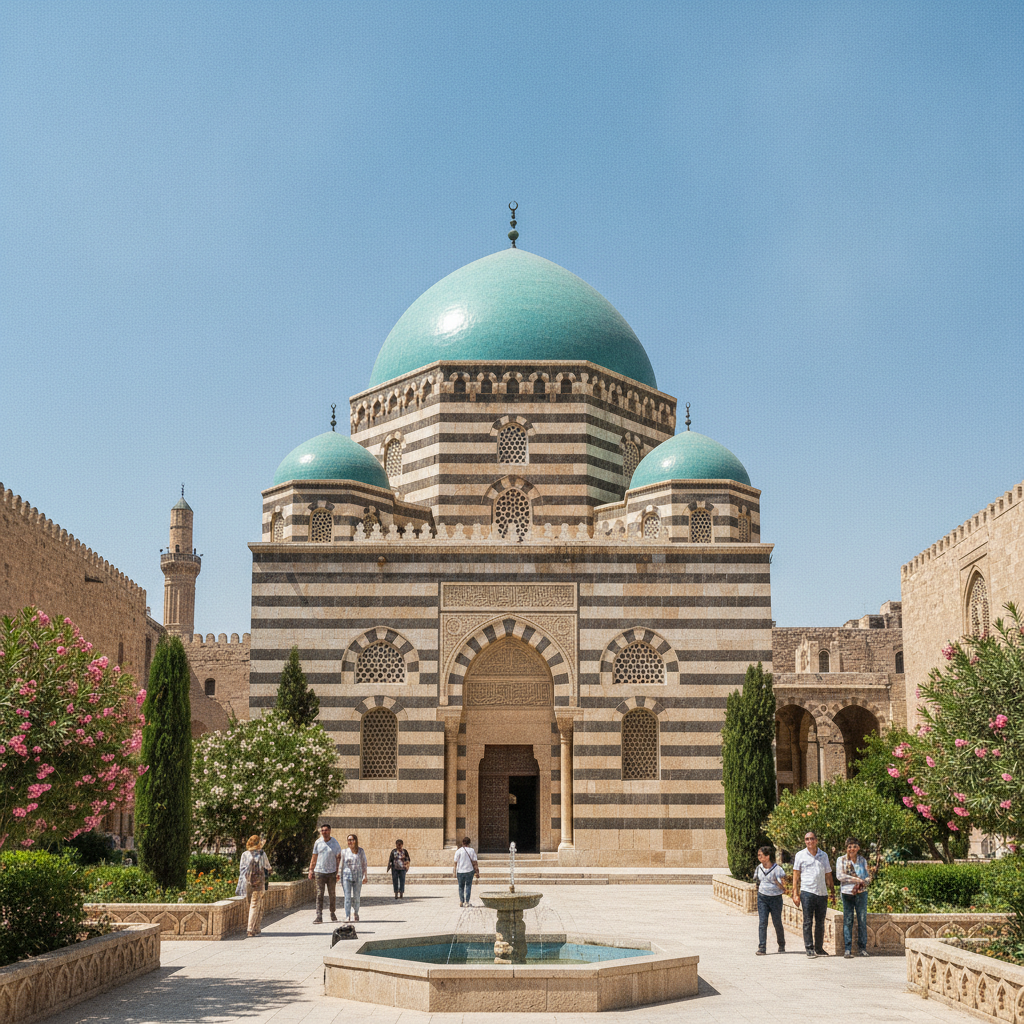
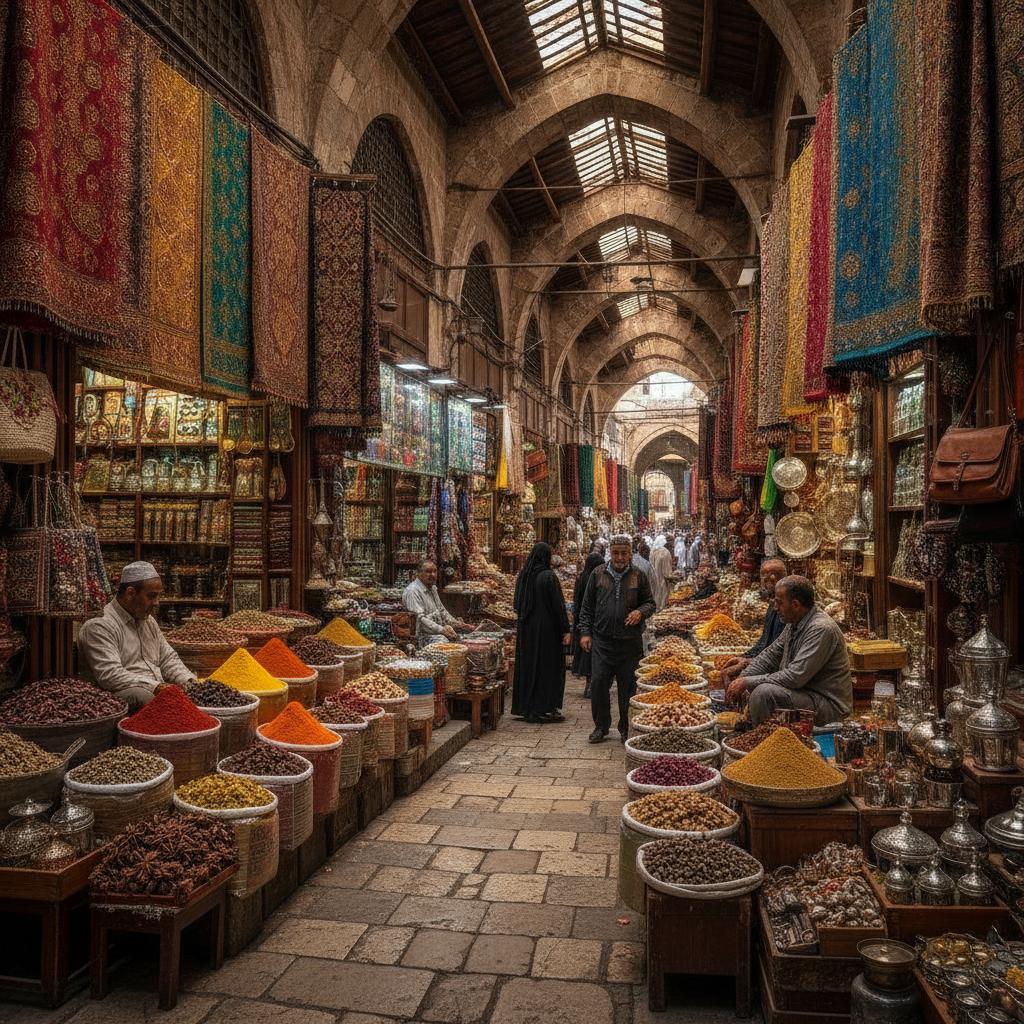
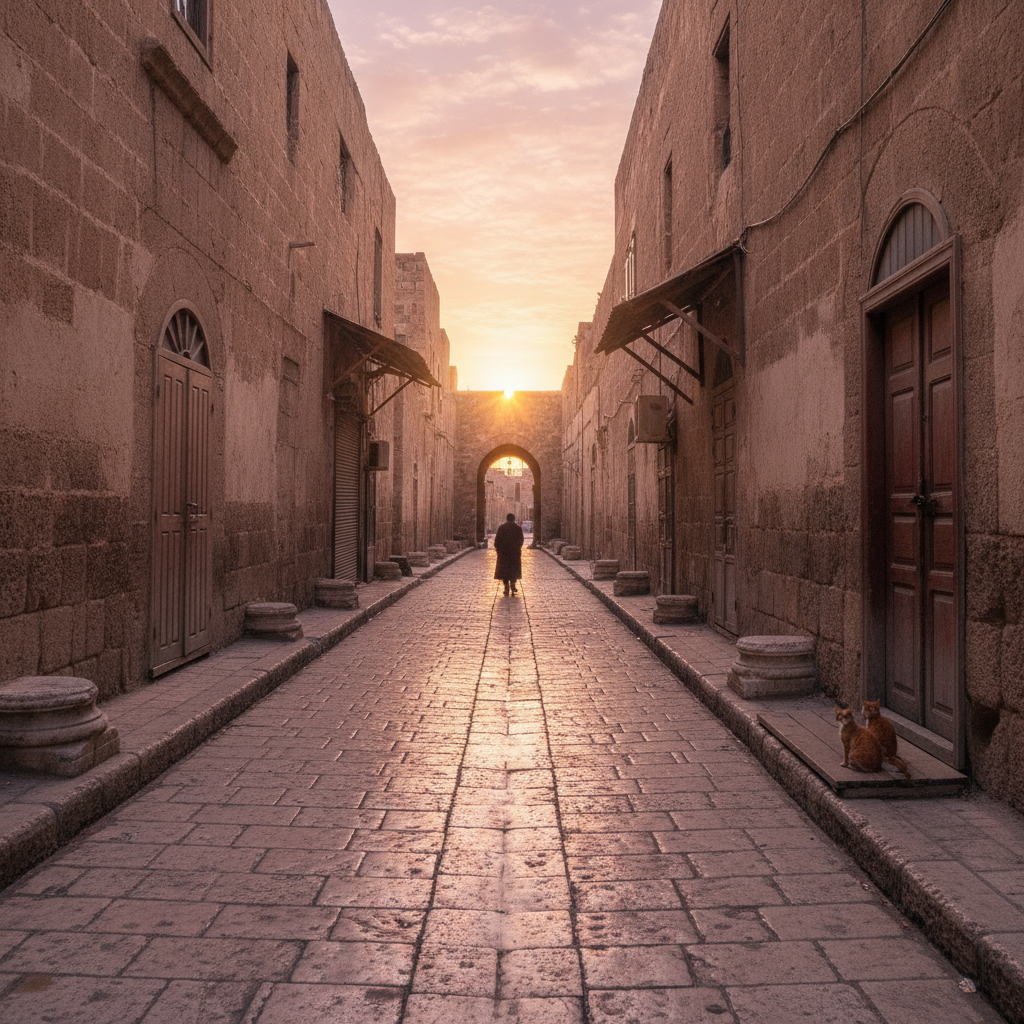
The Damascus photography guide (the optimal photography locations and timing for documenting the visual splendors of the Damascus Old City and its surrounding landscapes): the photography guide. The Umayyad Mosque (the primary photography subject in Damascus: non-Muslim visitors are welcome and photography is permitted in the courtyard and some interior areas: the best time for photography: 08:00-10:00 on weekday mornings when the mosque is quiet and the light falls directly across the courtyard: the mosaic panels (on the western colonnade wall: the surviving Byzantine mosaic panels are visible in the shade of the colonnade — a polarizing filter on the lens reduces reflections from the gold mosaic surfaces): the prayer hall interior (available for photography in designated areas — the vast hypostyle hall with its hanging glass lanterns is the primary interior subject): the Souk al-Hamidiyye (the covered souk: the best time 09:00-11:00 before the souk crowds and heat: the shaft-of-light effect (the iron roof of the souk has bullet holes from the French aerial bombardment of Damascus in 1925 (the Great Syrian Revolt): in the morning the sunlight creates dramatic shafts of light through these bullet holes: the ablaq architecture (the alternating black basalt and white limestone arch technique visible at Khan Asad Pasha and at multiple mosques and madrasas throughout the Old City: use a 24-35mm lens to capture the full arched compositions: the alleyways (the residential alleyways (haras) of the Old City between the Straight Street and the Umayyad Mosque: narrow shaded lanes with wooden-latticed second-floor overhangs (mashrabiyya screens): the mashrabiyya (the carved wooden lattice screens on upper-floor windows and balconies — the primary visual element of Damascene domestic streetscapes).
Walk this route with audio
Stories play automatically as you reach each stop — no tapping needed.