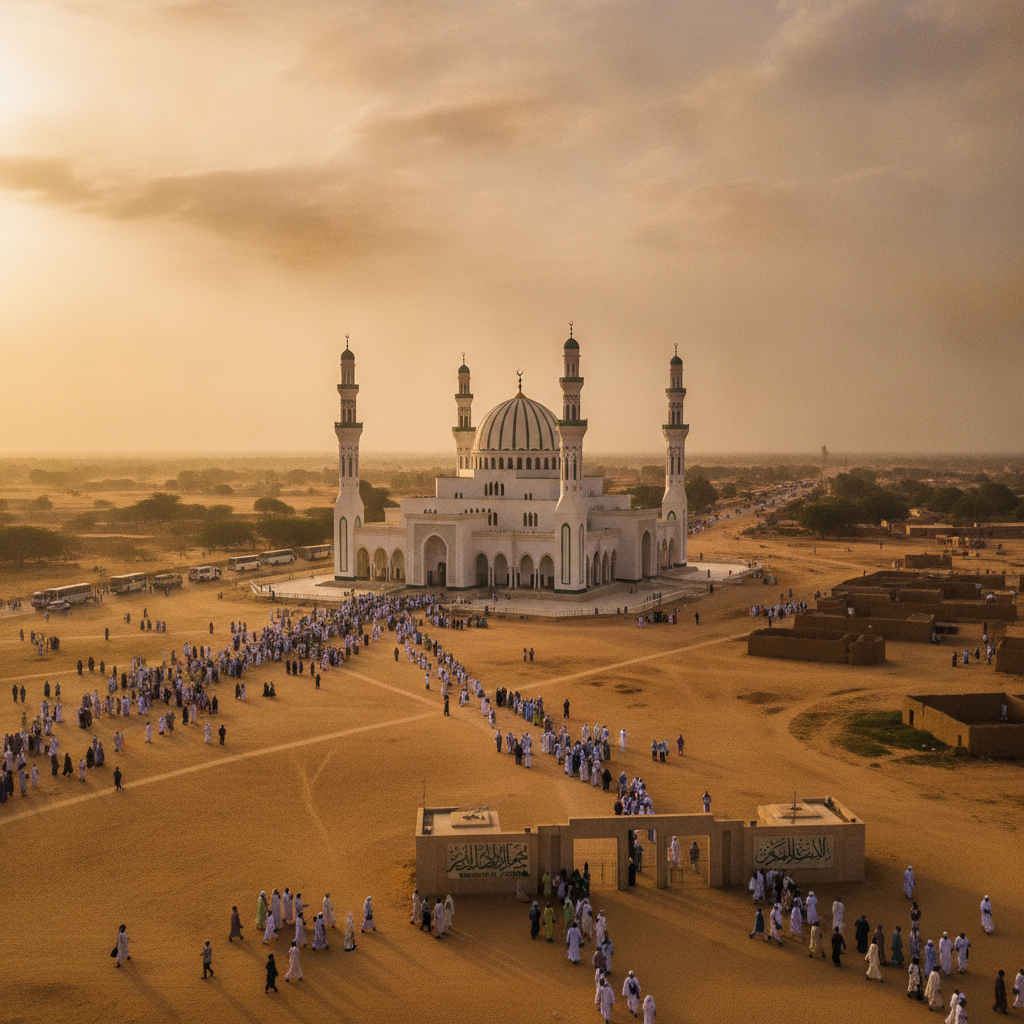
Dakar Deep Dive: Markets, Beaches, Gambia, Colonial Architecture, Cinema, and the Complete Senegal Legacy
Dakar comprehensive coverage: the Sandaga and HLM markets, the Corniche beaches, The Gambia and Casamance regional context, the colonial Plateau architecture, Ousmane Sembene and African cinema, Senegalese literature, and the six-route complete Senegal legacy reference.
- 1
Dakar Markets - Marche Sandaga, Marche HLM, and the Dakar Shopping Culture
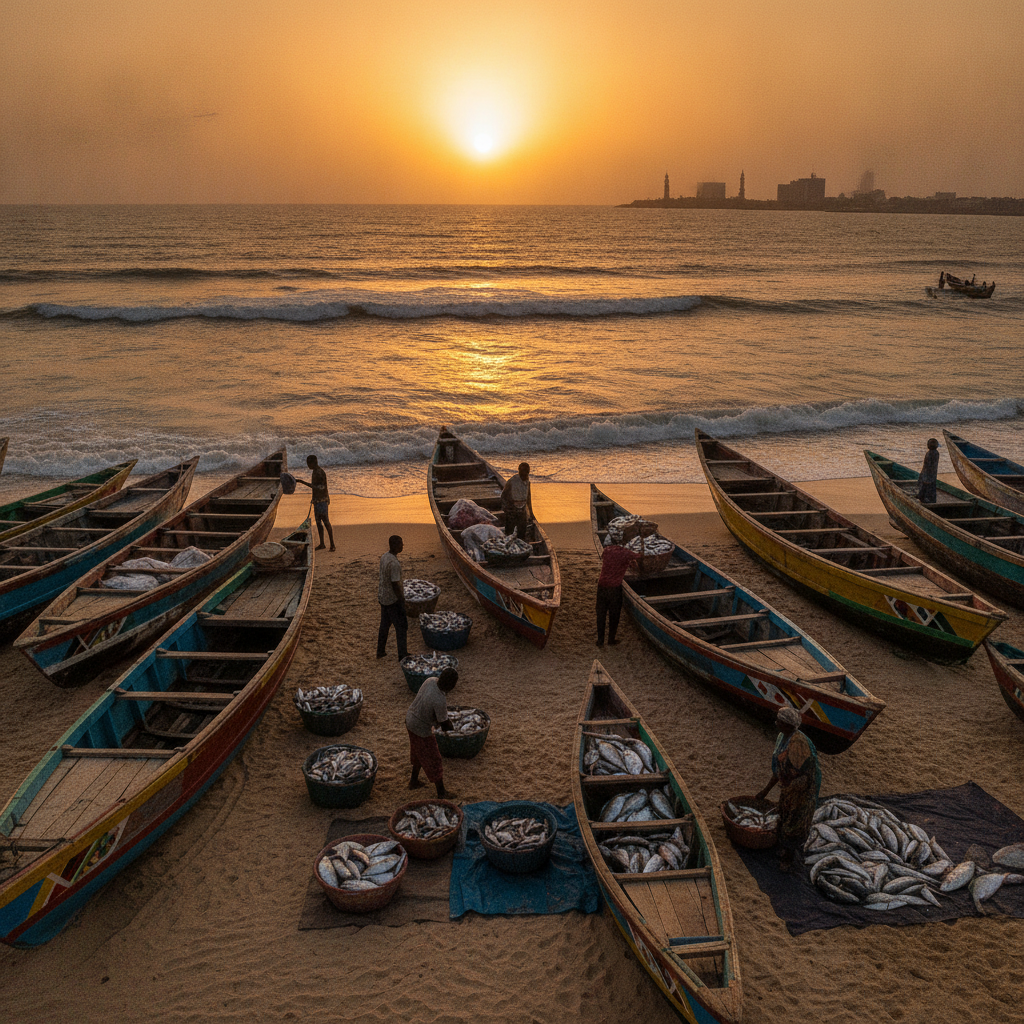
The Dakar markets: the primary shopping destinations in the Senegalese capital. Marche Sandaga (the Sandaga Market: the most famous and central market in Dakar: located on the Place de l Independance in the heart of the Dakar plateau: the market sells fabric (especially wax-print Ankara fabrics), clothing, shoes, electronics, and household goods: the market is the primary shopping destination for Dakar residents and the first destination for visitors looking for Senegalese goods). Marche HLM (the HLM Market: the primary fabric market in Dakar: HLM (Habitations a Loyer Modere) is a neighborhood of Dakar: the HLM fabric market is the largest fabric market in Senegal selling imported wax-print fabrics from Ivory Coast, the Netherlands, and China, and locally produced Senegalese fabrics). The Soumbedioune Market (the Soumbedioune artisan market and fish landing site on the Dakar waterfront: the market sells traditional Senegalese handicrafts (woodcarvings, textiles, jewelry) and the fish landing (the traditional Lebu fishing pirogues land their catch at Soumbedioune daily: the best photography time is late afternoon when the boats return)). The Kermel Market (the central covered market of Dakar (the Marche Kermel): the market is housed in a round colonial-era building: the market sells fresh food (fruits, vegetables, spices) and flowers).
- 2
Dakar Beaches and the Corniche - Atlantic Ocean Life
The Dakar Corniche: the Atlantic Ocean shoreline road that runs along the rocky western coast of the Cap-Vert peninsula, one of the most dramatic coastal drives in West Africa. The Corniche Ouest (the western Corniche: the road running from the Dakar port area northward along the rocky Atlantic coast to the Phare des Mamelles lighthouse (the lighthouse on the twin volcanic hills (the Mamelles) at the northwest of the peninsula)). The Plage de Anse Bernard (the beach near the Mamelles lighthouse: a good swimming beach on the northern coast of the peninsula). The N Gor village and beach (the fishing village of N Gor on the northern tip of the peninsula: the pirogue ferry to Ile de N Gor (the small island with surfing and a relaxed beach community)). The Almadies beaches (the beaches near the Pointe des Almadies (the westernmost point of Africa): the surfing beaches of the Almadies coast: the most consistent surfing conditions in the Dakar area). The Yoff beach (the beach at Yoff village: one of the traditional Lebu fishing communities: the Yoff beach is less touristic and more authentically Senegalese than the Almadies beaches).
- 3
The Gambia and the Casamance - Day Trips from Dakar into the Senegalese Interior
The Gambia and the Casamance: the two most distinctive destinations reachable from Dakar. The Gambia (The Gambia: the smallest country in mainland Africa, entirely surrounded by Senegal (except for the Atlantic coast): the Gambia occupies the lower Gambia River valley: Banjul is the capital: the Gambia is one of the most popular tourist destinations in West Africa (particularly for British tourists): the Atlantic beach resort zone (the beaches at Bakau, Kololi, and Senegambia are the primary tourism infrastructure): the Gambia River (the ecological diversity of the Gambia River basin: the primary bird habitat in the region (the Gambia is one of the finest birdwatching destinations in West Africa with approximately 570 recorded species)). The Casamance (the Casamance region of Senegal: the area south of the Gambia, separated from the rest of Senegal by The Gambia: the most biologically diverse part of Senegal (the southern forests are significantly wetter and more tropical than the Sahelian north): the Diola people (the primary ethnic group of Casamance: distinct culturally from the Wolof-dominated north): Cap Skirring (the beach resort on the Casamance Atlantic coast: the finest beach destination in Senegal)). The Casamance conflict (the Casamance Movement of Democratic Forces (MFDC) has pursued autonomy for the Casamance region since 1982: there has been a low-level armed conflict in Casamance since 1982: the security situation has improved significantly in recent years and the main tourist areas are generally safe).
- 4
Dakar Architecture and Urban History - The Colonial Quarter and Plateau
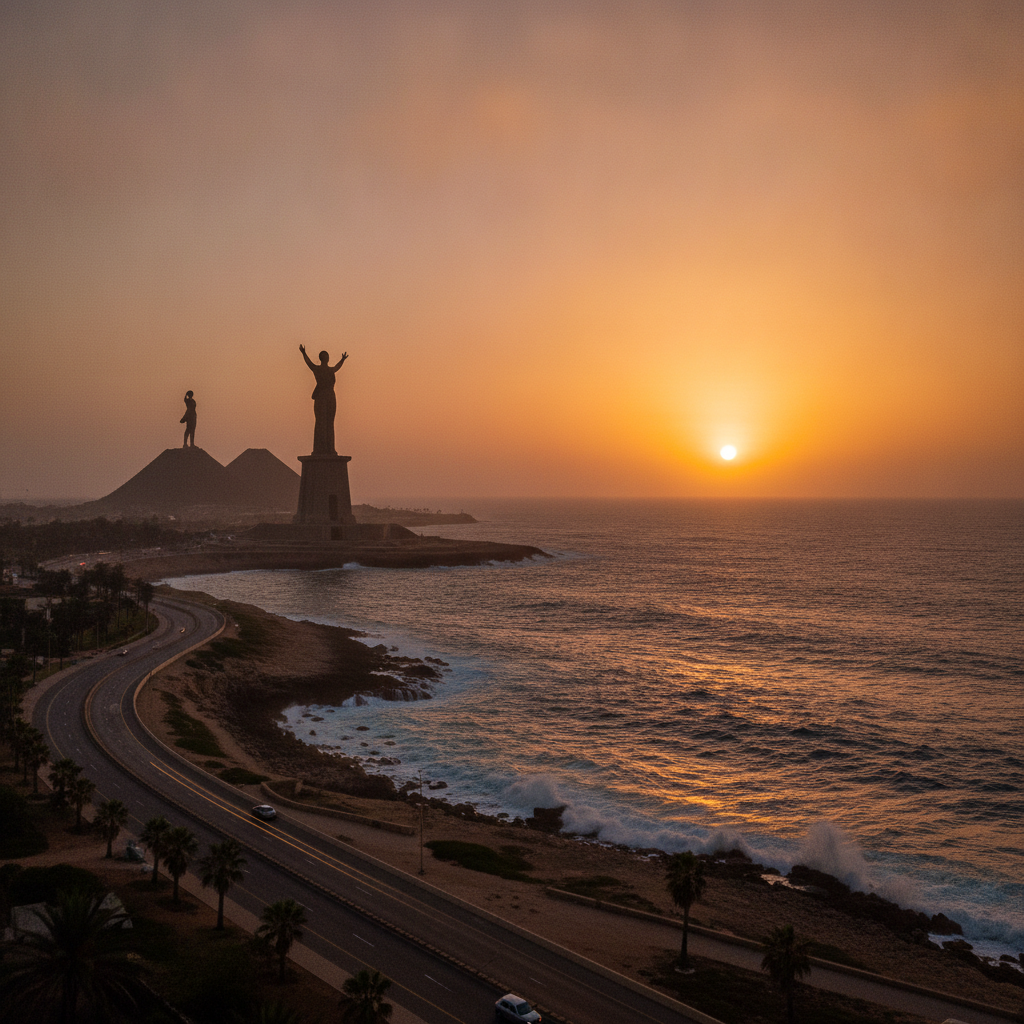
Dakar urban history and architecture: the colonial heritage of the Plateau neighborhood and the urban transformation of the Cap-Vert peninsula. The Plateau (the Plateau: the oldest and most architecturally significant neighborhood of Dakar: the colonial administrative and commercial center of the city: the colonial-era buildings (the Palais de la Republique (the Presidential Palace), the National Assembly, the Grand Mosque, the Marche Kermel): the Place de l Independance (the central square of the Plateau: the primary public space of colonial Dakar)). The colonial heritage (Dakar became the capital of French West Africa in 1902 (replacing Saint-Louis): the French established the city as the administrative center for the 8 territories of French West Africa (Senegal, Mauritania, Mali (then French Sudan), Burkina Faso (then Upper Volta), Niger, Guinea, Ivory Coast, Benin (then Dahomey)): the construction of colonial Dakar (the public buildings, the boulevards, and the residential neighborhoods of the colonial administration)). The Mamelles lighthouse (the Phare des Mamelles: the lighthouse on the twin volcanic hills above the northwest Dakar coast: the lighthouse is accessible and gives the best panoramic view of the Cap-Vert peninsula and the Atlantic Ocean: the African Renaissance Monument (the 49-meter bronze statue on the southern Mamelle hill: the most controversial landmark in modern Dakar)).
- 5
Dakar Film and Literature - FESPACO, Ousmane Sembene, and West African Cinema
Dakar and Senegalese cinema: the most significant national film tradition in West Africa and Africa, centered on the work of Ousmane Sembene. Ousmane Sembene (1923-2007): the father of African cinema: born in Casamance: worked as a dock worker in Marseille and published his first novel (Le Docker Noir) in 1956: returned to Senegal and trained as a filmmaker in Moscow: his first film La Noire de... (Black Girl, 1966) is considered the first Sub-Saharan African feature film: subsequent major films (Mandabi (The Money Order, 1968), Xala (1974), Ceddo (1977), Camp de Thiaroye (1988), Moolade (2004)): Sembene films are sharply political, combining criticism of colonialism and postcolonial governance with critique of harmful traditional practices (Moolade addressed female genital cutting). FESPACO (the Panafrican Film and Television Festival of Ouagadougou: held in Burkina Faso: the most significant film festival in Africa: Senegalese films have won the Etalon de Yennenga (the top prize at FESPACO) multiple times). The Senegalese film tradition after Sembene: Djibril Diop Mambety (Touki Bouki (1973)): Moussa Toure: the contemporary Senegalese directors (the new generation working with lower budgets and digital tools). The literary tradition (Sembene was also a significant novelist: Aminata Sow Fall (the first woman to win the Grand Prix Litteraire d Afrique Noire): Mariama Ba (So Long a Letter (1979): one of the most important African novels by a woman)).
- 6
Dakar Complete Six-Route Legacy - Senegal Final Reference
Dakar complete reference. Route 1: Cap-Vert peninsula (westernmost Africa), Goree Island UNESCO slave heritage, Mbalax and Youssou N Dour, Dak Art Biennale, Atlantic coast, Senegal practical. Route 2: Wolof people and griot tradition, Senghor and Negritude, Mouride Brotherhood and Touba, thieboudienne and yassa cuisine, attaya tea ceremony, Saint-Louis and Lac Rose day trips. Route 3: Dakar markets (Sandaga, HLM fabric market, Soumbedioune fish landing), Dakar Corniche and beaches, The Gambia and Casamance regional context. Route 4: Dakar colonial Plateau architecture, the Mamelles lighthouse, African Renaissance Monument. Route 5: Ousmane Sembene and African cinema, FESPACO, Senegalese literature (Mariama Ba, Aminata Sow Fall). Route 6 (this route): complete legacy. Senegal final: the most politically stable country in West Africa (63+ years of democracy without a coup), the cultural capital of Francophone West Africa, and a country where the warmth of teranga makes every visitor feel welcome. The 3-5 day Dakar circuit (Goree Island, Marche Sandaga, the Plateau, the Corniche, the Soumbedioune fish market, and a Mbalax evening at Thiossane club) is one of the finest urban travel experiences in West Africa. Add Saint-Louis (1-2 nights) and Lac Rose (half day) for the essential Senegal circuit.
Walk this route with audio
Stories play automatically as you reach each stop — no tapping needed.
More in dakar
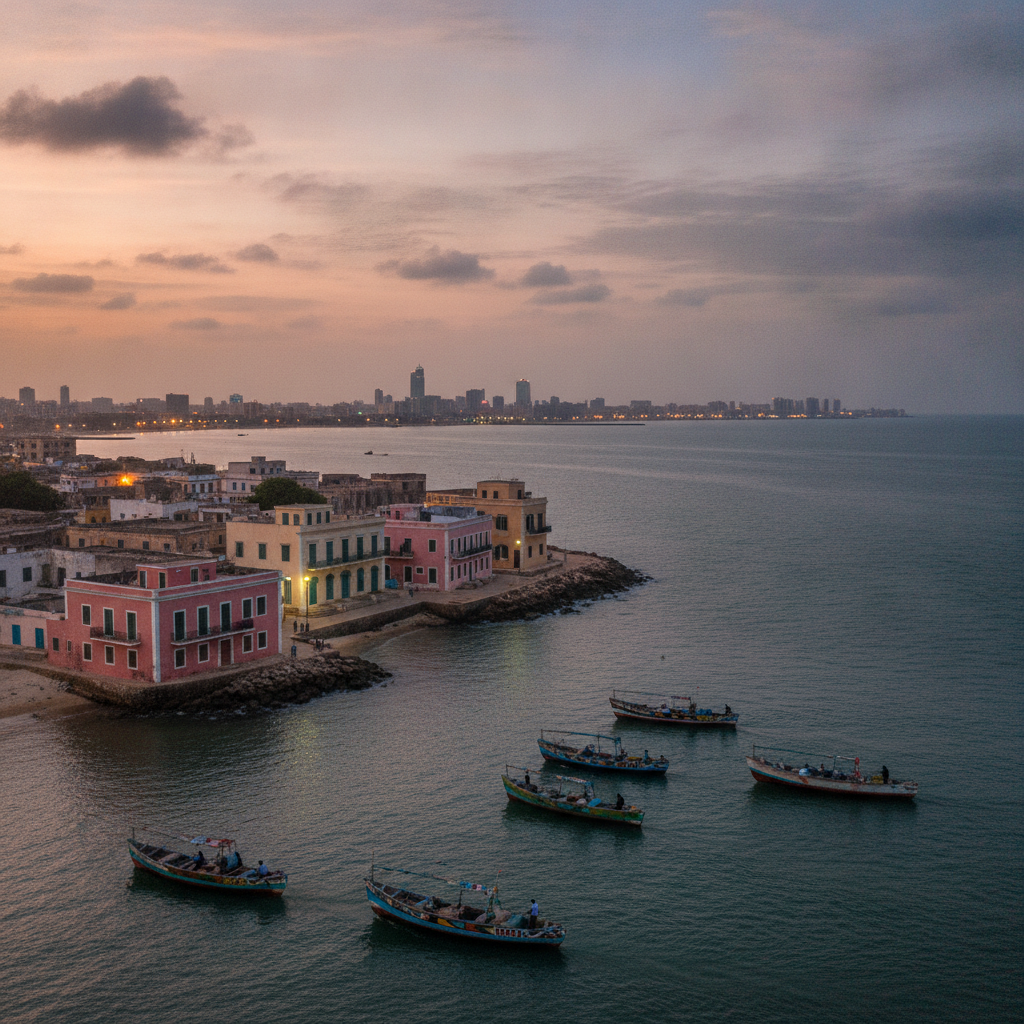
Dakar: Westernmost Capital of Africa, Goree Island, Mbalax Music, Dak Art, and the Senegal Guide
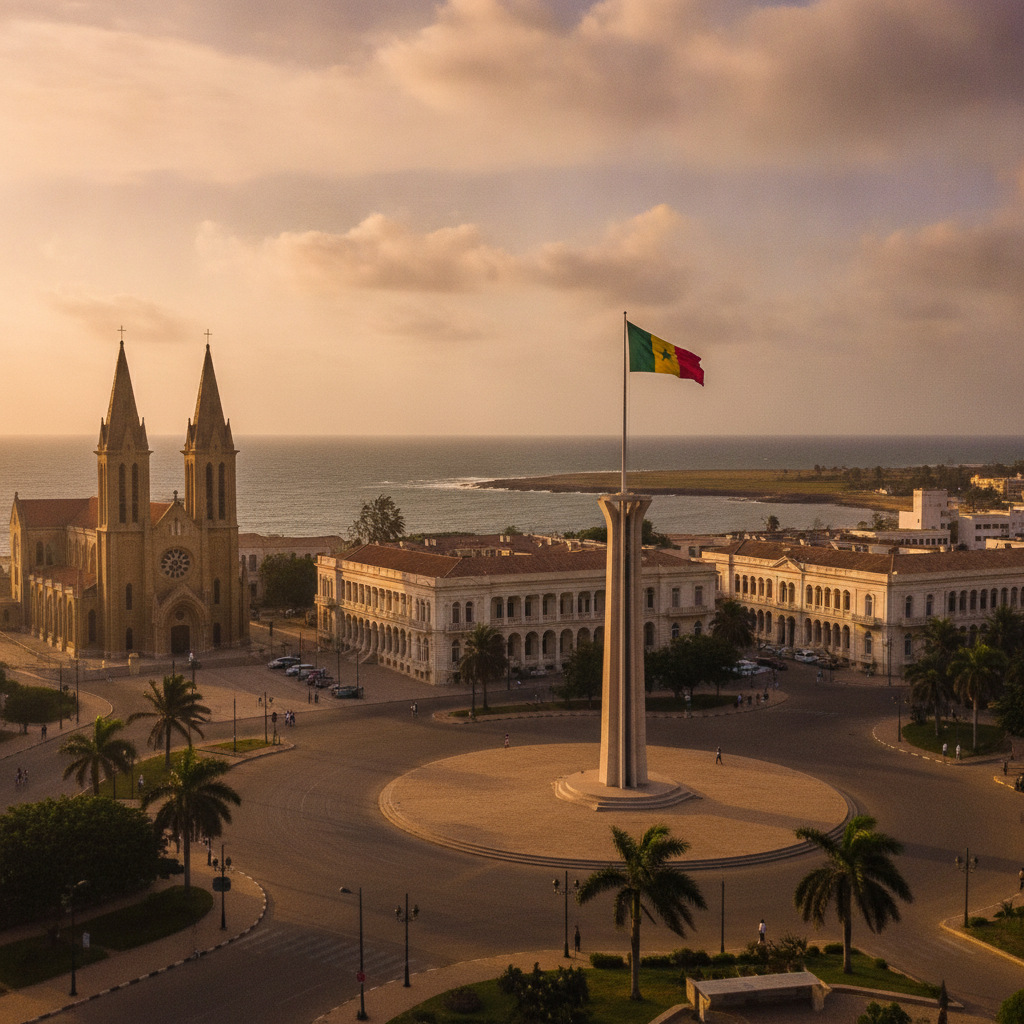
Dakar Deep Culture: African Cinema, Senegalese Literature, Colonial Architecture, Marine Park, Nightlife
Dakar Textile Culture, Wolof Fashion, and the Everyday Life of Senegal
Dakar Culture and Legacy: Wolof Heritage, Senghor and Negritude, Sufi Islam, Senegalese Cuisine, and the Complete Reference