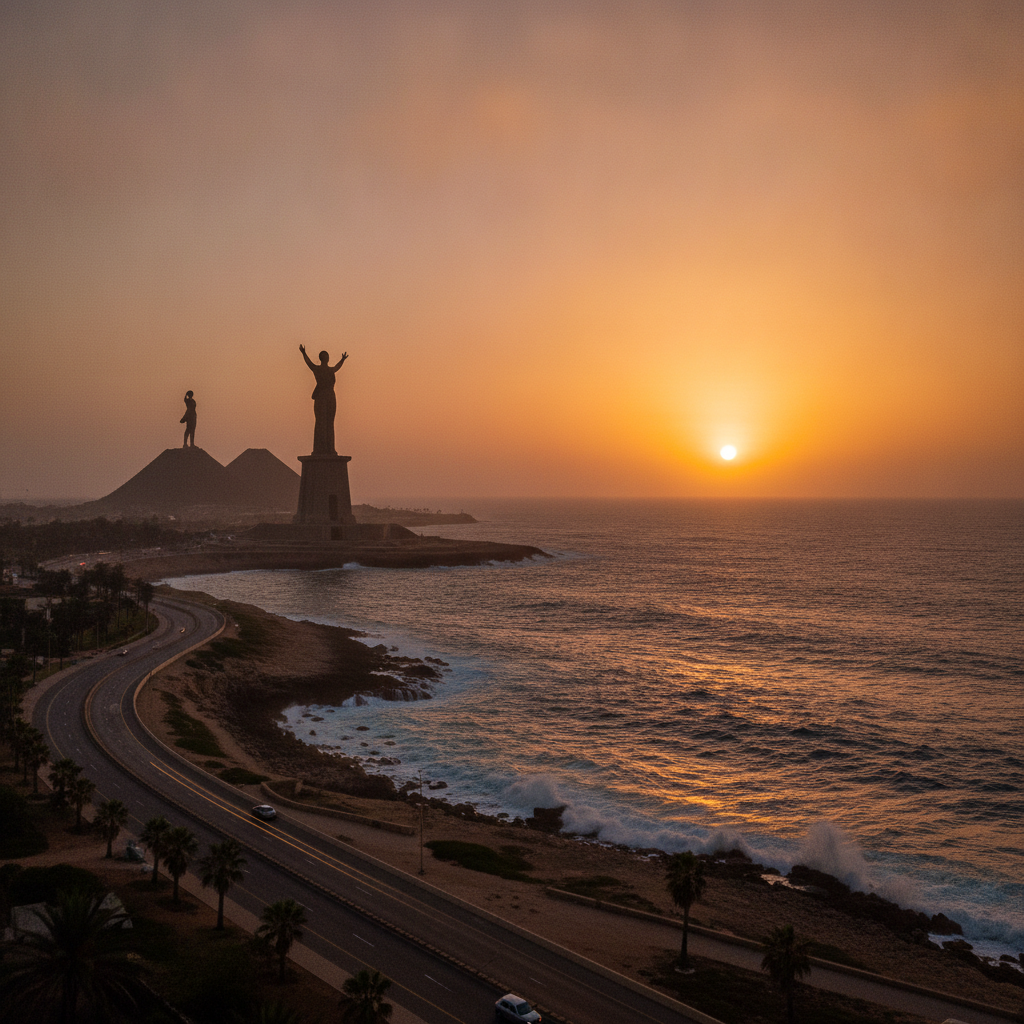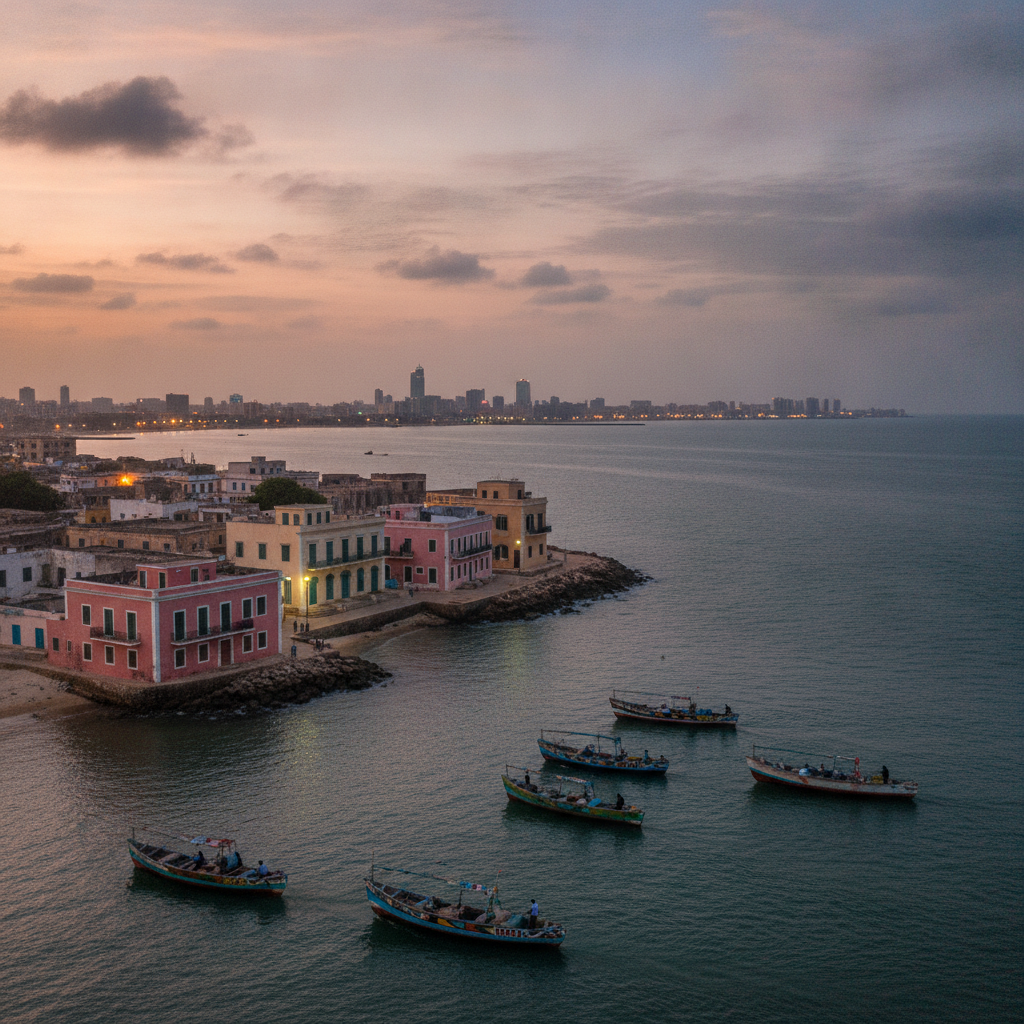
Dakar: Westernmost Capital of Africa, Goree Island, Mbalax Music, Dak Art, and the Senegal Guide
Dakar city guide: the Cap-Vert peninsula and the westernmost point of Africa, Goree Island (UNESCO World Heritage slave island), the Mbalax music scene and Youssou N Dour, the Dak Art Biennale, the Atlantic coast and beaches, and the complete Senegal visitor practical reference.
- 1
Dakar - The Westernmost Capital of Africa on the Atlantic Tip
Dakar: the capital of Senegal and the westernmost city on the African continent (the Cap-Vert peninsula is the westernmost point of continental Africa). Population approximately 3.5 million in the metro area. Geography: Dakar occupies the Cap-Vert peninsula, a rocky promontory extending into the Atlantic Ocean. The city is known for its French West African colonial heritage, its Wolof culture, its fishing economy, its music (Mbalax), and its position as the most cosmopolitan and culturally sophisticated capital in West Africa. The Dakar identity: Senegal is one of the most politically stable countries in West Africa (no military coup since independence in 1960, a democracy since the founding) and Dakar reflects that stability in its relatively relaxed and cultured atmosphere. The city is bilingual (French official, Wolof widely spoken and increasingly the lingua franca of Dakar daily life). The Teranga (the Wolof concept of hospitality and generosity: teranga is the defining cultural value of Senegalese society and is visible in the warmth with which Dakar receives visitors).
- 2
Ile de Goree - The Slave Island and UNESCO World Heritage Site
Ile de Goree (Goree Island): the small island 3 km off the coast of Dakar that was one of the most significant slave trading posts in West Africa and is now a UNESCO World Heritage Site and a major site of transatlantic slave trade remembrance. The history: Goree Island was inhabited by Lebu fishermen before European contact: the Portuguese arrived in 1444 and the island was used as a trading post: the island passed between the Portuguese, the Dutch, the British, and the French: during the peak of the slave trade (17th-18th centuries) Goree was one of the most important transit points for enslaved Africans bound for the Americas. The Maison des Esclaves (the House of Slaves): the most famous building on Goree Island: the slave house containing the holding cells where enslaved people were kept before being loaded onto ships: the Door of No Return (the door at the water level of the House of Slaves through which enslaved people passed onto waiting ships: one of the most emotionally powerful sites in the African slave trade geography). The island today: Goree Island is a car-free village of approximately 1,700 permanent residents: the island retains its colonial-era architecture: it is one of the most pleasant and photogenic environments in Senegal. The ferry runs regularly from the Dakar port (approximately 20 minutes each way).
- 3
Dakar Music Scene - Mbalax, Youssou N Dour, and Senegalese Music
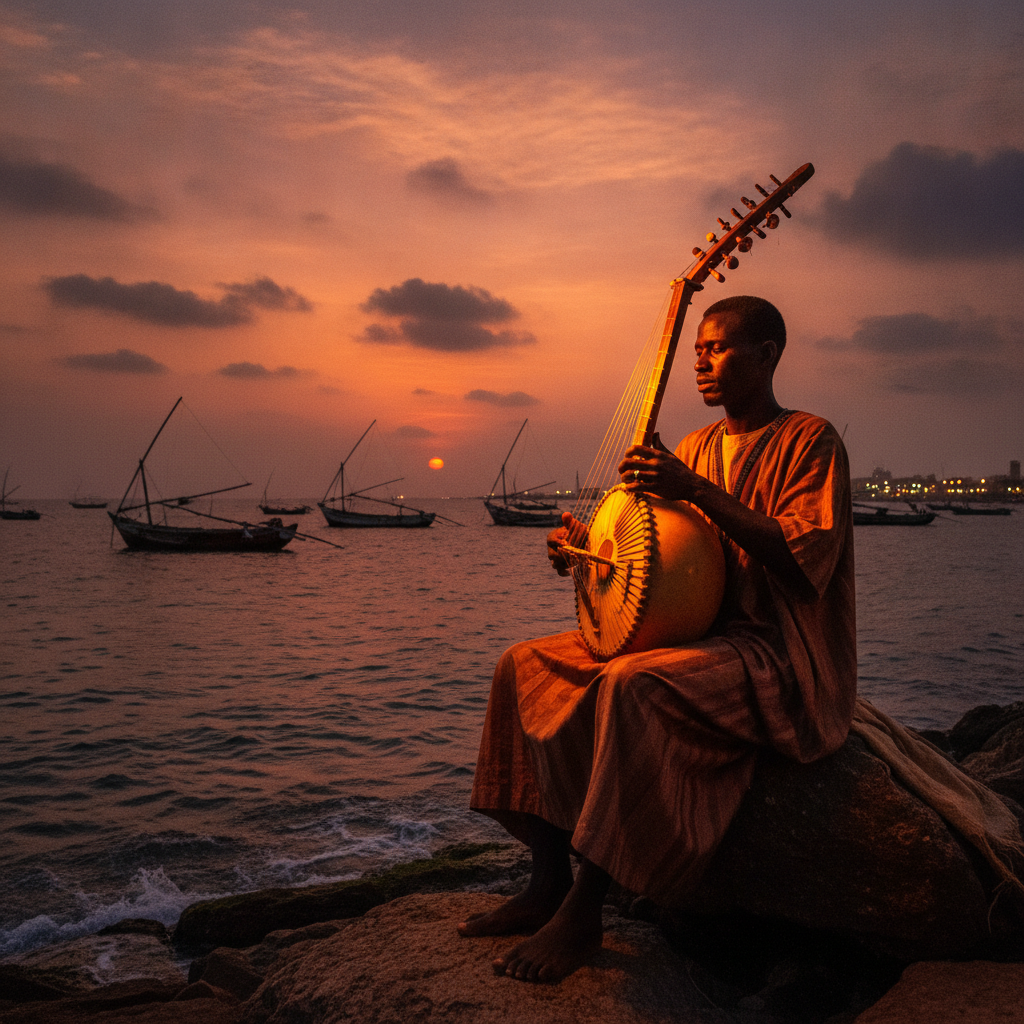
The Dakar music scene: one of the richest musical cultures in Africa, centered on the Mbalax genre and the global career of Youssou N Dour. Mbalax (the primary Senegalese popular music genre: a fusion of Wolof and other Senegambian traditional music (the sabar drum tradition (the sabar: the tall drum played with one hand and one stick, the primary instrument of the Wolof musical tradition)) with Latin music (Cuban salsa and merengue were enormously popular in Senegal from the 1950s onward), jazz, and soul: the Mbalax sound is characterized by complex polyrhythmic sabar drumming, call-and-response vocal lines, and dance rhythms). Youssou N Dour (born 1959 in Dakar): the most internationally recognized African musician: the leader of the Super Etoile de Dakar band: he is the primary exponent of Mbalax on the world stage: his international career includes collaborations with Peter Gabriel (the song In Your Eyes and the album So (1986) brought N Dour to global attention), Neneh Cherry (7 Seconds (1994) was a global hit), and numerous world musicians: in addition to his music career, Youssou N Dour served as Senegalese Minister of Culture from 2012 to 2013. The Dakar live music scene (the clubs and concert venues of Dakar: the Thiossane club (founded by Youssou N Dour as his regular performance venue): the Club Atlantique).
- 4
Dakar Arts Scene - Dak Art Biennale and Senegalese Contemporary Art
Dakar and the Dak Art Biennale: the most significant contemporary art event in Africa and the hub of the Senegalese contemporary art world. The Dak Art Biennale (the Dakar Biennale (Dak Art): the contemporary art biennale held in Dakar in even-numbered years: one of the most internationally significant contemporary art events in Africa: the biennale was founded in 1989 and has been held continuously since 1992: the biennale attracts artists, critics, and galleries from across Africa and the African diaspora and from international art centers (Paris, London, New York)). The Senegalese art tradition (the Senegalese contemporary art tradition: the Ecole de Dakar (the Dakar School of art that emerged in the 1960s-1970s under the influence of Leopold Senghor (the first President of Senegal and the primary theorist of the Negritude movement)): the major figures of the Dakar School (Iba N Diaye, Ousmane Sow)). The IFAN Museum of African Arts (the Institut Fondamental d Afrique Noire Museum: the primary anthropological and art museum in Dakar: the collection includes traditional art from across West Africa, masks, sculptures, musical instruments, and colonial-era ethnographic collections). The Village des Arts (the Dakar artists community: a collective of artists studios in the Hann Park area of Dakar: a place to meet Senegalese working artists and see their work in progress).
- 5
The Dakar Rally and the Cap-Vert Coast - The Peninsula and the Sea
The Cap-Vert Peninsula and the Atlantic coast of Dakar: the geography, the beaches, and the natural environment of Africa westernmost point. The Cap-Vert peninsula (the peninsula on which Dakar is built: a rocky volcanic promontory extending approximately 20 km into the Atlantic Ocean: the westernmost point of the African continent (the Pointe des Almadies at the western tip of the peninsula is at approximately 17 degrees 32 minutes west longitude: the westernmost point of continental Africa)). The Dakar beaches (the most popular beaches of Dakar: the Plage de N Gor (the beach near N Gor village on the northern tip of the peninsula: accessible by pirogue (traditional fishing canoe) from the N Gor beach: the N Gor island (Ile de N Gor): the small surf island off N Gor beach with a relaxed surfing community): the Plage des Almadies (the beach near the westernmost point of Africa): the Plage de Yoff (the beach at Yoff village: one of the historic Lebu fishing communities on the Cap-Vert peninsula)). The fishing industry (the Dakar fishing industry: one of the most significant in West Africa: the traditional Lebu fishing pirogues (the large, brightly painted wooden boats): the Soumbedioune fish market (the traditional fishing market on the Dakar waterfront where the pirogues land their catch and the fish is sold fresh: one of the most photographed scenes in Dakar).
- 6
Dakar Practical Guide - Senegal, Teranga, and the Complete West Africa Reference
The Dakar practical guide and Senegal visitor reference. The Senegal overview: population approximately 17 million; official language French (widely spoken), Wolof (the lingua franca of Dakar daily life and increasingly of all Senegal); currency: the West African CFA franc (XOF): the CFA franc is shared by 8 West African countries and is pegged to the Euro at a fixed rate (655.96 CFA per Euro): the stability of the CFA franc makes Senegal one of the easier currencies to handle in West Africa. The visa (most nationalities do not require a visa to visit Senegal: the Senegal e-Visa is available for the nationalities that do require one: this compares very favorably with Nigeria and Ghana which require visas for most nationalities). The transport (the Dakar taxi: the yellow cabs of Dakar are affordable and available: the Uber app operates in Dakar). Getting around Senegal (the sept-place taxis (the 7-seat shared taxi wagons that operate between Senegalese cities): the Dakar Dem Dikk bus network (the primary public bus service): the Petit Train de Banlieue (the suburban train from Dakar to Thies)). The Dakar safety (Dakar is one of the safer West African capitals for visitors: petty theft is the primary concern: the teranga culture means Dakar residents are generally friendly and helpful to visitors). Best time to visit: November to May (the dry season).
Walk this route with audio
Stories play automatically as you reach each stop — no tapping needed.
More in dakar
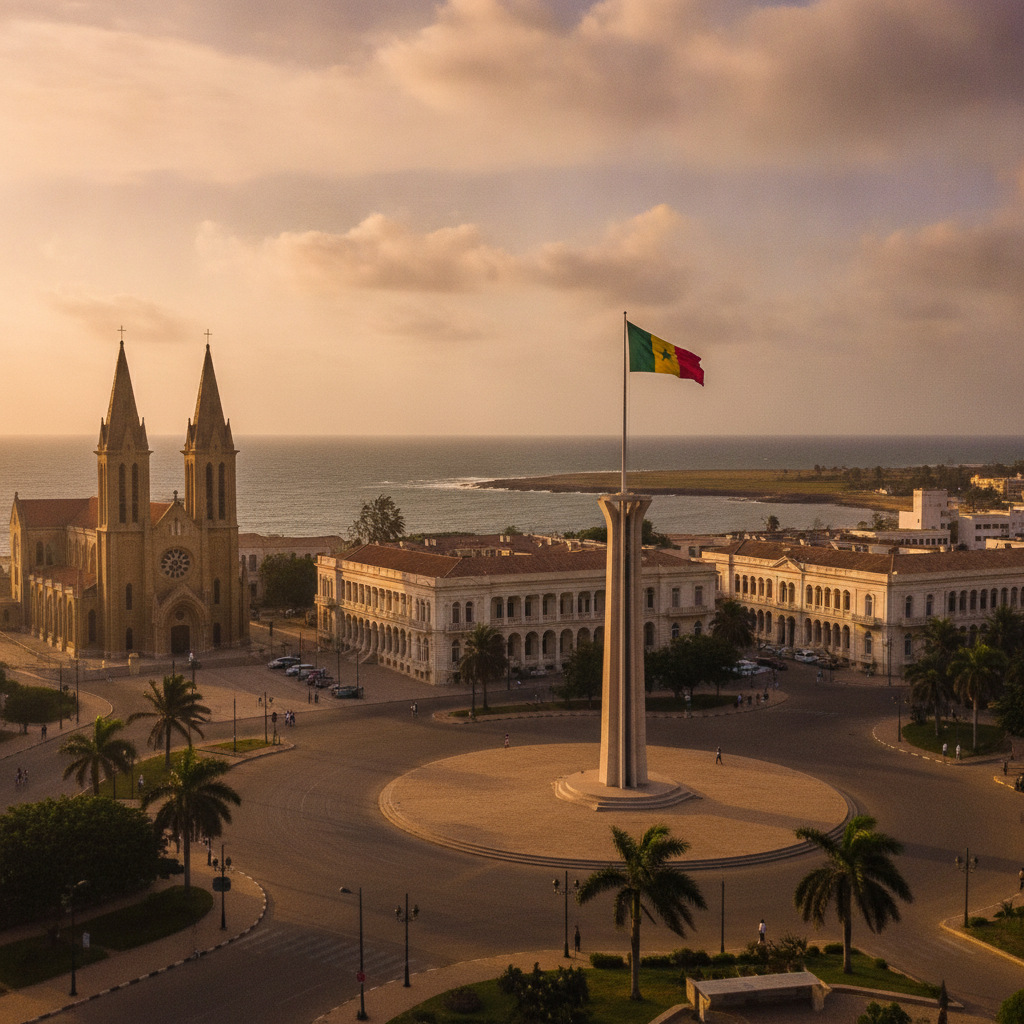
Dakar Deep Culture: African Cinema, Senegalese Literature, Colonial Architecture, Marine Park, Nightlife
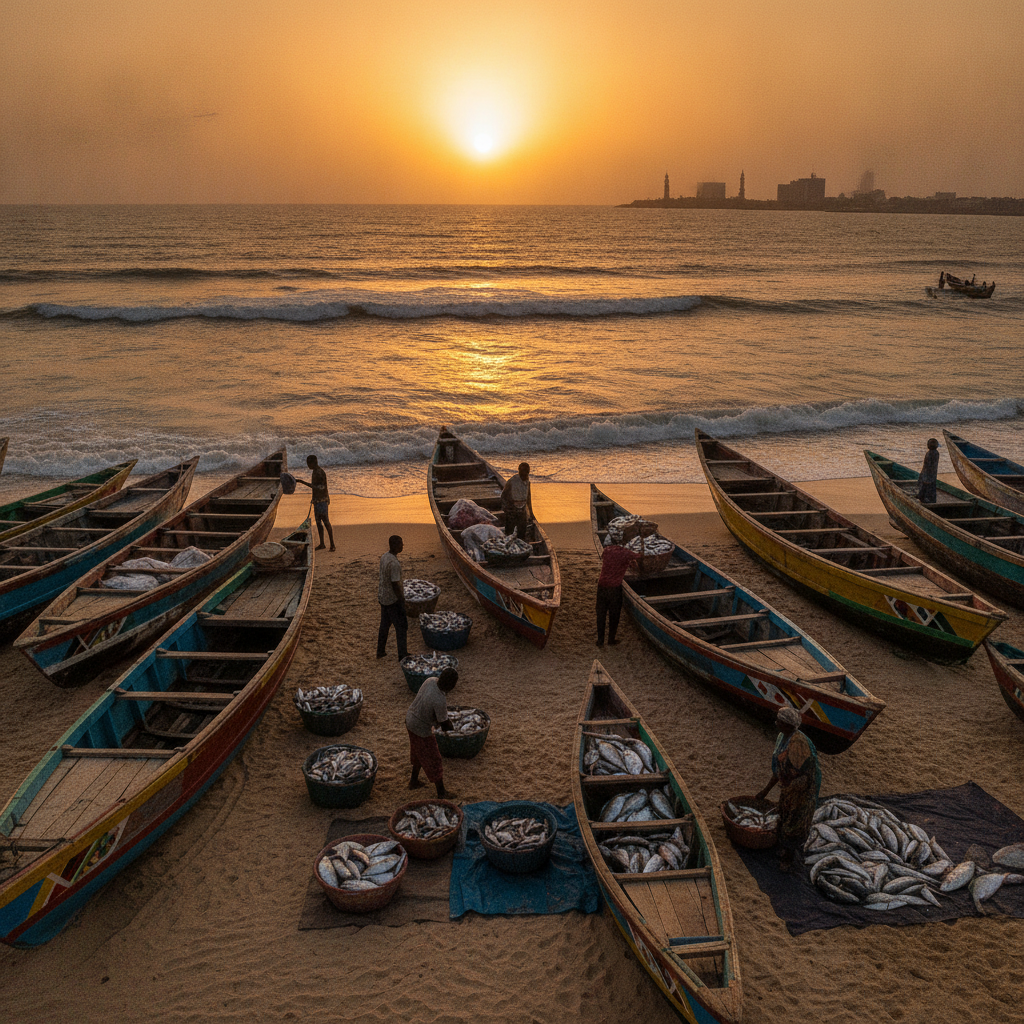
Dakar Textile Culture, Wolof Fashion, and the Everyday Life of Senegal
Dakar Culture and Legacy: Wolof Heritage, Senghor and Negritude, Sufi Islam, Senegalese Cuisine, and the Complete Reference
Dakar Final Legacy: Senegalese Football, Casamance, the Mouride Brotherhood, Street Life, and the Complete Reference