Dakar Deep Culture: African Cinema, Senegalese Literature, Colonial Architecture, Marine Park, Nightlife
Dakar cultural depth: Ousmane Sembene and African cinema, Senegalese literature (Mariama Ba, Aminata Sow Fall), the Plateau colonial architecture, Ile de la Madeleine marine park, Dakar nightlife (Thiossane, Institut Francais), and the photography and practical guide for West Africa.
- 1
Ousmane Sembene and African Cinema - The Father of African Film
Ousmane Sembene (1923-2007): the father of African cinema. Born in Casamance, he worked as a dock worker in Marseille and published his first novel Le Docker Noir (1956). After training as a filmmaker in Moscow he returned to Senegal. His first film La Noire de... (Black Girl, 1966) is considered the first Sub-Saharan African feature film. Major works: Mandabi (The Money Order, 1968), Xala (1974, a satire of postcolonial African governments), Ceddo (1977), Camp de Thiaroye (1988), and Moolade (2004, addressing female genital cutting). Sembene combined sharp political critique of colonialism and postcolonial corruption with deep respect for Senegalese tradition. His work won major prizes at FESPACO (the Panafrican Film Festival in Ouagadougou).
- 2
Senegalese Literature - Mariama Ba, Aminata Sow Fall, and the French-Language Tradition
Senegalese literature in the French language. Mariama Ba (1929-1981): the Dakar-born novelist whose epistolary novel Une Si Longue Lettre (So Long a Letter, 1979) is one of the most celebrated African novels by a woman: the novel addresses the status of women in Senegalese Muslim society through the story of two friends writing letters after the death of their husbands. Aminata Sow Fall (born 1941): the first woman to win the Grand Prix Litteraire d Afrique Noire: her novel La Greve des Battu (The Beggars Strike, 1979) satirizes a Dakar government campaign to remove beggars from the streets. Leopold Senghor (see Route 2): the poet-president whose Negritude poetry (Chants d Ombre (1945), Ethiopiques (1956)) is among the most significant Francophone African verse. The Dakar reading culture: the Dakar book market (the second-hand book stalls along the Avenue Bourguiba in the Plateau).
- 3
The Dakar Plateau - Colonial Architecture and the French West African Legacy
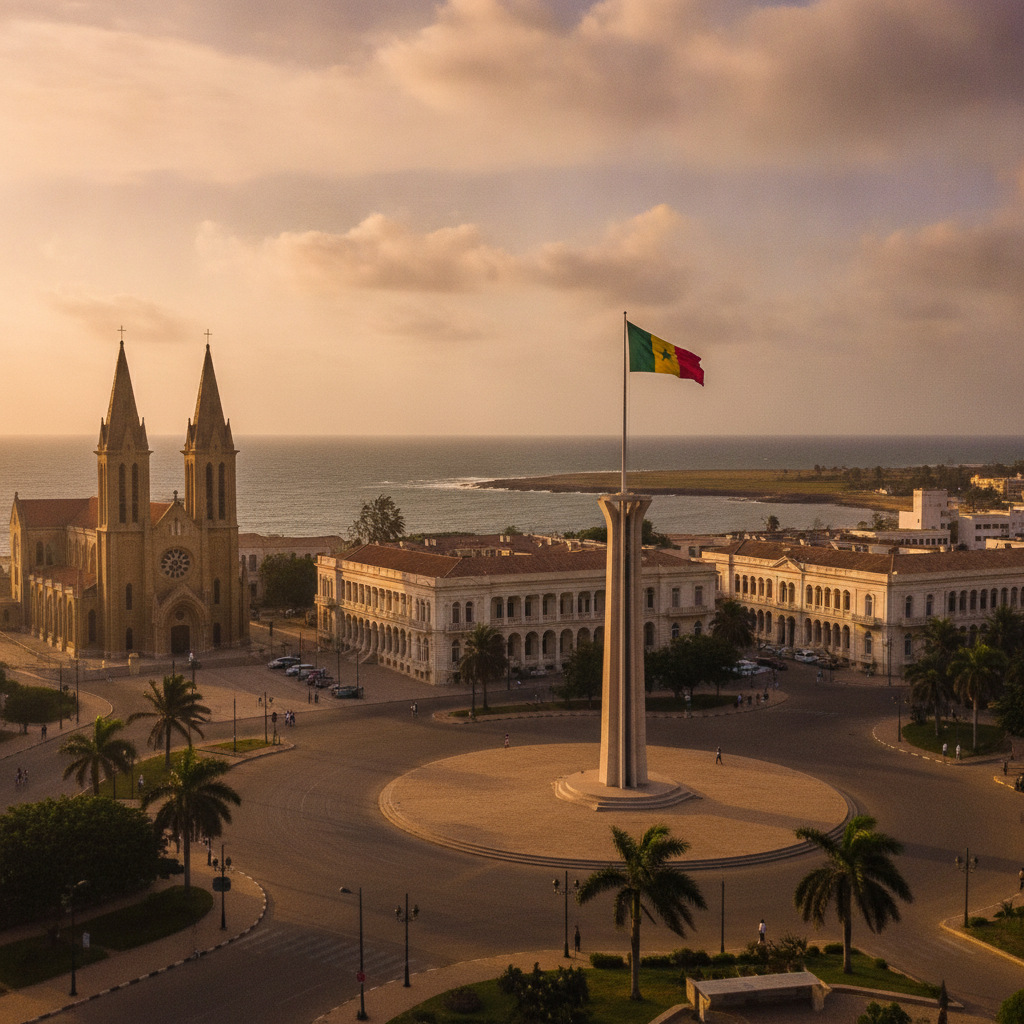
The Dakar Plateau: the historic heart of the city, the colonial administrative center, and the most architecturally significant neighborhood in Dakar. The colonial buildings: the Palais de la Republique (the Presidential Palace: the colonial governor general palace, now the Senegalese presidential residence), the Assemblee Nationale (the National Assembly), the Grand Mosque (built 1964), the Marche Kermel (the round covered market in the colonial commercial center). The Boulevard de la Republique (the primary commercial boulevard of the Plateau: the banks, the insurance companies, and the offices of the Plateau district). The Cathedral of Dakar (the Cathedrale du Souvenir Africain: the Catholic cathedral built during the colonial era: one of the architecturally significant buildings of the Plateau: representing the small Catholic community of Senegal (approximately 5% of the population)). Place de l Independance (the central public square of Dakar: the site of the independence monument (the bronze soldier and the Senegalese flag)).
- 4
Ile de la Madeleine and the Dakar Marine National Park
Ile de la Madeleine: the two small volcanic islands approximately 4 km southwest of Dakar, constituting the smallest national park in Senegal. The islands are accessible only by pirogue from the Dakar waterfront (the journey takes approximately 20-30 minutes). The park protects one of the most significant coral reef ecosystems on the West African coast, supported by the cold Canary Current upwelling that makes the waters off Dakar unusually rich in marine life. The diving (the Dakar diving scene: the diving off Ile de la Madeleine offers good visibility and marine diversity including moray eels, barracuda, octopus, grouper, and various coral species). The seabird colony (the islands support nesting seabirds including the magnificent frigatebird, the yellow-legged gull, and the royal tern). The island surface (the volcanic rock landscape of the islands: the sparse vegetation (cactus and succulents) and the views of the Dakar coastline).
- 5
Dakar Nightlife - Thiossane, Institut Francais, and the Arts Scene
Dakar nightlife and the evening arts culture. The Thiossane Club (the club founded by Youssou N Dour: the primary venue for live Mbalax music in Dakar: the crowded dance floor, the sabar drumming, and the Mbalax rhythms that define the Dakar night). The Institut Francais de Dakar (the French cultural institute: one of the most active cultural venues in the city: regular film screenings, concerts, theater, and art exhibitions). The Rue de Vincens (the bar and restaurant strip of the Plateau: the terrace bars where Dakar professionals gather in the evenings). The Village des Arts (the artists studio complex in Hann Park: studio visits and direct purchases from Dakar working visual artists). The Point E neighborhood (the residential area for the Dakar professional middle class: restaurants and terrace bars). The live music scene (the Dakar live music venues active Thursday to Saturday nights: Mbalax, jazz, and West African acoustic music).
- 6
Dakar Photography Guide and Practical Tips for West Africa
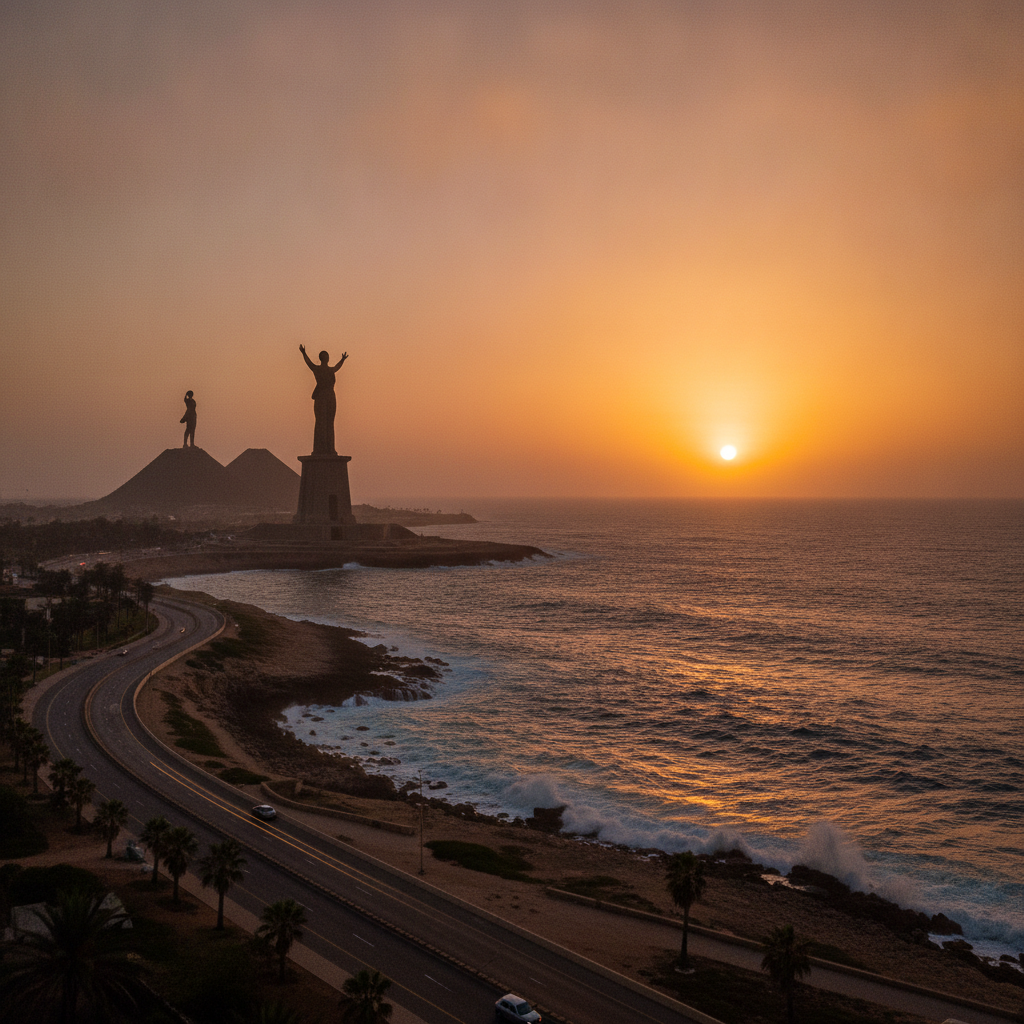
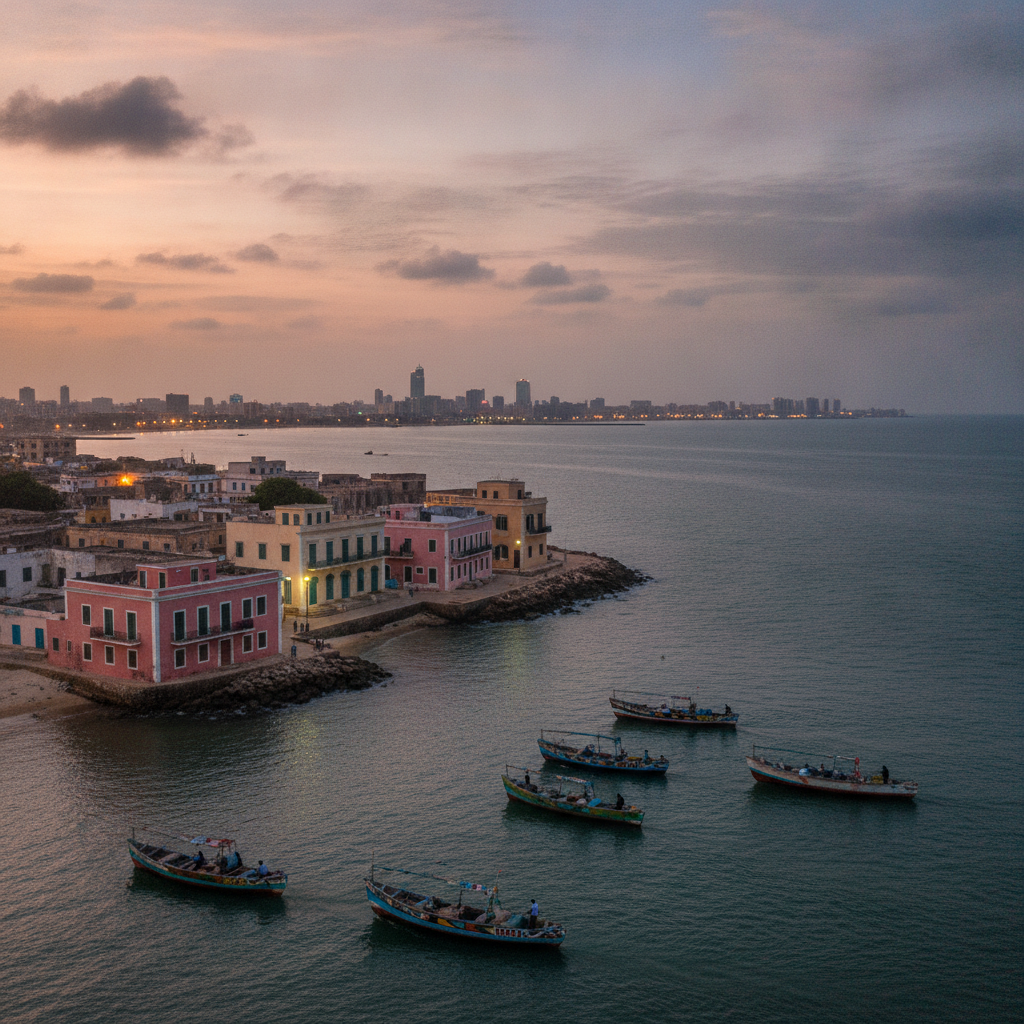
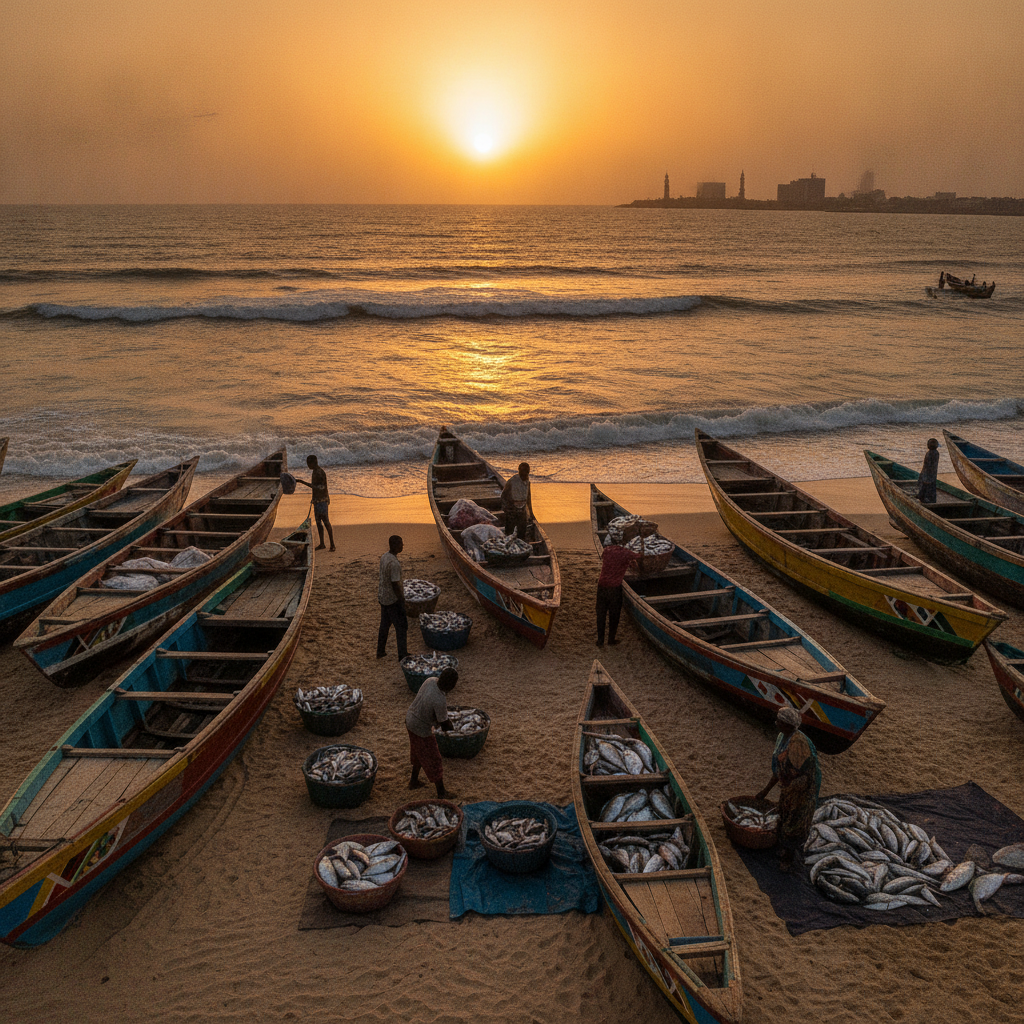
The Dakar photography guide and final practical tips. Best photography locations: the Soumbedioune fish market (late afternoon when pirogues return: the golden light, the colorful boats, the fish activity); Goree Island (the pink and yellow colonial buildings in morning light); the Kermel Market (the produce and flowers in morning light); the Grand Mosque on Friday (the white-robed worshippers: ask permission); the Corniche at sunset (the rocky Atlantic coastline in golden hour). Practical for West Africa travel: Dakar makes an excellent hub for visiting other West African destinations (Air Senegal flies to Abidjan, Conakry, Bamako, and other West African capitals: Dakar is the most comfortable and well-connected airport in West Africa). The Dakar-Abidjan-Lagos triangle (the three most important cities of Francophone and Anglophone West Africa: visit all three for a comprehensive West African experience). The harmattan season (December-February: the dry dusty wind from the Sahara that reduces visibility and creates a hazy light: beautiful for photography in its own way). Final recommendation: Dakar deserves 5-7 days minimum for a meaningful experience; rush through in 2-3 days only if on a tight schedule and prioritize Goree Island, the Soumbedioune market, and a live Mbalax evening.
Walk this route with audio
Stories play automatically as you reach each stop — no tapping needed.
More in dakar
Dakar: Westernmost Capital of Africa, Goree Island, Mbalax Music, Dak Art, and the Senegal Guide
Dakar Textile Culture, Wolof Fashion, and the Everyday Life of Senegal
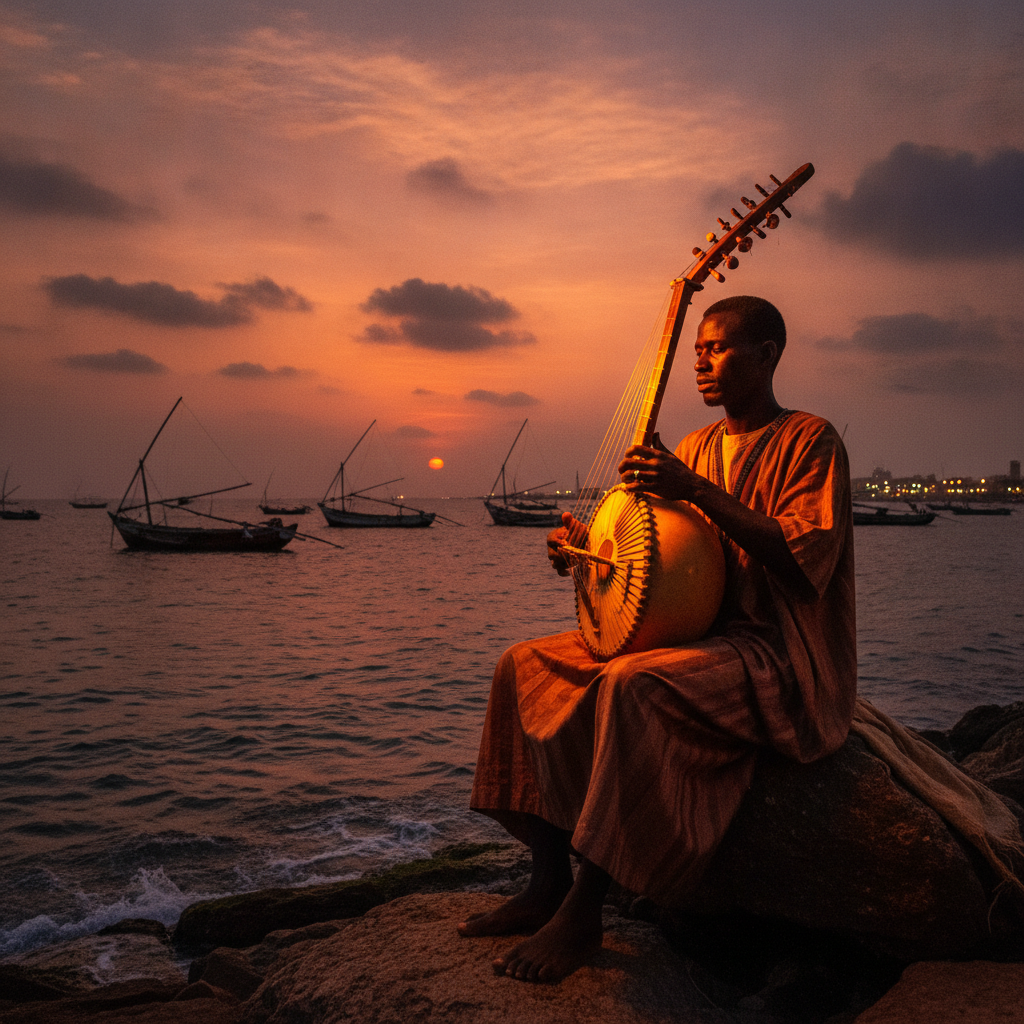
Dakar Culture and Legacy: Wolof Heritage, Senghor and Negritude, Sufi Islam, Senegalese Cuisine, and the Complete Reference
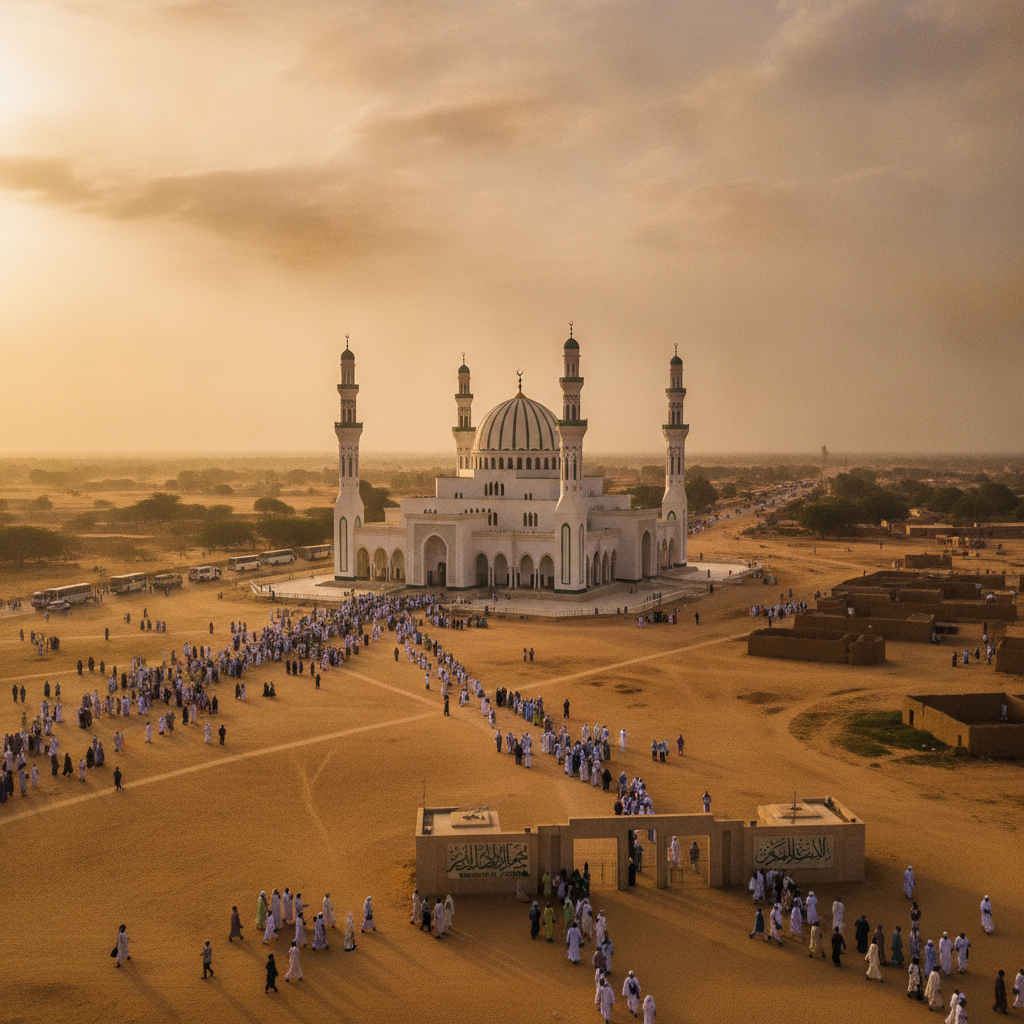
Dakar Final Legacy: Senegalese Football, Casamance, the Mouride Brotherhood, Street Life, and the Complete Reference