Đà Nẵng: The Dragon Bridge That Breathes Fire on Saturday Nights, the Golden Bridge Held by Stone Hands at 1,400m & the Red-Shanked Douc Langur Population Within 5km of the Beach
Mỹ Khê Beach's 9-km white sand arc that US Marines called 'China Beach' in the 1960s and Vietnamese families now fill to capacity on summer weekends; the Marble Mountains' 17th-century Buddhist sanctuaries built into limestone caves with a roof aperture illuminating the altar at specific times; Bà Nà Hills' Golden Bridge becoming the most internationally photographed Vietnamese structure within 48 hours of its 2018 opening; the 7 bridges built across the Hàn River since 2010 transforming an industrial port into the most modern waterfront in Vietnam; the Sơn Trà Peninsula's 1,500-individual red-shanked douc langur population descending to road level at 06:00 within 10km of the hotel strip; and the 2016 direct Paris–Đà Nẵng Air France flight as the first European direct service to a non-capital Vietnamese city.
- 1
Mỹ Khê Beach & the Dragon Bridge – The City by the Sea
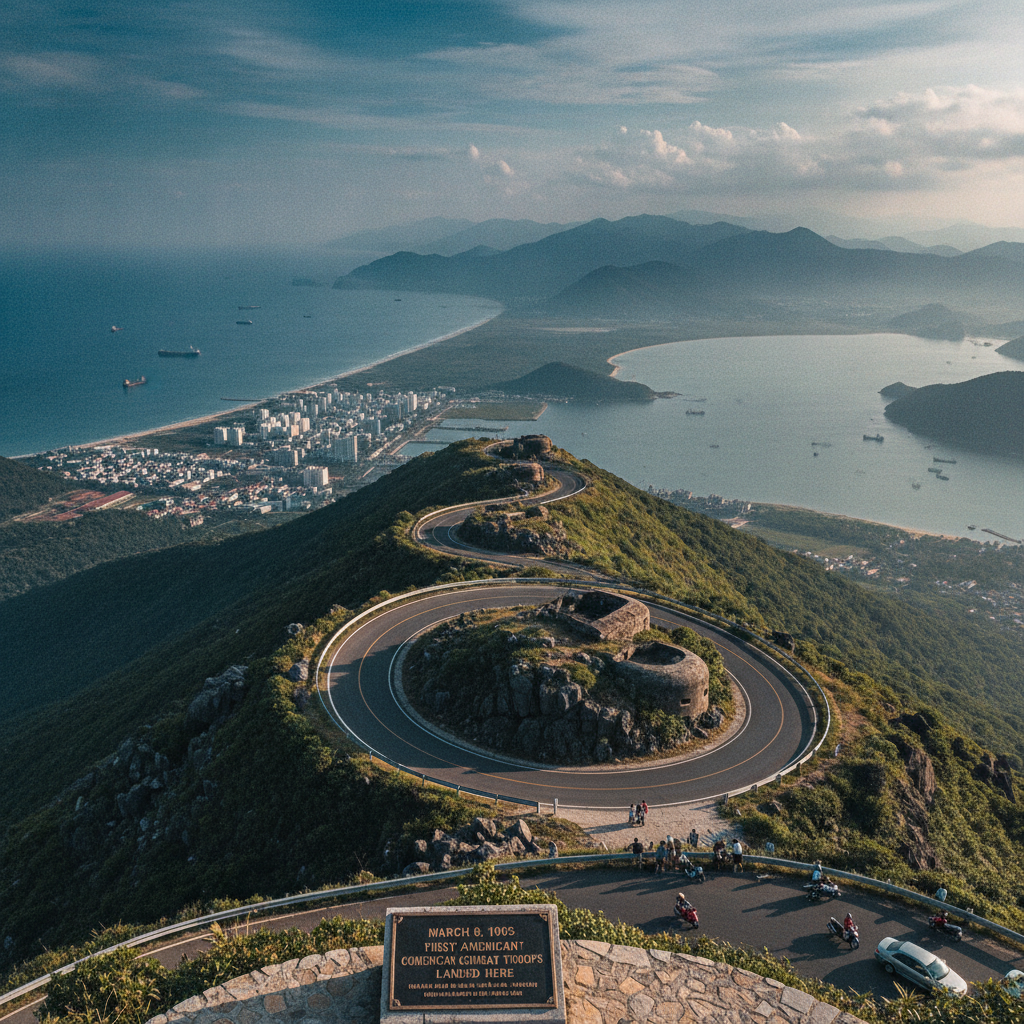
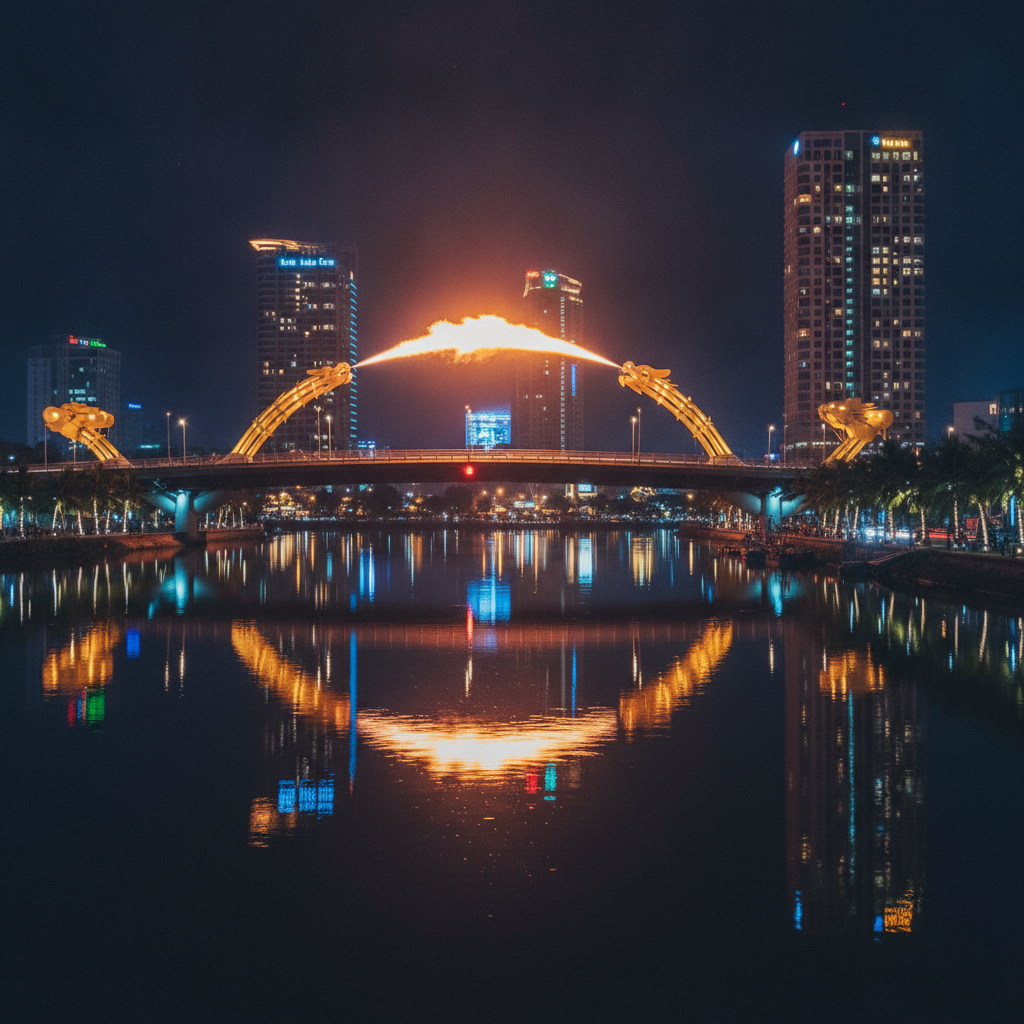
Đà Nẵng (the fourth-largest city in Vietnam, population 1.2 million; located at the mouth of the Hàn River where it meets the South China Sea, 30 km north of Hội An and 100 km south of Huế) is the fastest-growing tourist city in Vietnam and the most modern beach city in Southeast Asia: its 35-km arc of beach (Mỹ Khê Beach—the most extended continuous urban beach in Vietnam), its cluster of cable-car-linked hilltop amusement parks, and its Gold Dragon Bridge (opening 2013—a 666-metre road bridge in the shape of a dragon, which breathes fire and water on weekend nights) have made it the preferred domestic holiday destination for Vietnamese urban families. Mỹ Khê Beach (My Khe—the beach that US Marines called 'China Beach' in the 1960s when it served as the in-country Rest and Recreation facility for American soldiers serving in Vietnam): a 9-km stretch of fine white sand facing east over the South China Sea, fronted by low-rise hotels and seafood restaurants; the best surfing beach in Vietnam (the December–March northeast swell producing consistent 1.5–2 metre waves; the Đà Nẵng Surfing Club operates at the beach's central section from October to March). The Dragon Bridge: the Cầu Rồng (Dragon Bridge—completed 2013; the centrepiece of the Đà Nẵng waterfront renewal programme that transformed the Hàn River promenade from an industrial waterfront to a tourism corridor; the dragon-shaped steel structure the most recognisable image of modern Đà Nẵng; on Saturday and Sunday nights at 21:00, the dragon breathes a 15-second jet of fire and then a 30-second stream of water—the most anticipated weekly event in the city).
- 2
The Marble Mountains – Buddhist Sanctuaries in Stone
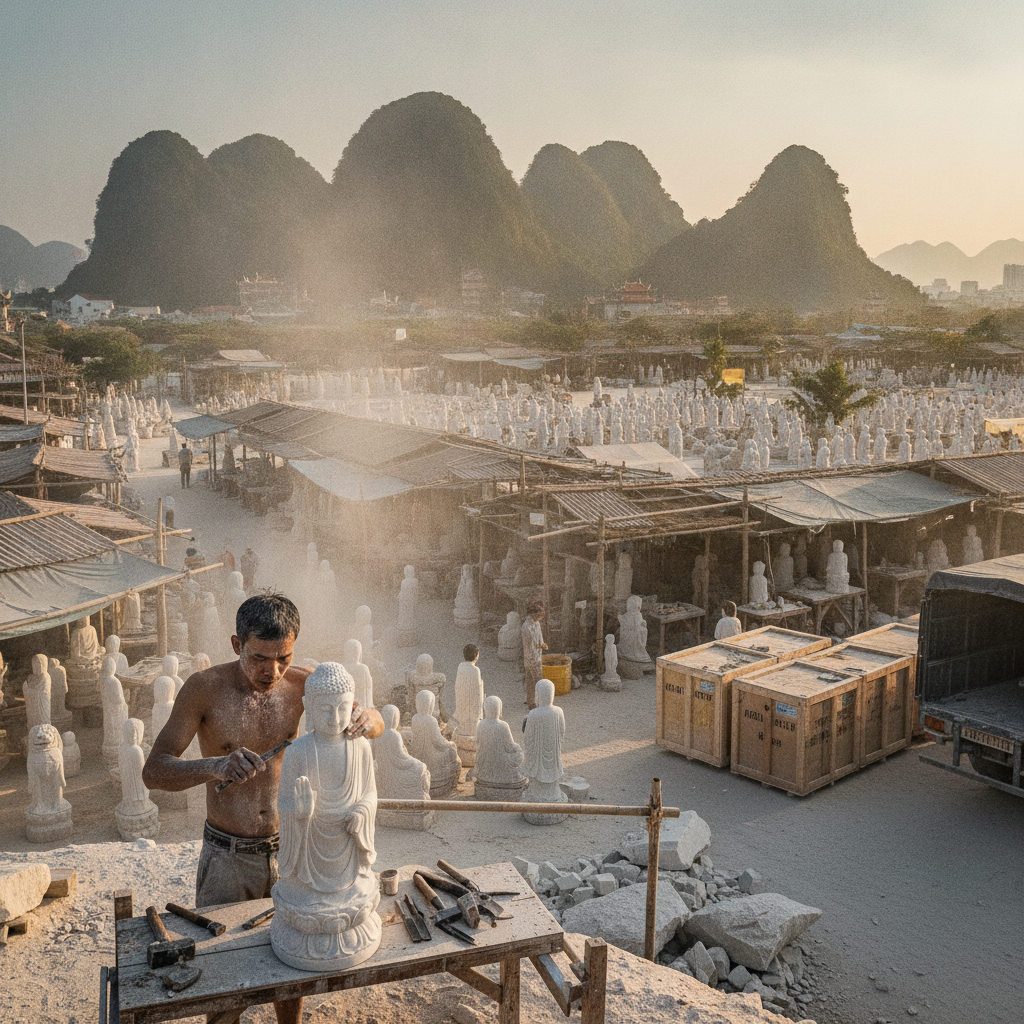
Ngũ Hành Sơn (the Marble Mountains—5 limestone outcrops (each named for one of the five elements: Kim/Metal, Thủy/Water, Mộc/Wood, Hỏa/Fire, Thổ/Earth) rising abruptly from the flat coastal plain 9 km south of Đà Nẵng city centre; accessible by taxi in 20 minutes or by bicycle in 40 minutes from the central Đà Nẵng beach area) are the most historically and artistically significant natural feature in the Đà Nẵng area—Buddhist sanctuaries built into the limestone caves and on the summits of the marble outcrops, continuously occupied since the 17th century. The Thủy Sơn (Water Mountain—the tallest of the five, the most accessible for visitors, with a public elevator installed 2019): the summit (150 metres—accessible by 156 steps or the elevator) provides the best viewpoint over Đà Nẵng, the South China Sea, and the adjacent Hội An plain; the Tam Thai Pagoda (17th century, the oldest pagoda in the complex); the Huyen Khong Cave (a large natural cave converted into a Buddhist sanctuary, with an opening in the roof through which a shaft of light illuminates the altar at specific times of day). The marble carving industry: the village at the base of the Marble Mountains (Hòa Hải village) has been producing marble carvings (Buddha statues, decorative animals, and abstract sculptures) for export since the 17th century; the production now uses power tools but the finishing and detail work is still done by hand; the village ships approximately 50,000 marble pieces per month to buyers in Japan, China, and the United States.
- 3
The Bà Nà Hills – French Hill Station to Asian Vegas in the Clouds
Bà Nà Hills (the resort complex on Ba Na Mountain, 1,487 metres above sea level, 42 km west of Đà Nẵng; accessible by the longest single-track cable car system in the world—the Bà Nà Hills cable car, 5,771 metres, constructed 2008 and 2013 by Sun Group—25 minutes from the base to the summit) is the most visited single-site attraction in Đà Nẵng and the most unusual tourist development in Vietnam: a French colonial hill station (dating from the 1920s, when the French administration built summer retreats at the Ba Na summit to escape the coastal heat) converted into a full-scale family resort and amusement park at 1,487 metres. The Golden Bridge: the Cầu Vàng (Golden Bridge—opened 2018; a 150-metre pedestrian bridge at 1,414 metres elevation on the Bà Nà Hills resort grounds, supported by two giant stone hands emerging from the mountain; immediately became the most photographed single structure in Vietnam—the image of the bridge held by the stone hands appeared in every major international media outlet within 48 hours of its opening). The amusement park: the Sun World Fantasy Park at the Bà Nà Hills summit (built 2014–2019—a replica French village, a wax museum, a 4D cinema, and a roller coaster at 1,400+ metres elevation—the most surreal juxtaposition of elements in Vietnamese tourism). The cloud experience: the Bà Nà Hills summit is above the cloud layer for approximately 50% of the year (the clouds forming at approximately 1,200 metres; on cloudy days the cable car ascends through the cloud to the sunny summit above—the most reliably dramatic arrival in Vietnamese tourism).
- 4
The Hàn River Waterfront – Modern Đà Nẵng's Transformation
The Hàn River waterfront of Đà Nẵng—the 8-km promenade running along both banks of the Hàn River from the Han Market to the Dragon Bridge—is the most dramatic example of Vietnamese urban waterfront transformation in the 21st century: the former industrial port (ship repair yards, fishing boat anchorage, and wholesale markets) converted from 2010 onward into a residential, hotel, and entertainment promenade with 7 bridges across the river (4 built since 2010—the Dragon Bridge, the Trần Thị Lý Bridge, the Thuận Phước Bridge, and the Nguyễn Văn Trỗi/Trần Thị Lý swing bridge), a new urban boulevard system, and the most modern hotel and resort strip in Vietnam outside of Hanoi and Ho Chi Minh City. The swing bridge: the Nguyễn Văn Trỗi bridge (a preserved American-era military bridge, retired from traffic use and converted into a pedestrian promenade) swings open to allow boat traffic at specific scheduled times—the swing bridge opening ceremony (daily at 22:30 and at irregular times for cargo vessels) is the most attended civic spectacle in the city after the Dragon Bridge fire. The rooftop bar scene: the Đà Nẵng rooftop bar culture (the top floors of the Novotel, the Hyatt Regency, and the Pullman hotels on the Hàn riverside) provides the most panoramic views of the Dragon Bridge fire on Saturday nights—the rooftop reservation for the 21:00 fire show is the most sought-after table in the city on weekend evenings.
- 5
Sơn Trà Peninsula – The Wild Coast Within the City
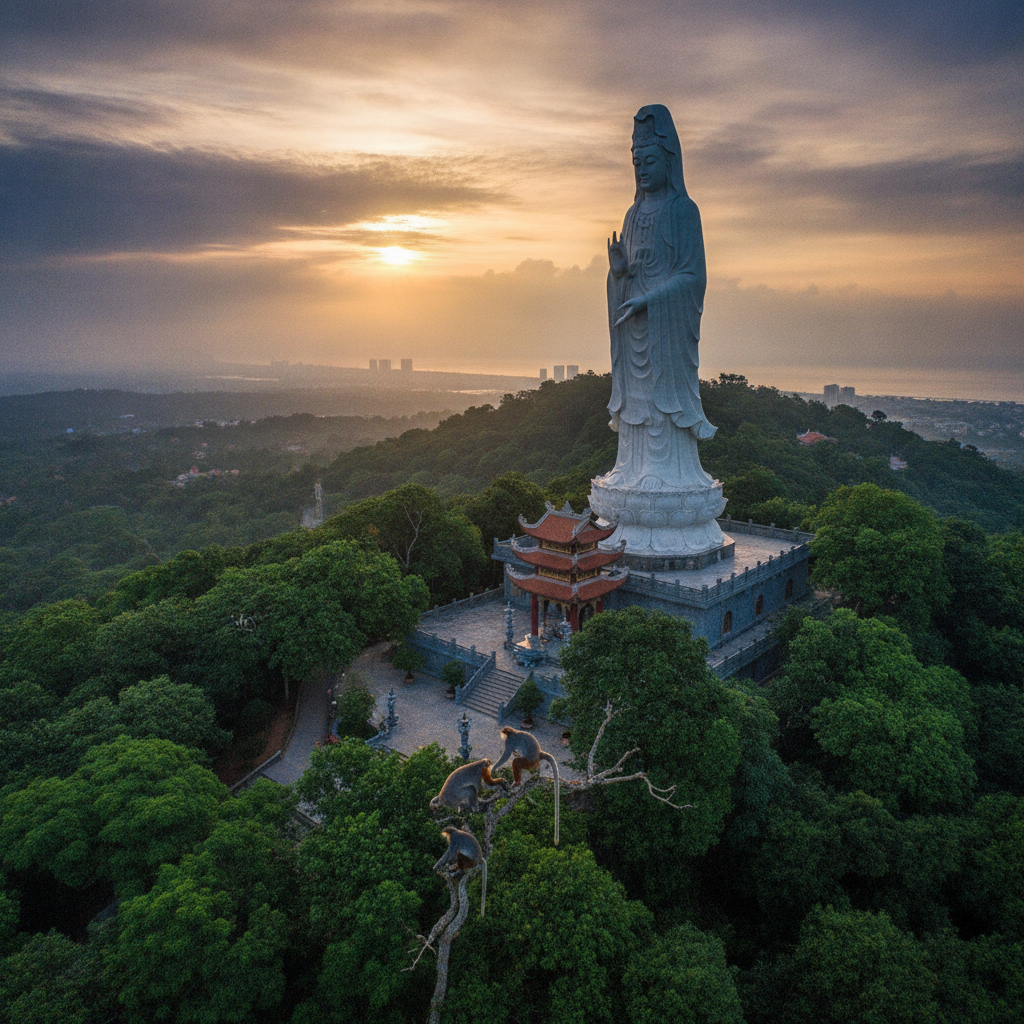
Sơn Trà Peninsula (the 4,439-hectare protected forest peninsula jutting into the South China Sea 10 km northeast of Đà Nẵng city centre; accessible by motorbike via the Sơn Trà mountain road in 30 minutes from the beach strip) is the most biodiverse urban natural reserve in Vietnam: a tropical forest that begins within 5 km of the central city beach and rises to 693 metres, with the most accessible population of the red-shanked douc langur (Pygathrix nemaeus—one of the world's most colourful primates, with red-orange legs, black and white arms, a yellow face, and a white tail; the Sơn Trà population (approximately 1,500 individuals) is the largest remaining population of this species in Vietnam). The douc langur: the red-shanked douc is best observed from the Sơn Trà mountain road in the early morning (06:00–09:00, when troops of 8–20 individuals move through the canopy at road height, often descending to within 10 metres of observers); the most reliable observation point is the area between the Military Radar Station gate and the Bãi Bắc beach turn-off. The Linh Ứng Pagoda: the mountaintop Buddhist pagoda at Sơn Trà's highest accessible point (540 metres elevation)—the 67-metre-tall Quan Am (Guanyin) statue visible from the sea approach to Đà Nẵng; the most prominent single landmark visible from Ha Long Bay and Mỹ Khê Beach simultaneously; the pagoda grounds provide the best combined natural and spiritual landscape in the Đà Nẵng area.
- 6
Practical Đà Nẵng – The Gateway to Central Vietnam
Getting to Đà Nẵng: the Đà Nẵng International Airport (DAD—the third-busiest airport in Vietnam, 2.5 km from the beach strip; direct connections to Hanoi, Ho Chi Minh City, and major Asian cities including Seoul, Singapore, Tokyo, Bangkok, Taipei, and Guangzhou; Air France began direct Paris–Đà Nẵng service in 2016—the first direct European connection to a non-capital Vietnamese city). Getting around: the taxi (metered; the most reliable for airport to beach transfers; Vinasun and Mai Linh are the reputable operators); the Grab motorbike taxi (the most practical for short urban trips; available throughout Đà Nẵng); the bicycle (Đà Nẵng has installed a bike-sharing system along the Hàn River promenade and the beach strip—DRiiVE bikes at VND 5,000/30 minutes). The Đà Nẵng hotel geography: the beach strip (Mỹ Khê Beach) has the highest concentration of international chain hotels (Hyatt Regency, Furama, Sheraton, Pullman—most built since 2010); the Hàn River side (east bank) has the urban boutique hotels and the backpacker district. Day trips: Hội An (30 km south—taxi 35 minutes, USD 12; the Hội An Marble Mountain complex is naturally included on the route south); Huế (100 km north—taxi 1.5 hours, USD 30; the former imperial capital with the Citadel, the Royal Tombs, and the finest example of a traditional Vietnamese royal food culture; combined with the Hải Vân Pass motorcycle ride for the most scenic central Vietnam journey).
Walk this route with audio
Stories play automatically as you reach each stop — no tapping needed.
More in Đà Nẵng
Đà Nẵng Completely: 7 Bridges Including the Swing Bridge That Opens at 22:30, the Marble Village Shipping 50,000 Pieces Per Month & the Mini Rice Pancakes That Don't Exist North of Đà Nẵng
Đà Nẵng's Contradictions: The East-Facing Sunrise Beach, 600,000 Korean Visitors Creating a Korean Quarter Behind the Sheraton & the Red-Shanked Douc Langur Habitat Threatened by Resort Development
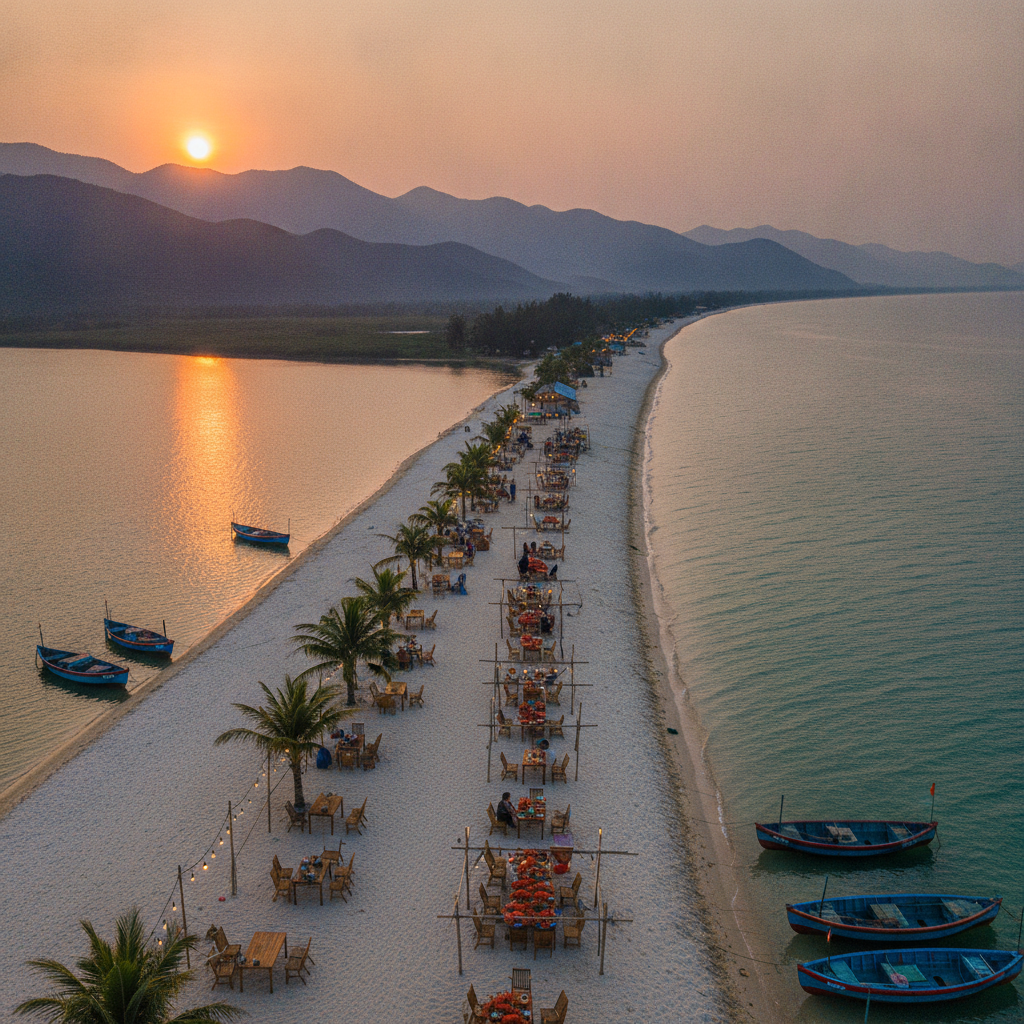
Đà Nẵng Complete: Han Market's 1940 French Market Building, 250,000 Annual Aircraft Sorties From a Base Now Civilian Airport & Lang Co's Sand Spit Between Mountain and Sea
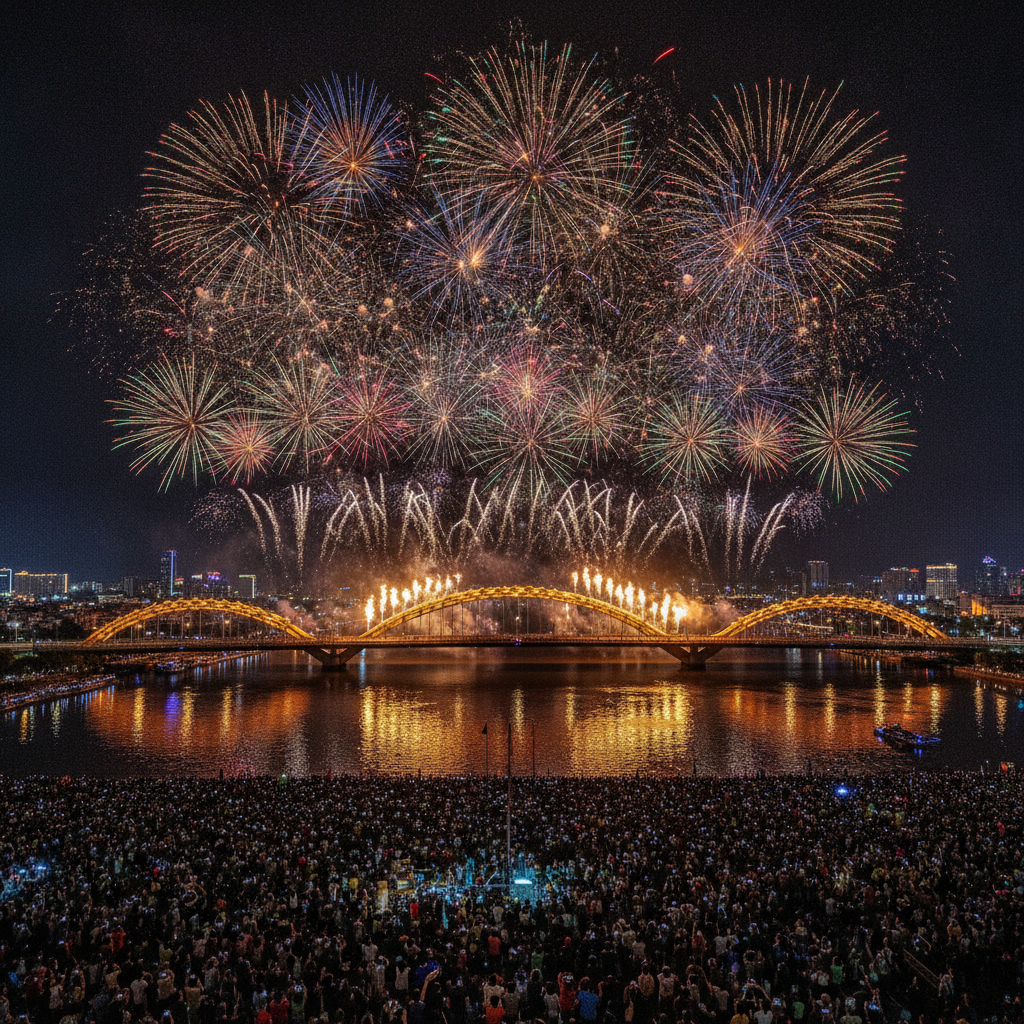
Đà Nẵng's Two Identities: Asia's Most Advanced Fireworks Competition Over a Dragon Bridge That Breathes Real Fire & the Birth City of the Monk Martin Luther King Jr. Nominated for the Nobel Peace Prize