Đà Nẵng Complete: Han Market's 1940 French Market Building, 250,000 Annual Aircraft Sorties From a Base Now Civilian Airport & Lang Co's Sand Spit Between Mountain and Sea
Han Market's upper floor áo dài fabric and conical hat stalls above the mantis shrimp and cá cơm dried anchovy stalls feeding the fish sauce industry; the Đà Nẵng Air Base USD 1 billion infrastructure now the civilian airport with the original US military Hangar 2 still operational; the 3D street art district of 80 trompe l'oeil murals on Nguyễn Văn Linh Street as the most visited public art in Vietnam; the Angsana Lang Co resort on a sand spit where the 15-km beach has mountains behind and lagoon in front—the specific combination unavailable at Đà Nẵng or Hội An; the Non Nước 06:00 fish auction as 15 men push wooden boats through surf while fishmongers bid on the catch for the Han Market kitchens; and the Phạm Văn Đồng seafood lane one block from the beach as the correct alternative to the hotel restaurant markup.
- 1
The Đà Nẵng Han Market & Urban Commerce
The Chợ Hàn (Han Market—the covered market on Trần Phú Street in the Hải Châu district, 200 metres from the Hàn River east bank; operating daily 06:00–19:00; the most commercially active traditional market in central Vietnam): a 3-storey covered market structure, constructed in 1940 under the French administration and expanded multiple times since, where the ground floor sells fresh produce, meat, and fish while the upper floors sell clothing, textiles, and household goods. The market produce: the Han Market's fresh section (the most important for visitors interested in central Vietnamese ingredients) displays the regional specialties—the freshwater fish from the Hàn River tributaries, the Quảng Nam province vegetables, the Đà Nẵng bay seafood (crab, squid, mantis shrimp, and the small anchovy (cá cơm) that is the raw material for the Phú Quốc and Cà Ná fish sauce); the dried goods section (the best source of dried squid, dried shrimp, and the dried cá cơm for home cooking). The upper floors: the clothing and textile floors of Han Market are the best source in Đà Nẵng for the áo dài fabric (Vietnamese national costume silk and synthetic fabric), the silk embroidery panels that are the most popular domestic souvenir, and the Vietnamese non lá (conical hat—the palm-leaf cone hat that is the most recognised symbol of Vietnamese female identity, sold in all sizes for USD 1–5). The market surrounding streets: the streets around Han Market (Trần Phú, Ông Ích Khiêm, and Hùng Vương) constitute the traditional commercial centre of Đà Nẵng—the hardware stores, the pharmacy suppliers, the textile merchants, and the street food vendors whose operations predate the hotel beach strip by decades.
- 2
Đà Nẵng's Military Heritage – From the Indochina War to the Present
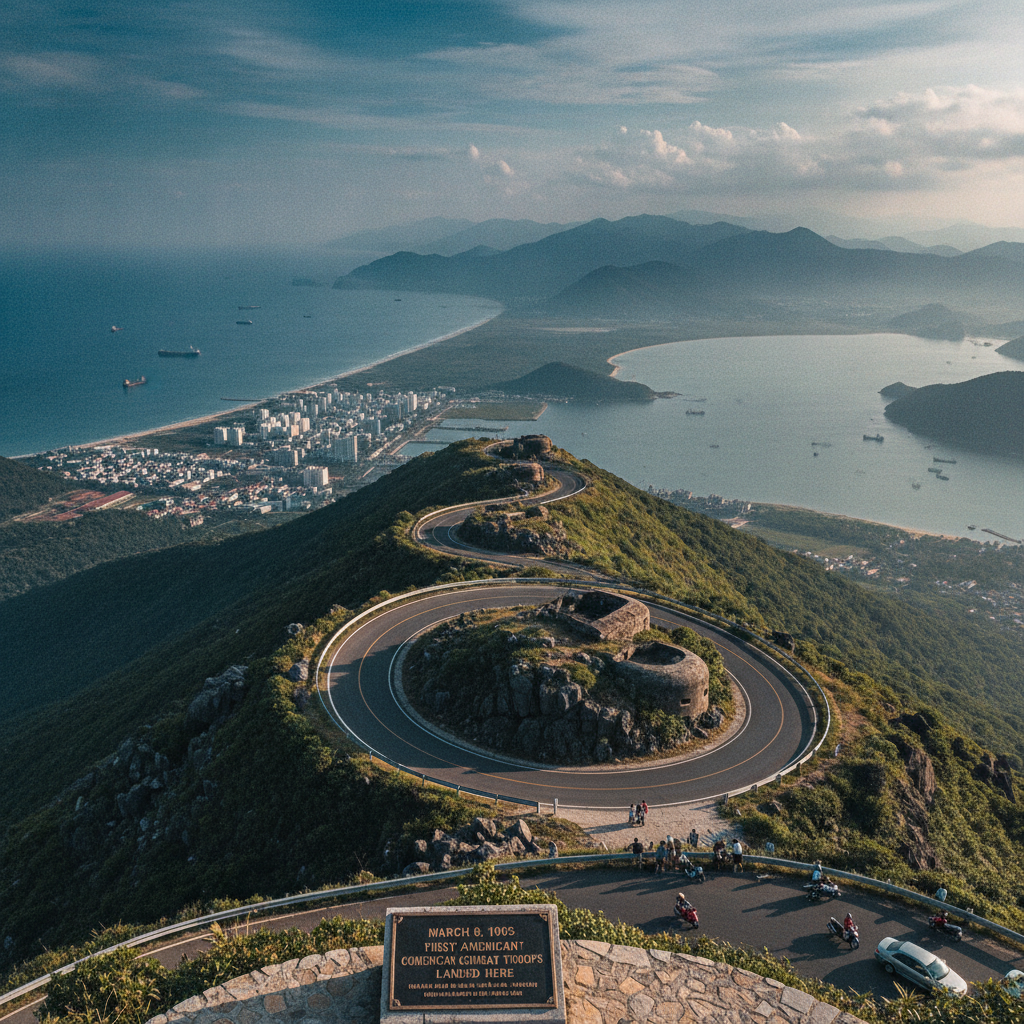
The Đà Nẵng military heritage—the most concentrated and historically significant in central Vietnam—extends from the Cham period fortifications (the ancient Cham capital of Trà Kiệu, 30 km south) through the French colonial period (the fortification of the Hải Vân Pass, the naval base) to the American War and the post-1975 Vietnamese People's Army. The Đà Nẵng Air Base (now the international airport): the US military invested approximately USD 1 billion in the base infrastructure (1965–1973), building 3 runways, 7 hangars, a hospital complex, warehouses, and the extensive drainage and road network that still structures the civilian airport today; the base at peak supported 25,000 military personnel on-site and handled 250,000 aircraft sorties per year. The K-9 base: the former Khe Sanh Marine Combat Base (not in Đà Nẵng itself but accessible as a day trip from the city—240 km north via the Ho Chi Minh Highway) was the site of the 77-day siege (January–April 1968) that was the most publicised single engagement of the American War; the grass airstrip and the remaining defensive bunkers are preserved as a military museum. The Đà Nẵng Military Museum (on Nguyễn Văn Linh Street in the city centre—the local military museum with American War equipment displays, including captured US aircraft, tanks, and artillery): the most accessible American War military exhibition in the Đà Nẵng area, though significantly less comprehensive than the War Remnants Museum in Ho Chi Minh City.
- 3
The Đà Nẵng Design & Architecture Movement
The Đà Nẵng design and architecture scene—emerging since 2015 as the city's hotel boom and IT sector growth create demand for interior design, graphic design, and urban architecture—is the most dynamic creative economy in central Vietnam, concentrated in the creative spaces of the Hải Châu district and the Mỹ An residential area (the expat and creative professional neighbourhood 3 km south of the beach strip). The architecture highlights: the Đà Nẵng Architectural Achievement Award (the biennial award of the Đà Nẵng Association of Architects—the most important recognition of architectural achievement in central Vietnam): the most recent award-winners include the Da Nang Museum of Fine Arts (a converted French colonial building), the FPT University Đà Nẵng campus (the most ambitious new university architecture in Vietnam), and the Đà Nẵng IT Park headquarters building. The street art: the Đà Nẵng street art district (the 3D street art zone along Nguyễn Văn Linh Street near the Museum of Cham Sculpture—a civic project commissioned by the city government in 2016, with 80 3D trompe l'oeil murals on the walls of the residential blocks): the most visited public art installation in Vietnam and the most photographed street in Đà Nẵng outside of the Dragon Bridge area. The co-working scene: the co-working spaces of Đà Nẵng (Toong Đà Nẵng, Enouvo, Son Tra Co-working) form the most sophisticated digital nomad infrastructure in central Vietnam, serving the 3,000–5,000 foreign remote workers estimated to be resident in Đà Nẵng at any given time.
- 4
The Lang Co Lagoon – The Most Beautiful Detour in Central Vietnam
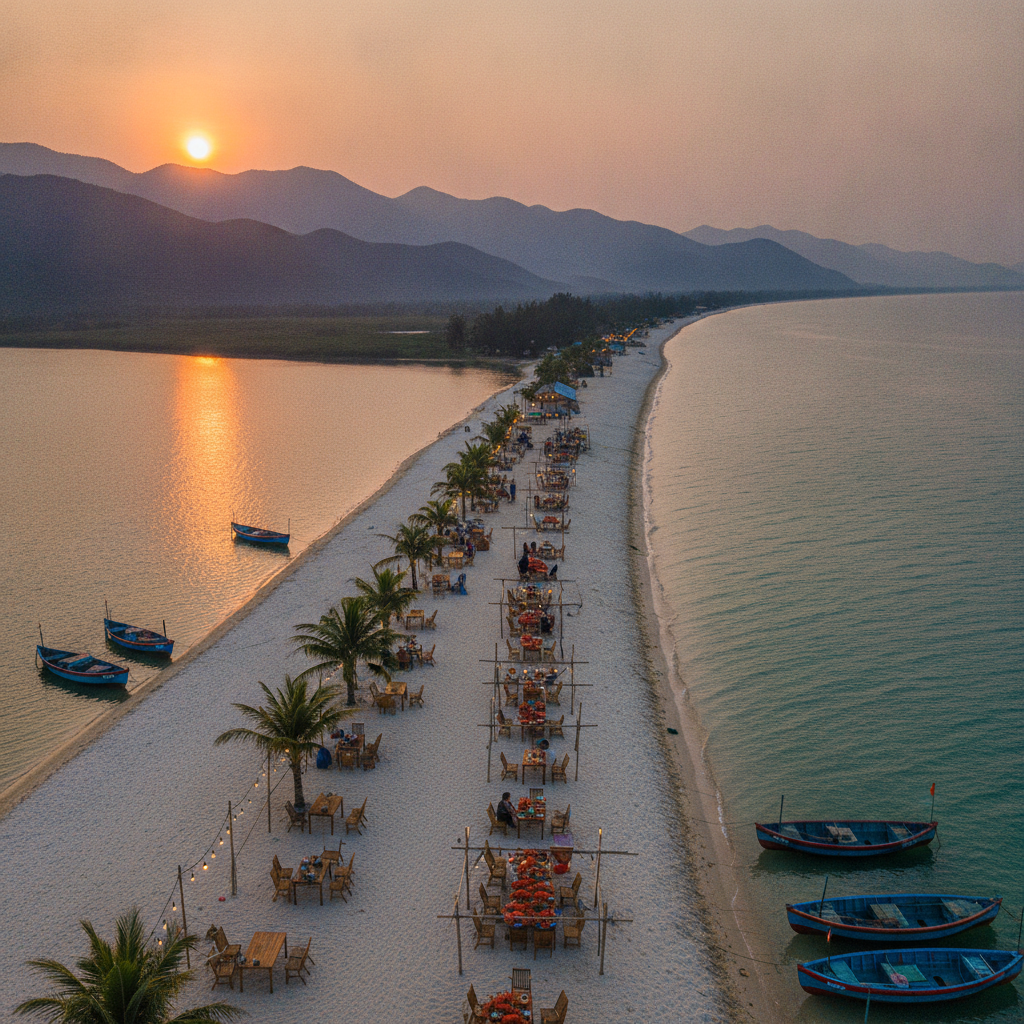
Lang Co (the coastal lagoon village 75 km north of Đà Nẵng, on the north side of the Hải Vân Pass—accessible by road (crossing the Hải Vân Tunnel in 20 minutes, or the Hải Vân Pass road in 40 minutes); the most beautiful single landscape on the central Vietnamese coast; consistently cited by Vietnamese travel media as the most photogenic coastal scene in the country): a narrow sand spit separating the South China Sea from a large inland lagoon, with the Bạch Mã mountain range rising directly from the lagoon's western shore. The geography: the Lang Co spit (approximately 1 km wide, 15 km long) is a classic barrier island formation—the sea on one side, the lagoon on the other, the mountains at the end—the same landform as the barrier islands of the US Gulf Coast and the Outer Banks, but in a more dramatic mountain setting. The beach: the Lang Co Beach (the sea-facing side of the spit—a 15-km white sand beach with almost no development in 2005; now partially developed with the Angsana Lang Co resort complex (Four Seasons' Angsana brand, opened 2010) at the southern end): the most underdeveloped long white sand beach in central Vietnam, with the mountain backdrop that is the specific quality the Đà Nẵng and Hội An beaches do not have. The village: the Lang Co fishing village (at the northern end of the spit, on the lagoon side) supplies the most popular roadside seafood restaurants on the Hải Vân Pass road—the crab, shrimp, and squid grilled at the roadside tables on the lagoon edge, with views of the mountains, in the most atmospheric seafood eating setting in central Vietnam.
- 5
The Non Nước Fishing Village – The Authentic Village Adjacent to the Resort
Non Nước village (adjacent to the Marble Mountains tourist area, directly accessible from the stone carving workshops and the Marble Mountains car park) is the fishing community that has occupied this stretch of coast for centuries—the village whose sand beach was designated 'China Beach' by American troops who used it as a Rest and Recreation area in the 1960s. The fishing economy: the Non Nước fishing fleet (approximately 300 small and medium-sized wooden fishing boats, operating from the Non Nước Beach boat ramp—hauled onto the beach between fishing operations and launched by 15–20 men pushing the bow into the surf) is the most accessible traditional coastal fishing operation in the Đà Nẵng area. The fish auction: the Non Nước beach fish auction (06:00–07:30, when the overnight boats return with the catch—the fishmongers assessing, bidding, and purchasing the catch directly from the boats as they are hauled ashore, then transporting by motorcycle to the Han Market and the Đà Nẵng restaurant kitchens) is the most authentic and most photogenic early morning activity in the Đà Nẵng area. The village life: the Non Nước village (the residential area behind the stone carving workshops, accessible on foot through the workshop alleys) is the working-class residential community of fishing families and stone carving workers—the most authentic human geography of the Đà Nẵng tourist zone, visible to any visitor who takes 15 minutes to walk beyond the tourist-facing stone carving workshop fronts.
- 6
The Đà Nẵng Night Market & Street Food Circuit After Dark
The Đà Nẵng night street food circuit—the series of mobile vendors, permanent stalls, and night markets that operates from 18:00 to midnight across the city—is the most animated evening food experience in central Vietnam (more active and more affordable than the Hội An Night Market, more diverse than the Huế street food tradition). The Hải Châu night market: the Chợ Đêm Hải Châu (the weekend night market on Bạch Đằng Street along the Hàn River—Saturday and Sunday from 18:00–23:00; the largest night market in Đà Nẵng, with street food, clothing, craft, and live music in the riverside setting). The Nguyễn Chí Thanh street food lane: the most concentrated block of street food vendors in Đà Nẵng (100 metres of stalls operating from 17:00–22:00, selling the full range of Đà Nẵng street food—mì Quảng, bánh xèo, bánh căn, bún chả cá, and the Đà Nẵng-specific bún mắm (a fermented fish paste noodle soup that is more pungent than the standard bún variants)). The seafood beach: the seafood restaurant strip on Phạm Văn Đồng street (parallel to and one block west of the Mỹ Khê Beach seafront—the local alternative to the hotel beach restaurants, with lower prices and larger portions of the same fresh fish): the most practical eating recommendation for visitors who have found the beachfront hotel restaurants overpriced for the quality offered.
Walk this route with audio
Stories play automatically as you reach each stop — no tapping needed.
More in Đà Nẵng
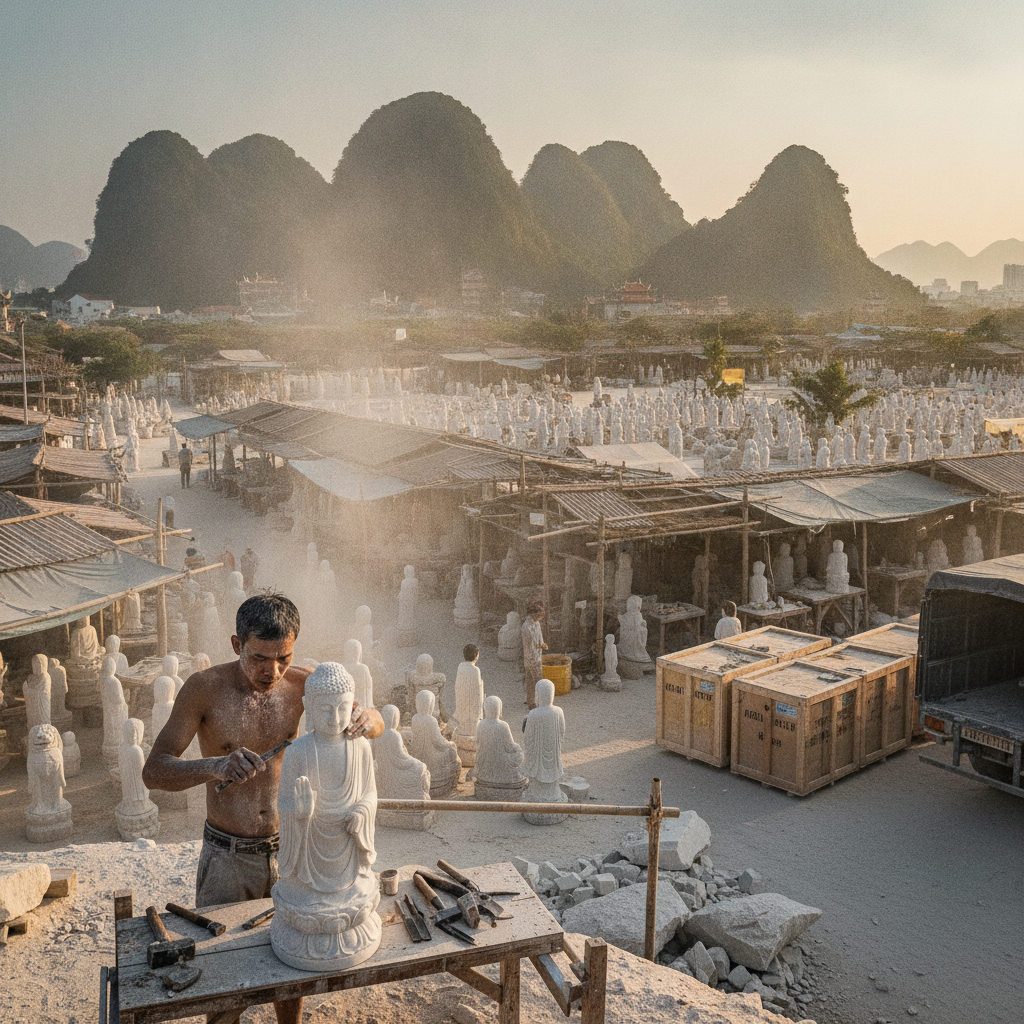
Đà Nẵng Completely: 7 Bridges Including the Swing Bridge That Opens at 22:30, the Marble Village Shipping 50,000 Pieces Per Month & the Mini Rice Pancakes That Don't Exist North of Đà Nẵng
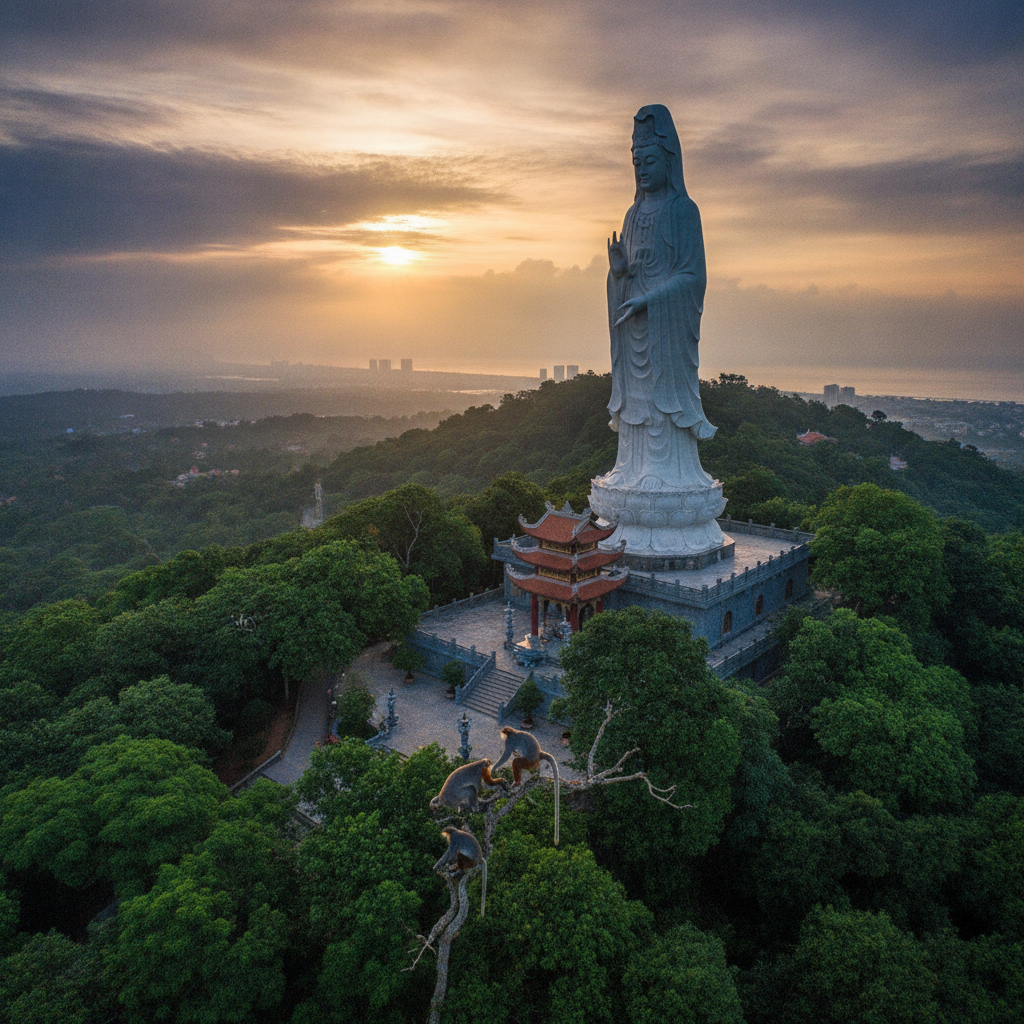
Đà Nẵng's Contradictions: The East-Facing Sunrise Beach, 600,000 Korean Visitors Creating a Korean Quarter Behind the Sheraton & the Red-Shanked Douc Langur Habitat Threatened by Resort Development
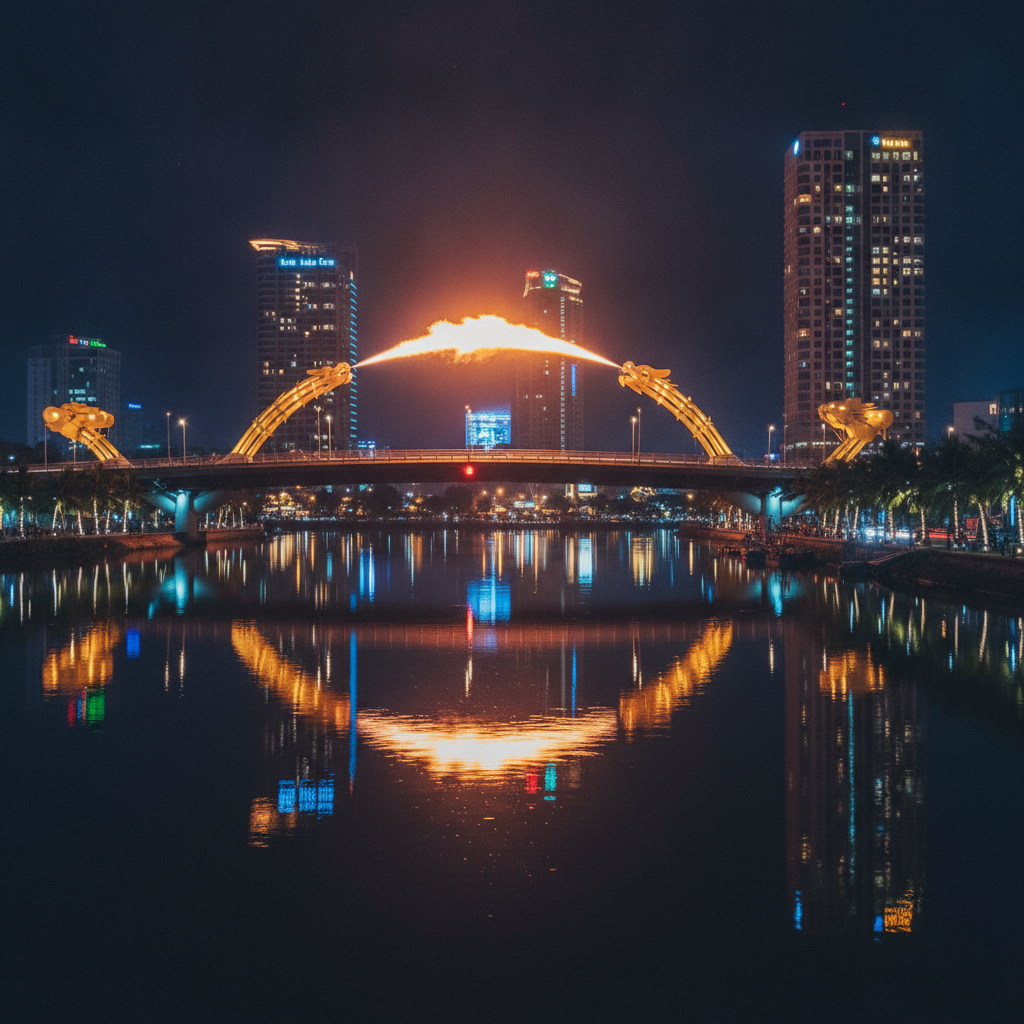
Đà Nẵng: The Dragon Bridge That Breathes Fire on Saturday Nights, the Golden Bridge Held by Stone Hands at 1,400m & the Red-Shanked Douc Langur Population Within 5km of the Beach
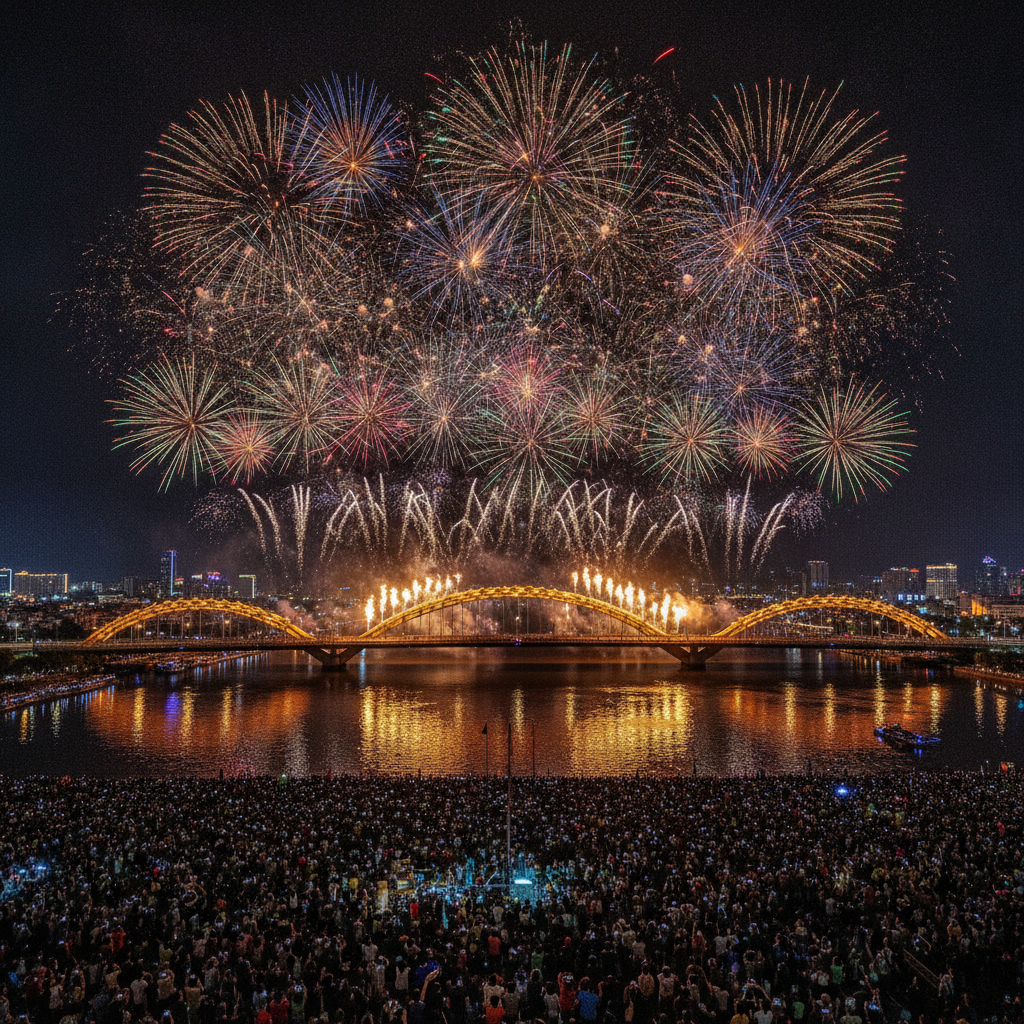
Đà Nẵng's Two Identities: Asia's Most Advanced Fireworks Competition Over a Dragon Bridge That Breathes Real Fire & the Birth City of the Monk Martin Luther King Jr. Nominated for the Nobel Peace Prize