Machu Picchu: The Lost City of the Inca
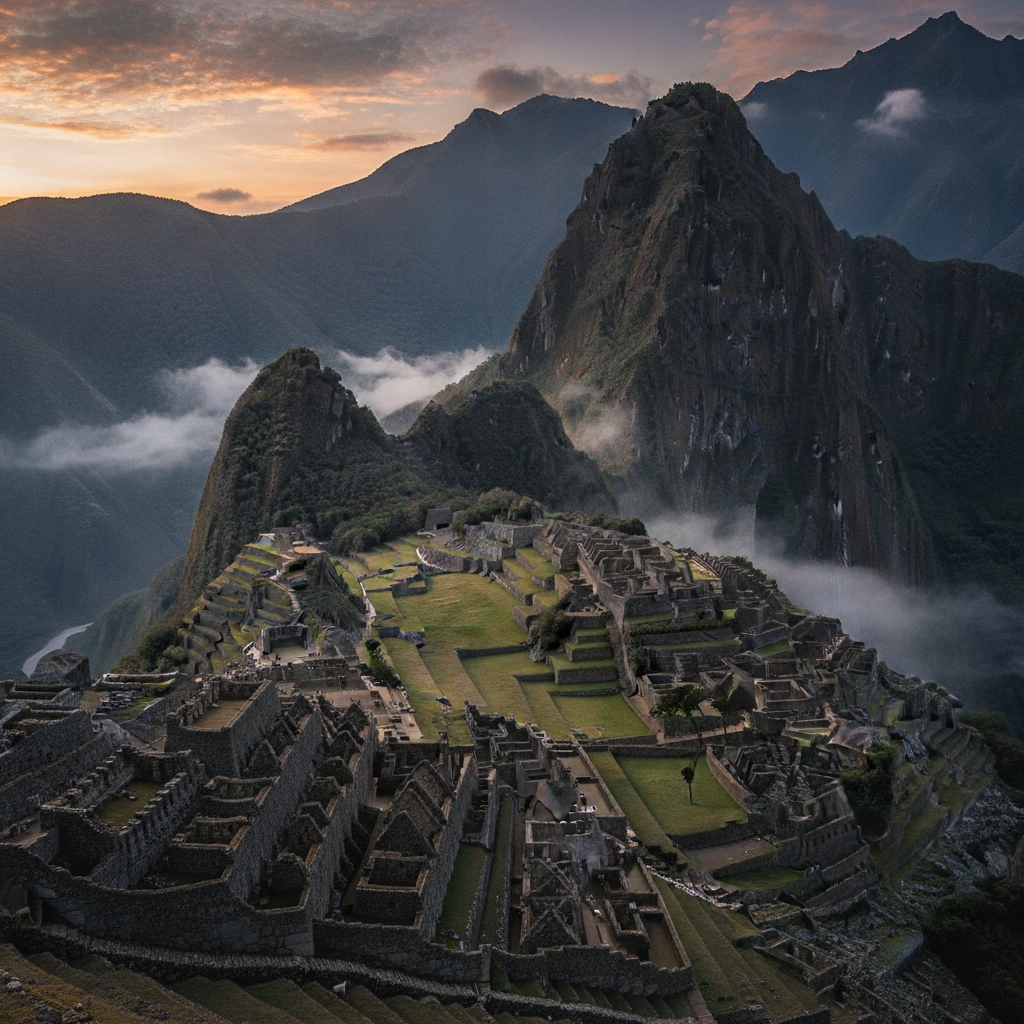
Machu Picchu — the 15th-century Inca citadel at 2,430m above sea level — is one of the world's most extraordinary archaeological sites; abandoned during the Spanish conquest and unknown to the outside world until 1911, the citadel was declared a UNESCO World Heritage Site and one of the New Seven Wonders of the World
- 1
Hiram Bingham's Discovery
Machu Picchu was "discovered" to the Western world by Yale historian Hiram Bingham in 1911 — guided by local farmer Melchor Arteaga; the site was never really lost to local communities; Bingham's 1911 expedition and subsequent National Geographic coverage launched global fascination with the site
- 2
Intihuatana Ritual Stone
Intihuatana - "pulling pole of the sun" - is a precisely carved stone at Machu Picchu's highest point; the stone was used as an astronomical clock to track the sun's position throughout the year; it is one of the few Intihuatanas that survived the Spanish destruction of the sacred objects of the Incas
- 3
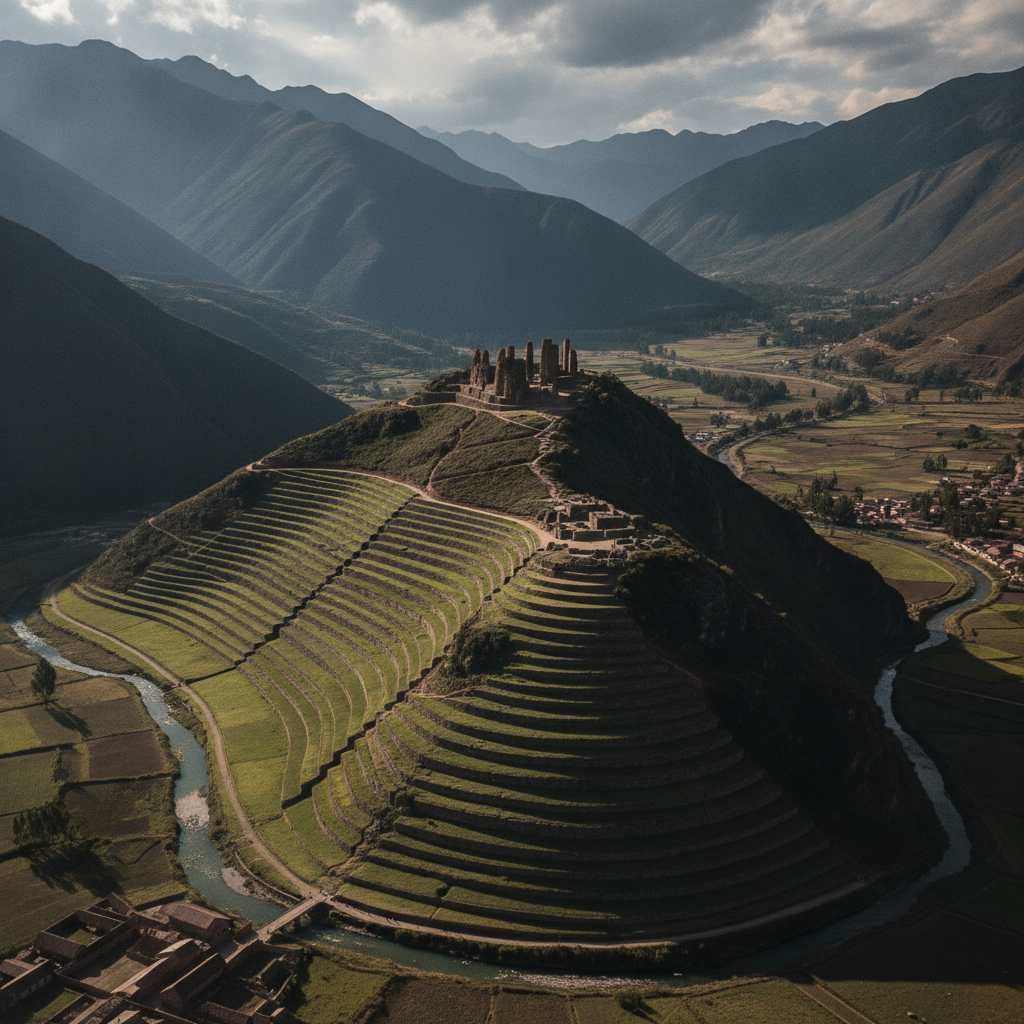
Agricultural terraces
The 700 agricultural terraces at Machu Picchu were engineering marvels - layered with topsoil, sand and stone for drainage; the terraces supported the community's food production at altitude; the drainage system was so efficient that the site has survived 500 years of Andean rain without structural damage
- 4
Inca Trail Trek
The 4-day, 43km Inca Trail from Cusco to Machu Picchu follows the original Inca route through mountain passes, cloud forest and Inca archaeological sites; the approach to the Sun Gate (Inti Punku) at dawn, with the first view of Machu Picchu below, is one of the trip's most celebrated arrival experiences
- 5
Huayna Picchu Climb
The dramatic mountain that rises behind Machu Picchu - Huayna Picchu - can be climbed in a steep 1 hour climb; the view from the top includes the entire citadel, the Urubamba River gorge and the surrounding mountain peaks; only 400 climbers per day are allowed
- 6
Conservation and Visitor Management
Machu Picchu receives approximately 1.5 million visitors annually and visitor management is a growing challenge; timed entry gates, visitor caps and route restrictions are increasingly enforced; the site's fragility – from erosion, earthquake risk and landslides – requires ongoing investment in conservation
Walk this route with audio
Stories play automatically as you reach each stop — no tapping needed.
More in Cusco
Cusco Practical Guide: Altitude, Getting There, Neighborhoods, and Costs
Cusco Beyond the Main Sites: Wari Ruins, Colca Canyon Connection, and the Amazon Approach
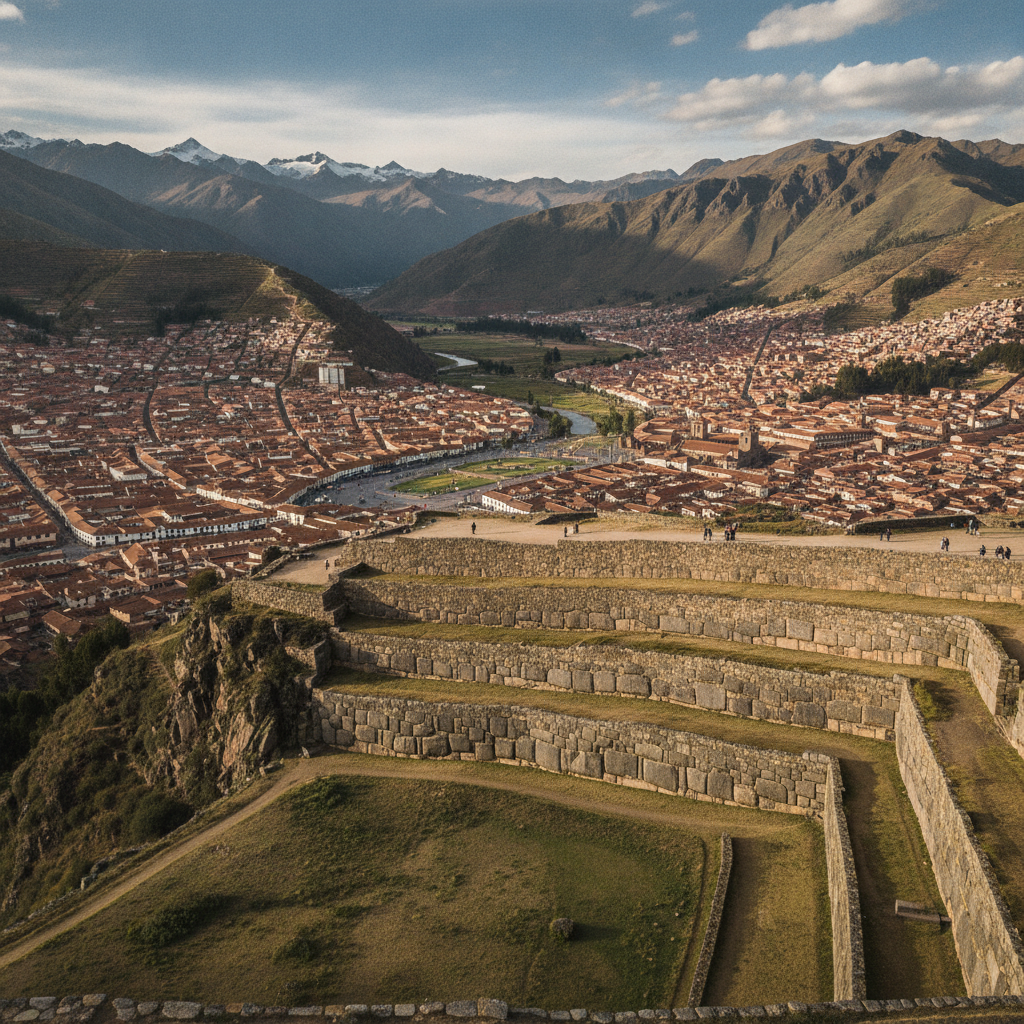
Cusco History: The Rise and Fall of the Inca Empire
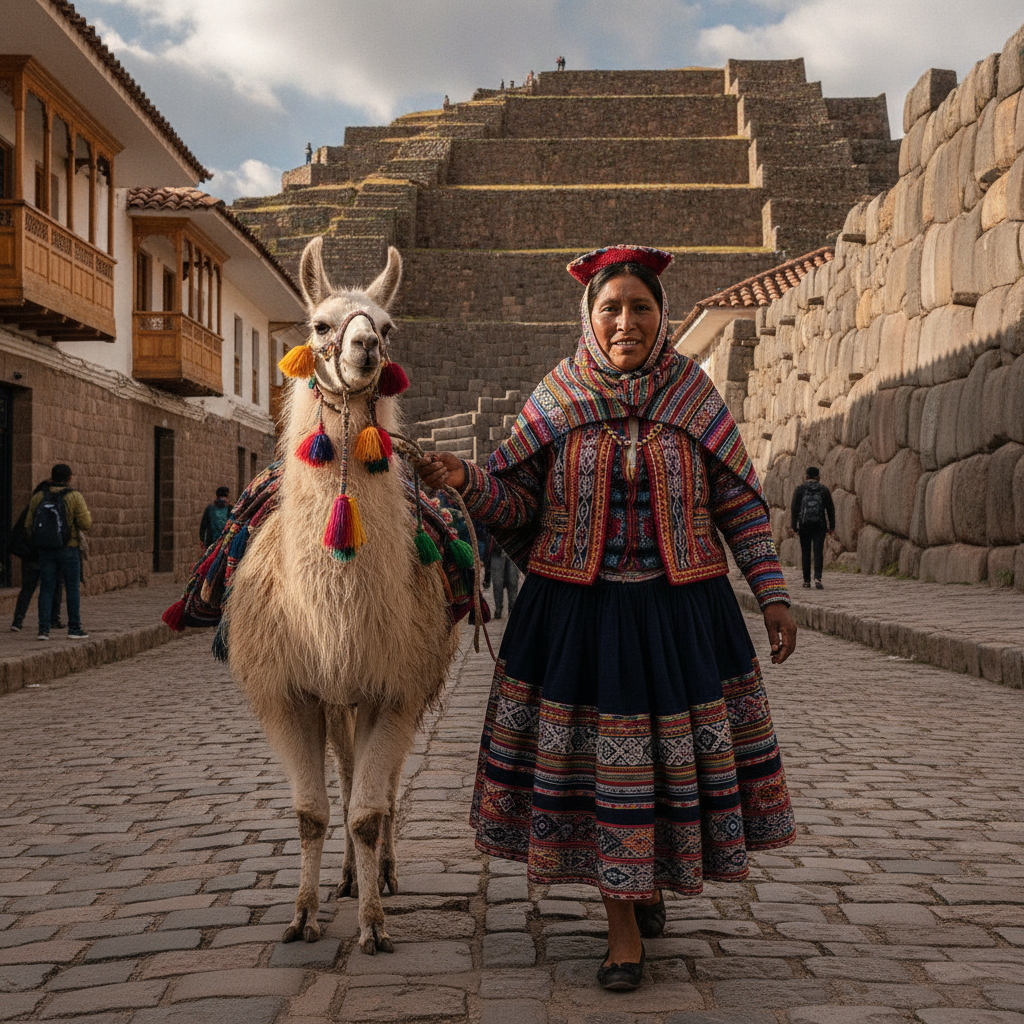
Quechua Culture: The Living Legacy of the Inca
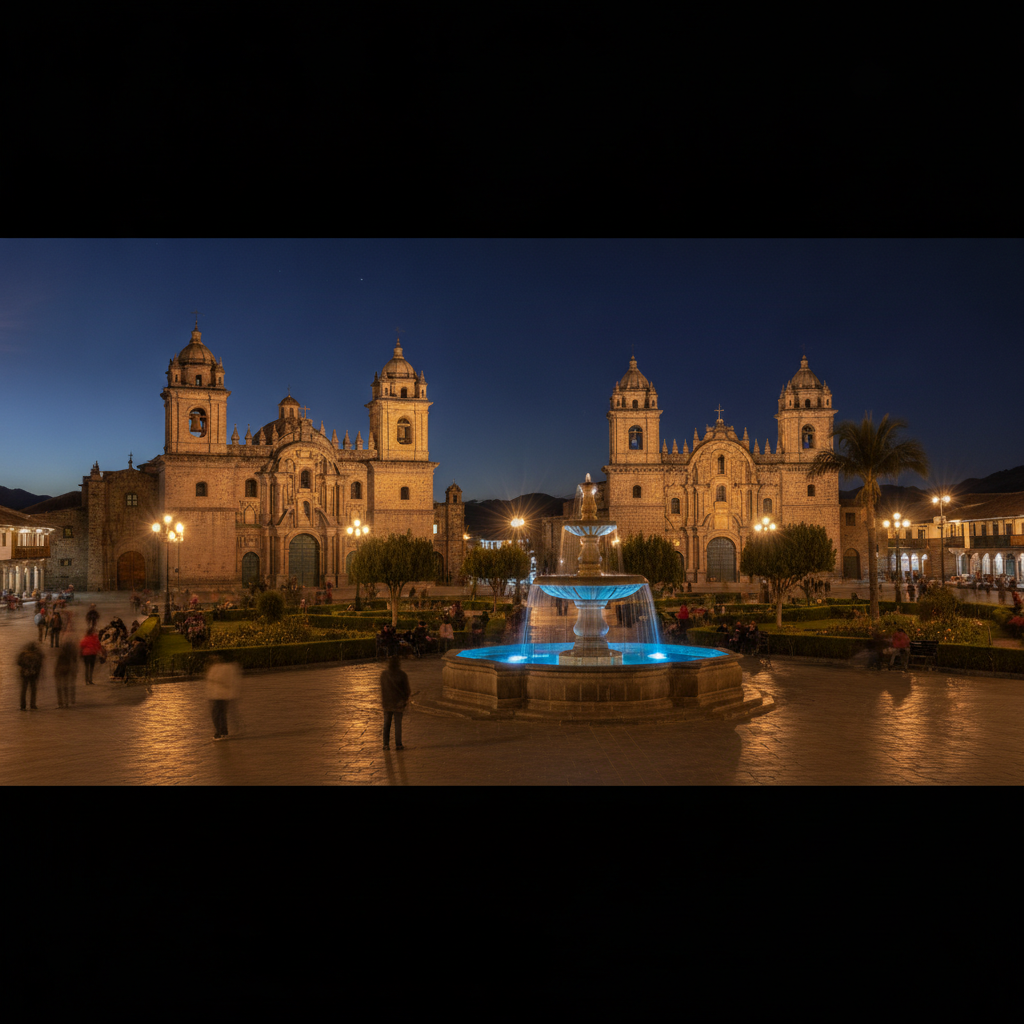
Cusco: The Navel of the World and Capital of the Inca Empire