Sri Lanka from Colombo: Sigiriya's Cloud Maidens, Kandy's Buddha Tooth & World's Best Leopard Sightings
Use Colombo as your Sri Lanka base—Sigiriya's 5th-century palace built on a 200-metre rock by a parricide king, the most sacred Buddhist tooth relic in the world processed on an elephant during Esala Perahera, UNESCO Galle Fort's Dutch VOC walls intact since 1649, the six-hour train through misty Ceylon tea country to Nine Arch Bridge, and Yala National Park's world-record leopard density for morning game drives.
- 1
Day Trip to Sigiriya – The Lion Rock Fortress
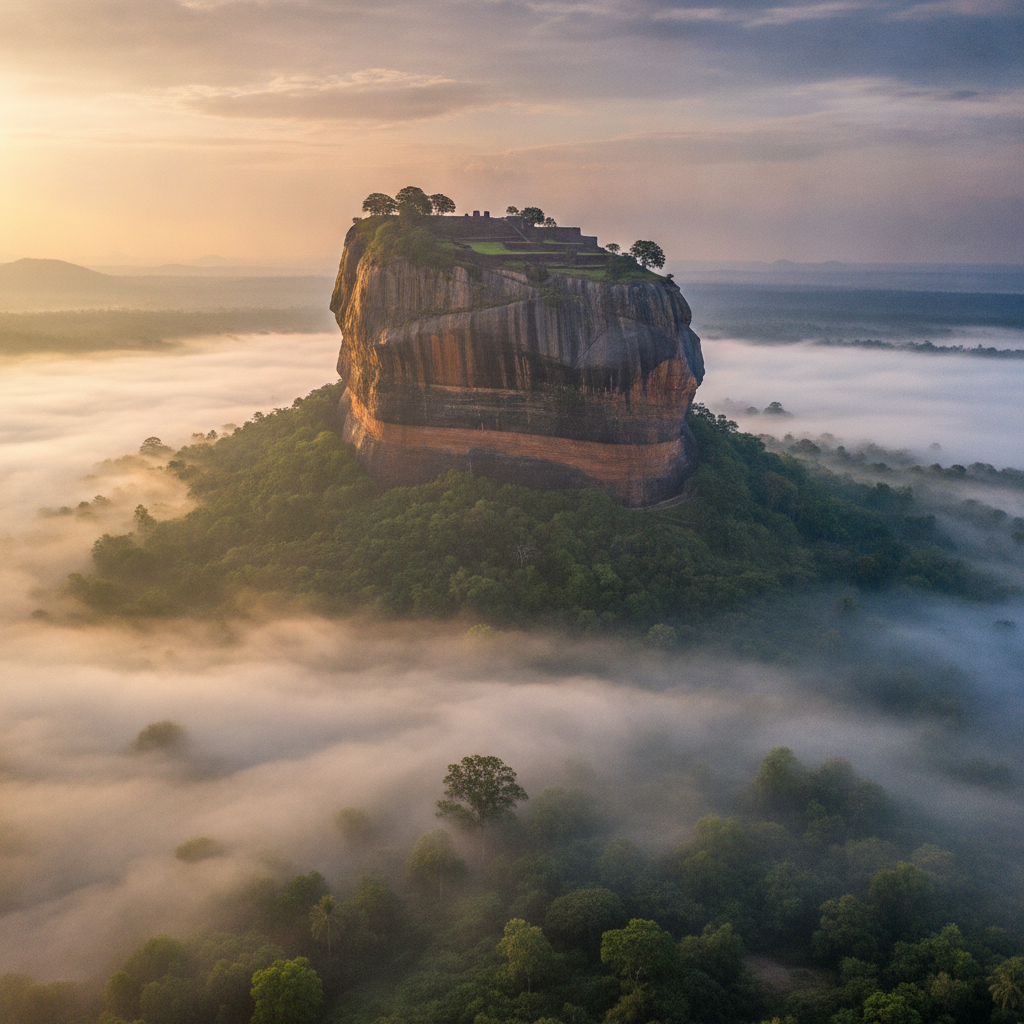
Sigiriya—a 5th-century palace and fortress built on a 200-metre volcanic rock plug in central Sri Lanka, 170 km north of Colombo—is Sri Lanka's most extraordinary UNESCO World Heritage Site (1982) and one of Asia's most remarkable ancient sites. King Kasyapa I (477–495 AD) built his palace on the summit of the 'Lion Rock' (the original entrance was through a massive lion's paw gateway—the paws and lower body survive). The 1,200-step climb passes 6th-century frescoes of 'cloud maidens', a mirror wall of polished plaster, and water gardens before the summit palace terrace.
- 2
Kandy – Temple of the Tooth Relic
Kandy—Sri Lanka's last royal capital, 115 km northeast of Colombo—contains the Dalada Maligawa (Temple of the Sacred Tooth Relic), which houses a tooth of the Buddha brought to Sri Lanka in the 4th century AD. The temple is the most sacred Buddhist site in Sri Lanka and among the most significant in the world; the tooth is never displayed publicly but three times daily the inner chamber is opened for worship. The annual Esala Perahera festival (July–August) brings the tooth on procession through Kandy on the back of an elephant in one of Asia's greatest religious spectacles.
- 3
Galle Fort – UNESCO Colonial Port City
Galle Fort—115 km south of Colombo on the southern tip of Sri Lanka—is the best-preserved European colonial fortification in South and Southeast Asia. Originally built by the Portuguese (1588), substantially expanded by the Dutch (from 1649), and preserved through the British era, the fort contains 36 hectares of colonial-era buildings, churches, mosques, and Dutch-era townhouses within intact 17th-century Dutch VOC walls. The fort survived the 2004 tsunami largely intact (it sits on elevated ground); the tsunami memorial in the car park documents the 35,000 Sri Lankans killed.
- 4
The Sri Lankan Hill Country – Tea Plantations
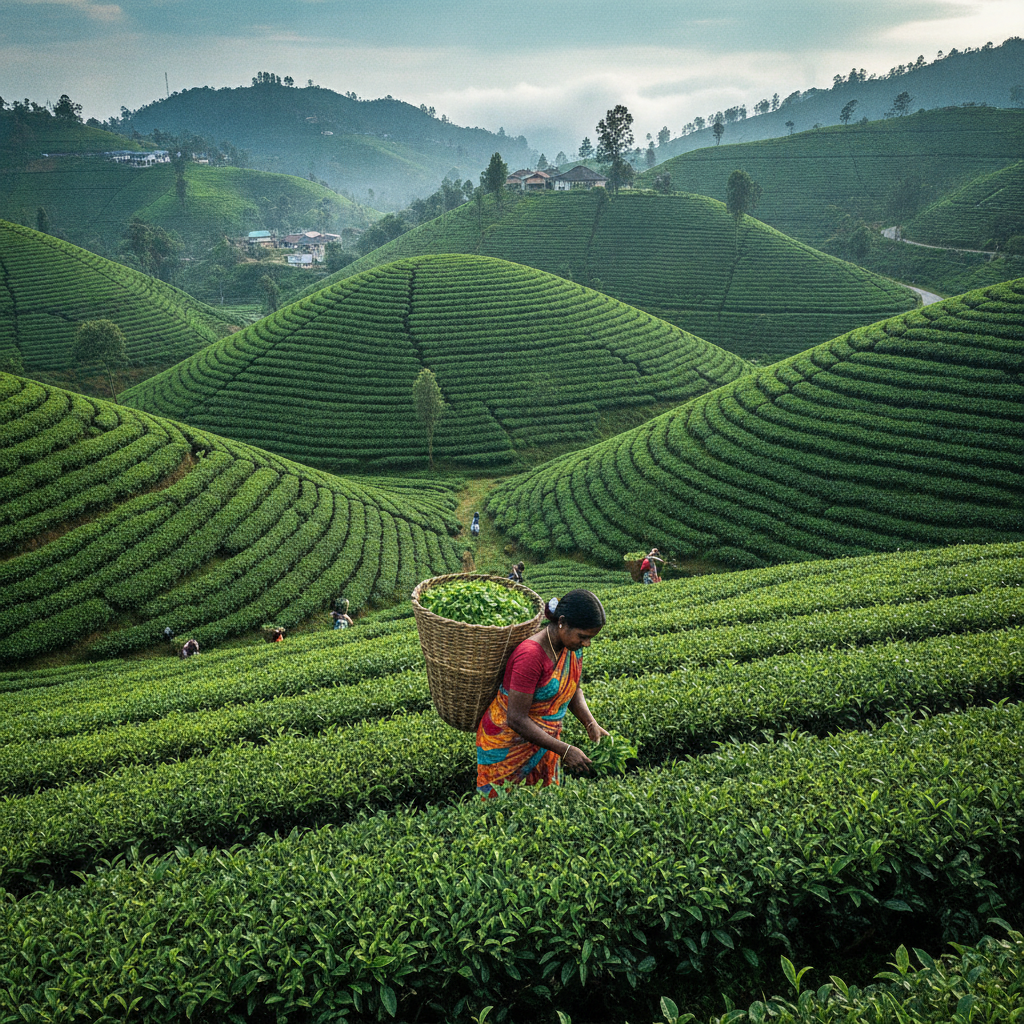
The central highlands of Sri Lanka—the Nuwara Eliya and Ella districts, 175–220 km from Colombo—are covered in tea plantations producing Ceylon tea, the world's most valuable tea export per kilogram. The Ella Gap viewpoint (train journey from Kandy through Nanu Oya to Ella, 6 hours—one of the world's most scenic train rides) passes through mist-covered tea country. The Nine Arch Bridge (Ella)—a colonial-era railway viaduct through jungle—is Sri Lanka's most photographed image after Sigiriya.
- 5
Whale Watching at Mirissa & the Southern Coast
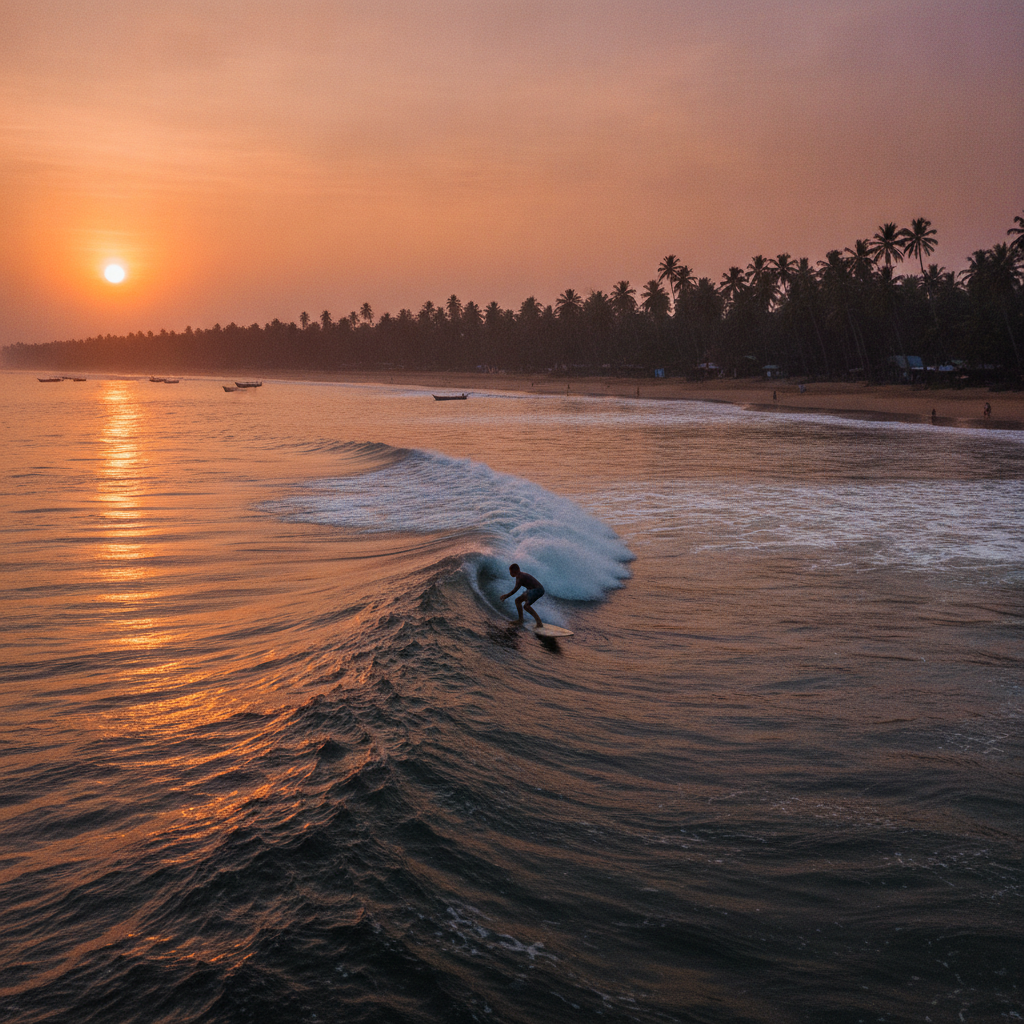
Mirissa (160 km south of Colombo) is one of the world's best whale watching locations—blue whales (the world's largest animal) and sperm whales are regularly encountered between November and April. Sri Lanka's southern coast (Mirissa, Tangalle, Weligama, Hikkaduwa) has some of the Indian Ocean's finest beaches; the surf at Weligama and Arugam Bay (east coast) attracts international surfers. Sea turtle nesting on the southern beaches (Rekawa Turtle Conservation Project) runs year-round with night walks to observe nesting females.
- 6
Yala National Park – Leopards & Elephants
Yala National Park (225 km southeast of Colombo) has the world's highest density of leopards (Sri Lankan leopard—a subspecies)—a typical morning game drive encounters 2–4 leopards. The park also holds large elephant herds, sloth bears, crocodiles, and over 200 bird species including the endemic Sri Lanka junglefowl. Game drives depart from Tissamaharama (nearest town) at 5:30 am and 2:30 pm; jeep hire costs approximately $60/vehicle. Yala is at its best January–March when water levels are low and wildlife concentrates around remaining pools.
Walk this route with audio
Stories play automatically as you reach each stop — no tapping needed.
More in Colombo
Sri Lanka's Full Picture: World-Class Surfing at Arugam Bay, 10,000 Ancient Reservoirs & Blue Sapphires
Colombo Practical Guide: 40-Minute Airport Train, 2022 Economic Crisis Recovery & Ceylon Cinnamon
Colombo Essentials: Pettah's Candy-Striped Mosque, Galle Face Sunset & Hoppers for Breakfast
Colombo's Layers: Geoffrey Bawa's Floating Temple, Dutch Burgher Lampries & Ceylon Coffee Revival