Colombo Essentials: Pettah's Candy-Striped Mosque, Galle Face Sunset & Hoppers for Breakfast
Discover Sri Lanka's vibrant capital—Pettah market's street-by-street specialisation (gold on Sea Street, spices on Fifth Cross Street) with the candy-striped 1909 mosque rising above the chaos, the Galle Face Green's kite-flying Indian Ocean esplanade at sunset, colonial Fort's Dutch Hospital (1681) converted to dining, and Sri Lankan hoppers—the lacy fermented rice pancake that defines the island's breakfast culture.
- 1
Pettah Market – Colombo's Commercial Heart
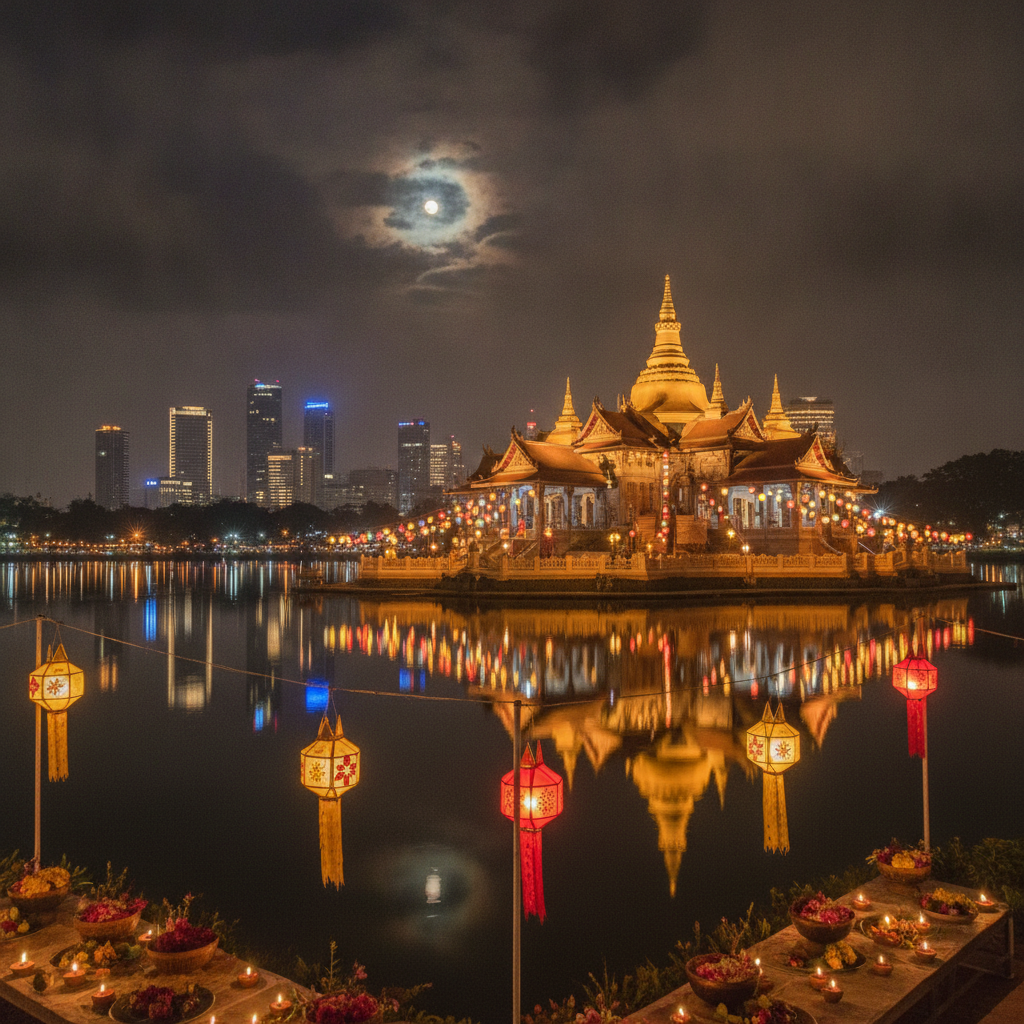
Pettah (from the Portuguese 'pita', meaning fort outskirts)—the oldest commercial district in Colombo—is one of South Asia's most chaotic and colourful markets. The district's streets are each specialised: Main Street for electronics, Second Cross Street for fabrics, Sea Street for gold jewellery (the heart of Colombo's Tamil-Hindu community), and the Pettah Floating Market on the canal for fresh produce. The Jami Ul-Alfar Mosque (Red Mosque, 1909) with its candy-striped red-and-white facade towers above the market chaos—one of Sri Lanka's most photogenic buildings.
- 2
Galle Face Green & the Colombo Seafront
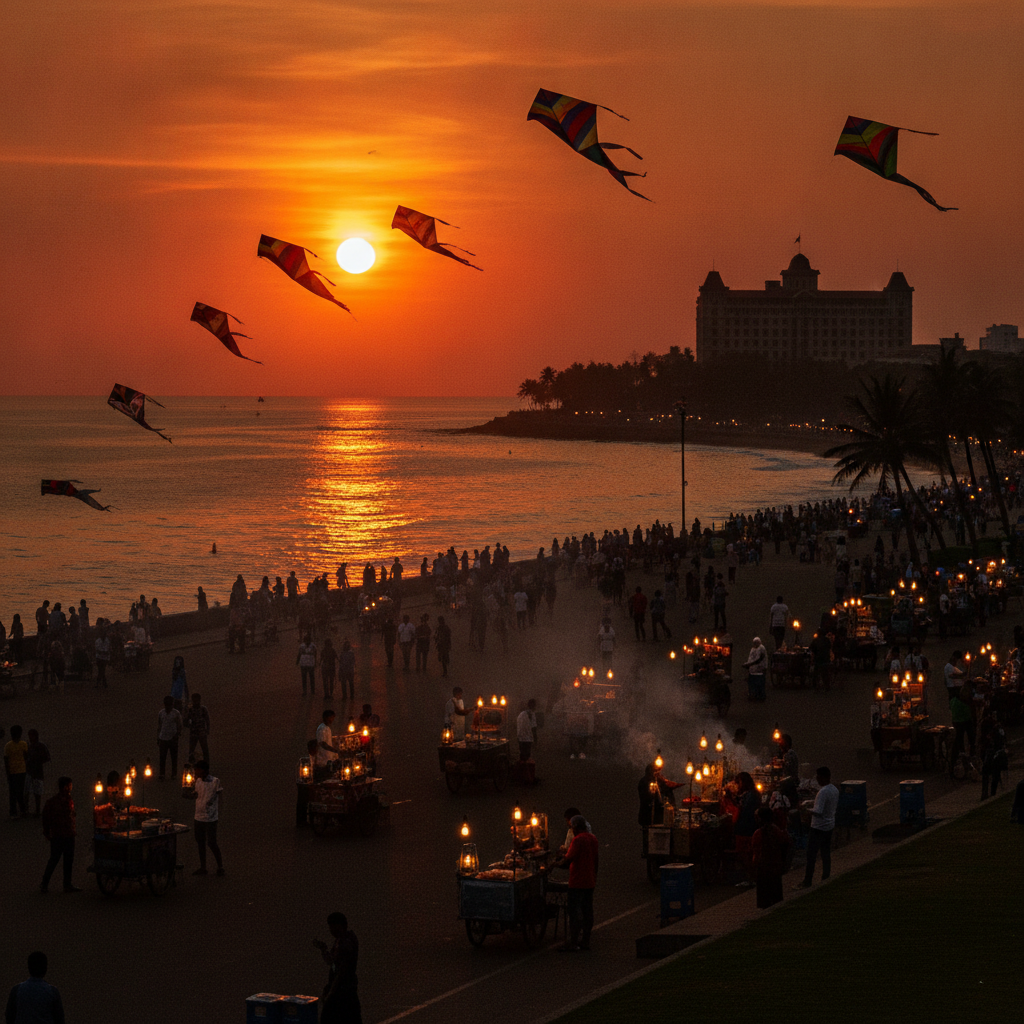
Galle Face Green—a 5-hectare esplanade on the Indian Ocean seafront south of the Fort district—is Colombo's most important public space. The promenade fills with kite flyers, street food vendors, families, and couples at sunset; the evening light on the Indian Ocean is one of the city's great free pleasures. The Galle Face Hotel (established 1864, one of Asia's oldest hotels) overlooks the Green from the south; the Shangri-La and Cinnamon Grand towers from the north. The seafront road (Galle Road) runs 115 km south to Galle, one of Asia's great coastal drives.
- 3
The Fort District – Colonial Colombo
The Fort—Colombo's former colonial core, originally enclosed by Portuguese fortifications (1517)—is now a mixed office, hotel, and historic district on the Indian Ocean headland. The Old Colombo Lighthouse (1952), the President's House (the former British Governor's Residence), the Cargills Building (1906, the country's first department store), and the Dutch Hospital (1681, now a dining and shopping complex) survive among modern office towers. The Fort was significantly damaged in the 2008 LTTE Central Bank bombing; post-war redevelopment has transformed the district.
- 4
National Museum of Colombo
The National Museum of Colombo (1877)—the largest museum in Sri Lanka, housed in a white neo-classical building in Cinnamon Gardens—holds the country's most significant collection of Sinhalese and Buddhist art, royal regalia, masks, and prehistoric artefacts. The centrepiece is the 18th-century throne and crown of the last Kandyan king (Srī Vikrama Rājasinha, dethroned by the British in 1815)—the most important royal artefact in Sri Lanka. The natural history section holds dinosaur skeletons and Sri Lanka's endemic wildlife collection.
- 5
Cinnamon Gardens – Colombo's Green Embassy District
Cinnamon Gardens (Ward Place/Rosmead Place/Independence Square area)—Colombo's most prestigious residential and diplomatic neighbourhood—takes its name from the cinnamon plantations that covered the area under Dutch colonial rule (17th–18th centuries). The broad tree-lined streets, Diyatha Uyana (the water park), the Nelum Pokuna Mahinda Rajapaksa Theatre, the Independence Memorial Hall, and the Lionel Wendt Centre (Sri Lanka's most important arts venue) are concentrated in this neighbourhood. The Colombo National Museum is also here.
- 6
Sri Lankan Cuisine in Colombo
Sri Lankan cuisine is one of South Asia's most distinctive—built around coconut milk, palm sugar, pandan leaf, and a spice palette (black pepper, cloves, cardamom, cinnamon, curry leaf) that reflects the island's historic spice trade importance. Hoppers (appam—thin fermented rice flour pancakes with a crispy lacy edge, served with coconut sambol and pol sambol) and string hoppers (idiyappam—steamed rice noodle nests) are the iconic breakfast dishes. Crab curry (from the Jaffna Tamil tradition) and kottu roti (shredded flatbread stir-fried with vegetables and egg) are the most popular street dishes.
Walk this route with audio
Stories play automatically as you reach each stop — no tapping needed.
More in Colombo

Sri Lanka from Colombo: Sigiriya's Cloud Maidens, Kandy's Buddha Tooth & World's Best Leopard Sightings
Sri Lanka's Full Picture: World-Class Surfing at Arugam Bay, 10,000 Ancient Reservoirs & Blue Sapphires
Colombo Practical Guide: 40-Minute Airport Train, 2022 Economic Crisis Recovery & Ceylon Cinnamon
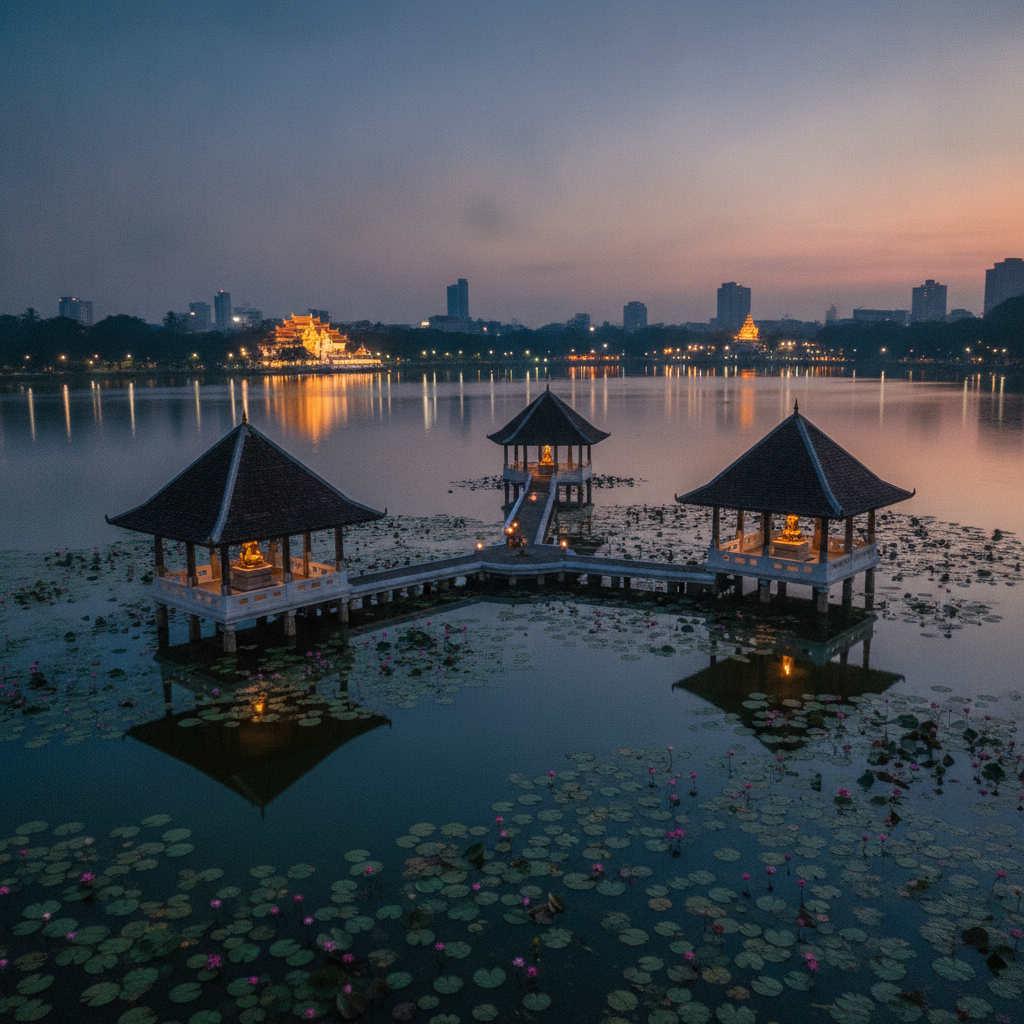
Colombo's Layers: Geoffrey Bawa's Floating Temple, Dutch Burgher Lampries & Ceylon Coffee Revival