Sri Lanka's Full Picture: World-Class Surfing at Arugam Bay, 10,000 Ancient Reservoirs & Blue Sapphires
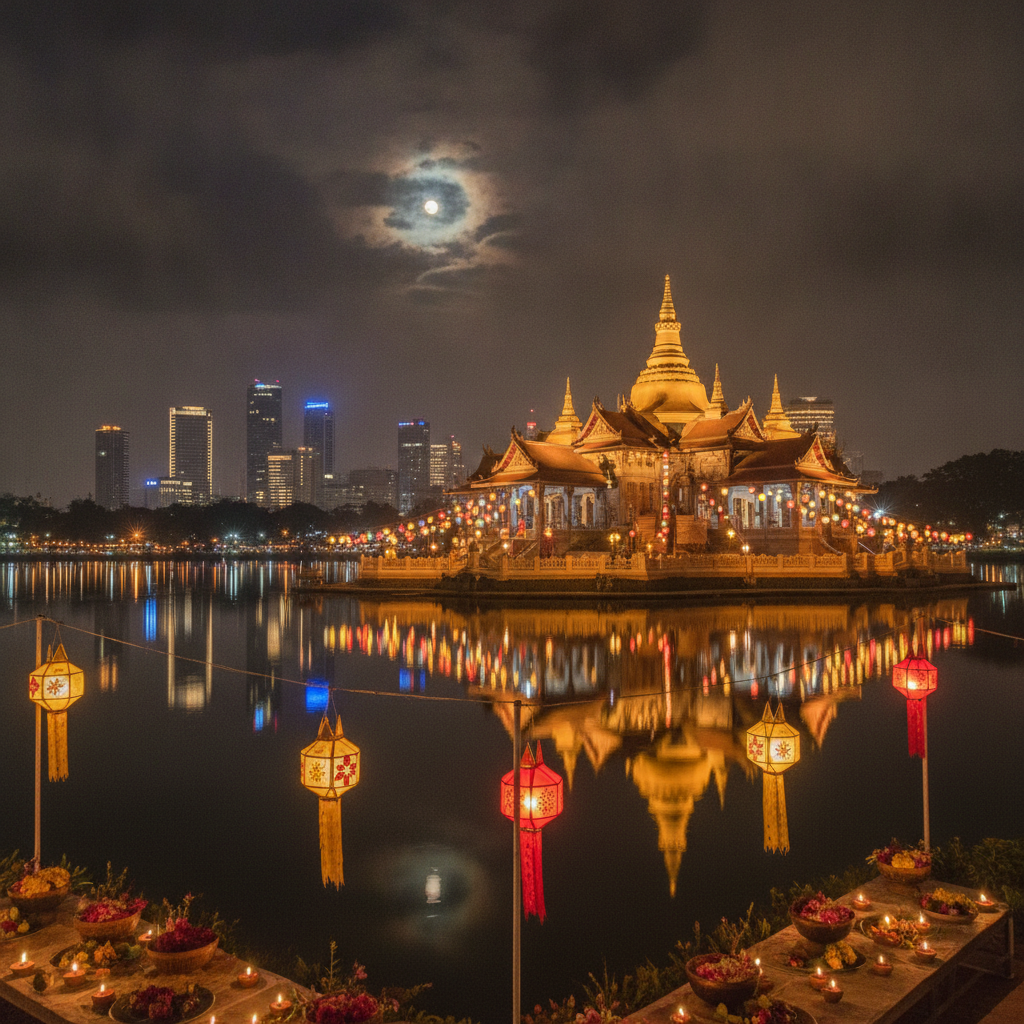
Complete the Sri Lanka picture from Colombo—Arugam Bay's right-hand point break drawing international surfers May–October, the ancient Sinhalese hydraulic civilisation's 10,000 reservoirs sustaining 10 million people where only 2 million live today, Sinharaja's primary rainforest with 60% of Sri Lanka's endemic birds, buying certified blue sapphires at the National Gem Authority, and the Vesak full moon when strangers serve free rice and curry to all comers at roadside stalls throughout Colombo.
- 1
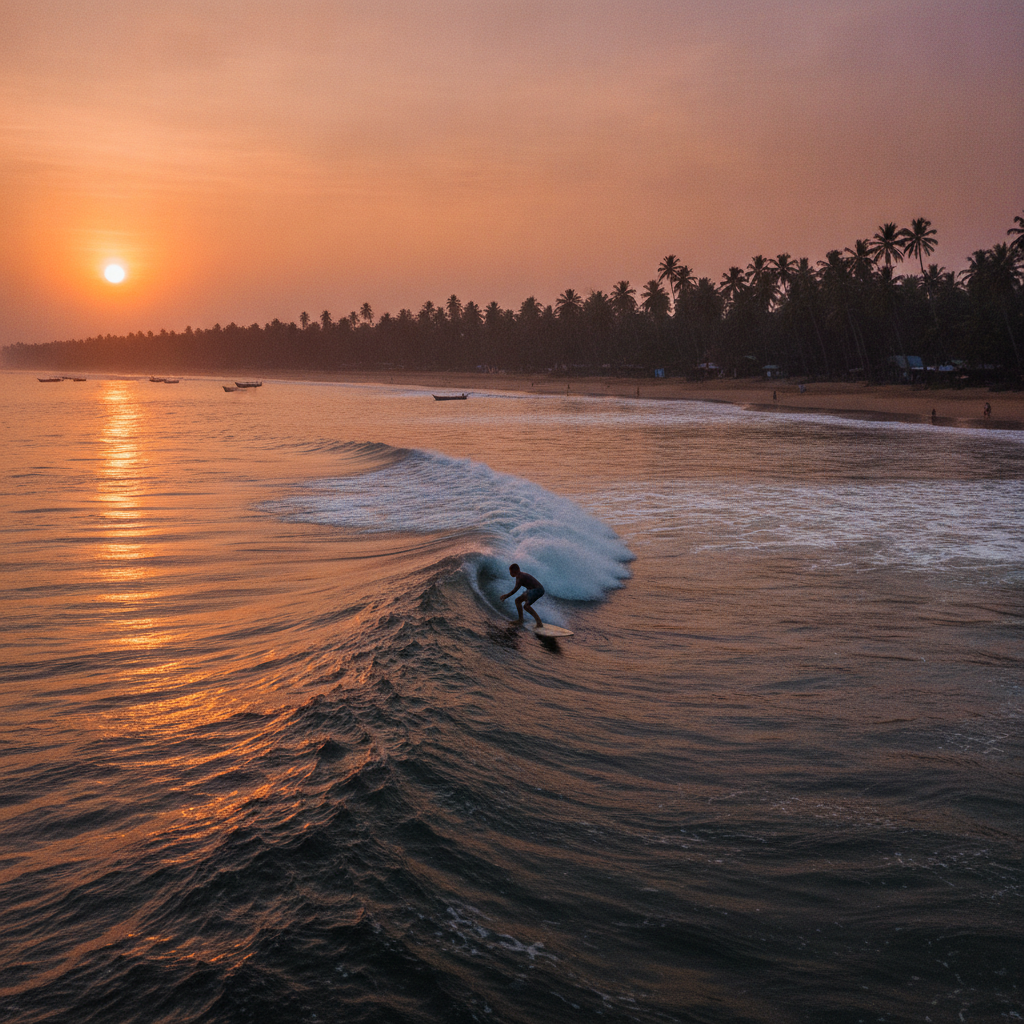
Arugam Bay & Sri Lanka's East Coast Surfing
Arugam Bay (320 km east of Colombo)—one of the world's top 10 surfing destinations—is a right-hand point break that works consistently May–October (northeast monsoon dry season). The bay attracts international surfers from May; the Main Point break is the primary surf; Pottuvil Point (8 km north) is longer and less crowded. The area is predominantly Muslim Tamil; the local food culture (mutton rolls, string hoppers with coconut milk) is distinct from Sinhalese Colombo. The adjacent Kumana National Park is exceptional for bird watching (painted storks, spoonbills, leopards).
- 2
Trincomalee & the East Coast
Trincomalee—on Sri Lanka's northeast coast, 260 km from Colombo—has one of the finest natural harbours in Asia (the subject of fierce colonial competition between Portuguese, Dutch, British, and French). The beaches of Nilaveli and Uppuveli (north of Trincomalee) are excellent for snorkelling and whale watching (blue whales, March–April). Fort Frederick (Dutch, 1675) overlooks the harbour; Konešwaram Temple (Swami Rock, the Hindu temple at the harbour headland) is the most sacred Hindu site on the east coast. Trincomalee was heavily damaged in the civil war and is still recovering.
- 3
Sri Lanka's Wildlife – Beyond Elephants
Sri Lanka's wildlife is extraordinary for a small island—the density and accessibility of endemic and rare species makes it one of Asia's premier wildlife destinations. The endemic species include Sri Lankan leopard (Yala, Wilpattu), sloth bear (Yala), purple-faced langur, Sri Lanka junglefowl (national bird), and green pit viper. The Sinharaja Rainforest (UNESCO World Heritage, 115 km south of Colombo) is Sri Lanka's last primary lowland rainforest—home to 60% of the country's endemic birds including Sri Lanka blue magpie and red-faced malkoha. Whale watching at Mirissa encounters blue, sperm, and Bryde's whales.
- 4
Sri Lanka's Ancient Irrigation Civilisation
Sri Lanka developed one of the ancient world's most sophisticated hydraulic civilisations—by the 2nd century BC, Sinhalese kings had constructed over 10,000 reservoirs (wewa) connected by canals across the dry zone, sustaining a rice-growing civilisation of perhaps 10 million people in an area that now supports 2 million. The Parakrama Samudra reservoir at Polonnaruwa (12th century, 2,400 hectares)—'one who does not let a drop of rainwater go to the sea without first making it serve man' (Parakramabahu I)—is the most significant. Many ancient reservoirs are now being restored for modern irrigation.
- 5
Shopping in Colombo – Gems, Batik & Handicrafts
Sri Lanka is Asia's most important source of blue sapphires—the island's gem mines (Ratnapura, 100 km southeast of Colombo) have produced sapphires, rubies, cats' eyes, and alexandrites for millennia. The National Gem and Jewellery Authority showroom in Colombo is the safest buying point for certified gems. Sri Lankan batik (wax-resist fabric, introduced by the Dutch, developed into a distinctly Sri Lankan art form) is available throughout Colombo; the Barefoot Gallery (Colombo 3) produces the finest quality. Handloom cotton, lacquerwork, and brass figurines from Kandy are the main craft categories.
- 6
Sri Lanka's Food Calendar – Avurudu, Vesak & Ramadan
Sri Lanka's food culture is inseparable from its religious calendar. Avurudu (Sinhala and Tamil New Year, April 13–14)—the most important cultural celebration—brings kiribath (milk rice, eaten at the auspicious moment of the new year), kokis (Dutch-influenced fried pastry), and aluwa (traditional sweets) to every home. Vesak (Buddha's birthday, May full moon) fills the city with elaborate lanterns and free food stalls (dansal) where strangers serve rice and curry to all comers. Ramadan's Iftar (sunset breaking of the fast) in Colombo's Muslim neighbourhoods (Pettah, Colombo 2) is an extraordinary community event.
Walk this route with audio
Stories play automatically as you reach each stop — no tapping needed.
More in Colombo
Sri Lanka from Colombo: Sigiriya's Cloud Maidens, Kandy's Buddha Tooth & World's Best Leopard Sightings
Colombo Practical Guide: 40-Minute Airport Train, 2022 Economic Crisis Recovery & Ceylon Cinnamon
Colombo Essentials: Pettah's Candy-Striped Mosque, Galle Face Sunset & Hoppers for Breakfast
Colombo's Layers: Geoffrey Bawa's Floating Temple, Dutch Burgher Lampries & Ceylon Coffee Revival