Colombo's Layers: Geoffrey Bawa's Floating Temple, Dutch Burgher Lampries & Ceylon Coffee Revival
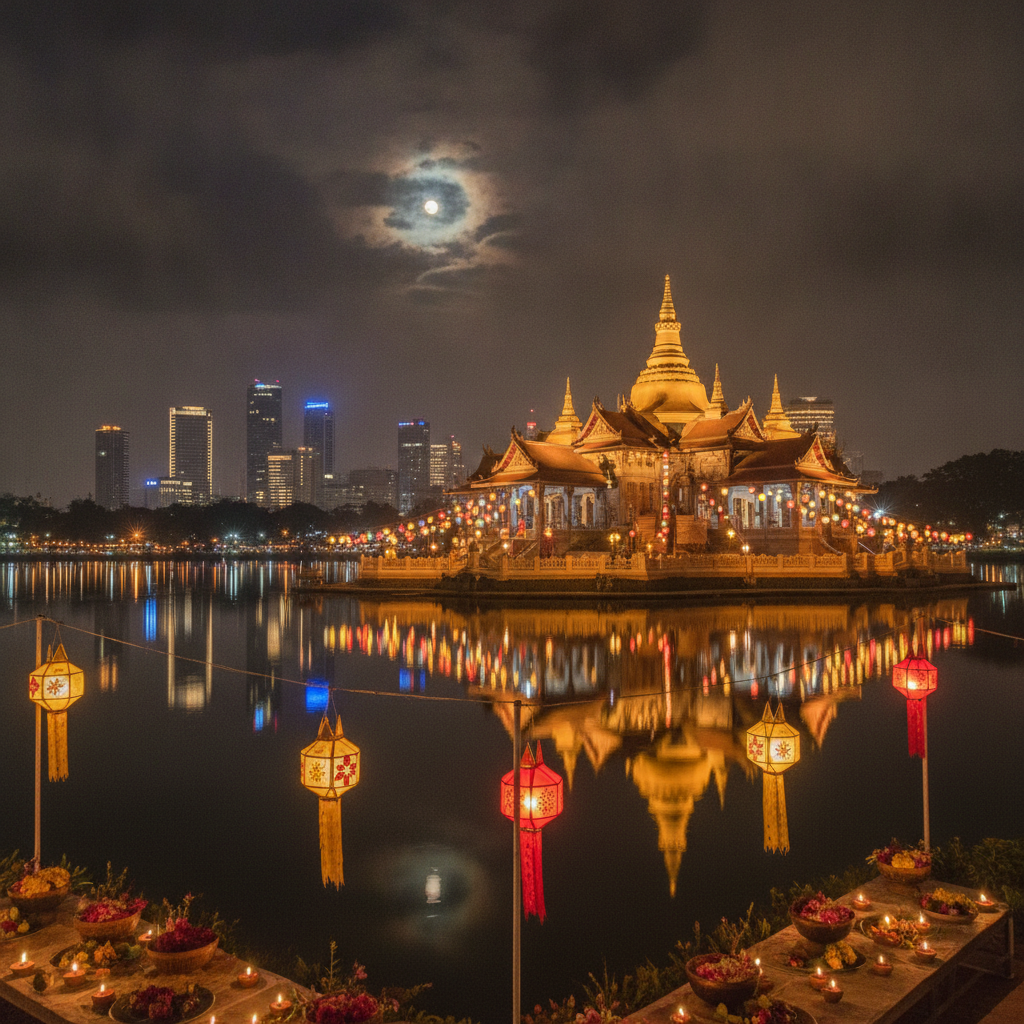
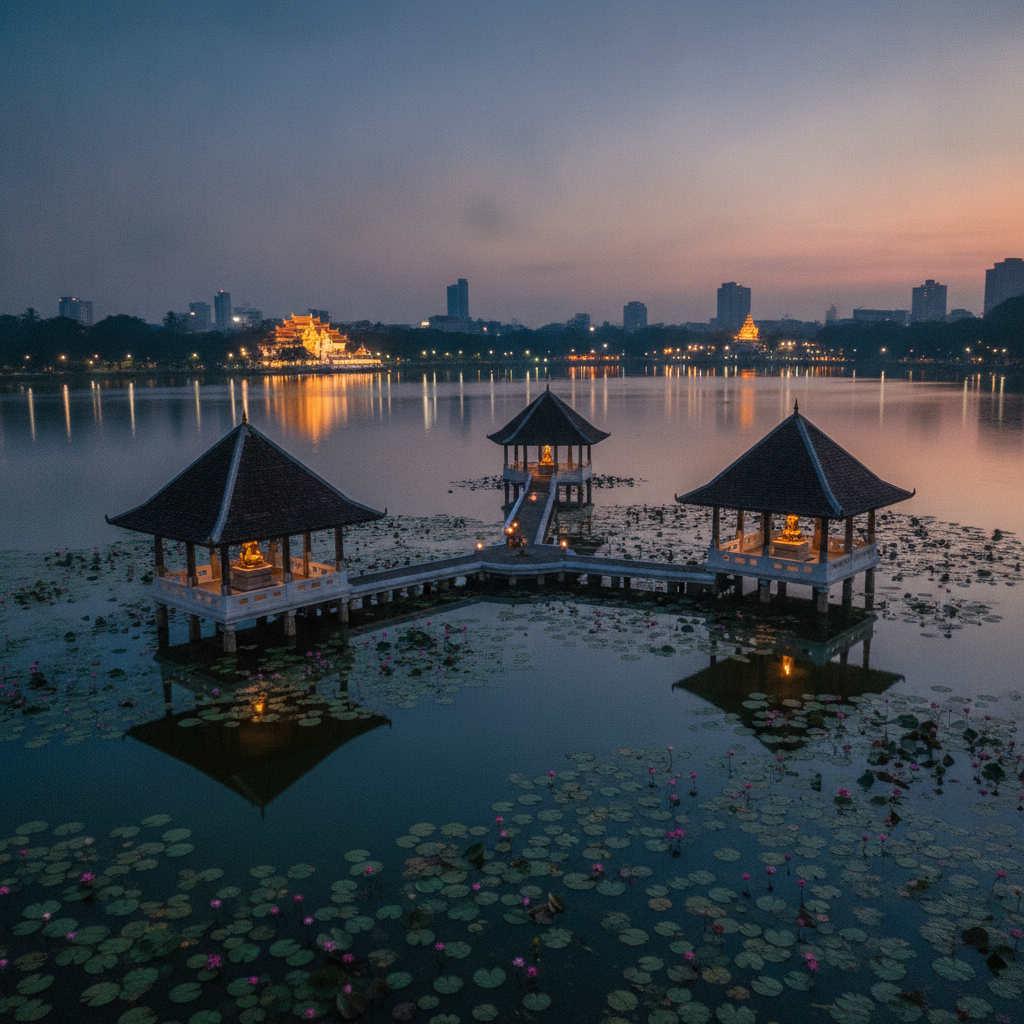
Discover Colombo's hidden depth—Geoffrey Bawa's Seema Malaka Buddhist temple built on platforms over Beira Lake (the most beautiful small religious building in Sri Lanka), the Dutch Burgher community descended from VOC colonists who still make lampries and meet at the Dutch Burgher Union, Ceylon coffee making a comeback after the 1869 blight that replaced it with tea, Negombo's dawn fish market 30 minutes from the airport, and Pinnawala's 80-elephant herd walking to the river twice daily.
- 1
Colombo's Architecture – From Dutch to Postcolonial
Colombo's architectural layers tell the island's colonial history: the Dutch Hospital (1681, now restaurants), the Old Parliament Building (1930, now the Presidential Secretariat), the Cargills Building (1906, cast-iron Edwardian)—all in the Fort. The Keells Super HQ (Geoffrey Bawa, 1983) introduced tropical modernism to commercial architecture. The postcolonial government built boldly: the Independence Memorial Hall (1948, neo-Kandyan style), the Bandaranaike Memorial International Conference Hall (BMICH, 1973, Chinese-gift modernism). The new Port City Colombo (reclaimed land, 269 ha) is the most ambitious urban development in Sri Lankan history.
- 2
Beira Lake & Seema Malaka Temple
Beira Lake—a 65-hectare lake in central Colombo, once part of the Dutch defensive moat system—is the city's main urban waterway. The Seema Malaka (Geoffrey Bawa, 1978, expanded 1983)—a Buddhist temple built on platforms over the lake, connected by walkways and surrounded by lotus ponds—is the most beautiful small religious building in Sri Lanka. The lakeside Gangaramaya Temple (opposite Seema Malaka) attracts the city's most eclectic collection of Buddhist artefacts—cars, elephants, statues, and handicrafts gifted from Buddhist countries worldwide fill every surface.
- 3
Colombo's Café Culture & Third-Wave Coffee
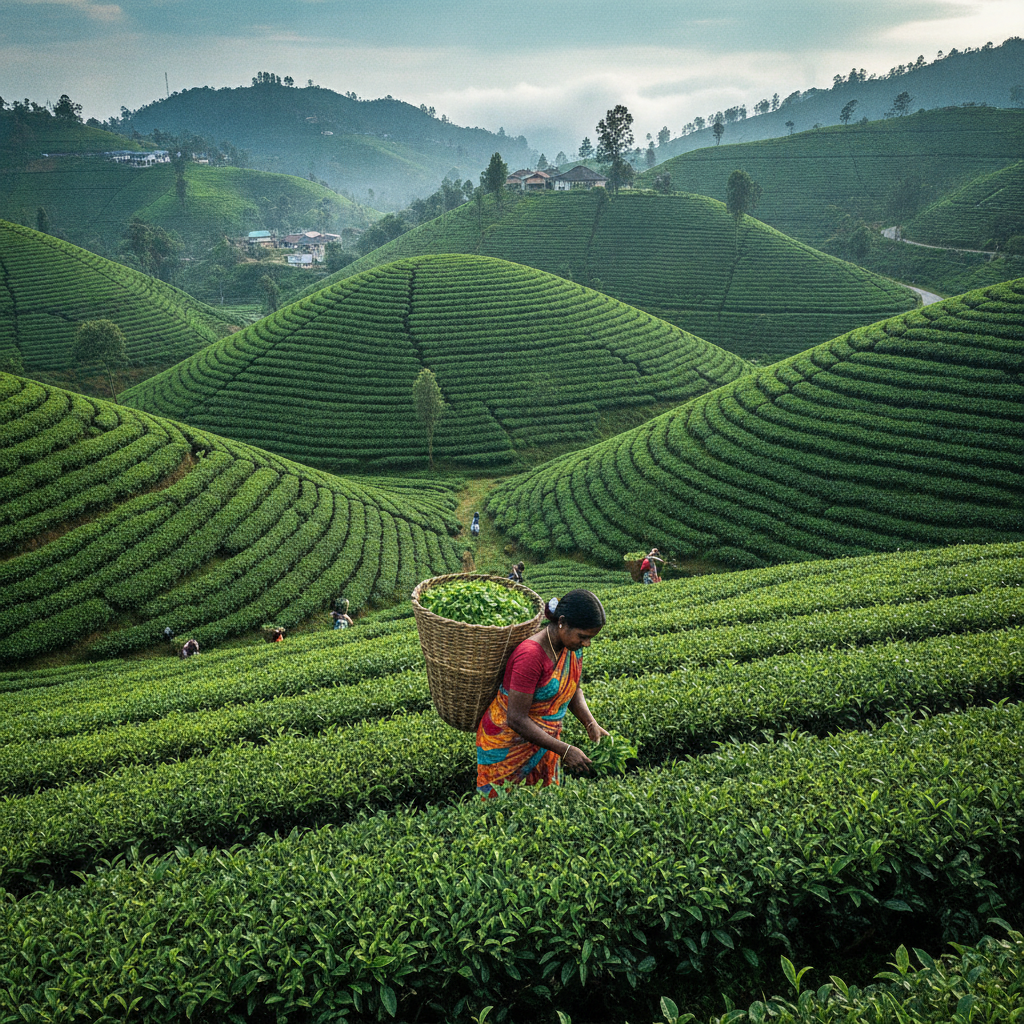
Colombo's café scene has transformed since 2015—the city now has one of South Asia's most sophisticated specialty coffee cultures, driven by a young, internationally educated Colombo middle class. Colombo Coffee Company, Ministry of Crab (also a restaurant), and the cafés of the Dutch Hospital precinct lead the scene. Sri Lanka grows its own coffee (Dimbula and Kandy highlands)—Ceylon coffee was the island's primary export before the 1869 coffee leaf rust blight wiped out the plantations (which were subsequently replanted with tea). Ceylon coffee revival efforts are now producing single-origin specialty coffees.
- 4
The Dutch Burgher Community
The Burgher community—descendants of Dutch and Portuguese colonists who intermarried with local Sri Lankans—are among Sri Lanka's most distinctive ethnic groups, maintaining a distinct cultural identity (Reformed Dutch and Dutch Burger Union), unique cuisine (breudher bread, lampries—Dutch-influenced rice packets), and family names (de Silva, van Heer, Ondaatje—the author Michael Ondaatje is of Burgher descent). The community, once prominent in colonial administration and law, has emigrated heavily since independence; the Dutch Burgher Union in Colombo still maintains records and holds events.
- 5
Day Trip to Negombo & the West Coast
Negombo—30 km north of Colombo (45 minutes)—is Sri Lanka's most accessible beach town from the airport, making it the standard first-night destination for visitors. The Dutch canal system (built to transport cinnamon to Colombo), the fish market (active at dawn), and St Mary's Church (1974, striking modernist Catholic church) are the main sights. The beach runs 9 km; the lagoon behind the beach shelters dozens of fishing boat communities. Negombo is primarily a seafood town—the morning catch (crab, prawn, tuna, grouper) goes directly to the beach restaurants.
- 6
Pinnawala Elephant Orphanage
The Pinnawala Elephant Orphanage (90 km northeast of Colombo, en route to Kandy)—established in 1975 to care for orphaned wild elephants—now houses the world's largest captive elephant herd (80+ animals). The twice-daily river bathing (9–10 am, 2–3 pm) when the entire herd walks through the village to the Maha Oya river is one of Sri Lanka's most photographed experiences. The orphanage has been criticised by animal welfare organisations for some practices (elephant riding, chaining at night); the river bathing observation without direct interaction is the ethically preferable visit format.
Walk this route with audio
Stories play automatically as you reach each stop — no tapping needed.
More in Colombo
Sri Lanka from Colombo: Sigiriya's Cloud Maidens, Kandy's Buddha Tooth & World's Best Leopard Sightings
Sri Lanka's Full Picture: World-Class Surfing at Arugam Bay, 10,000 Ancient Reservoirs & Blue Sapphires
Colombo Practical Guide: 40-Minute Airport Train, 2022 Economic Crisis Recovery & Ceylon Cinnamon
Colombo Essentials: Pettah's Candy-Striped Mosque, Galle Face Sunset & Hoppers for Breakfast