Christchurch: Marlborough Sounds Drowned Valleys, Sauvignon Blanc Wine Capital, Nelson and Abel Tasman National Park, South Island Road Trip Circuit, and West Coast Glaciers
Christchurch extended region: Marlborough Sounds complex coastline and the Queen Charlotte Track, Marlborough Sauvignon Blanc wine region (Cloudy Bay origin story), Nelson arts community and Abel Tasman National Park, the classic South Island road trip circuit options, and the wild West Coast (Pancake Rocks, Franz Josef and Fox Glaciers).
- 1
Marlborough Sounds - the Drowned Valleys at the Top of the South Island
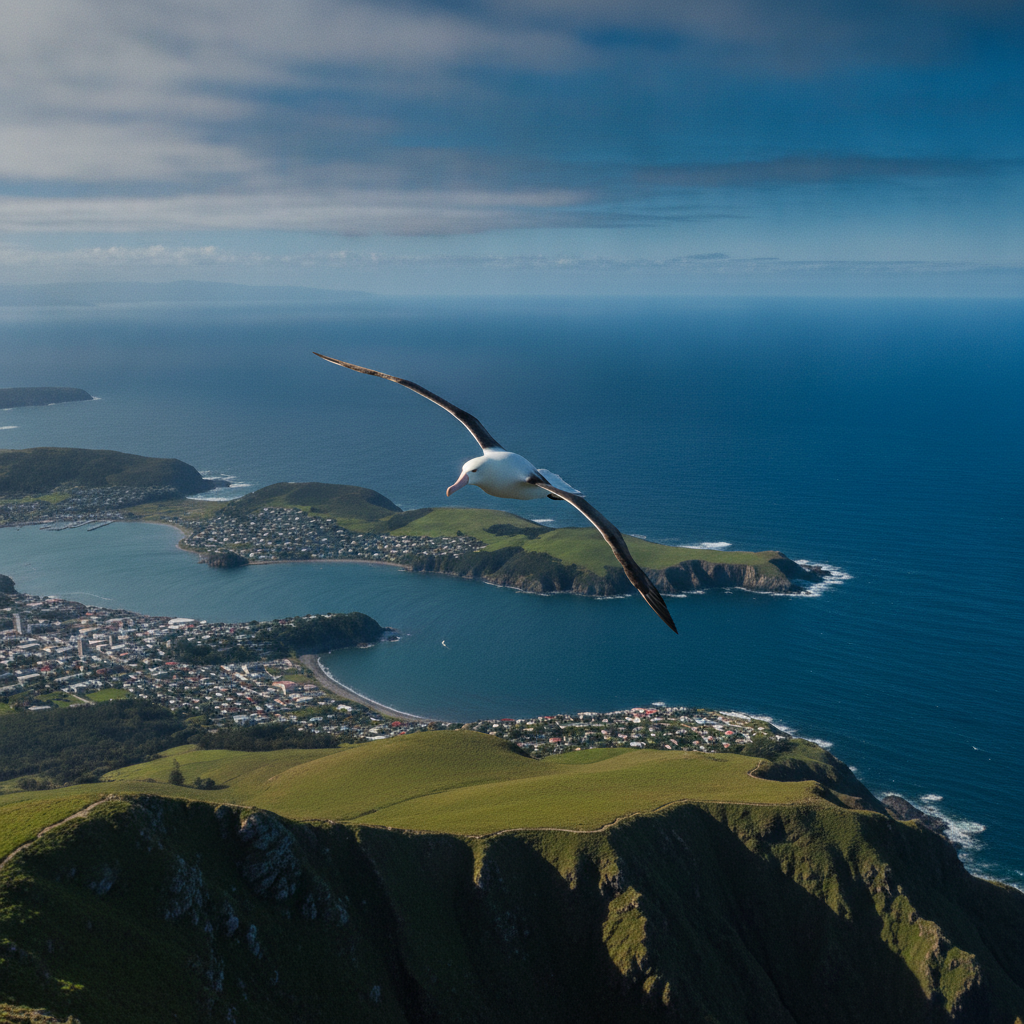
The Marlborough Sounds (approximately 250 km northwest of Christchurch, 3-4 hours via State Highway 1 and the Queen Charlotte Drive, or by ferry from Wellington): the complex system of drowned river valleys forming the most intricate coastline in New Zealand. The Marlborough Sounds comprise: Queen Charlotte Sound (Totaranui), Kenepuru Sound, Pelorus Sound (Te Hoiere), and Pelorus Sound (the largest sound by total water area). The Queen Charlotte Track (the 73 km, 3-5 day walking or cycling track along the Queen Charlotte Sound ridge): one of the most popular multi-day walks in New Zealand, passing through native bush with frequent views of the Sound and the ability to water-taxi luggage between accommodation. Ship Cove (at the head of Queen Charlotte Sound): where Captain James Cook anchored five times between 1770 and 1777, making it the most frequently visited anchorage in New Zealand by Cook. The water taxi network of the Marlborough Sounds: the primary transport for the remote communities and farms throughout the Sounds, with the Endeavour Express and other water taxis providing scheduled and charter services.
- 2
Marlborough Wine Region - Sauvignon Blanc Capital of the World
Marlborough (the wine region centered on Blenheim and the Wairau Valley, approximately 300 km north of Christchurch): the largest wine region in New Zealand (approximately 77% of all New Zealand wine comes from Marlborough) and the wine region that established New Zealand Sauvignon Blanc as a world category. Cloudy Bay (the winery that launched New Zealand Sauvignon Blanc internationally): the 1985 Cloudy Bay Sauvignon Blanc, released into the UK and Australian markets in 1986, created the initial international demand for New Zealand Sauvignon Blanc and changed the trajectory of the entire New Zealand wine industry. Marlborough Sauvignon Blanc style: the intensely aromatic, high-acid, herbaceous, and tropical fruit style of Marlborough Sauvignon Blanc (caused by the unique combination of the cool maritime climate, the free-draining alluvial Wairau Valley soils, and the long sunshine hours) is a uniquely New Zealand style that has no direct European equivalent. The Marlborough wine trail: over 40 wineries offer cellar door tastings (most open October to May). The Marlborough Pinot Noir and Pinot Gris: the secondary grape varieties of increasing quality from the cooler sub-regions of the Awatere Valley and the Southern Valleys.
- 3
Nelson and the Golden Bay - Sunniest Corner of New Zealand
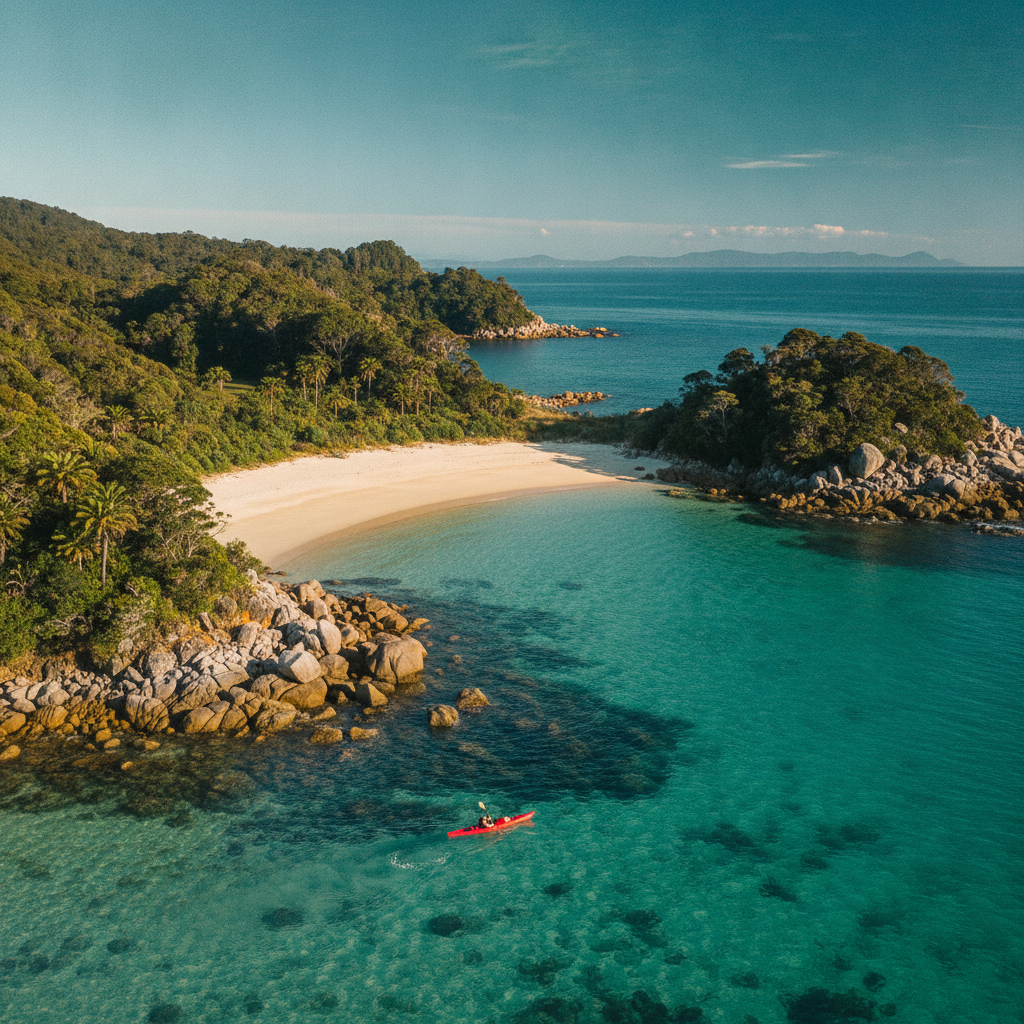
Nelson (population approximately 55,000, approximately 360 km from Christchurch via the Hope Saddle, or accessible by flight from Christchurch in 30 minutes): the sunniest city in New Zealand by hours of sunshine (over 2,400 hours per year). Nelson is positioned at the center of New Zealand: the geographic center of New Zealand is at a point near Spooners Range approximately 30 km south of Nelson. The Nelson arts and crafts community: Nelson has the highest concentration of working artists and craftspeople per capita of any New Zealand city, with a particular strength in ceramics, glass, and jewellery. The Nelson Saturday market (in Montgomery Square): the primary crafts and produce market of the Nelson region. The Abel Tasman National Park (the smallest national park in New Zealand, 55 km from Nelson): the coastal national park with the most popular Great Walk in New Zealand (the Abel Tasman Coast Track, 51 km over 3-5 days), with golden beaches and clear blue water. The Golden Bay (beyond the Takaka Hill, 100 km from Nelson): the remote bay with the Farewell Spit (the 25 km sand spit at the northernmost tip of the South Island) and the Wharariki Beach (wild west coast beach with rock arches).
- 4
The Christchurch to Nelson to Queenstown Road Trip
The classic South Island road trip connecting Christchurch, Nelson, and Queenstown: the most popular self-drive circuit in New Zealand, covering 850-1,100 km depending on the route and detours. Option A (via the Lewis Pass, approximately 800 km, 9-10 hours driving): Christchurch north to Waipara (wineries), west through the Lewis Pass (the scenic alpine crossing at 864 m, through beech forest and the Lewis Pass National Reserve), to Murchison and Nelson. Option B (via Kaikoura, the Sounds, and Picton, with the Wellington ferry): Christchurch north via Kaikoura to Picton, ferry to Wellington, then return via the Interislander. The Murchison junction: the confluence of the Buller, Matakitaki, and Mangles Rivers; the 1929 Murchison earthquake (7.8 magnitude) was one of the most powerful in New Zealand history. The Buller Gorge (between Murchison and Westport): the narrow and spectacular gorge of the Buller River, passing through the Victoria Forest Park. The West Coast connection: from Nelson, the road south via Westport, Punakaiki (Pancake Rocks), and the Greymouth - Franz Josef - Haast Pass corridor connects to Queenstown (approximately 1,400 km total from Christchurch to Queenstown via the West Coast loop).
- 5
West Coast and Pancake Rocks - Wild Side of the South Island
The West Coast of the South Island (Te Tai Poutini, the region from Westport in the north to Haast in the south): the most isolated region of New Zealand, receiving over 5,000 mm of annual rainfall on the mountains and the most dramatic coastline. Punakaiki and the Pancake Rocks (on the West Coast, approximately 45 km north of Greymouth): the most distinctive geological formation on the New Zealand West Coast, where 30-million-year-old marine limestone layers have been eroded to form horizontal stacks resembling pancakes; the blowholes erupt dramatically in heavy swell. The West Coast glaciers: the Fox Glacier (Te Moeka o Tuawe) and the Franz Josef Glacier (Ka Roimata o Hinehukatere) descend from the Southern Alps into temperate rainforest at low elevation (approximately 300 m), making them among the most accessible glaciers in the world. The Hokitika Gorge (approximately 30 km from Hokitika): the extraordinarily vivid blue-green water of the Hokitika River in a narrow gorge of white granite bedrock, one of the most photographed natural sites on the West Coast. The Haast Pass (the southernmost road crossing of the Southern Alps, 563 m): the gateway from the West Coast to the Wanaka and Queenstown region.
- 6
Christchurch Complete: Three Cities, Three Routes, South Island Loop
Christchurch three-route summary. Route 1: post-earthquake rebuild and Re:START Mall, Botanic Gardens and Hagley Park, Banks Peninsula and Akaroa French colony, Kaikoura sperm whales and Hector dolphins, Arthur Pass TranzAlpine rail, complete practical guide. Route 2: Canterbury Plains breadbasket, Waipara wine (Sauvignon Blanc and Pinot Noir), Lyttelton Harbour and Port Hills volcanic landscape, Antarctic gateway and International Antarctic Centre, post-earthquake food and arts scene. Route 3 (this route): Marlborough Sounds (drowned valleys), Marlborough wine (Sauvignon Blanc capital), Nelson (sunniest city, Abel Tasman National Park), classic South Island road trip options, West Coast glaciers and Pancake Rocks. Christchurch verdict: New Zealand second city, transformed by disaster, is essential as a South Island base. The post-earthquake rebuild is genuinely interesting urban history. The surrounding natural landscape (Banks Peninsula, Kaikoura, Arthur Pass, Canterbury Plains) is exceptional. Allow 3-4 days for the city and immediate surroundings; add 1-2 days for Kaikoura and Waipara. The Antarctic connection is unique in the world.
Walk this route with audio
Stories play automatically as you reach each stop — no tapping needed.
More in christchurch
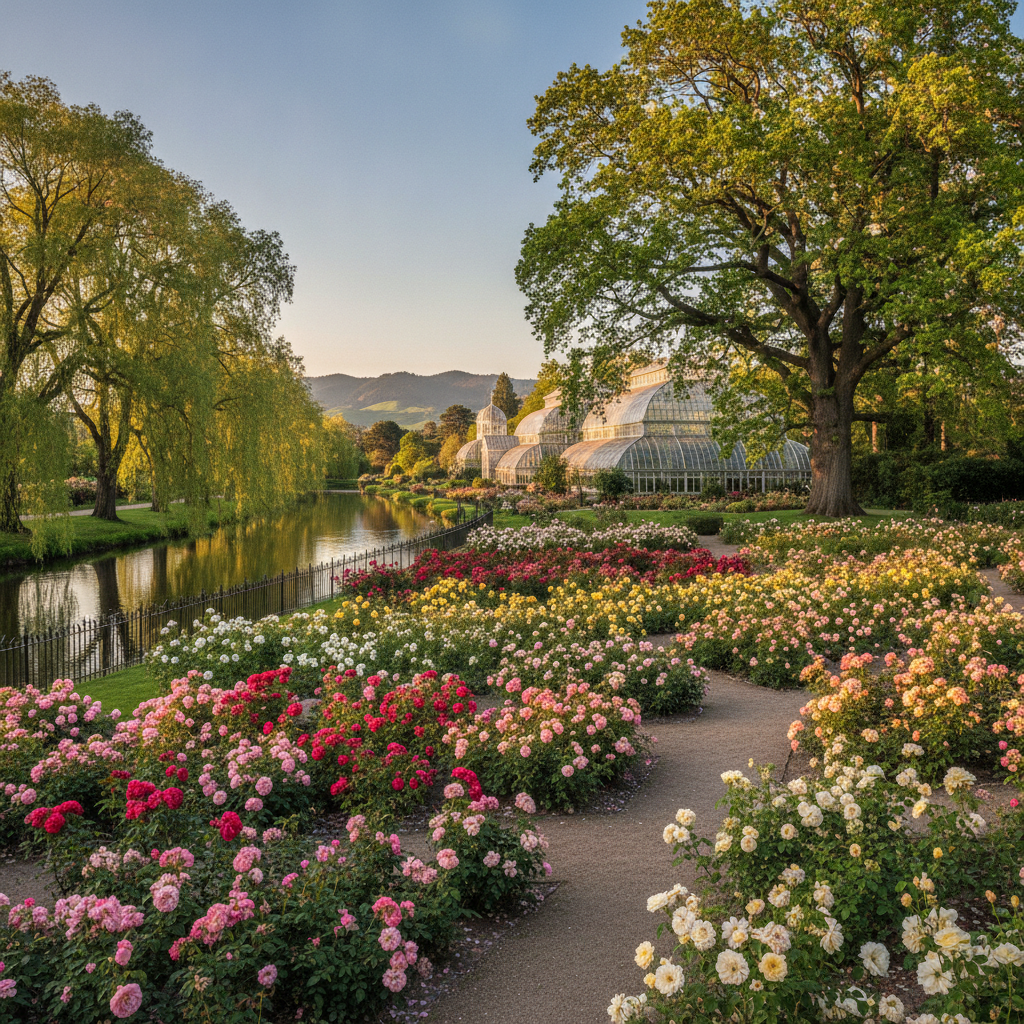
Christchurch: Post-Earthquake Rebuild, Botanic Gardens, Banks Peninsula and Akaroa French Colony, Kaikoura Whales, Arthur Pass Southern Alps, and Practical South Island Base Camp
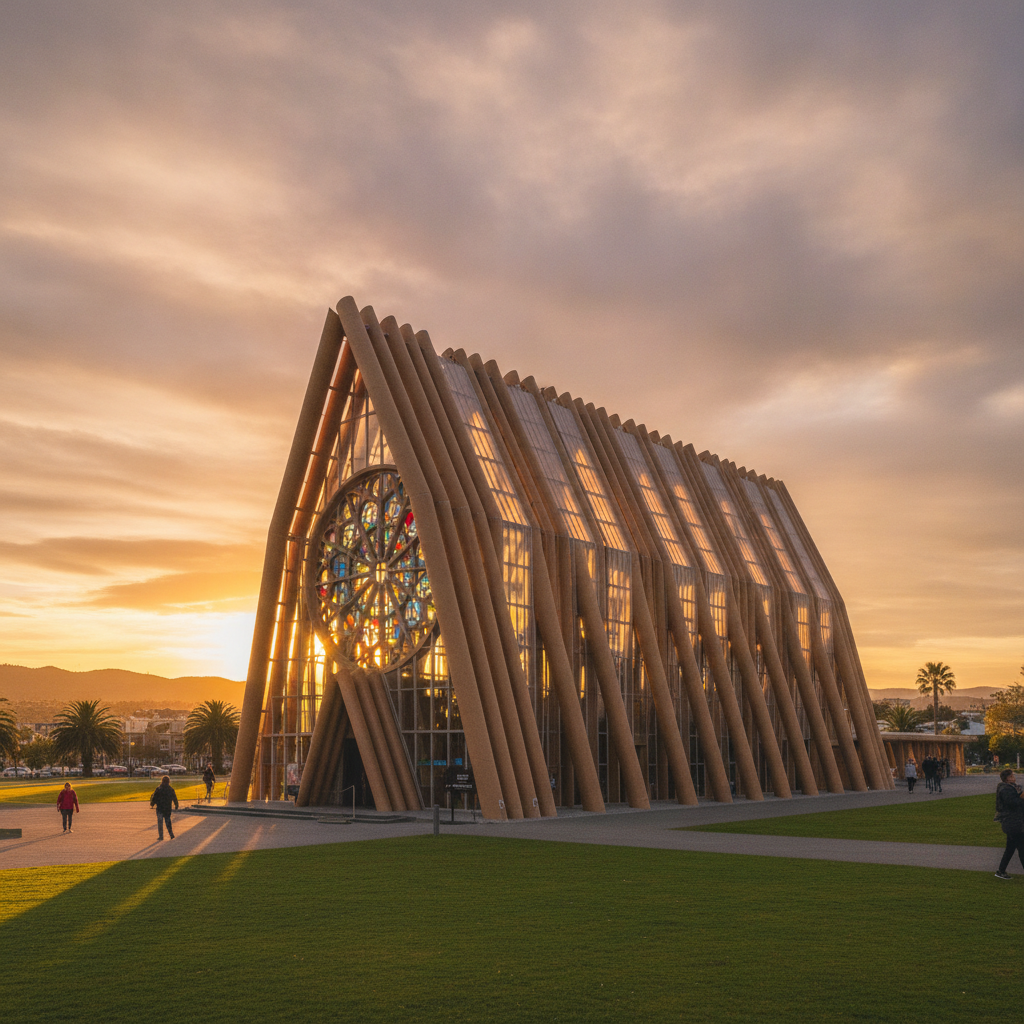
Christchurch: Canterbury Plains and High Country, Waipara Wine, Lyttelton Harbour Volcanic Landscape, Antarctic Gateway, and Post-Earthquake Food and Arts Scene