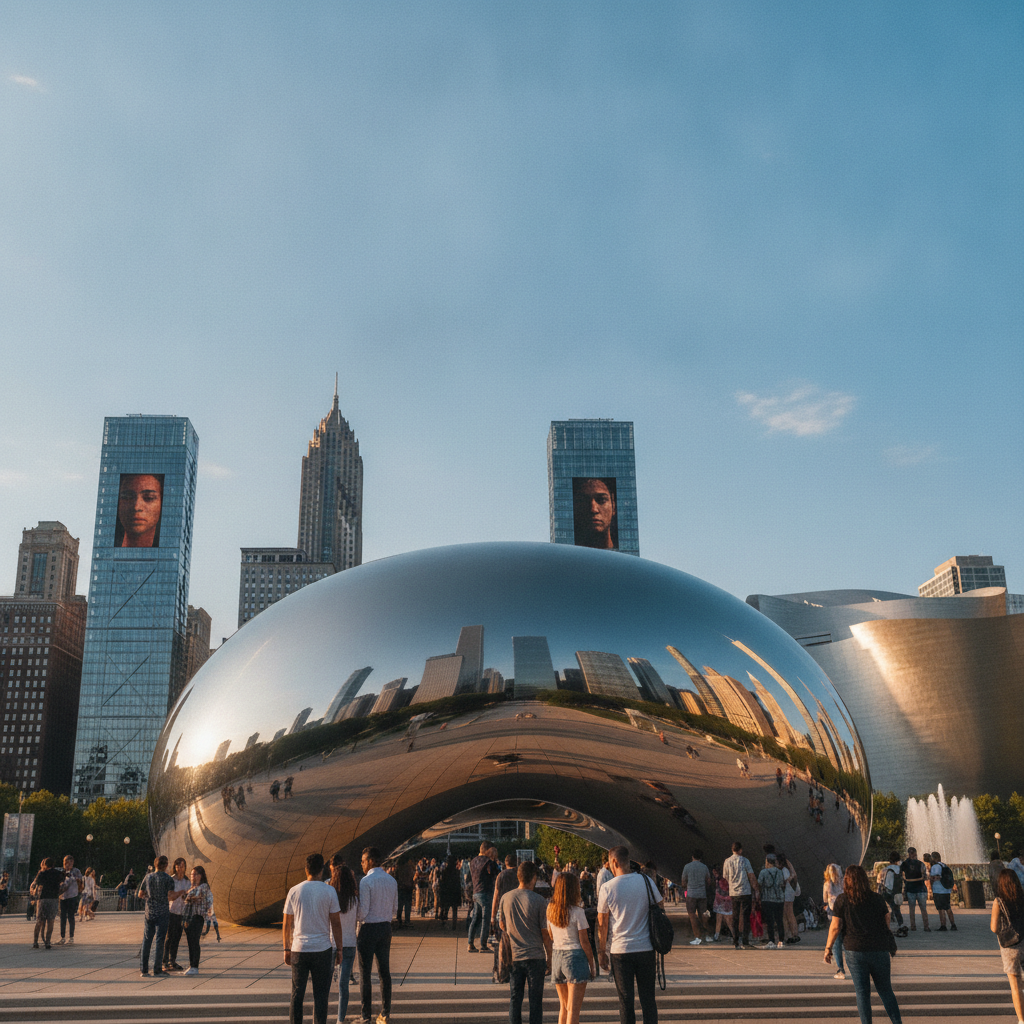
Millennium Park, Art Institute & the Magnificent Mile
The stretch of Chicago's lakefront from Millennium Park to the Magnificent Mile constitutes the cultural and commercial spine of the city — from Cloud Gate and the Jay Pritzker Pavilion in the park, through the world-class collection of the Art Institute of Chicago, to the shopping and architecture of Michigan Avenue and the Chicago Riverwalk.
- 1
Cloud Gate & Millennium Park
Cloud Gate (nicknamed 'The Bean', Millennium Park, completed 2006, designed by Anish Kapoor, 110 tons of polished stainless steel, 10 metres tall and 20 metres long): the most visited public sculpture in Chicago and one of the most successful pieces of large-scale public art of the 21st century — the elliptical bean-shaped sculpture reflects the Chicago skyline, the sky, and the visitors walking around and beneath it in its perfectly polished curved surface; visitors can walk beneath the sculpture through the 'omphalos' (navel), a concave interior that creates a dizzying pattern of multiply reflected images; Millennium Park (opened 2004 on the former site of rail yards and parking lots on the lakefront east of Michigan Avenue) also contains the Jay Pritzker Pavilion (Frank Gehry's open-air music venue with its distinctive stainless steel ribbons framing the stage and the outdoor audience space), the Crown Fountain (Jaume Plensa's video sculpture of two 50-foot glass brick towers displaying the faces of Chicago residents), and the Lurie Garden (a native-plant landscape garden).
- 2
Art Institute of Chicago — World-Class Museum on the Lakefront
The Art Institute of Chicago (111 South Michigan Avenue, one of the largest and most important art museums in the United States, founded 1879, housed in its current Beaux-Arts building on Michigan Avenue — the original 1893 building and later additions, most recently the Modern Wing designed by Renzo Piano and opened in 2009): the Art Institute's collection of approximately 300,000 works spans 5,000 years and all world cultures; the most celebrated works include Georges Seurat's 'A Sunday Afternoon on the Island of La Grande Jatte' (1884-1886, the painting that defined Pointillism and inspired the Sondheim musical 'Sunday in the Park with George'); Grant Wood's 'American Gothic' (1930); Edward Hopper's 'Nighthawks' (1942, the most famous American painting of the 20th century); Pablo Picasso's 'The Old Guitarist' (1903-1904); and the complete Thorne Miniature Rooms (68 miniature period room settings at 1:12 scale, constructed 1932-1940 by Narcissa Niblack Thorne to document European and American interior decoration).
- 3
Chicago Riverwalk — Architecture Tours on the Water
The Chicago Riverwalk (the pedestrian promenade along the south bank of the Chicago River from Lake Shore Drive west to Lake Street, developed in stages between 2001 and 2016 as one of the most ambitious urban waterfront renewal projects in American history): the Riverwalk provides the best ground-level access to Chicago's extraordinary architectural heritage along the river corridor — the Chicago River runs directly through the heart of the downtown core, lined on both sides by some of the most important buildings in American architectural history; the Chicago Architecture Center (111 East Wacker Drive, the hub of the Chicago Architecture Foundation) organizes boat tours (the most popular way to experience the river architecture) and walking tours that interpret the buildings lining the river; the architectural landmarks visible from the river include: the Wrigley Building (1921-1924, neo-Renaissance terra-cotta white), the Tribune Tower (1925, neo-Gothic limestone), Marina City (1963-1967, Bertrand Goldberg's twin circular concrete residential towers nicknamed 'the Corn Cobs'), and the Aqua Tower (2010, Jeanne Gang's undulating balconies that appear to ripple like water).
- 4
Michigan Avenue & the Magnificent Mile
The Magnificent Mile (North Michigan Avenue from the Chicago River to Oak Street, approximately 1.6 kilometres, the principal luxury retail and hotel corridor of Chicago — named by developer Arthur Rubloff in 1947): Michigan Avenue was transformed from a residential street into Chicago's primary commercial boulevard after the construction of the Michigan Avenue Bridge in 1920 (which connected the north and south banks of the river at this point for the first time and opened the north lakefront to development); the architectural highlights of the Magnificent Mile include the Wrigley Building (1921-1924), the Tribune Tower (1925, with stones embedded in its base from over 130 famous buildings and historic sites around the world — including pieces of the Taj Mahal, the Parthenon, the Great Wall of China, Westminster Abbey, and the Berlin Wall), the John Hancock Center (now 875 North Michigan Avenue, 1969, 344 metres, the X-braced skyscraper that pioneered the use of exterior structural tube frame for tall building construction), and Water Tower Place (1976, one of the first major vertical shopping malls in the United States).
- 5
Lakefront Trail & Navy Pier
The Chicago Lakefront Trail (the 26-mile multi-use trail running along the western shore of Lake Michigan through the city of Chicago, from Ardmore Avenue on the north to 71st Street on the south — one of the most spectacular urban recreational corridors in the United States, with unobstructed views east over Lake Michigan throughout its length and the entire Chicago skyline visible to the west): Navy Pier (600 East Grand Avenue, the 1,000-metre pier extending into Lake Michigan at the foot of Illinois Street, built 1916-1918 as a municipal pier for commercial shipping and extended in 1927 — converted to recreational use in 1976 and redeveloped as a tourist attraction in 1995): Navy Pier is the most visited attraction in the state of Illinois, with the 196-foot Centennial Wheel (the Ferris wheel installed in 2016 as part of the pier's centennial), restaurants, the Chicago Shakespeare Theater, and the Chicago Children's Museum.
- 6
Grant Park & Buckingham Fountain
Grant Park (the 313-acre public park along Chicago's lakefront between Michigan Avenue and Lake Shore Drive, from Randolph Street to Roosevelt Road — Chicago's 'front yard', created in part from landfill in Lake Michigan): the park contains Buckingham Fountain (one of the largest decorative fountains in the world, 1927, designed by Edward H. Bennett after the Latona Basin at the Palace of Versailles — the central jet reaches 46 metres in height and the fountain is illuminated with coloured lights and accompanied by music in evening shows between May and October); Grant Park was the site of the 1968 Democratic National Convention protests — the violent confrontation between police and anti-Vietnam War demonstrators that became one of the defining moments of 1960s American political history.
Walk this route with audio
Stories play automatically as you reach each stop — no tapping needed.
More in chicago
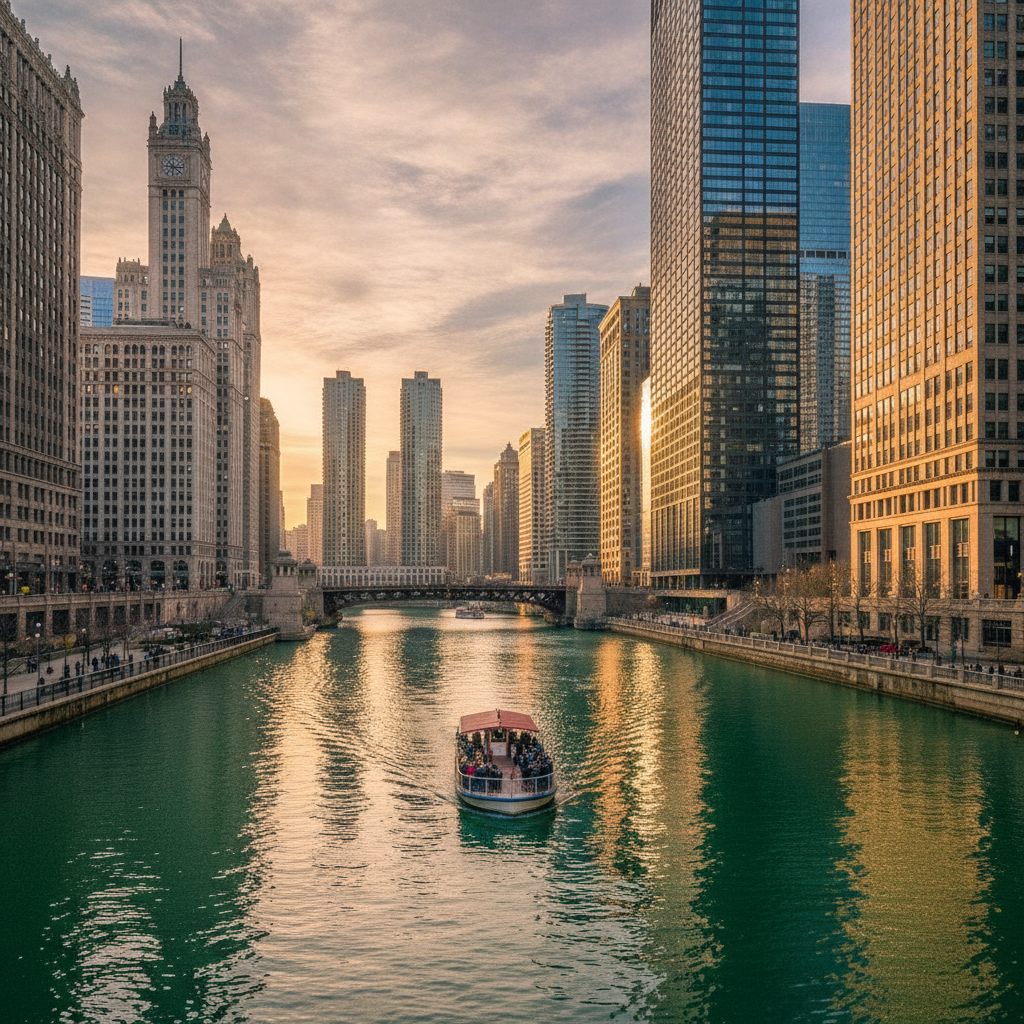
The Chicago River Architecture Boat Tour — Skyscrapers from the Water
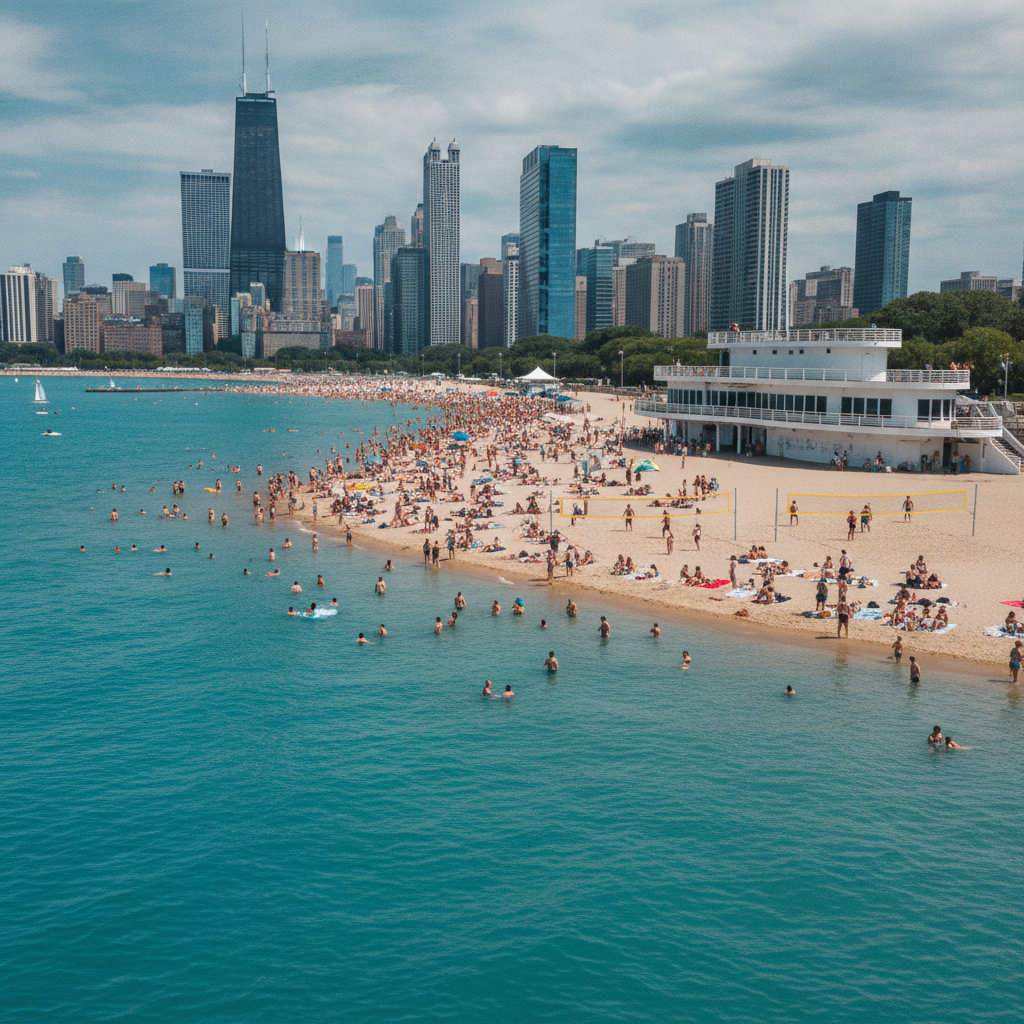
Lincoln Park, the Zoo, North Avenue Beach & Old Town
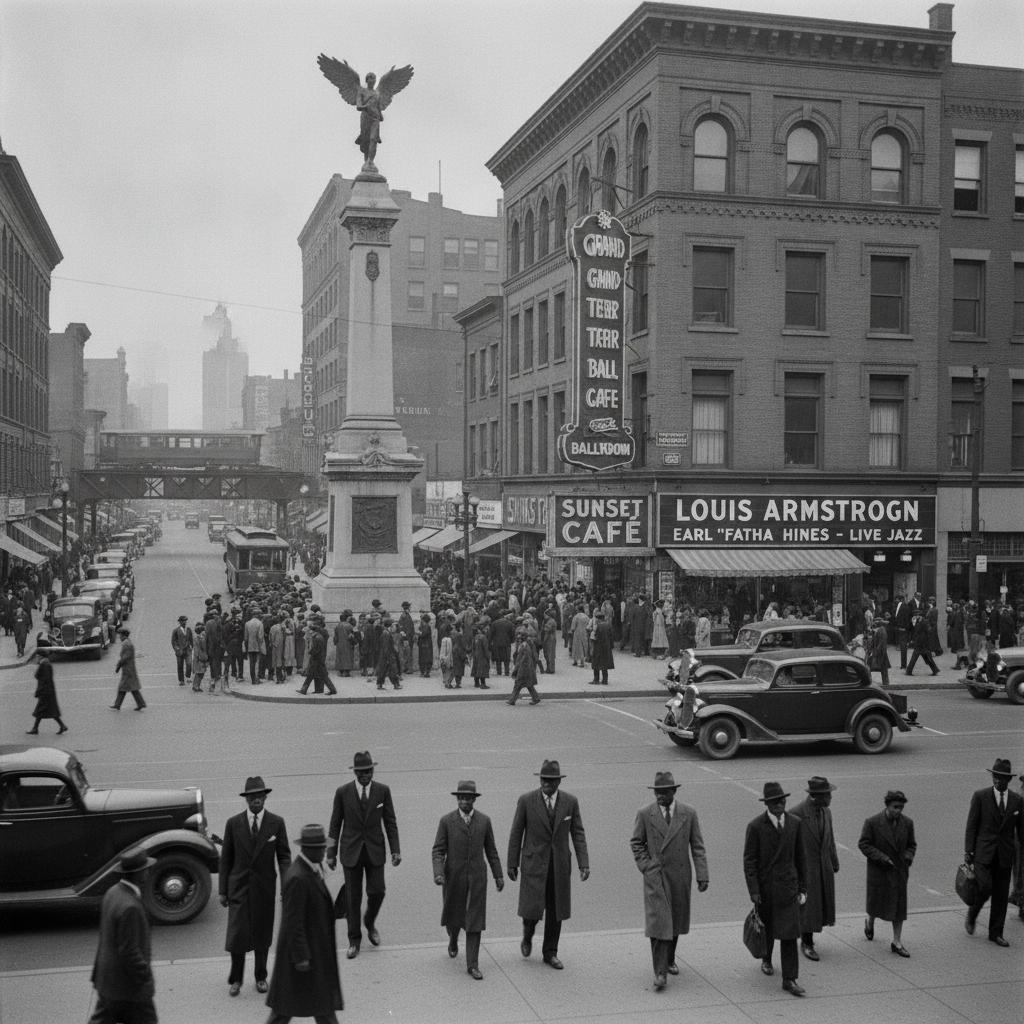
Bronzeville, Pullman & the African-American History of the South Side
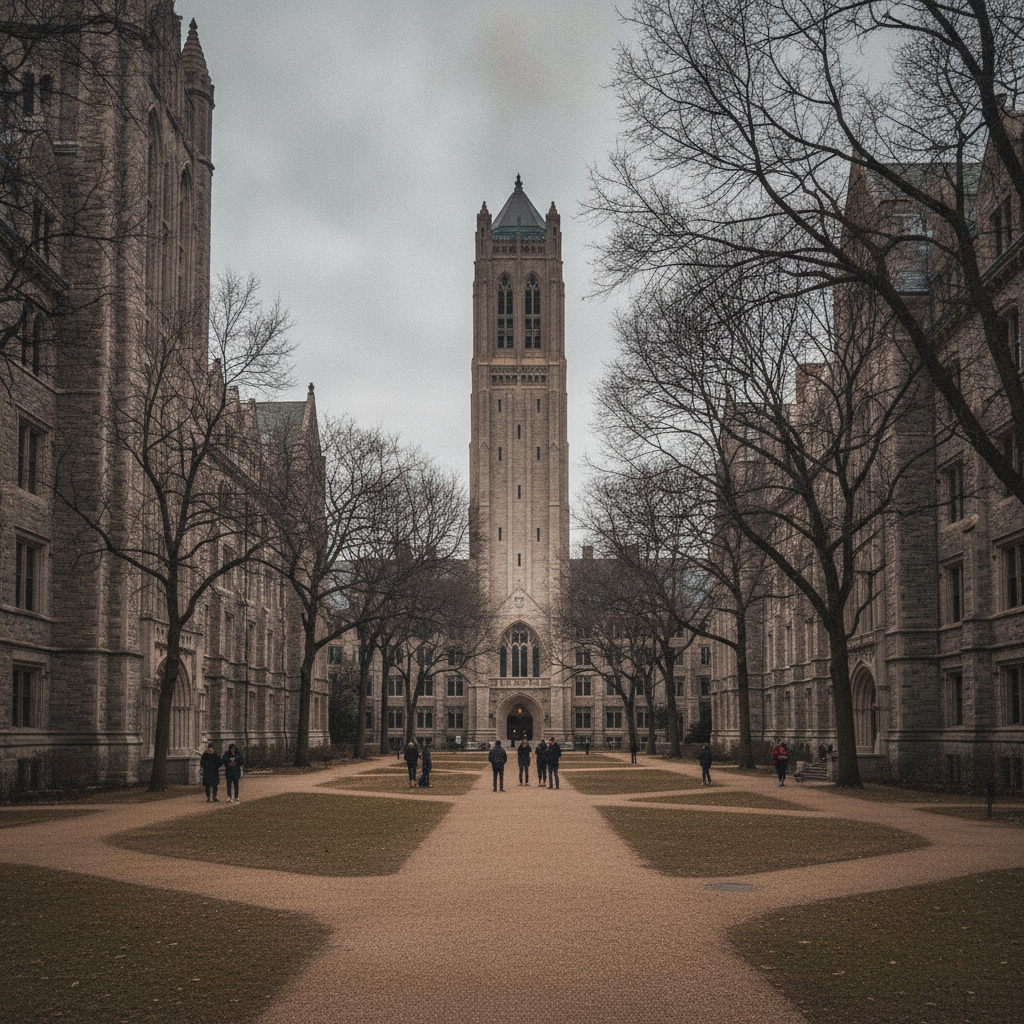
Hyde Park, the University of Chicago & Obama's South Side
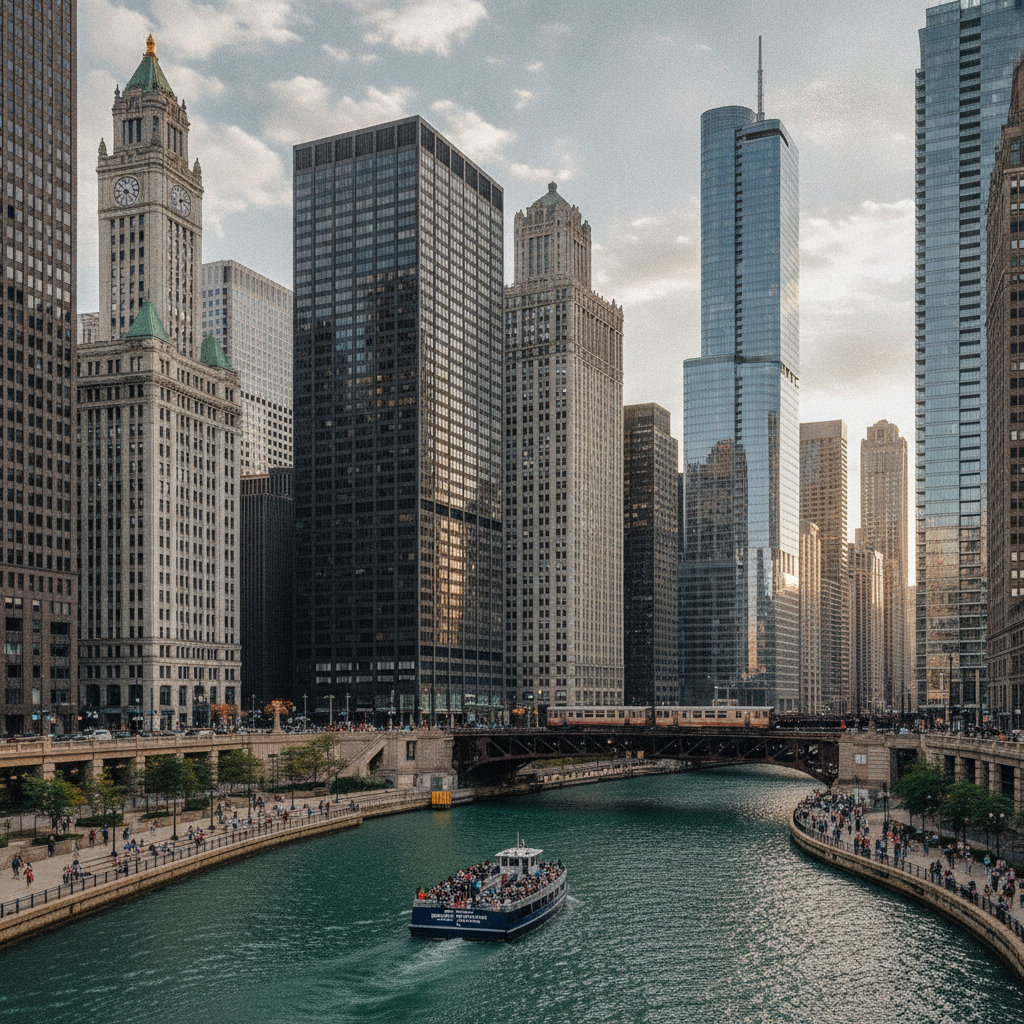
The Loop, Willis Tower & Chicago's Architectural Legacy