Chiang Mai Essentials: 300 Old City Temples, Khao Soi Noodles & Ethical Elephant Sanctuaries in the Mountains
Fall for northern Thailand's most liveable city—the Old City's 300 Buddhist temples packed within a 1296 moat (Wat Phra Singh, Wat Chedi Luang, Wat Chiang Man), the golden Doi Suthep chedi at 1,073 metres visible from the valley below founded where a white elephant died, Sunday Walking Street's silversmiths and lacquerware on Wualai Road, khao soi's rich coconut broth with crispy noodles (nothing like central Thai food), Lek Chailert's Elephant Nature Park rescuing 80+ animals from the riding industry, and Doi Inthanon's cloud forest summit at Thailand's highest point with 390 bird species.
- 1
The Old City & Its 300 Temples
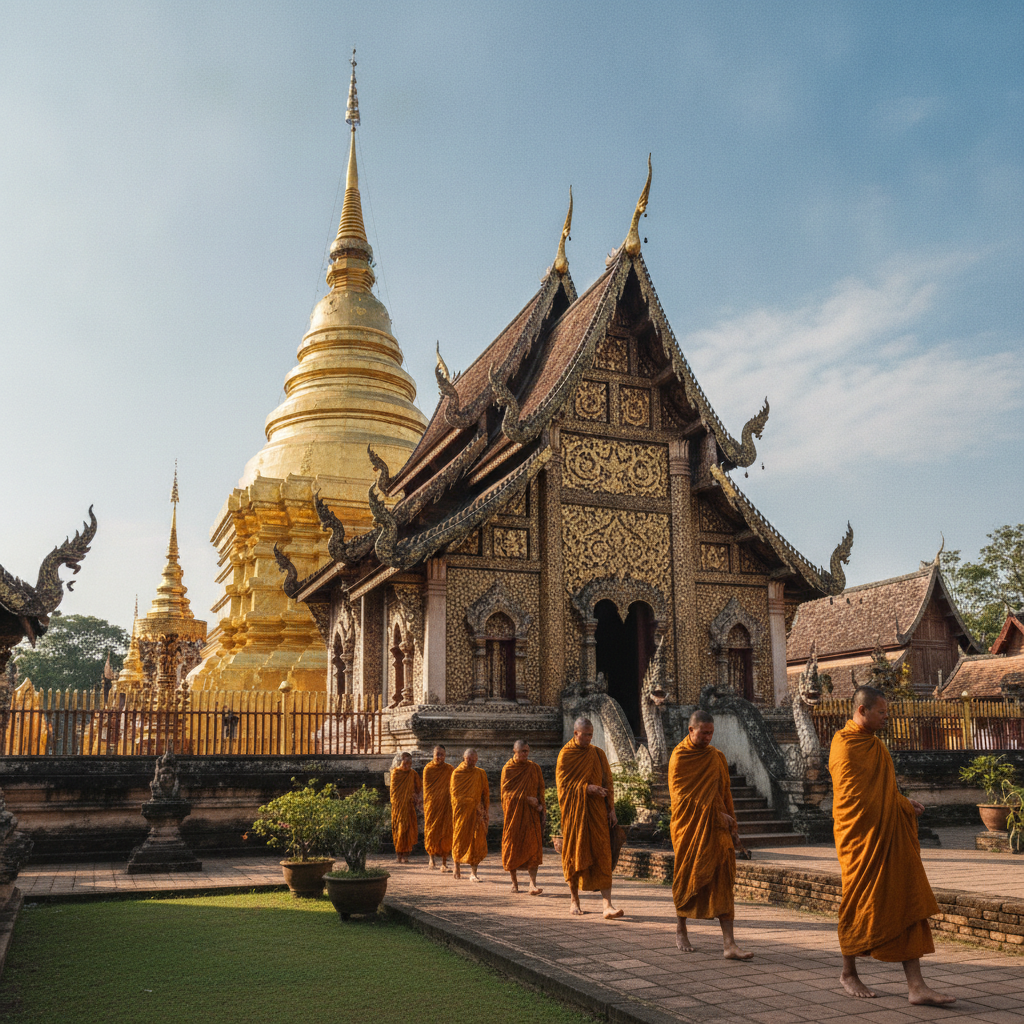
Chiang Mai's Old City—a 1.5 km square moated and walled area built in 1296 as the capital of the Lanna Kingdom—contains over 300 Buddhist temples (wats) within and immediately surrounding the ancient city walls. The density of temples is extraordinary: in the Old City alone, a temple appears on almost every block. The most significant: Wat Chedi Luang (the 15th-century chedi that was Chiang Mai's tallest structure until an earthquake partially collapsed it in 1545—still 42 metres high, still magnificent), Wat Phra Singh (1345, containing the Phra Singh Buddha—the most venerated image in the city, carried in procession at Songkran), and Wat Chiang Man (1296—the oldest temple in Chiang Mai, built by King Mengrai himself in the city's founding year, containing two of the most sacred Buddha images in the north).
- 2
Doi Suthep – The Temple That Watches Over Chiang Mai
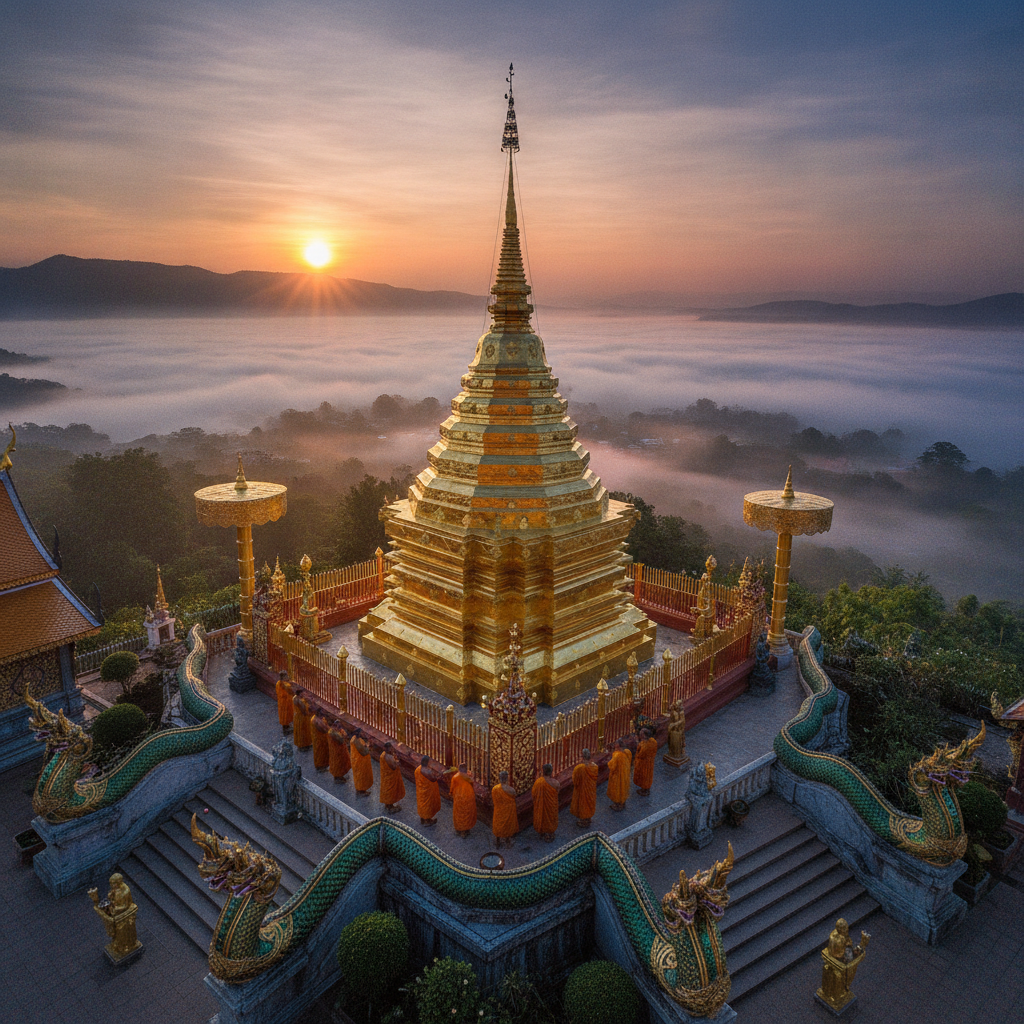
Doi Suthep Temple (Wat Phra That Doi Suthep)—15 km northwest of Chiang Mai, perched at 1,073 metres on the forested slope of Doi Suthep mountain—is the most sacred temple in northern Thailand and the most visited sight in Chiang Mai. The gilded chedi (stupa) containing a relic of the Buddha is visible from the city below on clear days. According to legend, the temple's location was chosen in 1383 by a white elephant that carried the Buddha relic up the mountain and died at this spot; the Naga (serpent) staircase of 309 steps ascending to the temple (or the cable car, ₹50, 2 minutes) is lined with ceramic Naga serpents of 5-headed, multicoloured design. The sunrise from the temple's chedi terrace—Chiang Mai spread across the valley below, mountain ridges in every direction—is Chiang Mai's finest view.
- 3
Chiang Mai Night Bazaar & Sunday Walking Street
Chiang Mai's markets are among the best in Southeast Asia for quality handicrafts. The Night Bazaar (Chang Khlan Road, nightly)—a permanent covered market complex with outdoor stalls—has operated since the old caravan trading days between Yunnan and the Malay states; it remains the place for silver jewellery, lacquerware, celadon pottery, hill tribe textiles, and carved wood. The Sunday Walking Street (Wualai Road—the silversmiths' street, running south from the old city)—transforms 1 km of road into a market of 200+ vendors selling handmade crafts, art, and street food every Sunday 4–10pm. The Saturday Night Market (Wualai Road adjacent, same area, Saturdays only) is similar but smaller. The Warorot Market (Kad Luang—'Great Market', the largest covered market in Chiang Mai) serves local food shopping needs.
- 4
Northern Thai Cuisine – Khao Soi & Sai Oua
Northern Thai cuisine is distinct from central Thai food in ways that surprise visitors who think they know Thai food. The defining dish: khao soi—a rich coconut curry broth with egg noodles, crispy fried noodles on top, pickled mustard greens, shallots, lime, and a choice of chicken, beef, or pork—a fusion of Chinese-Yunnanese and Burmese influences unique to the north. Sai oua (northern Thai sausage)—pork minced with lemongrass, kaffir lime leaves, galangal, dried chillies, and shrimp paste, stuffed into natural casings and grilled—is the most distinctively northern street food. Nam prik noom (green chilli dip) and nam prik ong (pork and tomato relish) served with raw vegetables and sticky rice are the essential northern appetisers. Chiang Mai's best khao soi: Khao Soi Khun Yai (Nimman area), Khao Soi Lamduan (Faham Road, local favourite since 1960s).
- 5
Elephant Sanctuaries – Ethical Wildlife Tourism
Chiang Mai's elephant tourism industry has undergone a significant ethical transformation since the early 2000s. Traditional elephant riding—which required physical breaking of elephants ('phajaan' or 'elephant crush') and kept animals in unnatural work conditions—has been increasingly replaced by sanctuaries that rescue working or abused elephants and allow visitors to interact without riding. Elephant Nature Park (founded by Lek Chailert, 60 km north of Chiang Mai)—the pioneer of ethical elephant tourism in Thailand, recognised internationally with multiple conservation awards—houses 80+ rescued elephants; day and overnight programmes allow walking alongside, bathing, and feeding but not riding. Other reputable operators: Elephant Jungle Sanctuary, Elephant Rescue Park. The shift has not been complete: riding operations still exist, and 'washing' and 'bathing' interactions remain controversial in some facilities.
- 6
Doi Inthanon – Thailand's Highest Peak
Doi Inthanon National Park—100 km south of Chiang Mai, containing Doi Inthanon (2,565 metres—Thailand's highest peak)—is the most accessible highland nature destination from Chiang Mai. The summit area contains two royal chedis (the Naphamethanidon and Naphaphonphumisiri—built in 1987 and 1992 to honour the King and Queen)—their gardens of temperate zone plants bloom with flowers that never grow in lowland Thailand. The park is a world-class birdwatching destination: over 390 bird species including endemics found nowhere else in Thailand (Green-tailed Sunbird, Rufous-bellied Niltava). The trails near the summit traverse cloud forest with rhododendron and magnolia; waterfalls (Mae Ya, Mae Klang, Siriphum) are spectacular during and after the rainy season.
Walk this route with audio
Stories play automatically as you reach each stop — no tapping needed.
More in Chiang Mai
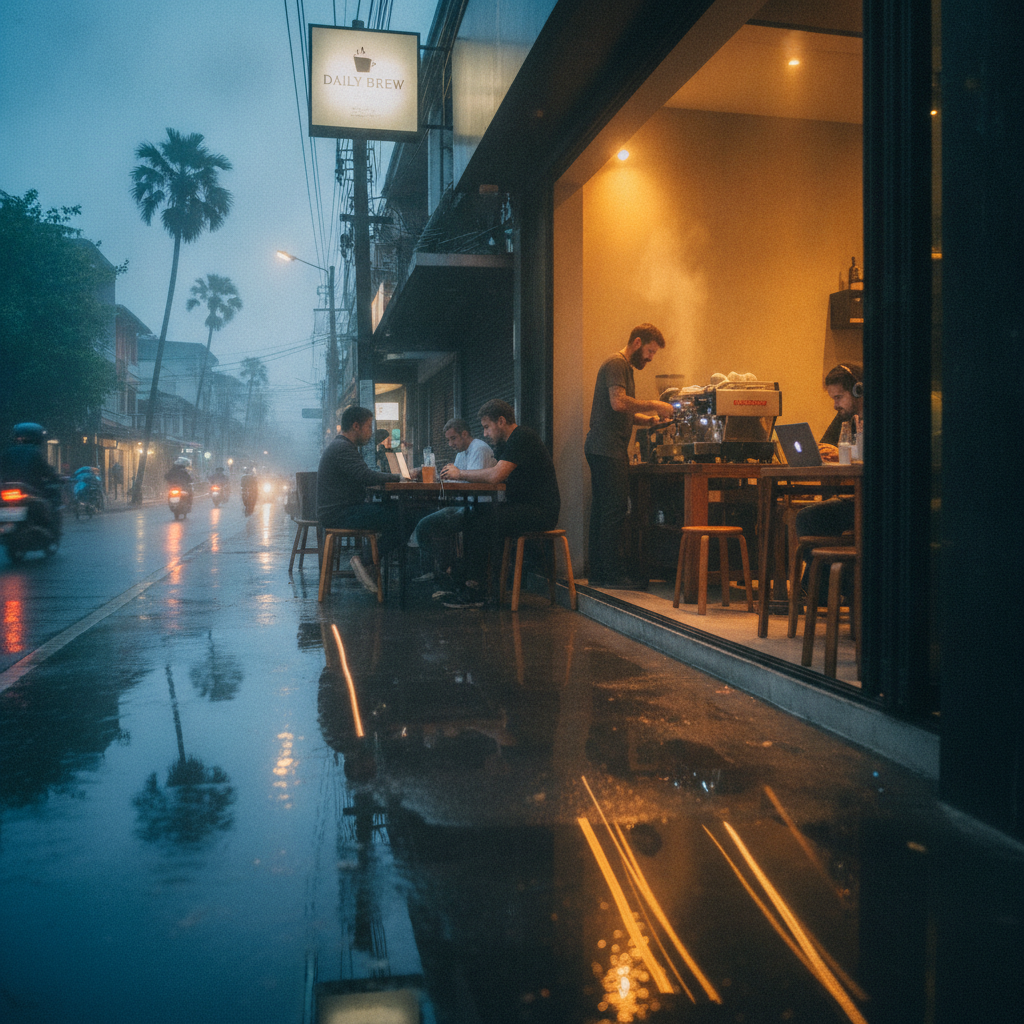
Chiang Mai Living: Akha Ama Coffee from Hill Tribe Growers, Muay Thai at Lanna Camp & Night Train to Bangkok
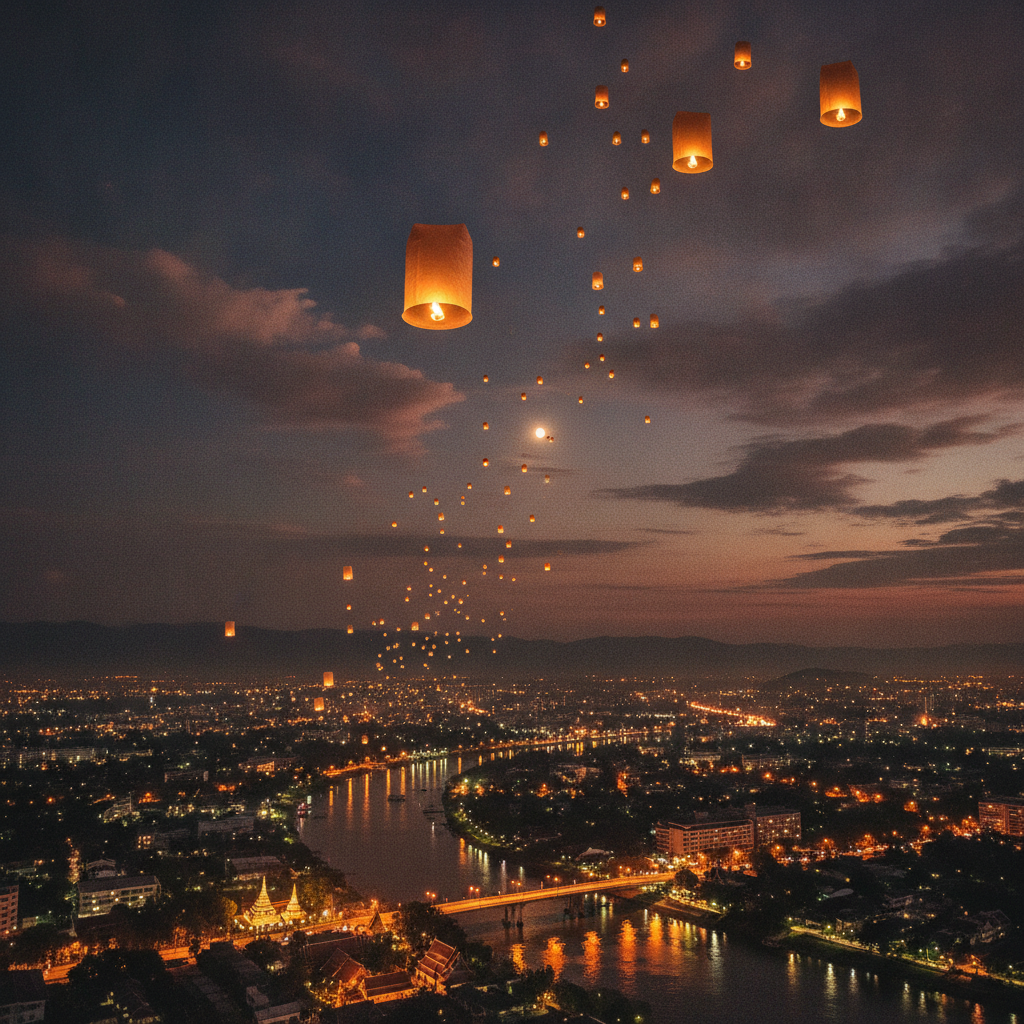
Chiang Mai's Depth: Lanna's 700-Year Kingdom, Yi Peng Lanterns Rising & the Digital Nomad Capital of the World
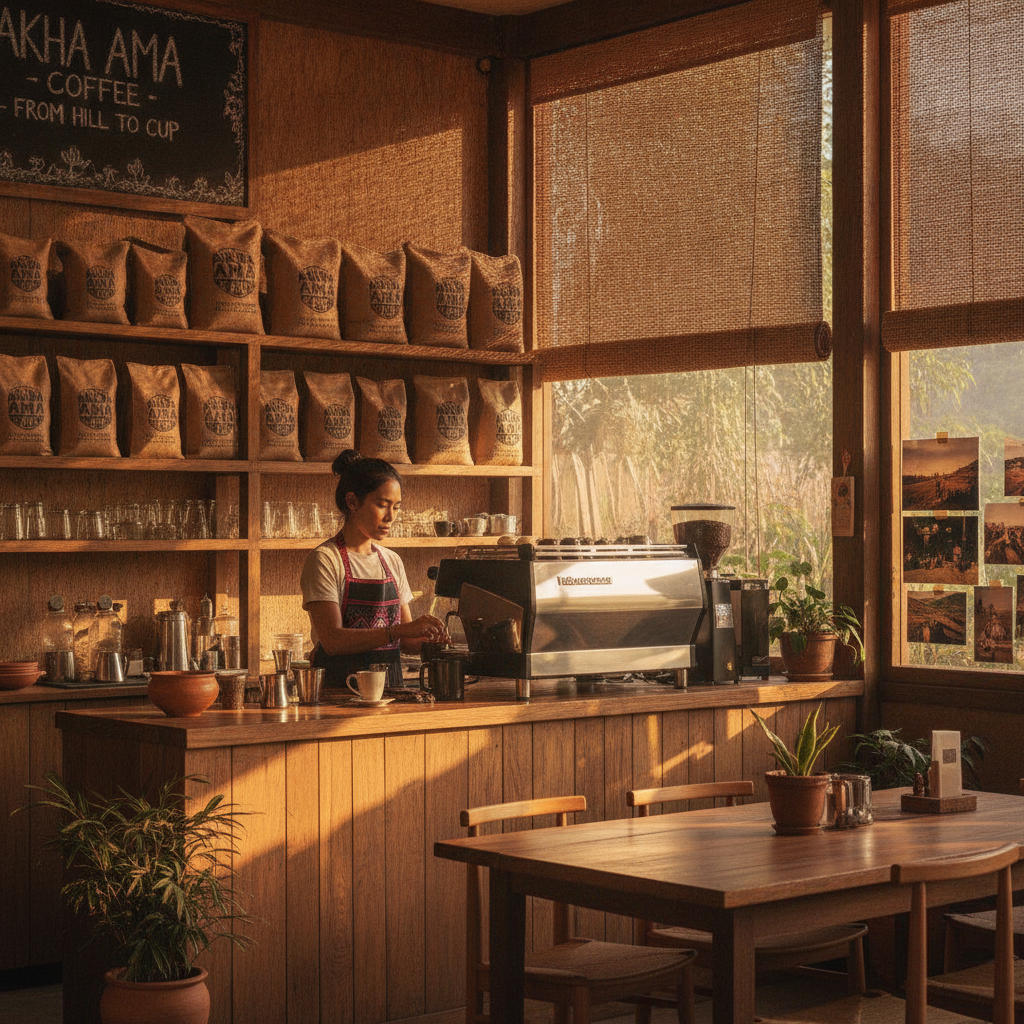
Chiang Mai's Layers: Akha Ama Coffee from Hill Tribe Farms, MAIIAM Contemporary Art & Shan-Myanmar Deep Roots
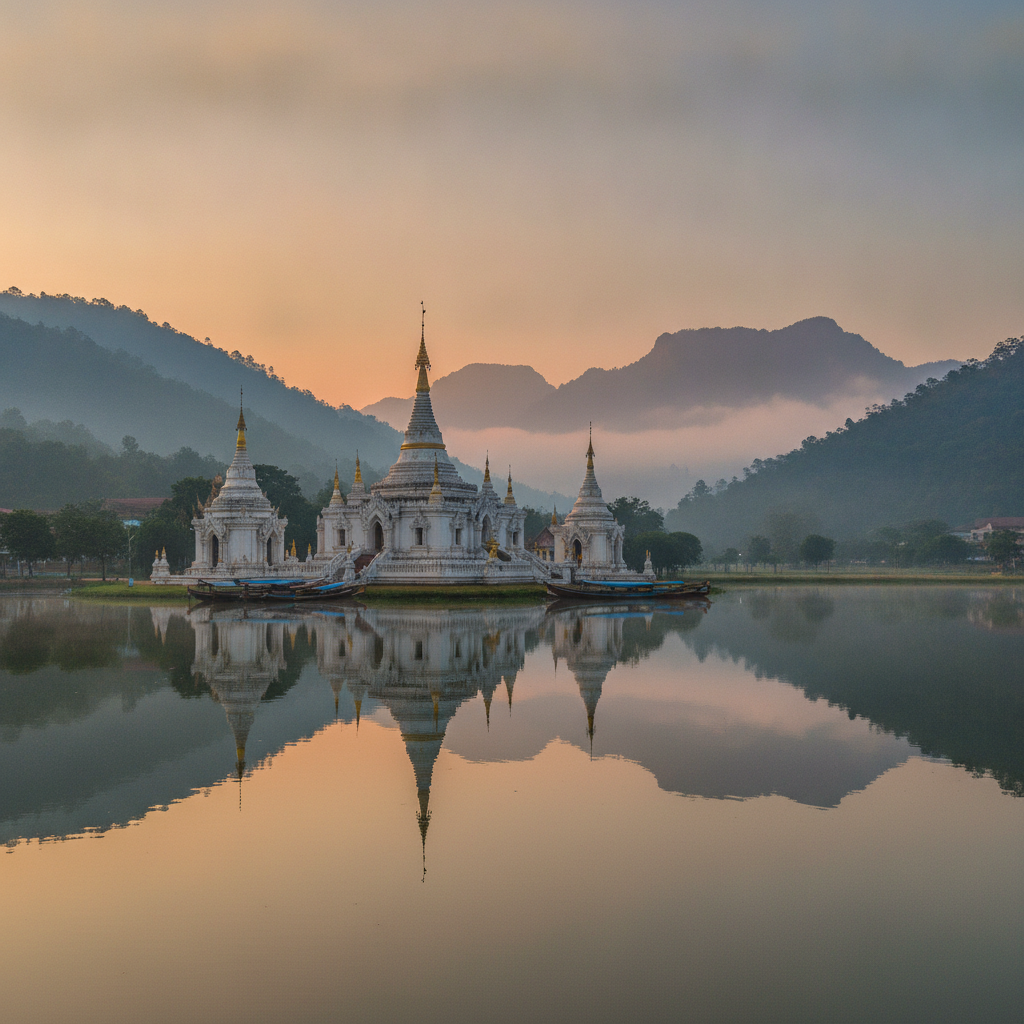
Beyond Chiang Mai: Mae Hong Son's 1,864 Curves, White Temple at Chiang Rai & the Region's Hardest City to Leave