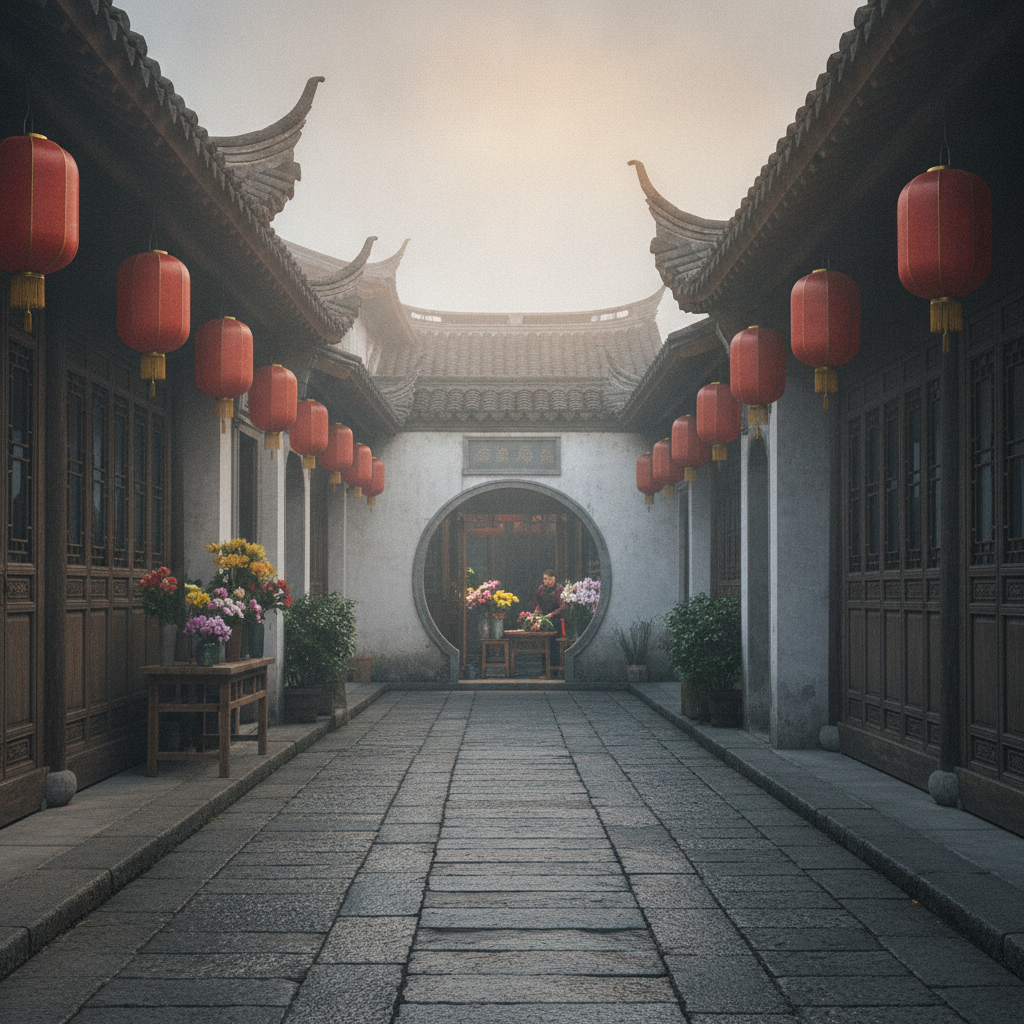
The 20%-Efficiency Bear That Eats 16 Hours a Day, the Irrigation System With No Moving Parts Running for 2,250 Years & the Bronze Masks That Don't Look Like Anything Else in China
The panda's 20% bamboo digestion efficiency; the Chengdu cub-swapping technique raising twin survival from 30% to 90%; the Dujiangyan Yuzui's centrifugal sediment removal with no mechanical parts for 2,250 years; the Sanxingdui 3.95m bronze sacred tree as the largest Bronze Age casting found in China; the 142 CE Qingcheng Mountain founding of organized Taoism; and the optimized 4-day itinerary with 08:00 panda timing and bronze mask hall allocation.
- 1
Sanxingdui – The Bronze Eyes That Stared at Ancient Sichuan
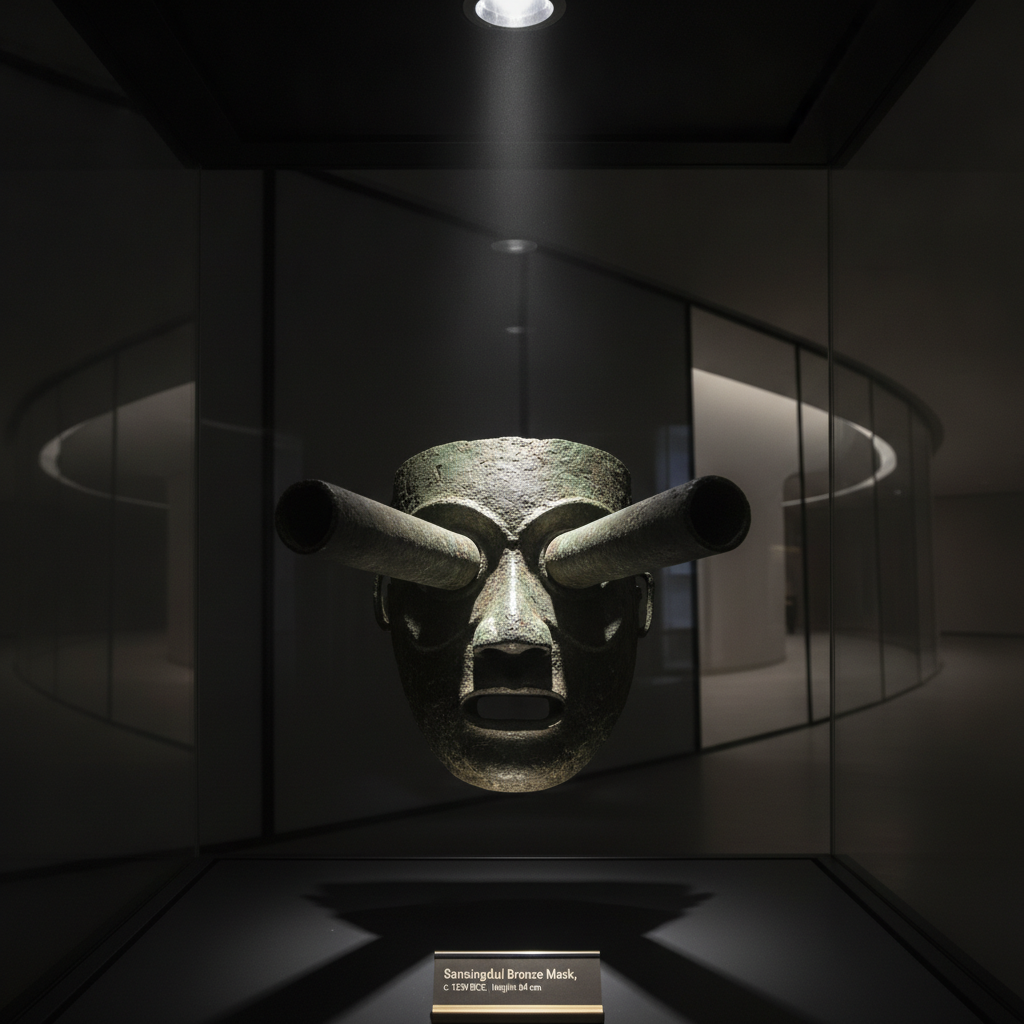
Sanxingdui (三星堆—40 km north of Chengdu near Guanghan): the Bronze Age site that most fundamentally challenged the accepted narrative of ancient Chinese civilization. The 1929 discovery: a farmer broke into an ancient pit digging irrigation. The 1986 excavations (2 sacrifice pits, thousands of bronze objects) were the most important single-year archaeological discovery in 20th-century China. The 2021–2024 excavations found 6 new pits with gold-foil bronzes, ivory, and silk remnants. The bronze masks with protruding cylindrical eyes extending 16 cm are the most anatomically impossible Bronze Age objects ever found. The 3.95-metre bronze sacred tree with 9 branches (each holding a bronze bird and sun disc) is the world's largest Bronze Age bronze casting found in China. Sanxingdui's culture (c. 1200–1000 BCE) was contemporary with the Shang Dynasty but had zero stylistic connection to Shang bronzes—an entirely independent Bronze Age civilization in the Sichuan Basin.
- 2
Chengdu Night Street Food – Skewers to Midnight Wontons
The Chengdu night food culture: the most energetic in western China. The dan dan mian (担担面): thin wheat noodles with sesame paste, soy, chili oil, Sichuan peppercorn, and Yibin preserved vegetables—originally carried on a shoulder pole (扁担) by street vendors, the dish named after the carrying method. The chuàn chuàn xiāng (串串香): ingredients on bamboo skewers dipped into mala hotpot broth—the most affordable mala format. The long chaoshou (龙抄手): Chengdu wontons in chili oil. The zhong shui jiao (钟水饺): sweet-spicy dumplings at the century-old Zhong Dumpling restaurant in Chunxi Road. Night market locations: Jinxiu Road night market, the Jiuyanqiao bar and food street, the Yulin neighborhood (most authentic non-tourist food destination). The Chengdu breakfast culture: the zheergen (折耳根—raw corander root) in cold dishes, considered the most divisive breakfast ingredient in China by domestic food media.
- 3
Dujiangyan – The Irrigation System That Made Sichuan China's Granary
The Dujiangyan Irrigation System (都江堰): UNESCO World Heritage Site (2000), the oldest functioning irrigation system in the world. Designed by Li Bing (Qin Dynasty, 256 BCE) to manage Min River flooding. The 3 components: Yuzui (fish-mouth) divider using natural centrifugal force to throw sediment into the flood channel; Feishayan (flying sand weir) overflow controlling sediment without mechanical parts; Baopingkou (bottle-neck gorge) cut through mountain using fire-and-water thermal cracking. Result: 668,000 hectares of Chengdu Plain irrigated, water supplied to 50+ cities, operational for 2,250 years without major modification. The adjacent Qingcheng Mountain (青城山): the Taoist sacred mountain where Zhang Daoling founded the Way of Celestial Masters (天师道) in 142 CE—the origin of organized Taoism as a religious institution. The UNESCO inscription covers both sites together.
- 4
Chengdu's Wenshu Monastery & Buddhist Heritage
Wenshu Monastery (文殊院): the Chan Buddhist monastery in northern Chengdu city center—the most important Buddhist temple within the Chengdu city boundary. The monastery vegetarian restaurant is the most visited in Sichuan and the best introduction to Buddhist temple food (斋食) in the city. The Wenshu Museum holds Tang and Song Dynasty Buddhist bronzes and ceramics—the highest-quality religious art collection in Chengdu. The Green Ram Temple (青羊宫, Qīngyáng Gōng): the largest Taoist complex within Chengdu, famous for the pair of bronze rams in the main courtyard—touching specific parts (right ear for intelligence, nose for health) is the most practiced folk ritual in Chengdu's religious landscape. The Sanxingdui-Buddhism connection: the Sanxingdui bronze sacred tree's 9-branch structure has been compared by some scholars to the Buddhist cosmic tree (the Bodhi tree) as evidence of early religious exchange across the Silk Road before Buddhism was officially introduced to China.
- 5
Chengdu Panda Biology – Why Conservation Took So Long
The giant panda's extraordinary biology explains why captive breeding took decades to master. Digestive efficiency: the panda's carnivore gut digests only 20% of bamboo consumed—the worst digestive efficiency of any large mammal. Compensation: 14–16 hours of daily eating (9–38 kg of bamboo) and 10 hours of sleep to minimize energy expenditure. Reproductive bottleneck: female pandas ovulate once per year; the fertility window is only 24–72 hours. The entire year's reproductive opportunity for a female panda is a 2-day window. The Chengdu base solution: a frozen semen bank allowing artificial insemination timed precisely to the female's fertility. The twin problem: pandas often conceive twins but abandon one cub in the wild; the Chengdu base pioneered cub-swapping—alternating twins between mother and incubator so both survive while the mother believes she has only one cub. This technique, invented at Chengdu, increased the survival rate from ~30% to ~90% for twin births.
- 6
Chengdu 4-Day Itinerary
The optimized 4-day Chengdu itinerary: Day 1 (Panda base + city): 08:00 Panda Base (3 hours including red panda area) → Wuhou Shrine and Jinli Street (afternoon—food stalls fully open) → evening mala hotpot dinner. Day 2 (Archaeology + engineering): morning high-speed train to Guanghan (25 min from Chengdu East) → Sanxingdui Museum (3 hours; bronze mask hall requires 1 hour minimum) → bus to Dujiangyan (45 min) → Dujiangyan site (2 hours) → return to Chengdu. Day 3 (Mountains): Chengdu East to Emei Station (1h15m) → Mount Emei cable car to Golden Summit (sea of clouds if clear) → bus to Leshan → Giant Buddha river boat → return. Day 4 (City culture): morning Kuanzhai Alley (before 10:00) → People's Park teahouse and ear-cleaning → Chunxi Road and IFS panda sculpture → Wenshu Monastery vegetarian lunch → evening Sichuan face-changing opera at Changyu Theatre.
Walk this route with audio
Stories play automatically as you reach each stop — no tapping needed.
More in Chengdu
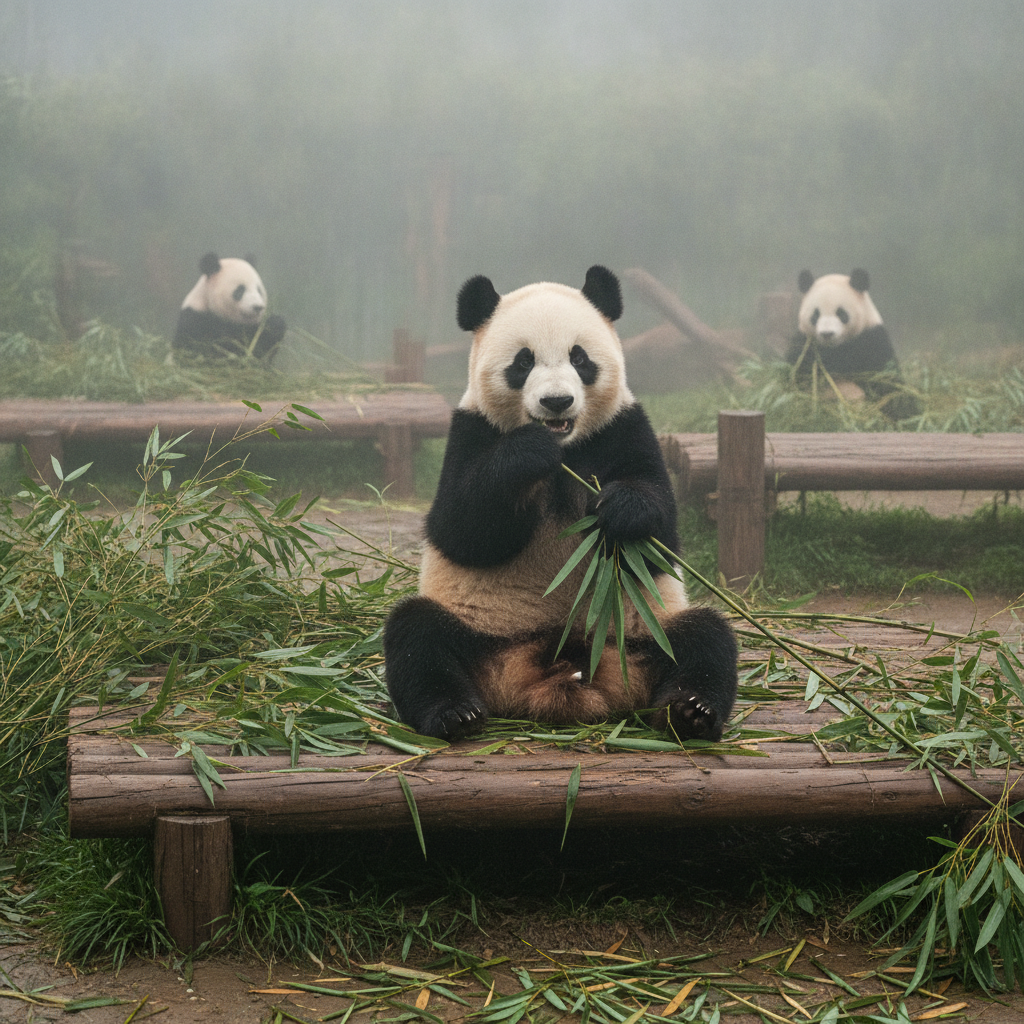
The Institution Responsible for 80% of All Captive Panda Births, the Firefox Browser Named After a Red Panda & the 1,200-Year Stone Buddha With a Built-In Rain Drainage System
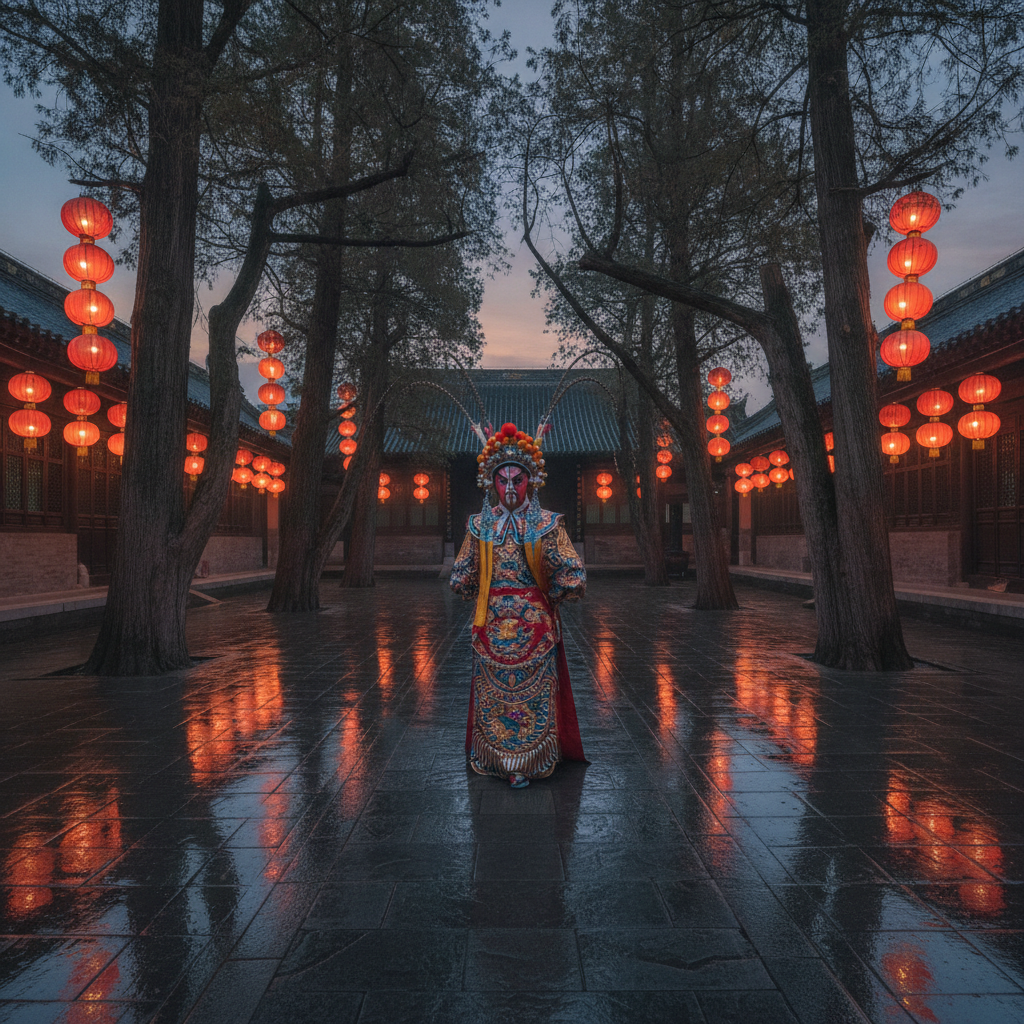
The Sichuan Opera, Du Fu's Thatched Cottage & the Plain That Fed the Han Dynasty
The Earthquake That Exposed Tofu Construction, the Dinosaur Capital Producing More Significant Fossils Than Anywhere in China & the Dog That Barks at the Sun
The 300-Year Paste With Its Own Museum, the Glacier Descending to 2,850m (the Lowest in Asia South of the Arctic Circle) & the Wonton Restaurant Open Since 1941