The Institution Responsible for 80% of All Captive Panda Births, the Firefox Browser Named After a Red Panda & the 1,200-Year Stone Buddha With a Built-In Rain Drainage System
The panda base's 230 pandas and 80% captive-birth share; the red panda as the Firefox browser logo's namesake; the IUCN 2016 reclassification from Endangered to Vulnerable; the Pixian doubanjiang fermented paste as intangible cultural heritage; the Leshan Buddha's carved hair-drainage system maintaining the stone for 1,200 years; and the Chengdu Tianfu Airport's direct 10-hour London flight as western China's most connected international gateway.
- 1
Giant Panda Base – The World's Panda Capital
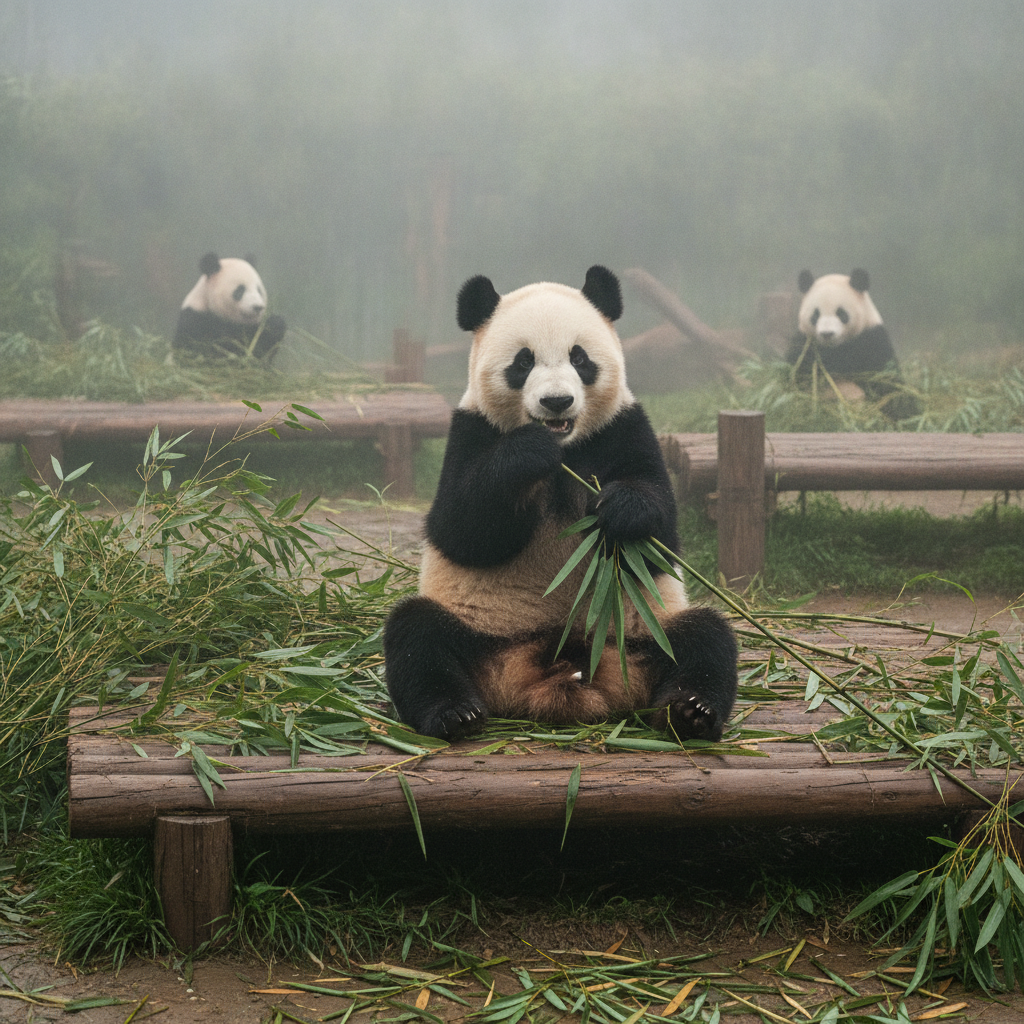
The Chengdu Research Base of Giant Panda Breeding (成都大熊猫繁育研究基地—116 hectares, 10 km north of Chengdu city center): the world's most important giant panda conservation institution, established 1987 with 6 rescued pandas. Current population: approximately 230 giant pandas—the largest captive population globally and responsible for ~80% of all captive panda births worldwide. The optimal visit: arrive at 08:00 (gate opening) before tour groups arrive at 09:30. Pandas are most active during feeding (08:00–10:00); they sleep 10–16 hours daily. The electric cart (¥10 one way) is essential for covering the full 116 ha before the pandas retreat to sleep by 11:00. Conservation milestone: the IUCN reclassified the giant panda from 'Endangered' to 'Vulnerable' in 2016, specifically citing the effectiveness of the captive breeding programme led by Chengdu.
- 2
The Red Panda – Firefox on Four Legs
The red panda (Ailurus fulgens—the 'firefox') is the secondary ambassador animal of the Chengdu Panda Base and the actual animal that inspired the Firefox browser logo (the Mozilla Foundation chose the name 'Firefox' from the red panda's common English name in China). The red panda enclosure is the least-visited section of the base and the most relaxed viewing experience since red pandas are more active than giant pandas throughout the day. The red panda's biology (the red panda is not closely related to the giant panda despite both eating bamboo and living in the same habitat—the red panda is the sole member of the family Ailuridae, a distinct lineage from the bear family (Ursidae) to which the giant panda belongs): the convergent evolution of the bamboo-eating lifestyle between the two animals. The red panda's status: classified as Endangered by the IUCN with approximately 10,000 individuals remaining in the wild in the Himalayas and southwestern China.
- 3
Chengdu's Hotpot Culture – The Mala Spice Revolution
The Sichuan hotpot (四川火锅): the communal spiced broth pot at the center of the table, the most internationally influential dish in Chengdu's culinary identity. The mala flavor (麻辣): the combination of numbing (麻, má) from Sichuan peppercorn (花椒—contains hydroxy-alpha-sanshool, activating tactile nerve endings rather than heat pain receptors) and heat (辣, là) from dried chili. The Pixian doubanjiang (郫县豆瓣): the fermented broad bean and chili paste produced in Pixian district for 300+ years, designated national intangible cultural heritage—the essential base of Sichuan hotpot broth. The dipping protocol: sesame oil (麻油碟) at every table cools the immediate mala impact. The standard split pot (鸳鸯锅): one mala side and one clear broth side, the most ordered format for first-time visitors who want to calibrate heat tolerance.
- 4
Jinli Ancient Street & Wuhou Shrine
The Wuhou Shrine (武侯祠): the temple dedicated to the Three Kingdoms strategist Zhuge Liang, the most historically significant temple complex in Chengdu and the most visited museum in Sichuan Province. The unique feature: the Wuhou Shrine is the only Chinese shrine complex where the minister (Zhuge Liang) is venerated alongside the emperor (Liu Bei) in the same compound—a reversal of the standard hierarchical convention. The Three Kingdoms Shu Kingdom (蜀汉, 221–263 CE) made Chengdu its capital; the period is romanticized in the 14th-century 'Romance of the Three Kingdoms' (三国演义), one of China's 4 great classical novels. The adjacent Jinli street: the highest concentration of Sichuan street foods in one location—dandan mian (担担面), long chaoshou wontons (龙抄手), zhong shui jiao sweet-spicy dumplings (钟水饺), and Sichuan shadow puppet performances.
- 5
Leshan Giant Buddha – The World's Largest Stone Buddha
The Leshan Giant Buddha (乐山大佛): the 71-metre seated cliff-side Buddha carved 713–803 CE at the confluence of the Min, Dadu, and Qingyi rivers, 150 km south of Chengdu. UNESCO World Heritage Site (listed 1996). Scale: head 14.7m, ears 7m, smallest toe 1.7m wide. Construction motivation: the monk Hai Tong initiated the 90-year project to calm the dangerous river confluence capsizing boats—the carved rock debris dumped into the river altered the current and reduced flooding. Hidden rain drainage: carved into the Buddha's hair, collar, and sleeves, channeling water away from the stone for 1,200 years without mechanical intervention—the most thoughtfully engineered ancient monument in China. Access from Chengdu: high-speed train from Chengdu East to Leshan (25 min, ¥34); river boat tour (the only view of the complete seated figure from ground to crown).
- 6
Getting to & Around Chengdu – Practical Guide
Chengdu has two airports: Chengdu Tianfu International Airport (opened 2021, 51 km southeast—most international routes) and Chengdu Shuangliu International Airport (15 km southwest—mainly domestic). Direct international flights from Tianfu: London (10h), Paris (11h), Frankfurt (10h30m), Dubai (8h), Singapore (5h), Sydney (12h), LA (11h30m). The Chengdu Metro: 13 lines, 234 stations (2026), covering both airports. Tourist-relevant stops: Line 4 for Wuhou Shrine/Jinli (Gaosheng Bridge Station); Line 3 for Chunxi Road shopping. High-speed rail from Chengdu East: Chongqing (1h15m), Xi'an (3h), Kunming (4h), Leshan (25 min). Tibet access: Tibet Travel Permit (TTB) required for all foreigners, obtainable only through licensed Tibetan agencies in Chengdu (5–10 working days processing). The Sichuan–Tibet Highway G318 from Chengdu to Lhasa (2,142 km via the 4,730m Erlangshan Pass) is the world's most scenic overland route.
Walk this route with audio
Stories play automatically as you reach each stop — no tapping needed.
More in Chengdu
The Sichuan Opera, Du Fu's Thatched Cottage & the Plain That Fed the Han Dynasty
The Earthquake That Exposed Tofu Construction, the Dinosaur Capital Producing More Significant Fossils Than Anywhere in China & the Dog That Barks at the Sun
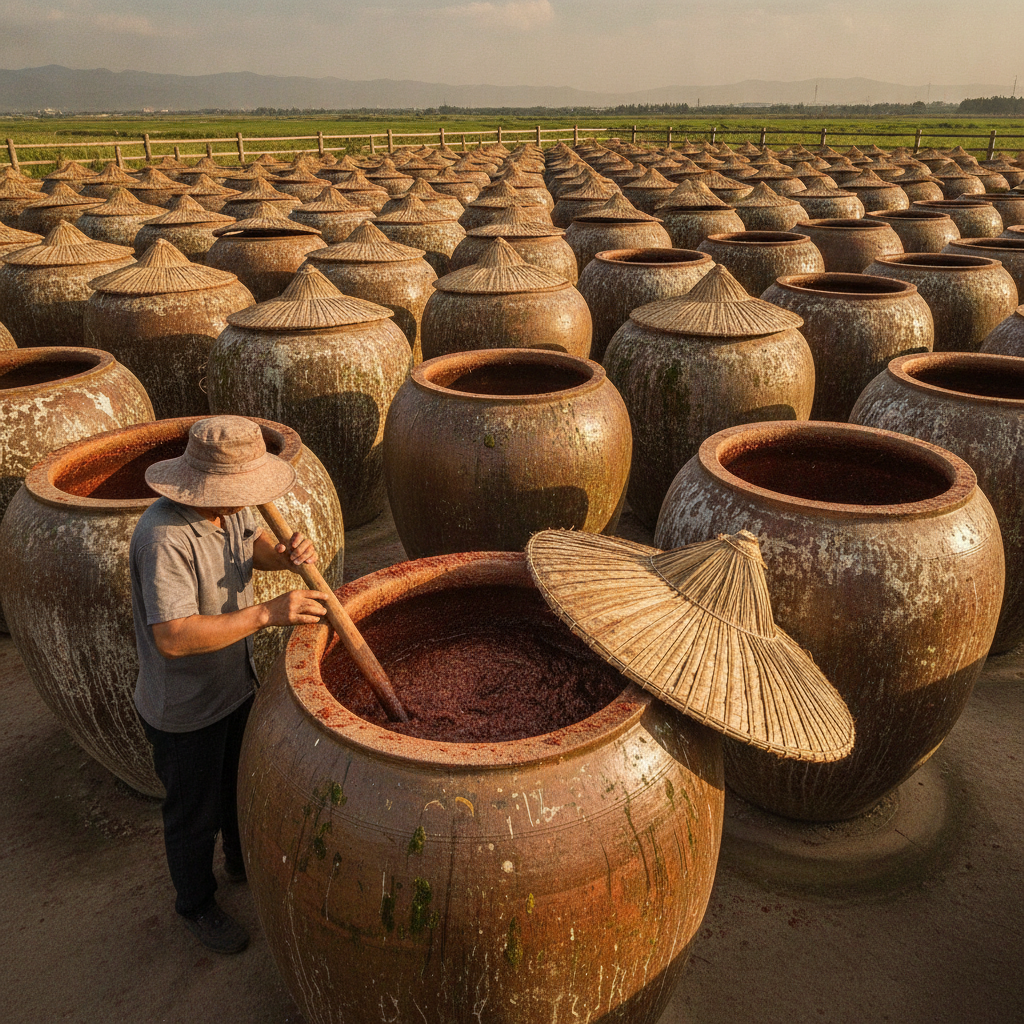
The 300-Year Paste With Its Own Museum, the Glacier Descending to 2,850m (the Lowest in Asia South of the Arctic Circle) & the Wonton Restaurant Open Since 1941
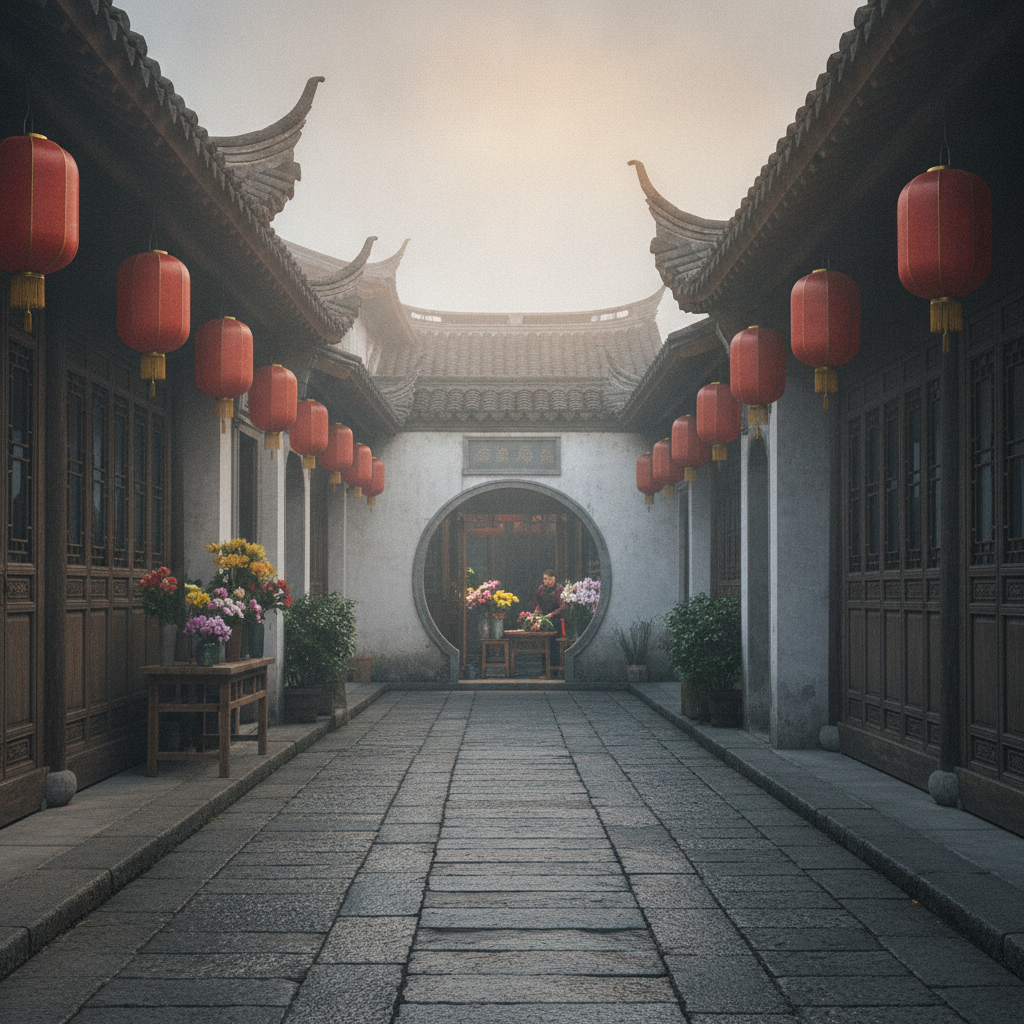
The UNESCO Gastronomy City Where the Spice Numbs Before It Burns, the 3,000 Aggressive Mountain Monkeys Armed With Walking Sticks & the State-Secret Face-Changing Opera That Switches Masks in 0.1 Seconds